Understanding patterns Multiplication Worksheets for 9-Year-Olds
11 filtered results
-
From - To
Discover our enriching Understanding Patterns Multiplication Worksheets designed specifically for 9-year-olds! These worksheets enhance mathematical skills by introducing students to the concept of patterns in multiplication. By recognizing these patterns, children will gain a deeper understanding of multiplication and improve their problem-solving abilities. Our engaging activities are tailored to make learning fun and interactive, encouraging students to explore various multiplication strategies. With visually appealing designs and clear instructions, these worksheets provide the perfect opportunity for young learners to practice and develop their multiplication skills at their own pace. Boost your child’s confidence in math today with our expertly crafted resources!
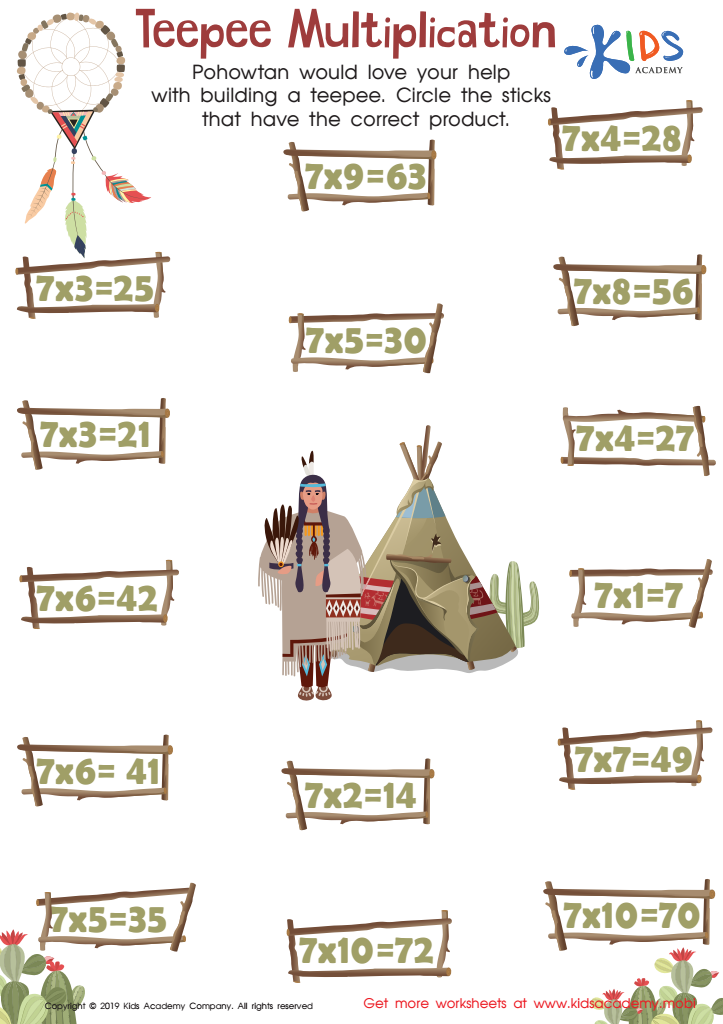
Teepee Multiplication Worksheet
 Assign to My Students
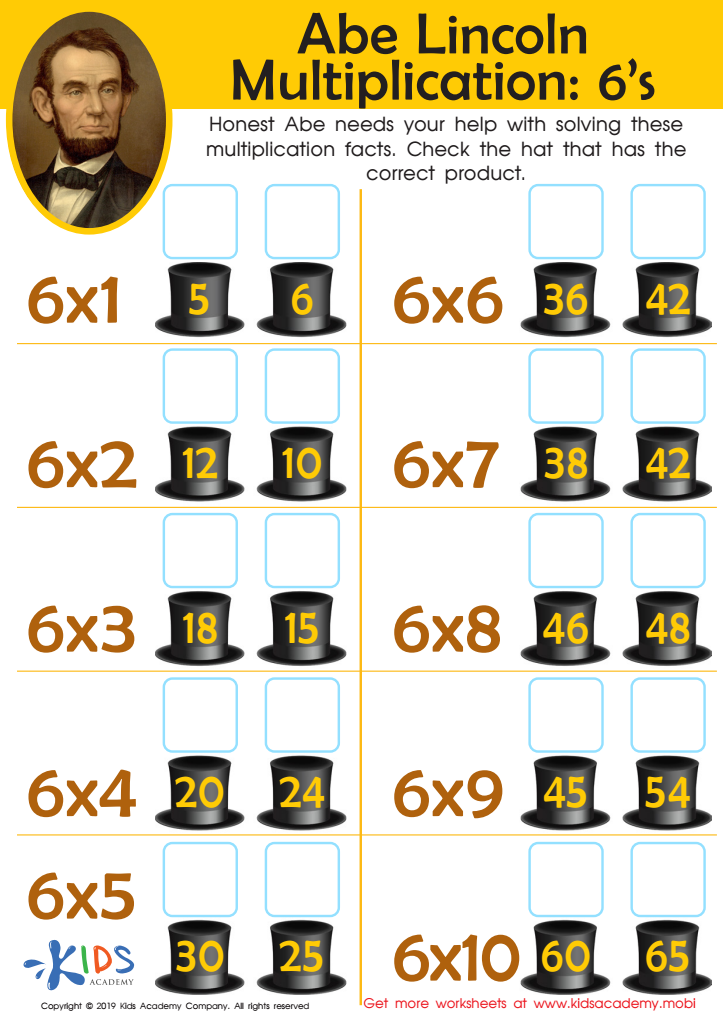
Abe Lincoln Multiplication: 6’s Worksheet
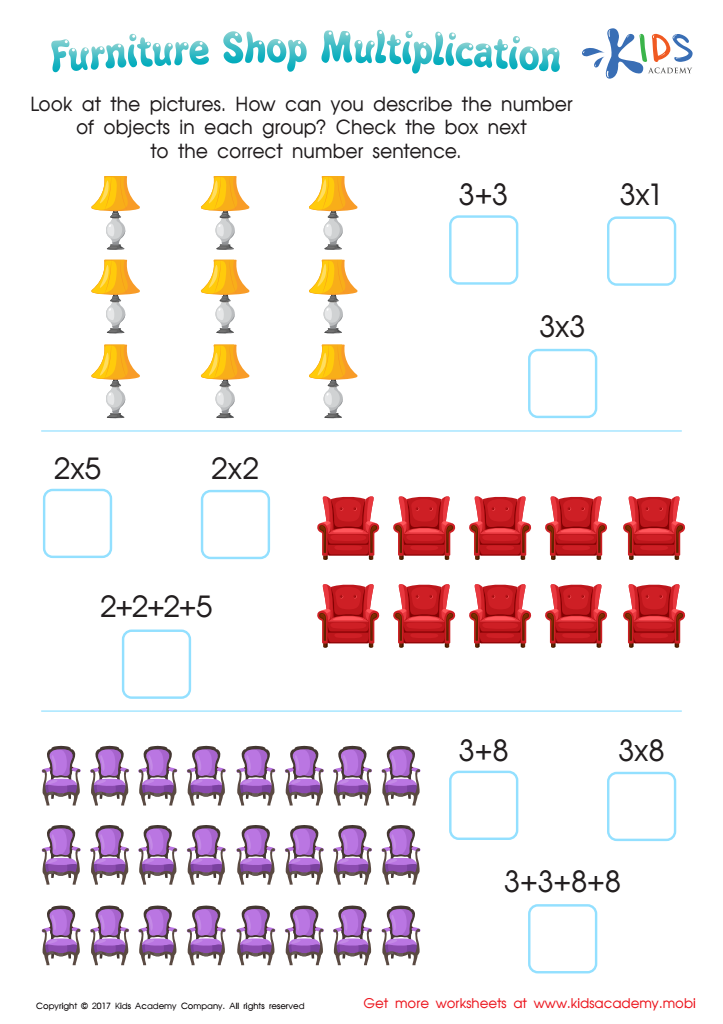
Furniture Shop Worksheet
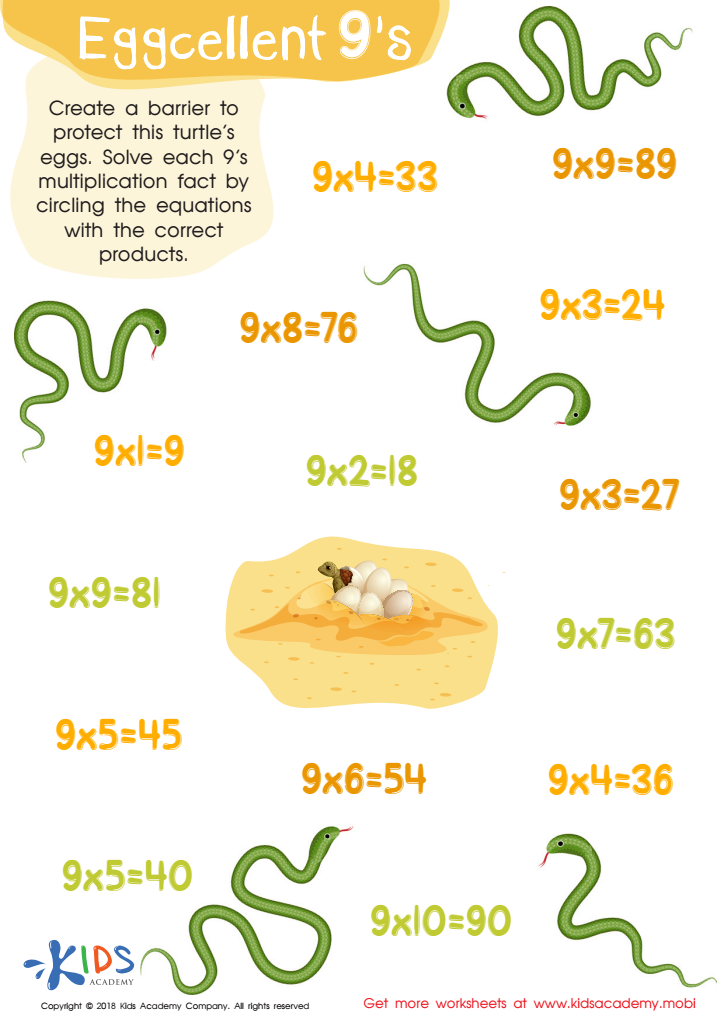
Eggcellent 9’s Worksheet
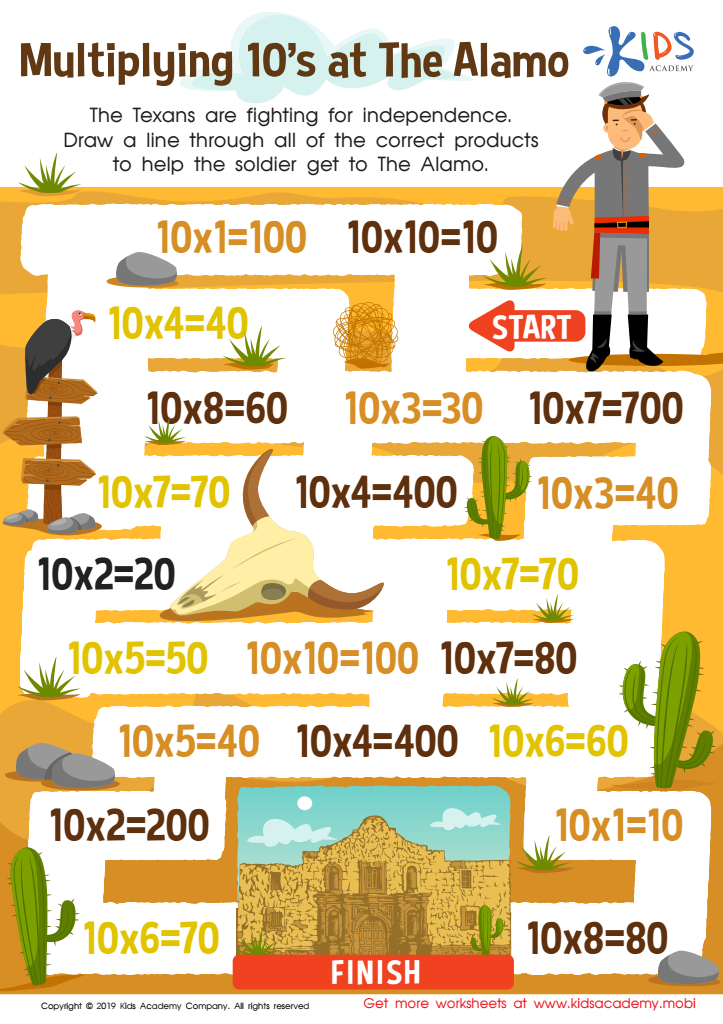
Multiplying 10’s at The Alamo Worksheet
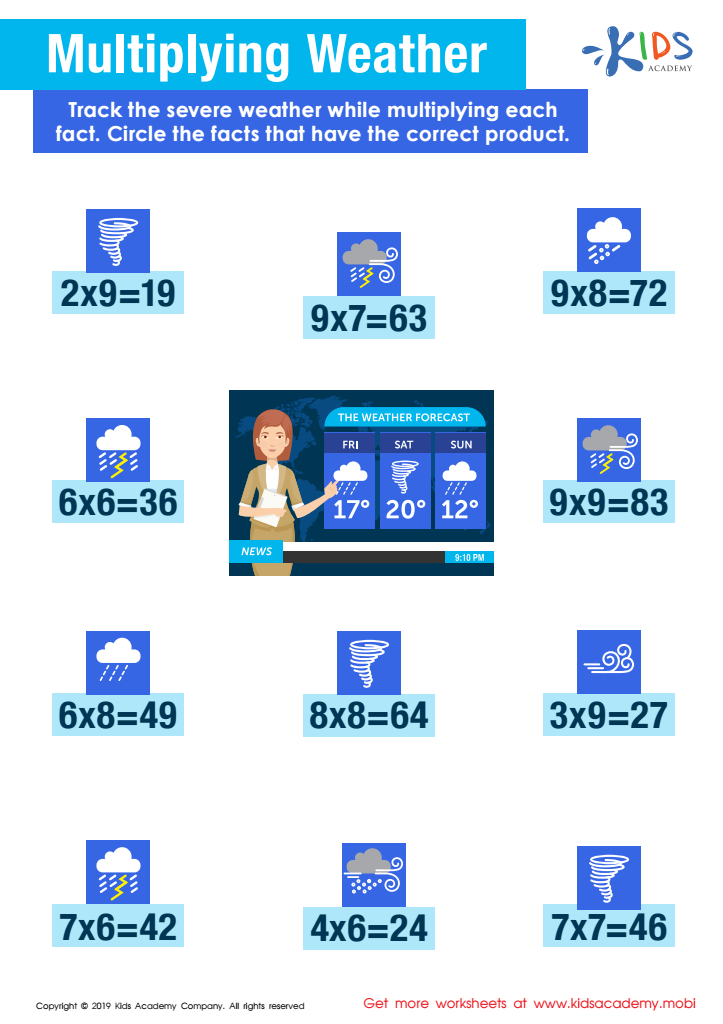
Multiplying Weather Worksheet
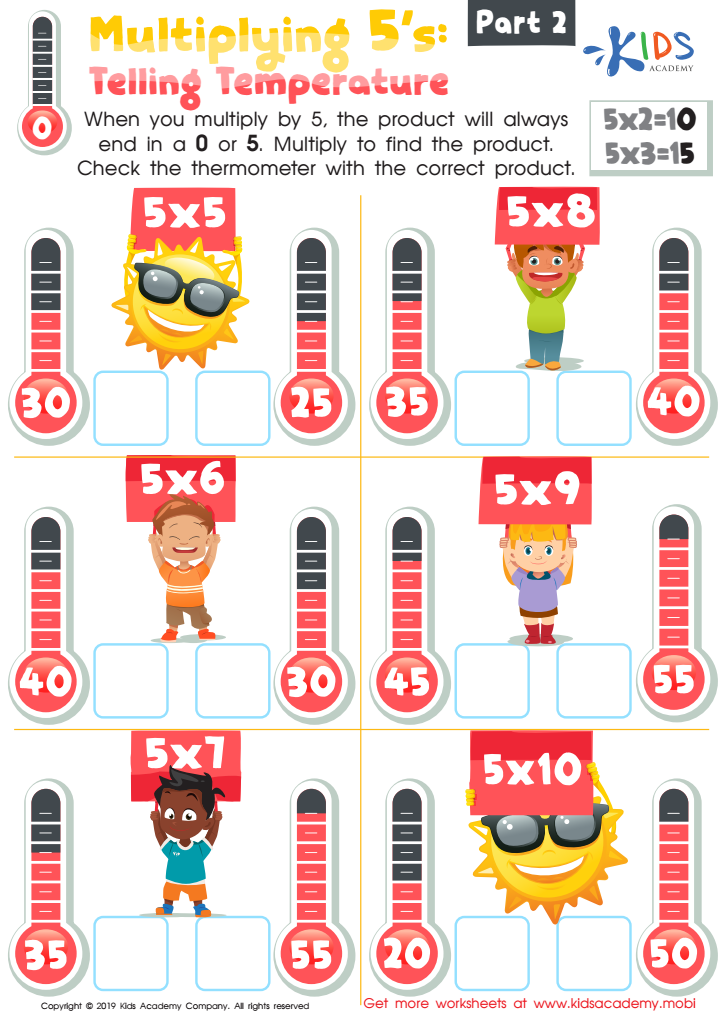
Multiplying 5’s: Telling Temperature Part 2 Worksheet
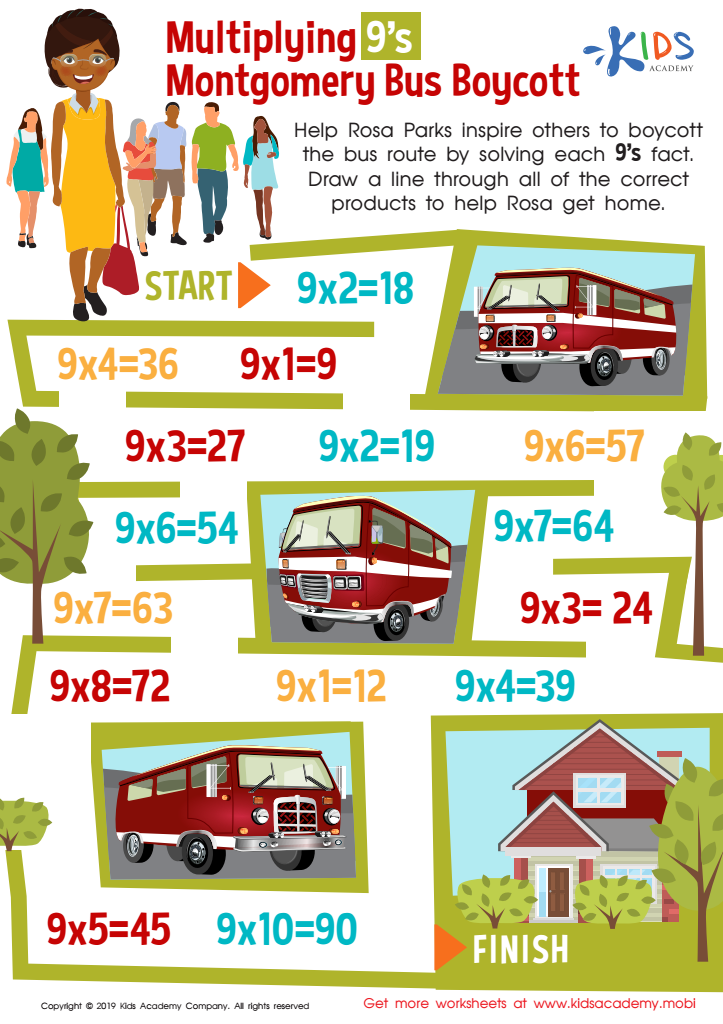
Multiplying 9’s Montgomery Bus Boycott Worksheet
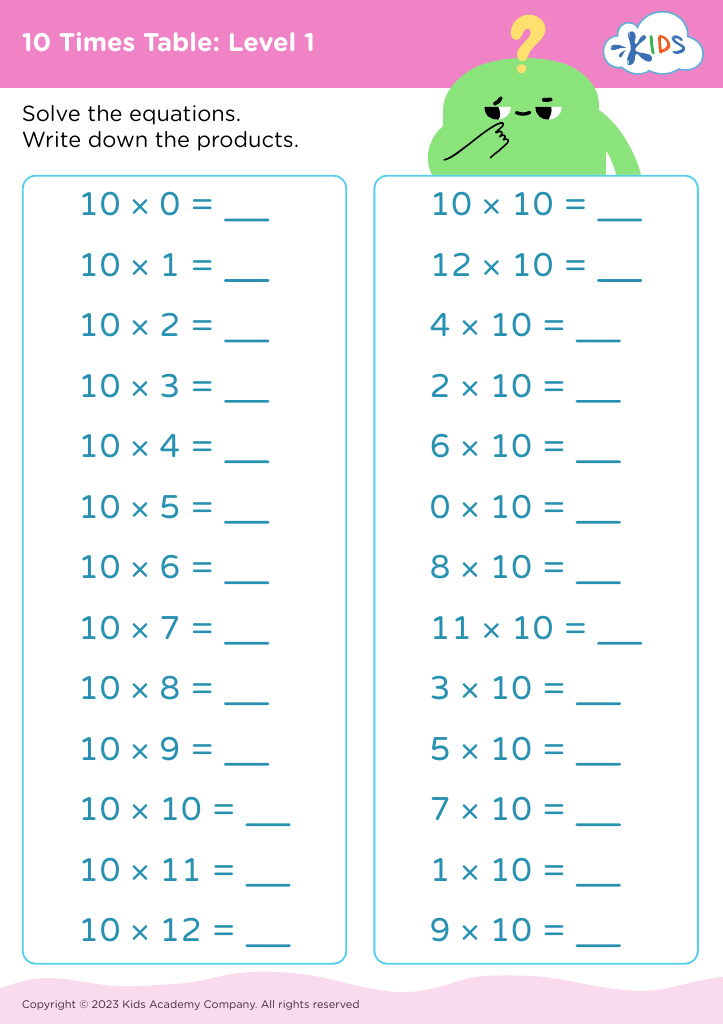
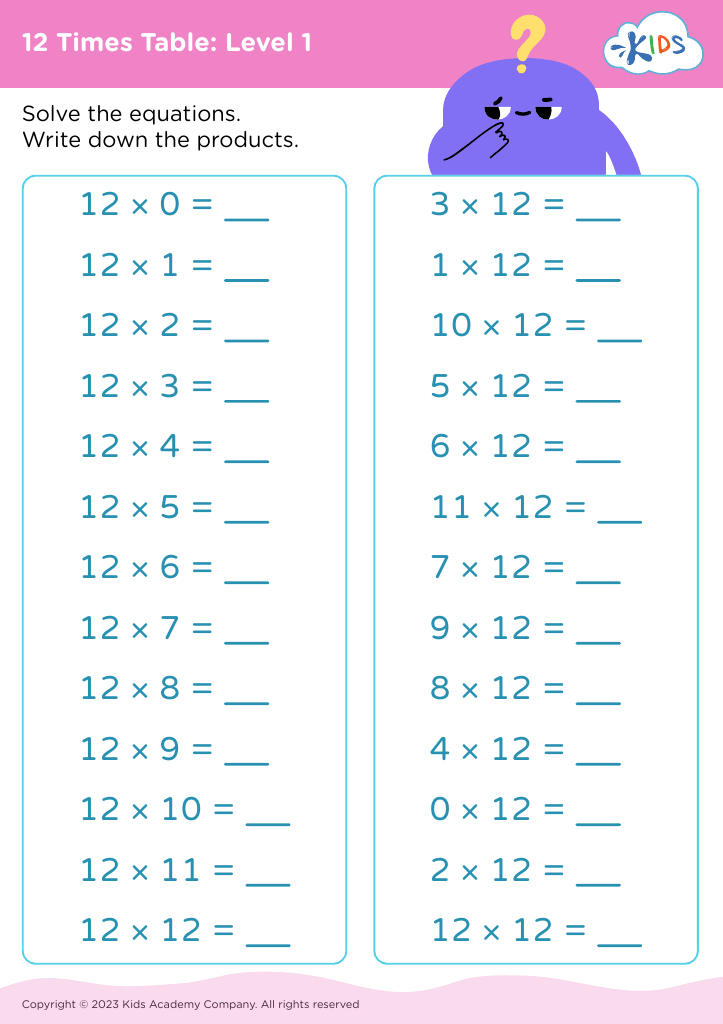
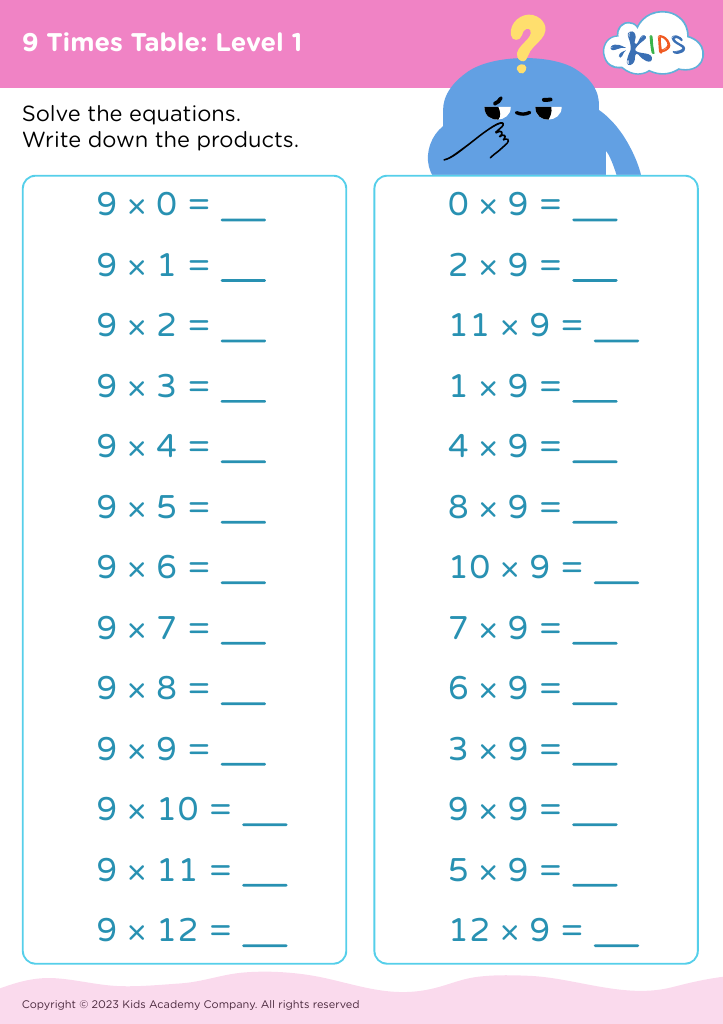


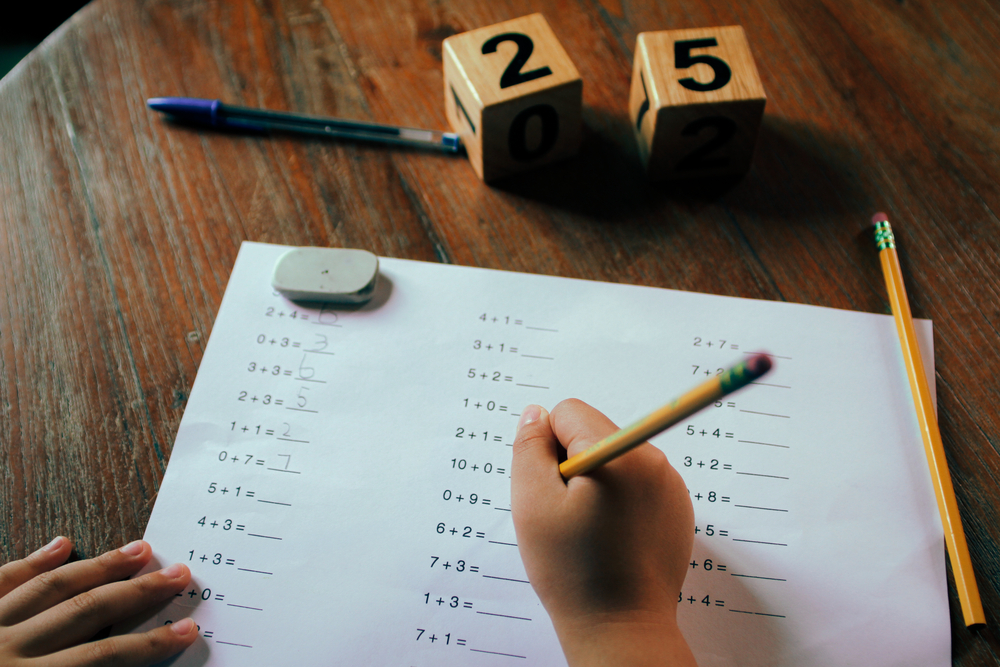




Understanding patterns in multiplication is crucial for 9-year-olds as it lays the groundwork for advanced math skills and overall cognitive development. At this age, children are transitioning from basic arithmetic to more complex concepts, and recognizing patterns helps them grasp multiplication more intuitively. When students learn to identify patterns, they gain the ability to make connections between numbers, which promotes number sense and enhances problem-solving abilities.
Moreover, understanding patterns contributes to developing a positive attitude towards math. Children may be more motivated and engaged when they perceive math as a series of patterns rather than a set of isolated procedures to memorize. This can reduce math anxiety and foster a love for learning.
For parents and teachers, promoting pattern recognition in multiplication is essential for building a strong mathematical foundation. By using engaging activities, such as games and visual aids, adults can reinforce these concepts, making learning fun and effective. When children see the “why” behind multiplication—recognizing relationships like skip counting or understanding the distributive property—they are more likely to retain knowledge and build confidence in their abilities. Ultimately, this prepares them for future academic challenges in math and other subjects that rely on strong analytical skills.








