Learning about ecosystems Plants and Animals Worksheets for 9-Year-Olds
3 filtered results
-
From - To
Explore the wonders of nature with our "Learning about Ecosystems: Plants and Animals Worksheets" designed specially for 9-year-olds. These engaging, printable worksheets guide young learners through the fascinating world of ecosystems, helping them understand the intricate relationships between plants, animals, and their environments. Featuring fun activities, vibrant illustrations, and thought-provoking questions, our worksheets foster curiosity and critical thinking skills. Perfect for classroom use or at-home learning, these resources make science interactive and enjoyable. Dive into the amazing ecosystems today and inspire your child’s love for science and the natural world!
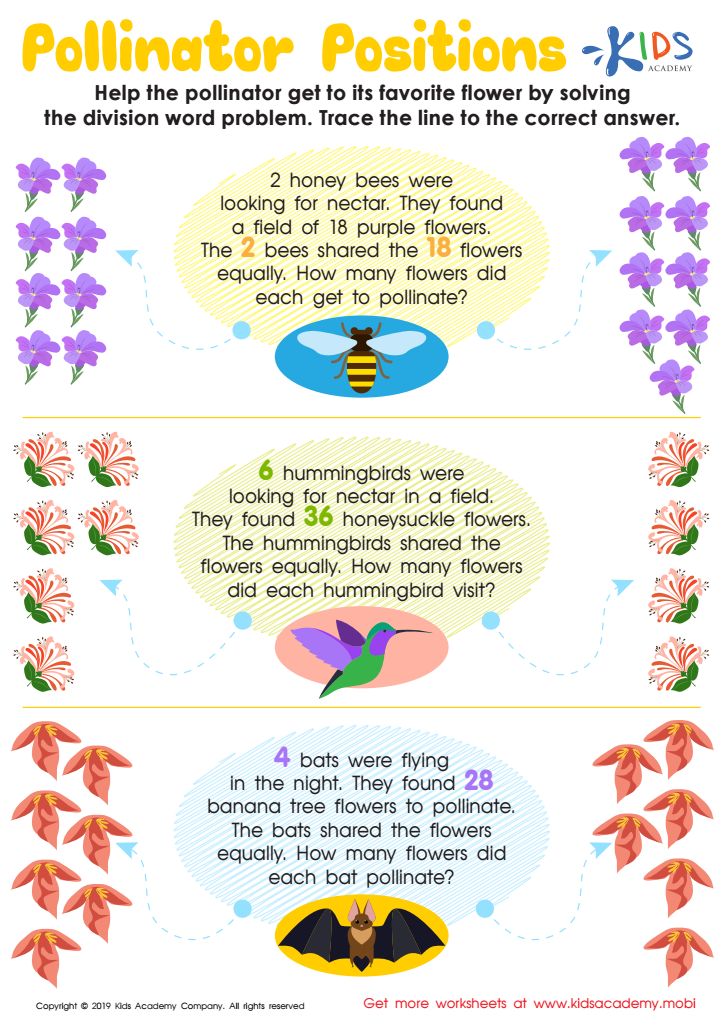
Pollinator Positions Worksheet
 Assign to My Students
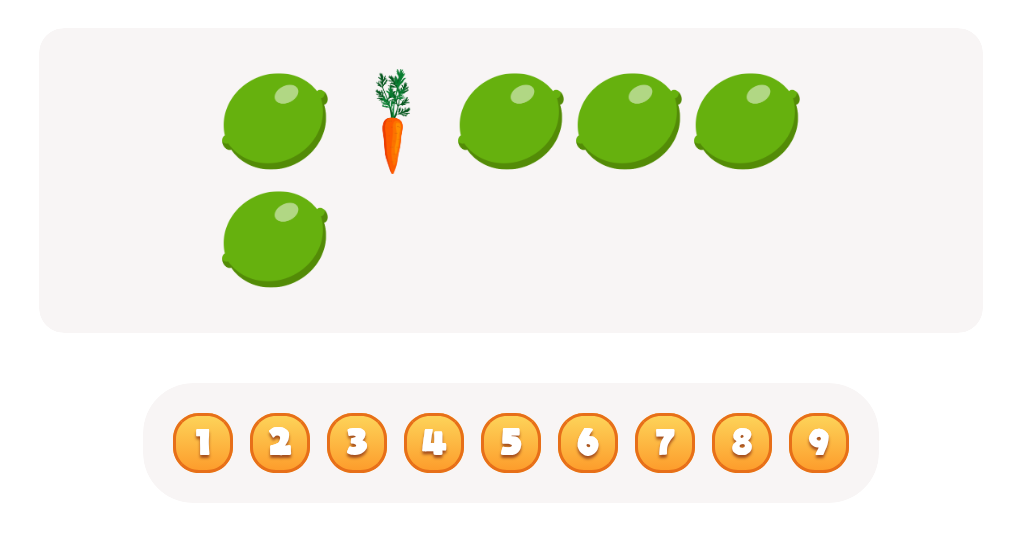

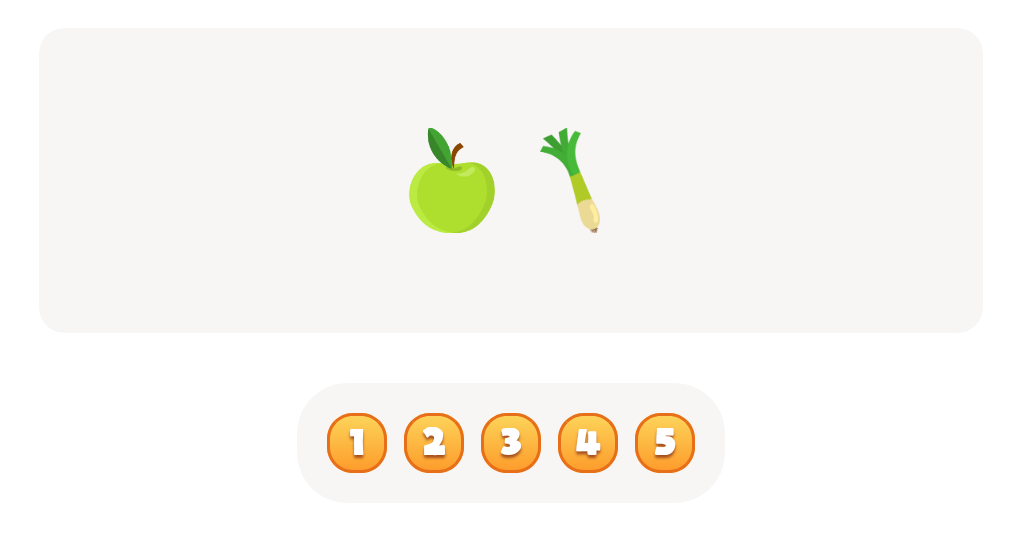
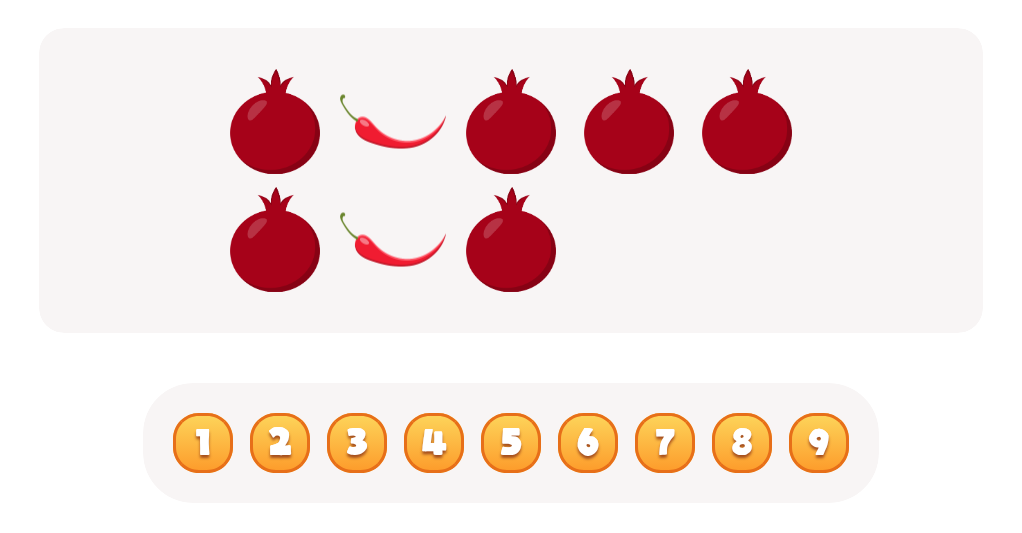
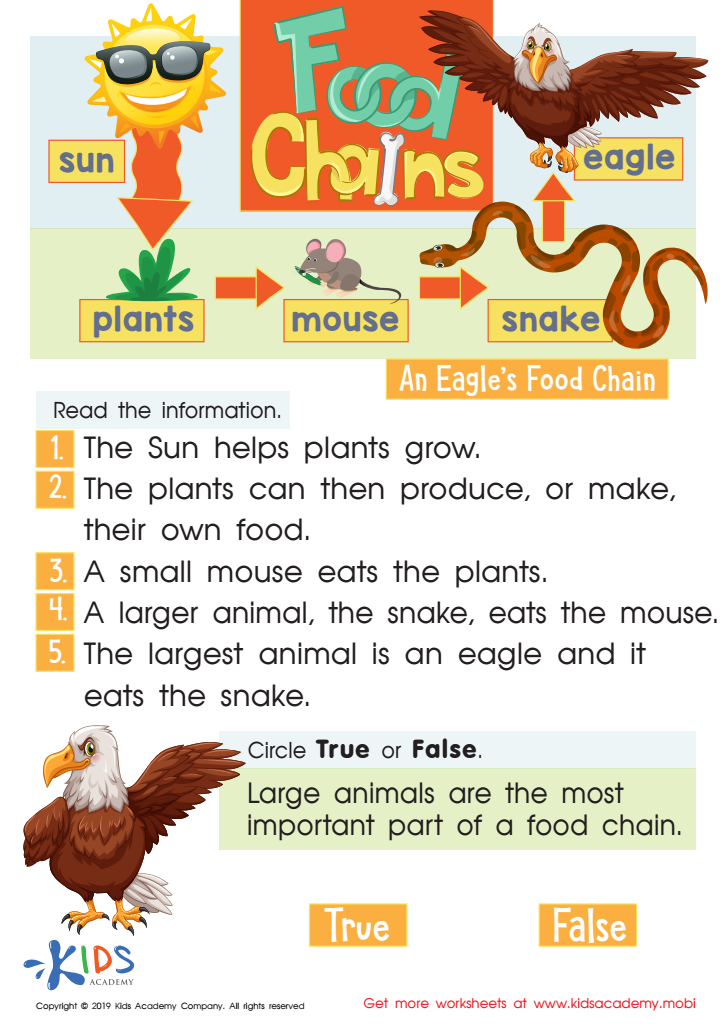
Food Chains Worksheet
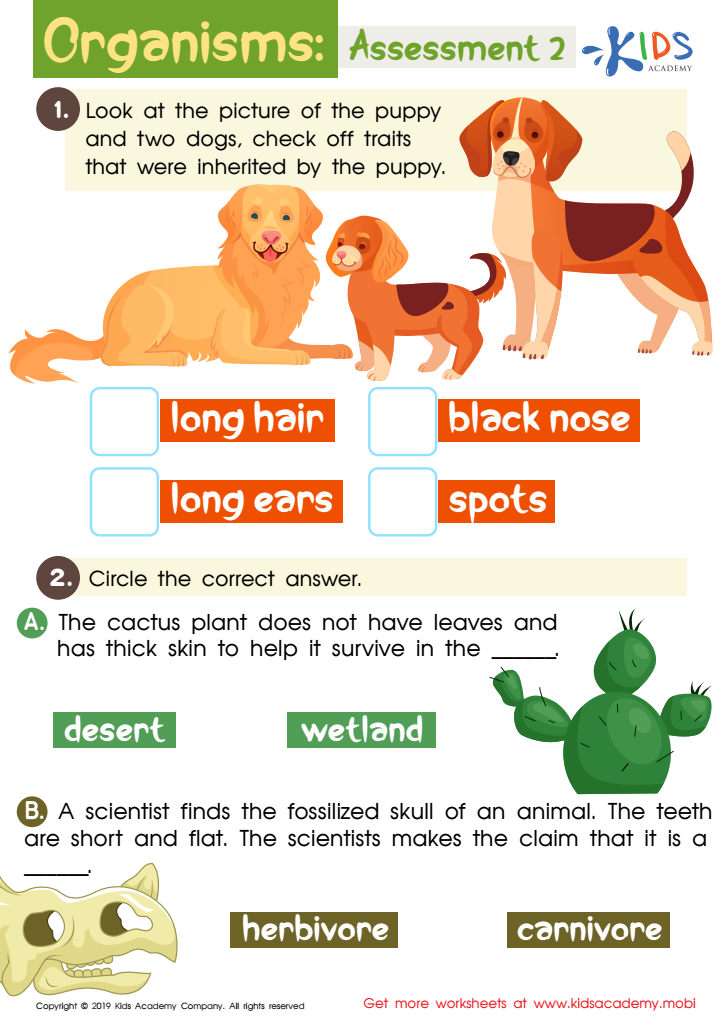
Organisms: Assessment 2 Worksheet








Understanding ecosystems, plants, and animals is essential for the development of 9-year-olds as it nurtures their curiosity and fosters a sense of responsibility toward the environment. At this age, children are naturally inquisitive and eager to explore the world around them. By learning about ecosystems, they gain insight into the intricate balance and interdependence of living organisms and their habitats, which is foundational for grasping broader scientific concepts in later years.
For parents and teachers, emphasizing ecological education helps children appreciate the diversity of life and cultivate empathy for living things. This awareness is crucial in an era where environmental challenges, such as climate change and habitat destruction, are pressing global issues. Equipping young learners with knowledge about how ecosystems function can inspire proactive attitudes toward conservation and sustainable practices early in life.
Furthermore, exploring this topic enhances critical thinking and observational skills. Hands-on experiences, such as investigating local flora and fauna, foster a practical understanding of life sciences. Simultaneously, these activities offer engaging, meaningful lessons that align with educational standards and stimulate enthusiasm for learning. In sum, nurturing an understanding of ecosystems among 9-year-olds lays a solid foundation for lifelong environmental stewardship and academic growth.








