Multiplication practice Social Studies Worksheets for 9-Year-Olds
9 filtered results
-
From - To
Discover engaging Multiplication Practice Social Studies Worksheets designed specifically for 9-year-olds! These worksheets combine essential math skills with intriguing social studies content, fostering a comprehensive learning experience. As students practice multiplication, they will also explore historical facts, geographical concepts, and cultural themes, enhancing their critical thinking and comprehension. Each worksheet is tailored to align with grade-level standards, ensuring that learners strengthen their multiplication abilities while simultaneously improving their understanding of the world around them. Perfect for classroom use or at-home practice, these resources are ideal for reinforcing math skills in a fun and interactive way. Start enhancing your child's learning journey today!
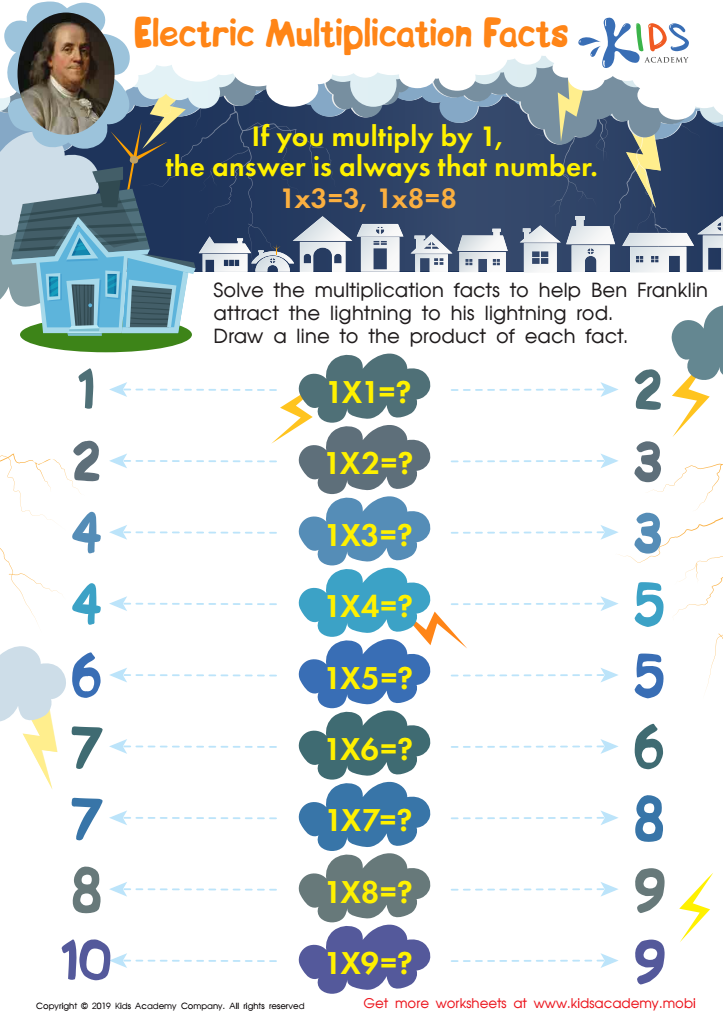
Electric Multiplication Facts Worksheet
 Assign to My Students
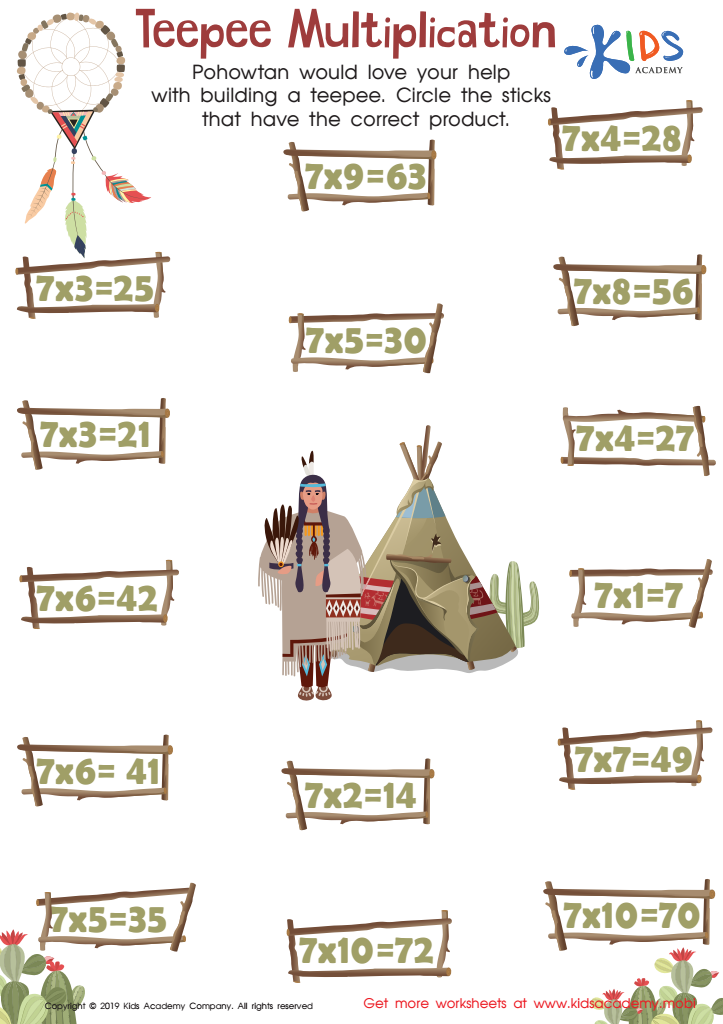
Teepee Multiplication Worksheet
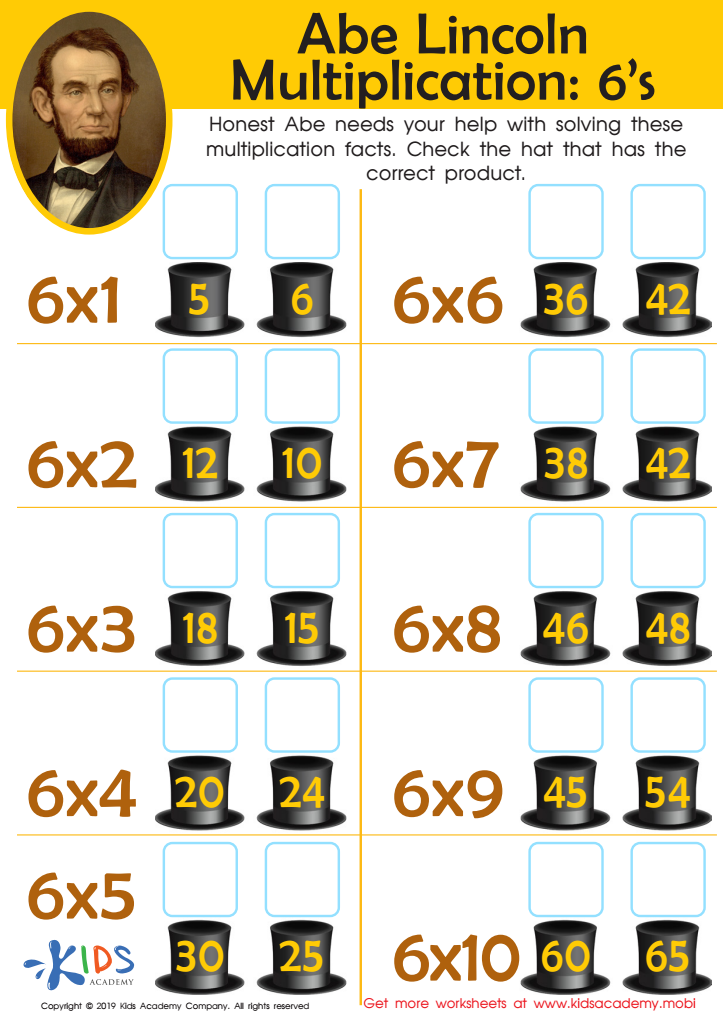
Abe Lincoln Multiplication: 6’s Worksheet
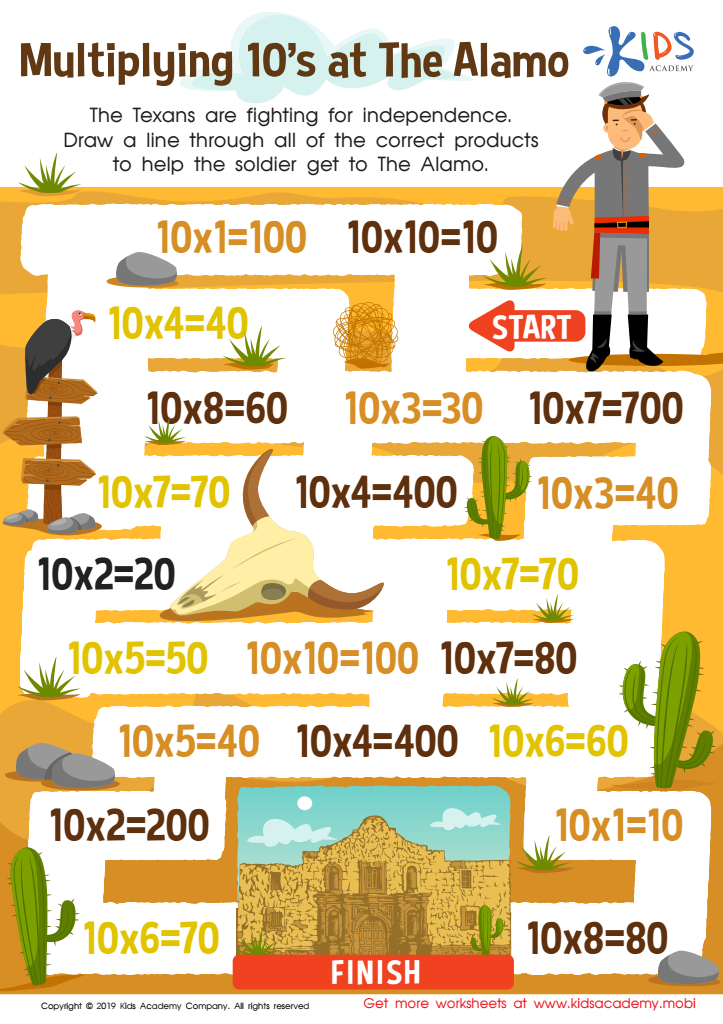
Multiplying 10’s at The Alamo Worksheet
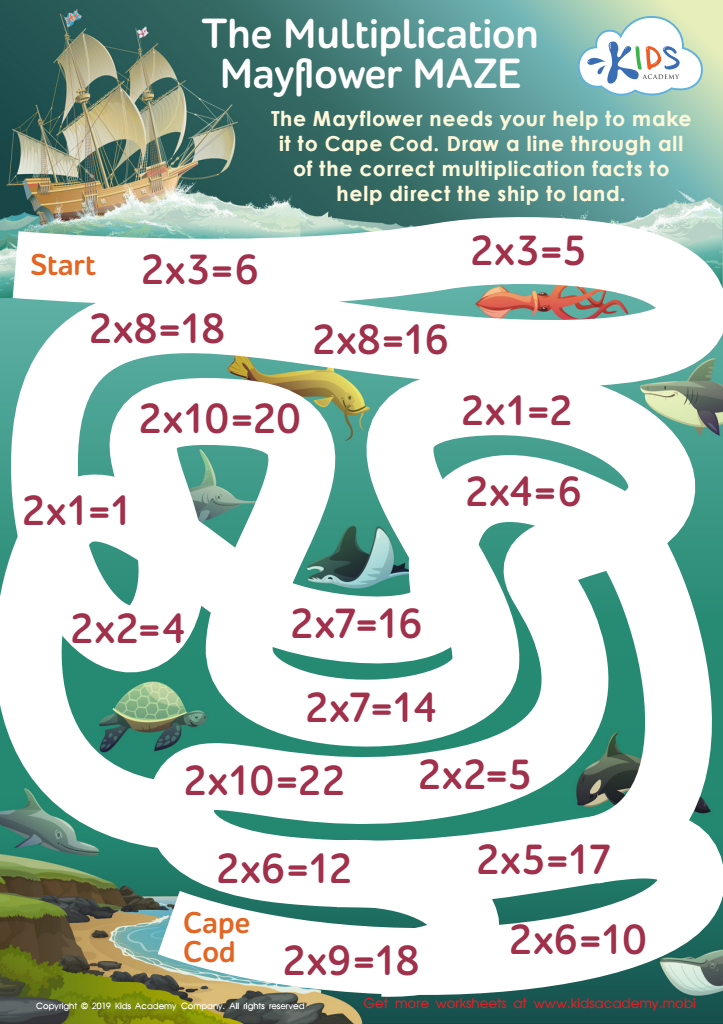
The Multiplication Mayflower Maze Worksheet
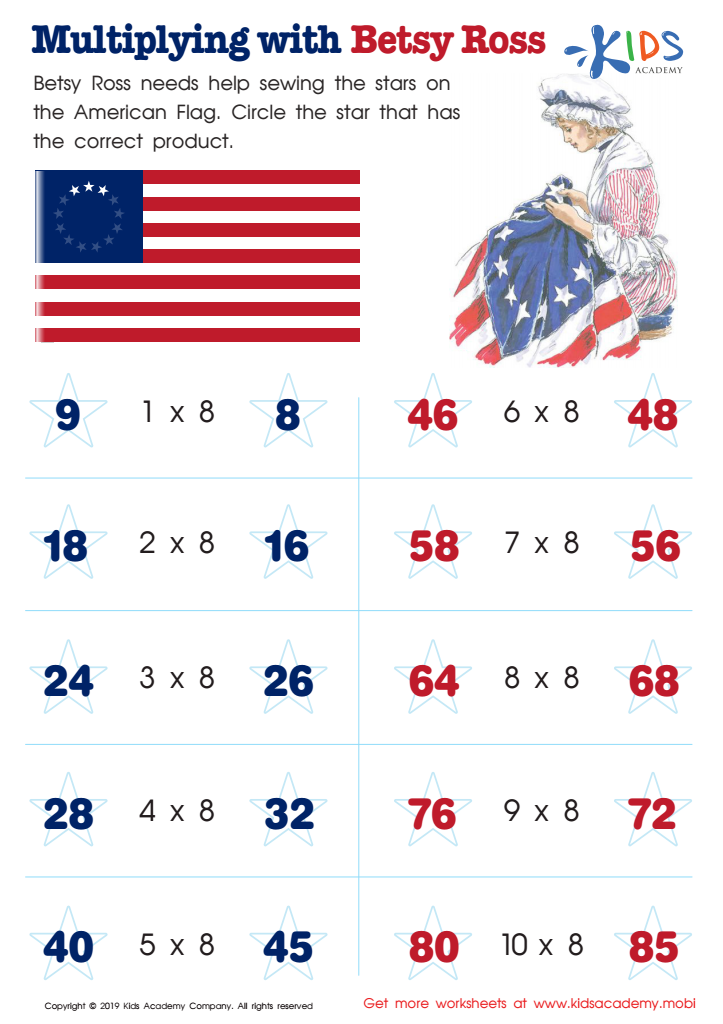
Multiplying with Betsy Ross Worksheet
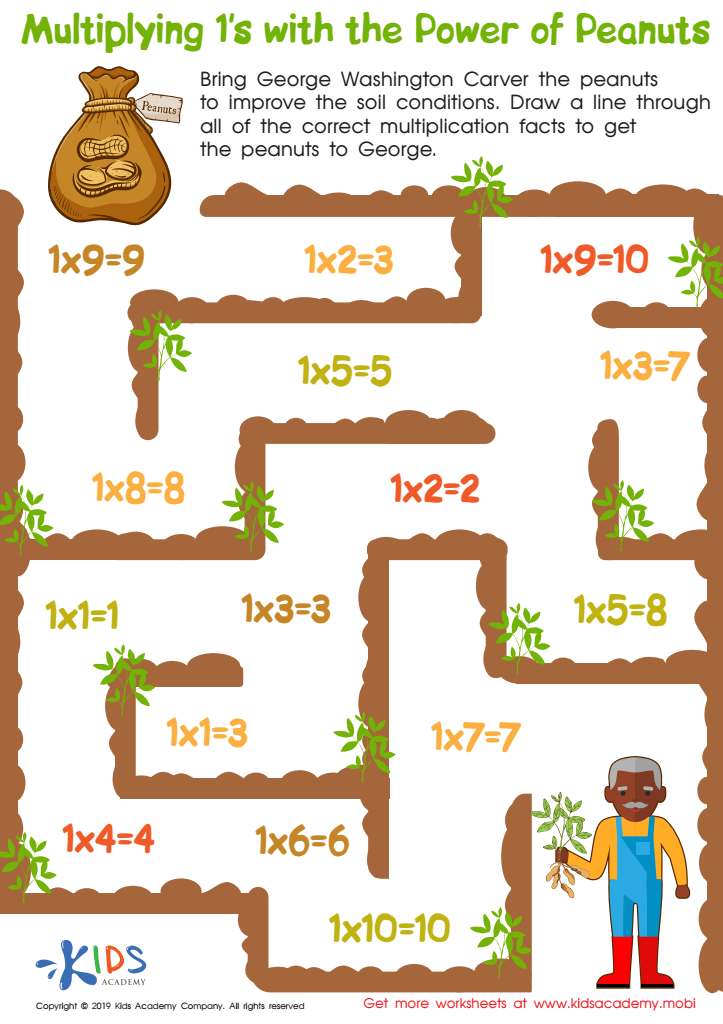
Multiplying 1’s With the Power of Peanuts Worksheet
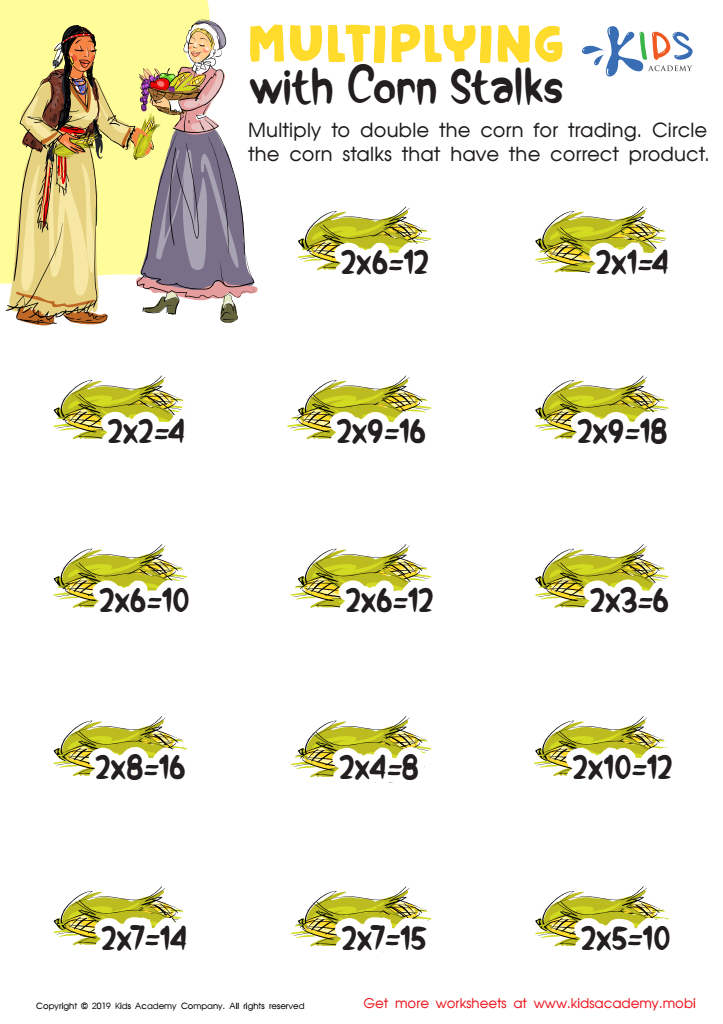
Multiplying With Corn Stalks Worksheet
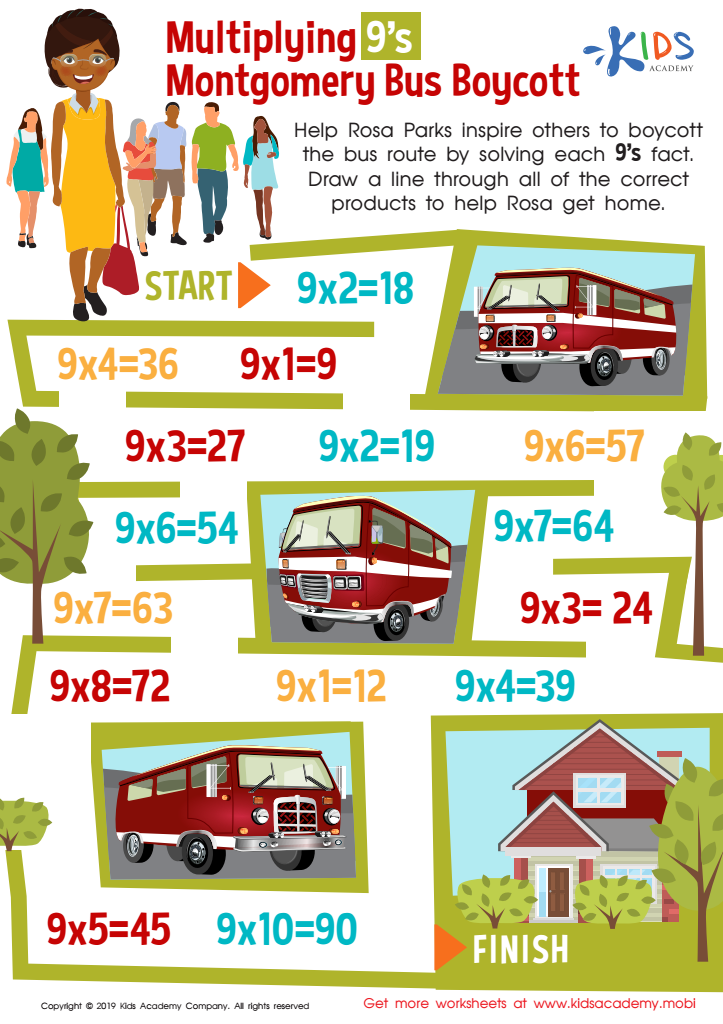
Multiplying 9’s Montgomery Bus Boycott Worksheet








Parents and teachers should recognize the importance of integrating multiplication practice into Social Studies for 9-year-olds, as it fosters a holistic educational approach. This age group benefits significantly from the simultaneous development of mathematical and critical thinking skills. Multiplication is a foundational math skill crucial for later academic success, while Social Studies enhances their understanding of history, geography, and cultures.
By intertwining multiplication practice with Social Studies content, students can engage in real-world applications, making learning more relevant and exciting. For instance, calculating population data, interpreting statistics about historical events, or analyzing economic factors within different cultures not only strengthens their multiplication skills, but also enriches their understanding of societal dynamics.
Moreover, this integration supports active learning through collaborative projects and hands-on activities, fostering teamwork and communication. Parents and teachers can create interactive lessons that spark interest and motivation, which is essential at this formative stage.
Overall, combining multiplication and Social Studies promotes critical thinking, enhances problem-solving abilities, and prepares children for future learning, ensuring they become well-rounded individuals who excel academically and socially. This approach instills a love for learning and contextualizes math within real-life scenarios, empowering young learners.








