Fine Motor Skills ABC Letters Worksheets
38 filtered results
-
From - To
Enhance your child's fine motor skills with our engaging ABC Letters Worksheets! Designed for preschool and kindergarten learners, these printable worksheets help young students practice hand-eye coordination and dexterity while learning the alphabet. Through tracing, cutting, and coloring activities, children will strengthen the essential muscles needed for writing. Each worksheet is crafted to keep kids entertained while boosting their confidence in letter recognition and phonemic awareness. Perfect for at-home or classroom use, our fun activities provide a solid foundation for writing readiness. Explore our collection of fine motor skills worksheets today to make learning the alphabet a fun and effective experience!
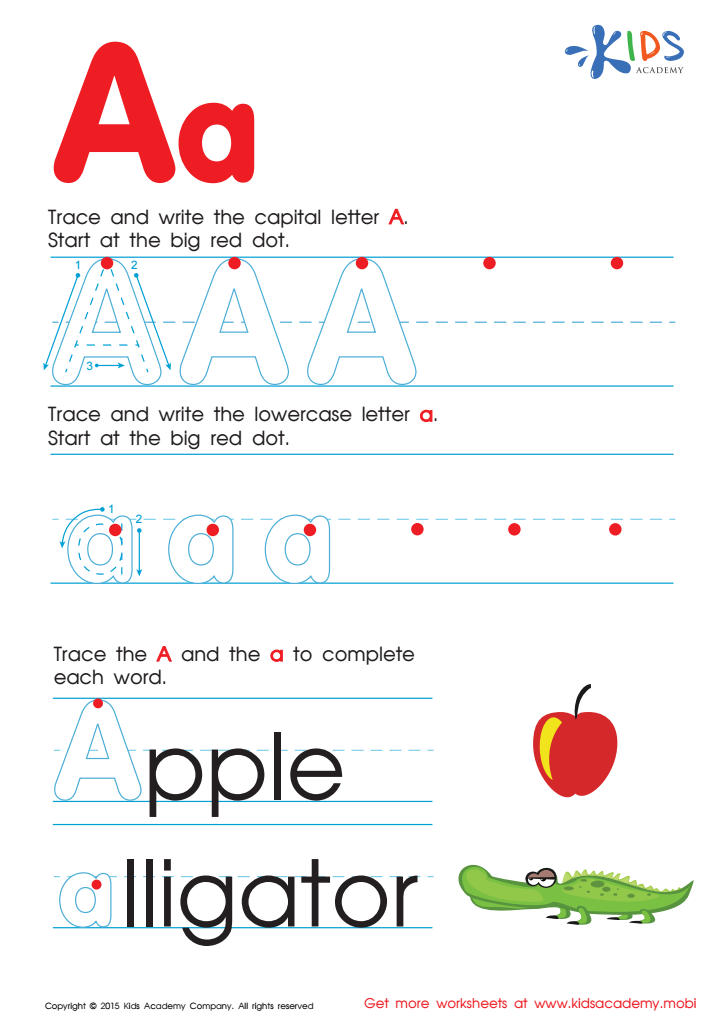
Letter A Tracing Page










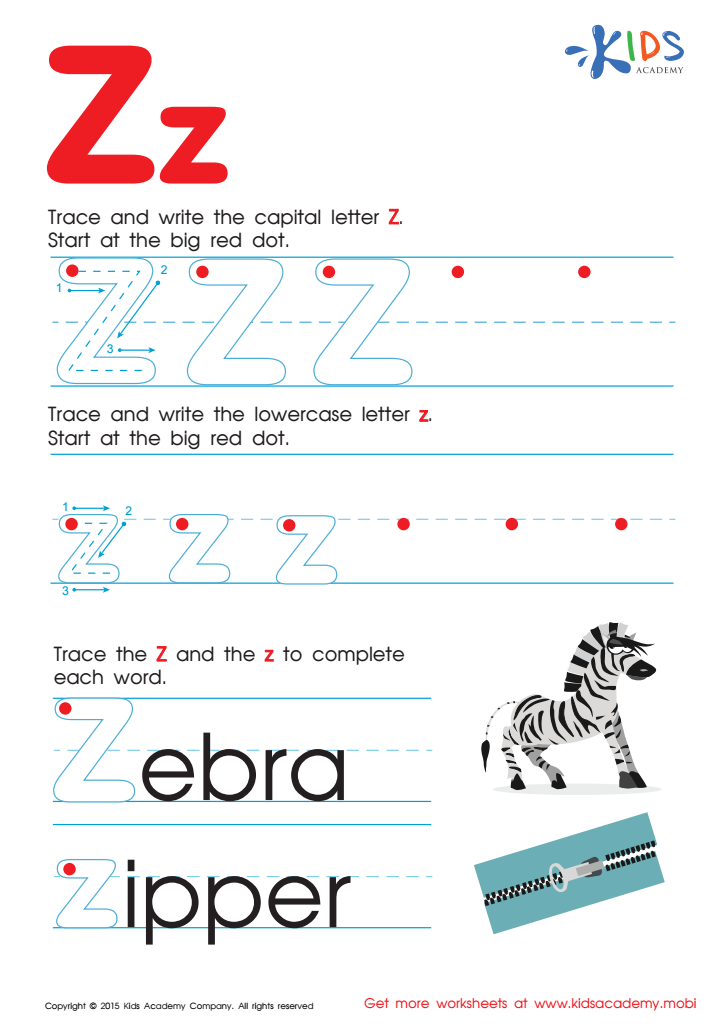
Letter Z Tracing Page
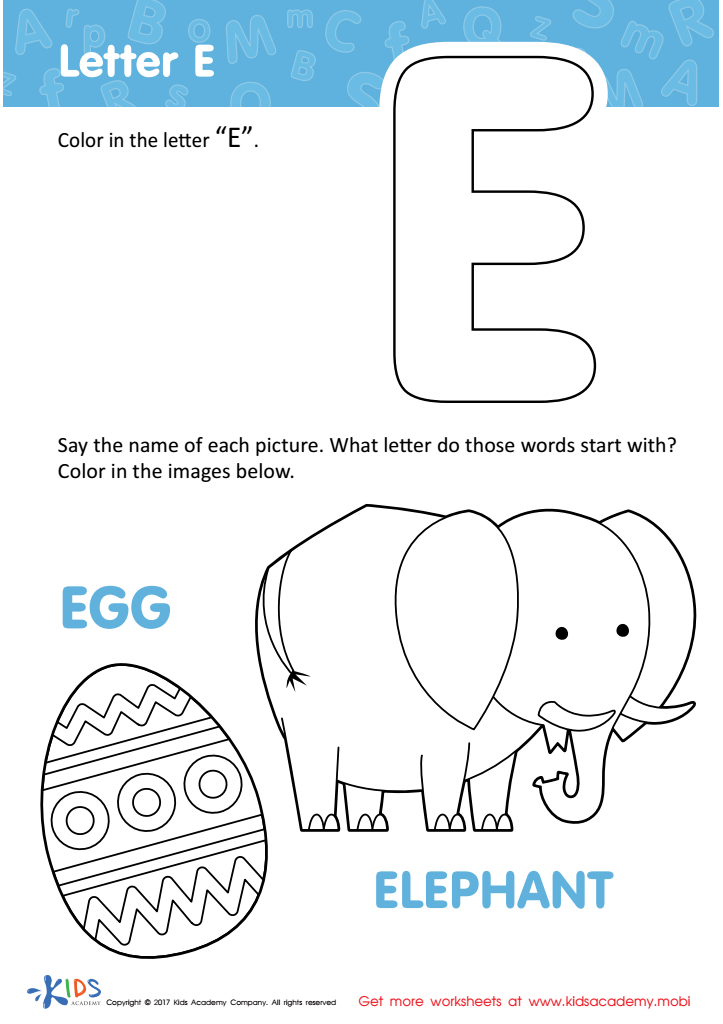
Letter E Coloring Sheet
 Assign to My Students
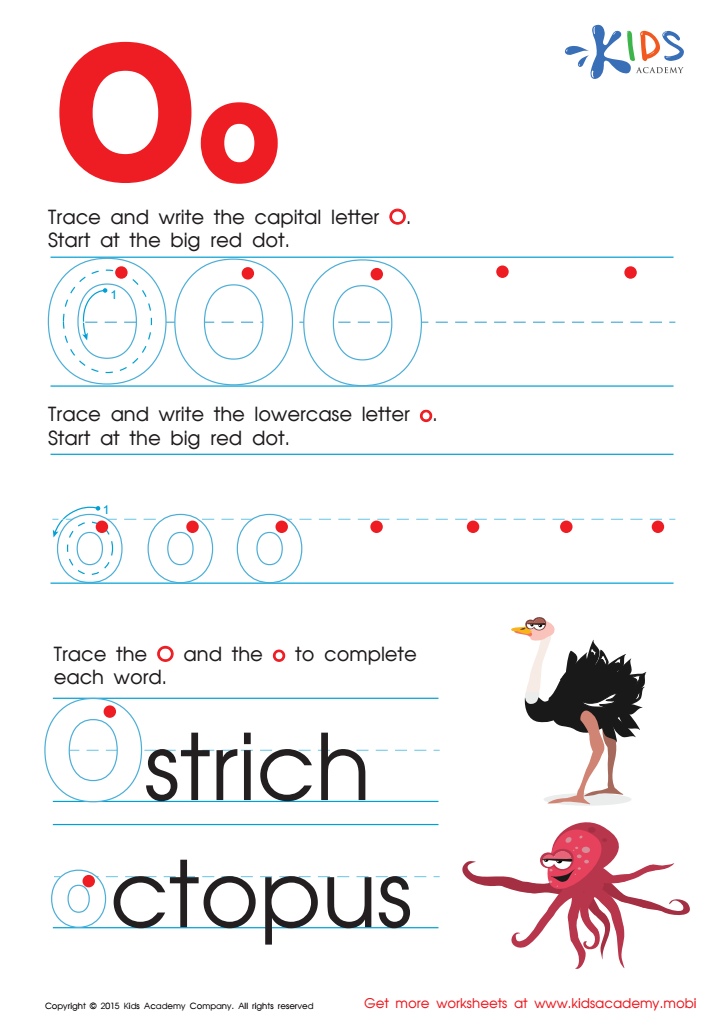
Letter O Tracing Page
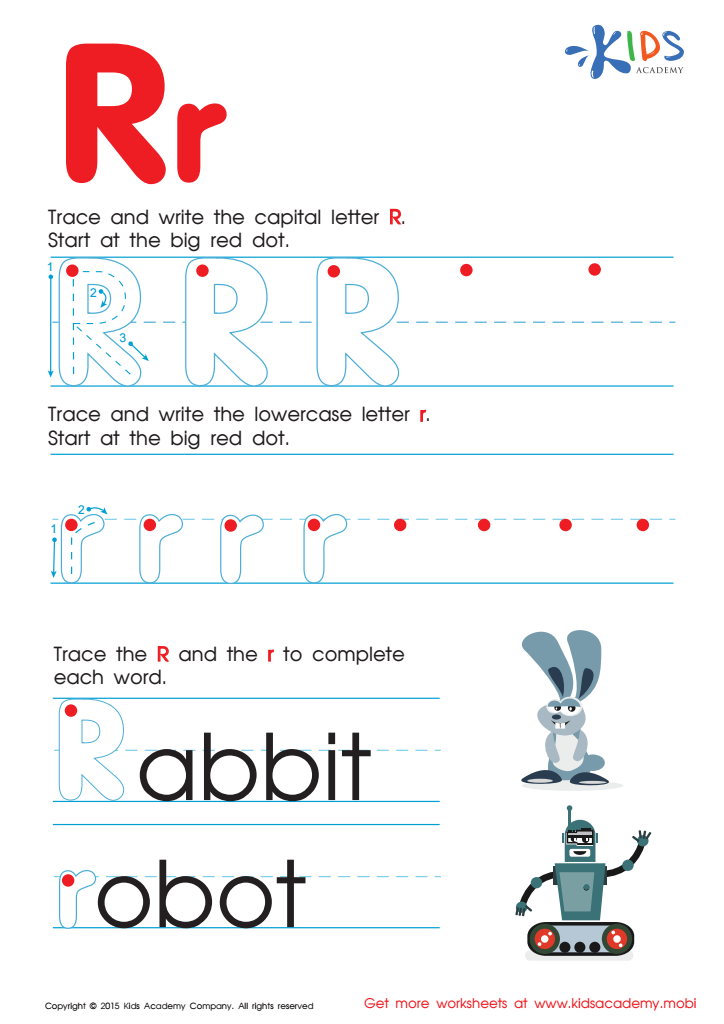
Letter R Tracing Page
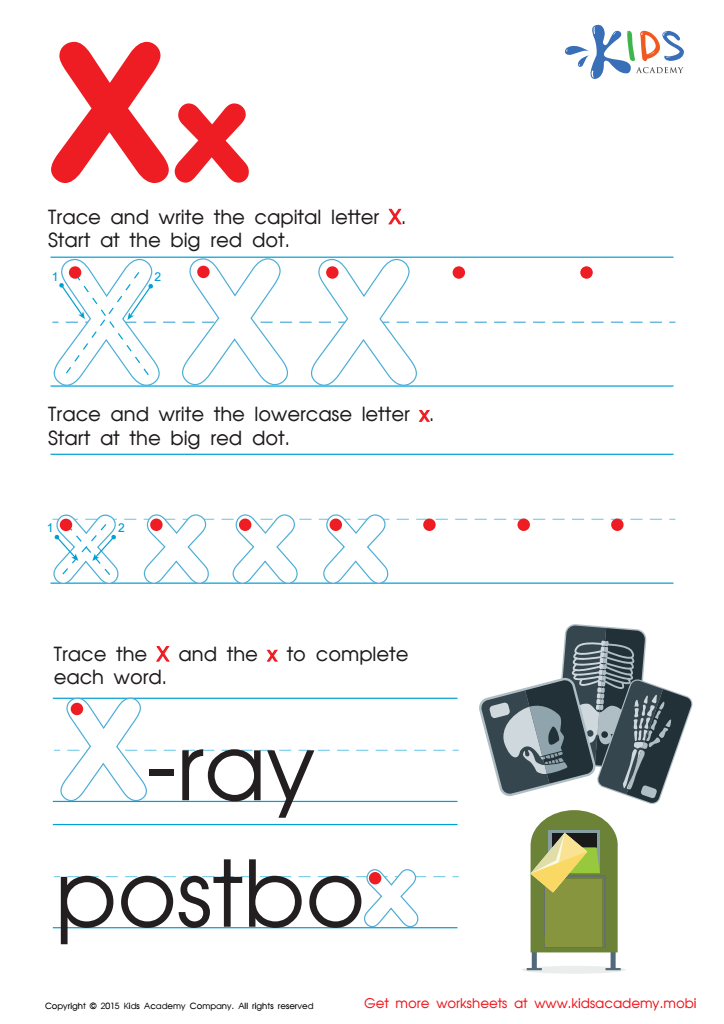
Letter X Tracing Page
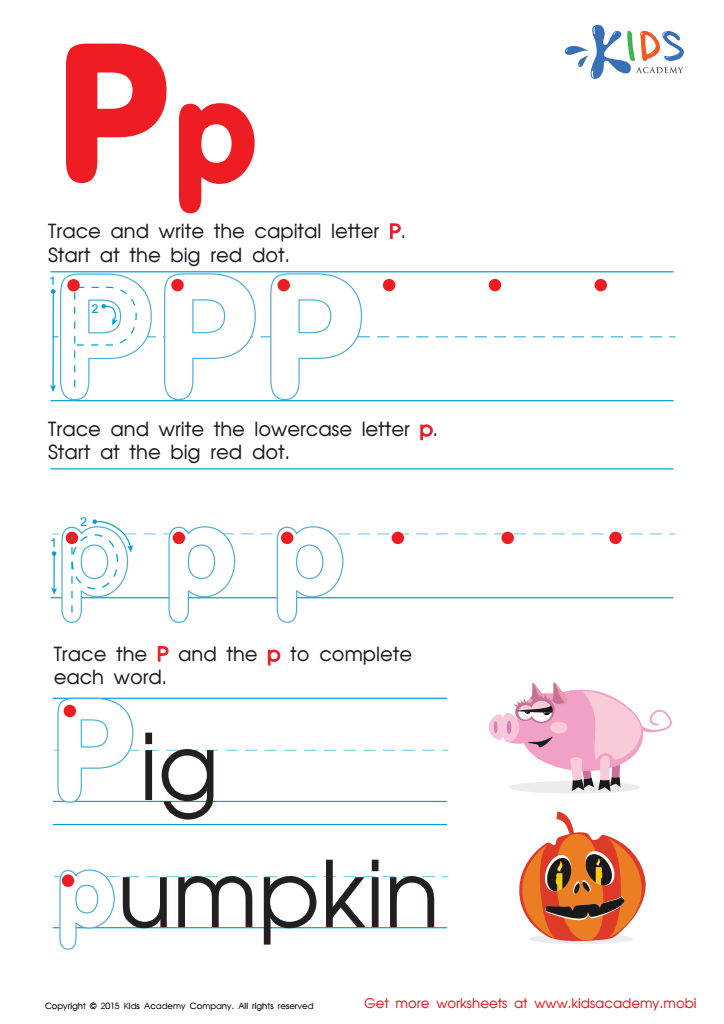
Letter P Tracing Page
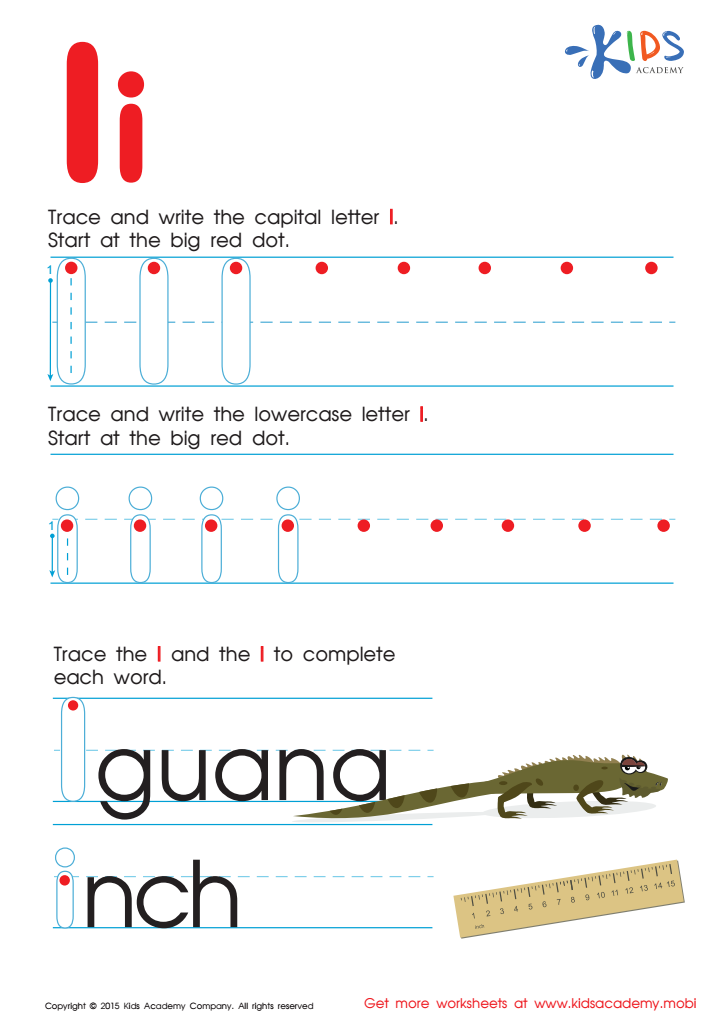
Letter I Tracing Page
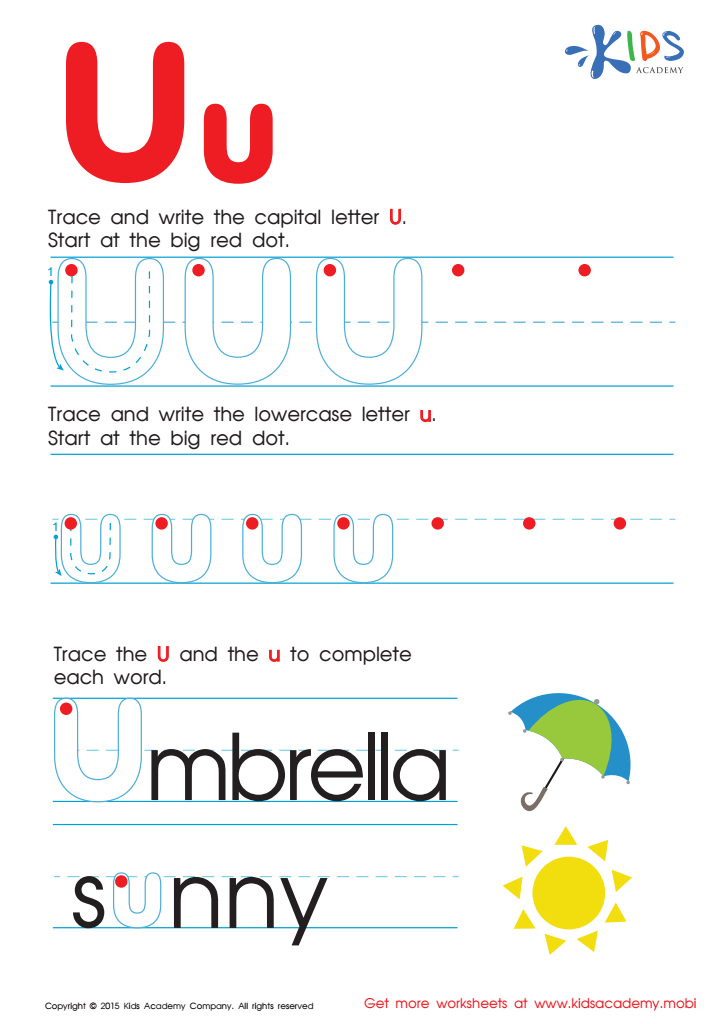
Letter U Tracing Page
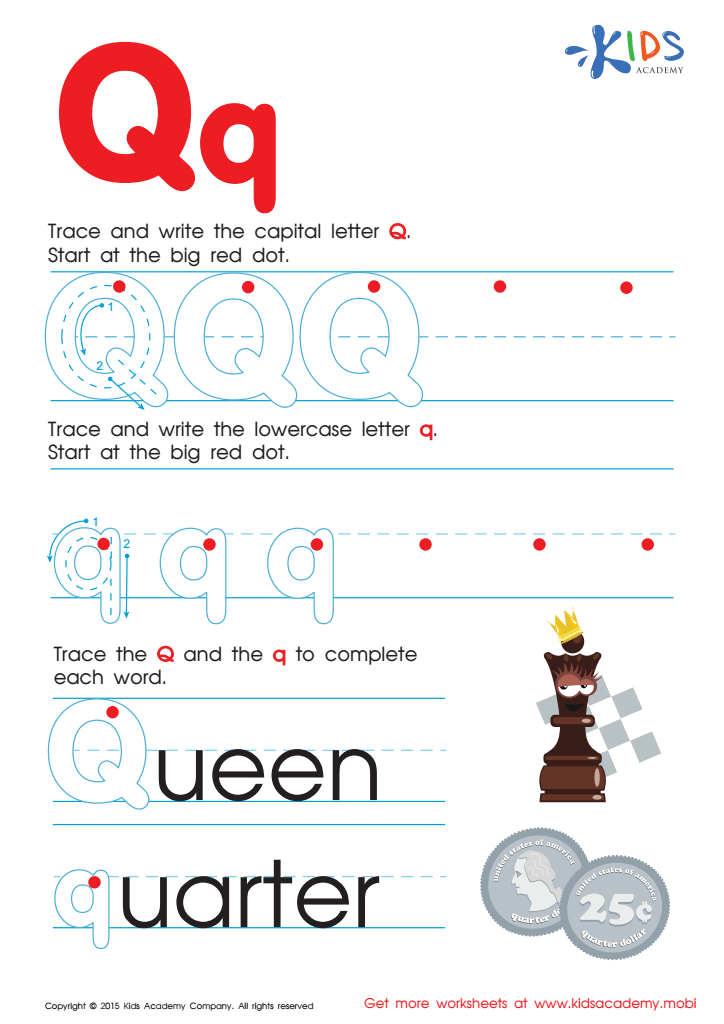
Letter Q Tracing Page
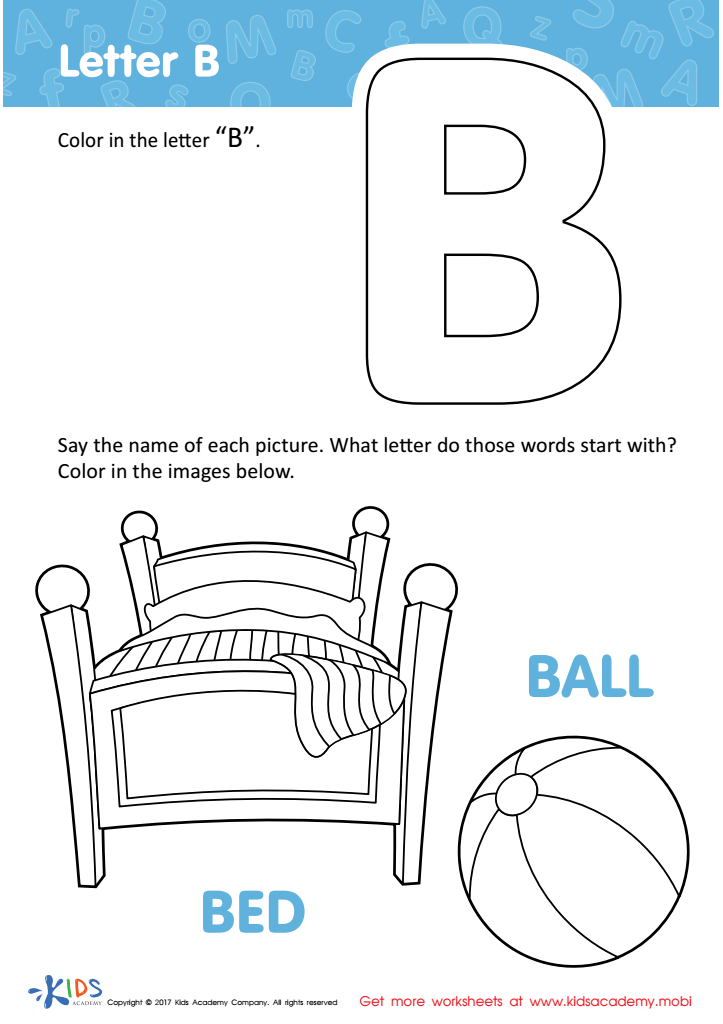
Letter B Coloring Sheet
Assign to My Students
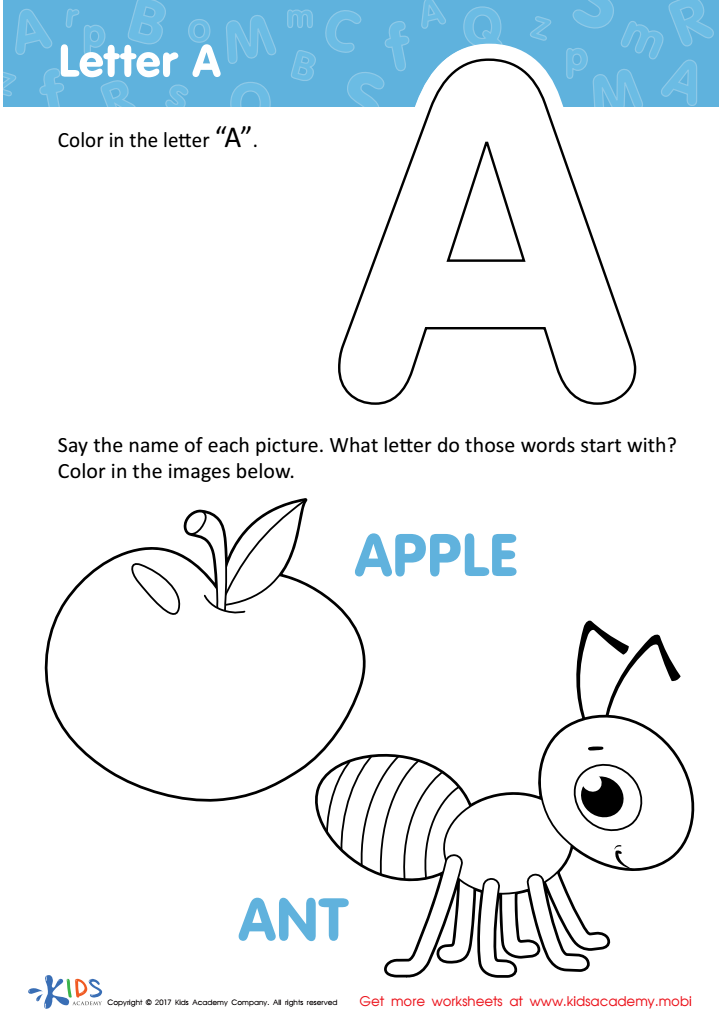
Letter A Coloring Sheet
Assign to My Students
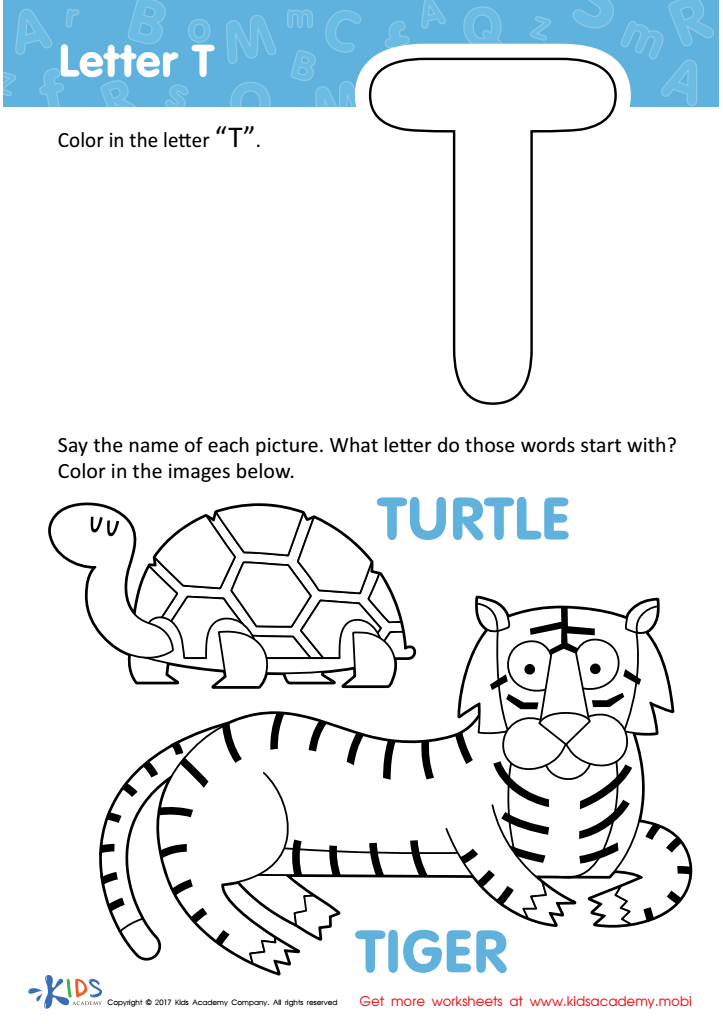
Letter T Coloring Sheet
Assign to My Students
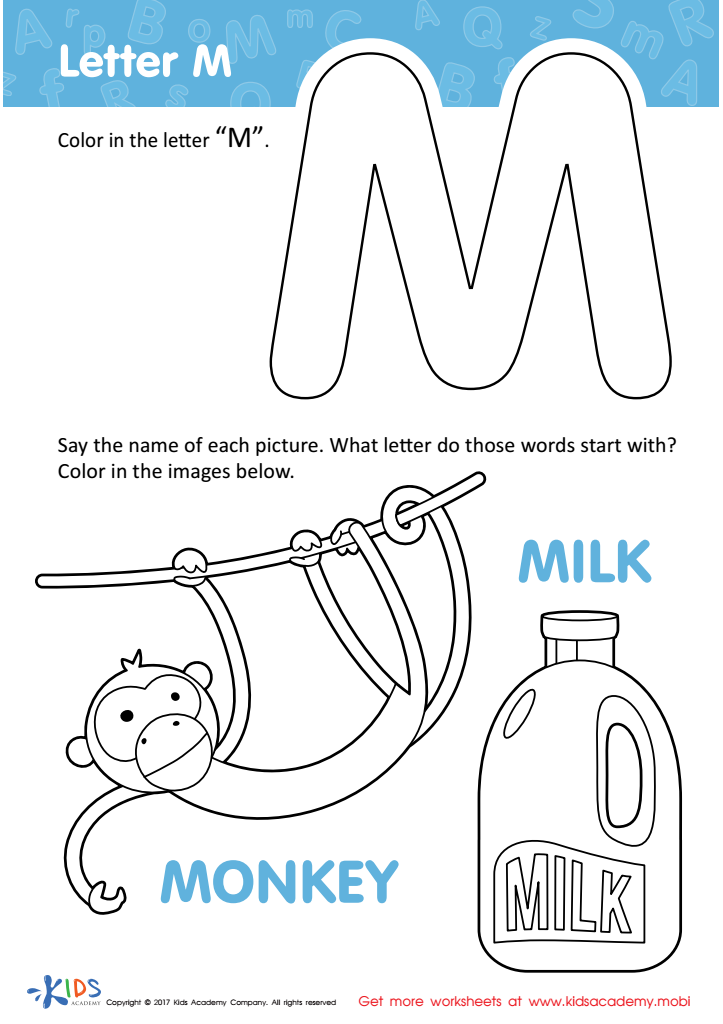
Letter M Coloring Sheet
Assign to My Students
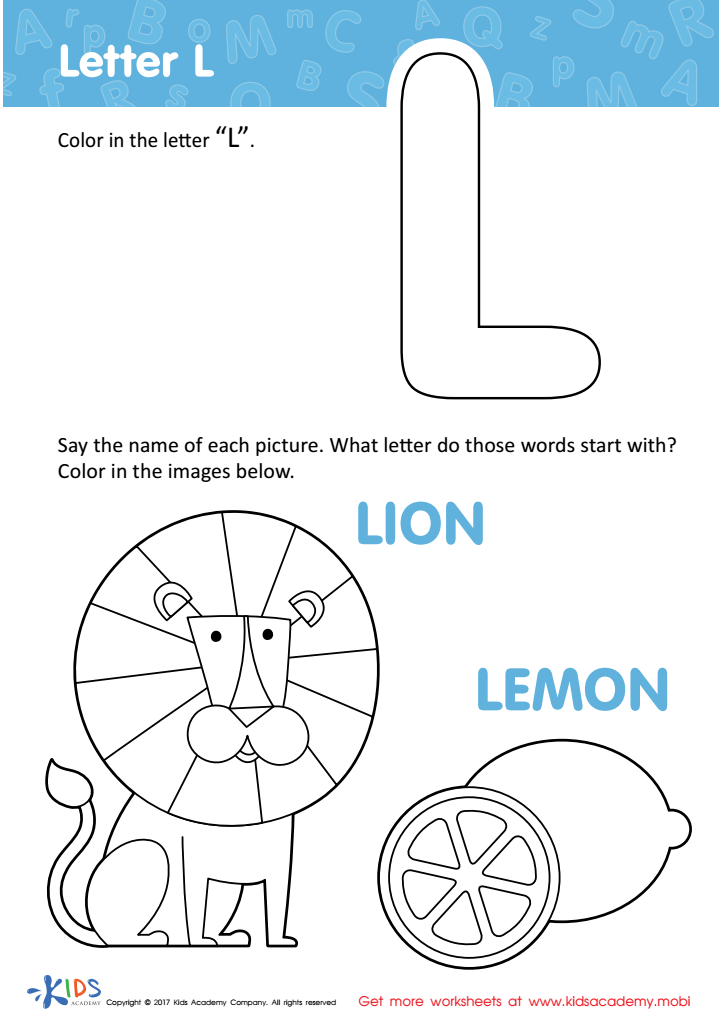
Letter L Coloring Sheet
Assign to My Students
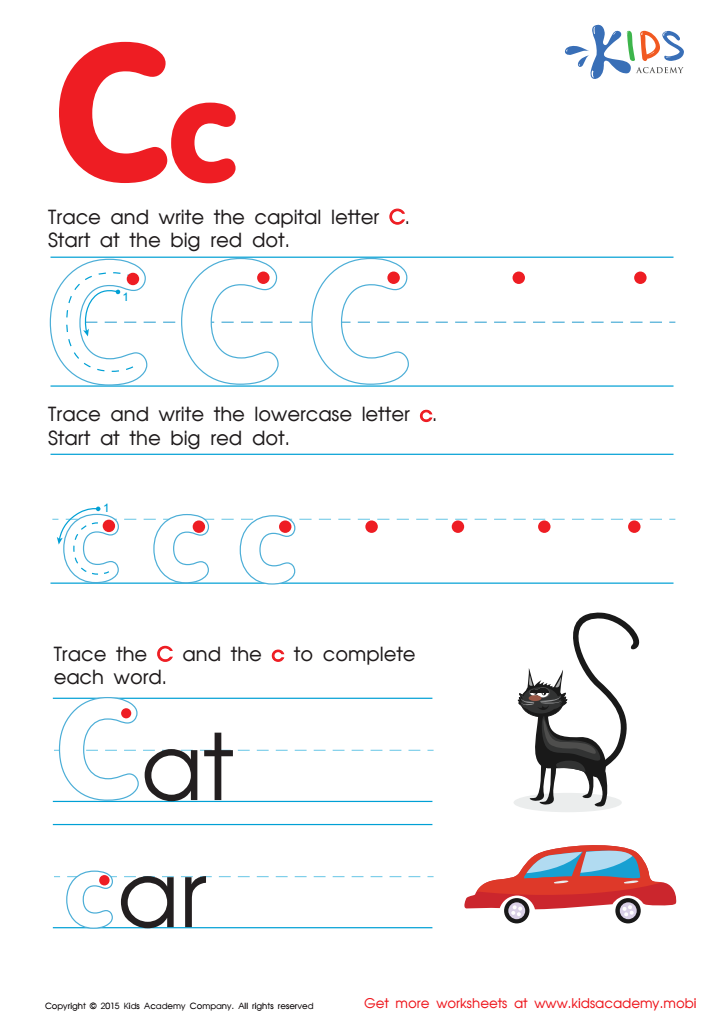
Letter C Tracing Page
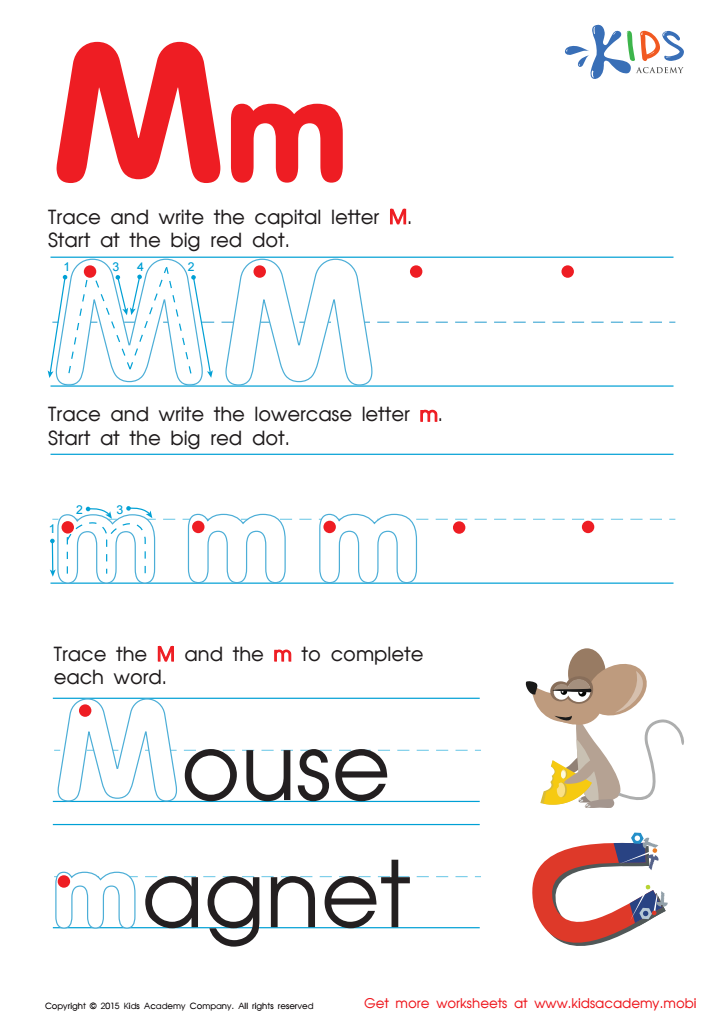
Letter M Tracing Page
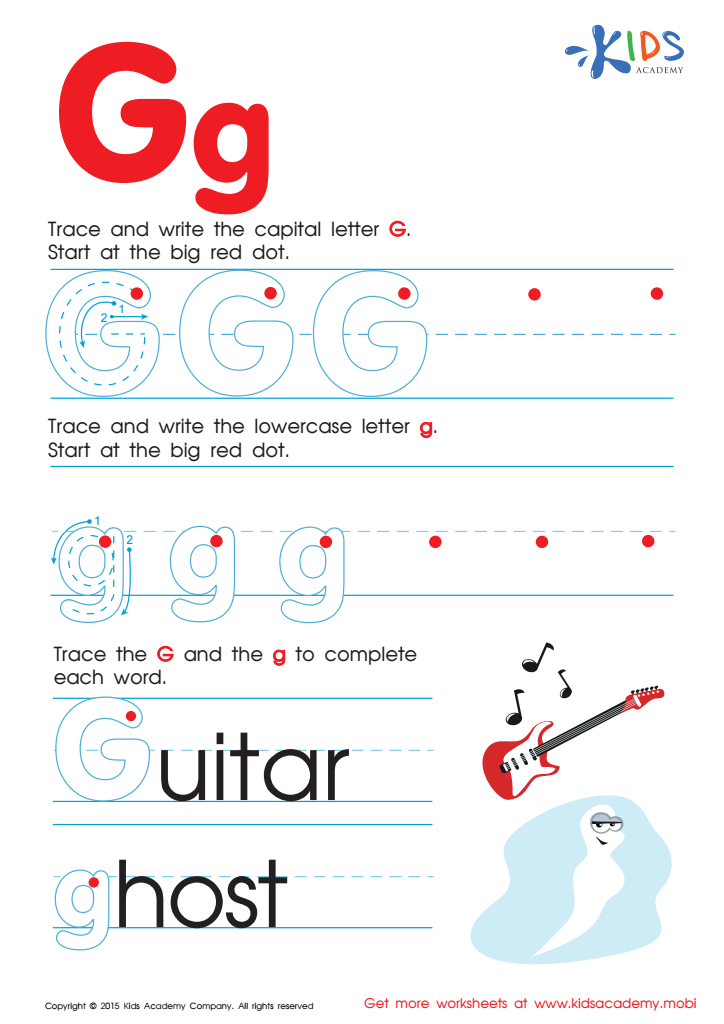
Letter G Tracing Page
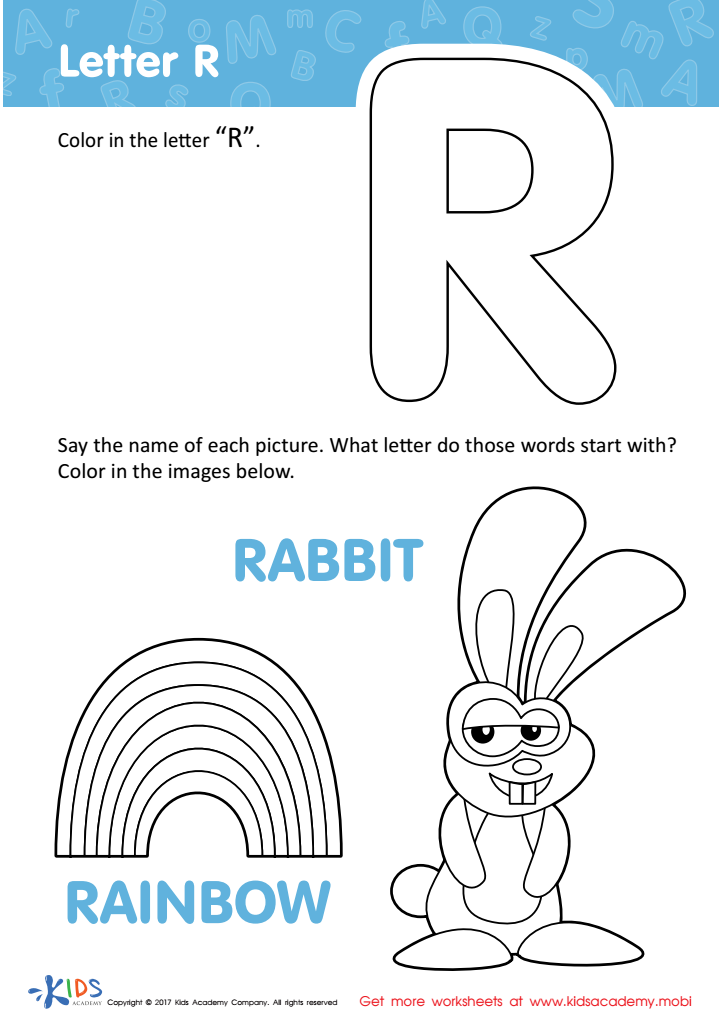
Letter R Coloring Sheet
Assign to My Students
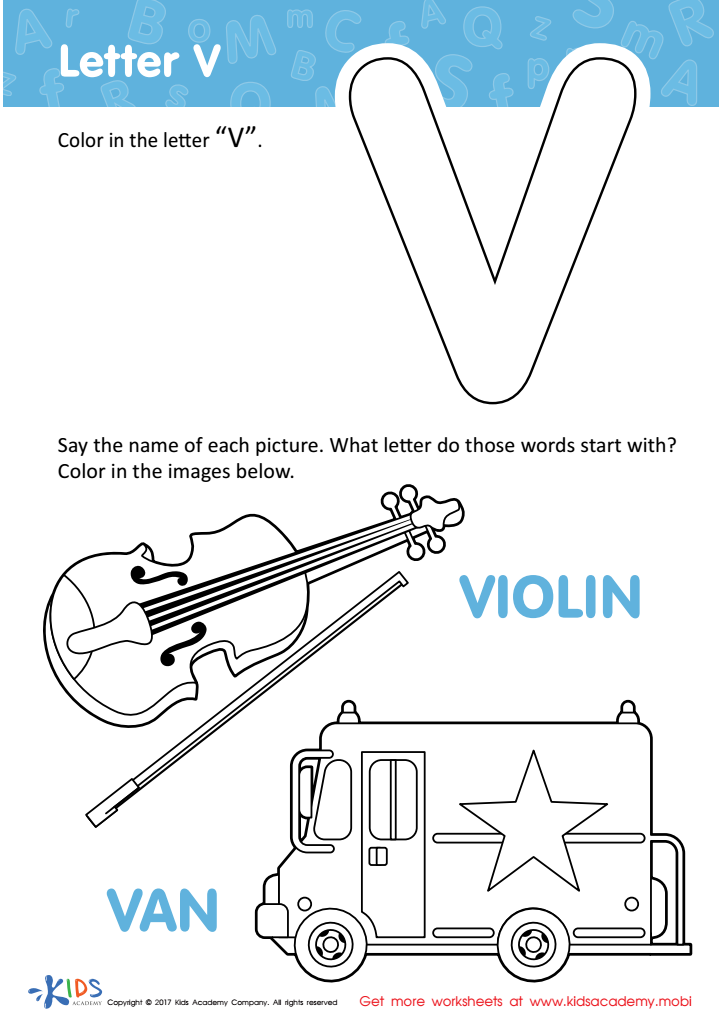
Letter V Coloring Sheet
Assign to My Students
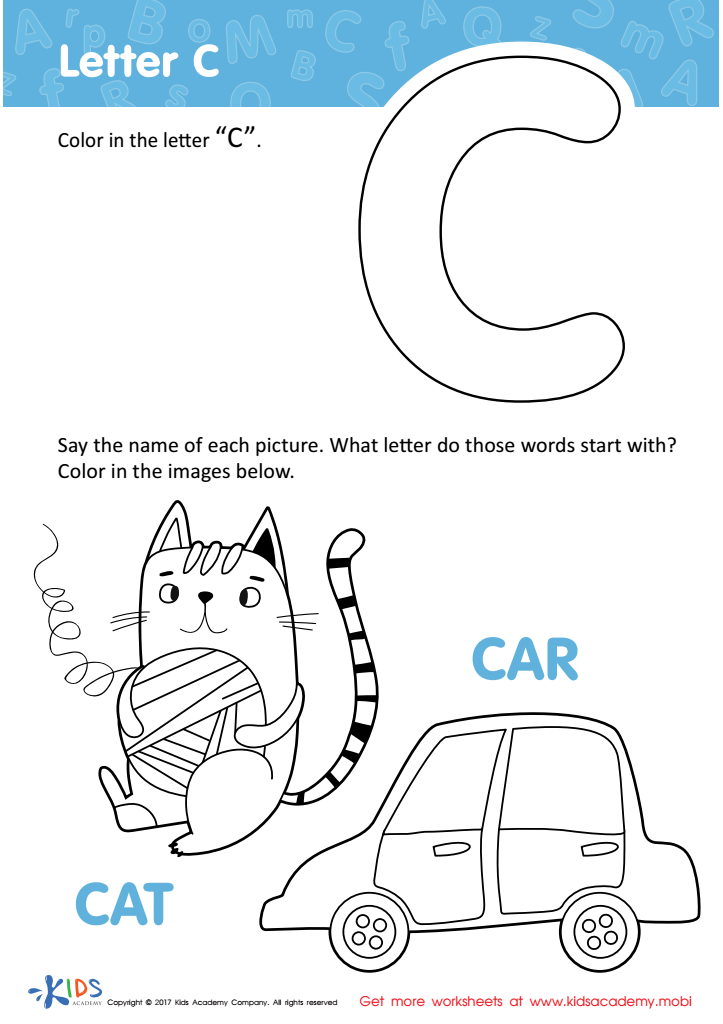
Letter C Coloring Sheet
Assign to My Students
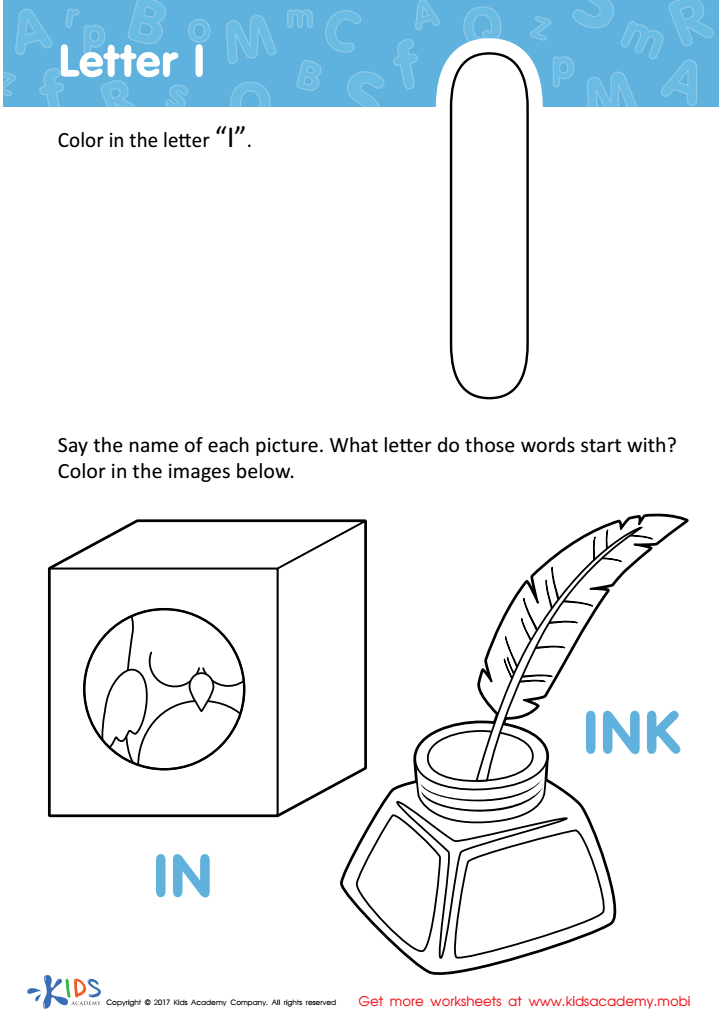
Letter I Coloring Sheet
Assign to My Students
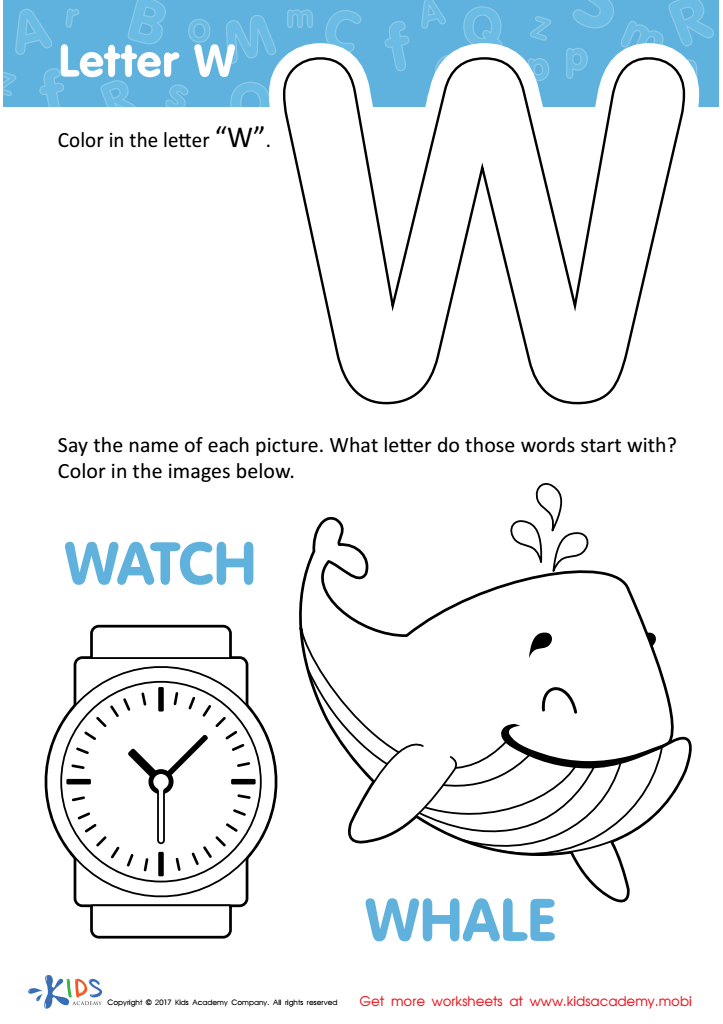
Letter W Coloring Sheet
Assign to My Students
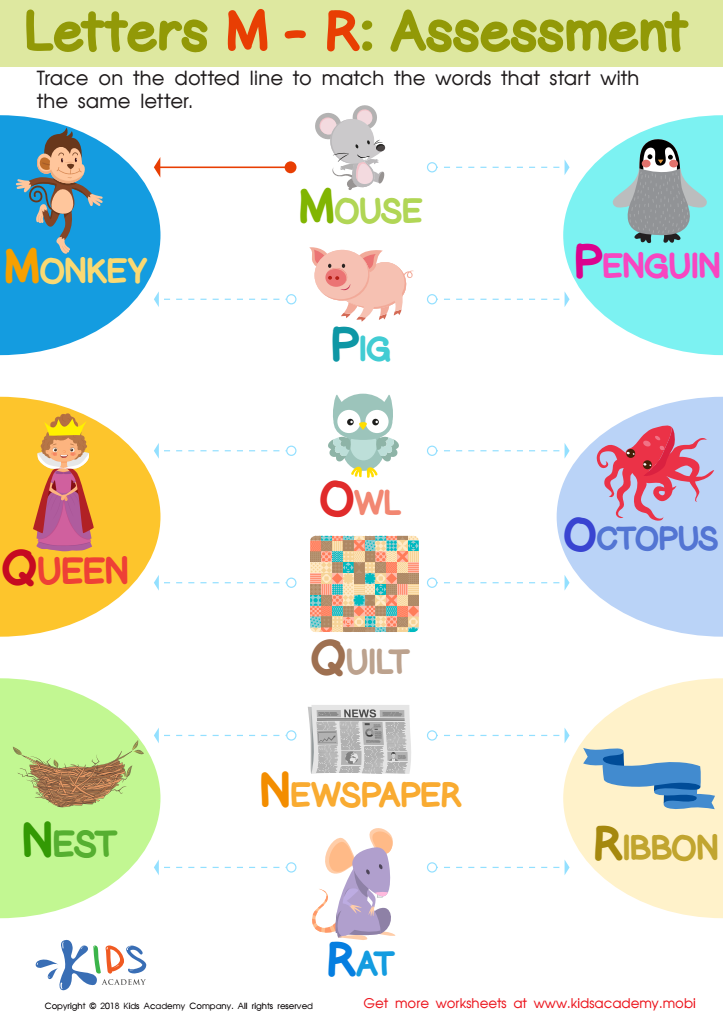
Letters M-R Tracing Worksheet








Fine motor skills are crucial for the development of young children, influencing their ability to perform everyday tasks such as writing, tying shoelaces, and buttoning shirts. Focusing on fine motor skills when learning the ABC letters enhances children’s developmental growth in multiple ways.
Firstly, strong fine motor skills help children gain better control over their hand movements. This control is vital for effective writing, enabling them to form letters accurately and with ease. When children practice writing the ABCs through activities like tracing or using playdough, they develop hand strength and coordination, which builds a strong foundation for future writing tasks.
Moreover, engaging with fine motor skills through the ABC letters fosters cognitive and language development. As children manipulate letters, they enhance their hand-eye coordination and spatial awareness, which are crucial for grasping more complex concepts later in their education. Engaging in activities like letter crafts or puzzles also enhances creativity and problem-solving skills.
Ultimately, parents and teachers should care about fine motor skills related to ABC letters as they are integral to a child's overall development, setting the stage for academic success and promoting independence in daily life. Supporting this aspect will lead to confident learners equipped with the necessary skills for structured education.







