Letter formation Alphabet Worksheets
10 filtered results
-
From - To
Enhance your child's writing skills with our Letter Formation Alphabet Worksheets! These engaging printables are designed to help young learners master the fundamentals of letter formation through fun and interactive activities. Each worksheet provides clear guidance, allowing children to practice capital and lowercase letters with ease. Our resources support fine motor development and boost confidence in writing, essential for early literacy success. Ideal for preschool and kindergarten classrooms or at home, our worksheets make learning enjoyable. Encourage your child’s creativity and improve their handwriting with our comprehensive collection of Letter Formation Alphabet Worksheets today! Discover the joy of learning through play!
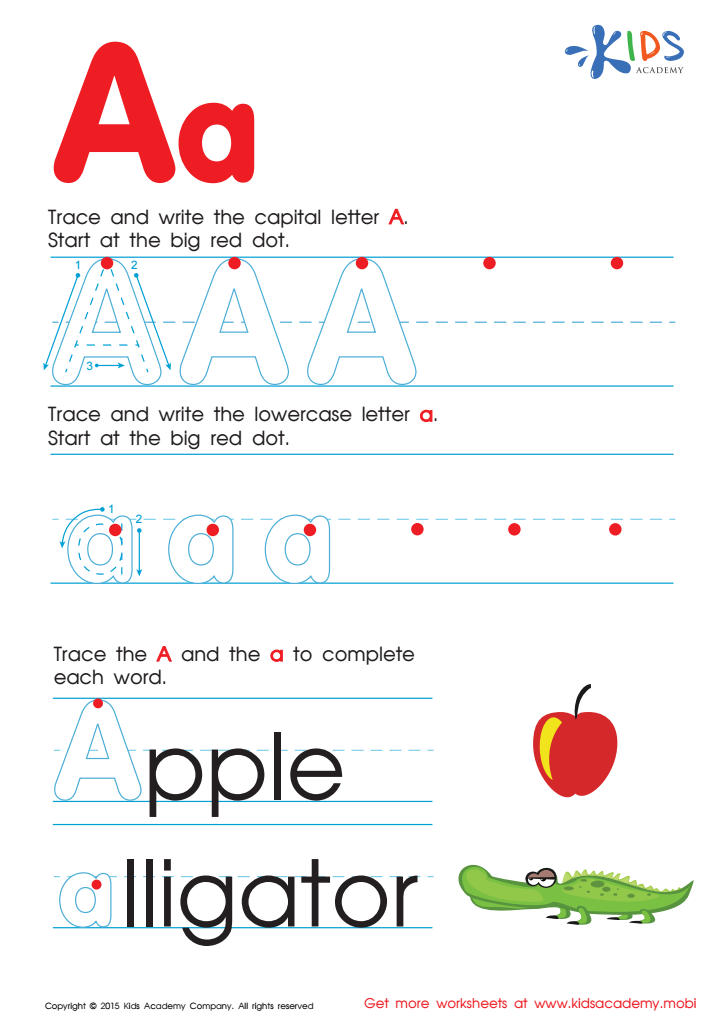
Letter A Tracing Page
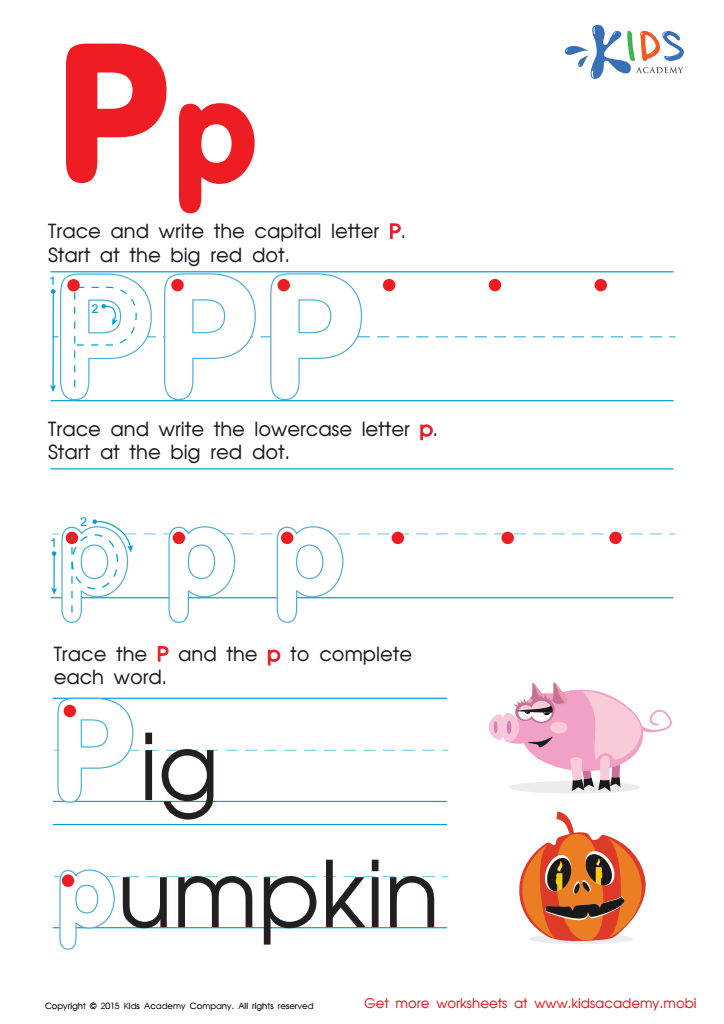
Letter P Tracing Page
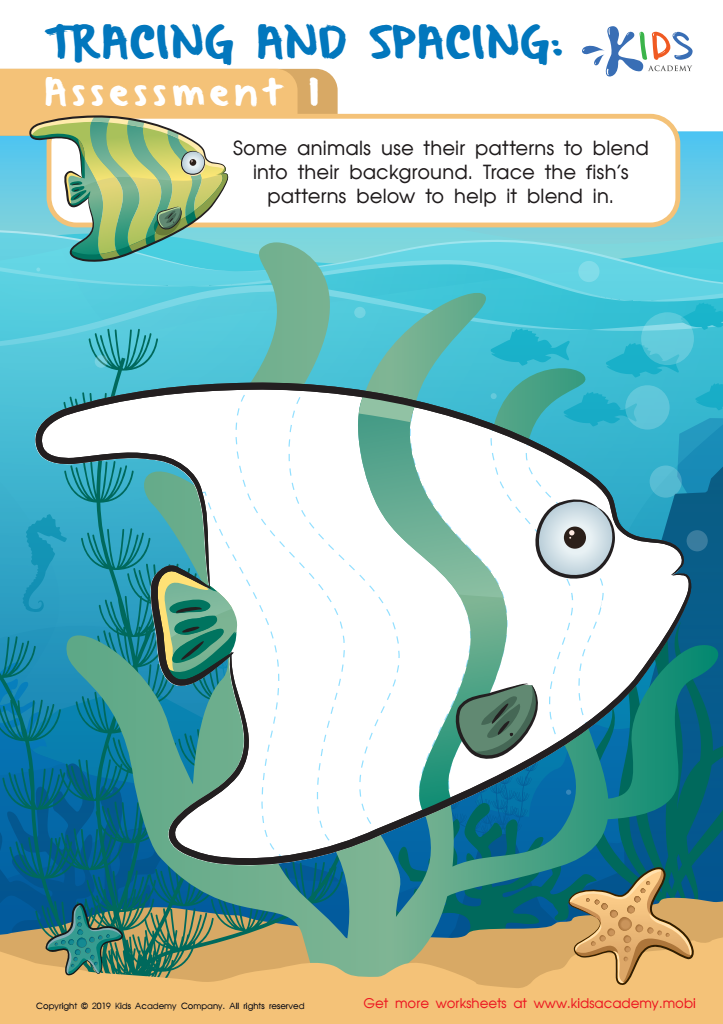
Tracing and Spacing: Assessment 1 Worksheet
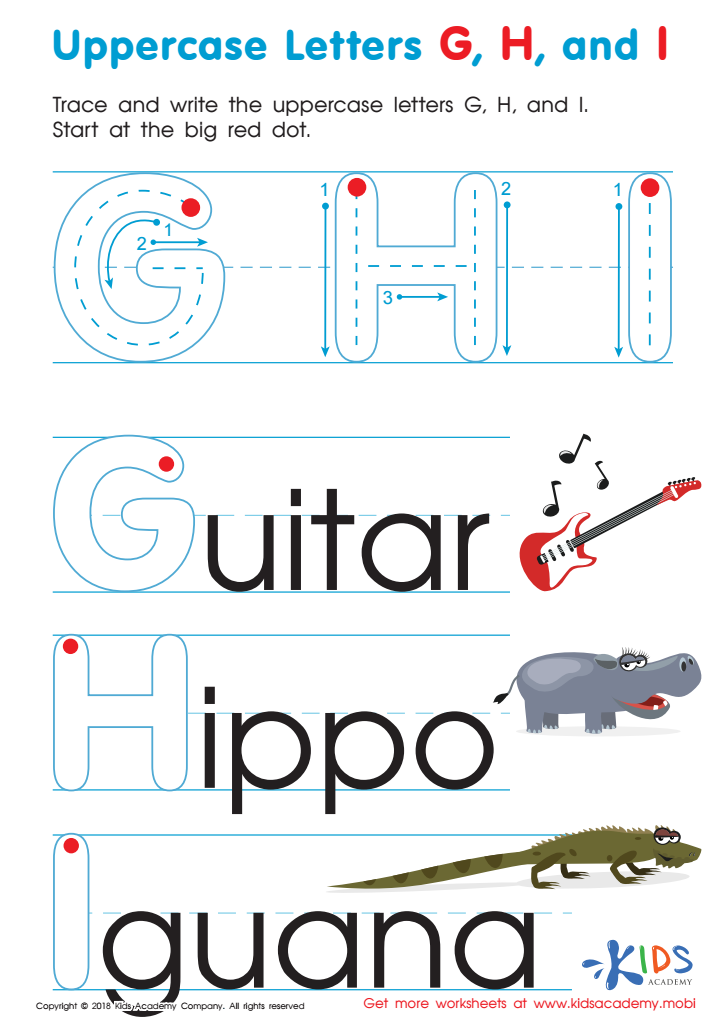
Uppercase Letters G, H, and I Worksheet
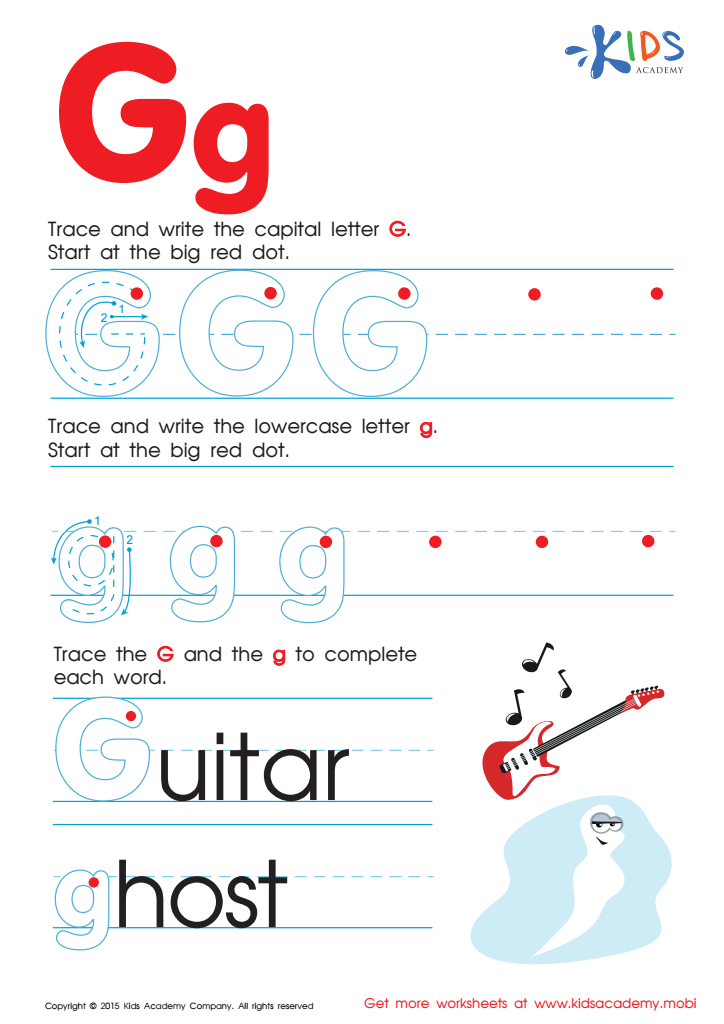
Letter G Tracing Page
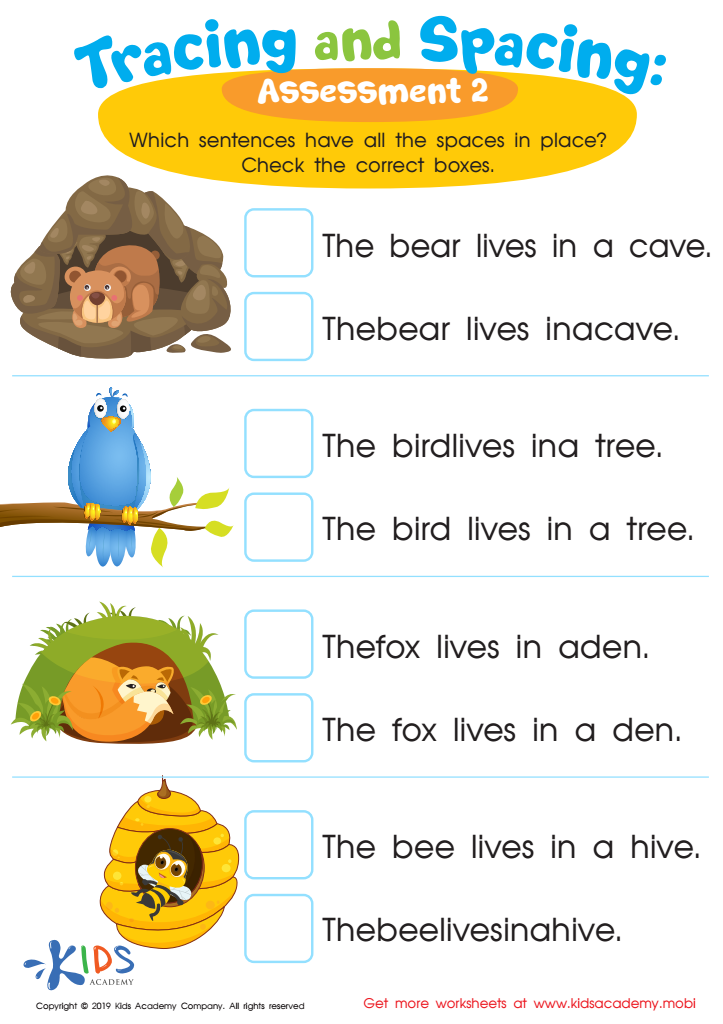
Tracing and Spacing: Assessment 2 Worksheet
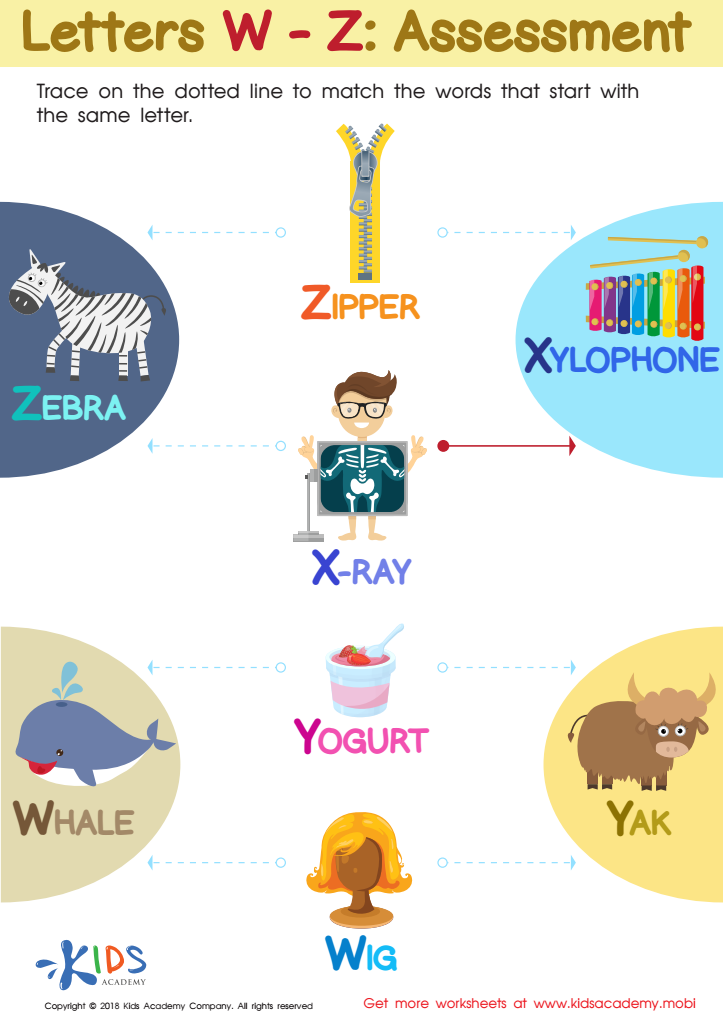
Letters W–Z Tracing Worksheet
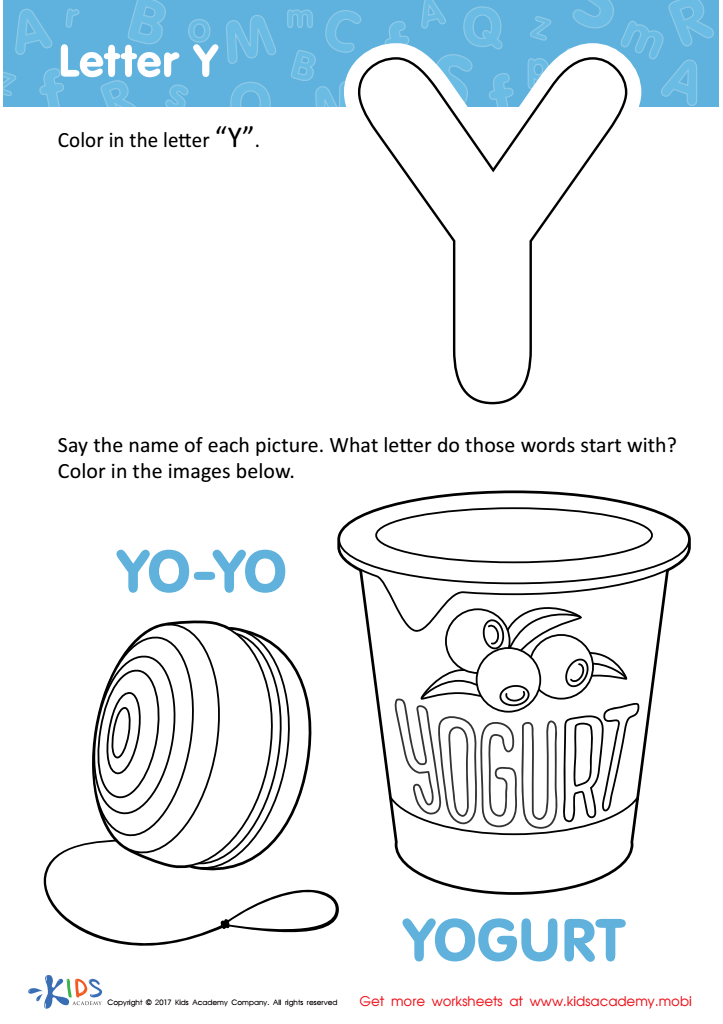
Letter Y Coloring Sheet
 Assign to My Students
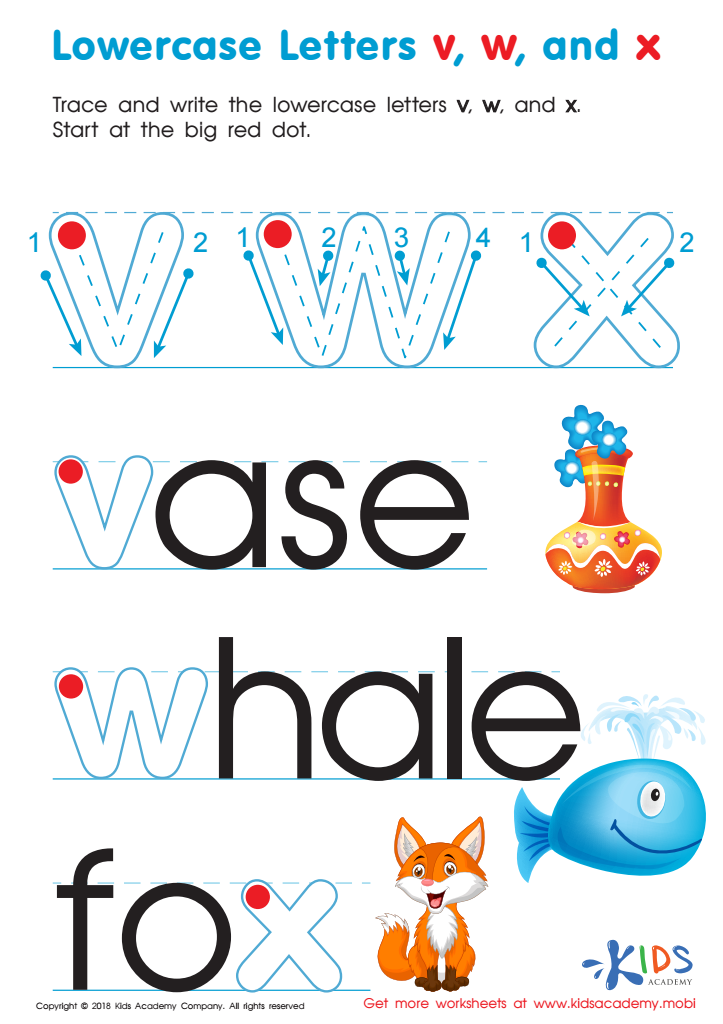
Lowercase Letters v w x Worksheet
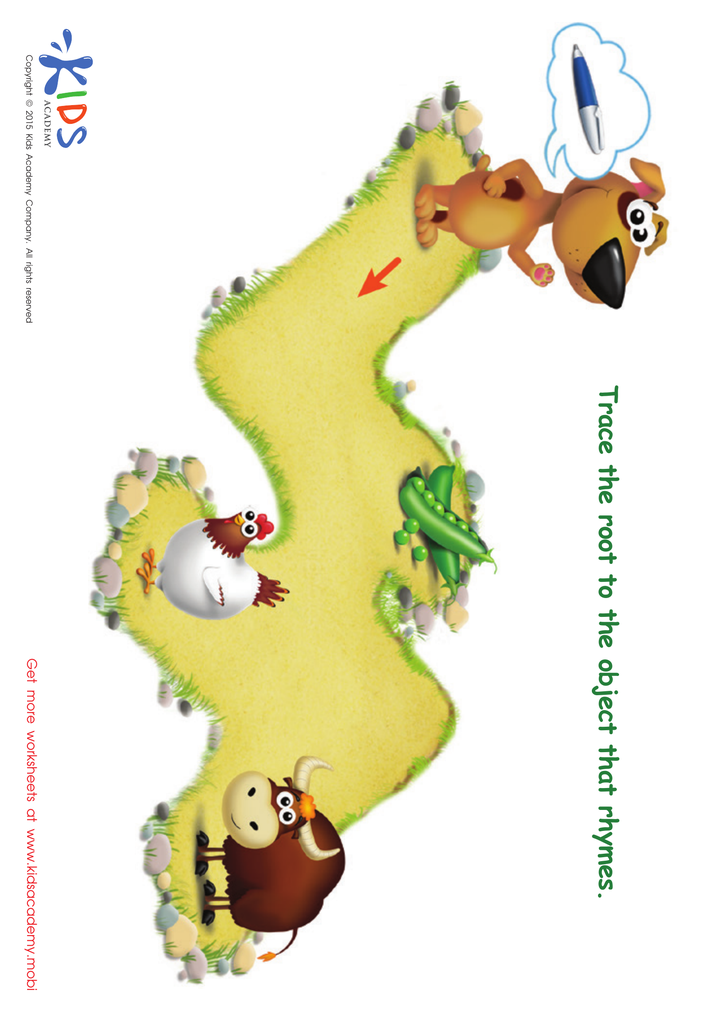
Pen Rhyming Words Worksheet







Letter formation is a fundamental aspect of literacy that significantly influences young children's writing skills and overall literacy development. Parents and teachers should care about letter formation because it lays the groundwork for effective communication. When children learn to correctly form letters, it improves their handwriting legibility, making their written messages clear and understandable.
Moreover, proper letter formation promotes motor skills development. Children fine-tune their hand-eye coordination and strengthen the small muscles in their hands, which are essential for writing and other daily tasks. Additionally, recognizing and mastering letter shapes helps children connect letters to sounds, ultimately enhancing their reading skills.
Furthermore, consistent attention to letter formation fosters a sense of accomplishment and self-esteem in young learners. Children take pride in producing neat and well-formed letters, which encourages them to engage more in writing activities.
Lastly, establishing good habits early on can prevent difficulties later. Poor letter formation can lead to frustration and hinder a child's progress in both writing and reading. Therefore, actively encouraging and teaching proper letter formation is vital for both parents and educators in supporting children's academic journeys.







