Sound differentiation Alphabet Worksheets
4 filtered results
-
From - To
Discover our "Sound Differentiation Alphabet Worksheets" designed to enhance early literacy skills through engaging activities! These worksheets help young learners distinguish between different sounds associated with each letter of the alphabet, fostering phonemic awareness. Fun and interactive, our worksheets include a variety of exercises where children can identify, match, and practice the sounds of each letter. Ideal for preschool and early elementary students, these resources make learning enjoyable while laying a strong foundation for reading and writing. Perfect for classroom or home use, these worksheets encourage children to develop essential listening and sound recognition skills necessary for their educational journey.
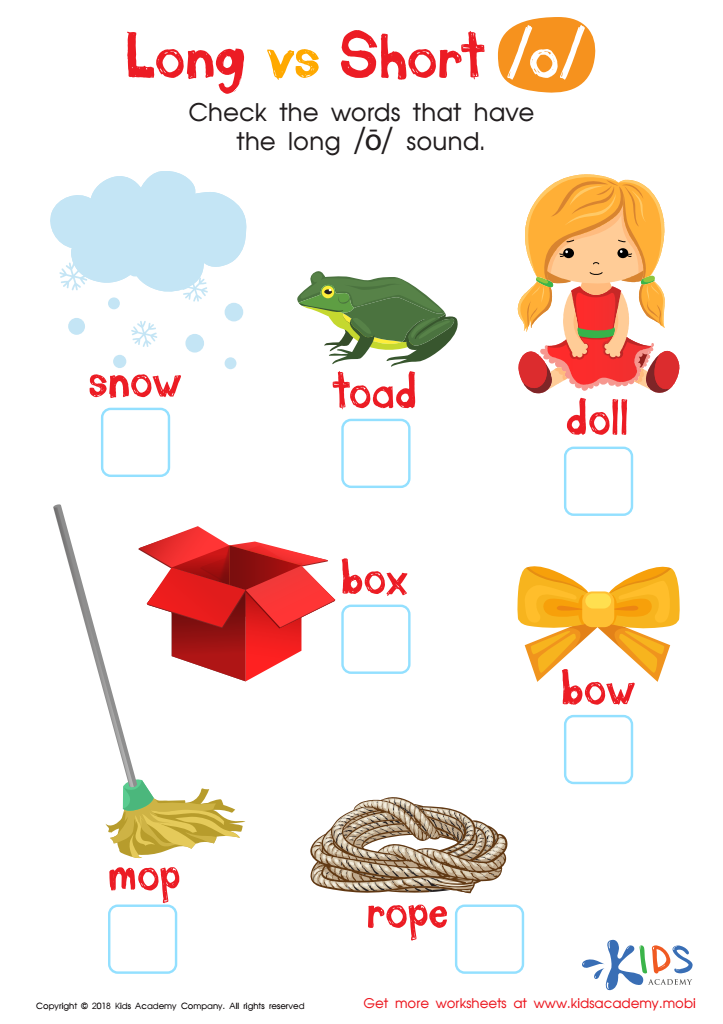
Long vs Short O Reading Worksheet
 Assign to My Students
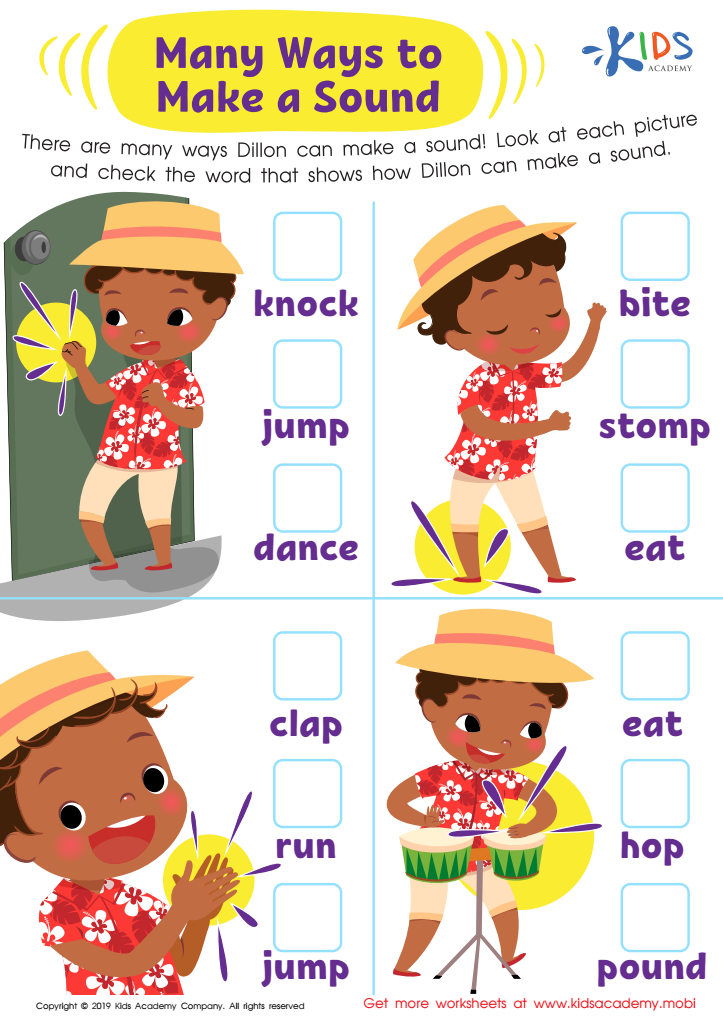
Many Ways to Make a Sound Worksheet
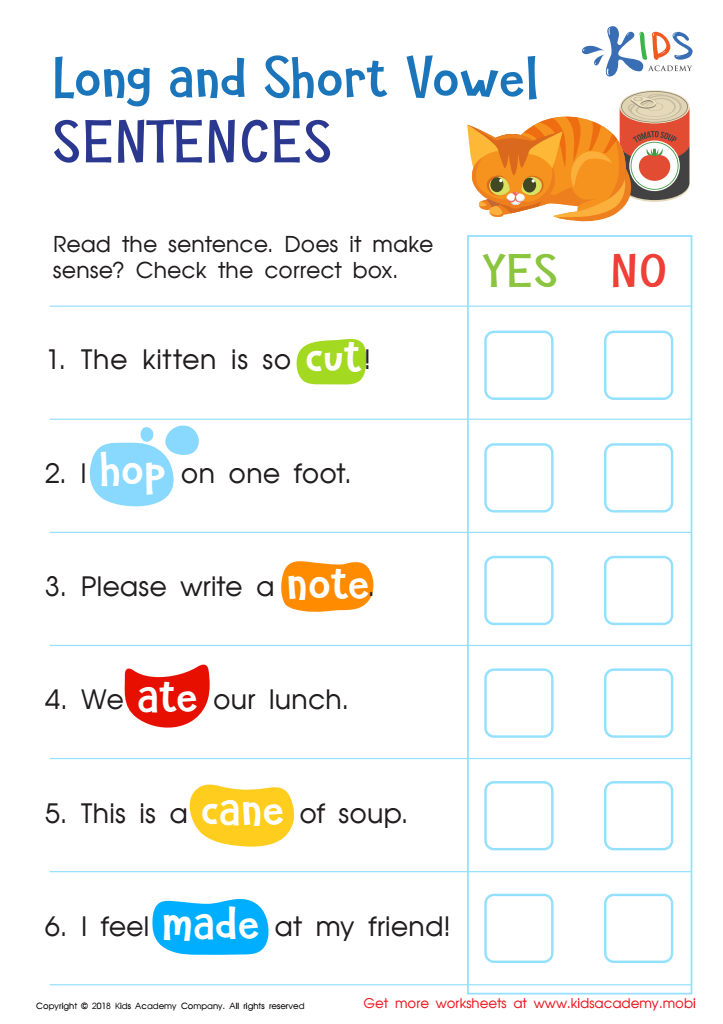
Long and Short Vowel Sentences: Assessment Worksheet
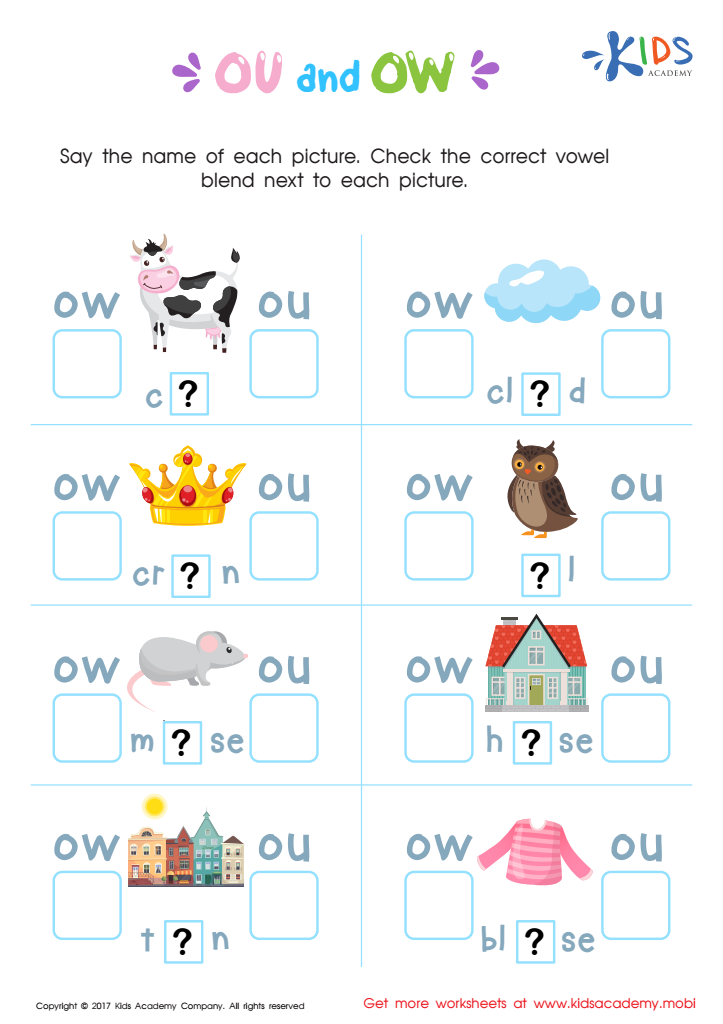
OU and OW Words Worksheet





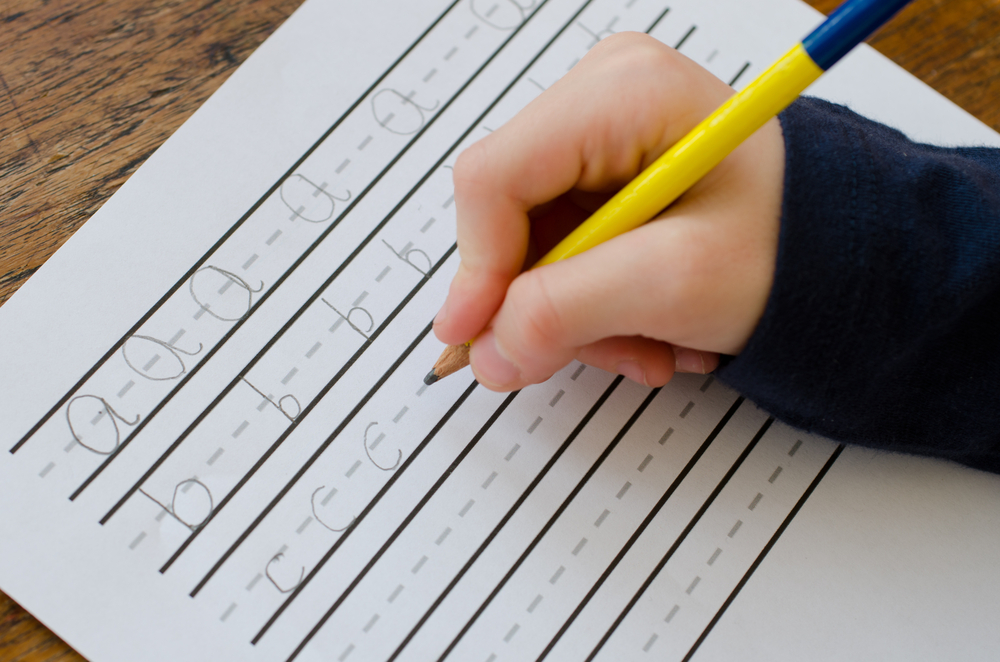

Sound differentiation in the context of the alphabet is crucial for young learners as it lays the foundation for effective reading and writing skills. Understanding that letters represent distinct sounds helps children grasp the concept of phonemes, enabling them to decode words and read fluently.
For parents and teachers, emphasizing sound differentiation enhances language acquisition and communication skills. It aids in improving children's spelling abilities, as they begin to associate sounds with corresponding letters more accurately. This skill is vital for developing literacy, critical thinking, and comprehension, which are essential for success in later academic endeavors.
Moreover, sound differentiation fostered through phonics instruction can boost children's confidence and motivation. When students see their progress in reading and writing, they are more likely to engage actively in learning processes.
By creating a sound-rich environment—filled with activities linking sounds to letters, such as phonics games, songs, and interactive stories—adults can ensure that children are not only academically prepared but also excited about literacy. Hence, prioritizing sound differentiation equips young learners with the tools necessary for future academic achievement, communication, and lifelong learning.







