Sound-letter association Alphabet Worksheets
4 filtered results
-
From - To
Enhance your child’s literacy skills with our Sound-Letter Association Alphabet Worksheets! Designed for early learners, these engaging resources help children connect sounds with corresponding letters, laying a strong foundation for reading and writing. Each worksheet features fun activities, including tracing letters, matching sounds, and identifying objects. Suitable for preschool and kindergarten levels, our worksheets foster phonemic awareness, a critical skill for reading success. With a variety of interactive exercises, children will enjoy learning the alphabet while developing essential communication skills. Get ready to embark on an exciting learning journey that makes mastering letter sounds fun and effective!
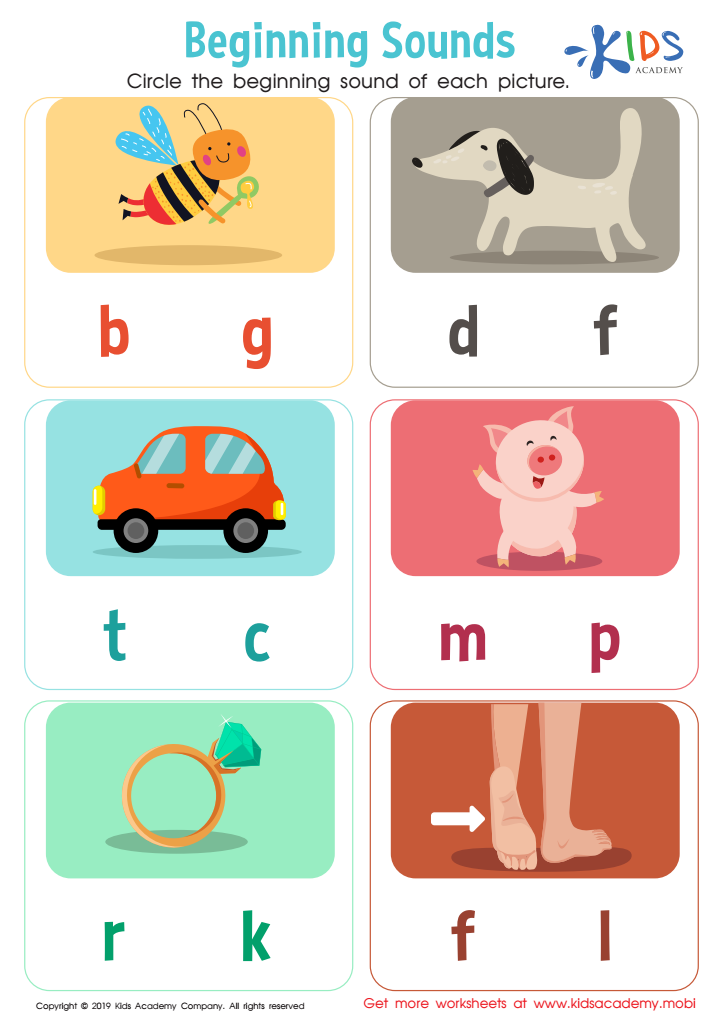
Beginning Sounds Worksheet
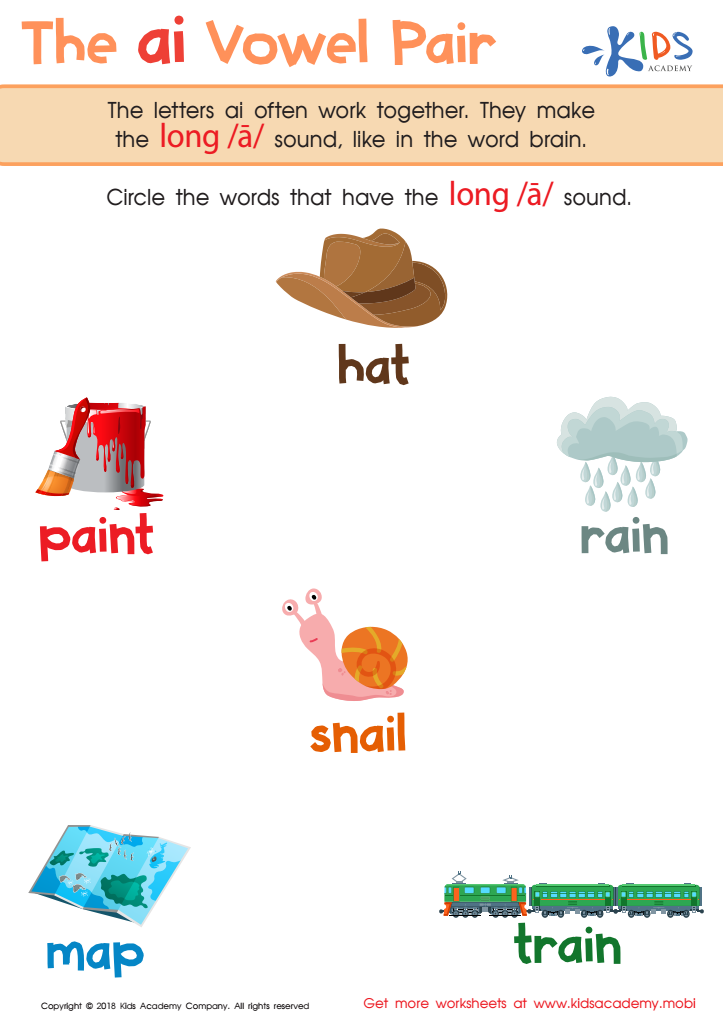
The AI Vowel Pair Worksheet
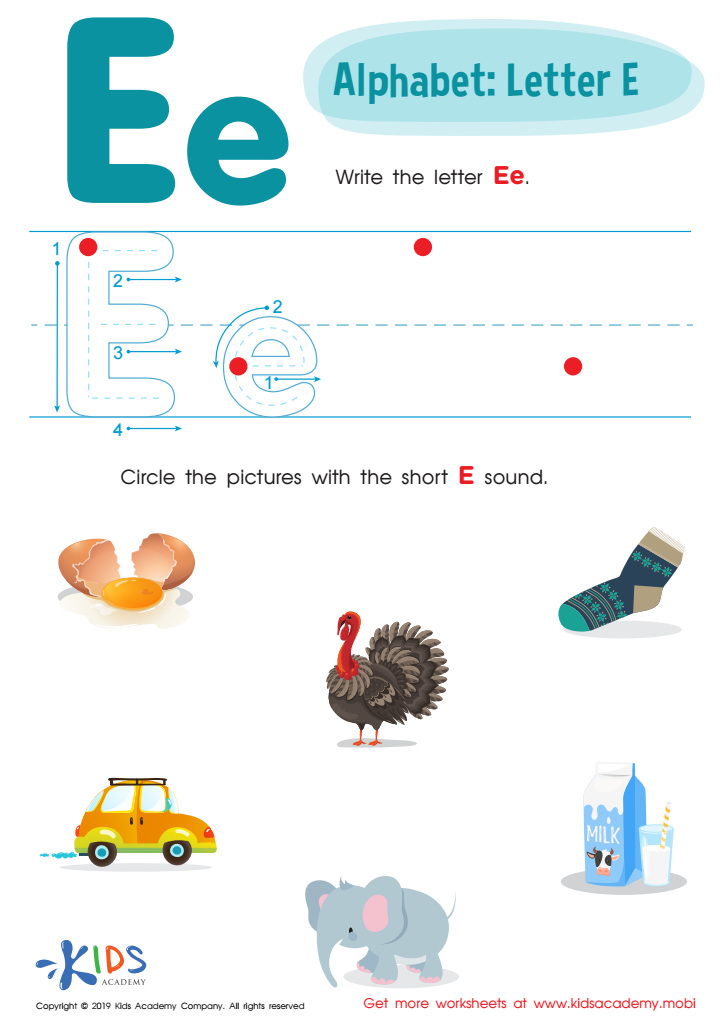
Letter E Tracing Worksheet
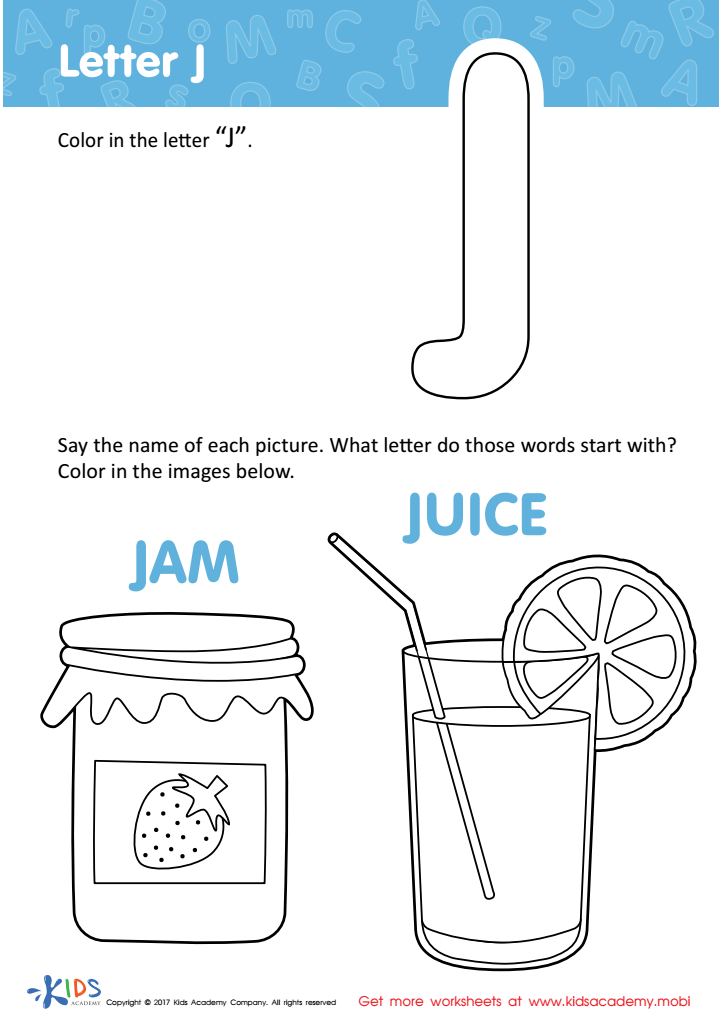
Letter J Coloring Sheet
 Assign to My Students








Sound-letter association, or phonics, is fundamental for early literacy development in children. This association connects sounds (phonemes) with their corresponding letters or groups of letters (graphemes), forming the foundation for reading and writing skills. Parents and teachers should care about this because it directly impacts a child's ability to decode words. When children understand how sounds correspond to letters, they become more capable readers, which fosters comprehension and fluency.
Additionally, strong phonics skills empower children to become confident communicators. As they learn to blend sounds, they can tackle unfamiliar words and engage more deeply with the texts they encounter. Effective sound-letter association instruction can also enhance a child's vocabulary and spelling skills, crucial components of literacy.
Moreover, instilling phonics knowledge early can help identify and support children with learning difficulties, such as dyslexia. Early intervention through focused sound-letter activities can provide the needed assistance to ensure all children achieve reading proficiency.
Overall, emphasizing sound-letter association equips children with essential tools for academic success and lifelong learning, ultimately fostering a love for reading that benefits their cognitive and social development. Therefore, parents and teachers play a pivotal role in cultivating these essential skills in young learners.







