Spelling practice Alphabet Worksheets - Page 3
67 filtered results
-
From - To
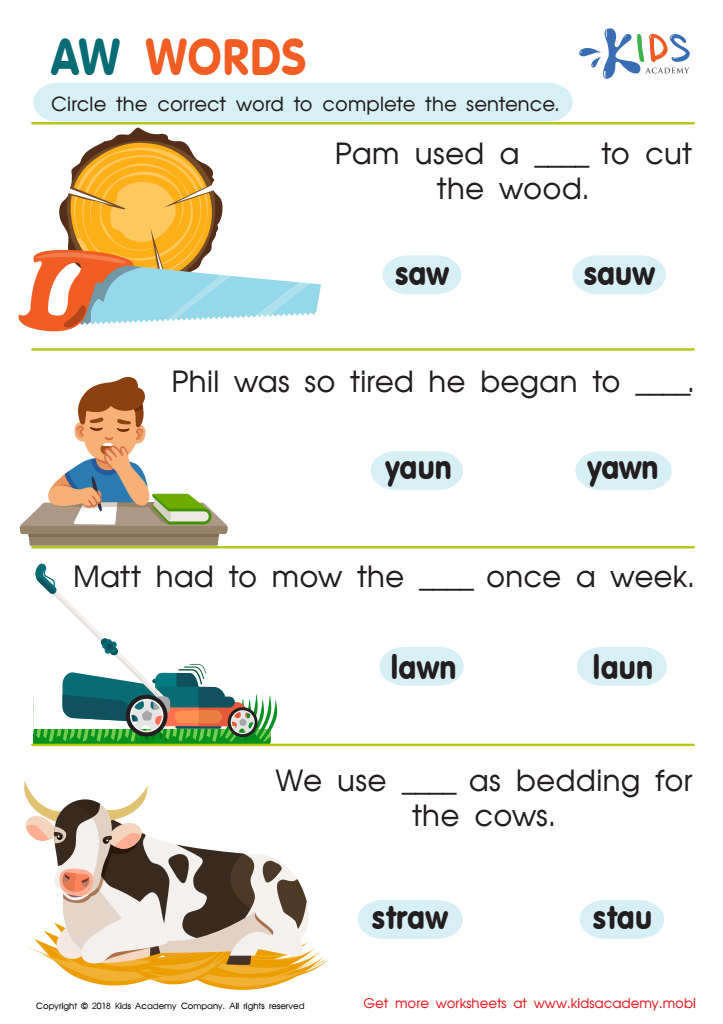
Reading: AW Words Worksheet
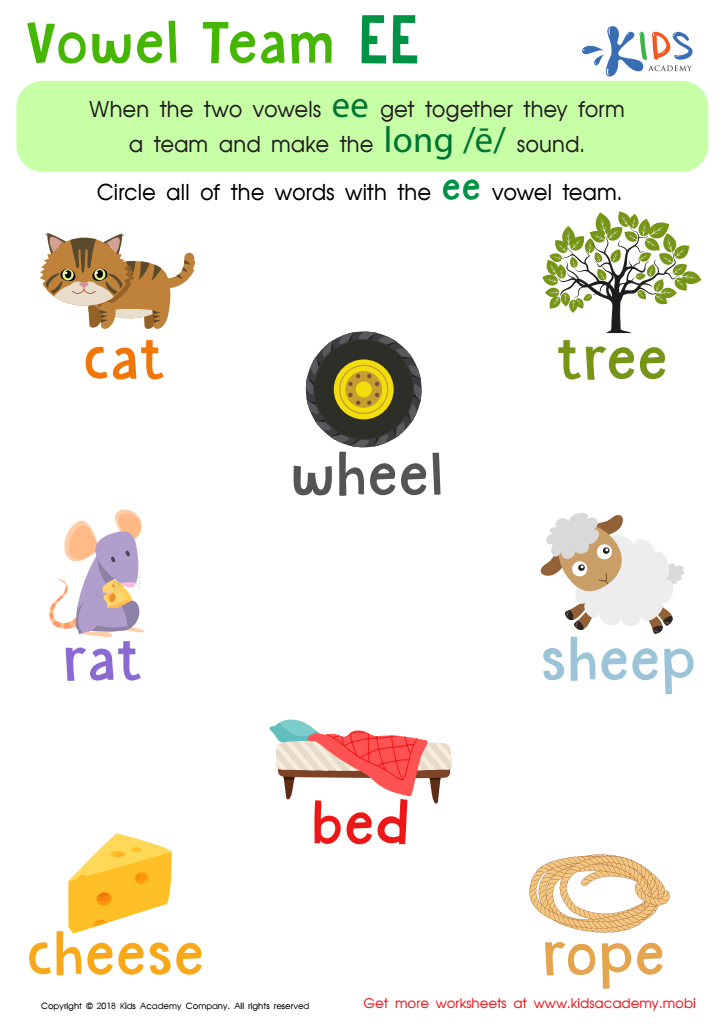
Reading: Vowel Team EE Worksheet
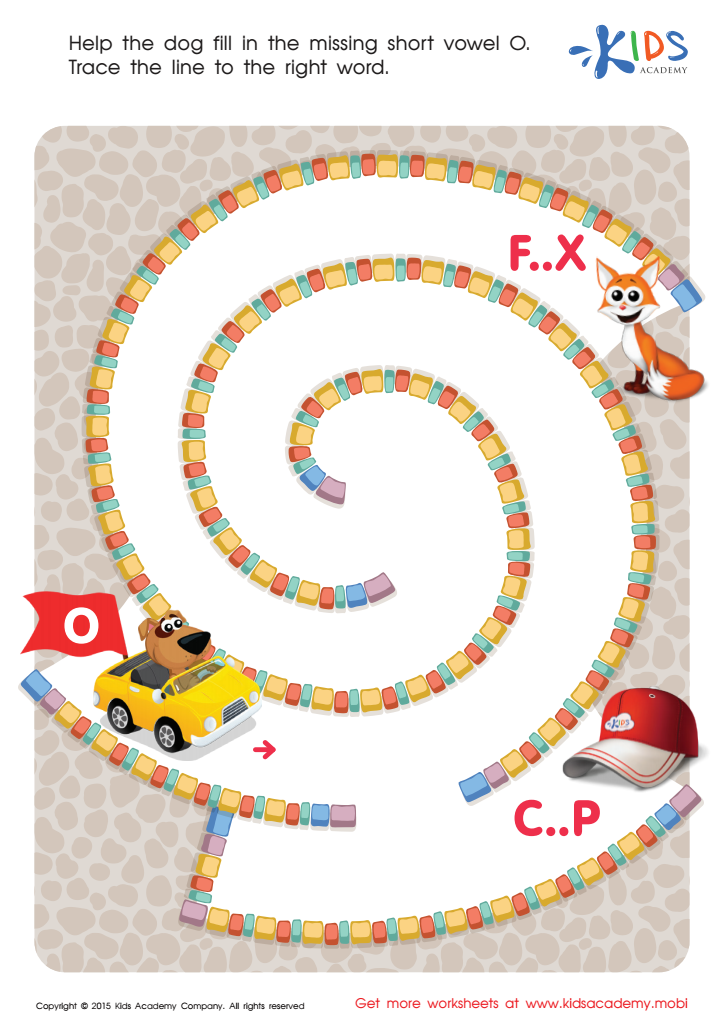
Short Vowel Sound O Worksheet
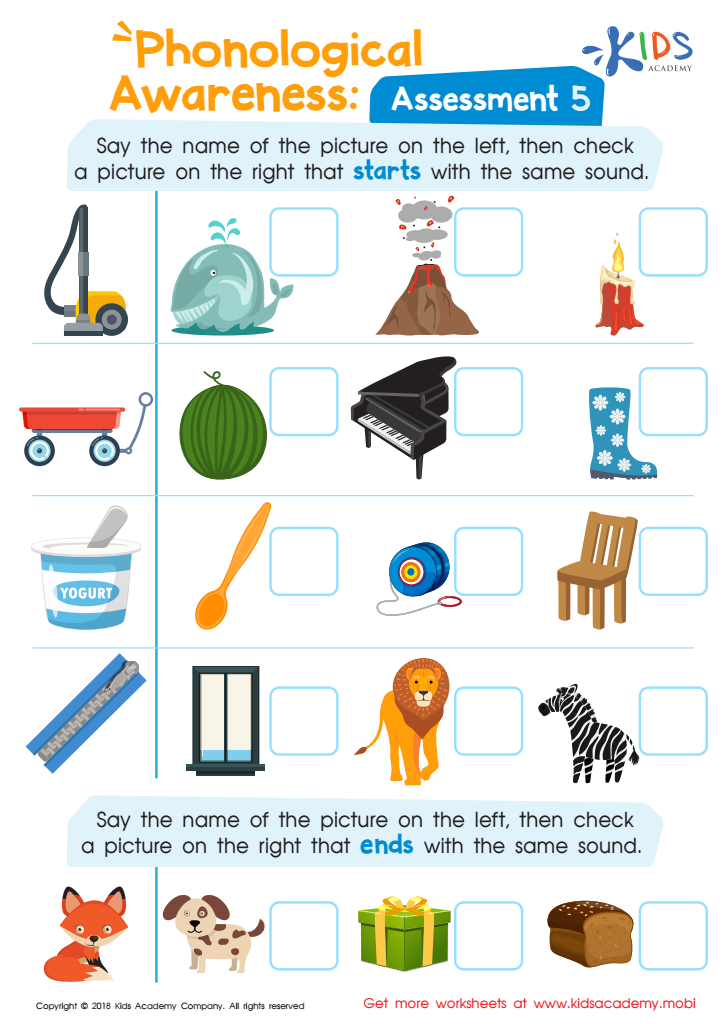
Phonological Awareness: Assessment 5 Worksheet
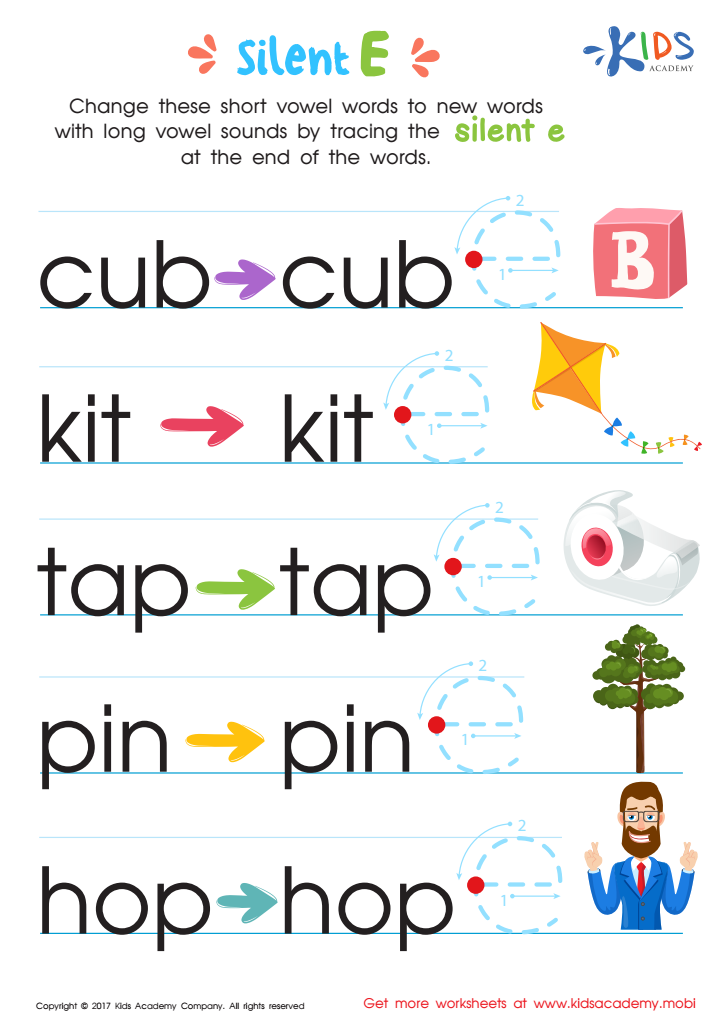
Silent E Words Worksheet
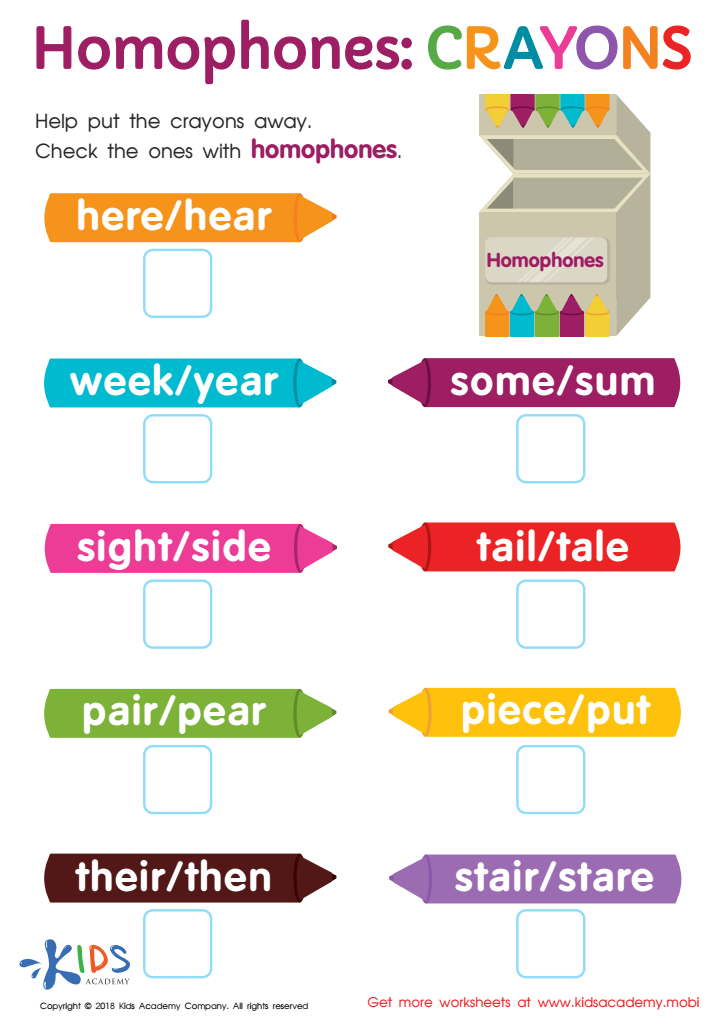
Homophones: Crayons Worksheet
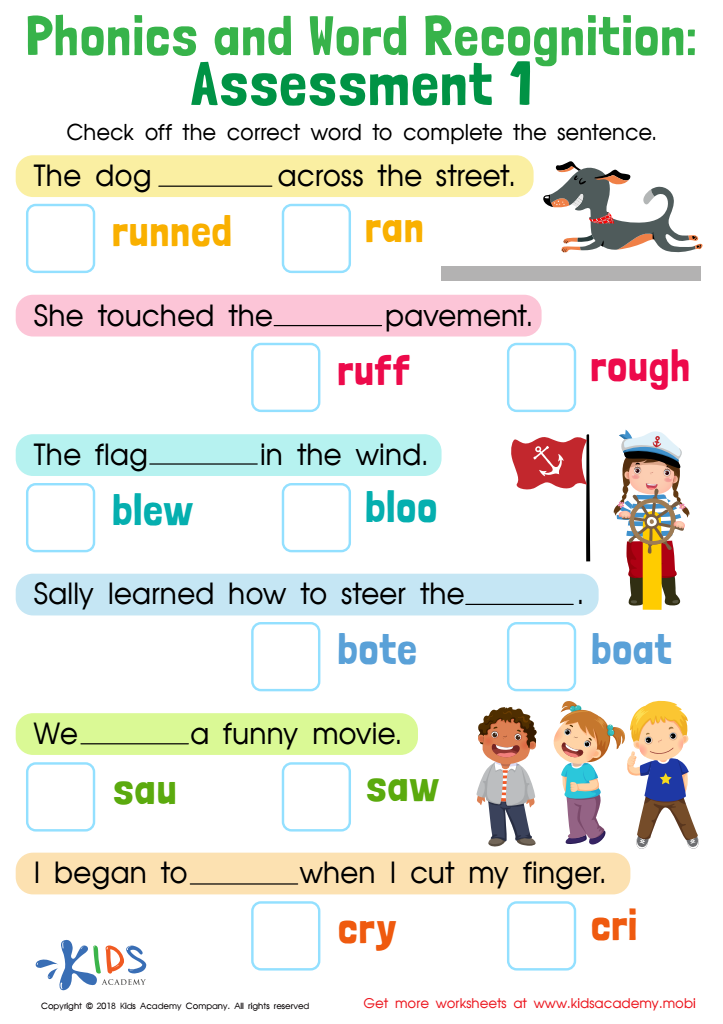
Phonics and Word Recognition: Assessment 1 Worksheet
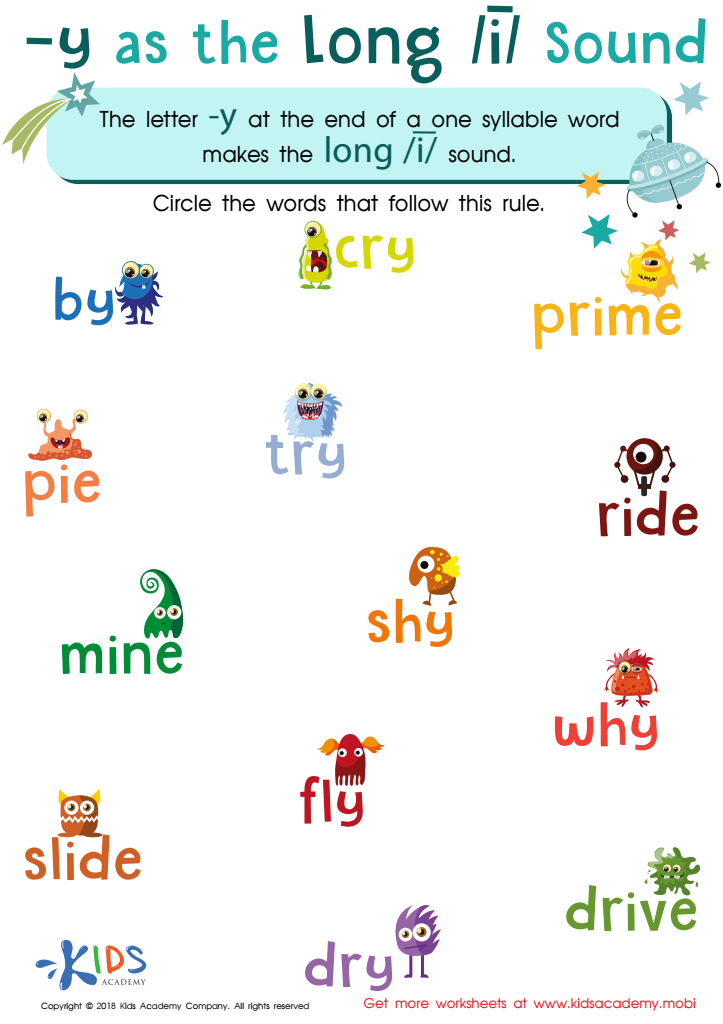
Reading: Y as Long I Worksheet
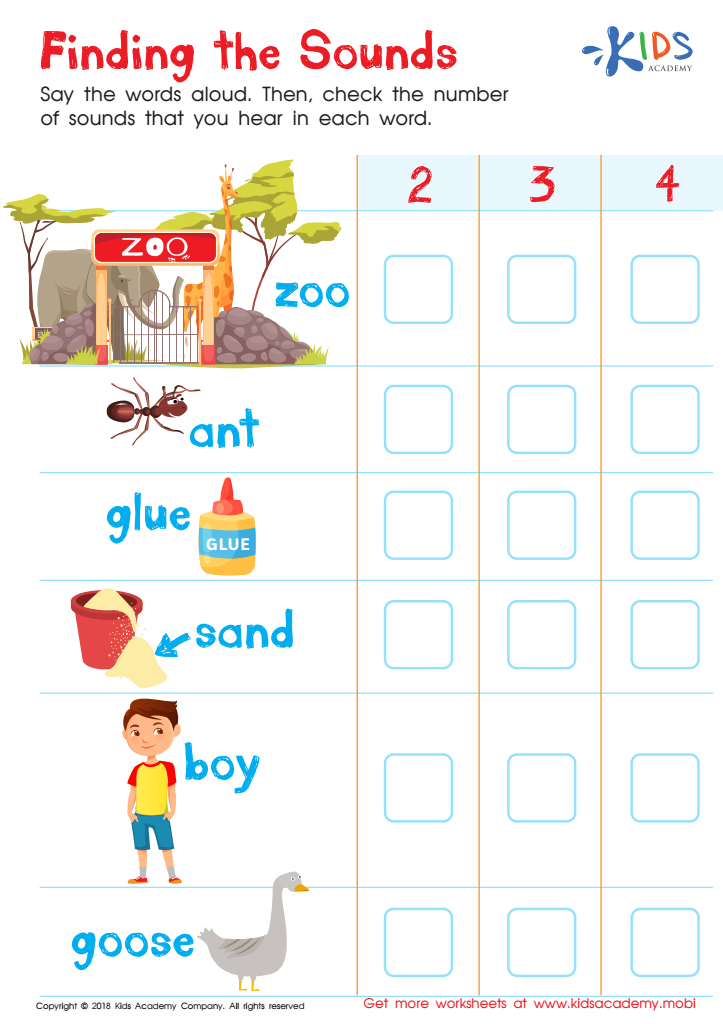
Finding the Sounds Worksheet
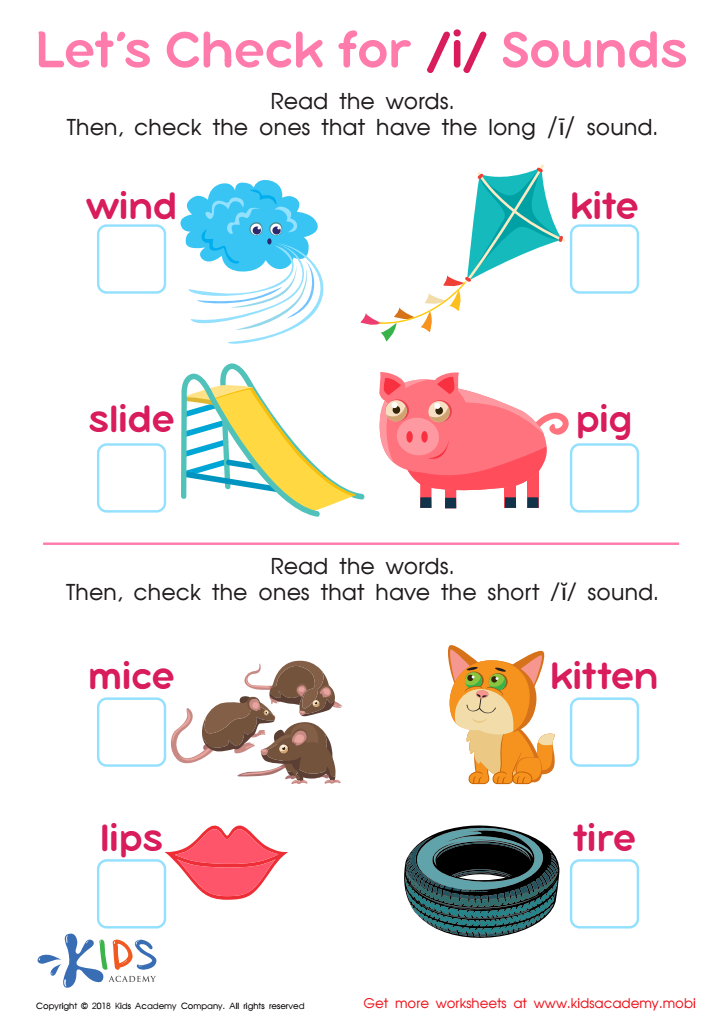
Let's Check for «i» Sounds Worksheet
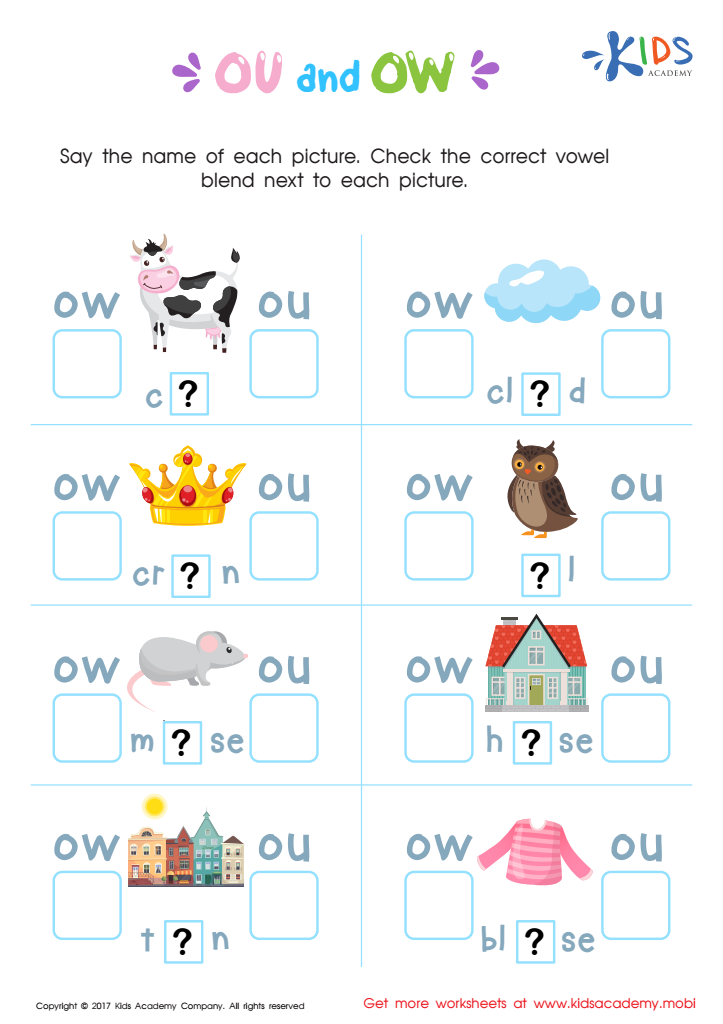
OU and OW Words Worksheet
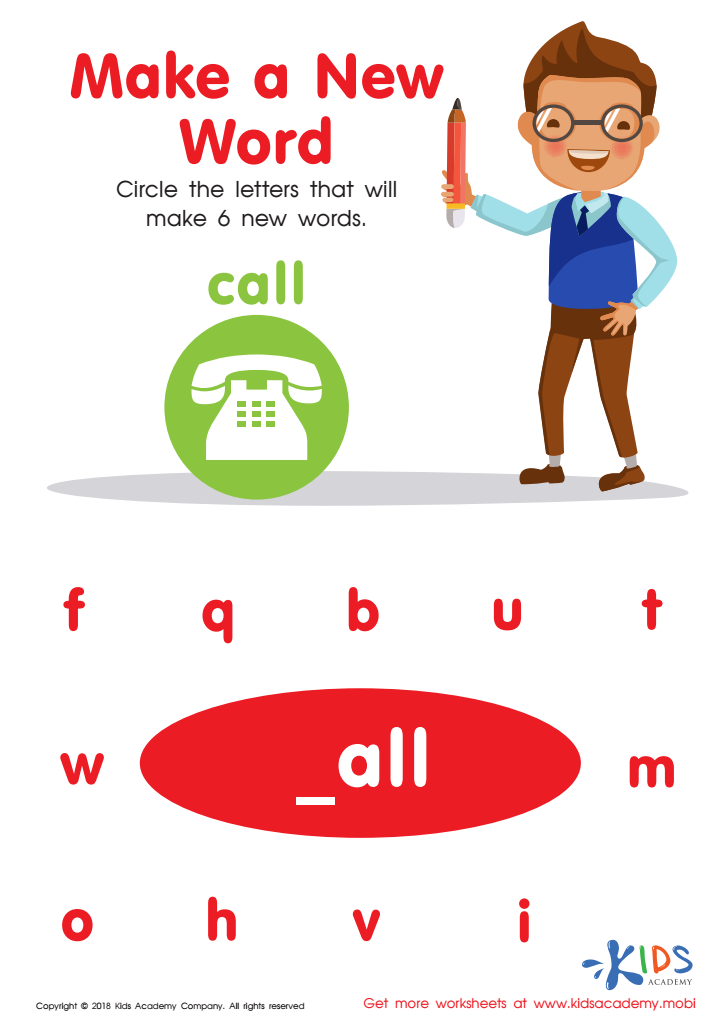
Make a New Word Worksheet
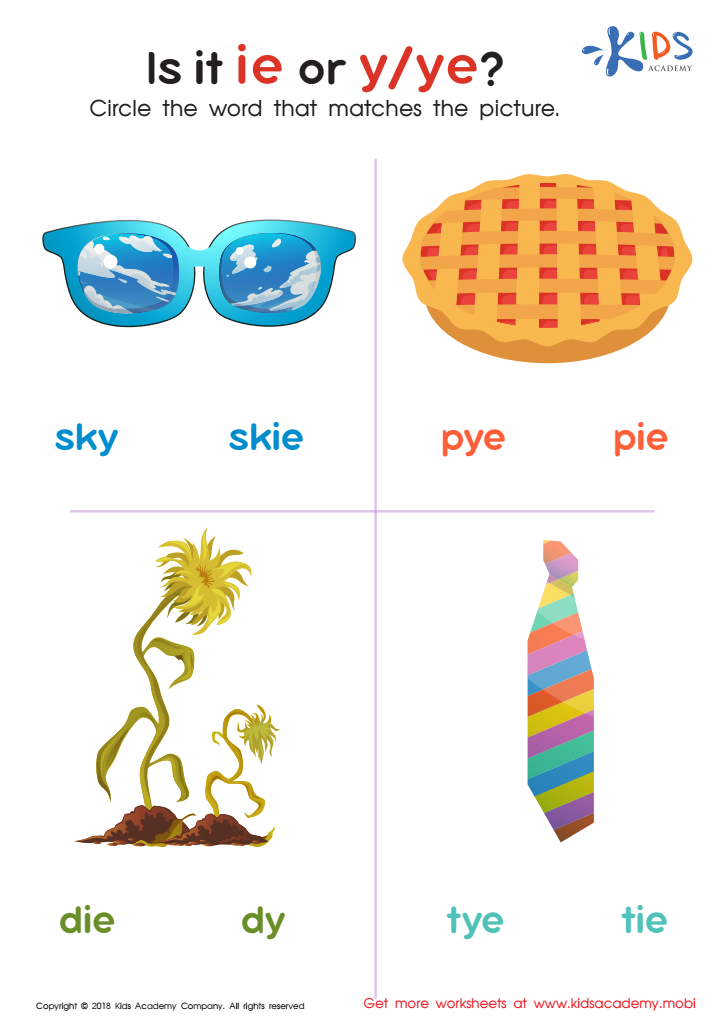
Is It IE or Y/Ye? Worksheet
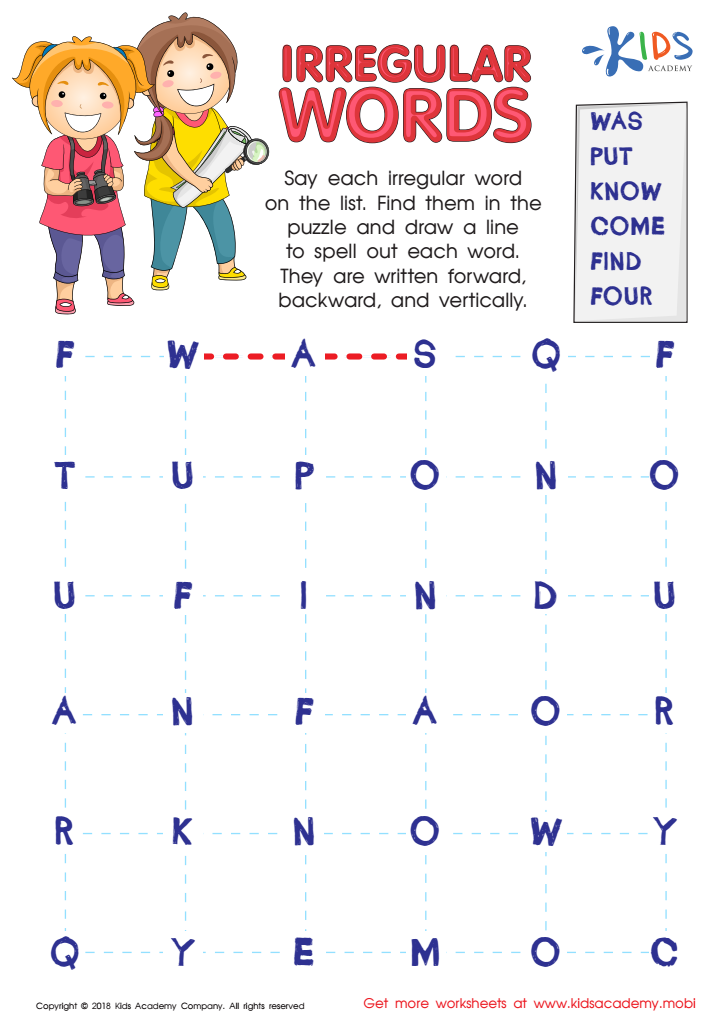
Irregular Words Worksheet
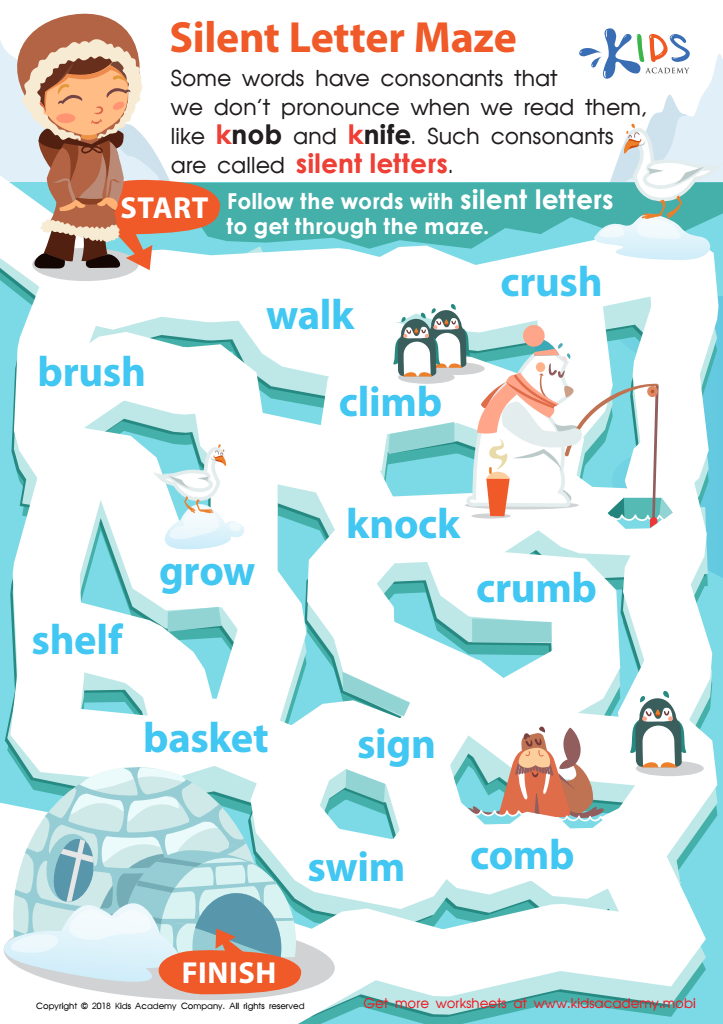
Silent Letter Maze Worksheet
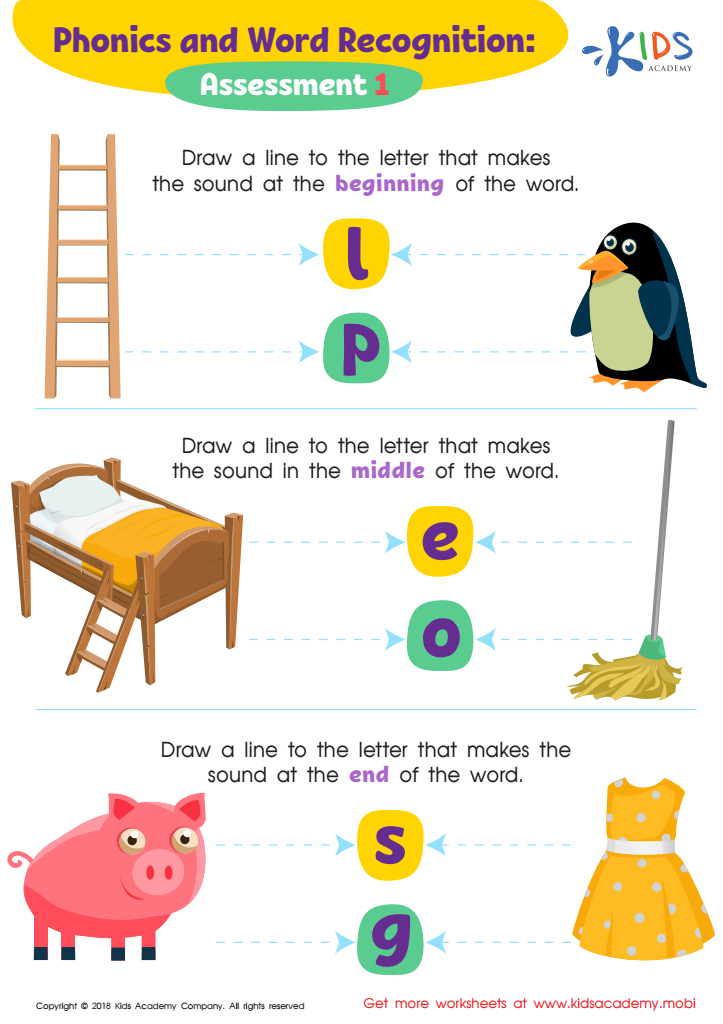
Phonics and Word Recognition: Assessment 1 ELA Worksheet
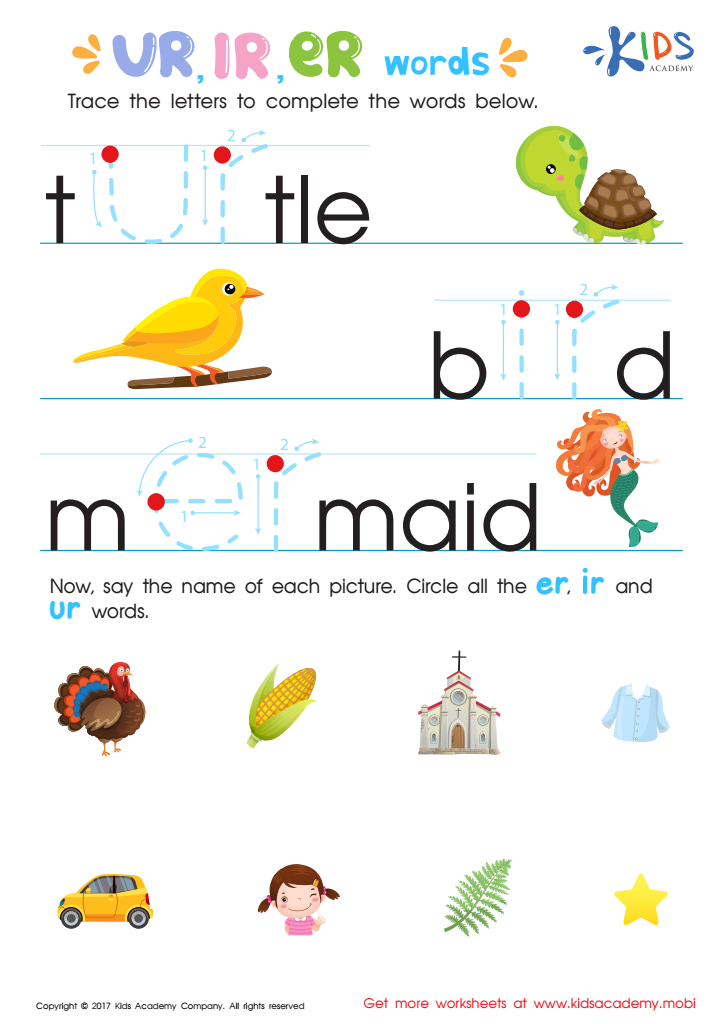
IR UR ER Words Worksheet
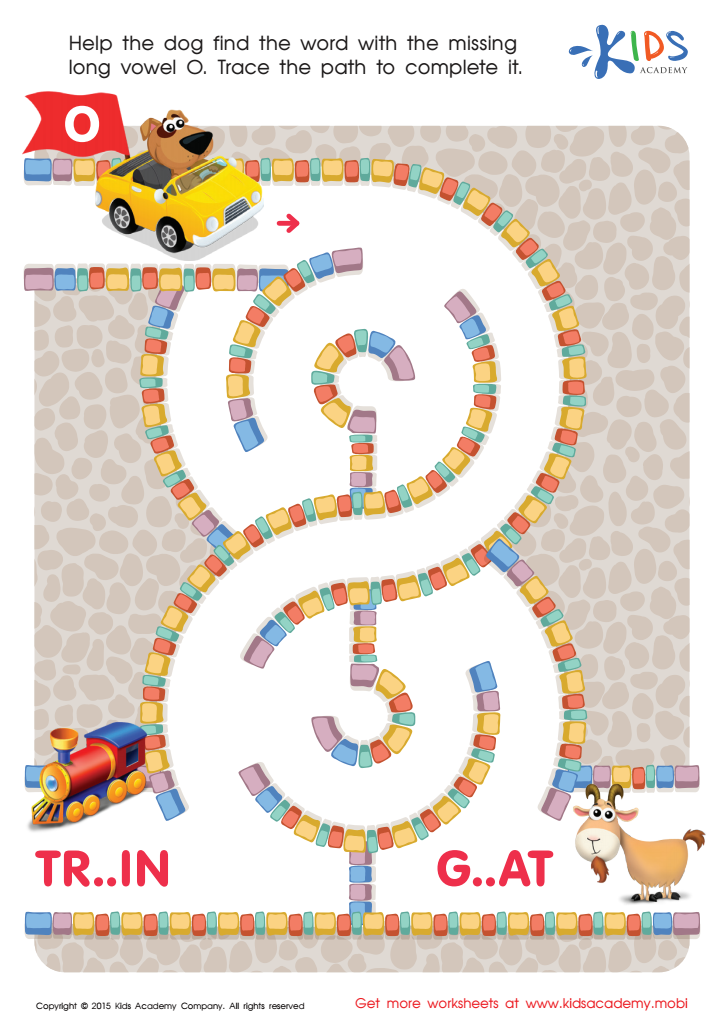
Long Vowel Sound O Worksheet
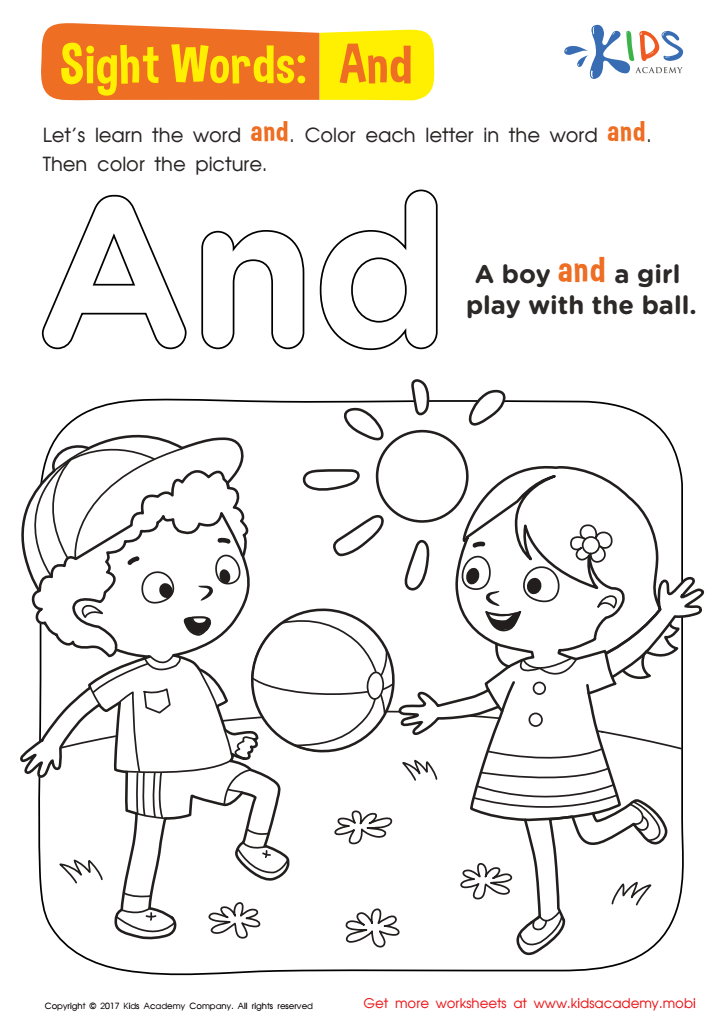
And Worksheet Sight Words Worksheet
 Assign to My Students







Spelling practice with the alphabet is crucial for early literacy development, as it lays the foundation for reading and writing skills. When parents and teachers prioritize spelling, they help children understand the relationship between sounds and letters, which is essential for phonemic awareness. This awareness fosters decoding skills, allowing children to read new words more efficiently.
Furthermore, regular spelling practice promotes vocabulary acquisition. By learning to spell new words, children not only memorize their letters but also internalize their meanings, enhancing communication skills. Spelling exercises can also strengthen fine motor skills, as writing letters and words involves coordination and control.
In addition, spelling practice can boost children's confidence in their language abilities. Mastering spelling challenges equips them with the skills needed to tackle more complex concepts in the future. For teachers, incorporating spelling activities in the curriculum can create an engaging learning environment that captures students' interest in language.
Ultimately, attentive involvement in spelling practice from both parents and teachers can significantly enhance a child's academic performance. Building strong spelling habits early on encourages a lifelong love for reading and writing, essential components of successful communication and learning in today's world.







