Alphabet Recognition Letter Recognition Worksheets
45 filtered results
-
From - To
Enhance your child's literacy skills with our engaging Alphabet Recognition Letter Recognition Worksheets! Designed for young learners, these worksheets provide a fun and interactive way to familiarize children with letters. Each worksheet features colorful illustrations and a variety of challenging activities, including tracing, matching, and identifying letters. These expertly crafted resources support the cultivation of essential reading skills, enabling children to confidently recognize both uppercase and lowercase letters. Perfect for preschool and kindergarten classrooms or home learning, our printable worksheets promote early reading proficiency while making learning enjoyable. Explore our collection today and help your child become a confident reader!

Letter A Tracing Page
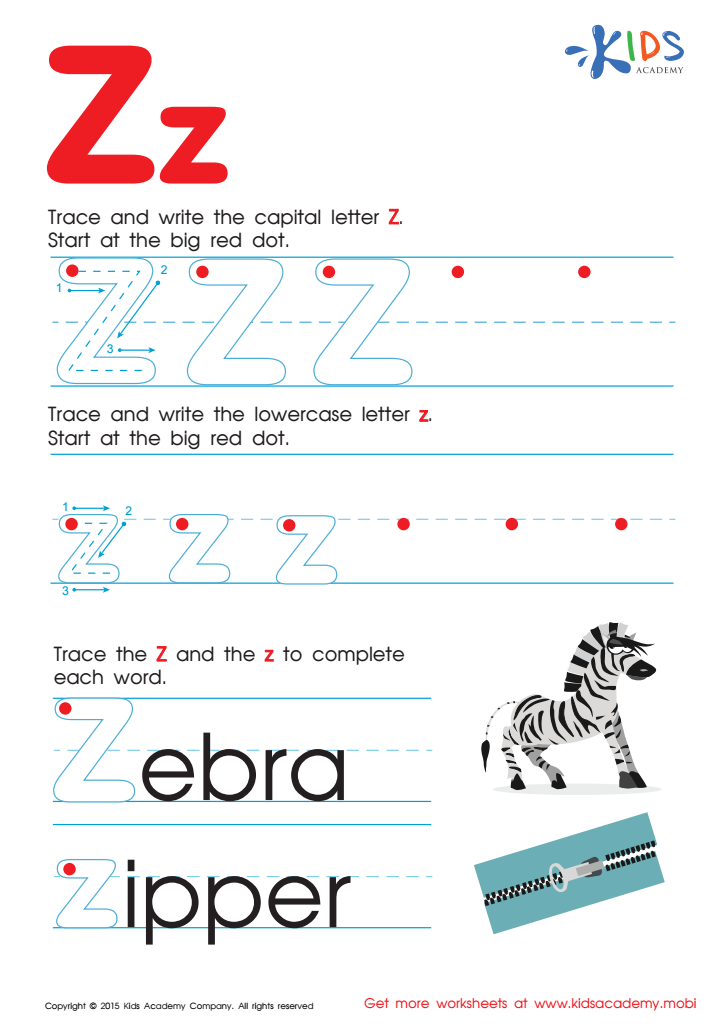
Letter Z Tracing Page
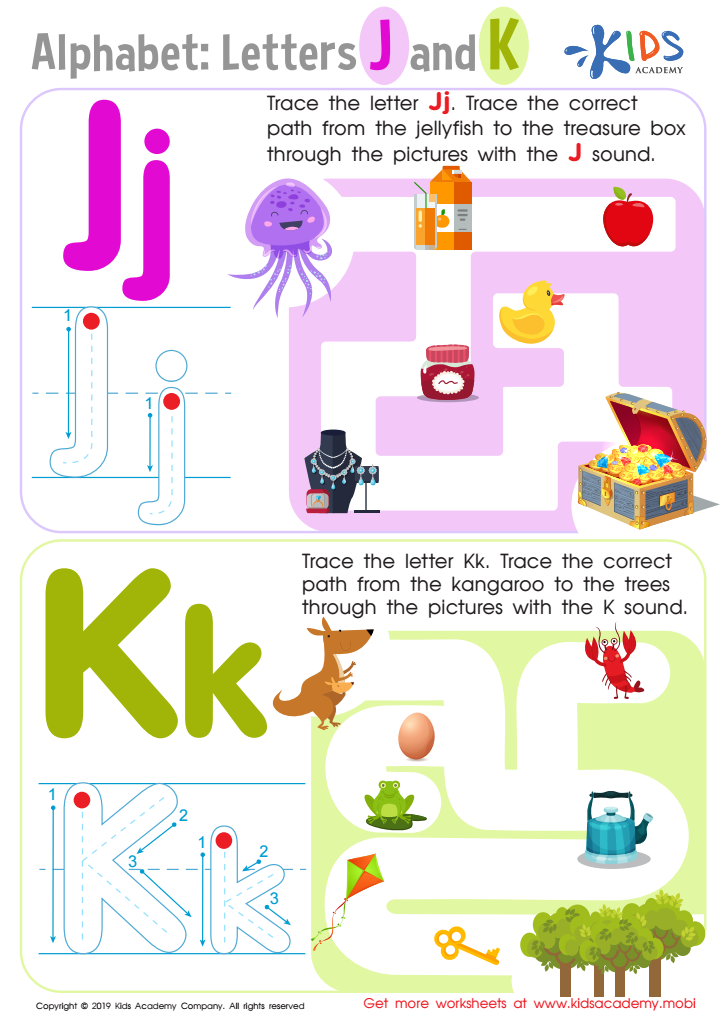
Letters J and K Tracing Worksheet
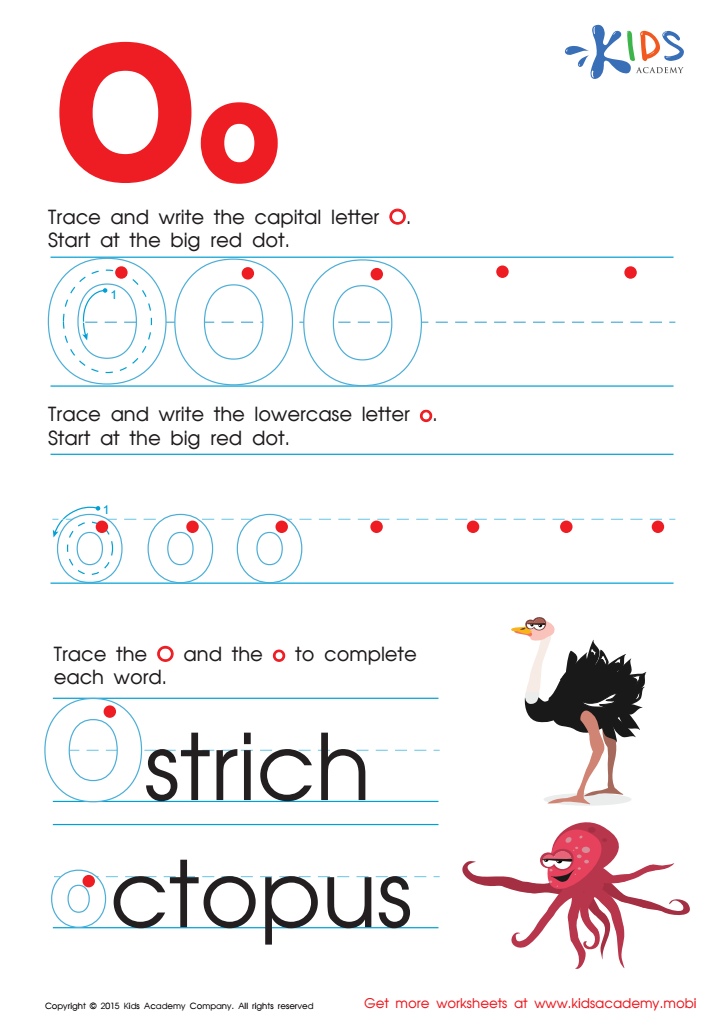
Letter O Tracing Page
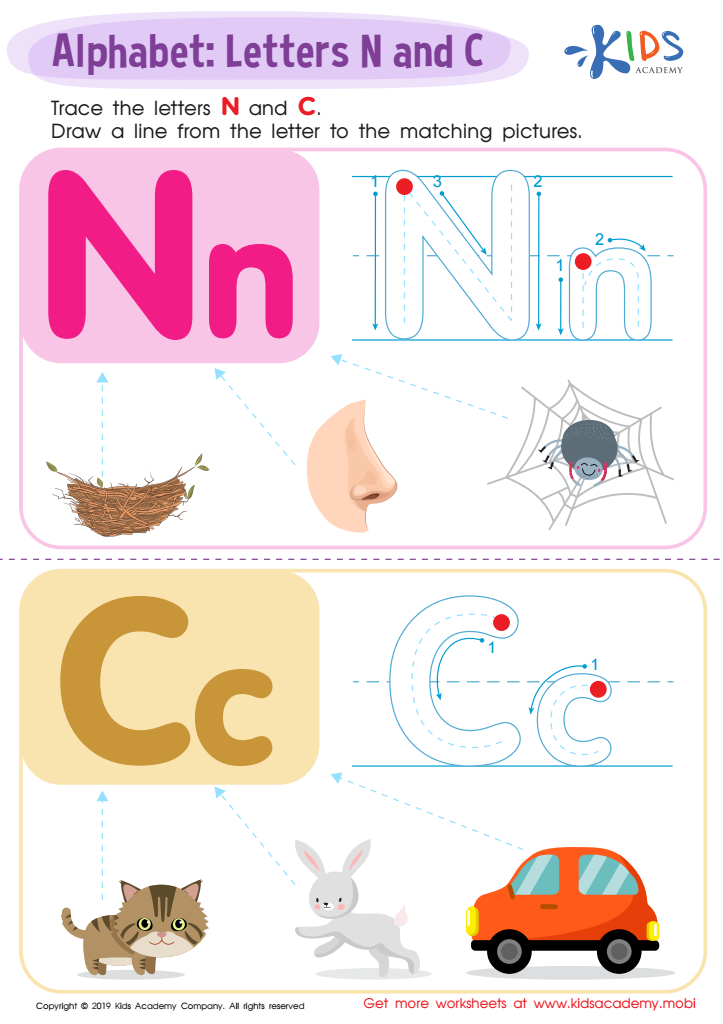
Letter N and C Tracing Worksheet
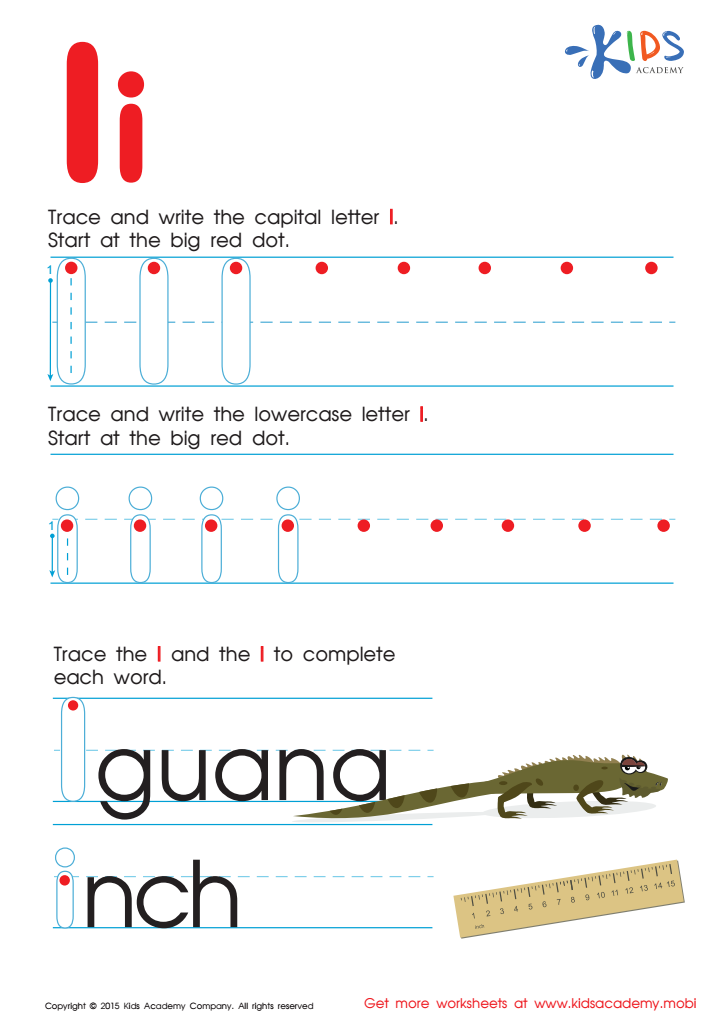
Letter I Tracing Page
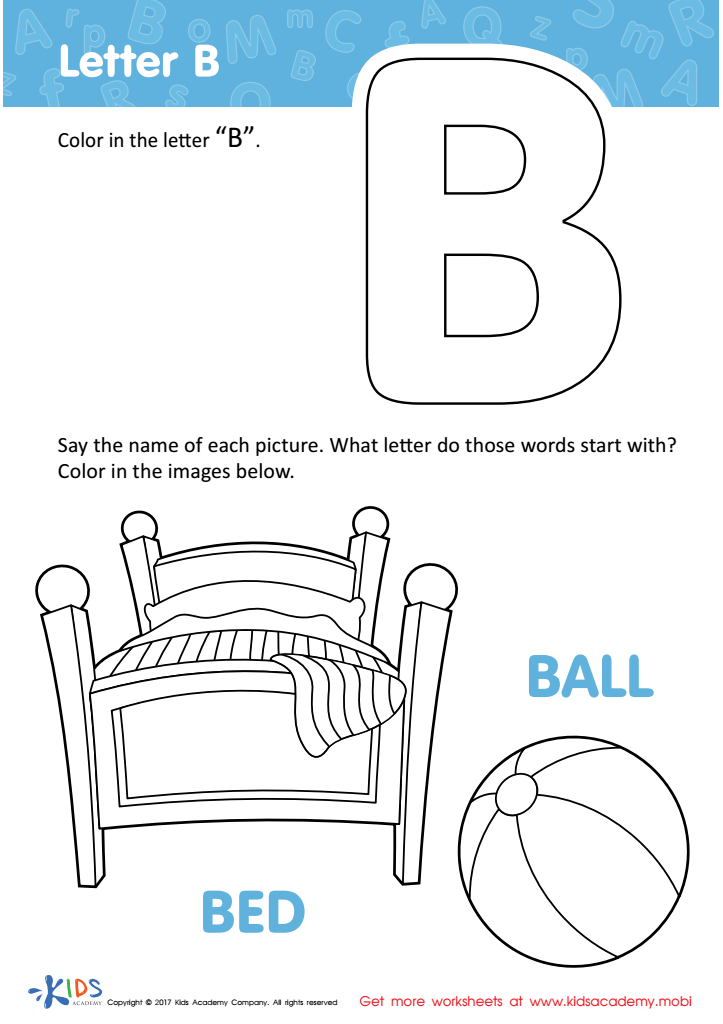
Letter B Coloring Sheet
 Assign to My Students
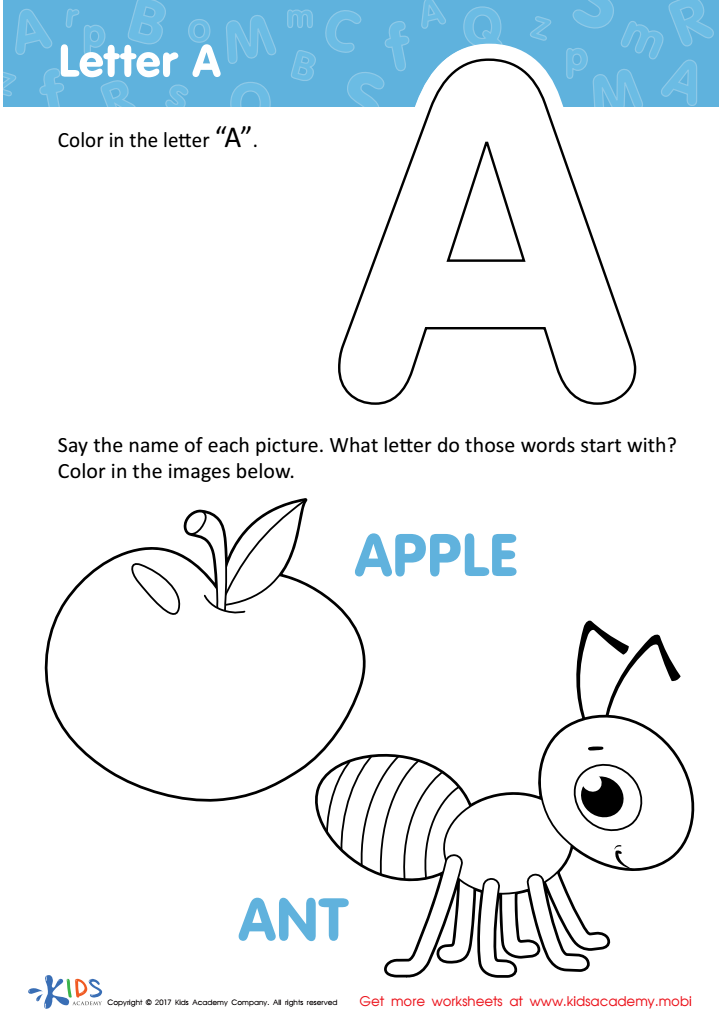
Letter A Coloring Sheet
Assign to My Students
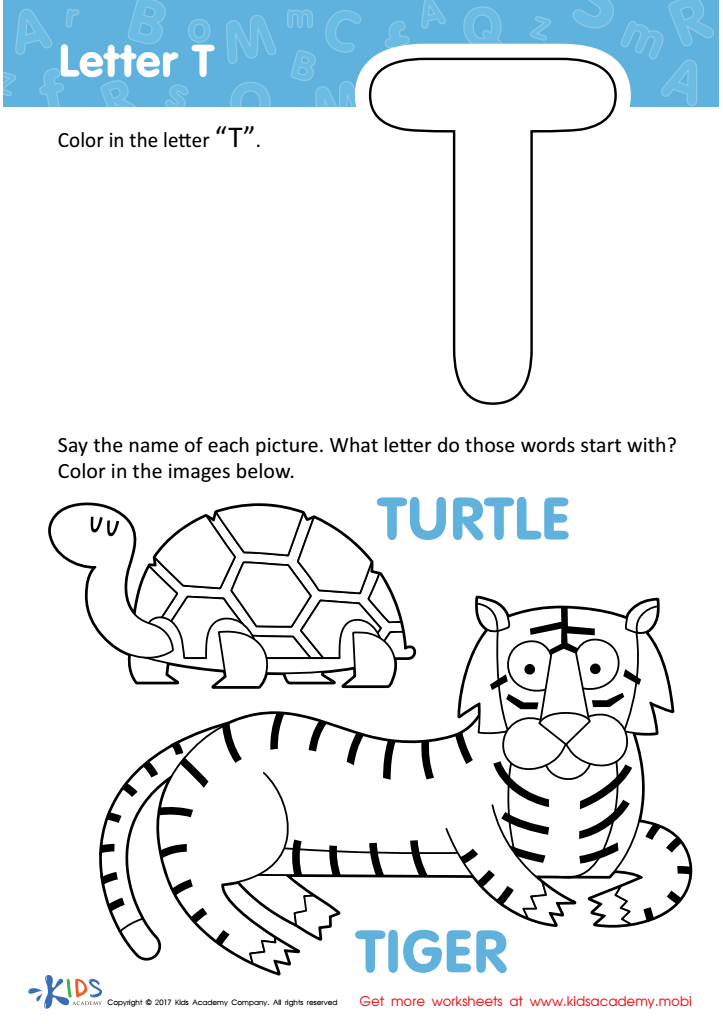
Letter T Coloring Sheet
Assign to My Students
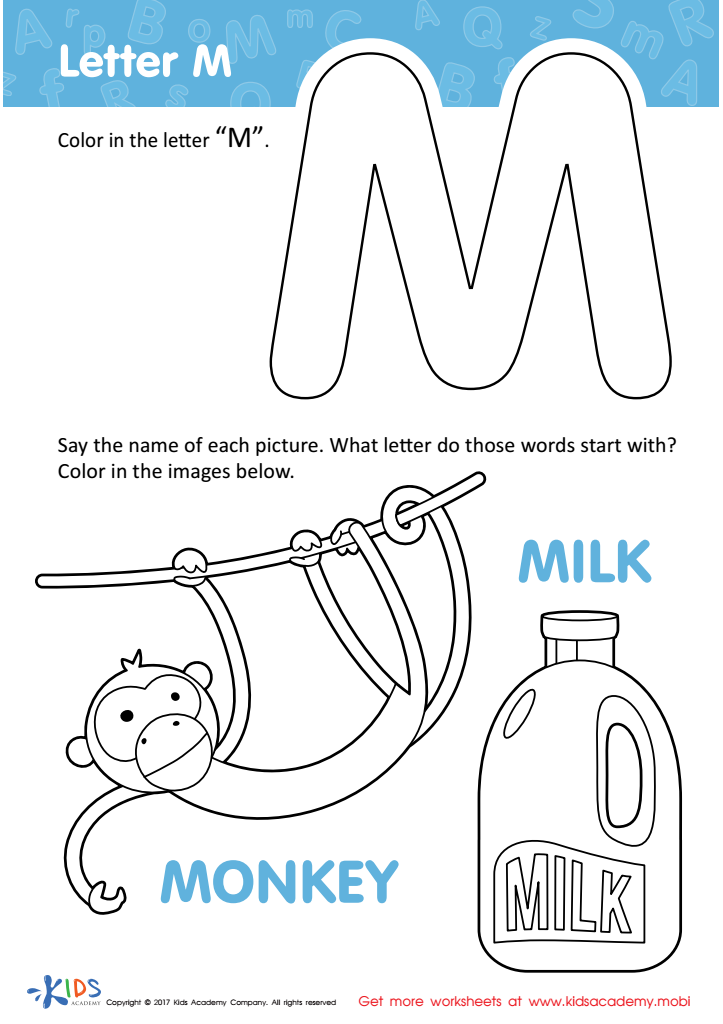
Letter M Coloring Sheet
Assign to My Students
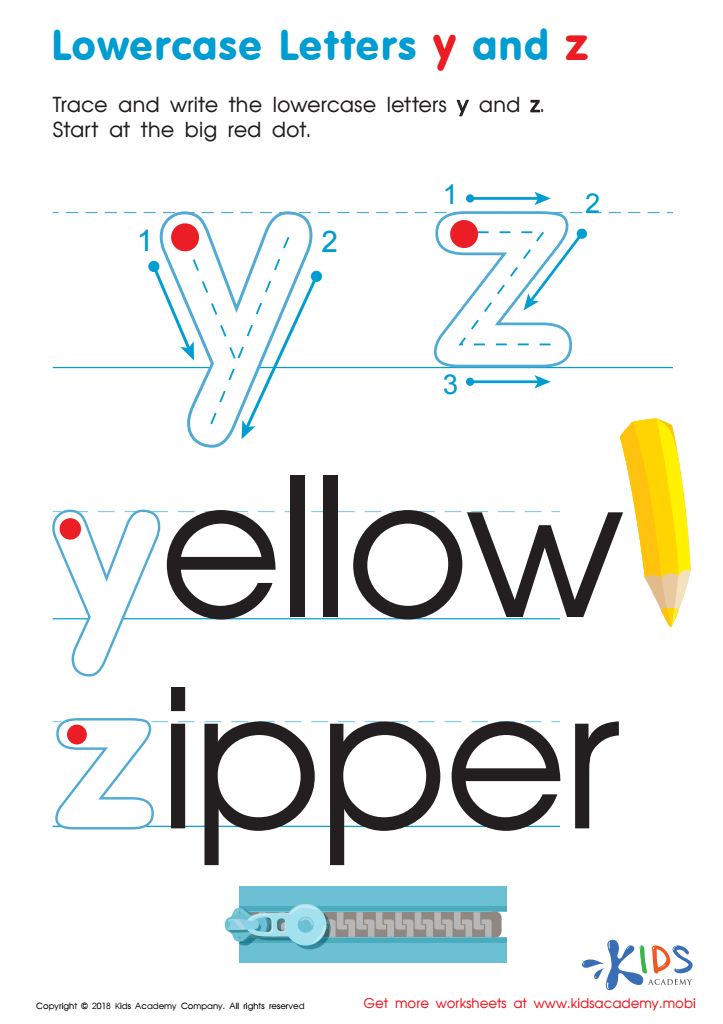
Lowercase Letters y z Worksheet
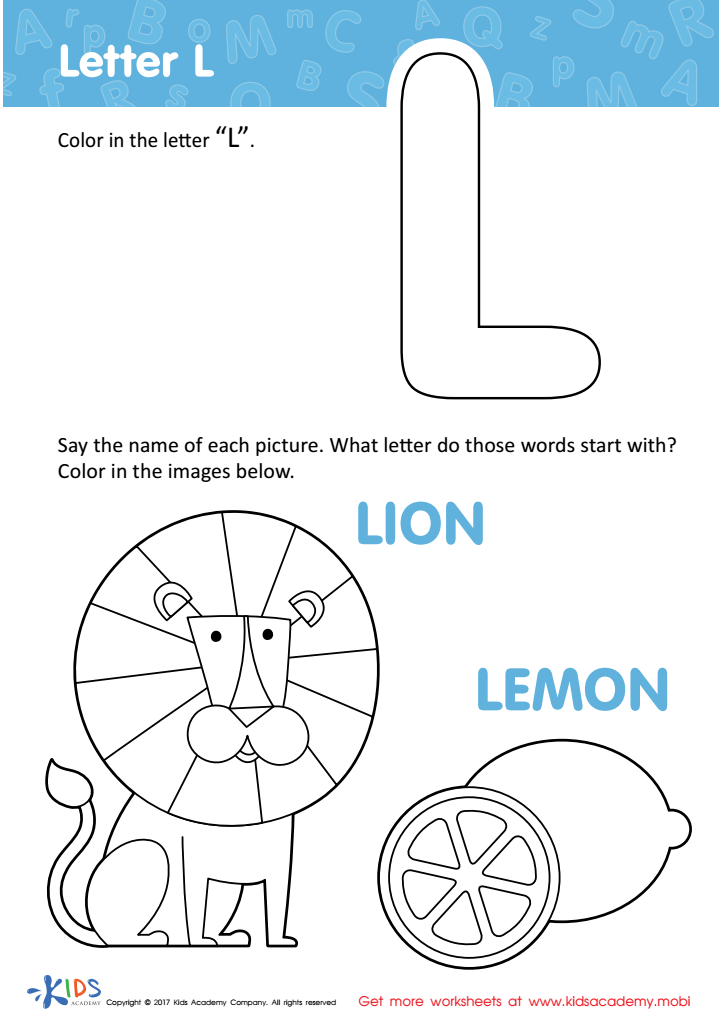
Letter L Coloring Sheet
Assign to My Students
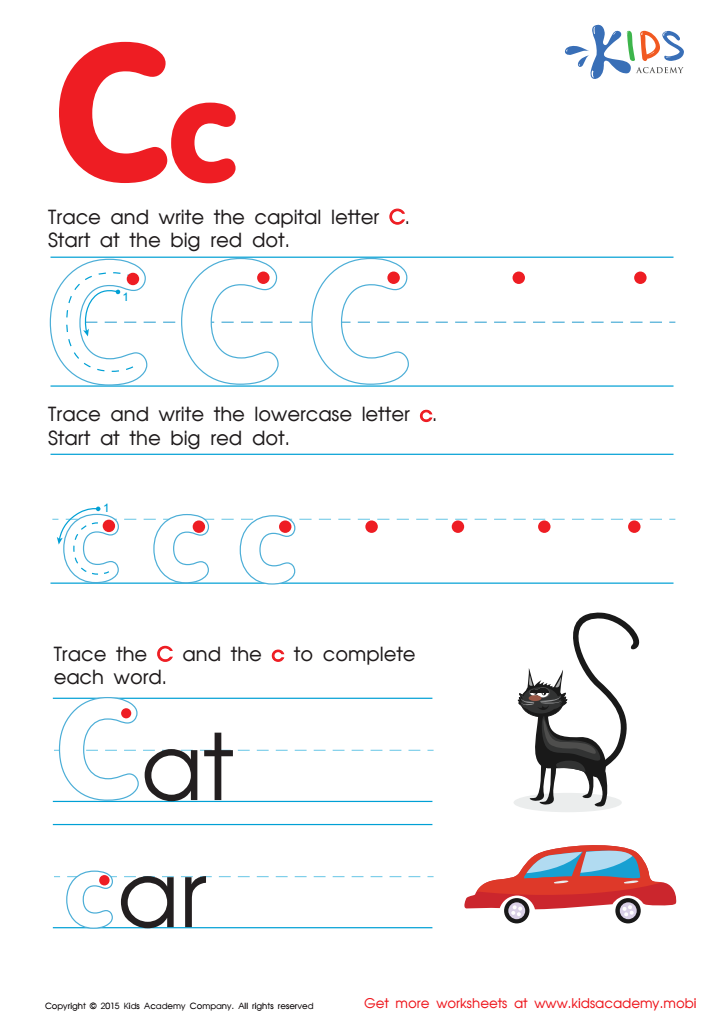
Letter C Tracing Page
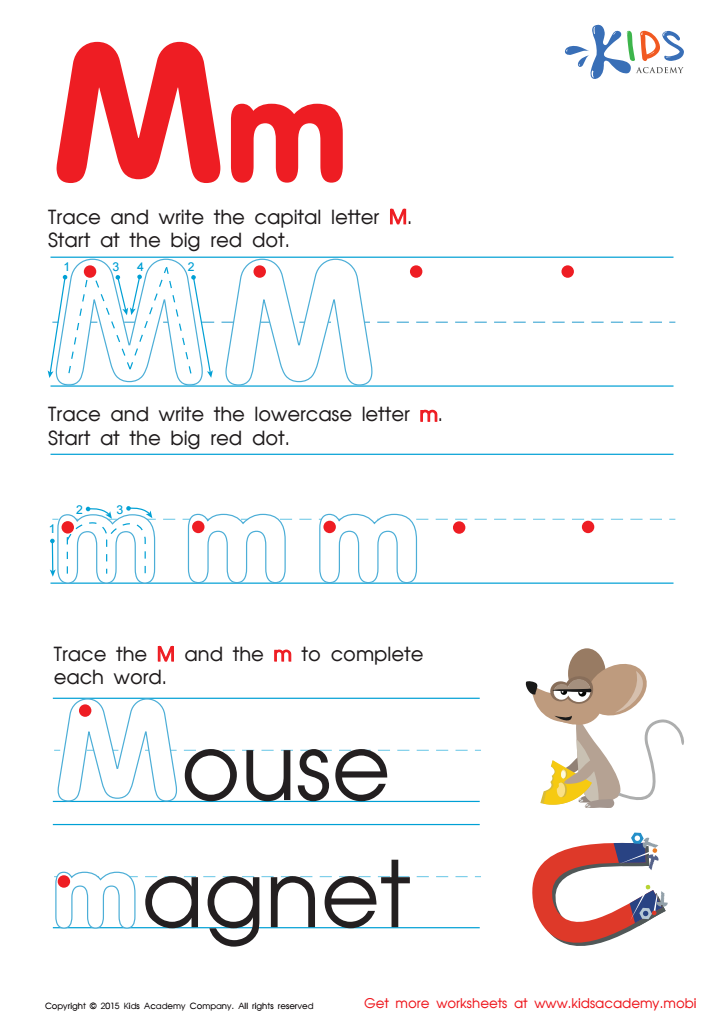
Letter M Tracing Page
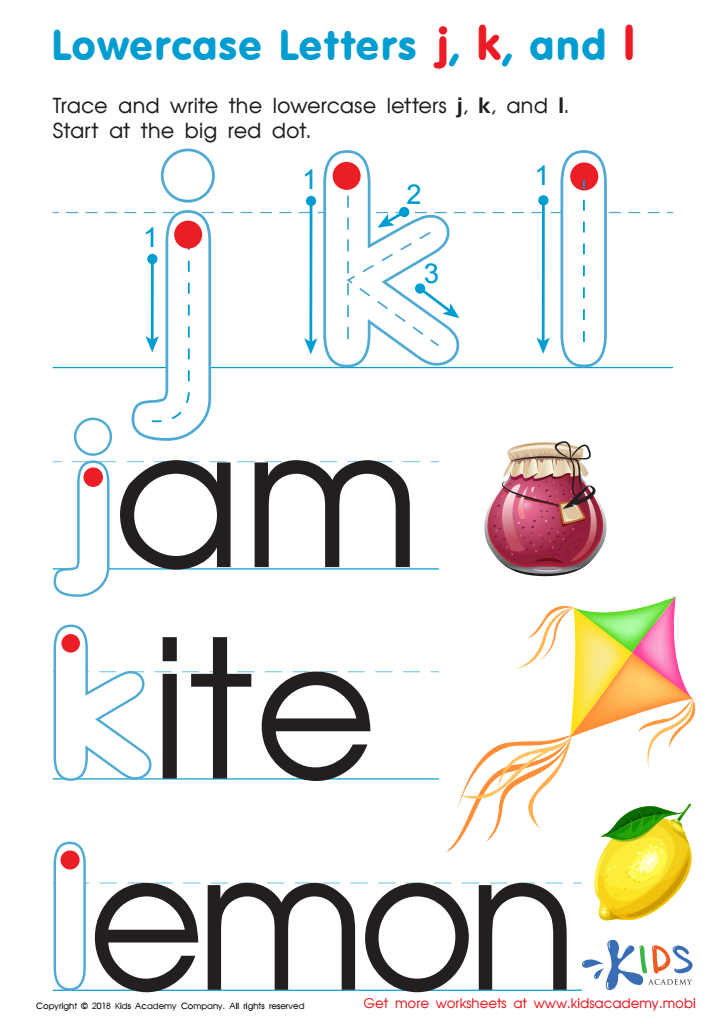
Lowercase Letters j k l Worksheet
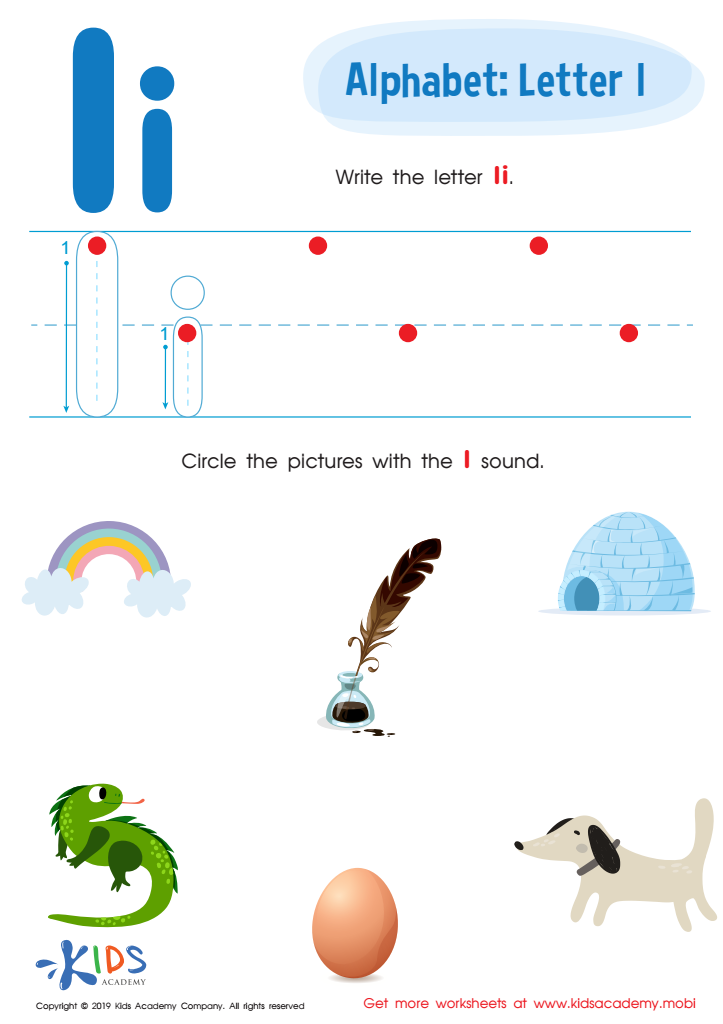
Letter I Tracing Worksheet
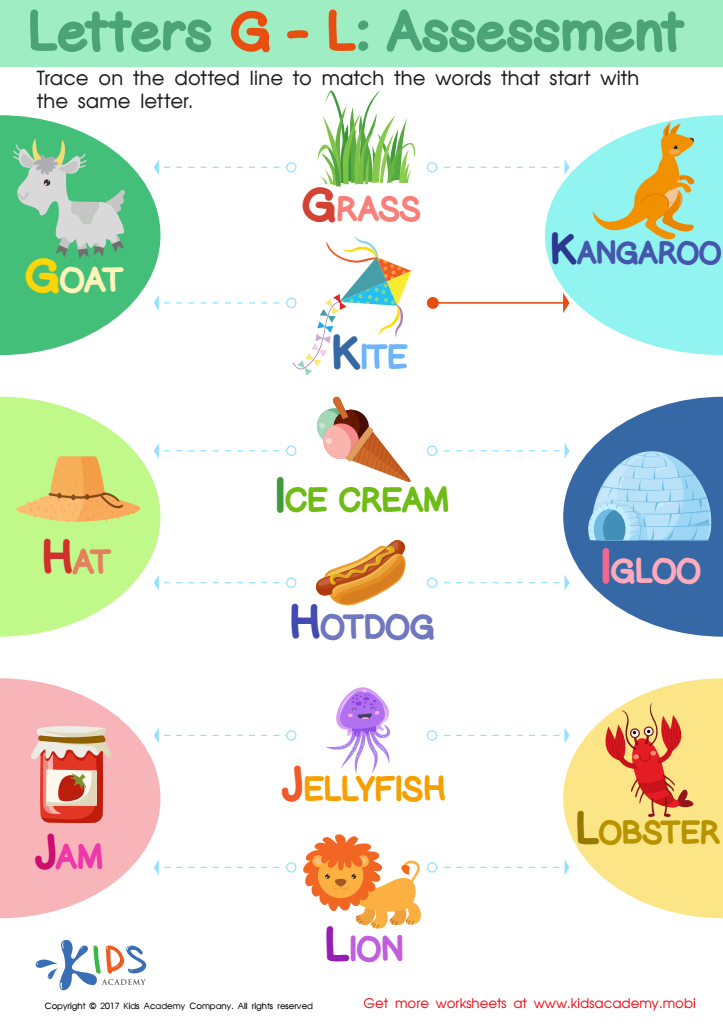
Letters G-L Worksheet
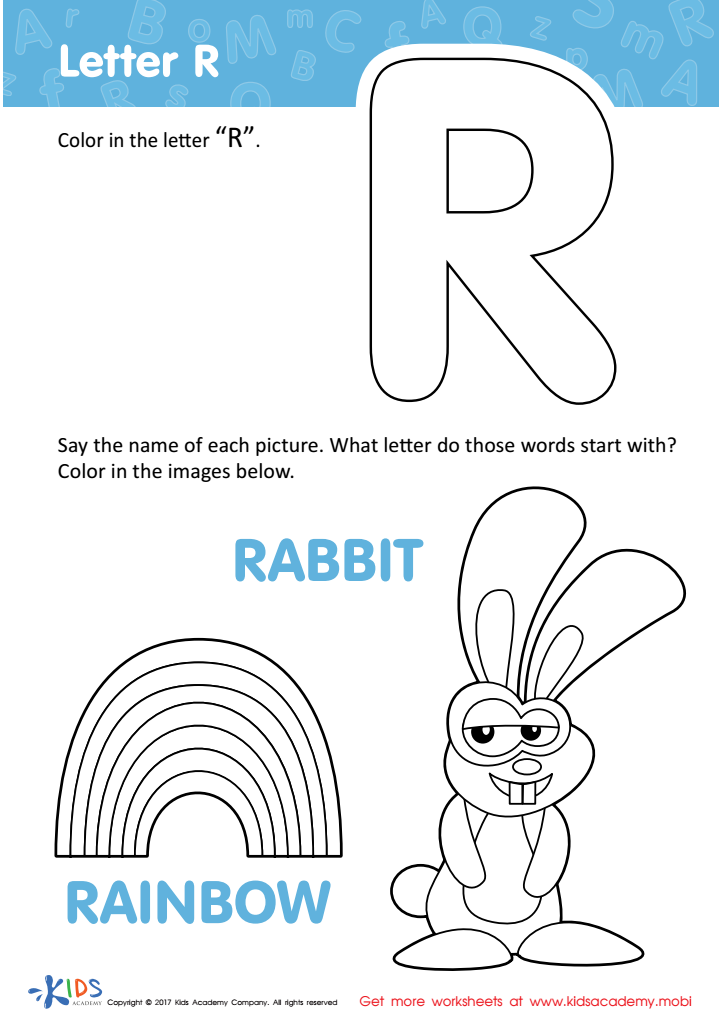
Letter R Coloring Sheet
Assign to My Students
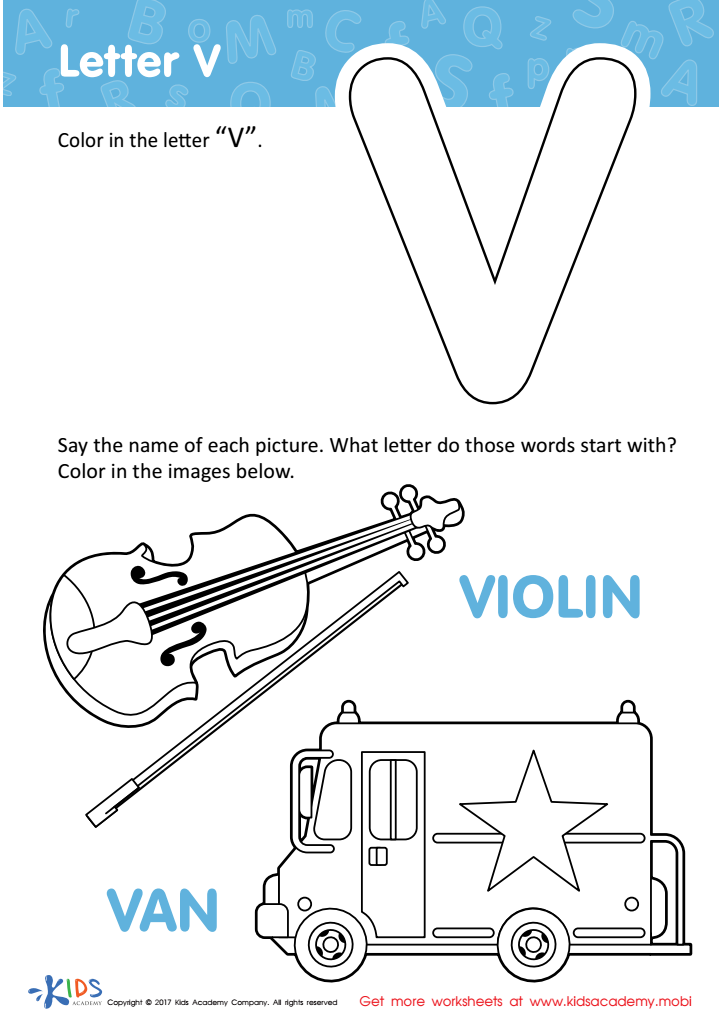
Letter V Coloring Sheet
Assign to My Students
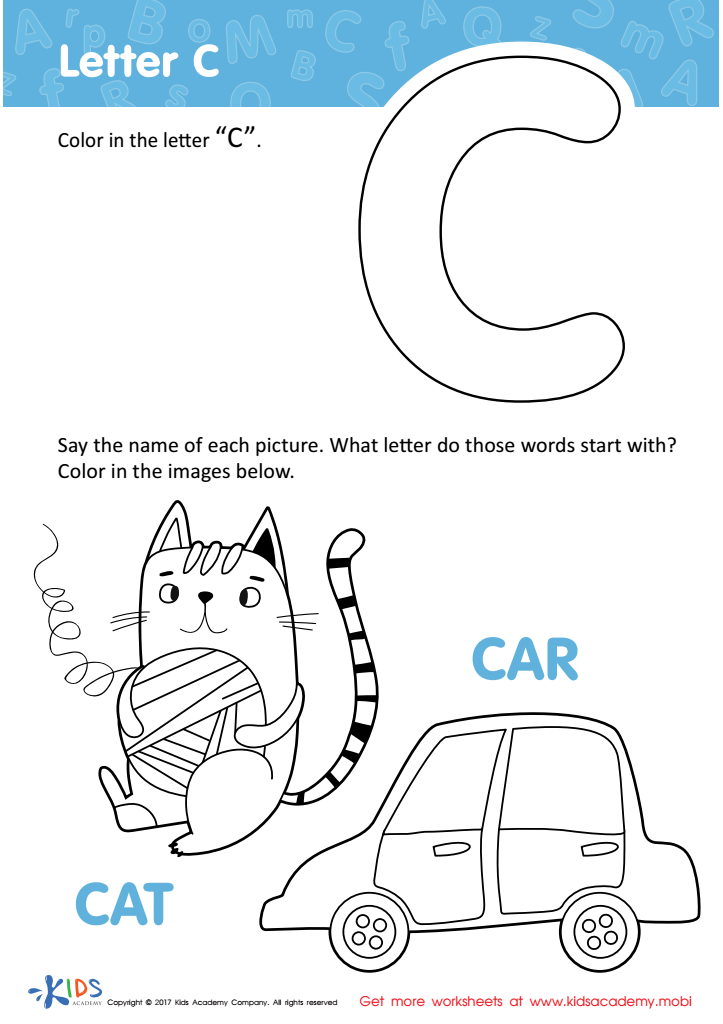
Letter C Coloring Sheet
Assign to My Students
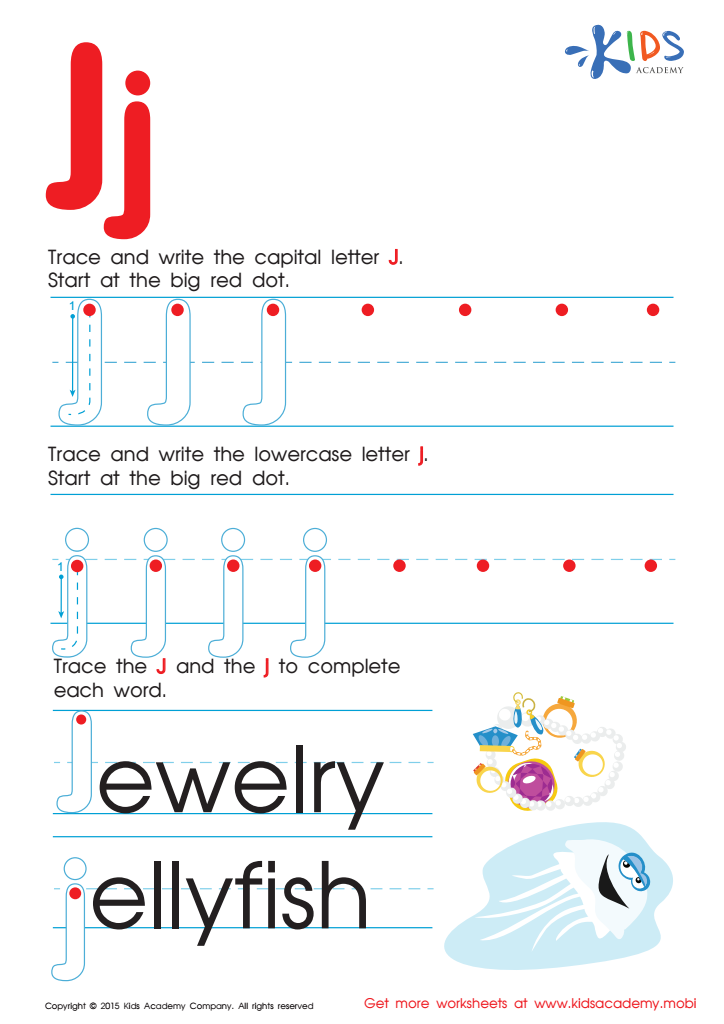
Letter J Tracing Page
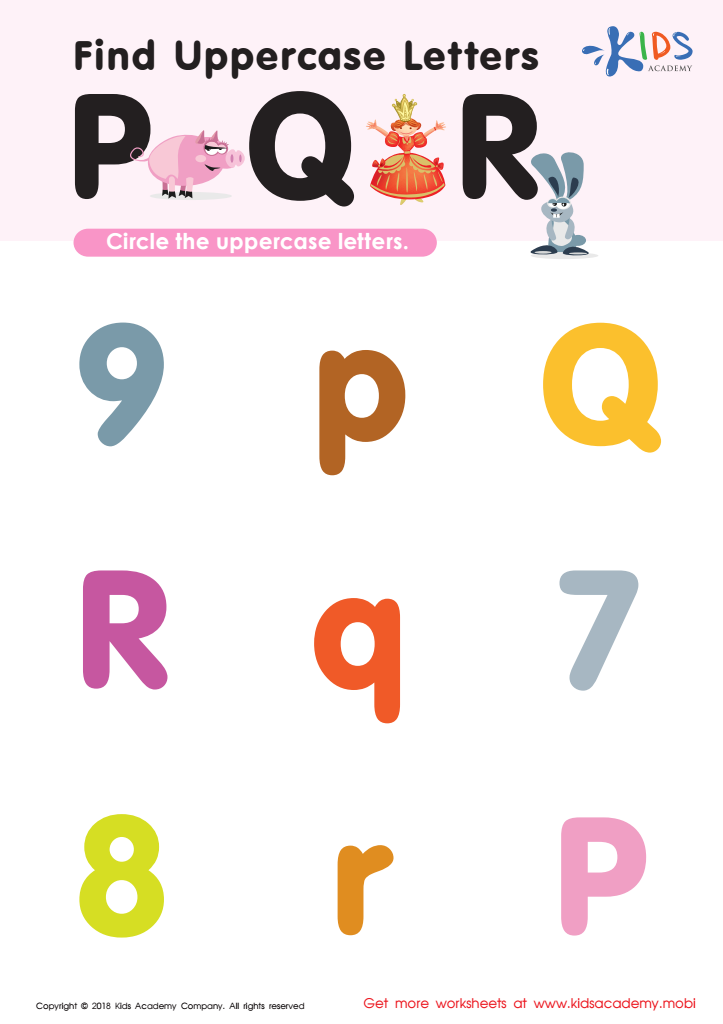
Find Uppercase Letters P, Q, and R Worksheet
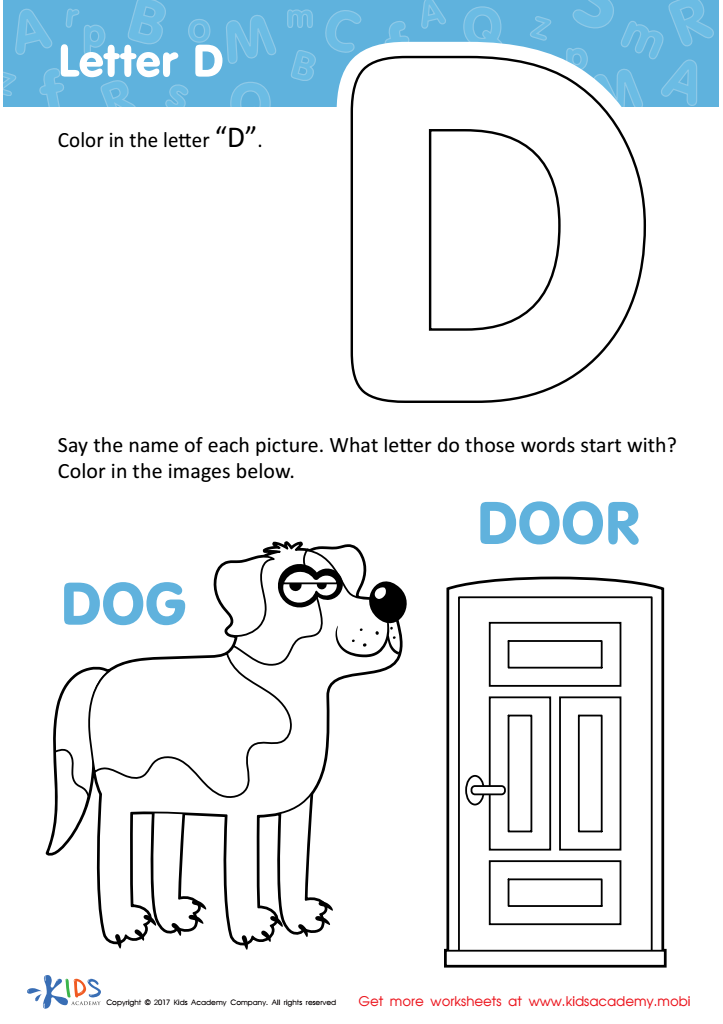
Letter D Coloring Sheet
Assign to My Students
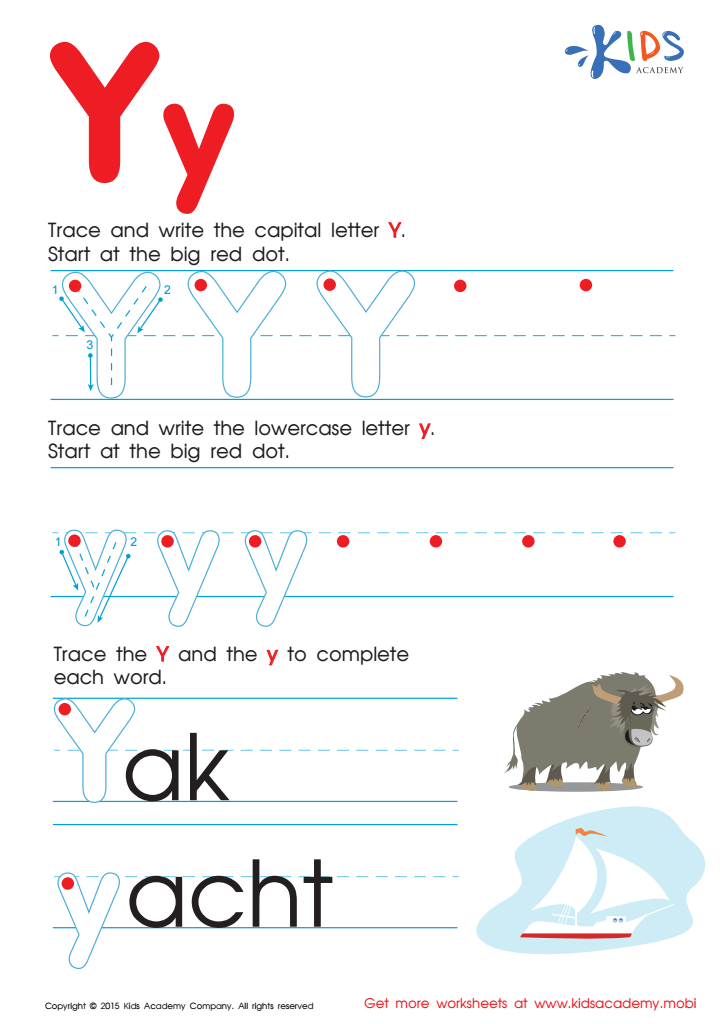
Letter Y Tracing Page








Alphabet recognition and letter recognition are foundational skills in early literacy and are crucial for a child's successful reading development. When parents and teachers prioritize these skills, they help children easily identify and understand the letters of the alphabet, which form the building blocks of reading. Early mastery of alphabet recognition paves the way for phonemic awareness, enabling children to connect sounds to letters, thus improving their ability to decode words.
Supporting alphabet recognition also boosts a child's confidence in their reading abilities. When children feel confident in recognizing letters, they are more likely to engage with text, ask questions, and explore stories creatively. Moreover, these skills enhance vocabulary development as children learn to identify and articulate the sounds and names associated with letters.
For educators, integrating letter recognition into daily routines and activities can create a rich learning environment. It establishes a shared understanding of letters, encourages peer interactions, and fosters a love for literacy. Ultimately, prioritizing alphabet and letter recognition equips children with critical learning tools, setting the stage for their future academic success and lifelong learning. Investing time and resources in these skills ensures that children are well-prepared for the reading challenges ahead.







