Vocabulary enhancement Letter Recognition Worksheets
4 filtered results
-
From - To
Explore our "Vocabulary Enhancement Letter Recognition Worksheets" designed to boost your child's literacy skills! These engaging worksheets not only focus on letter recognition but also enhance vocabulary through fun and interactive activities. Children will practice identifying letters while associating them with words to expand their language abilities. Our worksheets incorporate various exercises, including matching letters to words, tracing, and coloring, making learning enjoyable and effective. Tailored for early learners, these resources are perfect for teachers and parents seeking to support children's reading readiness. Help your child build a solid foundation in vocabulary and letter recognition today!
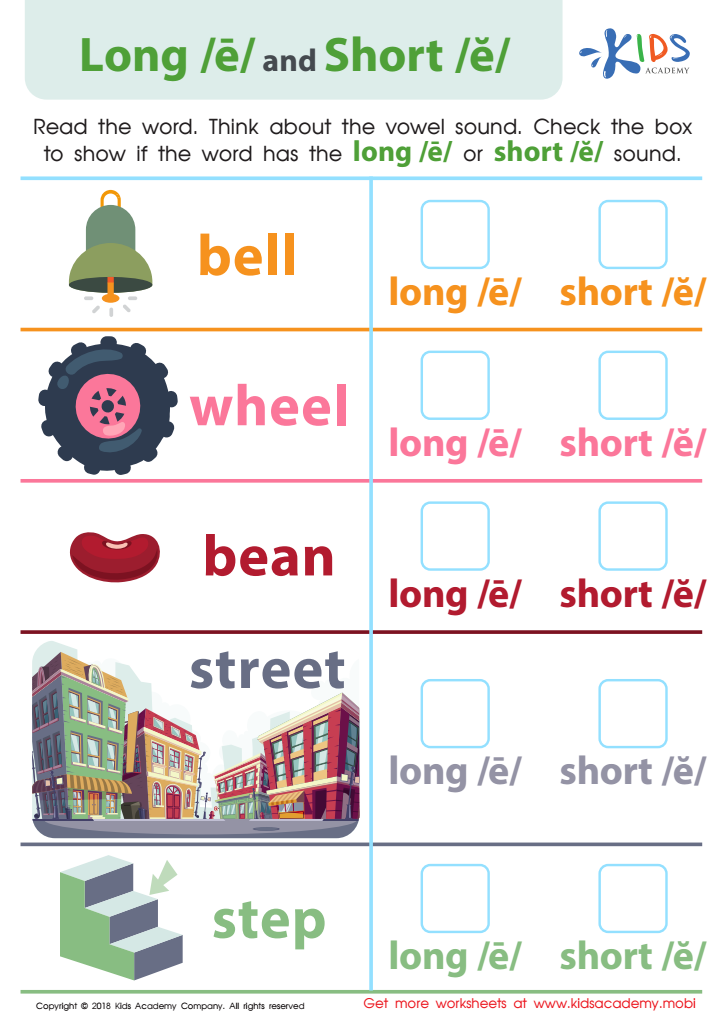
Reading: Long E and Short E Worksheet
 Assign to My Students
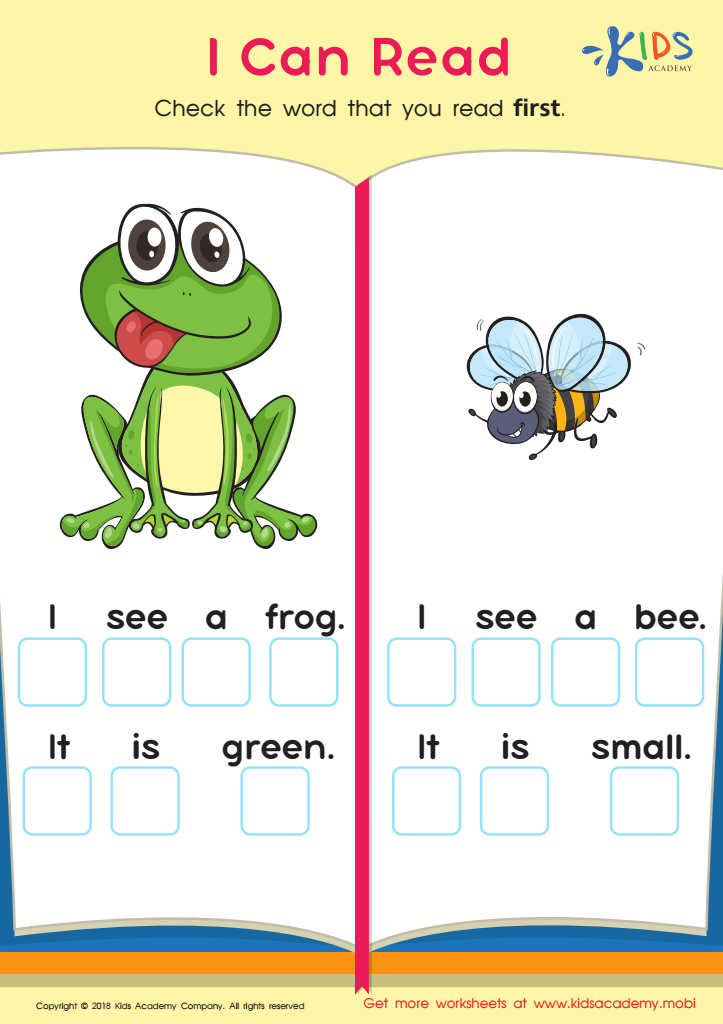
I Can Read Worksheet
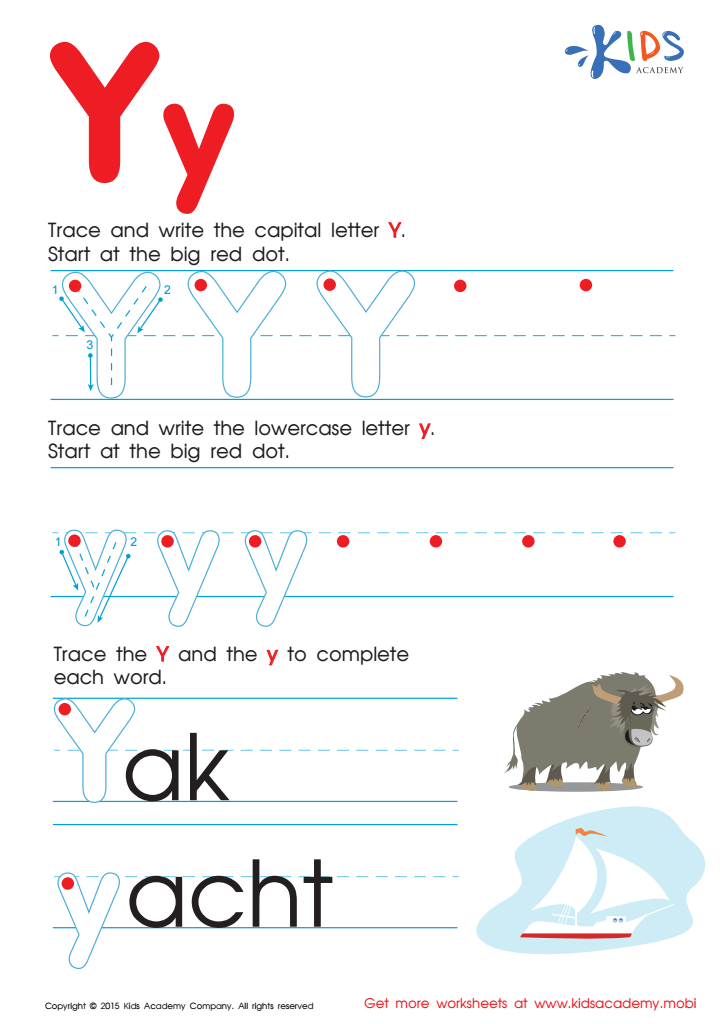
Letter Y Tracing Page
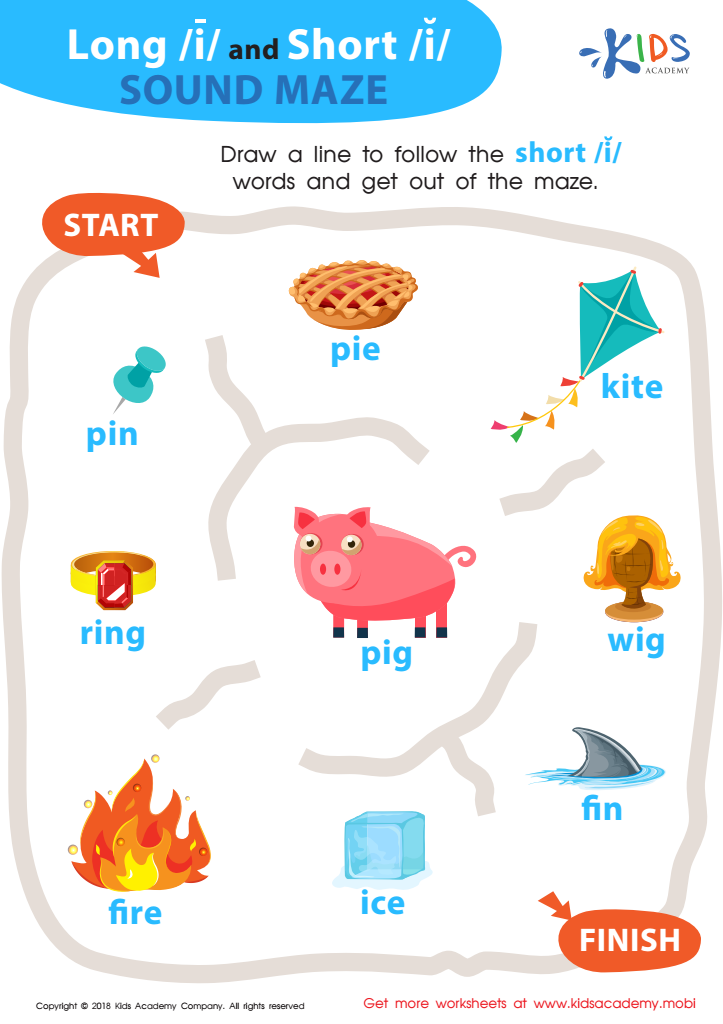
Reading: Long I and Short I Sound Maze Worksheet








Vocabulary enhancement and letter recognition are foundational skills essential for a child's literacy development. For parents and teachers, caring about these aspects means investing in a child's capacity to communicate, understand, and connect with the world around them.
Children equipped with a strong vocabulary can articulate thoughts, share ideas, and grasp complex concepts more easily. This, in turn, fosters greater comprehension in reading and writing, paving the way for academic success. When children recognize letters, they have the cornerstone needed for decoding words, which leads to improved reading fluency and confidence.
Moreover, enhanced vocabulary and letter recognition are linked to greater cognitive development. Children who engage with words and letters tend to develop stronger critical thinking and problem-solving skills. Additionally, these skills encourage imaginative play and creativity, enriching a child's learning experience.
Beyond academic benefits, a robust vocabulary contributes to better social interaction. Children with a well-developed vocabulary are often more adept at expressing their feelings and thoughts, helping them build better relationships with peers and adults alike.
In conclusion, prioritizing vocabulary enhancement and letter recognition nurtures not just literacy, but also emotional and social growth, making it a vital area of focus for both parents and teachers.







