Letter-sound correlation Phonics Worksheets
7 filtered results
-
From - To
Discover our engaging Letter-Sound Correlation Phonics Worksheets, designed to help young learners master the connection between letters and their corresponding sounds. Perfect for early literacy development, these interactive worksheets encourage children to practice and reinforce phonetic skills through fun activities. Each worksheet features colorful illustrations and exercises that capture students' attention, making learning an enjoyable experience. Ideal for home or classroom use, our resources cater to varied learning styles, ensuring every child gains confidence in their reading abilities. Explore the enriching world of phonics and watch your students flourish as they build a solid foundation for their literacy journey!
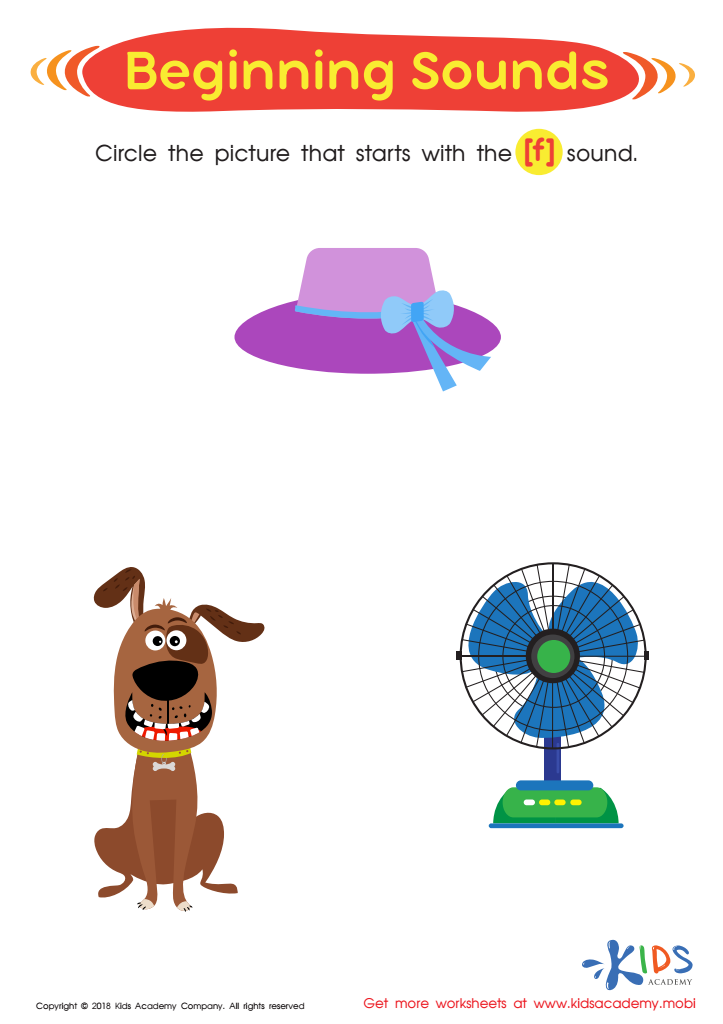
Beginning Sounds Assessment Printable
 Assign to My Students
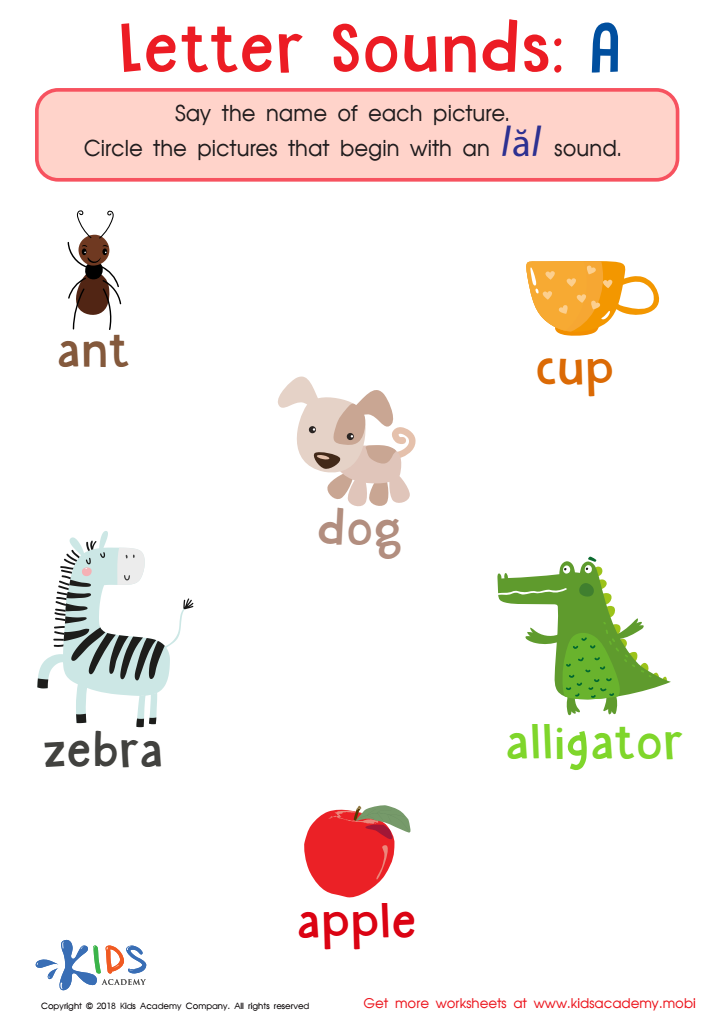
Letter A Sounds Worksheet
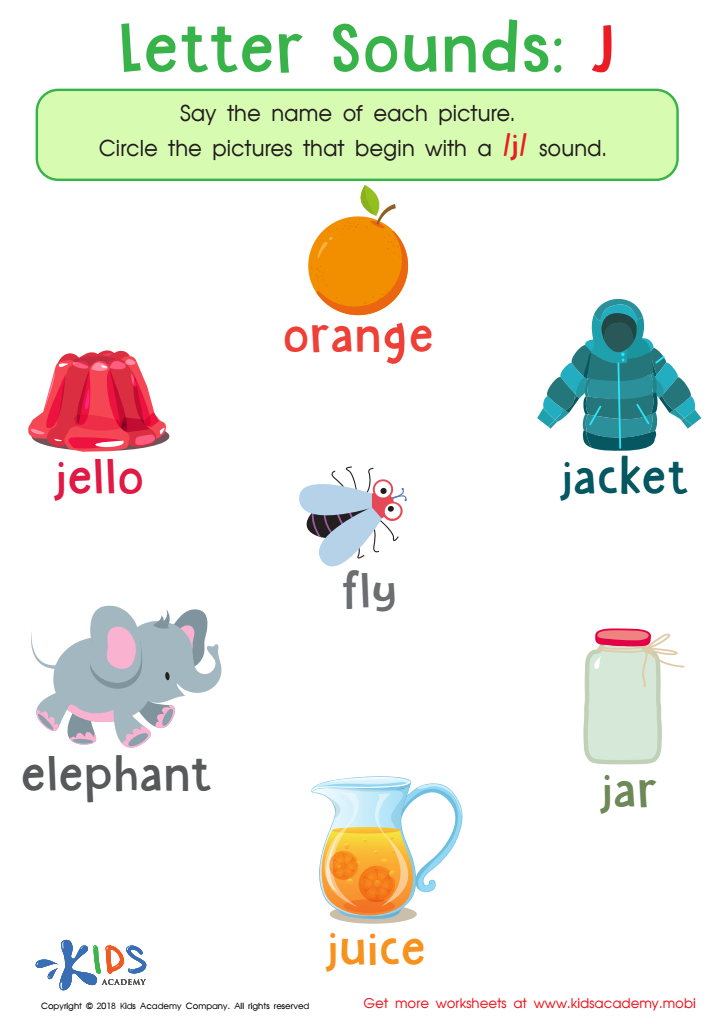
Letter Sounds: J Printable Worksheet
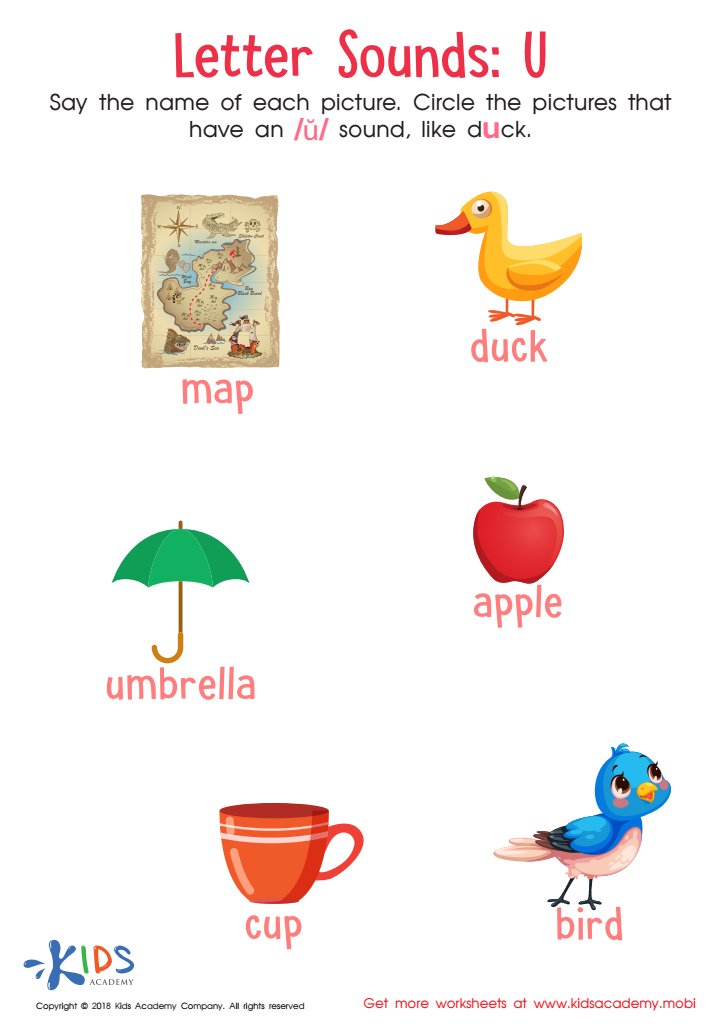
Letter U Sounds Worksheet
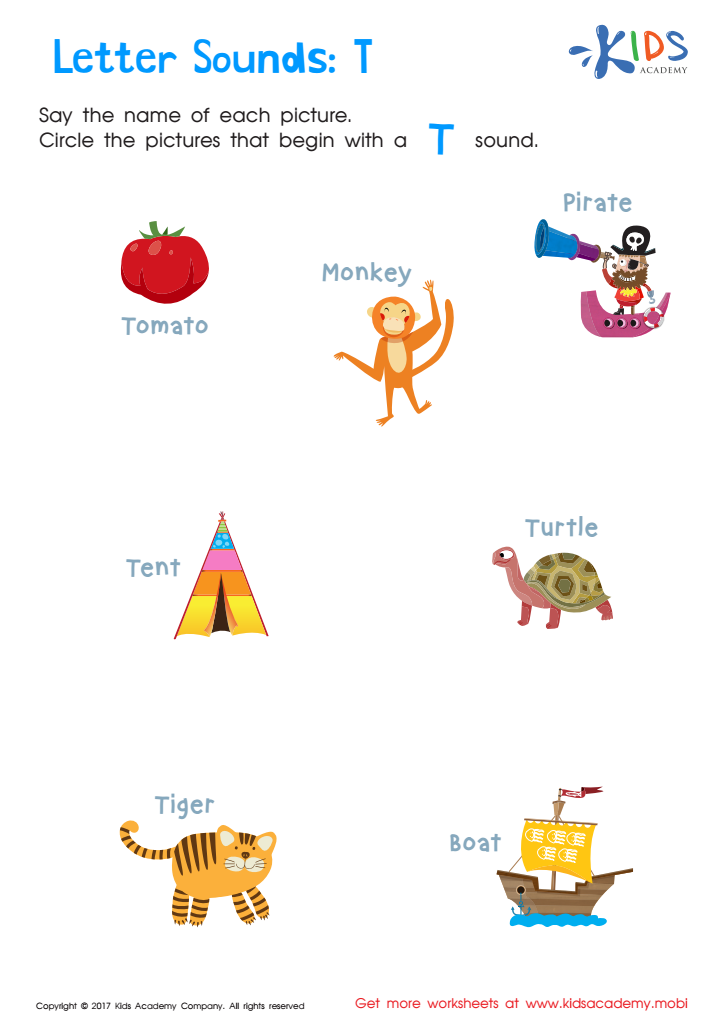
Letter T Sounds Worksheet
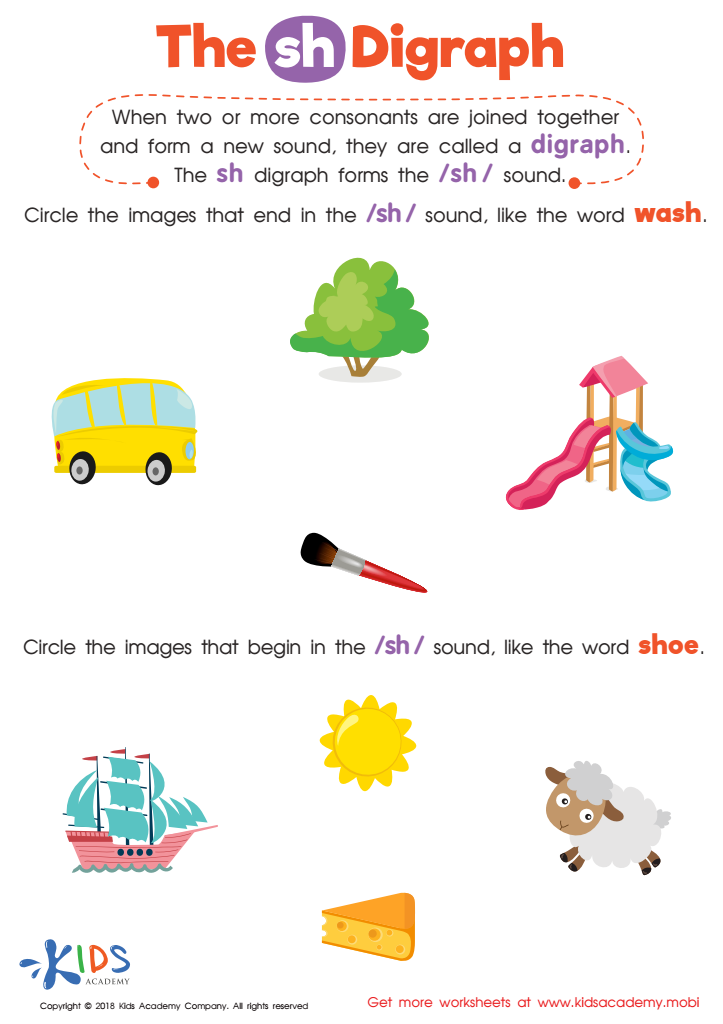
The SH Digraph Worksheet
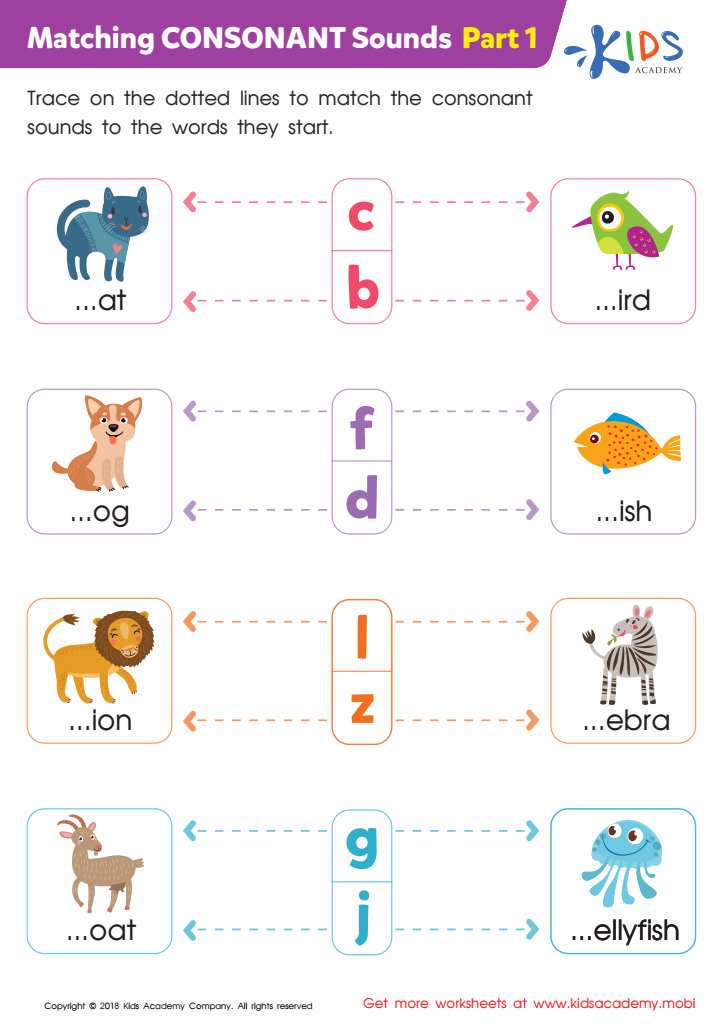
Matching Consonant Sounds: Part 1 Worksheet








Letter-sound correlation, commonly known as phonics, is a critical foundation for literacy development in early learners. It involves understanding the relationship between letters and the sounds they represent, which is essential for decoding written language. Parents and teachers should prioritize phonics for several reasons.
First, phonics builds effective reading skills. Children who grasp the letter-sound correlation can decode unfamiliar words, promoting reading fluency and comprehension. This empowers students to read confidently across various subjects, enhancing their overall learning experience.
Second, strong phonics skills foster greater vocabulary development. As children learn to recognize and sound out words, they encounter a broader range of vocabulary, enriching their language skills and aiding in effective communication.
Moreover, phonics significantly boosts spelling abilities. Understanding how sounds correspond to letters assists children in spelling words accurately, reinforcing their writing skills.
Finally, implementing phonics can lead to a lifelong love for reading. Children who succeed in reading during their early years are more likely to continue exploring books independently, further cultivating their imagination and critical thinking skills.
In essence, supporting phonics through collaborative efforts at home and school lays a robust foundation for literacy, boosting academic success and fostering a love for learning.







