Vocabulary development Phonics Worksheets
19 filtered results
-
From - To
Enhance your child's language skills with our engaging Vocabulary Development Phonics Worksheets! Designed for early learners, these worksheets focus on building essential vocabulary through phonics-based activities. Each worksheet features fun exercises that promote word recognition, pronunciation, and comprehension. By integrating phonics into vocabulary practice, children will strengthen their reading and writing abilities while developing a love for learning. Our printable resources cater to various skill levels, making it easy to customize your child's learning experience. Explore our collection today and watch your child's confidence soar as they master new words and concepts! Perfect for home or classroom use.
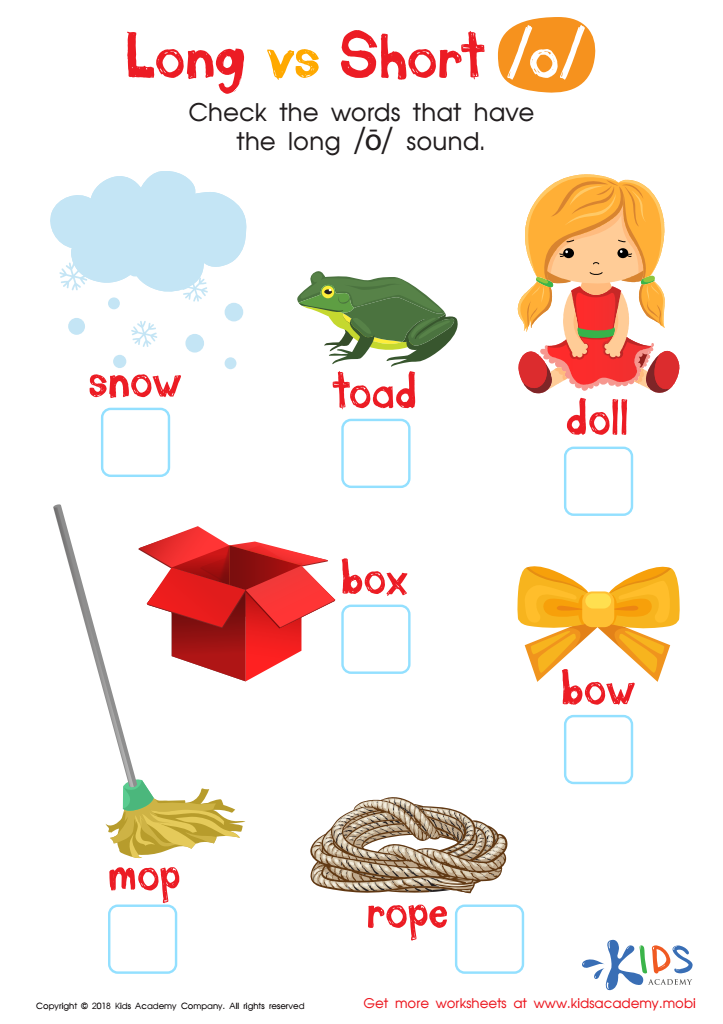
Long vs Short O Reading Worksheet
 Assign to My Students
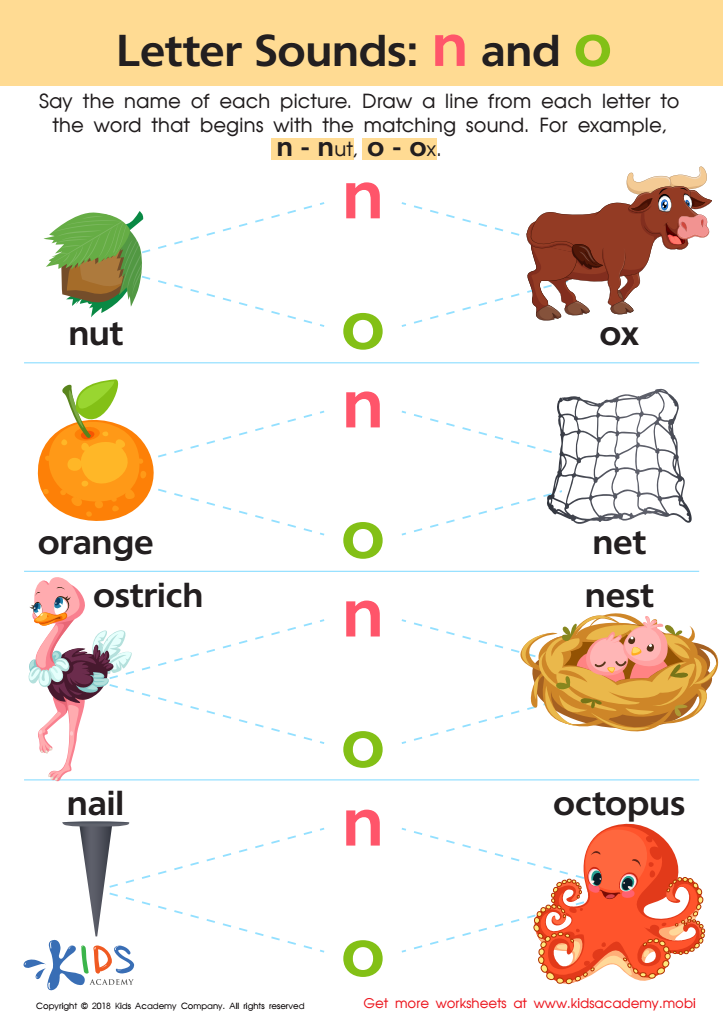
Letter N and O Sounds Worksheet
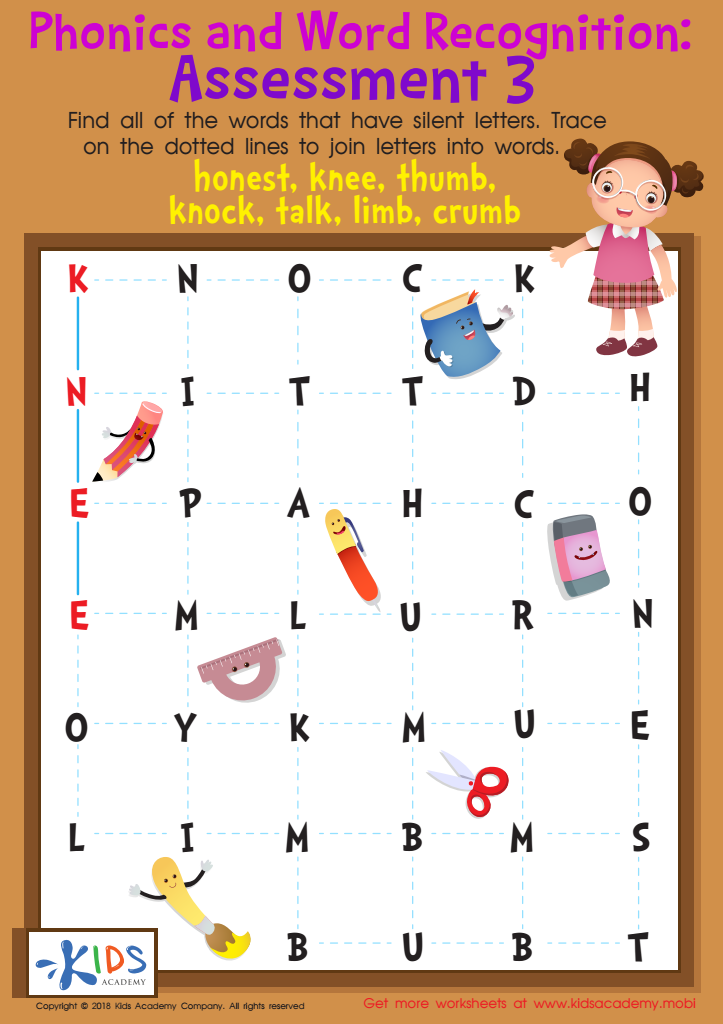
Phonics and Word Recognition: Assessment 3 Worksheet
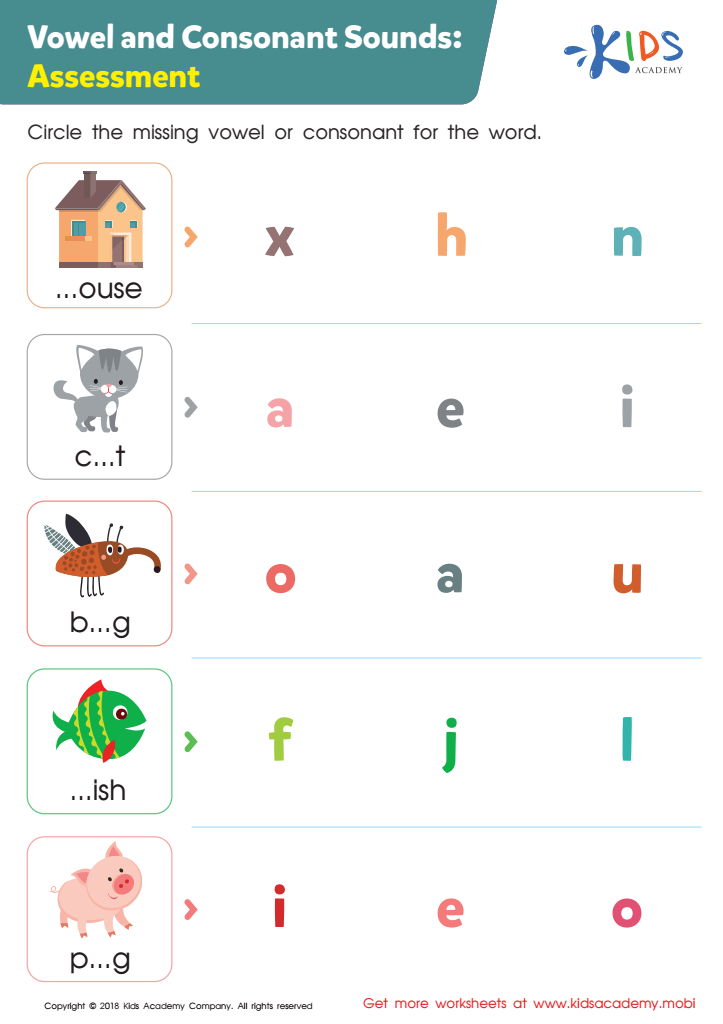
Vowel and Consonant Sounds: Assessment Worksheet
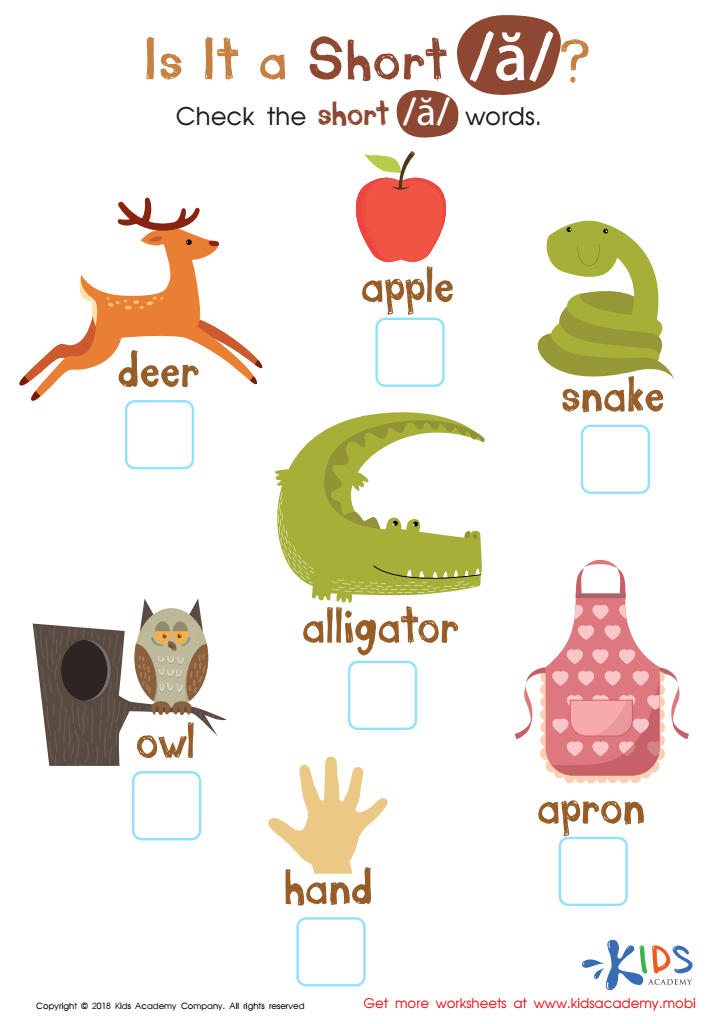
Is It Short A? Reading Worksheet
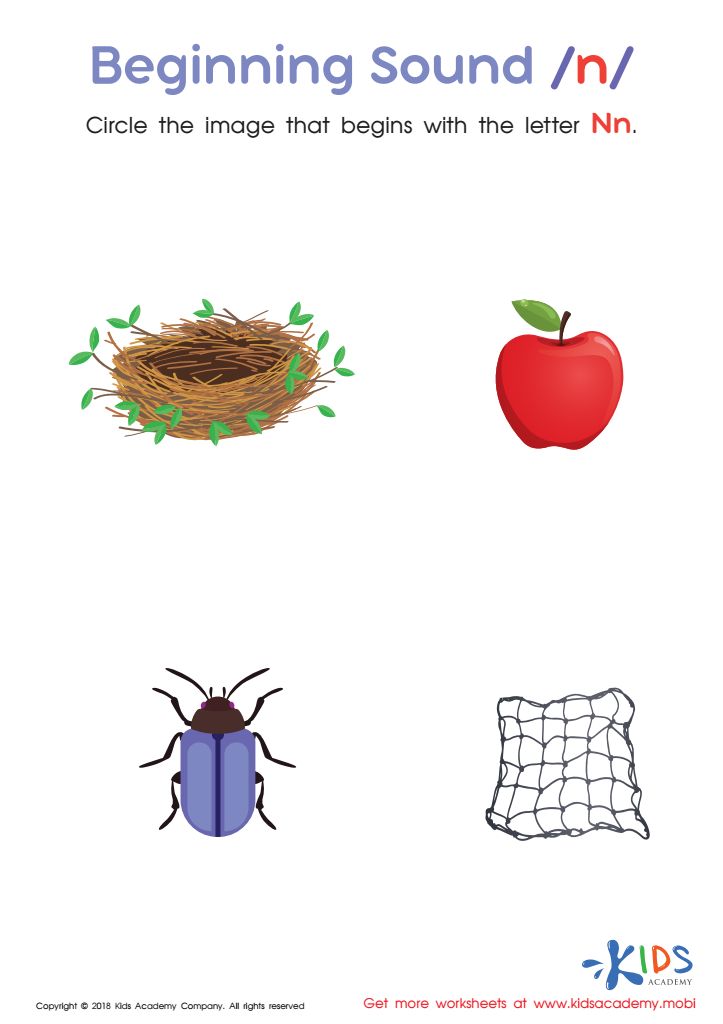
Beginning Sound «n» Worksheet
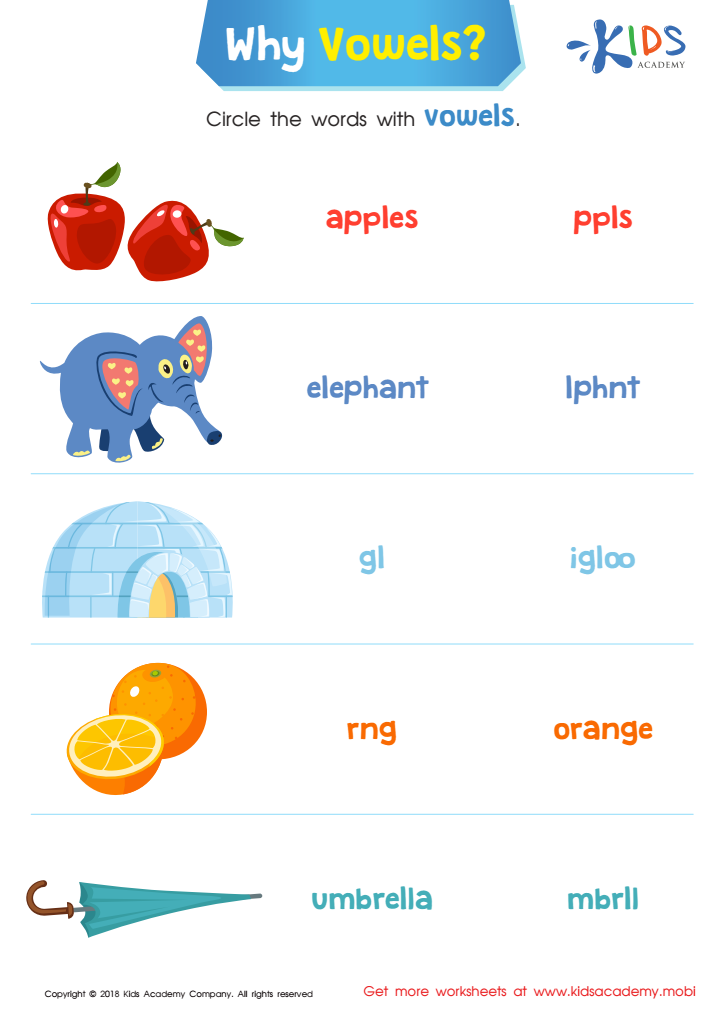
Why Vowels? Reading Worksheet
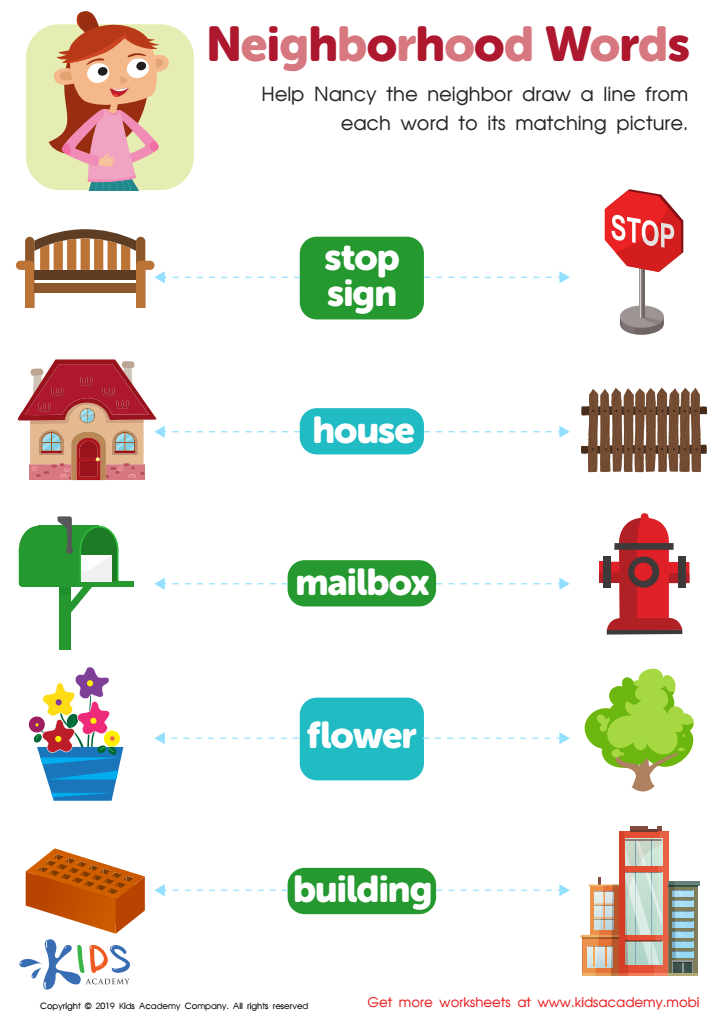
Neighborhood Words Worksheet
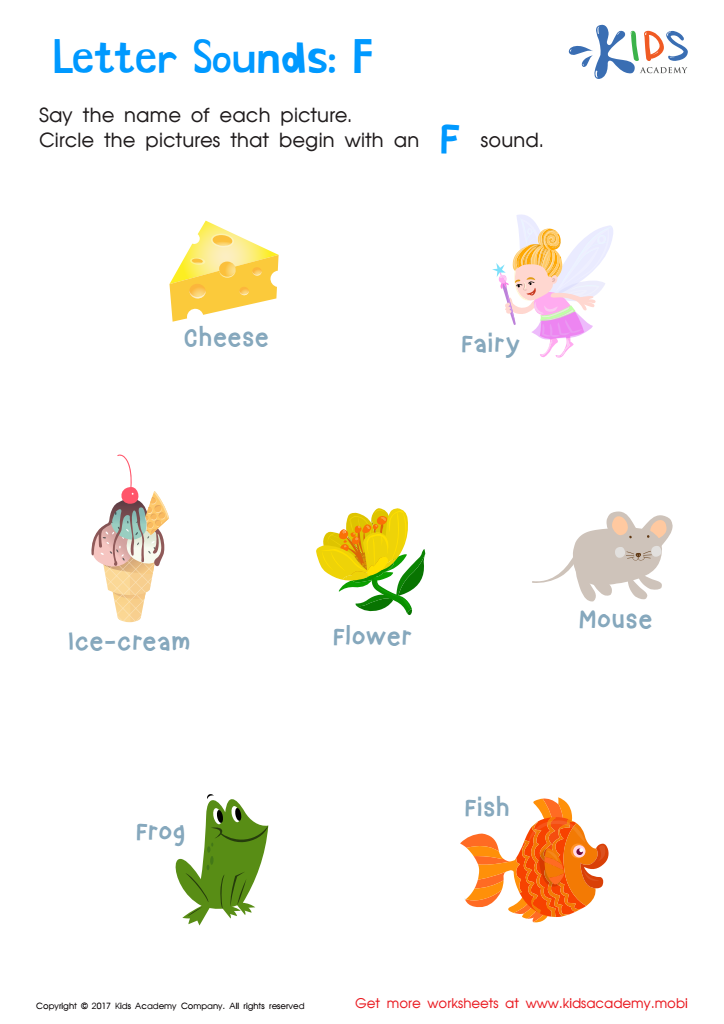
Letter F Sounds Worksheet
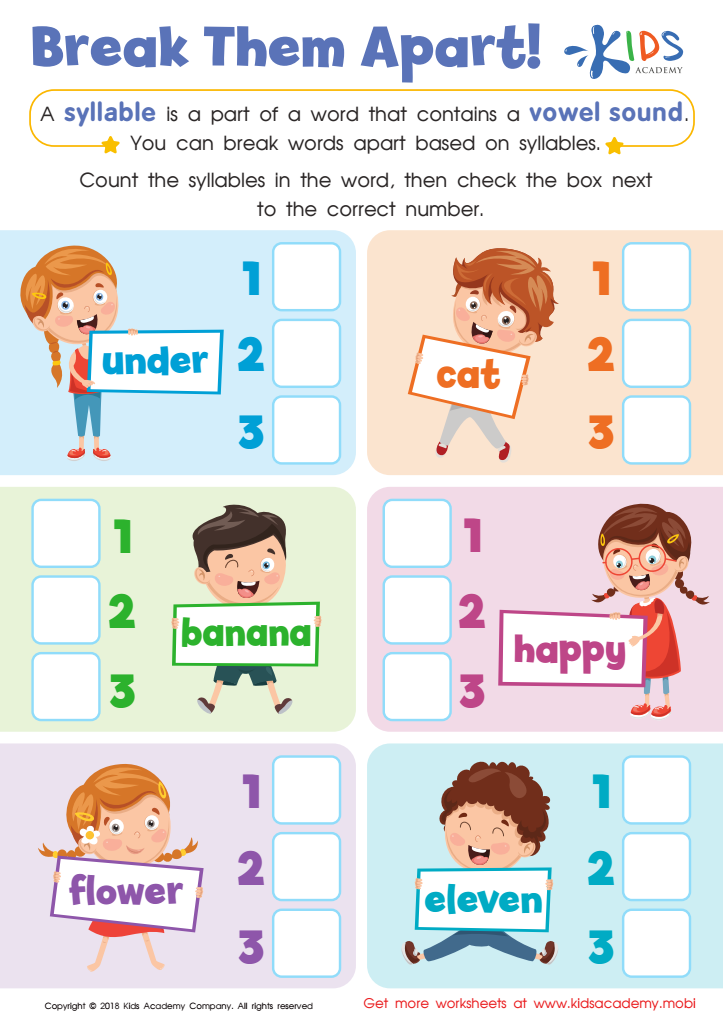
Reading: Break Them Apart Worksheet
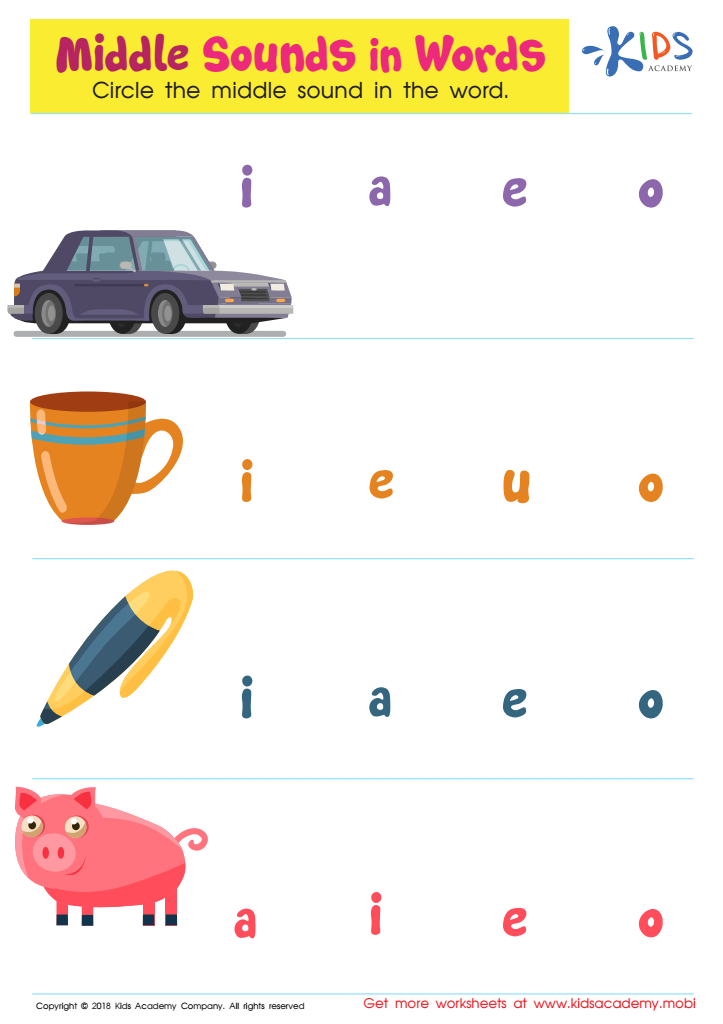
Middle Sounds in Words Worksheet
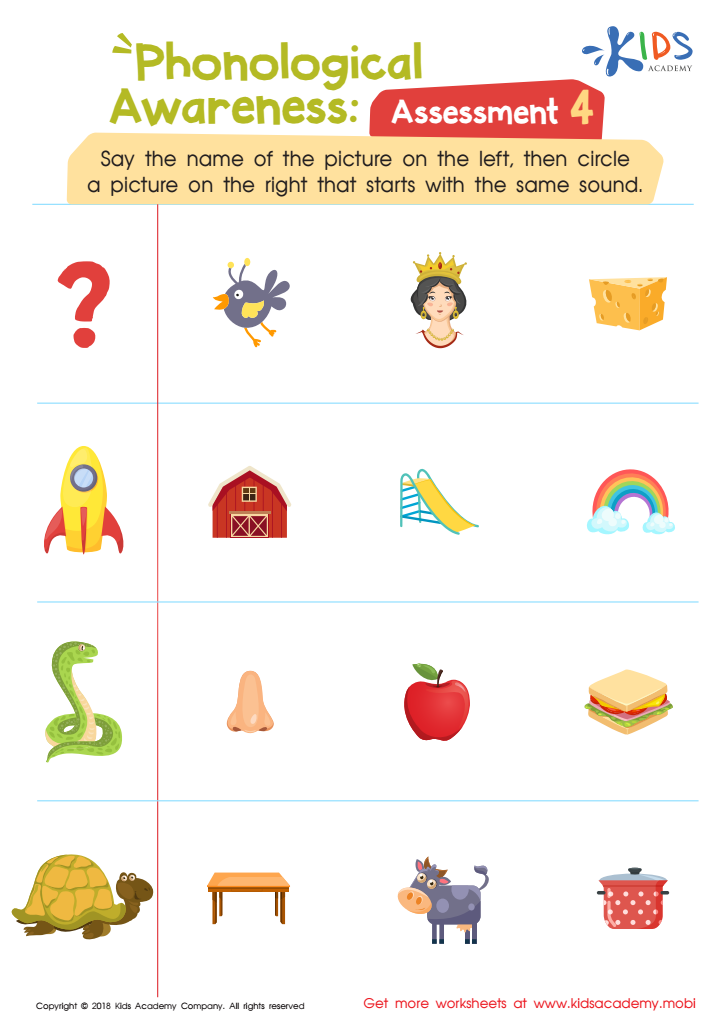
Phonological Awareness: Assessment 4 Worksheet
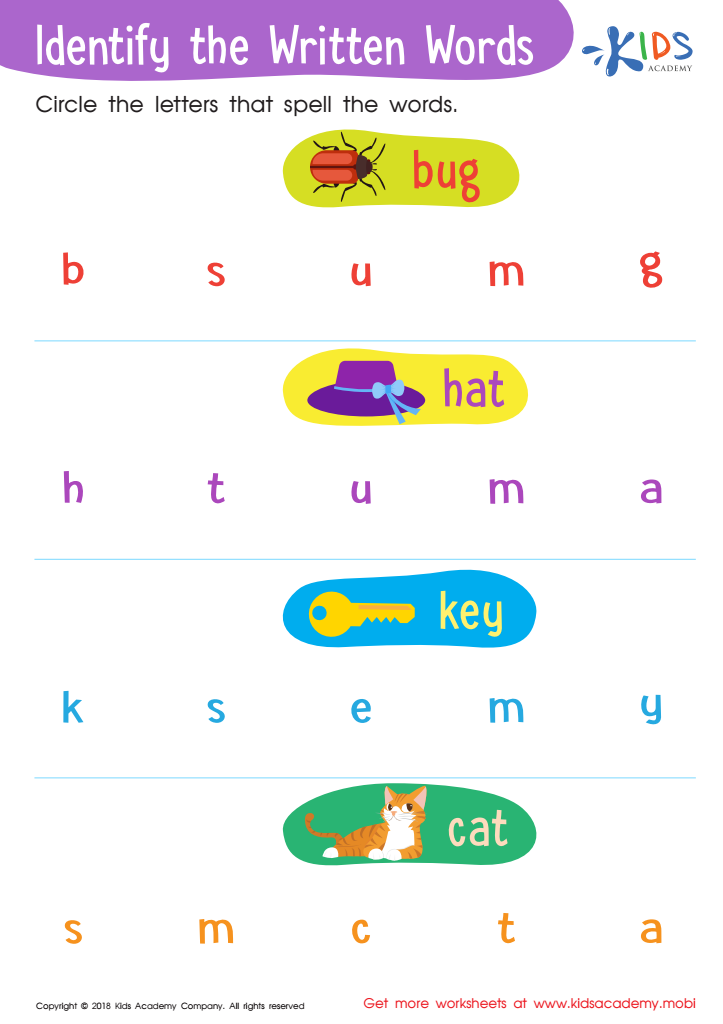
Identify the Written Words Worksheet
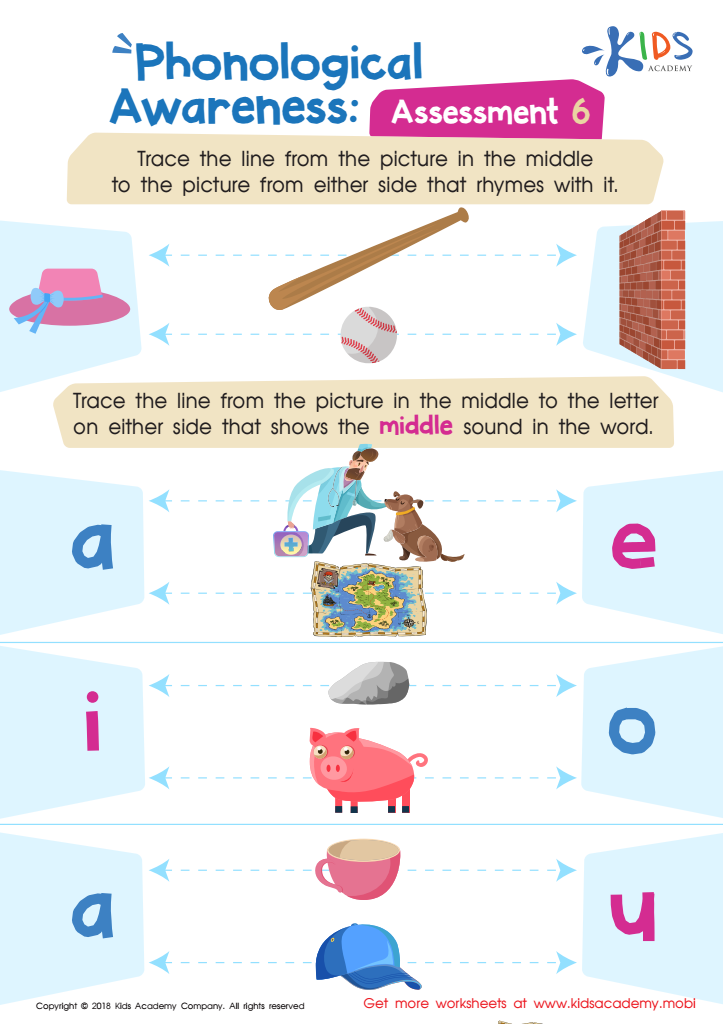
Phonological Awareness: Assessment 6 Worksheet
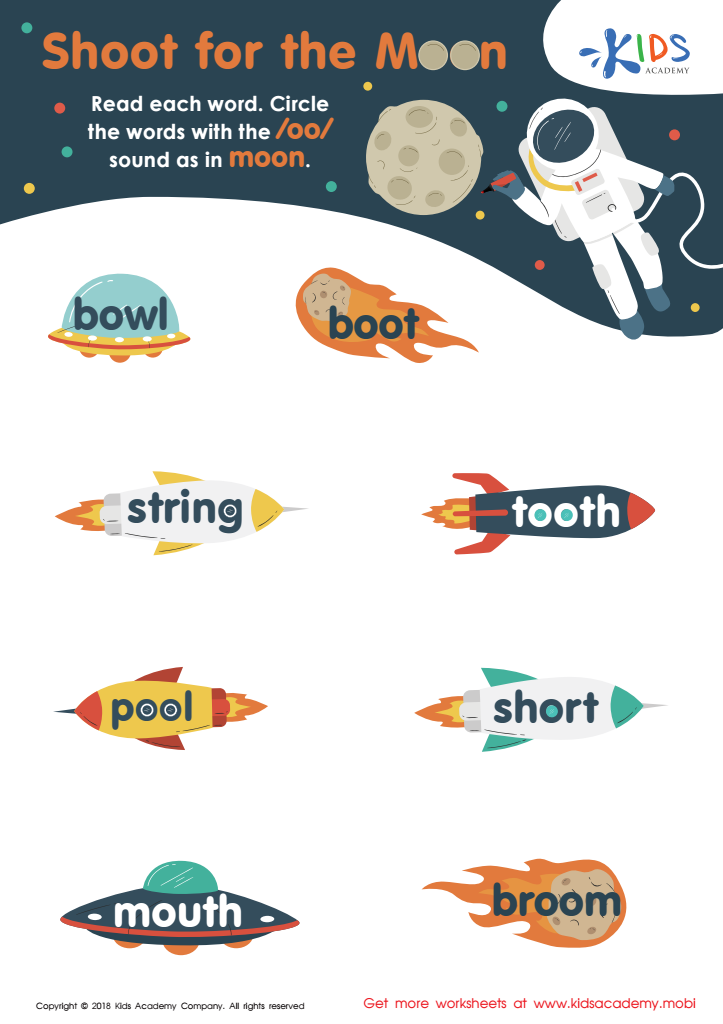
Reading: Shoot for the Moon Worksheet
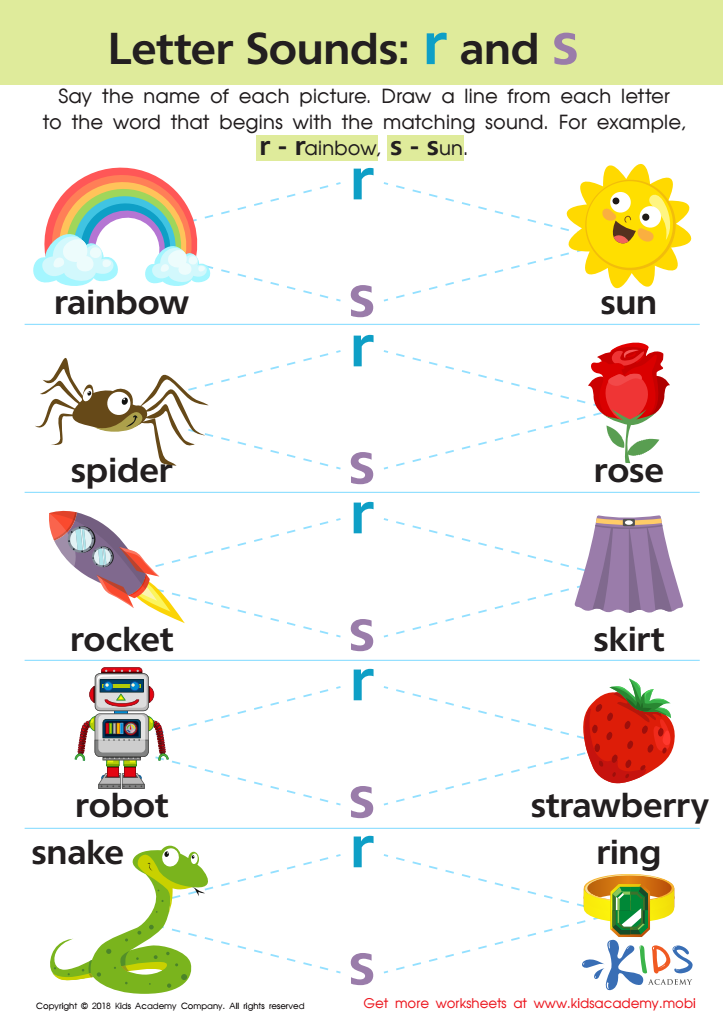
Letter R and S Sounds Worksheet
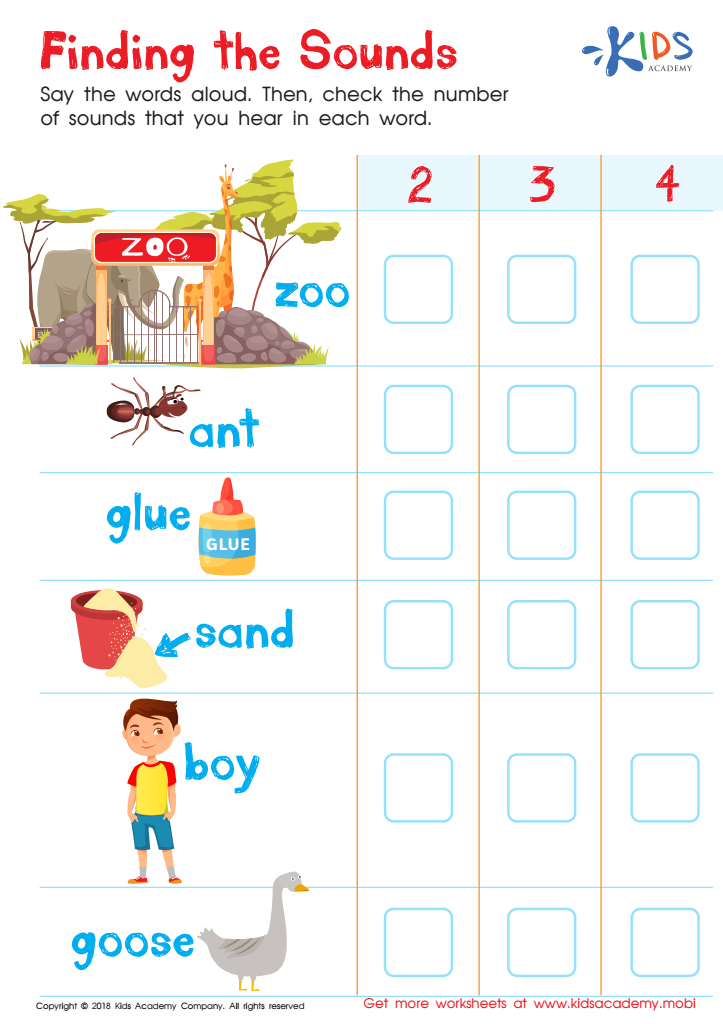
Finding the Sounds Worksheet
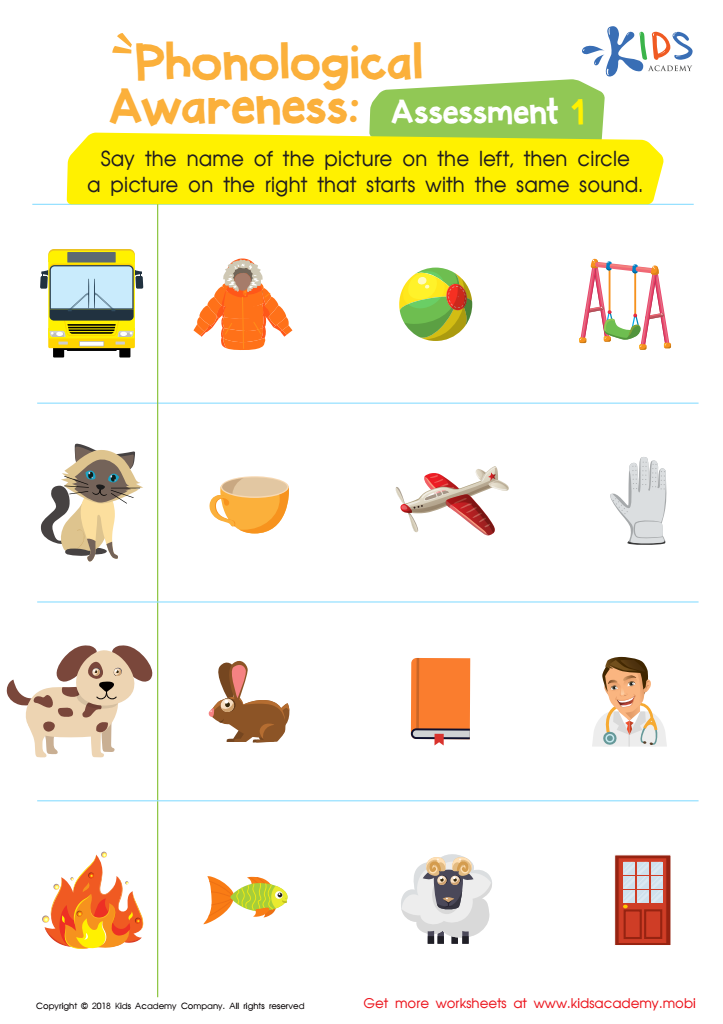
Phonological Awareness: Assessment 1 Worksheet
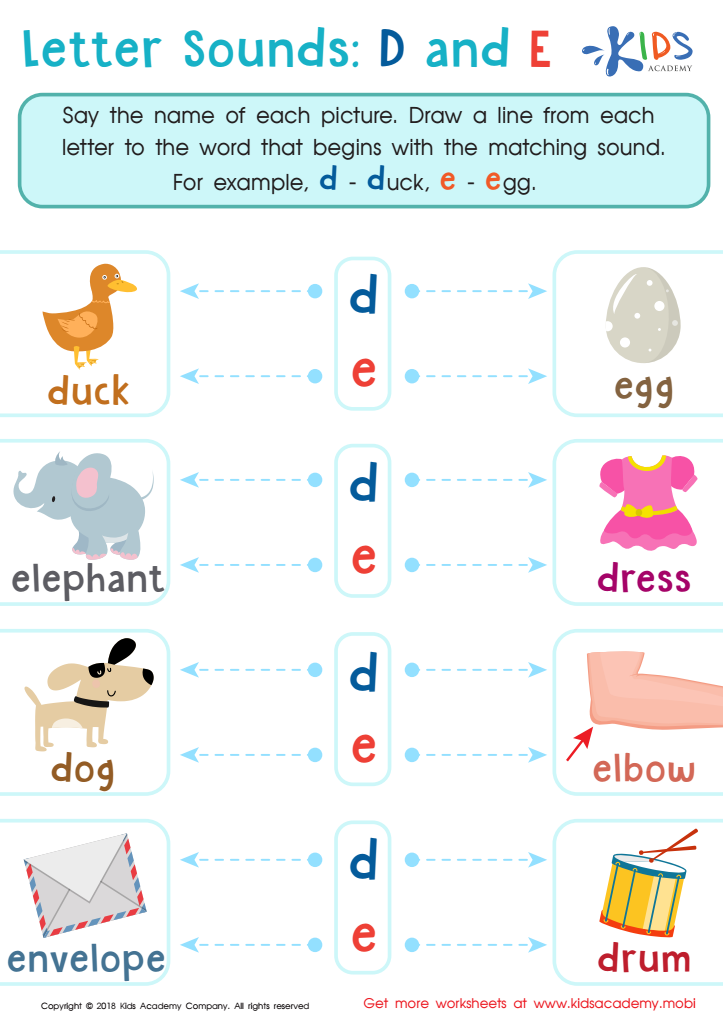
Letter D and E Sounds Worksheet








Vocabulary development and phonics play a crucial role in early literacy and overall academic success. Phonics, the relationship between letters and sounds, lays the foundation for reading and writing. When children understand how to decode words, they become more confident readers, which positively influences their vocabulary acquisition. Rich vocabulary development enables children to comprehend texts better, express themselves clearly, and engage in meaningful conversations.
Furthermore, a strong vocabulary enhances cognitive skills, as children learn to think critically and analytically about language. This skill allows them to grasp complex concepts and participate in discussions, thus fostering social and emotional development.
Parents and teachers should prioritize vocabulary and phonics because they significantly impact a child’s lifelong learning journey. Early intervention in vocabulary development can help mitigate reading difficulties later on, leading to better academic performance in other subjects. Engaging in activities like reading aloud, teaching phonics through fun games, and exploring new words can cultivate a love for language.
Ultimately, investing time and resources into vocabulary and phonics encourages confident communicators and lifelong learners. Supporting these crucial areas equips children not only for academic success but also for meaningful interactions and opportunities in the future.







