Tracing Letters Worksheets Activities With Answers for Ages 3-6 - Page 3
56 filtered results
-
From - To
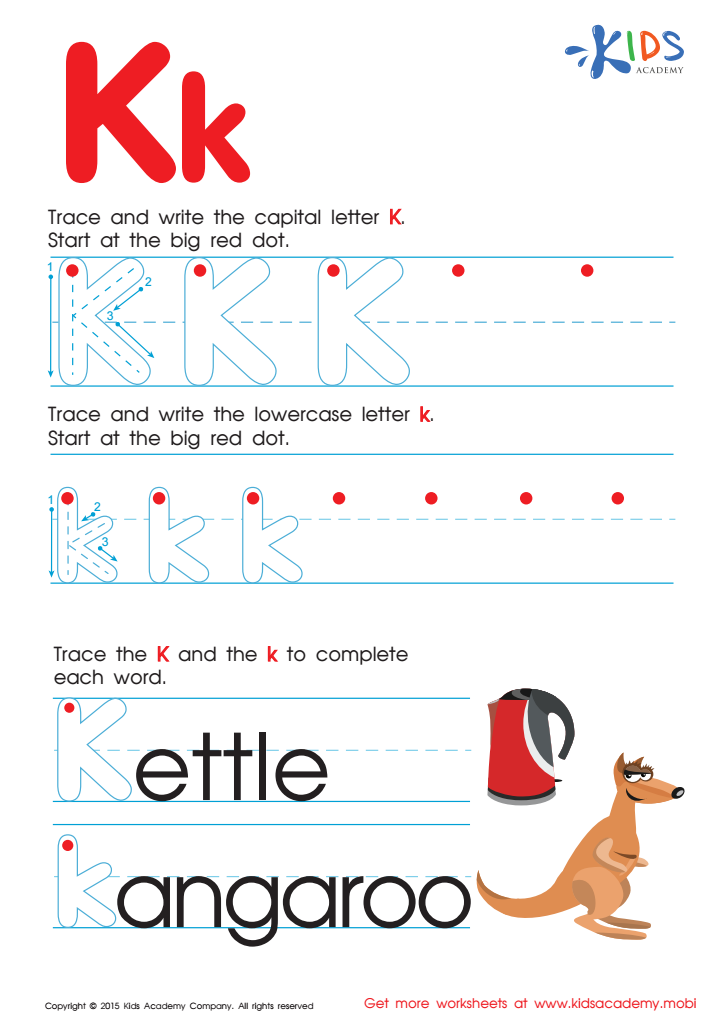
Letter K Tracing Page
 Assign to My Students
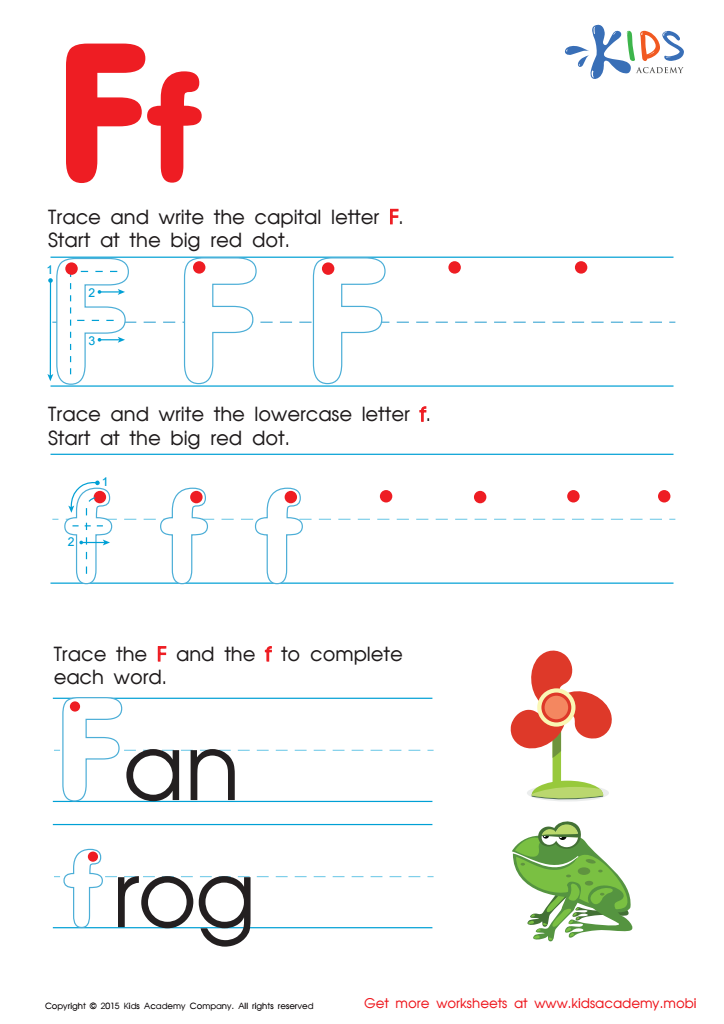
Letter F Tracing Page
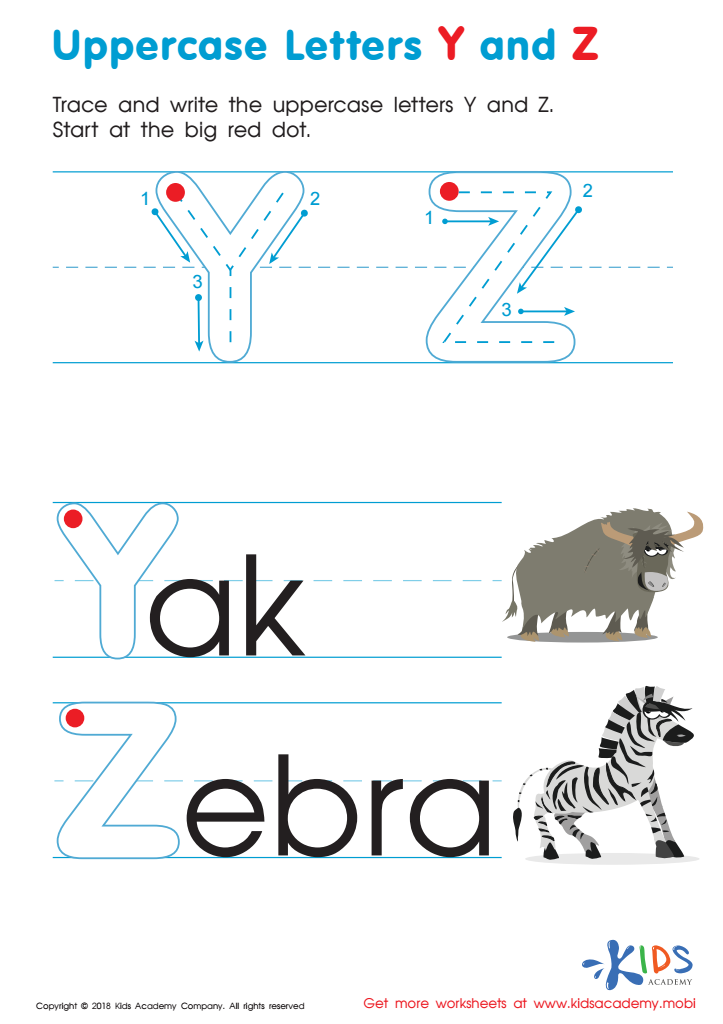
Uppercase Letters Y Z Worksheet
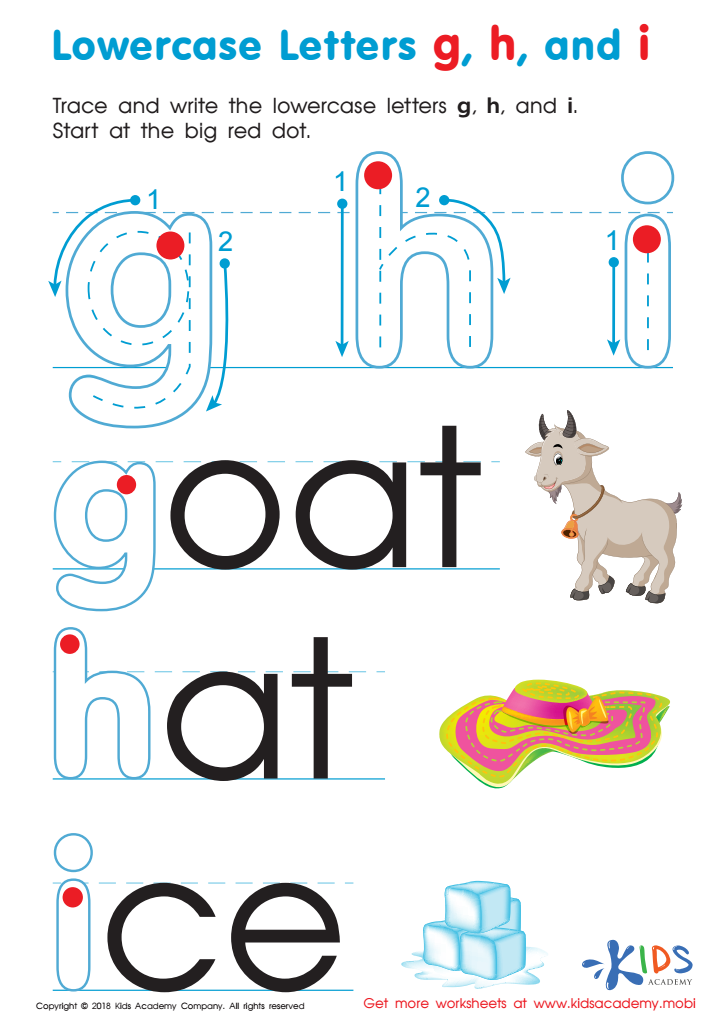
Lowercase Letters g h i Worksheet
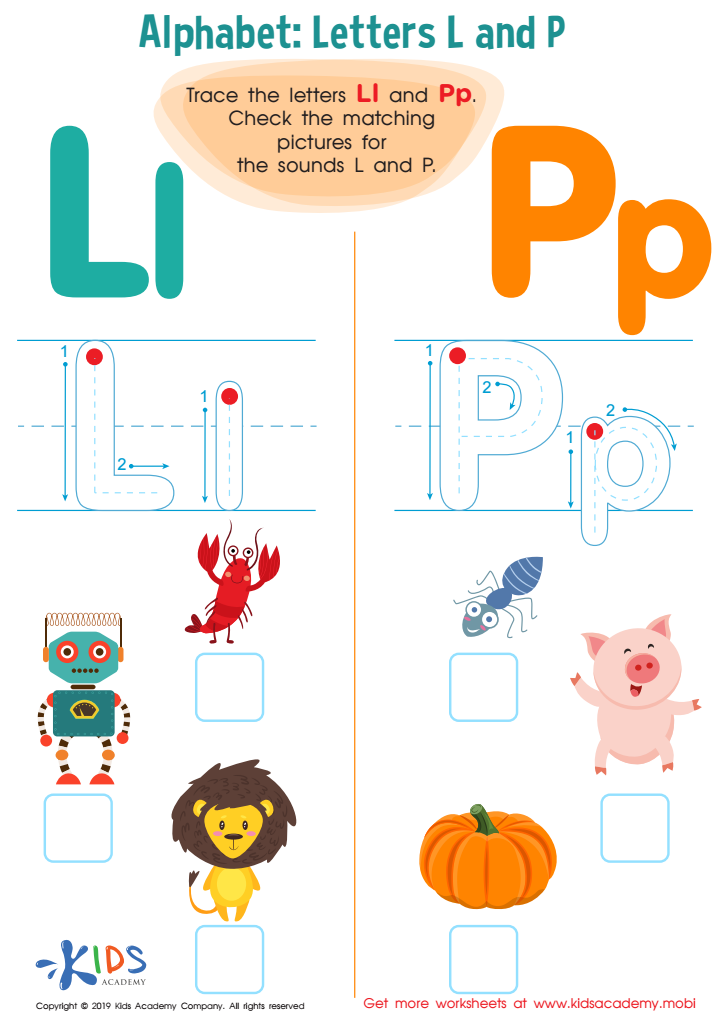
Letter L and P Tracing Worksheet
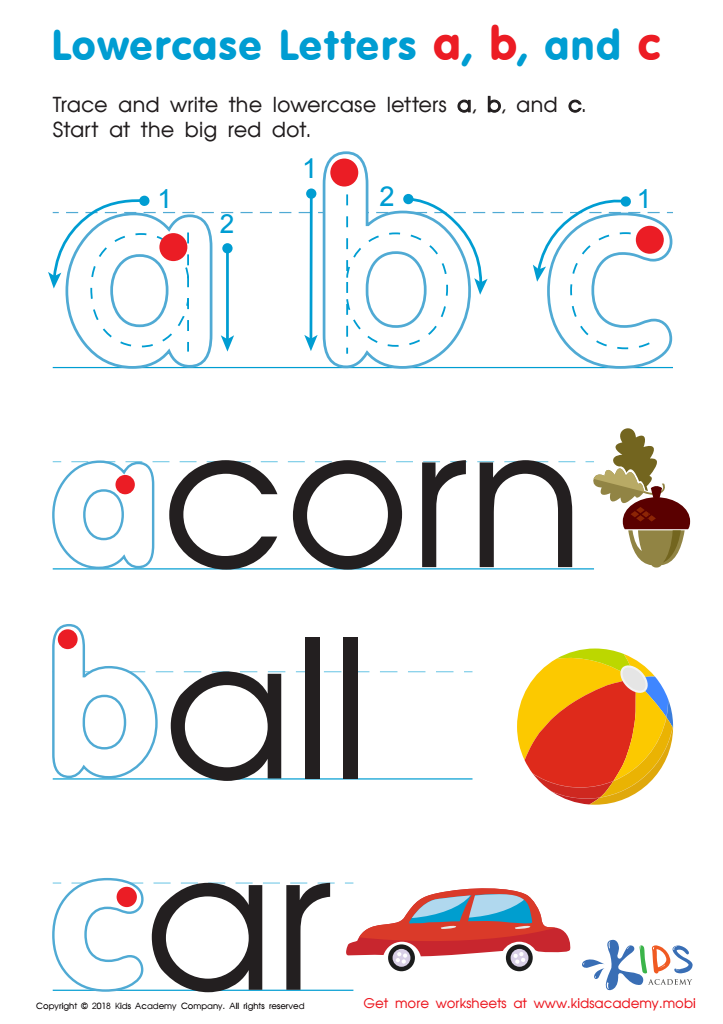
Lowercase Letters a b c Worksheet
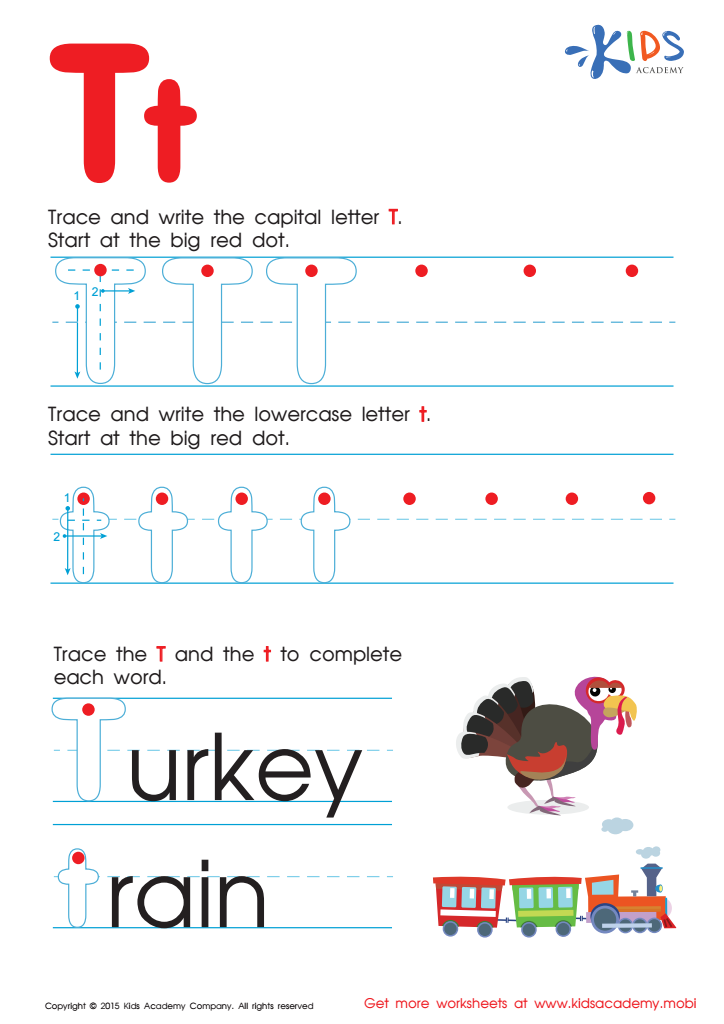
Letter T Tracing Page

Letter D Tracing Page







Tracing letters is an essential early literacy activity that significantly impacts children's development in various ways. For parents and teachers, offering tracing letter activities is crucial for several reasons. Firstly, it helps reinforce fine motor skills, which are vital for young children as they learn how to hold a pencil and control hand movements. These skills later transfer to writing, drawing, and various daily tasks.
Moreover, tracing letters introduces children to the shapes and forms of letters, establishing a solid foundation for reading and writing. By practicing, children become familiar with the alphabet, enhancing their phonemic awareness, which is essential for decoding words. These activities also promote concentration and patience, encouraging children to focus on completing a task.
Additionally, including answers in tracing activities allows parents and teachers to provide immediate feedback. This strengthens learning, as children can correct mistakes and understand letter formation better.
Incorporating tracing letters activities can also foster a love for learning and literacy from a young age. Engaging in these activities with caregivers can create meaningful bonding moments, making the learning experience enjoyable. Ultimately, these activities play a vital role in laying the groundwork for lifelong literacy skills, making them a priority for caregivers and educators alike.








