Tracing Worksheets Activities With Answers for Ages 3-8 - Page 6
159 filtered results
-
From - To
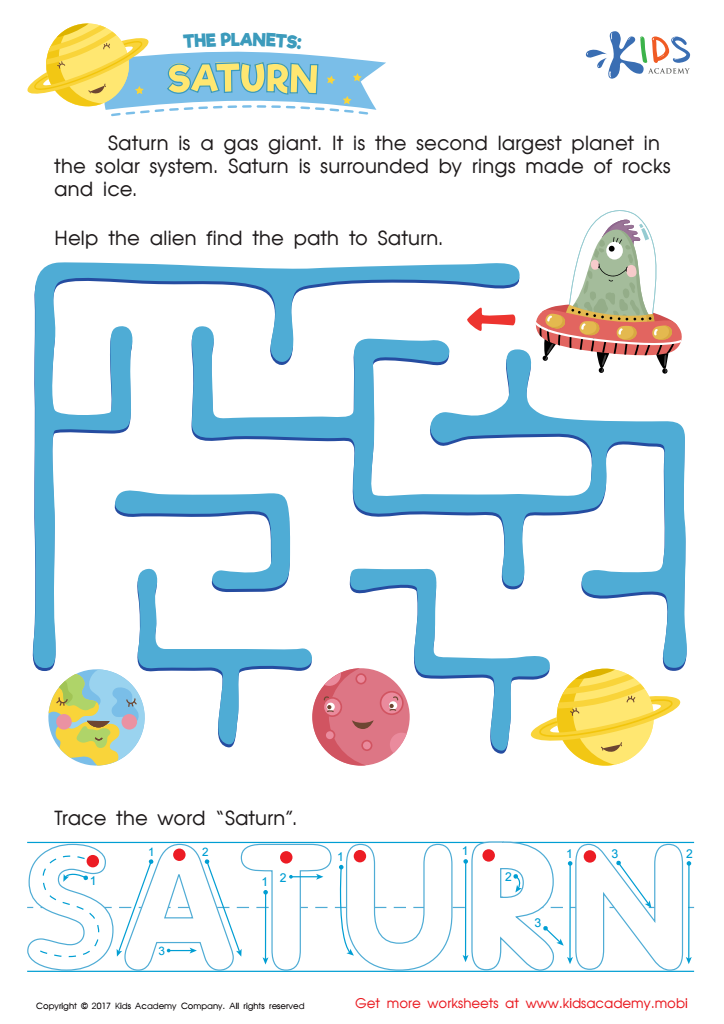
The Planets: Saturn Printable
 Assign to My Students

Santa Claus Tracing Winter Words Worksheet
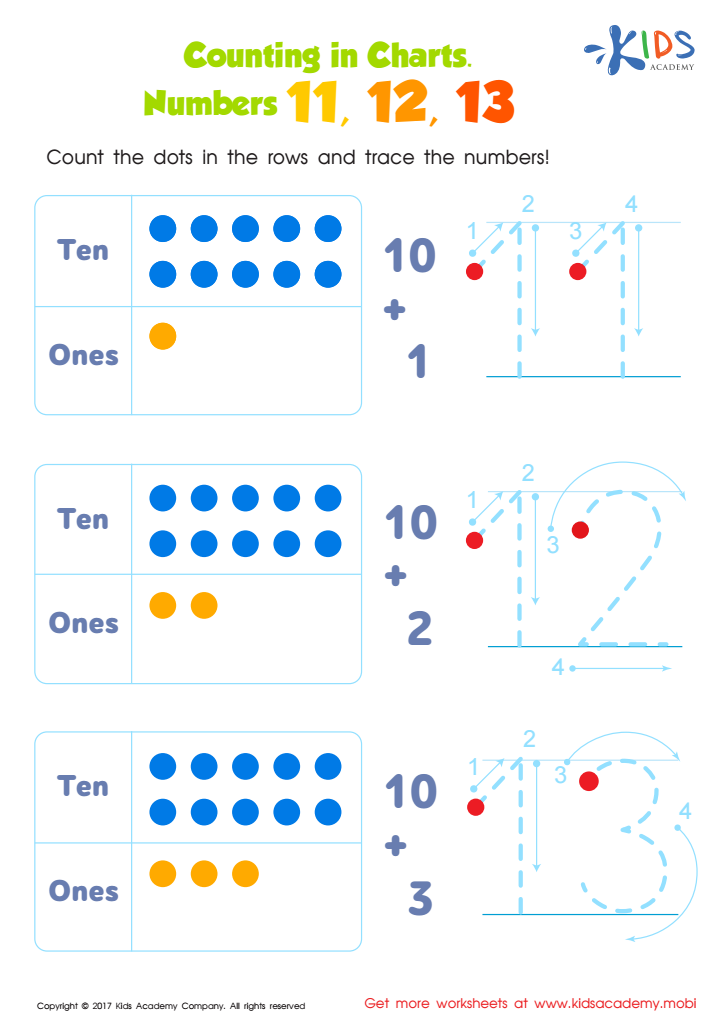
Number Tracing Worksheet For Kindergarten
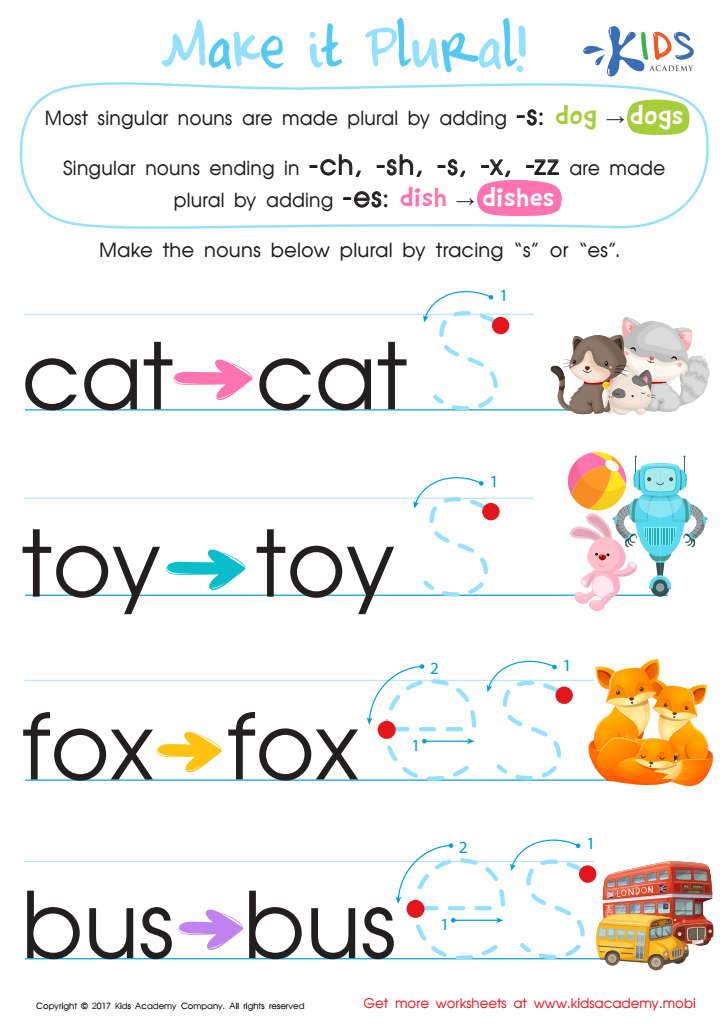
Make it Plural Worksheet
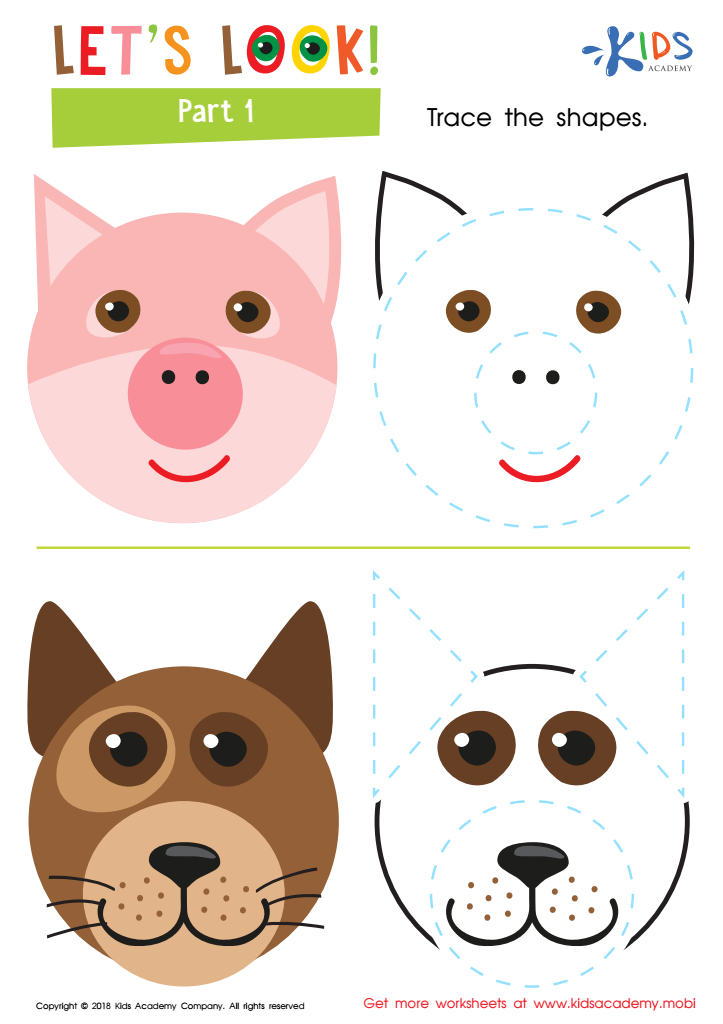
Let's Look! Part 1 Worksheet
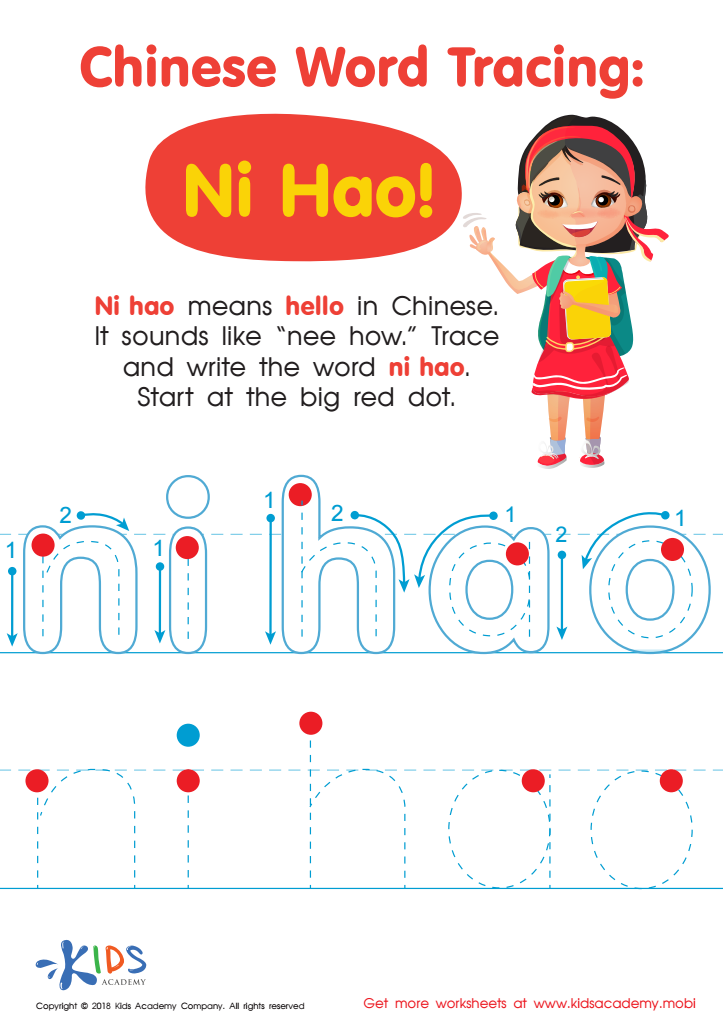
Chinese Word Tracing: Ni Hao Worksheet
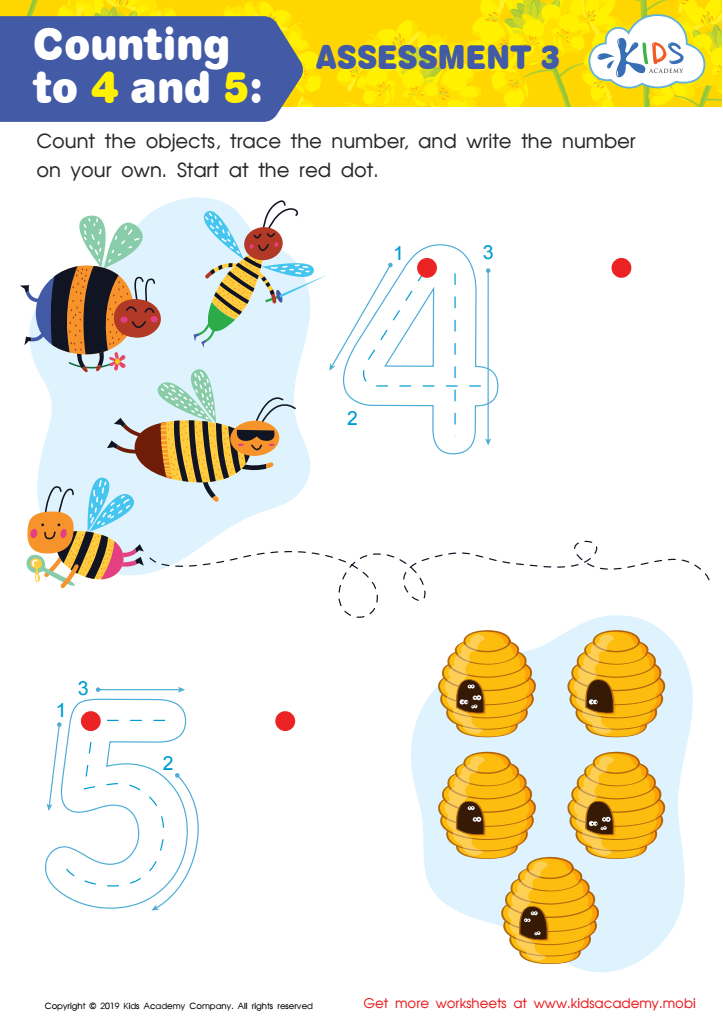
Counting to 4 and 5: Assessment 3 Worksheet
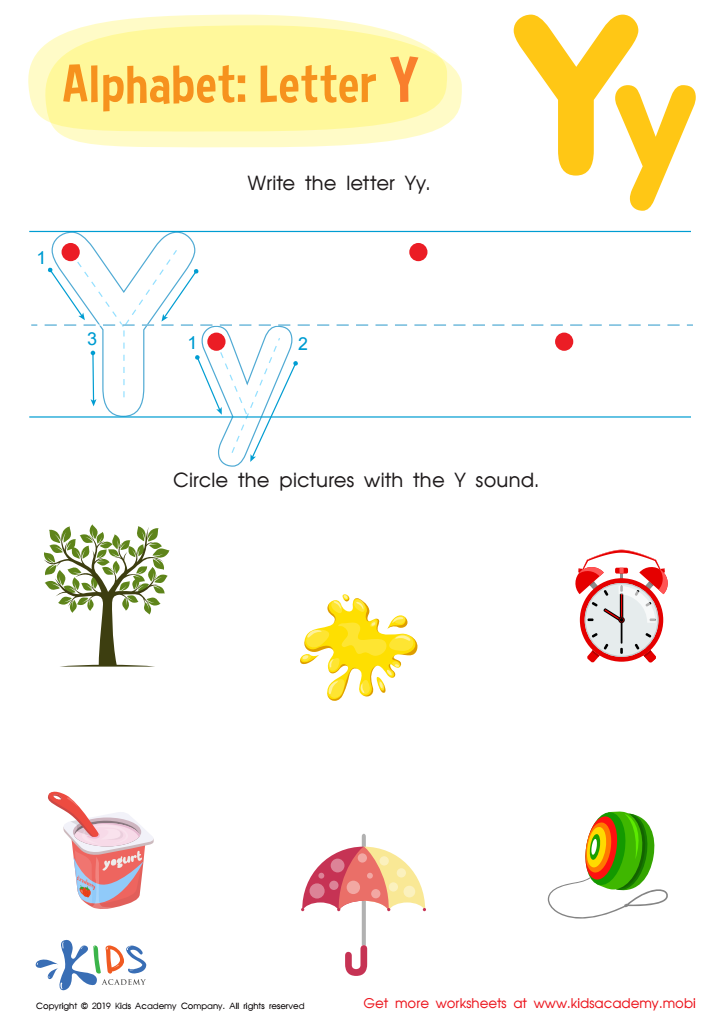
Letter Y Tracing Worksheet
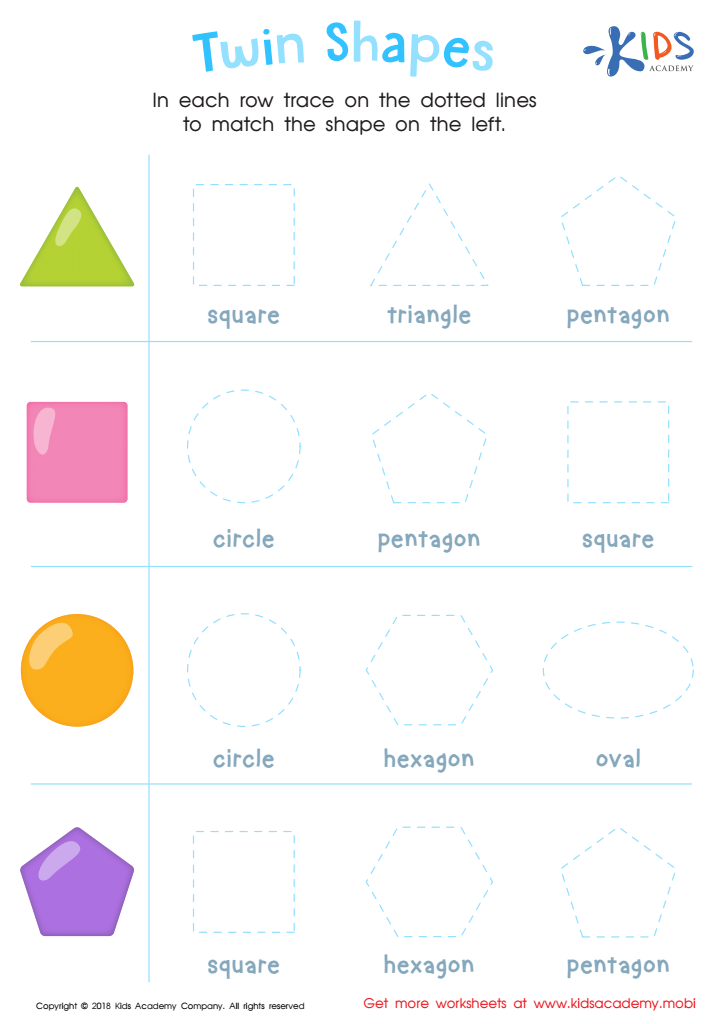
Twin Shapes Dot-to-Dot Worksheet
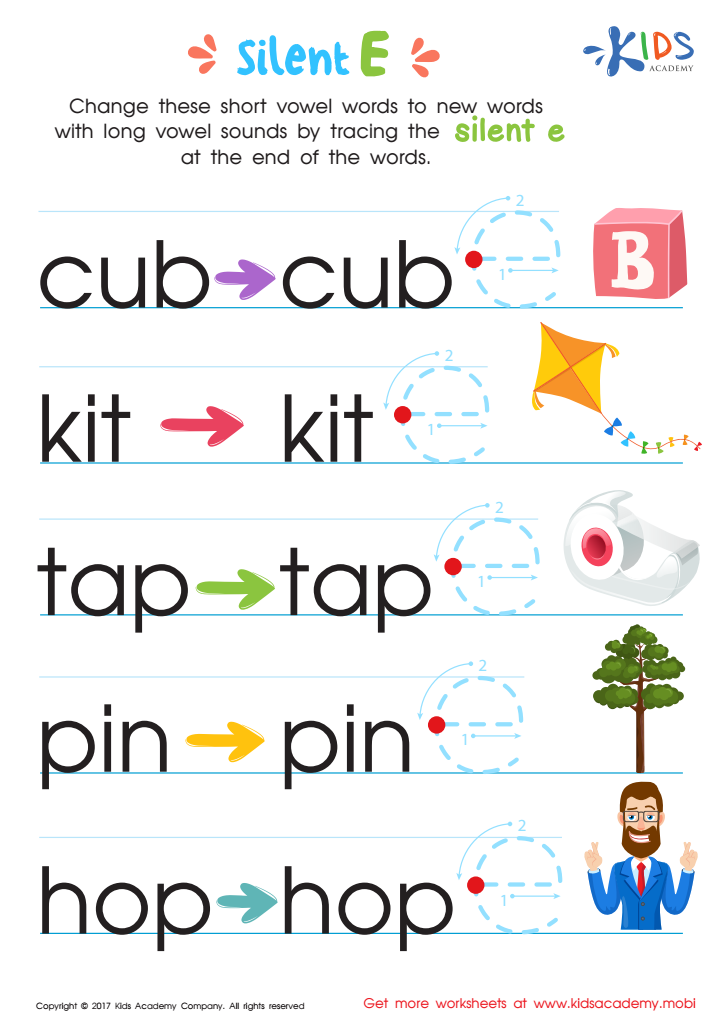
Silent E Words Worksheet
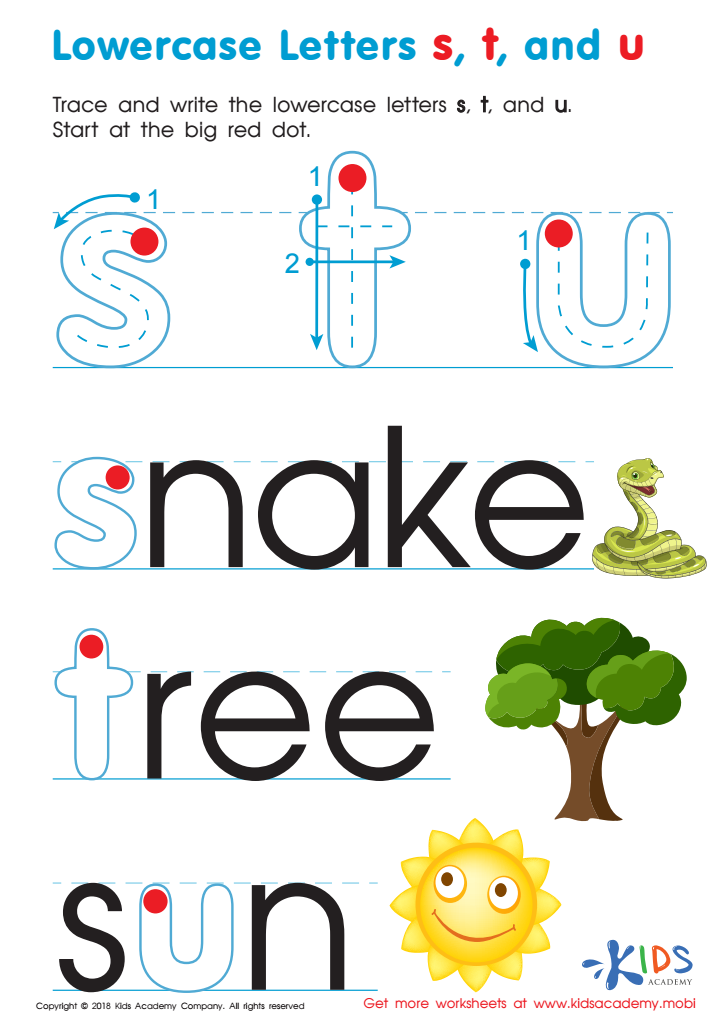
Lowercase Letters s t u Worksheet
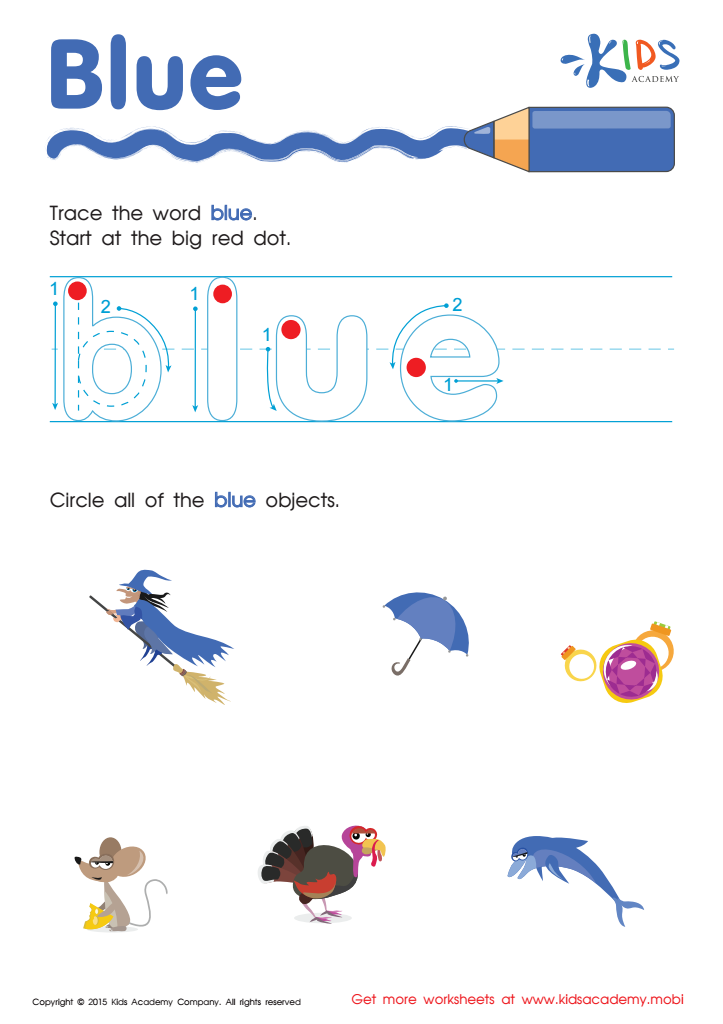
Blue Tracing Color Words Printable
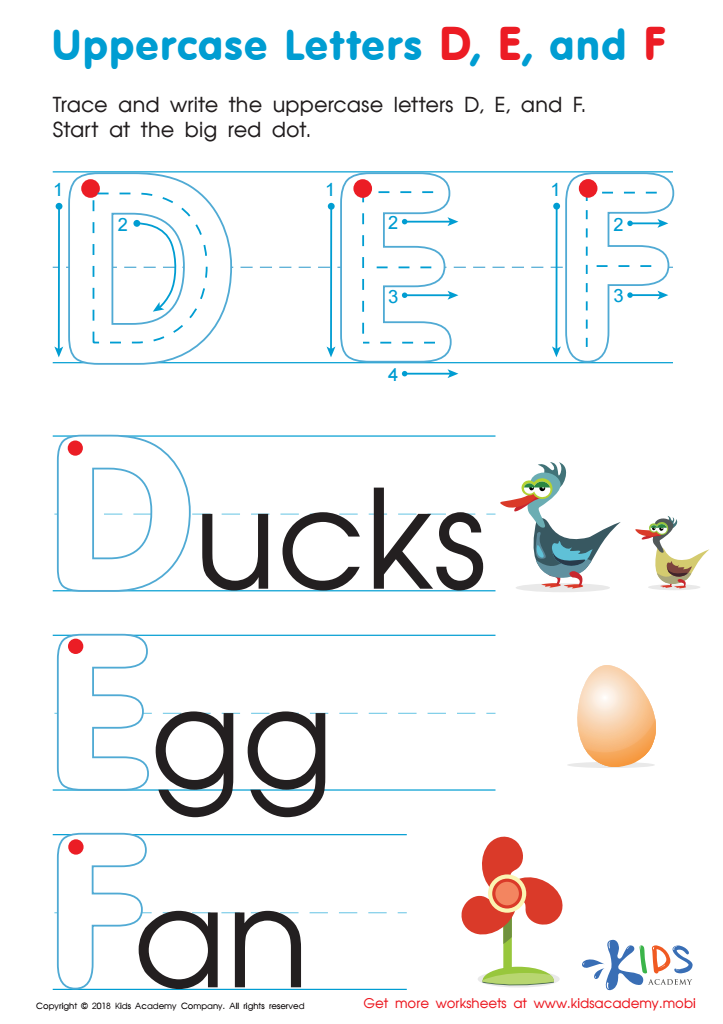
Uppercase Letters D, E, and F Worksheet
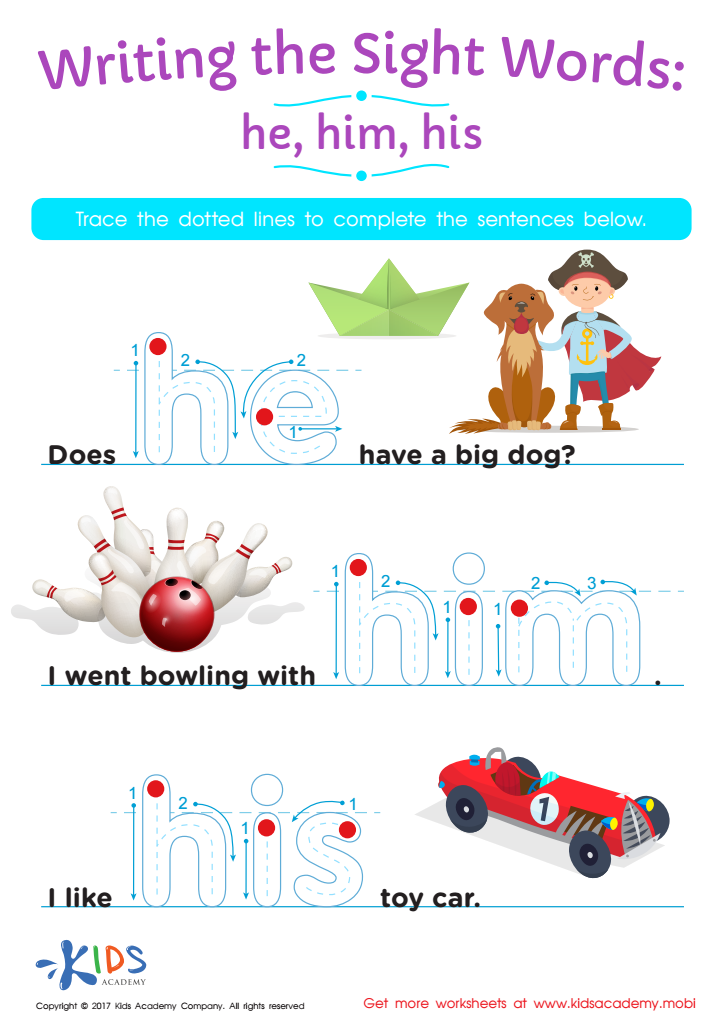
He, Him, His Printable Sight Words Worksheet
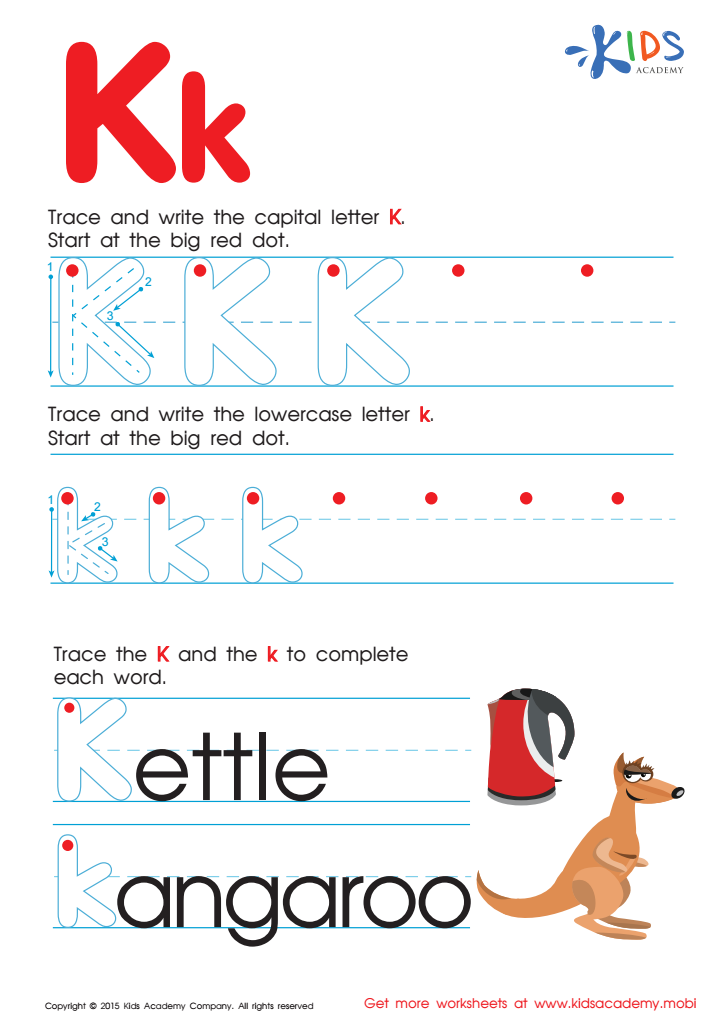
Letter K Tracing Page
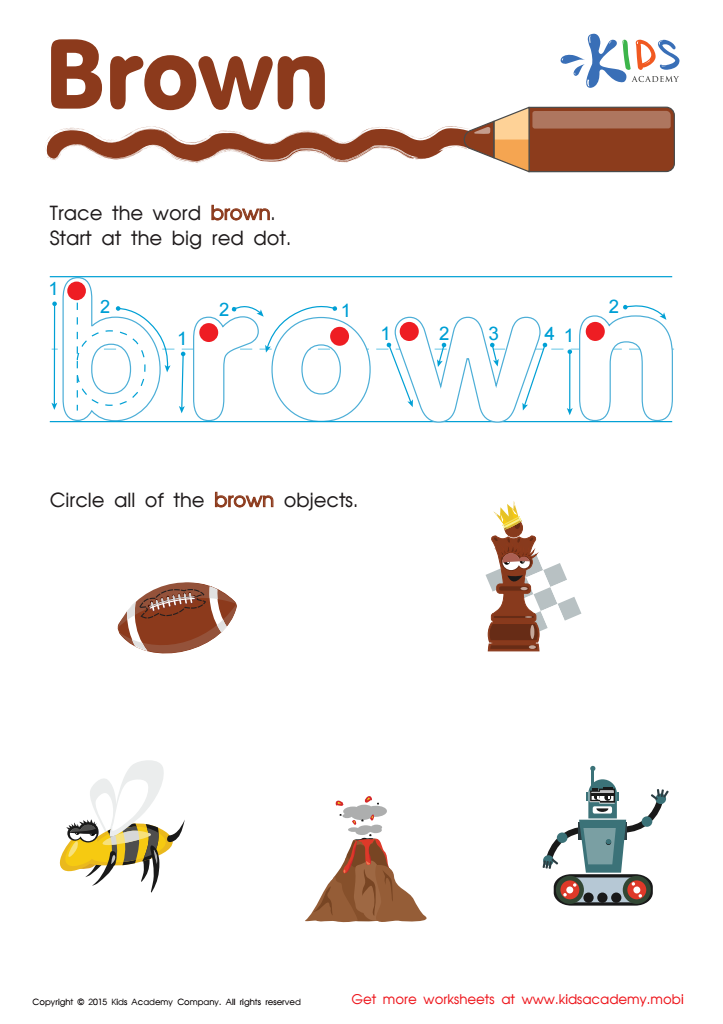
Brown Tracing Color Words Worksheet
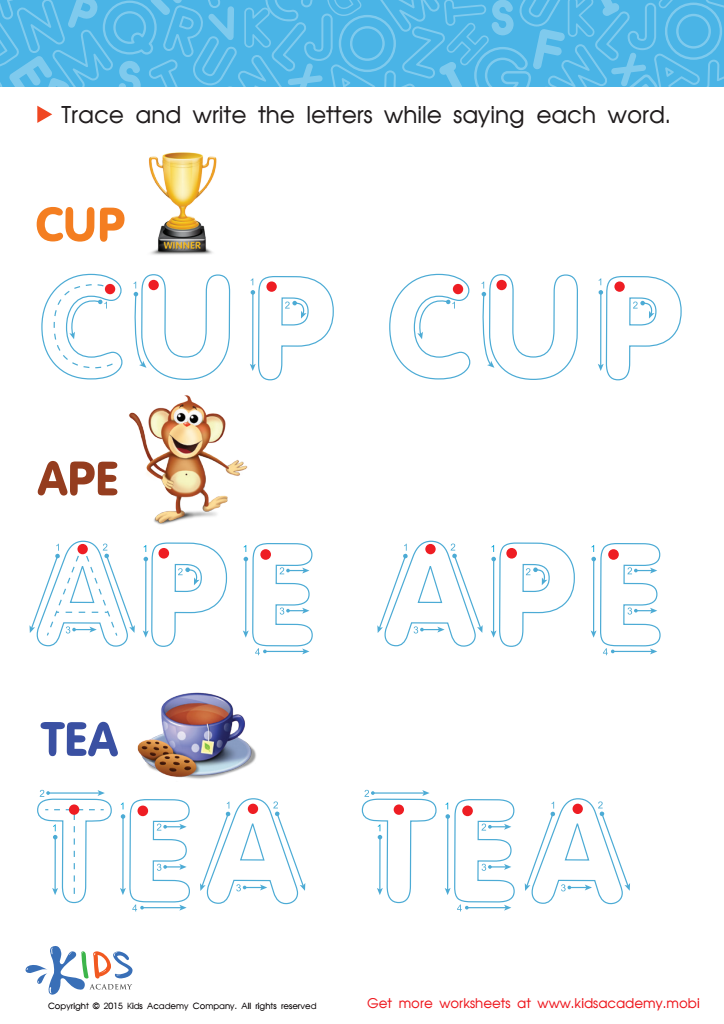
A Cup, an Ape and Tea Spelling Worksheet
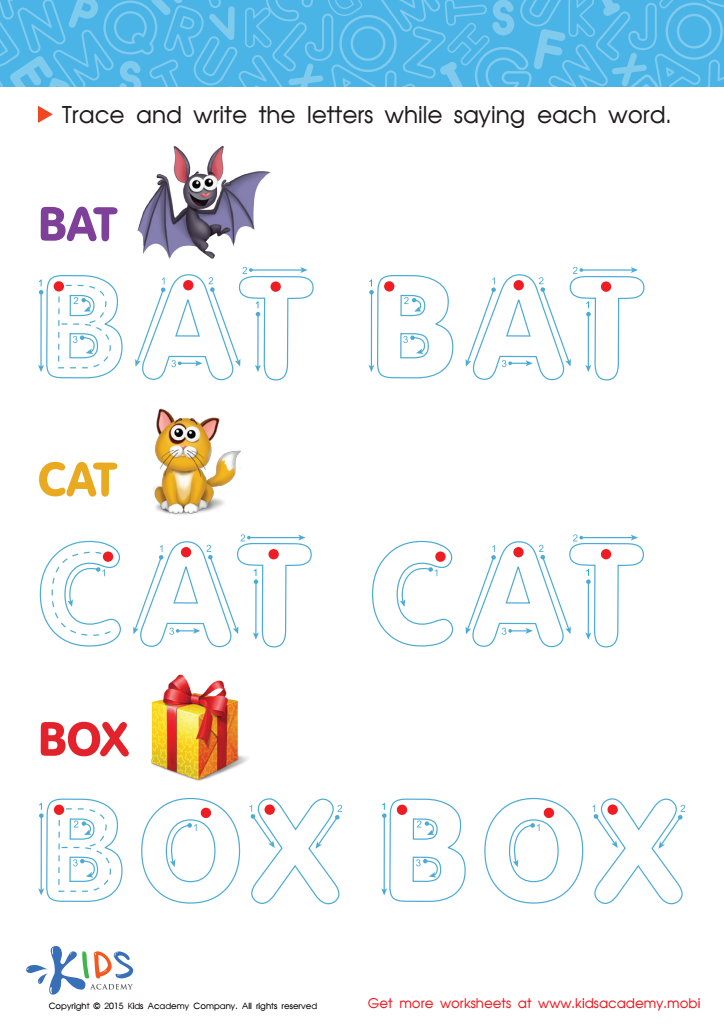
A Bat, a Cat and a Box Spelling Worksheet
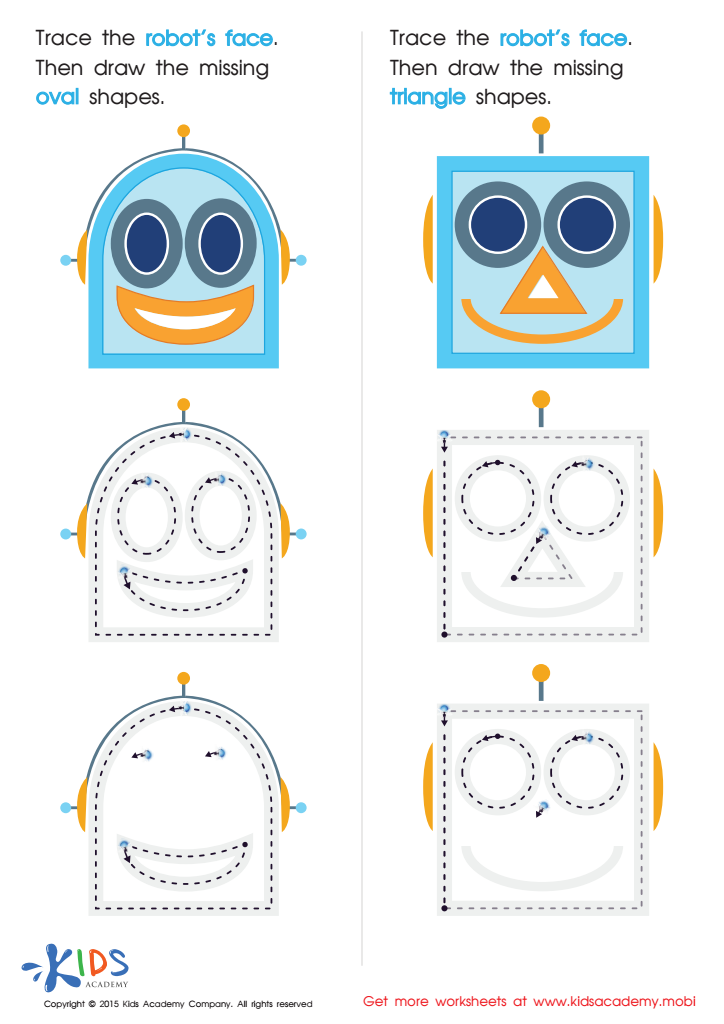
Drawing Ovals And Triangles with Fun Printable
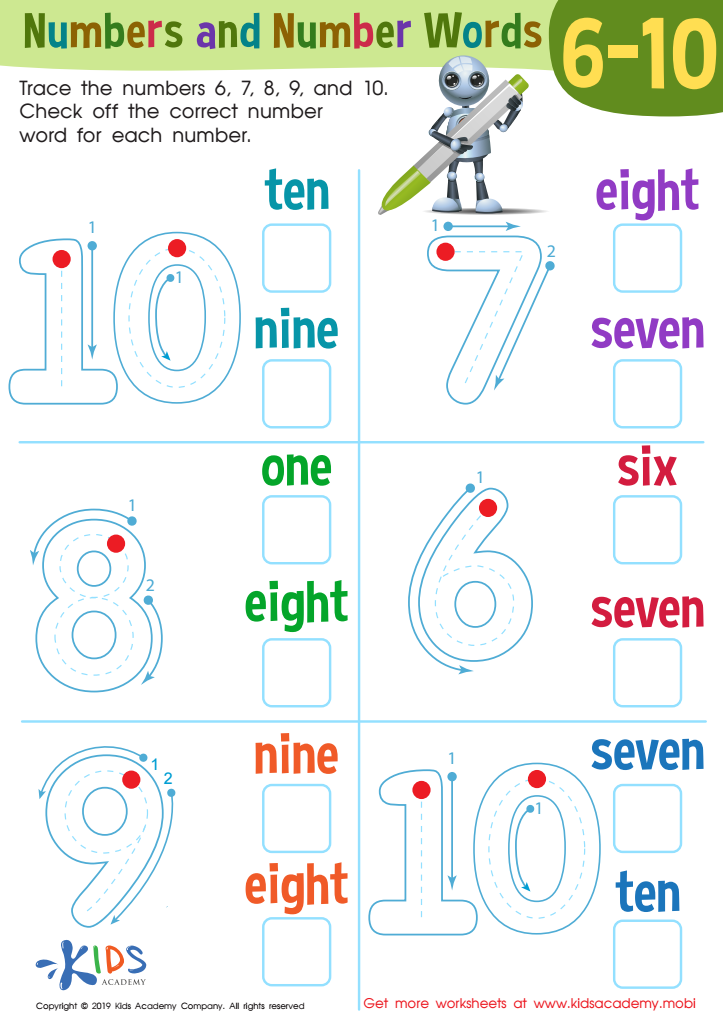
Numbers and Number Words 6–1 Worksheet
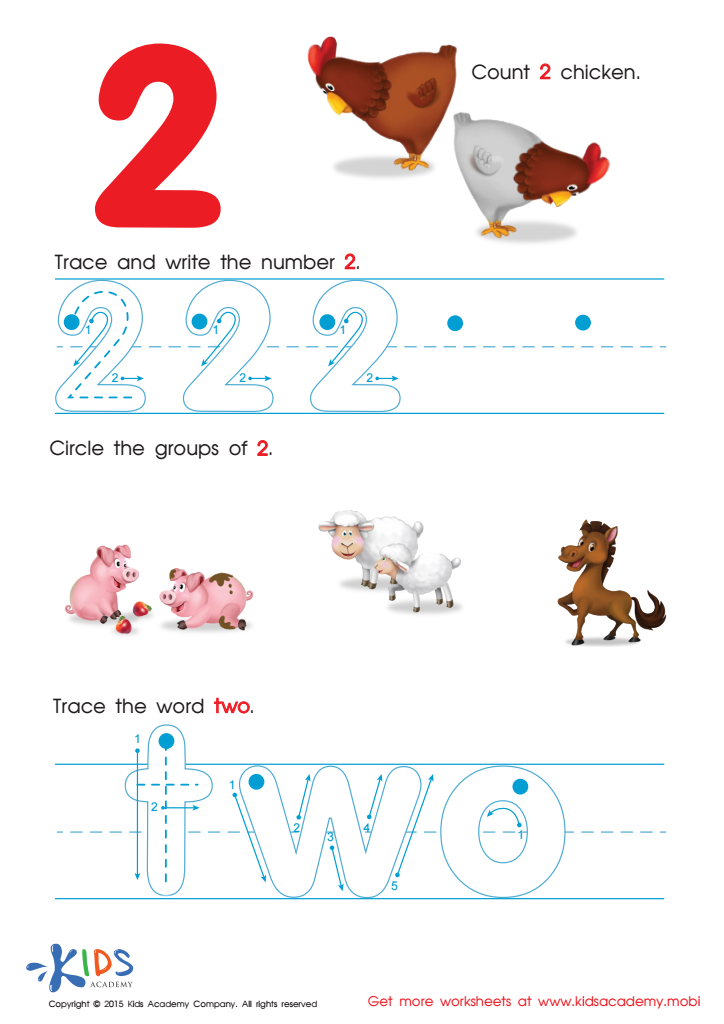
Learn to Write the Number 2 Worksheet
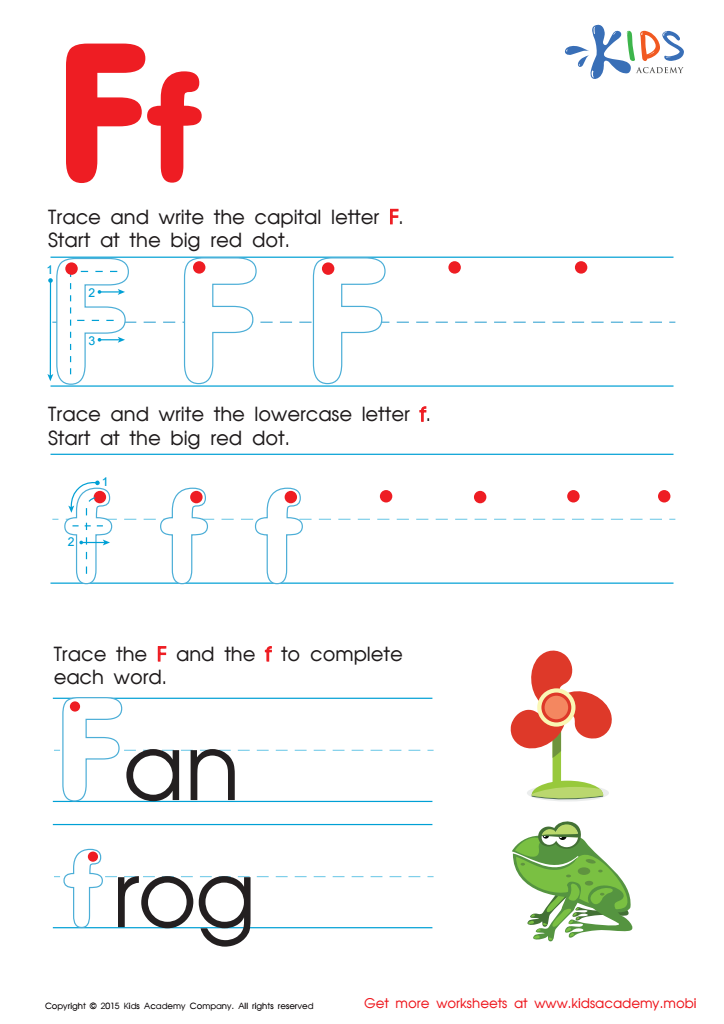
Letter F Tracing Page
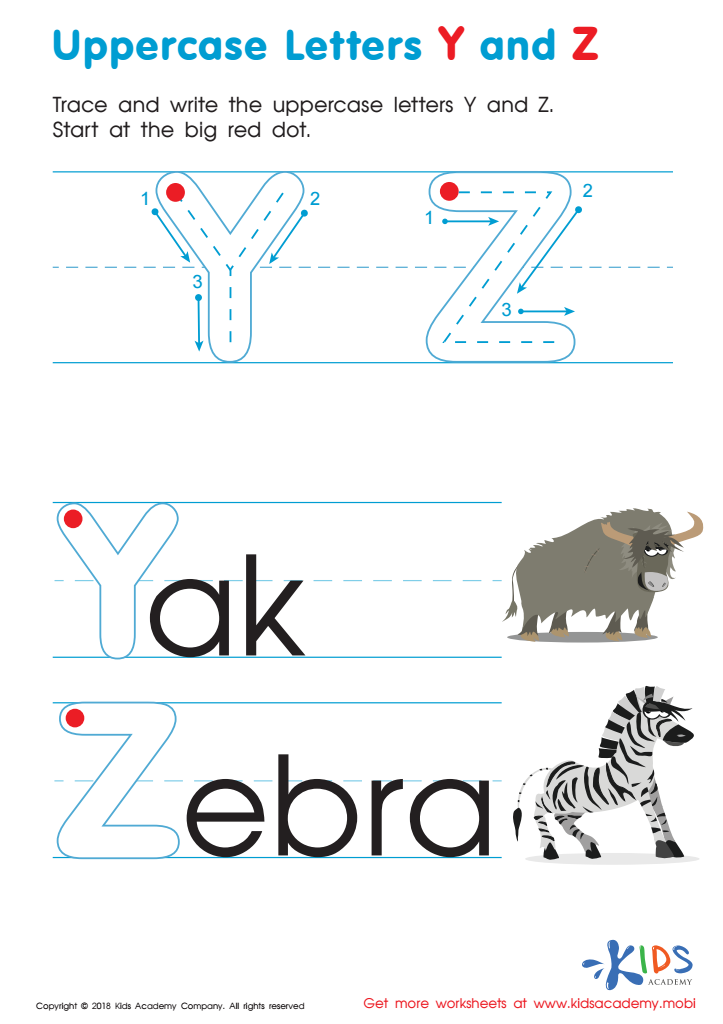
Uppercase Letters Y Z Worksheet
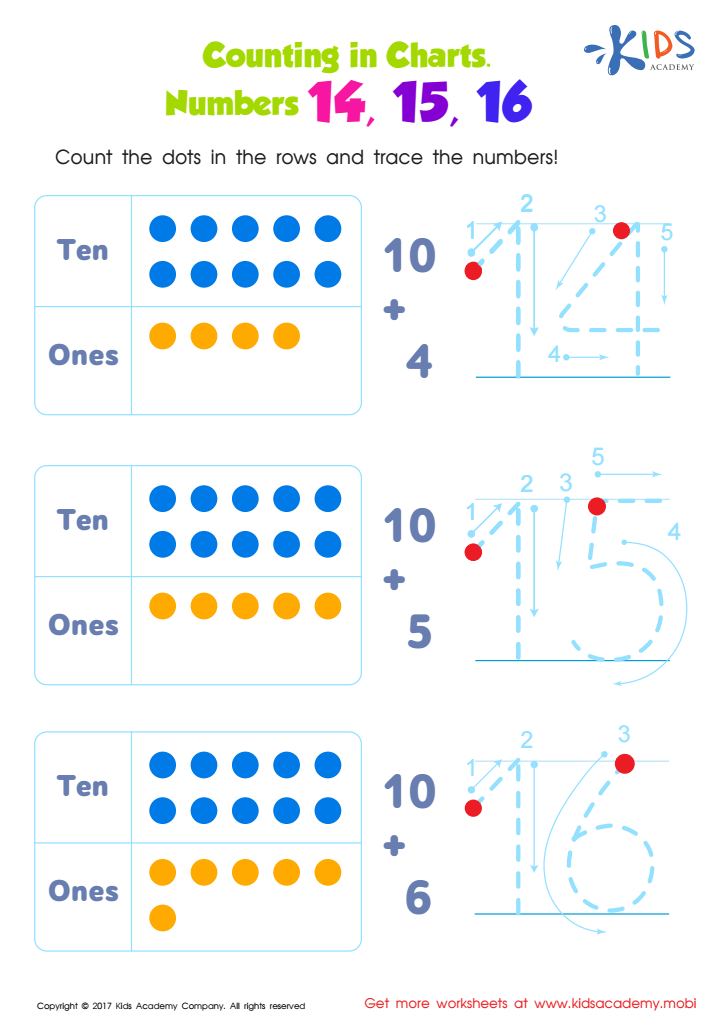
Number Tracing Worksheet








Tracing activities are important for young children aged 3-8, offering numerous benefits that parents and teachers should prioritize. Firstly, these exercises help develop fine motor skills, which are essential for tasks like writing, drawing, and using scissors. Practicing tracing shapes, letters, and numbers enhances hand-eye coordination, allowing children to gain better control over their movements.
Additionally, tracing aids in cognitive development by reinforcing the connection between shapes, letters, and their corresponding sounds or meanings. As children trace, they internalize the shapes and structures, which builds their confidence and readiness for writing independently. This is especially useful for developing literacy skills in early childhood.
Tracing activities can also encourage focus and concentration. As children engage with these tasks, they learn patience and perseverance, important traits that contribute to their academic and personal success. Moreover, incorporating answers or example tracings provides immediate feedback, enhancing their learning process.
Overall, tracing activities are a fun and interactive way for parents and teachers to support children’s early development, laying a strong foundation for future learning. By recognizing the significance of these activities, caregivers can play a crucial role in nurturing children's growth during these formative years.








