Tracing Worksheets Activities With Answers for Ages 3-9 - Page 7
159 filtered results
-
From - To
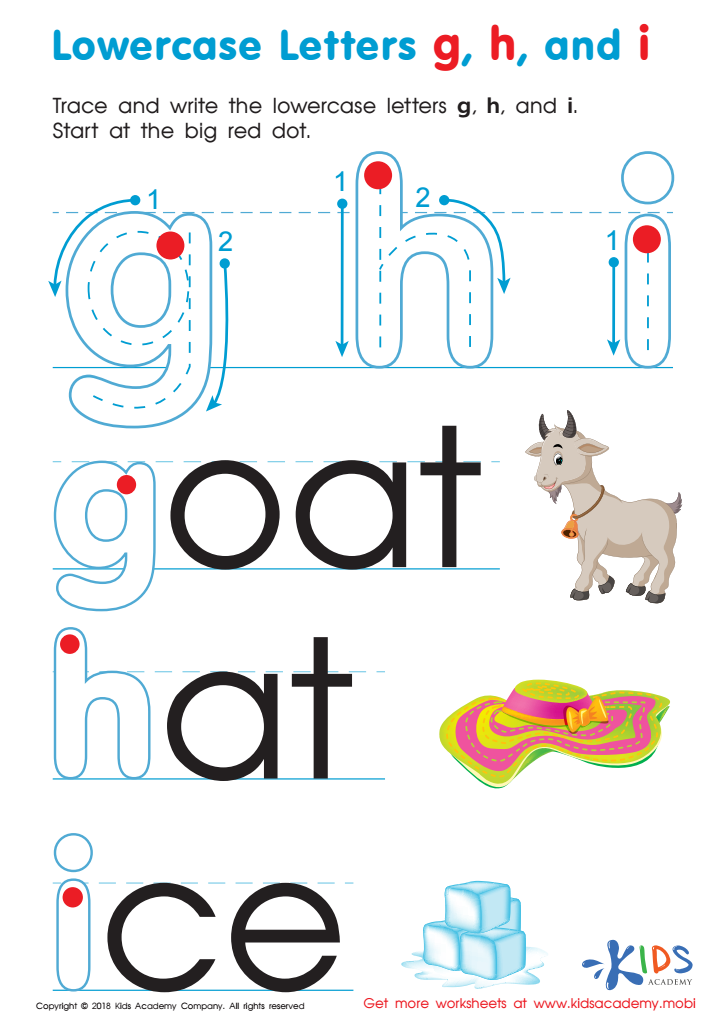
Lowercase Letters g h i Worksheet
 Assign to My Students
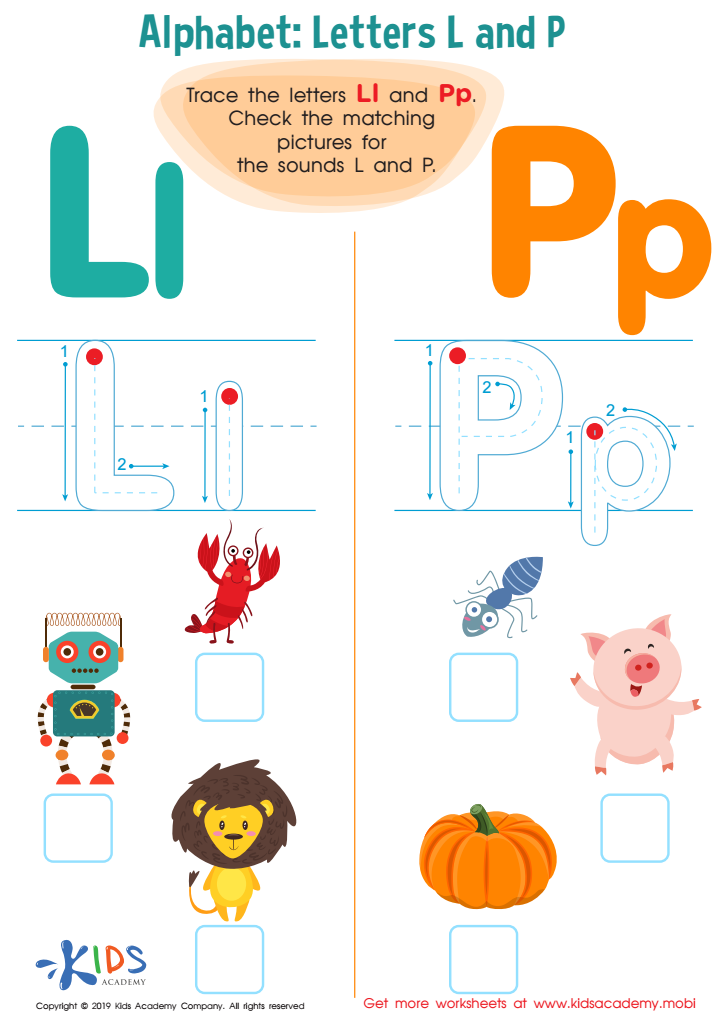
Letter L and P Tracing Worksheet

Count the Cherries and Trace the Number 10 Printable
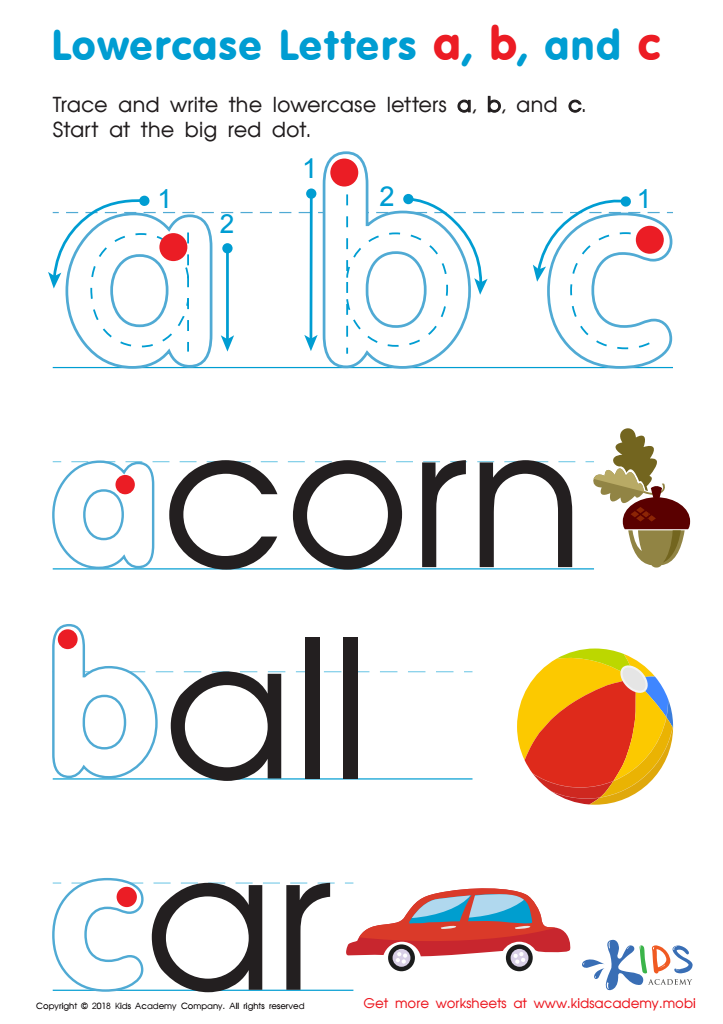
Lowercase Letters a b c Worksheet
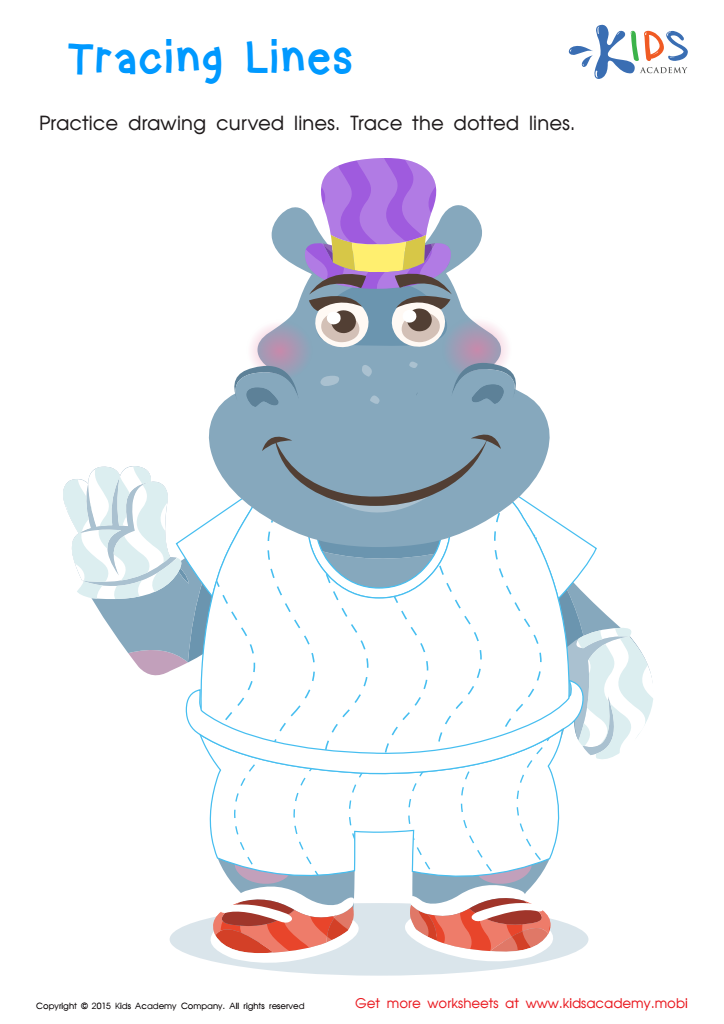
Tracing Lines Worksheet
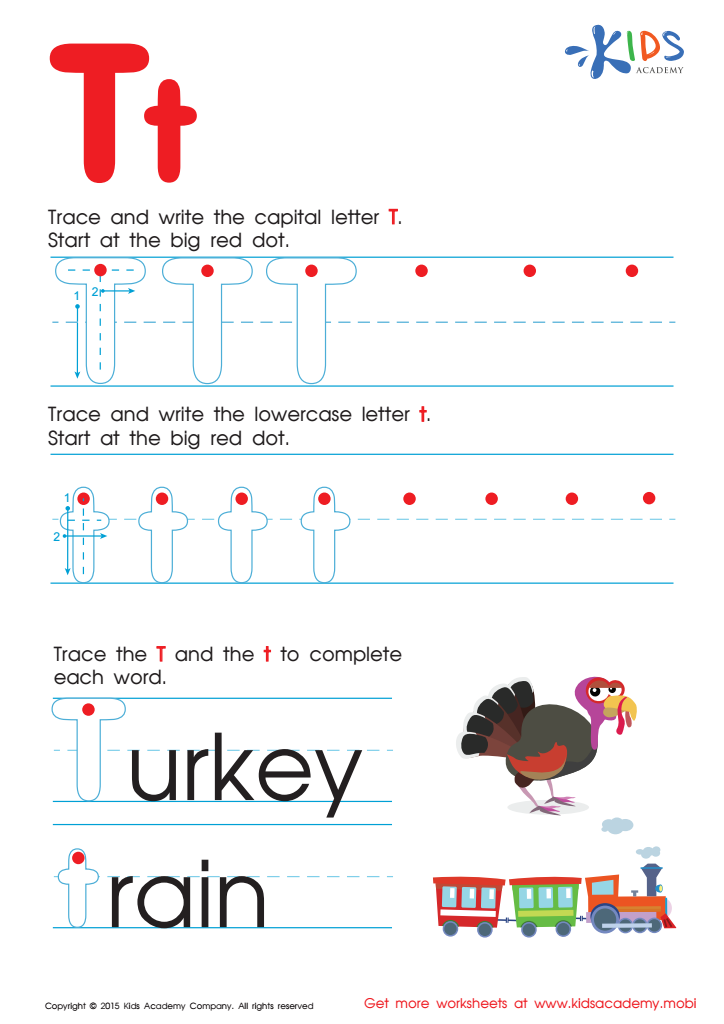
Letter T Tracing Page
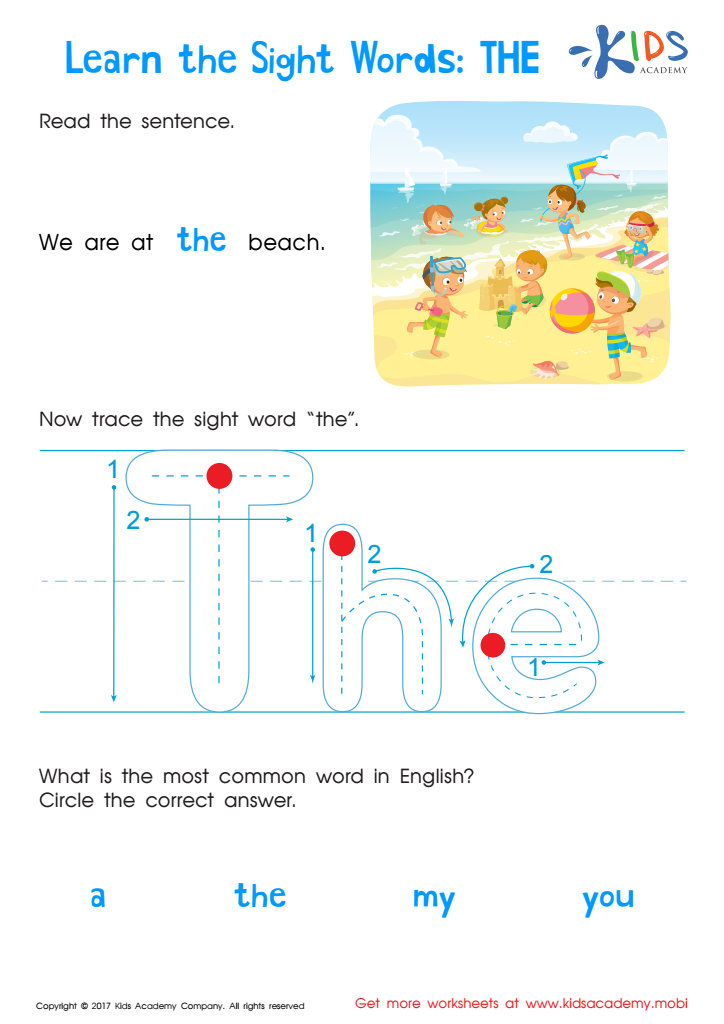
Sight Words: The Worksheet
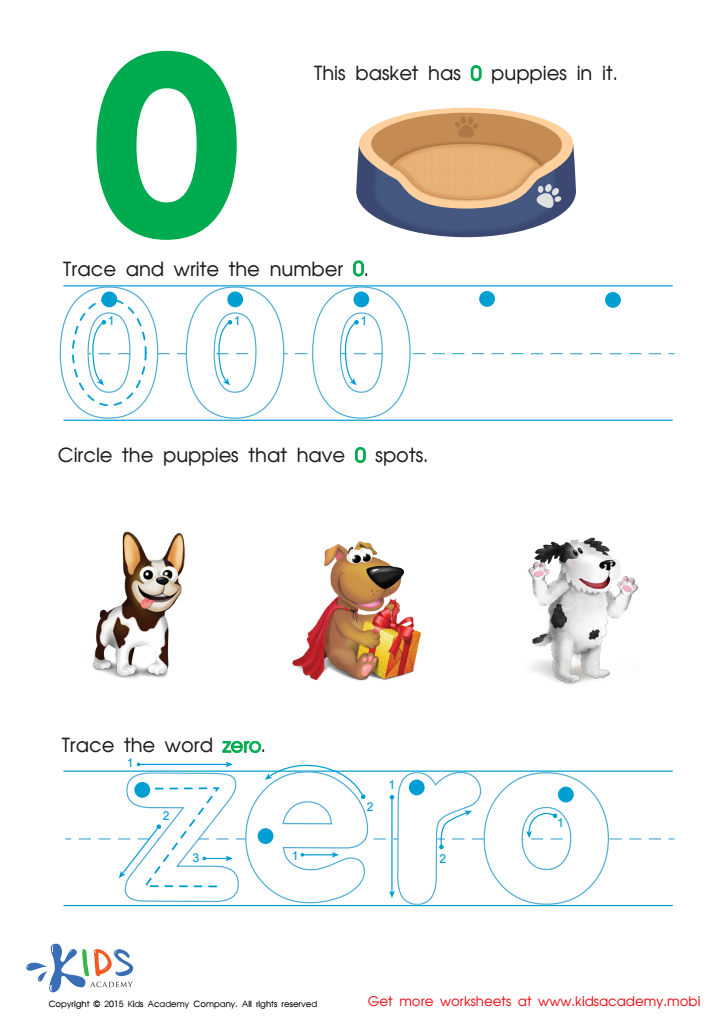
Trace And Write Number 0 Worksheet

Letter D Tracing Page
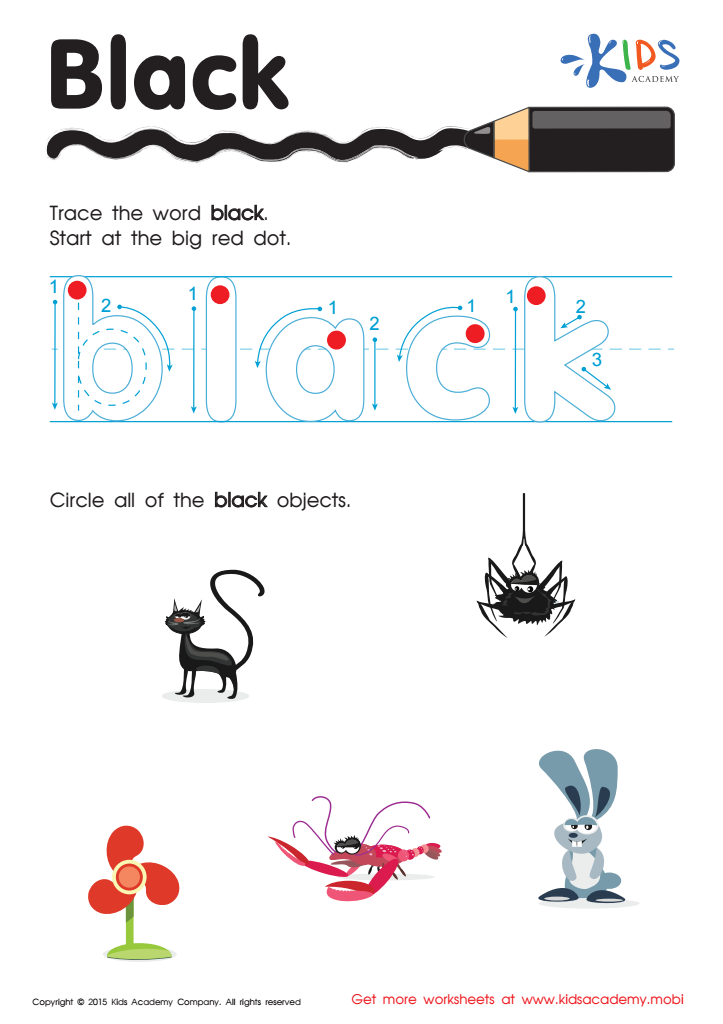
Black Tracing Color Words Printable
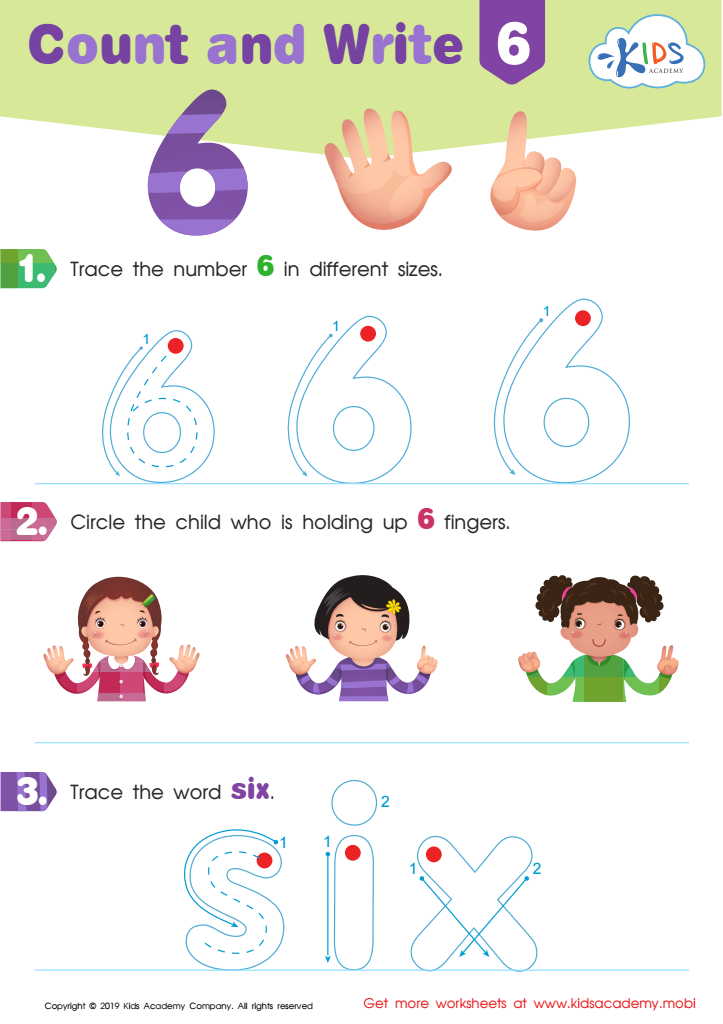
Count and Write 6 Worksheet
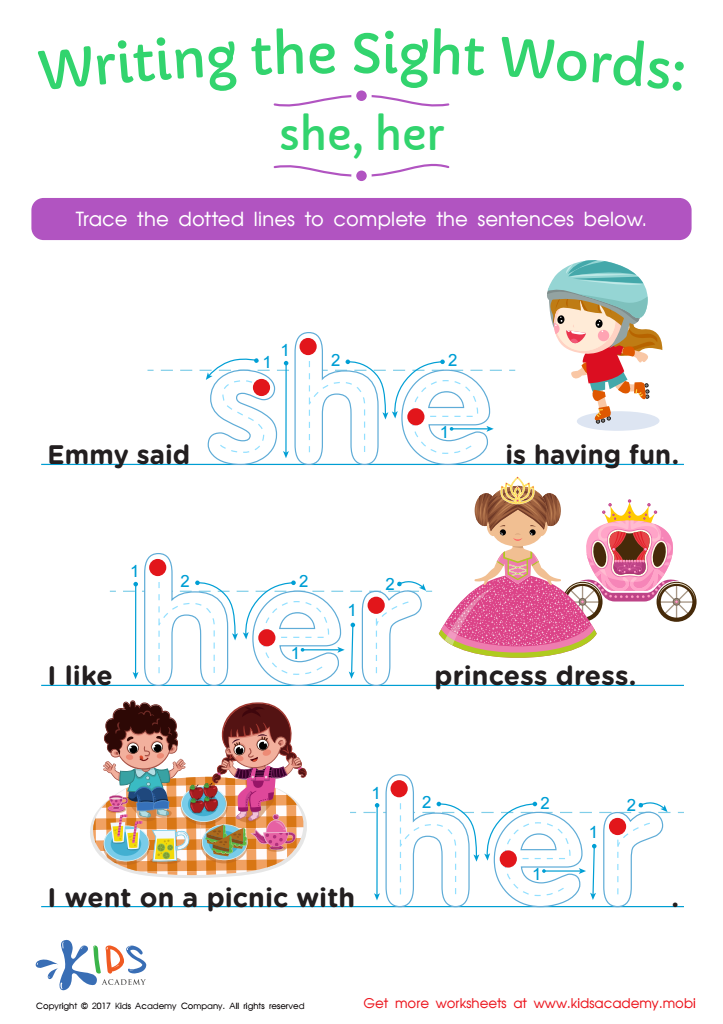
She, Her Printable Sight Words Worksheet
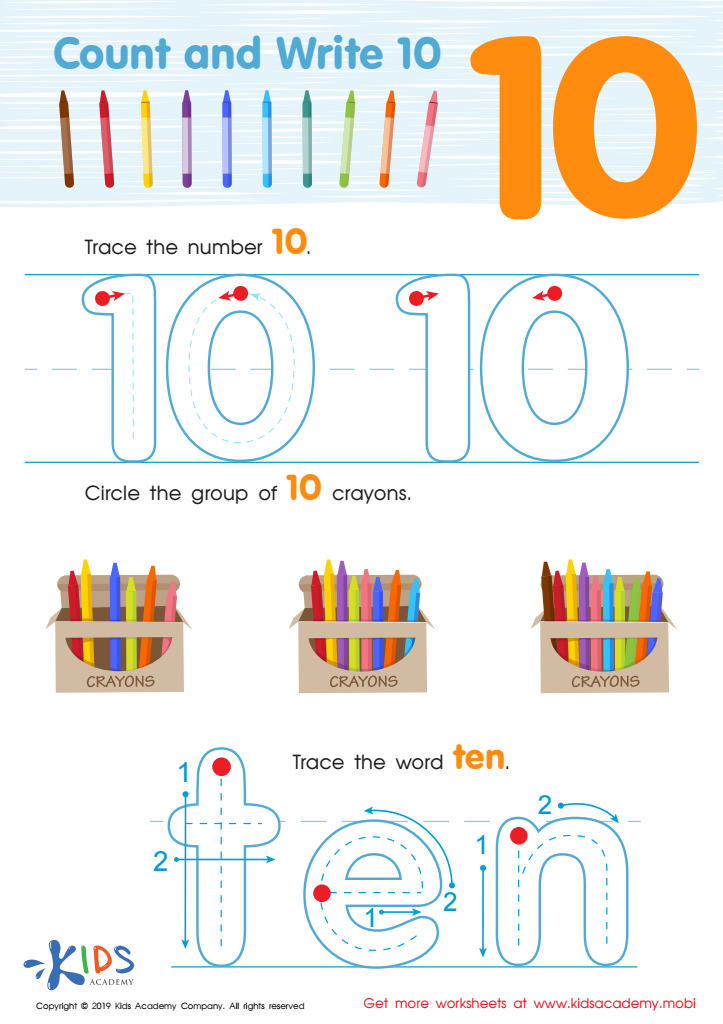
Count and Write 10 Worksheet
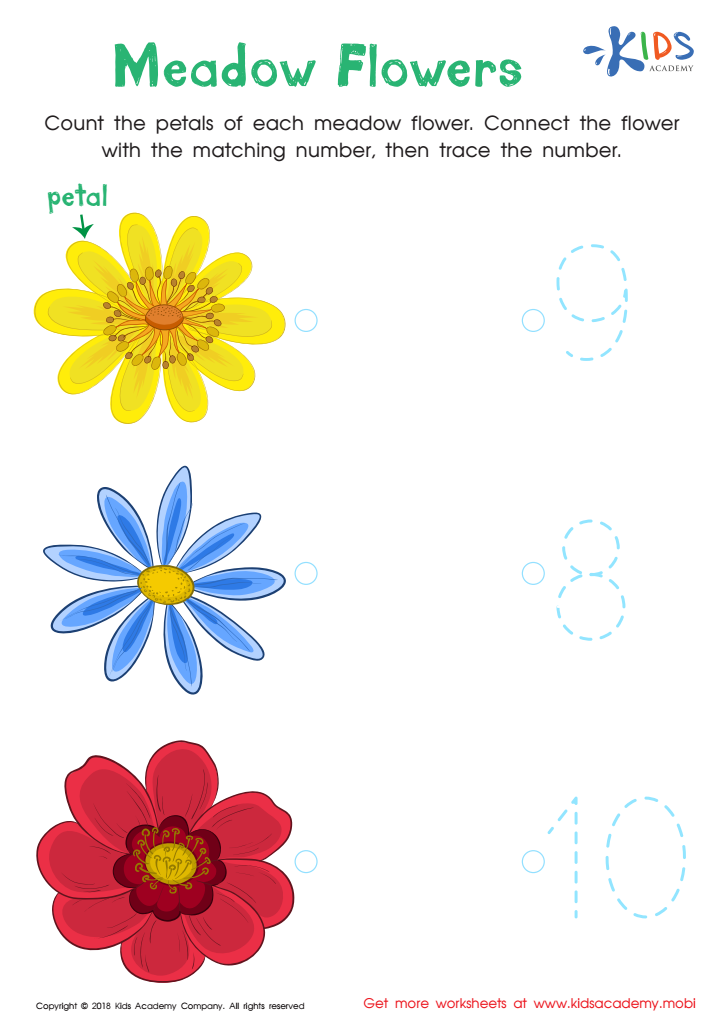
Kindergarten Number Tracing: Medow Flowers Worksheet
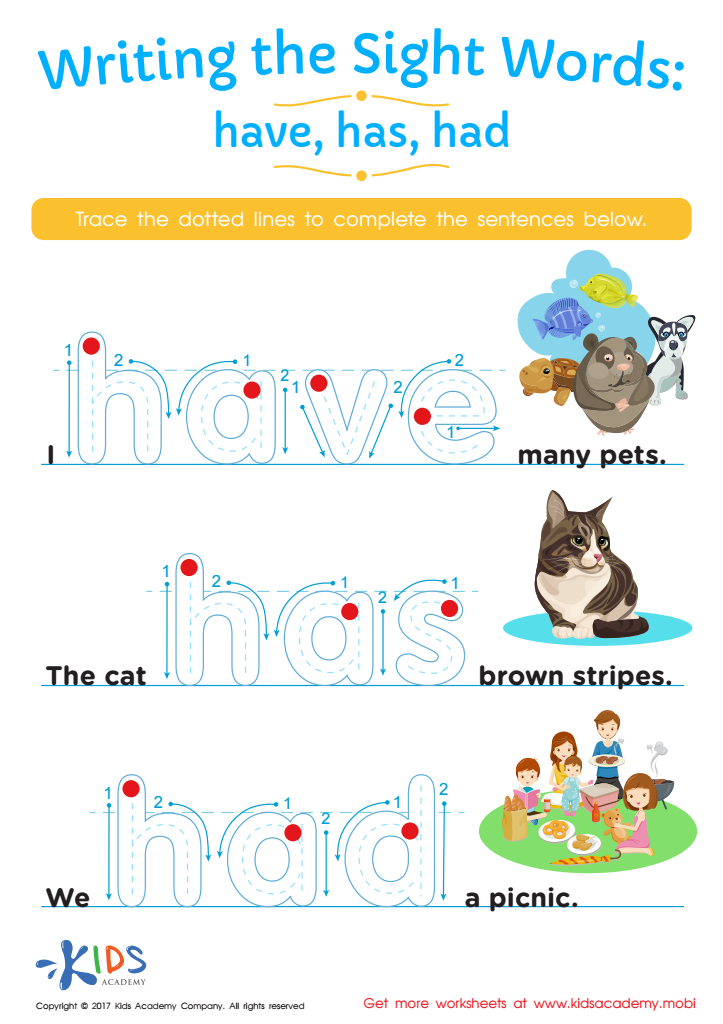
Have, Has, Had Worksheet Sight Words Worksheet







Tracing activities are crucial for children aged 3-9 as they serve multiple developmental purposes that parents and teachers should prioritize. Firstly, these activities enhance fine motor skills, which are essential for writing and other hands-on tasks. By practicing tracing, children learn to control their hand movements, leading to improved dexterity and coordination.
Moreover, tracing activities foster cognitive development by reinforcing letter recognition, shapes, and numbers, contributing to early literacy and numeracy skills. Understanding the formation of letters and numbers lays a foundational basis for reading and math, critical areas in a child's development.
Additionally, engaging in tracing promotes focus and concentration, teaching children to follow sequences and develop patience as they practice. Tracing activities are also enjoyable and can be structured to align with thematic concepts, making learning interactive and fun.
Parents and teachers should care about these activities as they not only support academic readiness but also nurture a child's confidence and creativity. By integrating tracing into early education, caregivers ensure children develop essential skills while enjoying the learning process. Ultimately, these activities contribute to a well-rounded foundation for academic success and lifelong learning.








