Filters

29 filtered results

Clear all filters
Favorites
With answer key
Interactive

29 filtered results

Difficulty Level

Grade


Check out this FREE Logical Thinking Trial Lesson for age 7-9!

What Is Chess?

Favorites
With answer key
Interactive
  • Logical Thinking
  • 7-9
  • With answer key
Birds of a Feather: Commutative Property Worksheet

Birds of a Feather: Commutative Property Worksheet

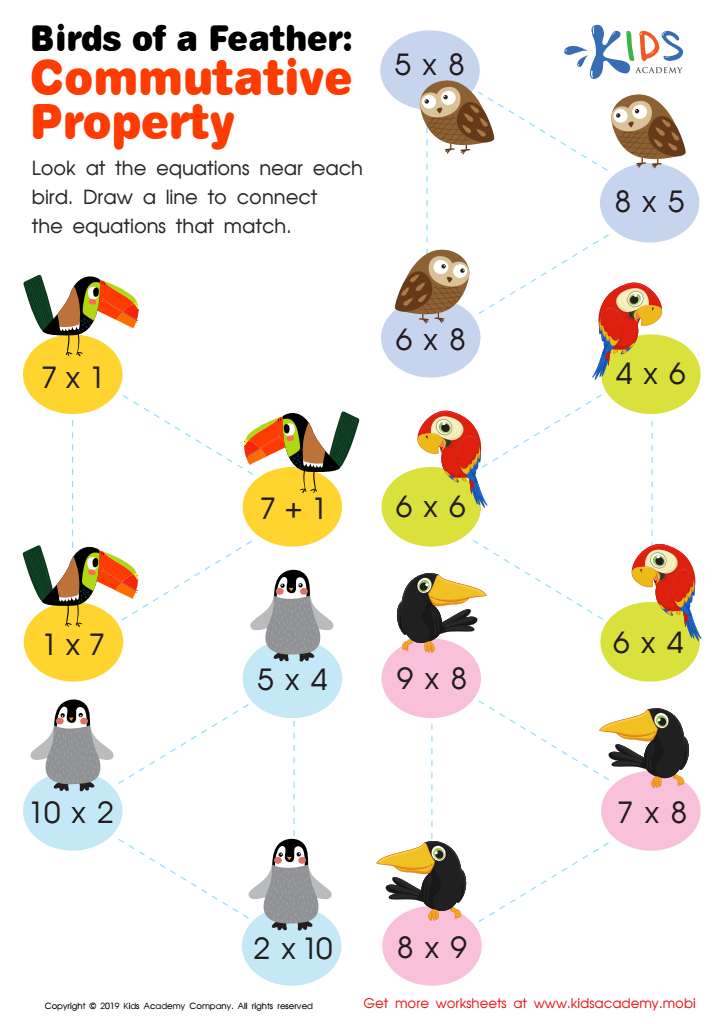
The commutative property states that order of factors doesn't affect the product. Use it to help your kids solve simple problems. If they love birds, they'll love the colorful worksheet to identify exotic ones. Practicing is the best way to understand difficult topics. Look at the equations in this tracing sheet; help them draw a line to connect equations that match.
Birds of a Feather: Commutative Property Worksheet
Worksheet
Chess Facts Bingo Worksheet

Chess Facts Bingo Worksheet

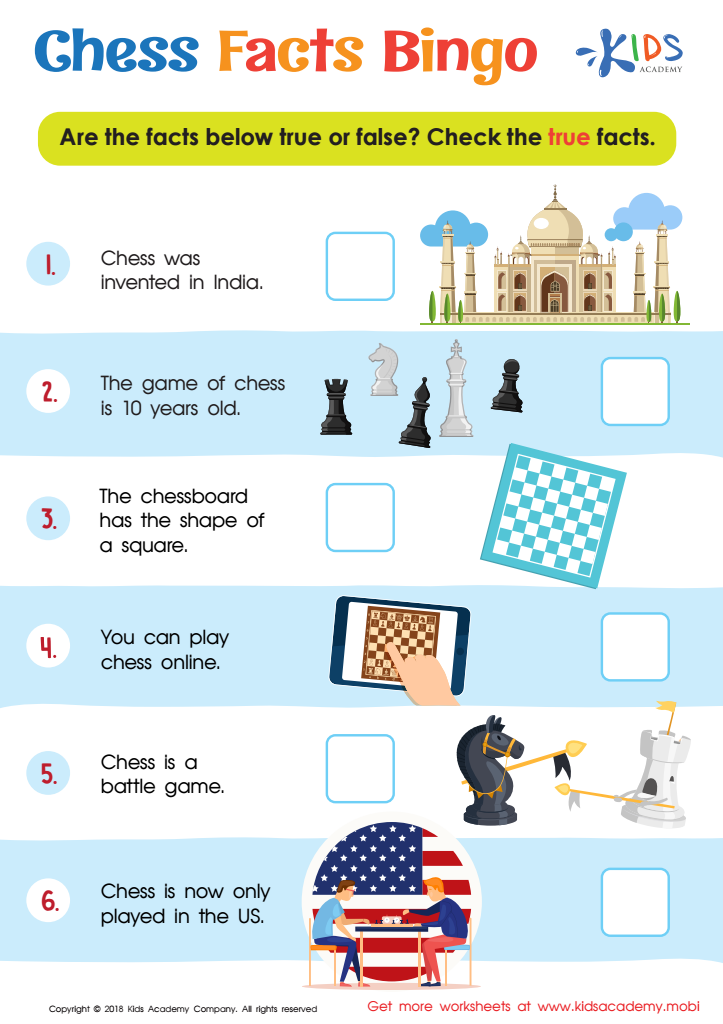
Help your child assess their knowledge of chess with our simple worksheet. It contains six questions; read them to your child and ask them if the statements are true or false. Once they check the boxes for the true statements, you'll have a better understanding of their understanding of the game.
Chess Facts Bingo Worksheet
Worksheet
Rook and Bishop Worksheet


Rook and Bishop Worksheet

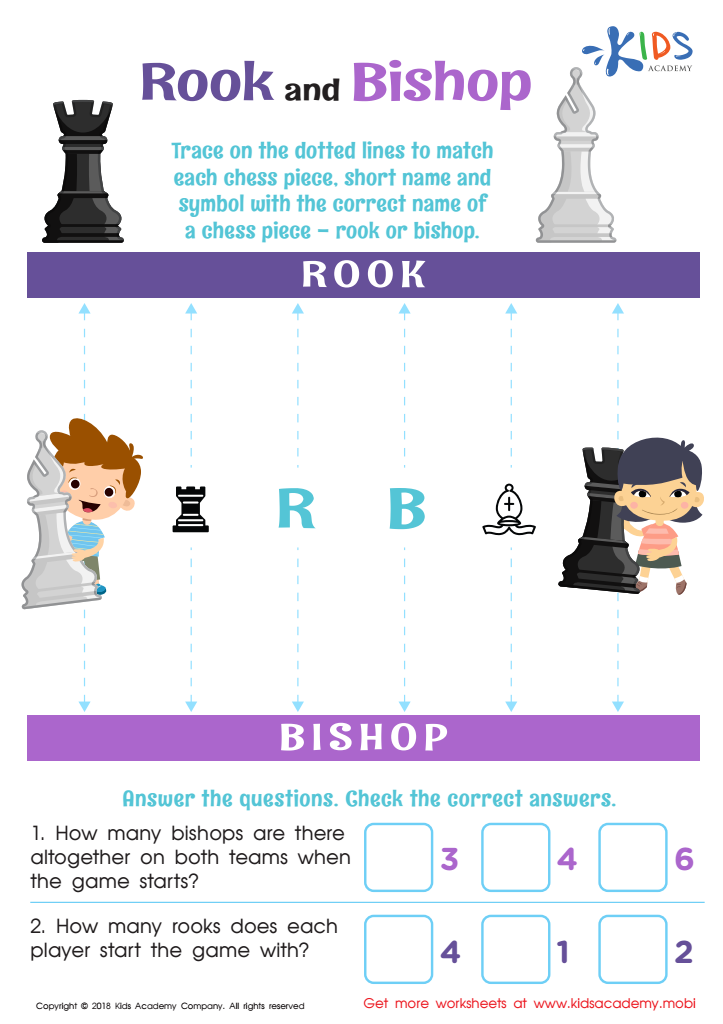
This tracing sheet helps your child learn chess pieces by matching each piece, short name and symbol to the correct name. After tracing, have them answer the questions and check their answers. It's a great way for them to become familiarized with chess.
Rook and Bishop Worksheet
Worksheet
Pattern Recognition Worksheet

Practice Patterns Worksheet

Practice Patterns Worksheet
Worksheet
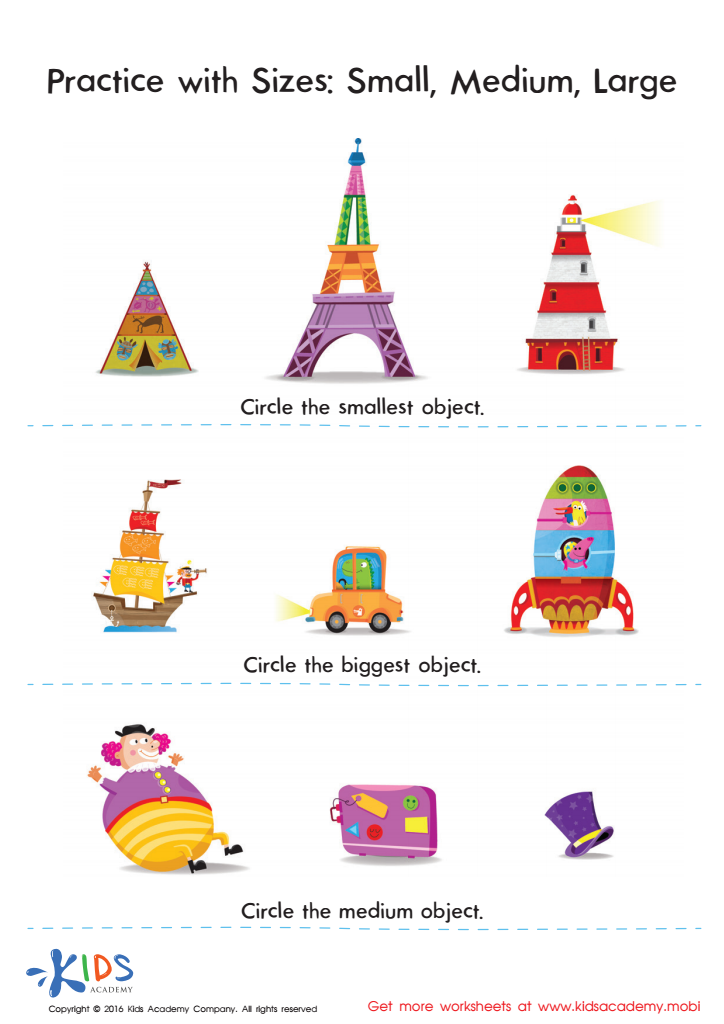
Size Worksheet: Big, Small, Medium

Practice with Sizes Size Worksheet

Practice with Sizes Size Worksheet
Worksheet


Parents and teachers should prioritize logical thinking activities for children ages 7-9 because these activities lay the foundation for critical reasoning and problem-solving skills essential in today’s world. During this developmental stage, children are not only refining their cognitive abilities, but they are also learning to navigate complex social scenarios. Engaging in logical thinking activities helps them develop skills like analysis, synthesis, and evaluation.

These activities promote curiosity and enhance a child’s ability to think through challenges, which is vital for academic success and life skills. When children regularly engage in puzzles, riddles, and strategic games, they learn how to approach problems methodically, weigh options, and predict outcomes. Over time, these experiences build confidence in their decision-making abilities.

Moreover, logical thinking activities can be enjoyable and interactive, fostering collaborative skills as children often work in groups or pairs. This social component encourages communication and teamwork. By integrating such activities into learning frameworks, parents and educators can better prepare children to face increasingly complex information and situations, ensuring they grow into adept thinkers equipped for future challenges, both academically and personally.