Mazes Worksheets Activities With Answers for Ages 7-9 - Page 3
53 filtered results
-
From - To
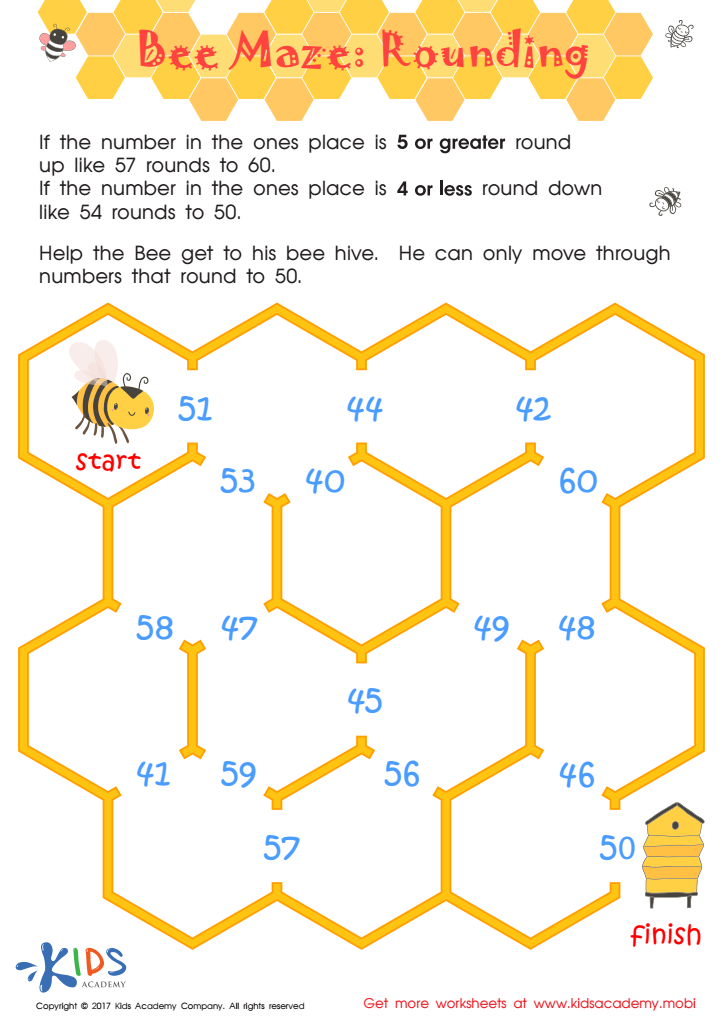
Bee Maze Worksheet
 Assign to My Students
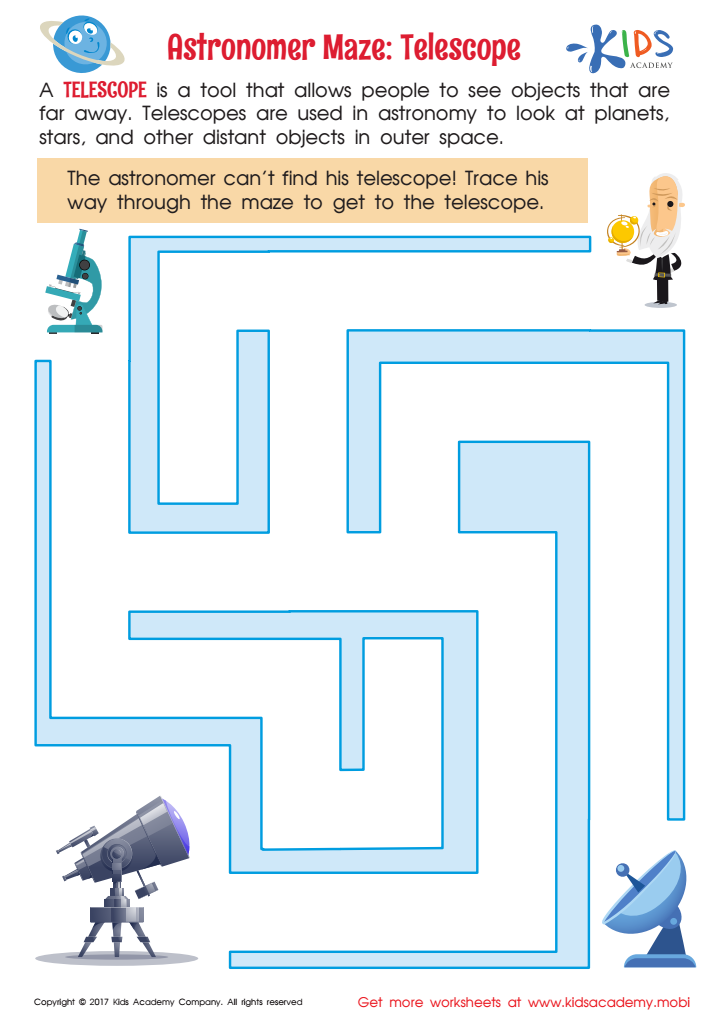
Astronomer Maze: Telescope Worksheet
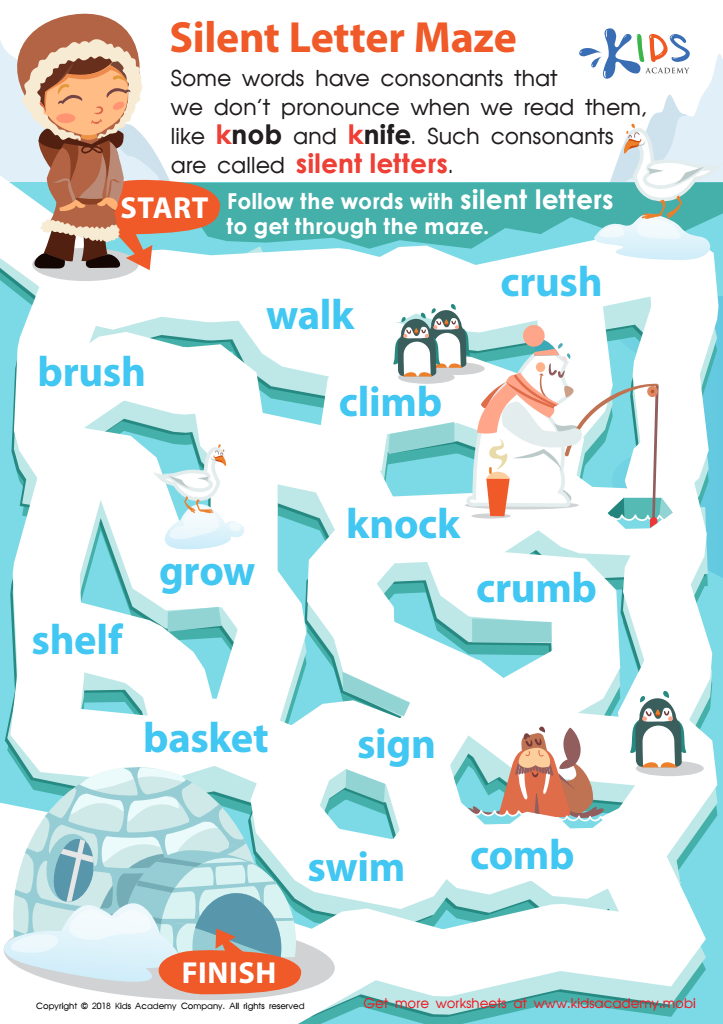
Silent Letter Maze Worksheet
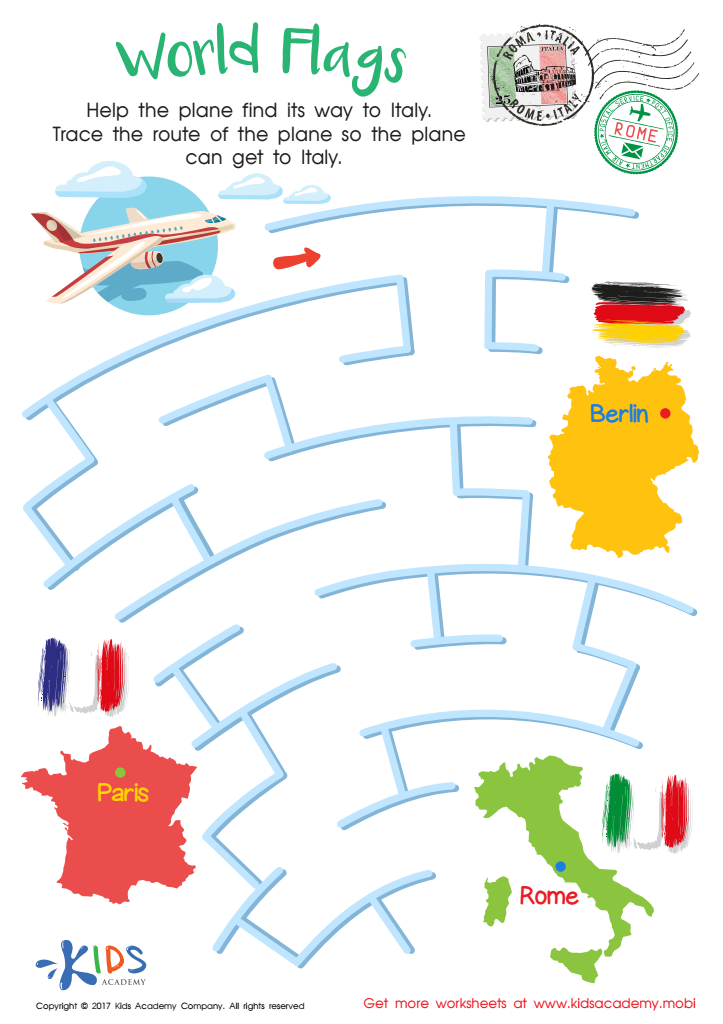
World Flags Maze Worksheet
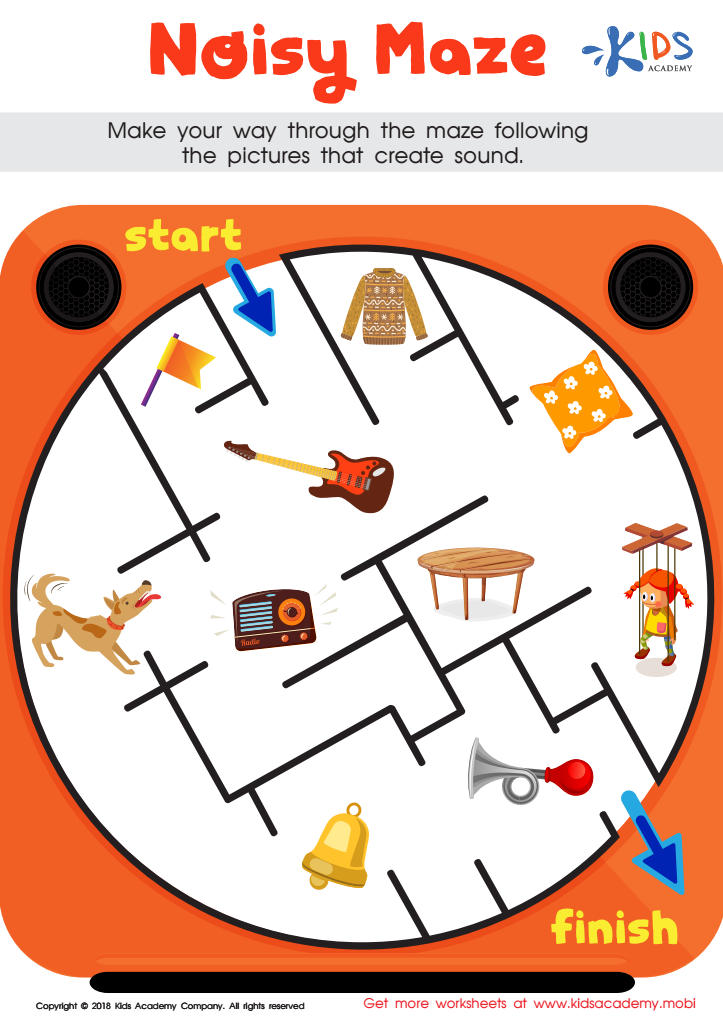
Noisy Maze Worksheet







Mazes offer much more than just a fun distraction for children aged 7-9; they are powerful tools for cognitive development. Parents and teachers should prioritize maze activities as they encourage critical thinking and problem-solving skills. When children navigate through mazes, they learn to plan their movements and think strategically, essential skills that contribute to both academic success and daily life.
Furthermore, maze activities enhance fine motor skills as children carefully trace paths with pencils or crayons. This practice promotes hand-eye coordination and can aid in developing writing skills, an essential foundation for literacy.
Mazes also provide a sense of accomplishment when completed, boosting children’s self-esteem and resilience. Challenges faced during these activities teach kids how to persevere and find solutions—a vital life skill.
Additionally, mazes can be turned into a collaborative activity, fostering teamwork when done in groups. This social interaction can improve communication skills and make learning engaging and enjoyable.
In summary, incorporating maze activities into learning routines is a valuable investment in a child’s cognitive, motor, and social development. They amalgamate fun with learning, making them an ideal choice for parents and educators aiming to nurture well-rounded, capable individuals.








