Easy Connecting the Dots Worksheets Activities With Answers for Ages 3-7
3 filtered results
-
From - To
Discover fun and engaging "Connecting the Dots" worksheets specially designed for children aged 3-7. These easy activities not only provide hours of entertainment but also promote essential skills such as number recognition, hand-eye coordination, and following instructions. Each worksheet is filled with delightful illustrations that children will love to complete. With clear answer keys, parents and teachers can easily guide young learners through the process. Perfect for classroom use or at-home learning, these worksheets foster creativity, patience, and fine motor skills. Explore our collection today and watch your child develop confidence and joy in their learning journey!
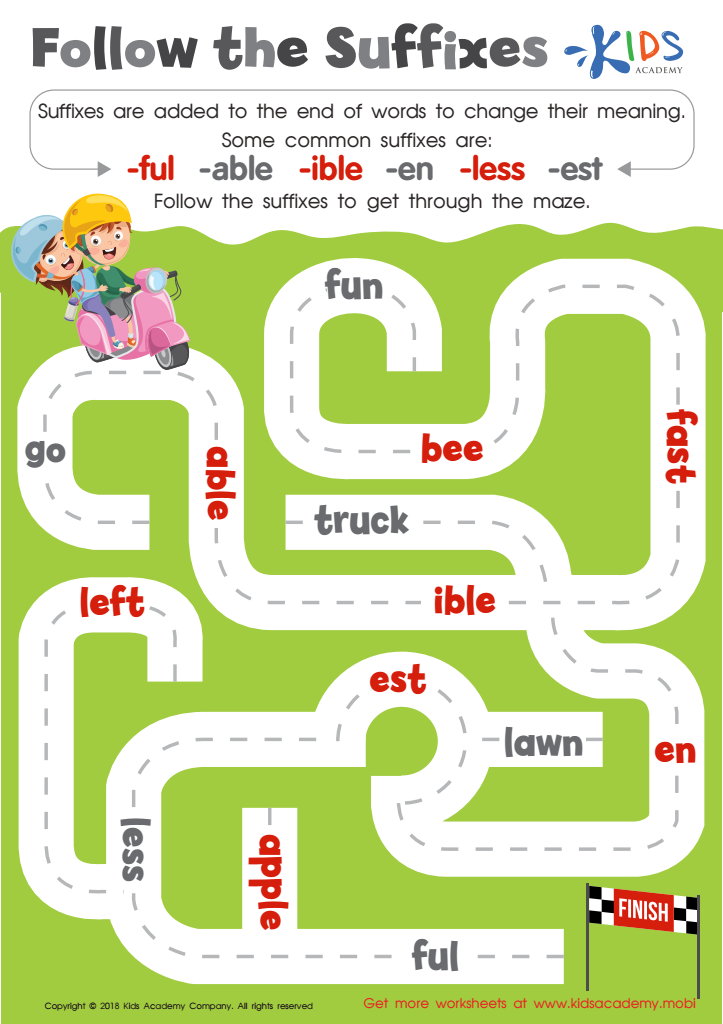
Reading: Follow the Suffixes Worksheet
 Assign to My Students
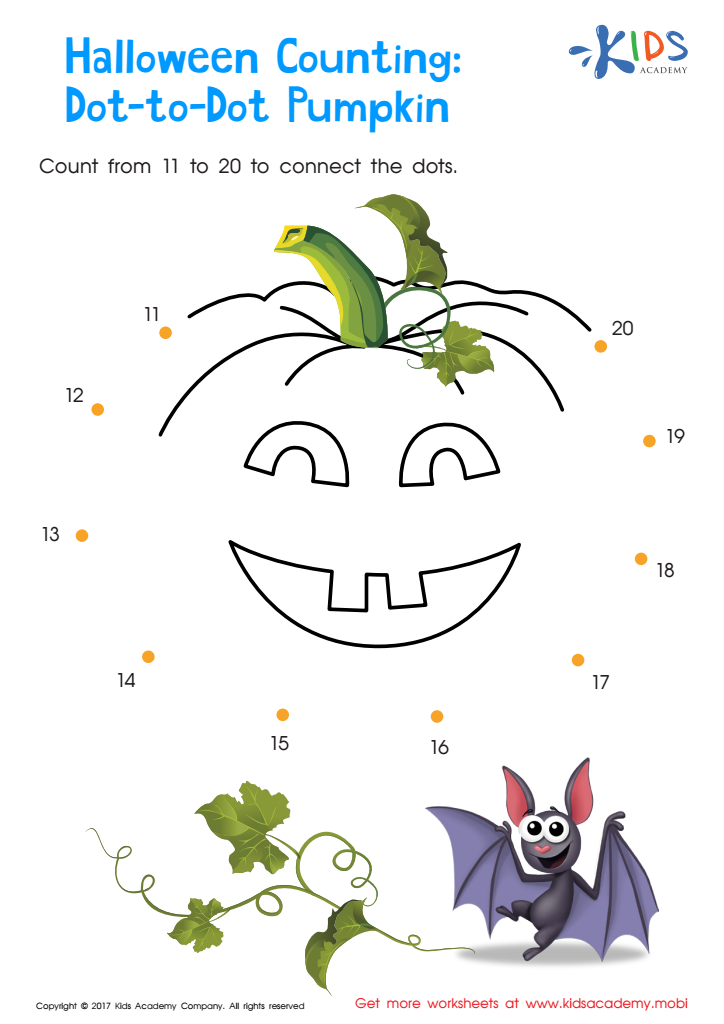
Ordering 11–20: Halloween Counting Worksheet
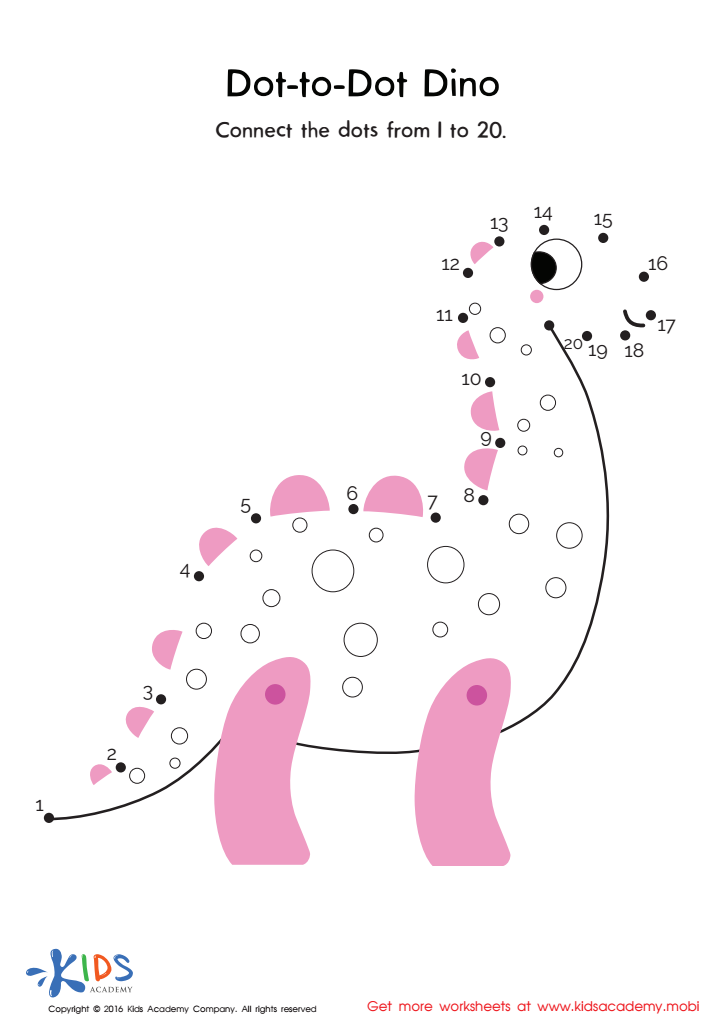





Easy Connecting the Dots activities are an invaluable resource for parents and teachers of children aged 3-7. These engaging activities not only enhance fine motor skills as children practice holding writing instruments and controlling their movements, but they also promote cognitive development. By connecting dots, young learners improve their hand-eye coordination and concentration, essential skills for future learning endeavors.
Moreover, these activities offer a simple yet effective way to cultivate counting and number recognition skills. As children connect numbers sequentially, they reinforce their ability to understand numerical order and basic math concepts in a playful manner. Additionally, connecting the dots fosters creativity; as children complete a picture, they can explore colors and shapes, encouraging artistic expression.
Easy Connecting the Dots activities also provide a sense of accomplishment when children complete a picture, boosting their confidence and motivation. They strengthen parent-child and teacher-student interactions too, as adults can guide and support learners in the process. Ultimately, these activities create a foundation for essential skills and a love for learning, making them a must-have for anyone involved in early childhood education. Prioritizing these fun-filled learning opportunities can significantly impact children's development and enthusiasm for future challenges.








