Easy Building Vocabulary Worksheets Activities With Answers for Ages 3-8
6 filtered results
-
From - To
Explore our Easy Building Vocabulary Worksheets designed for children aged 3-8! These engaging activities foster language development and enhance vocabulary skills through fun and interactive exercises. Each worksheet focuses on essential words and concepts, making learning enjoyable and effective. With diverse themes and colorful illustrations, children will love practicing new vocabulary in a supportive environment. Our answer keys ensure that parents and teachers can easily assess progress and understanding. Perfect for at-home learning or in the classroom, these worksheets are a fantastic resource for nurturing young learners' communication abilities. Start building your child's vocabulary today!
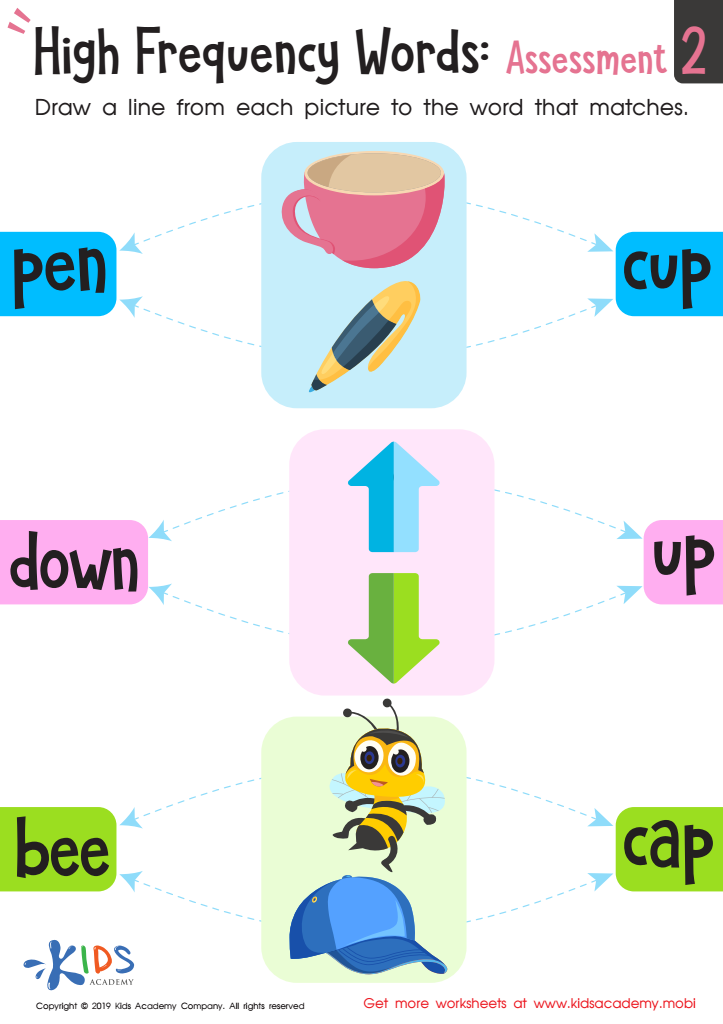
High Frequency Words: Assessment 2 Worksheet
 Assign to My Students
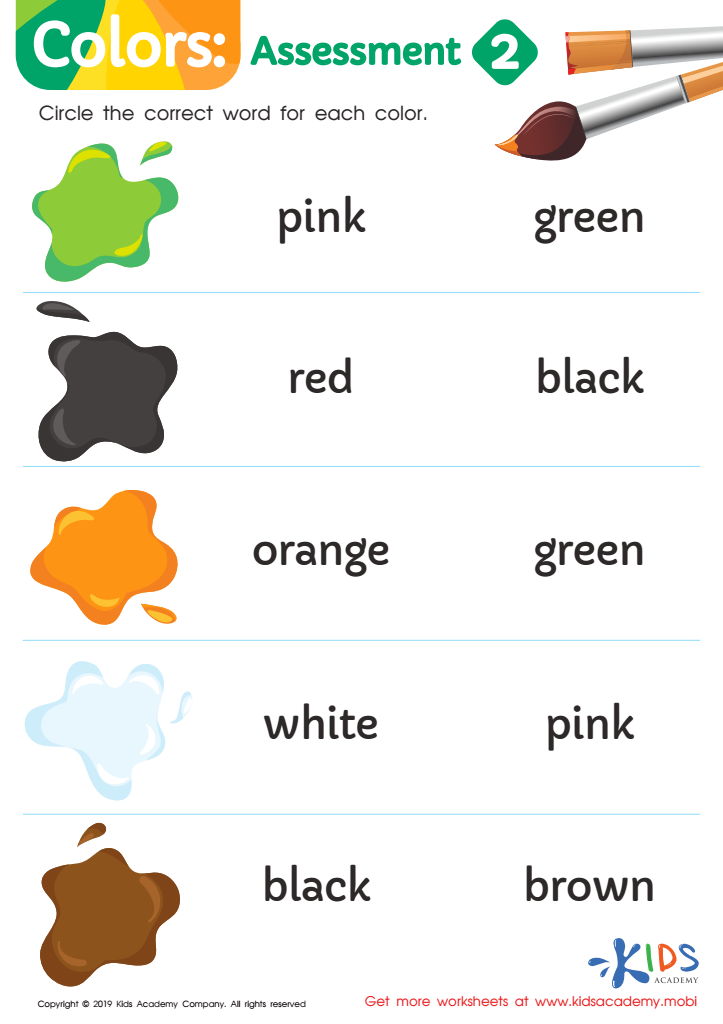
Colors: Assessment 2 Worksheet
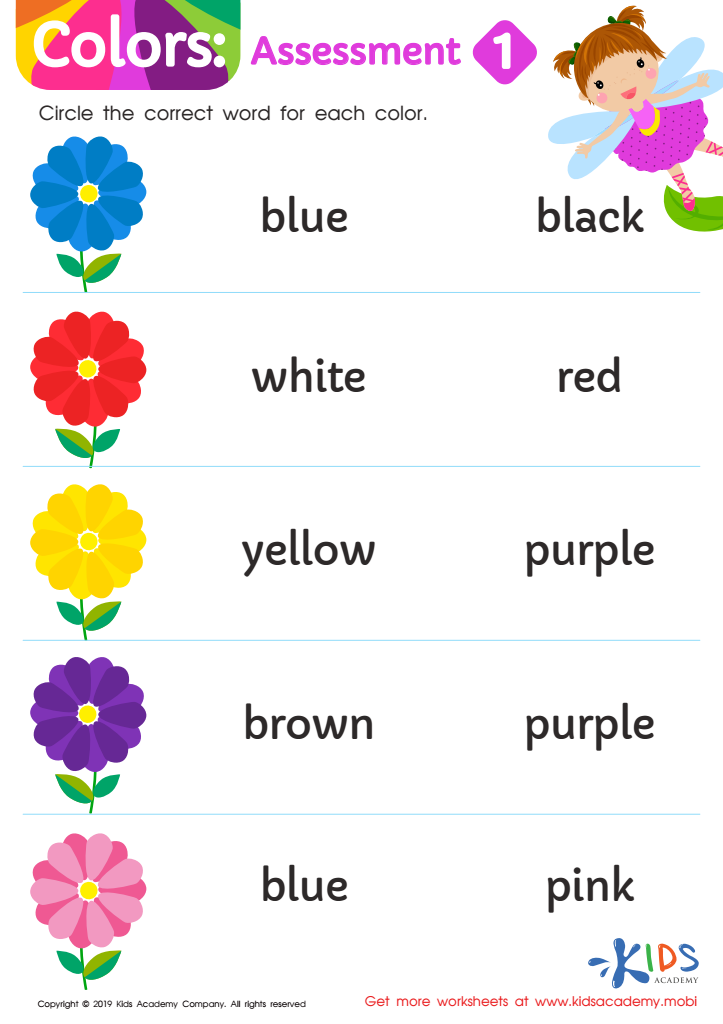
Colors: Assessment 1 Worksheet
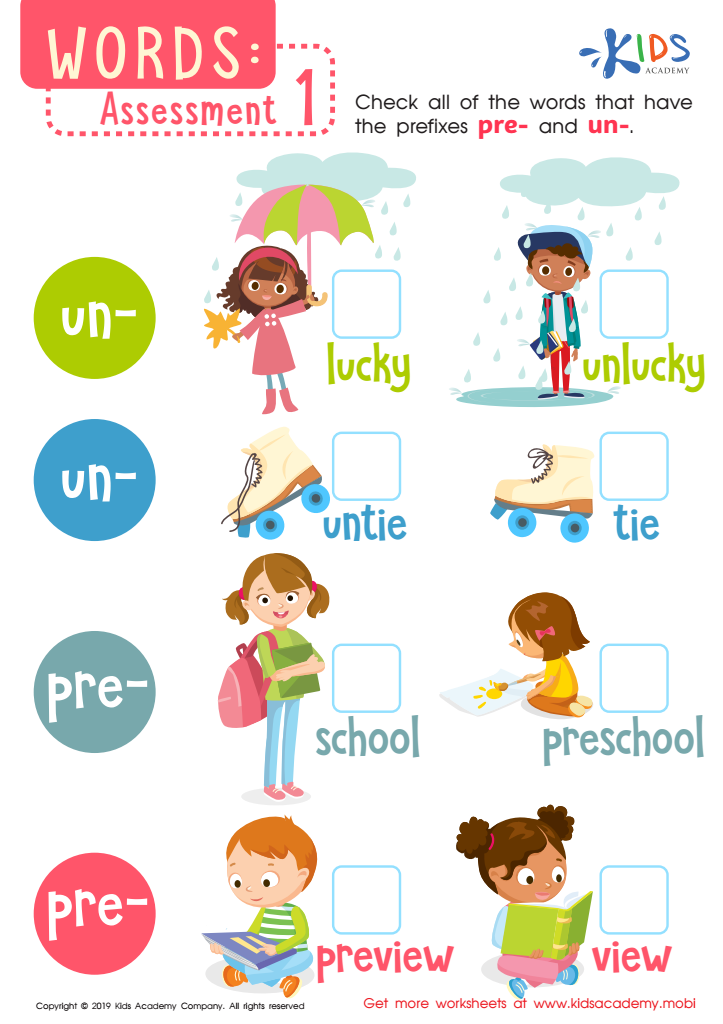
Words: Assessment 1 Worksheet
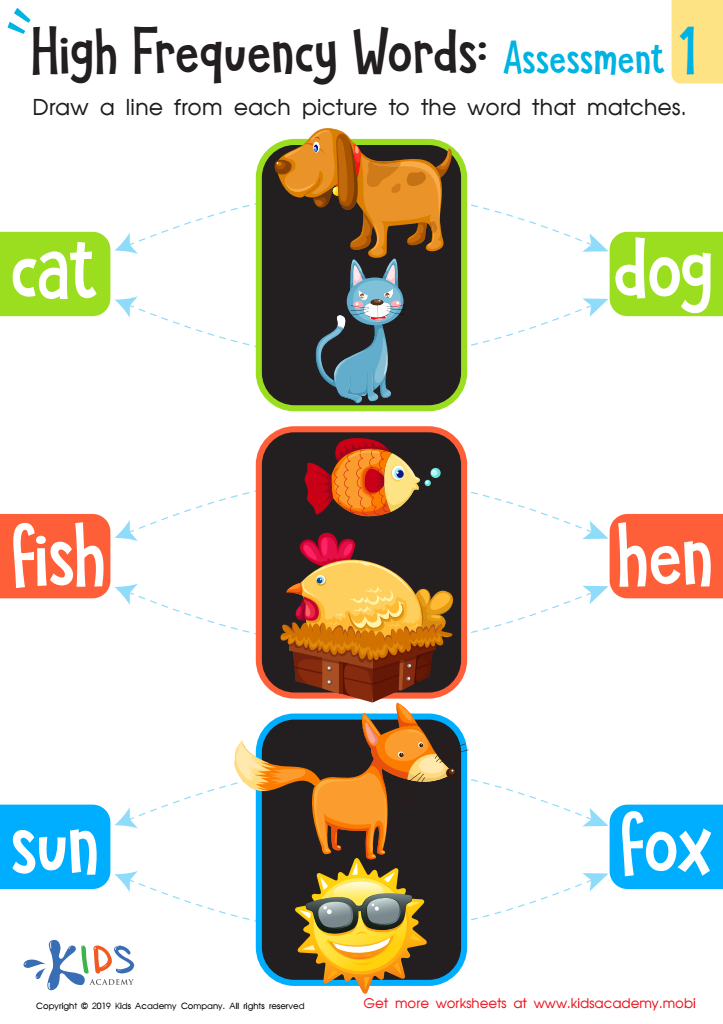
High Frequency Words: Assessment 1 Worksheet
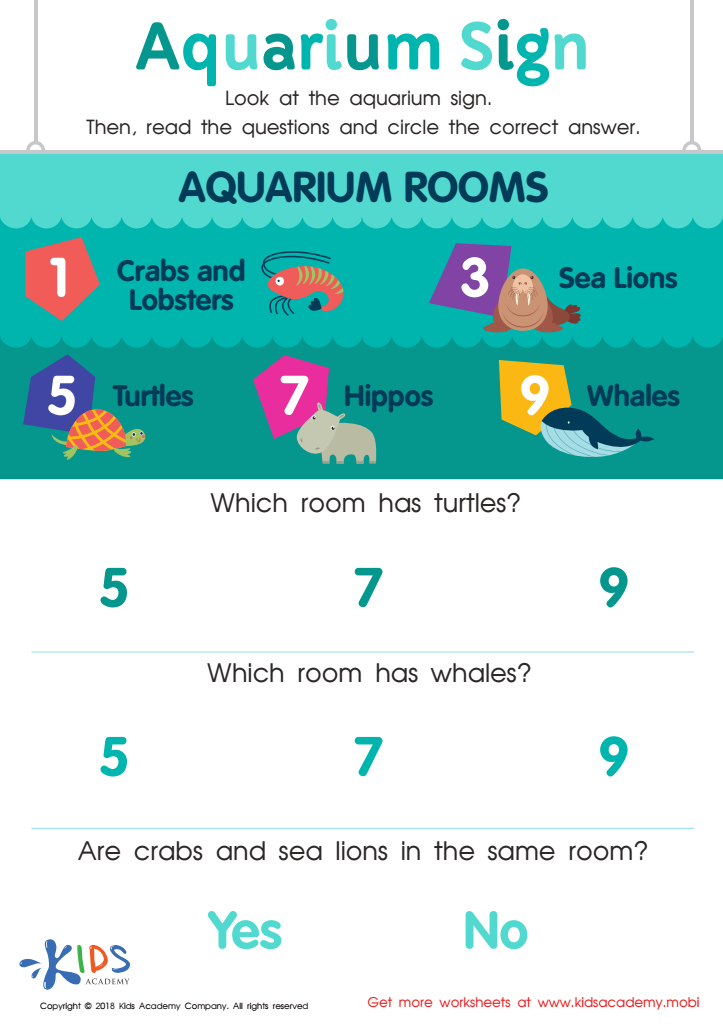
Assessment: Aquarium Sign Worksheet






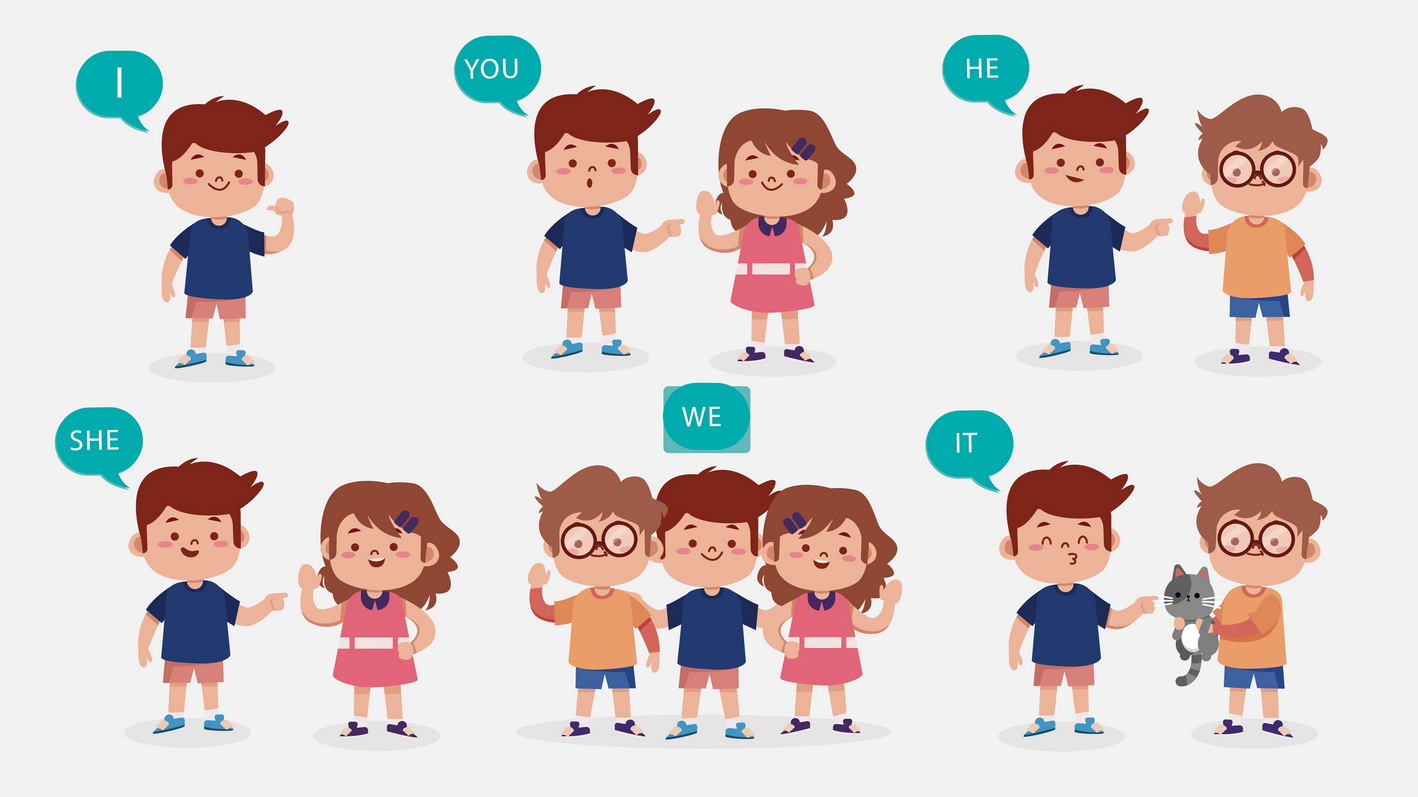
.jpg)
Parents and teachers should care about Easy Building Vocabulary Activities for Ages 3-8 because vocabulary development is crucial for early literacy and overall academic success. During these formative years, children are like sponges, rapidly absorbing new words and language concepts. Engaging in fun vocabulary activities not only makes learning enjoyable but also reinforces comprehension skills and boosts confidence in using language effectively.
These activities often include interactive and playful approaches, such as rhymes, games, and visuals, that cater to young learners' developmental stages. By incorporating these engaging methods, both parents and teachers can foster an environment where children feel encouraged to explore, express, and connect ideas through words.
Furthermore, a strong vocabulary foundation enhances children's abilities to read, write, and communicate, laying the groundwork for lifelong learning. By focusing on vocabulary building, caregivers can help children articulate their thoughts, understand complex concepts, and grasp various subjects in school more effectively.
Ultimately, Easy Building Vocabulary Activities create opportunities for meaningful interactions, turning routine learning into cherished moments, promoting a love for words, and setting children on a path towards future academic success. Families and educators play a vital role in empowering children through language; these resources are crucial tools in that endeavor.








