Easy Building Vocabulary Worksheets Activities With Answers for Ages 4-9
6 filtered results
-
From - To
Welcome to our collection of Easy Building Vocabulary Worksheets for ages 4-9! These engaging activities are designed to enhance your child's vocabulary while making learning fun. From simple word associations to creative matching games, each worksheet helps children explore new words and strengthens their language skills. Accompanied by answer keys, our worksheets offer quick feedback to foster learning. Perfect for home or classroom use, these resources cater to various learning styles and abilities. Empower your young learners to express themselves with confidence as they build a strong foundation in vocabulary. Explore our activities today and watch their language skills flourish!
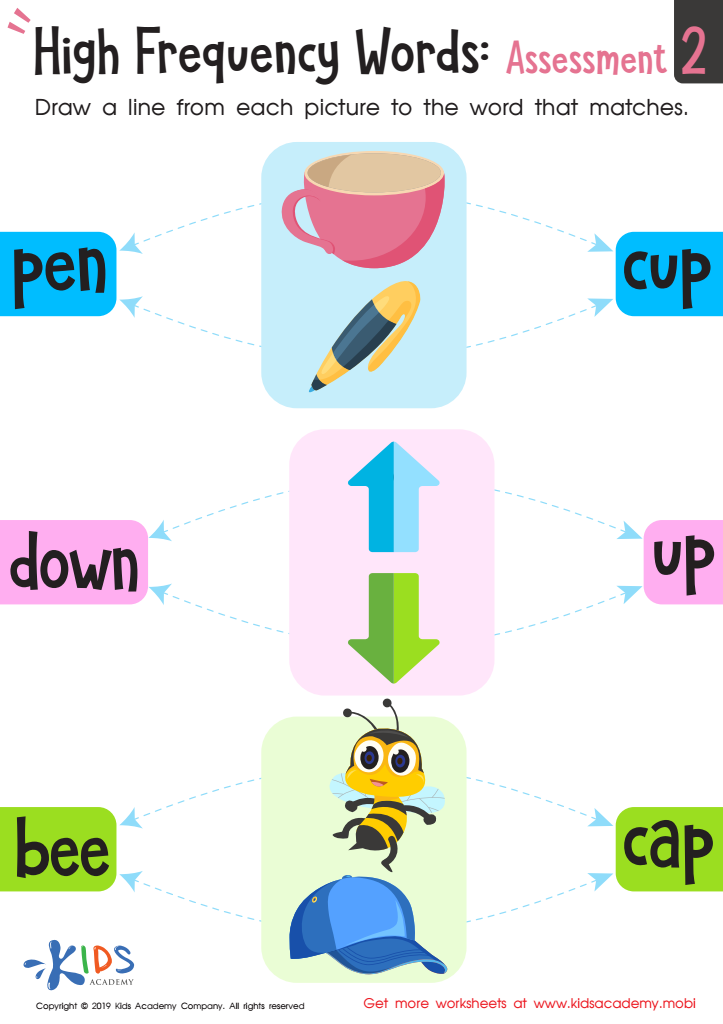
High Frequency Words: Assessment 2 Worksheet
 Assign to My Students
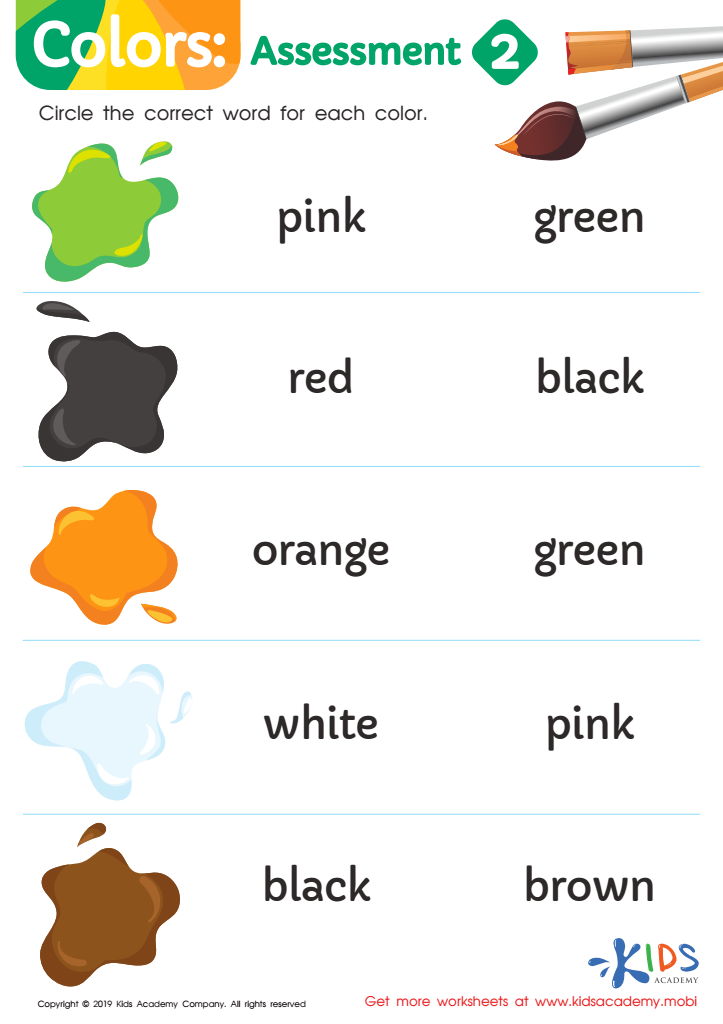
Colors: Assessment 2 Worksheet
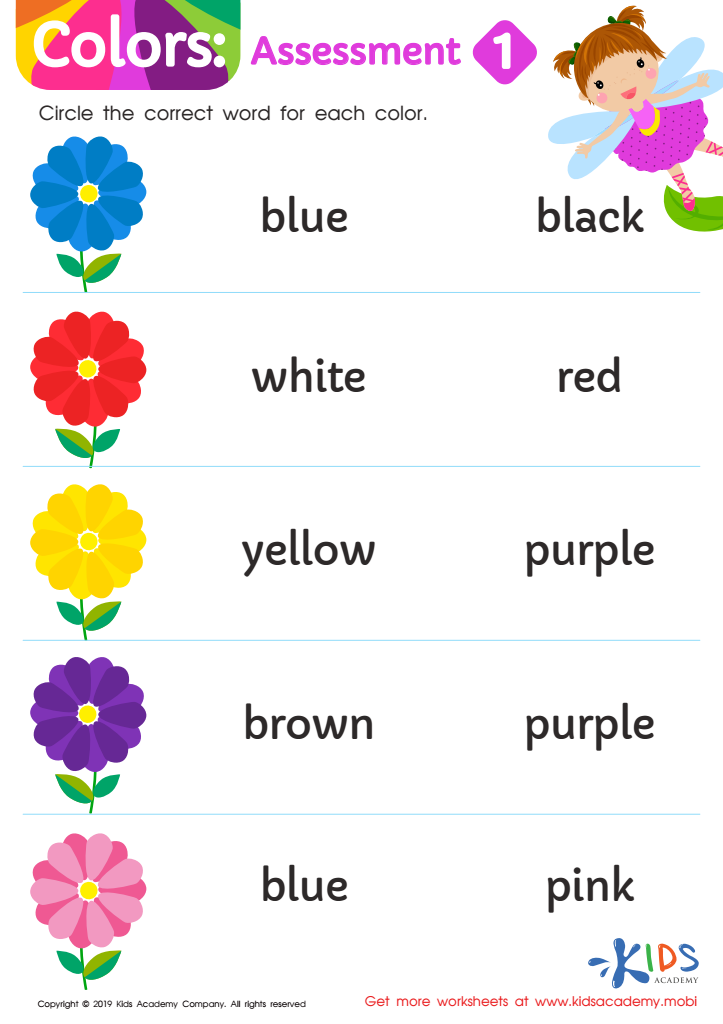
Colors: Assessment 1 Worksheet
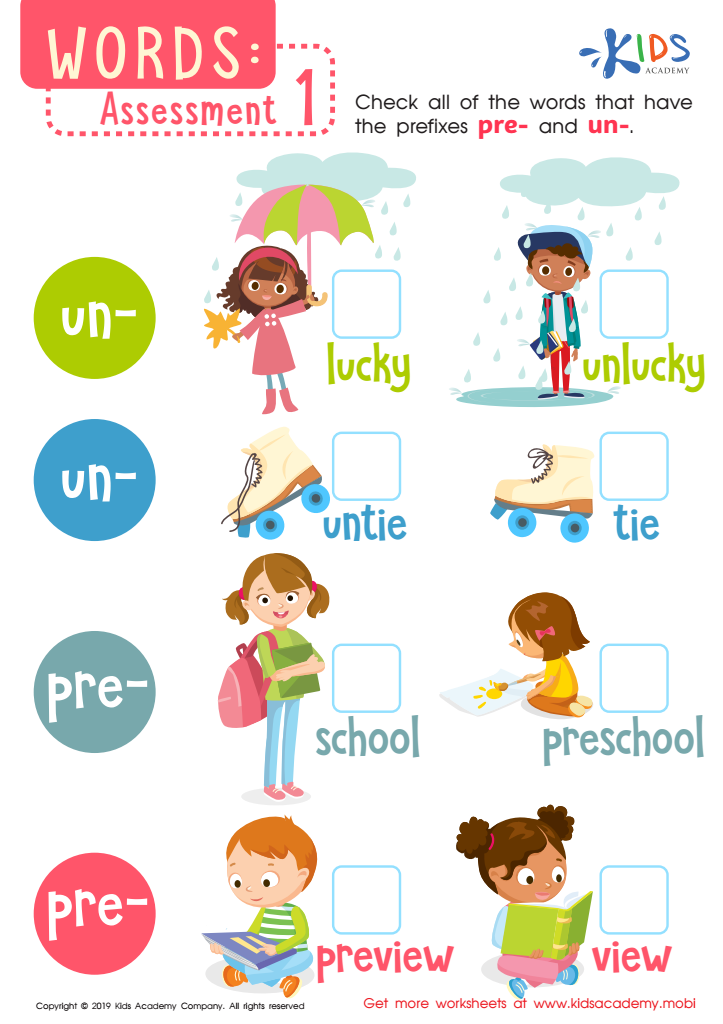
Words: Assessment 1 Worksheet
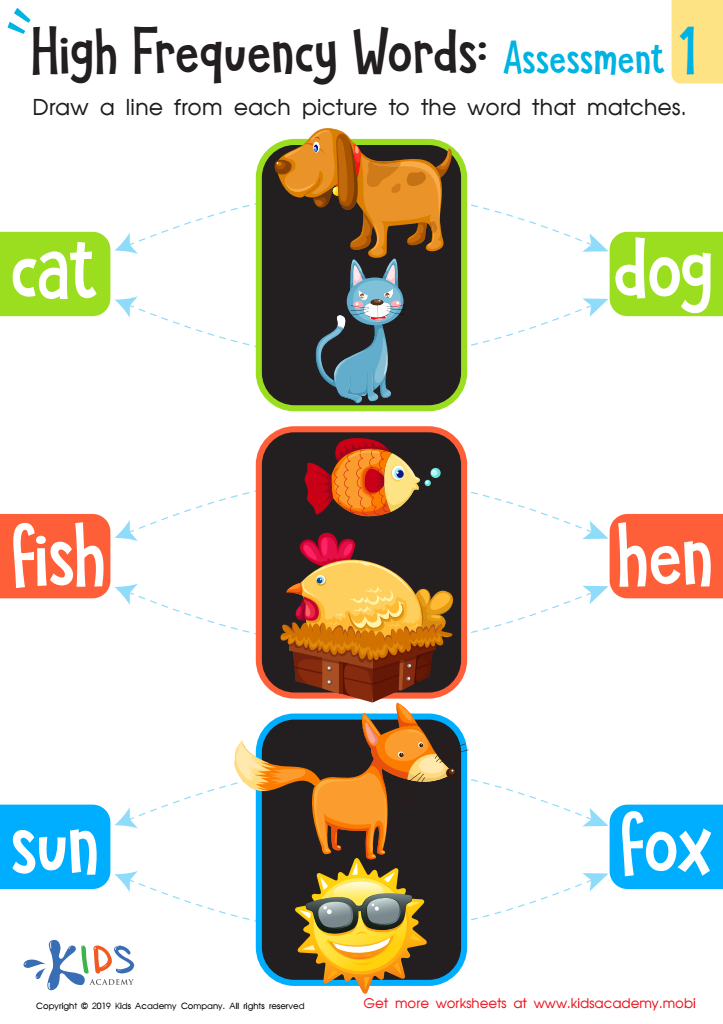
High Frequency Words: Assessment 1 Worksheet
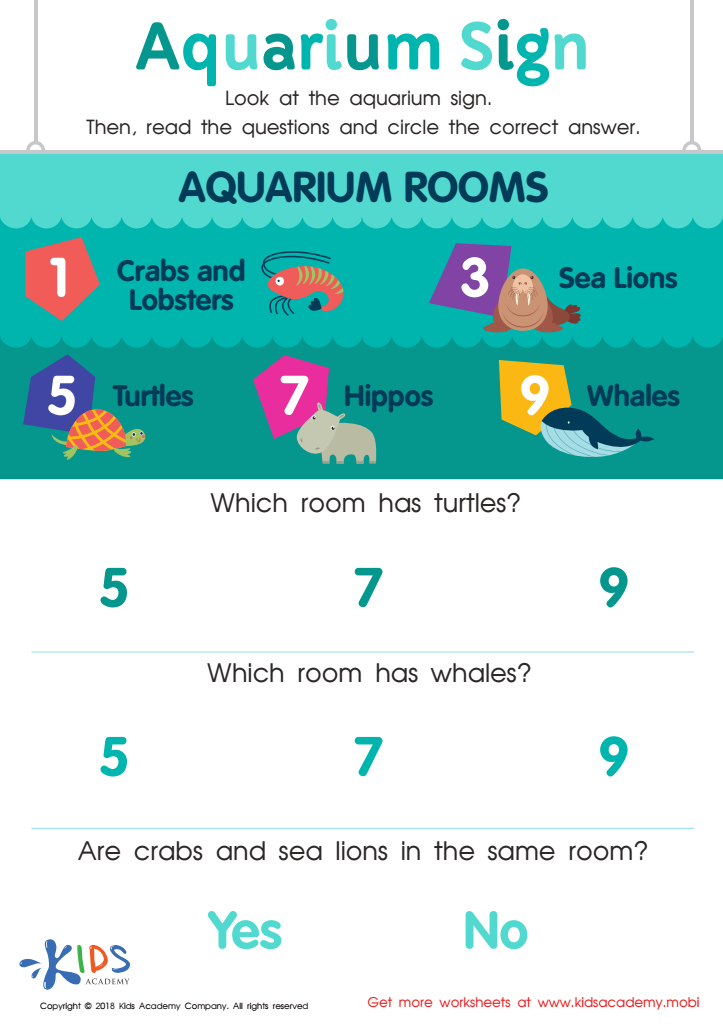
Assessment: Aquarium Sign Worksheet







Parents and teachers should prioritize Easy Building Vocabulary Activities With Answers for Ages 4-9 because these activities play a crucial role in developing language skills during early childhood. A strong vocabulary forms the foundation for reading comprehension, effective communication, and academic success. As children aged 4-9 are in a vital stage of cognitive and language development, engaging them with age-appropriate vocabulary activities can enhance their language acquisition naturally and joyfully.
Such activities not only introduce new words but also context and usage, increasing retention and understanding. They often involve play-based learning, making them enjoyable for children, which fosters a positive attitude toward learning. This can lead to a lifelong love for reading and language exploration.
Furthermore, providing answers increases confidence in parents and teachers, allowing them to facilitate constructive discussions and clarify doubts, ensuring that children grasp essential concepts effectively. Ultimately, investing time in vocabulary-building activities equips young learners with the tools they need to navigate their educational journey competently, setting them up for a brighter future both academically and socially. Supporting vocabulary development at this age is an invaluable investment in a child’s educational trajectory.








