Extra Challenge Phonics Worksheets Activities With Answers for Ages 3-7
3 filtered results
-
From - To
Enhance your child’s phonics skills with our Extra Challenge Phonics Worksheets designed for ages 3-7. These engaging activities focus on developing essential reading and writing abilities through fun and interactive exercises. Tailored for early learners, our worksheets promote phonetic awareness, helping children recognize sounds and improve vocabulary. Each activity comes complete with an answer key, enabling parents and educators to track progress easily. Encourage your child’s love for learning while challenging their skills with these thoughtfully crafted worksheets. Discover a world of phonics fun that builds confidence, supports literacy development, and prepares young minds for future academic success. Start today!
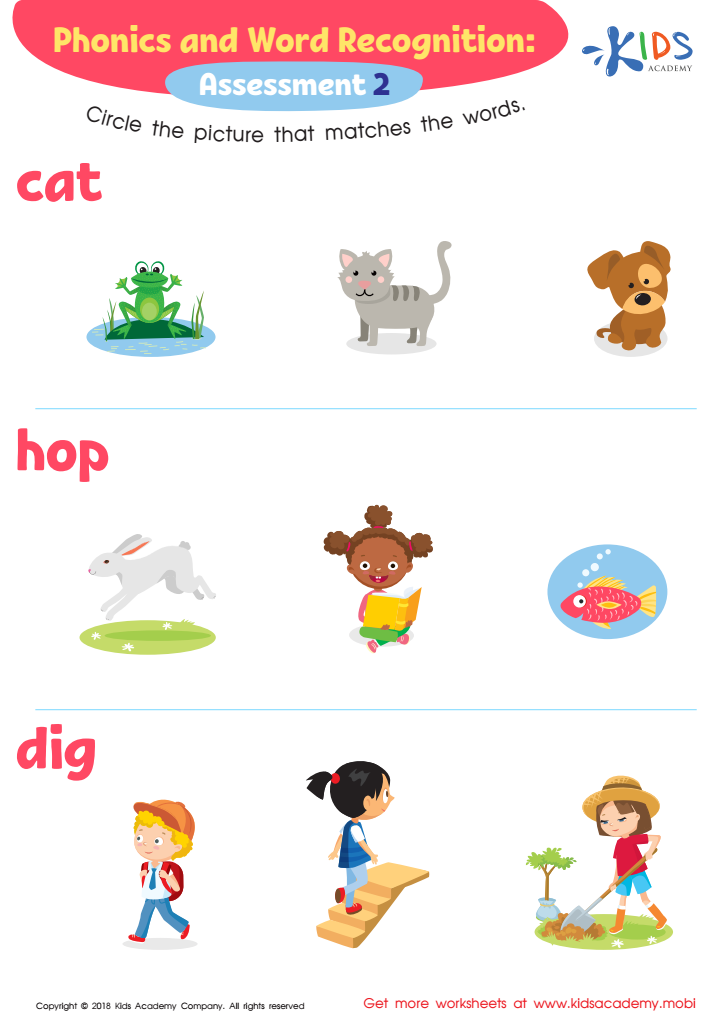
Phonological Awareness: Assessment 2 ELA Worksheet
 Assign to My Students
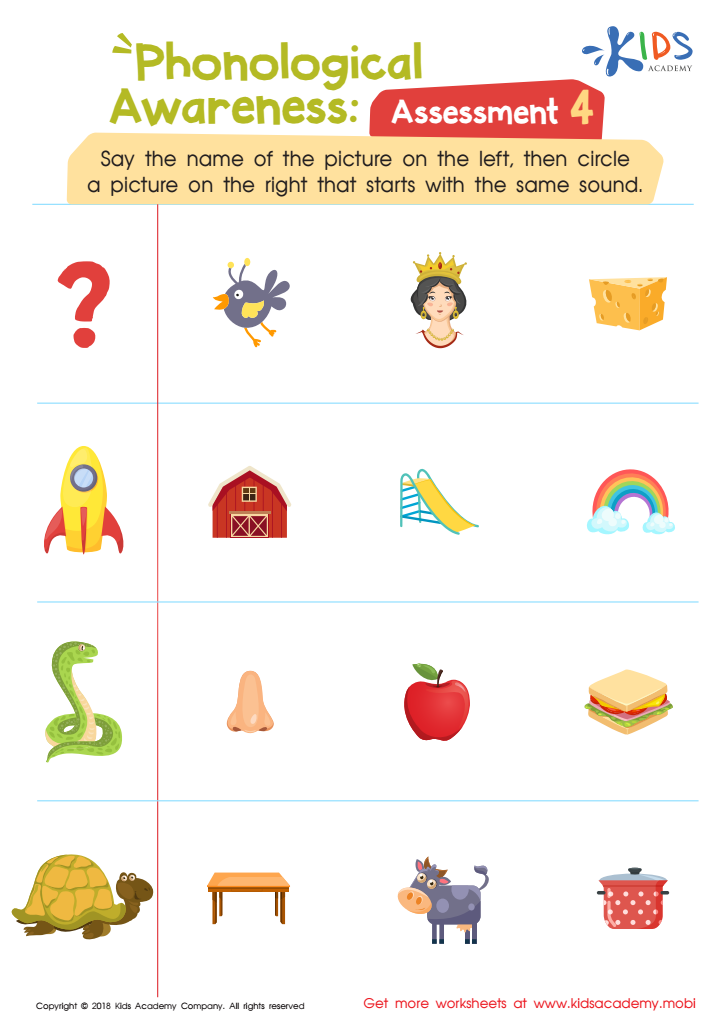
Phonological Awareness: Assessment 4 Worksheet
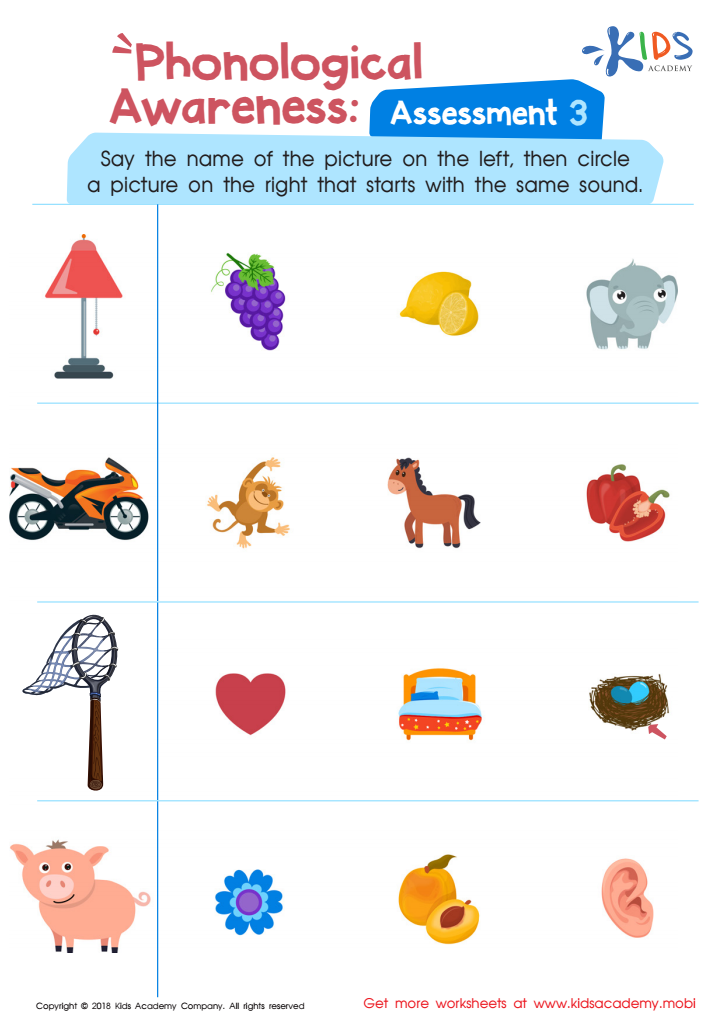
Phonological Awareness: Assessment 3 Worksheet





.jpg)


Extra Challenge Phonics Activities with Answers for ages 3-7 are essential tools for fostering early literacy skills in young children. These activities engage students in fun, interactive ways, making the learning process both enjoyable and effective. Phonics is foundational for reading and writing, as it helps children understand the relationship between letters and their sounds. By introducing phonics activities early on, parents and teachers can build strong literacy skills that will benefit children throughout their educational journey.
Moreover, these extra challenge activities allow children to enhance their phonetic decoding and word recognition skills beyond the standard curriculum. Opportunities for practice and reinforcement lead to greater confidence in their reading abilities. For educators, having clear answers to these activities aids in assessing and guiding students' progress effectively.
The age group of 3-7 is crucial for brain development, and introducing phonics during this period instills a love for reading and has long-term benefits in academic achievement. Parents and teachers who prioritize these activities not only support cognitive growth but also nurtures a lifelong passion for learning and literacy in young children. Ultimately, investing time in challenging phonics activities now can lead to a stronger, more capable reader in the future.








