Normal Tracing Worksheets Activities With Answers for Ages 3-9 - Page 5
98 filtered results
-
From - To
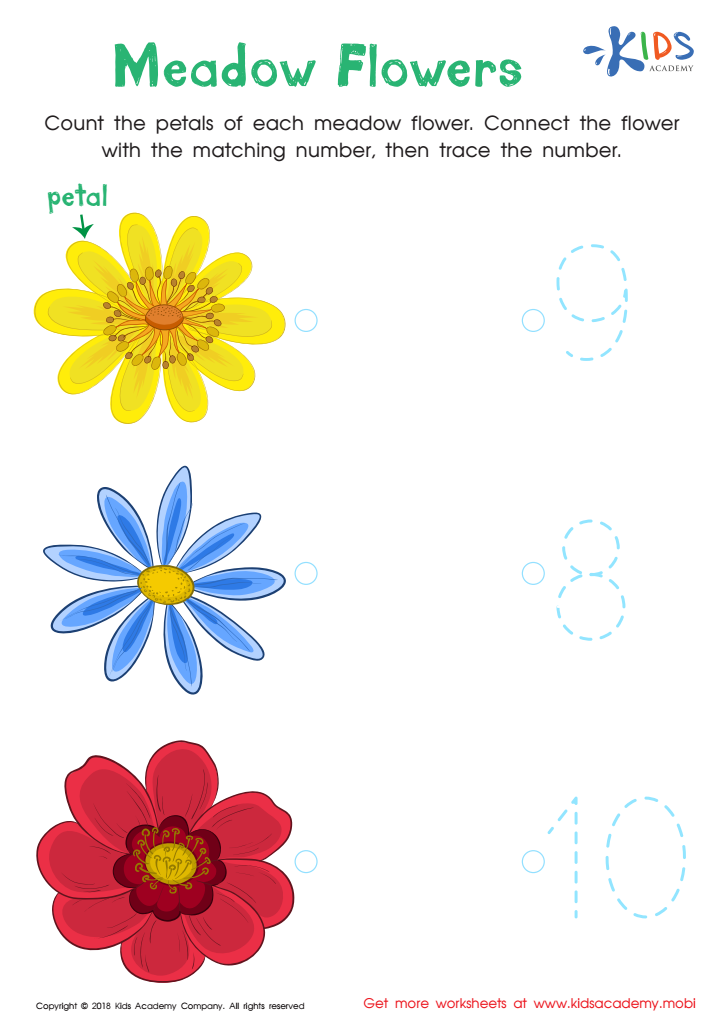
Kindergarten Number Tracing: Medow Flowers Worksheet
 Assign to My Students
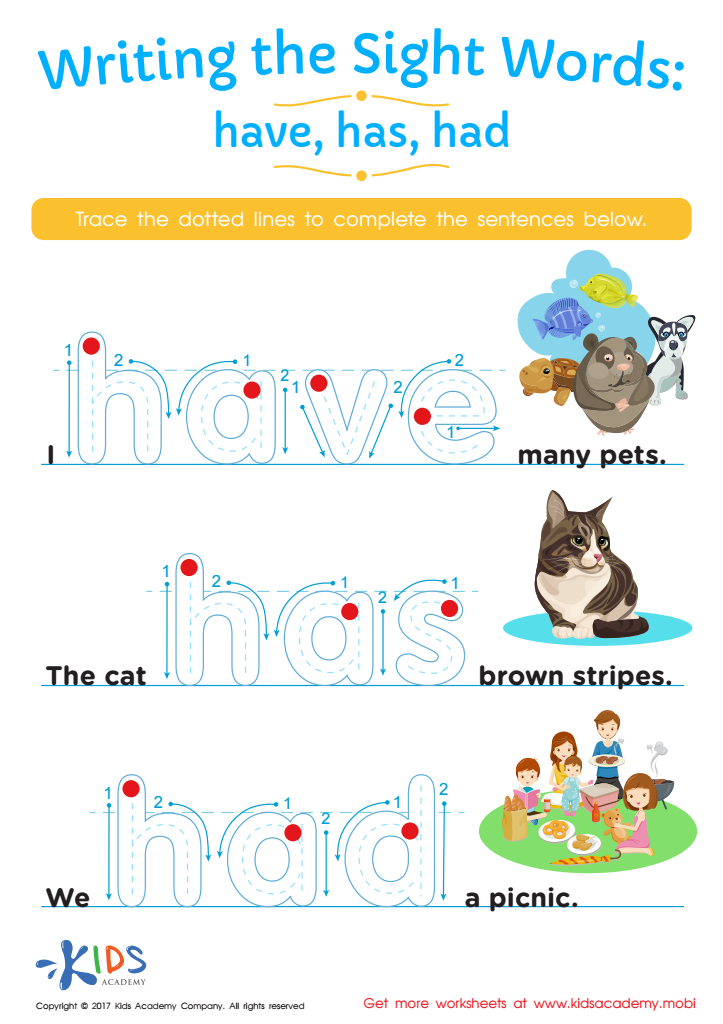
Have, Has, Had Worksheet Sight Words Worksheet






Normal tracing activities are essential developmental tools for children ages 3-9, offering a myriad of benefits that parents and teachers should prioritize. Firstly, these activities enhance fine motor skills, which are crucial for their daily functioning, including writing, drawing, and self-care tasks. By guiding young learners to trace various shapes, letters, and numbers, they gain control over their hand movements, fostering dexterity.
Additionally, tracing encourages cognitive development. It helps reinforce letter recognition, numerical understanding, and basic geometric knowledge. As children trace, they actively engage with the shapes and lines, aiding memory retention and aiding in early literacy and numeracy competence.
Furthermore, tracing activities can stimulate creativity and imagination, allowing children to express themselves artistically. This form of play promotes a sense of accomplishment and boosts confidence, as they see the fruits of their efforts.
Lastly, by incorporating normal tracing activities into daily learning, parents and teachers create a structured environment that encourages routine and discipline, both essential traits for academic success. Cultivating these foundational skills from a young age sets the groundwork for a child's future learning journey, making tracing activities invaluable tools in early education.








