Normal Tracing Letters Worksheets Activities With Answers for Ages 4-8 - Page 2
32 filtered results
-
From - To
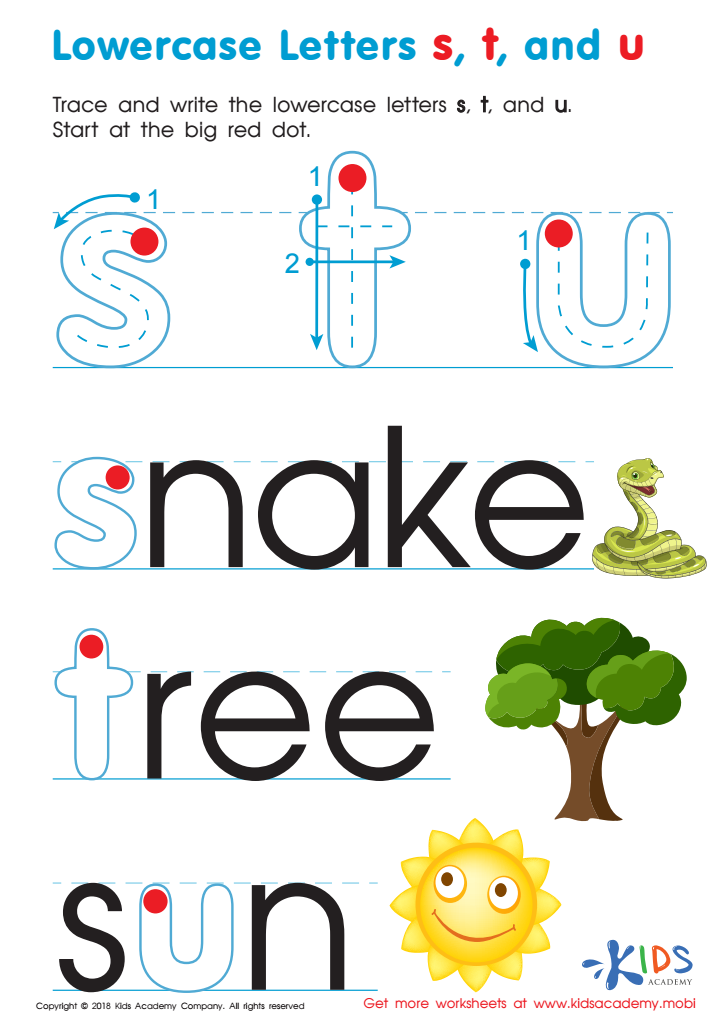
Lowercase Letters s t u Worksheet
 Assign to My Students
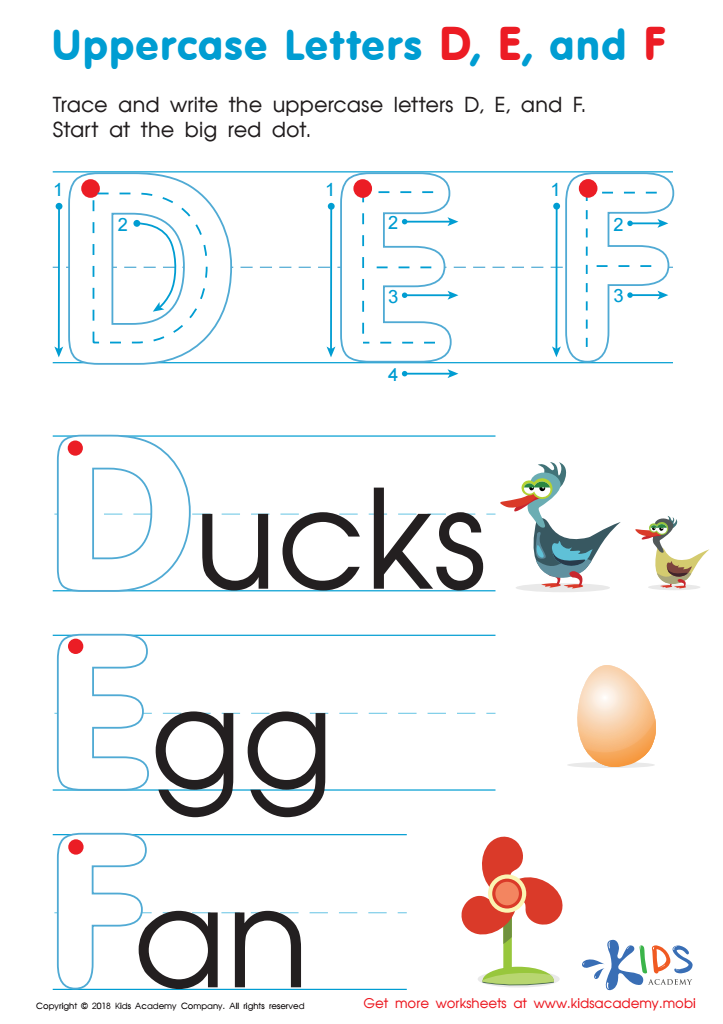
Uppercase Letters D, E, and F Worksheet
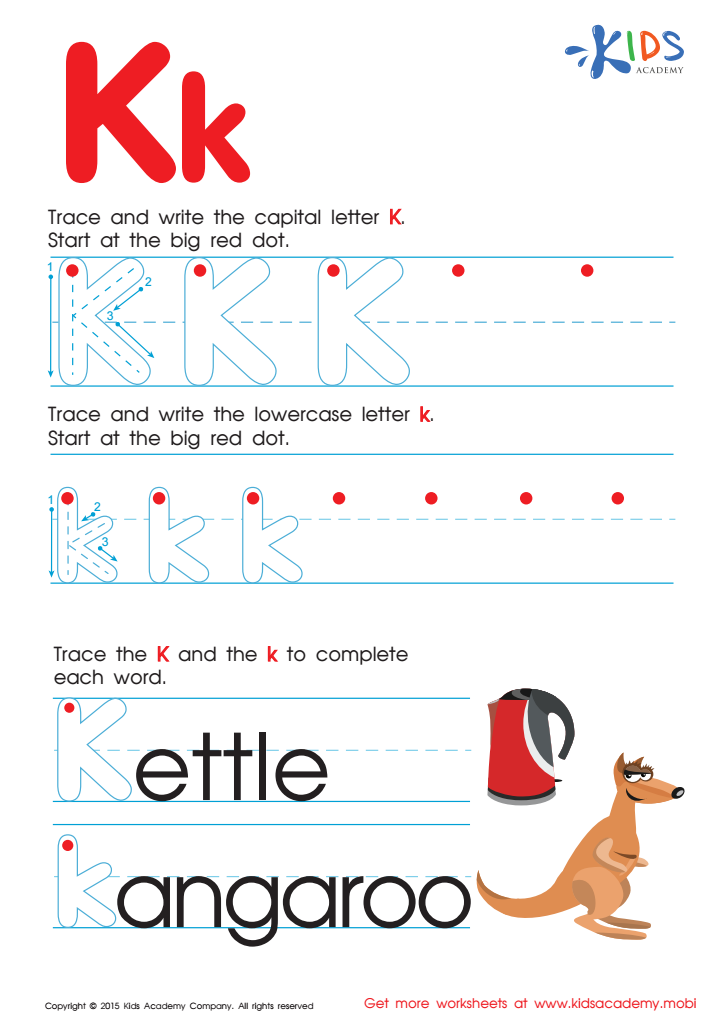
Letter K Tracing Page
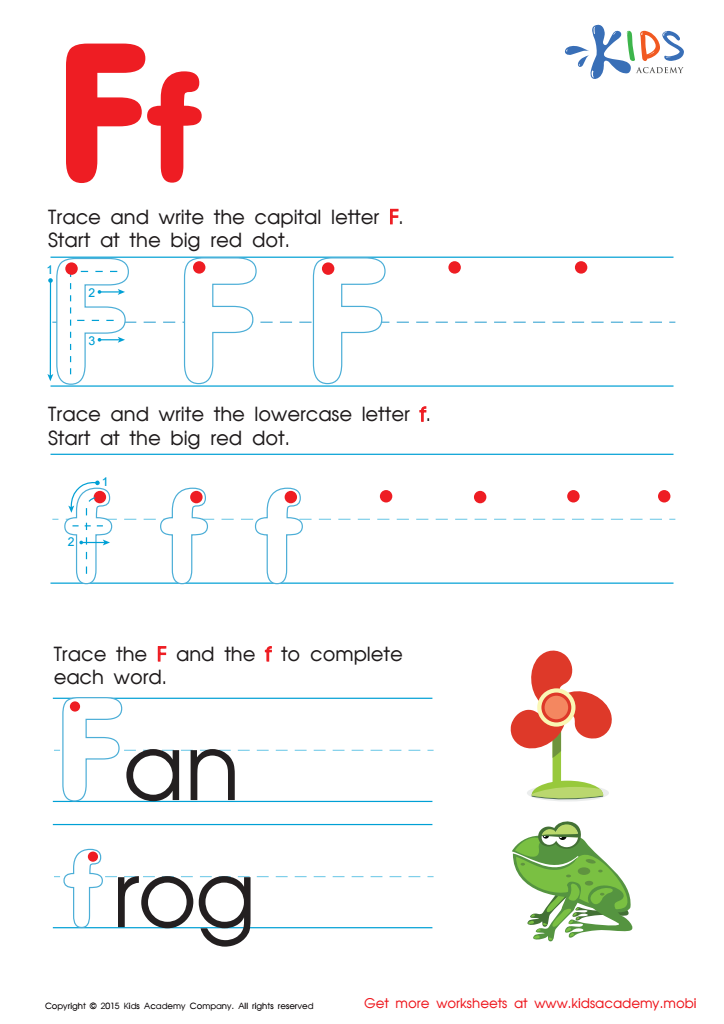
Letter F Tracing Page
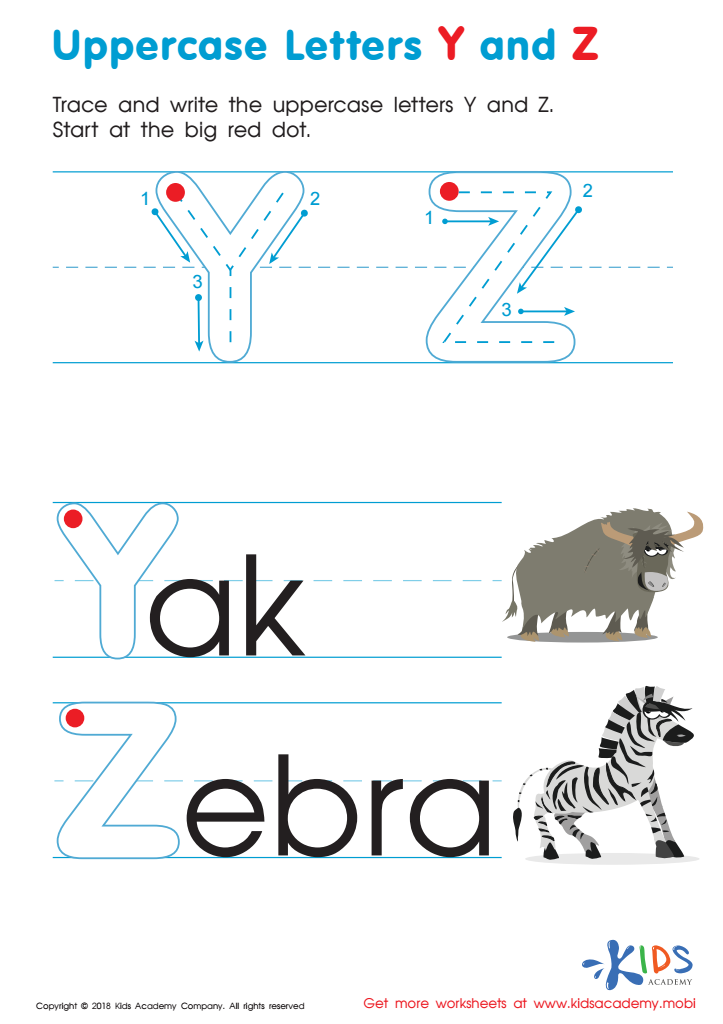
Uppercase Letters Y Z Worksheet
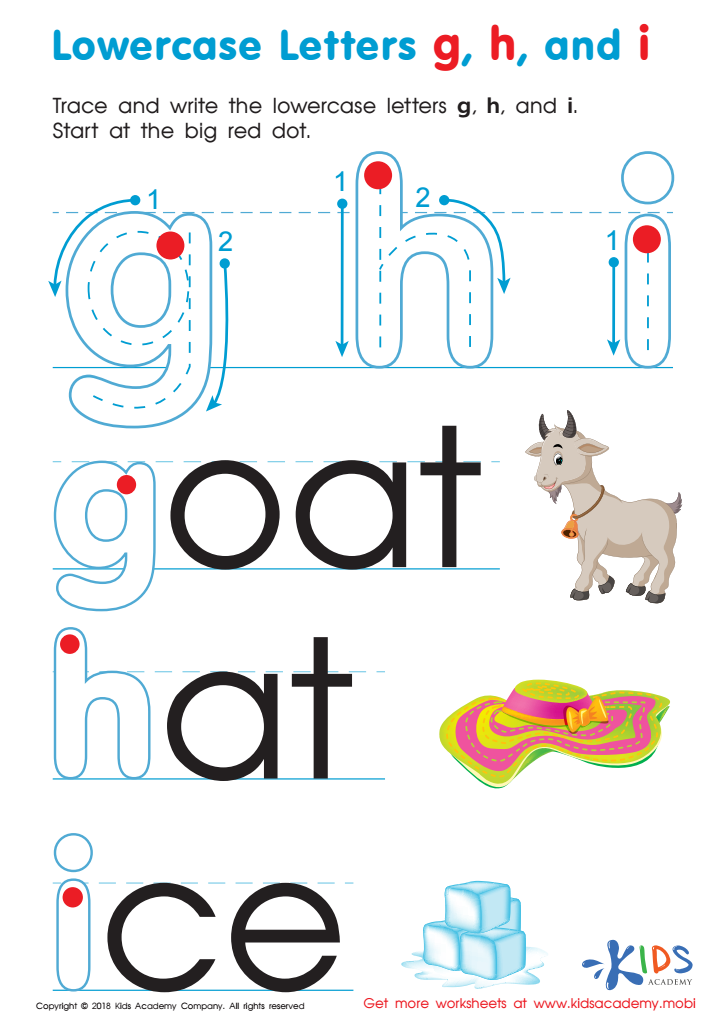
Lowercase Letters g h i Worksheet
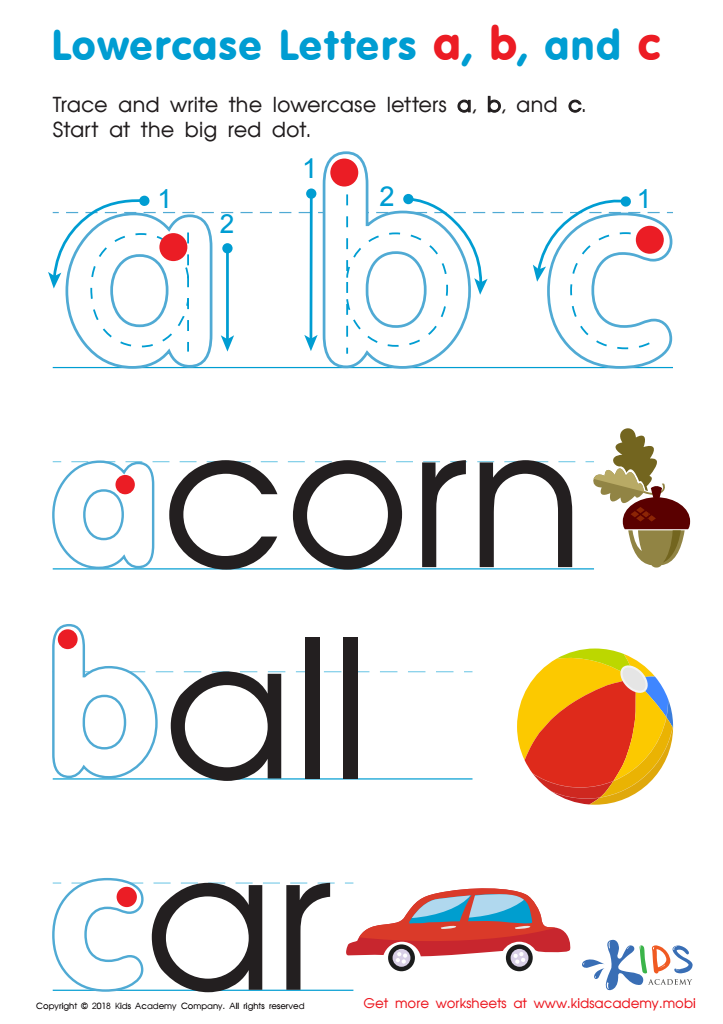
Lowercase Letters a b c Worksheet
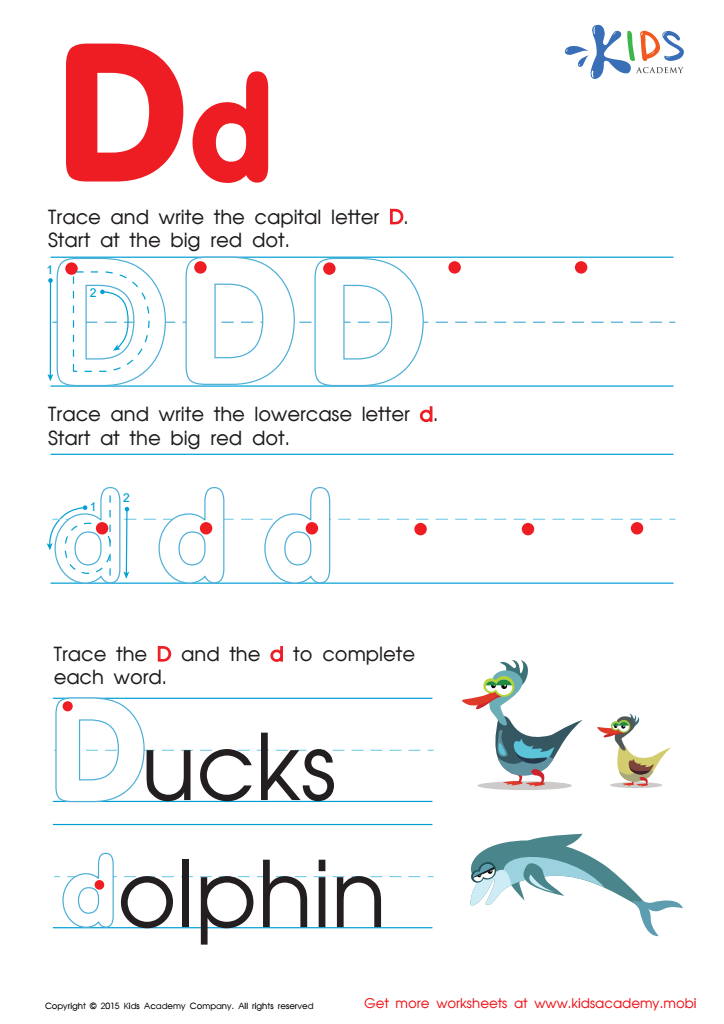
Letter D Tracing Page








Normal tracing letters activities are essential for children aged 4-8 as they serve as foundational steps in early literacy development. These activities help young learners develop fine motor skills crucial for holding writing instruments, thereby enhancing their hand-eye coordination and dexterity. As children practice tracing letters, they also become familiar with letter shapes and formation, promoting letter recognition—a key component of reading readiness.
Furthermore, these activities foster cognitive development. As children trace letters, they engage in a multi-sensory learning experience that enhances memory retention. By associating the physical act of tracing with letters and their sounds, children reinforce their understanding of phonics, which is vital when they transition to reading full words and sentences.
Parents and teachers should care about implementing normal tracing letters activities because they offer a structured yet fun approach to learning. They encourage independent practice and provide opportunities for constructive feedback when guided by adults. Additionally, these activities can be easily personalized to cater to each child's needs and progress. Engaging in this form of learning cultivates a positive attitude toward writing and literacy, laying a strong educational foundation for future academic success.








