Normal Tracing Letters Worksheets Activities With Answers for Ages 5-9 - Page 2
32 filtered results
-
From - To
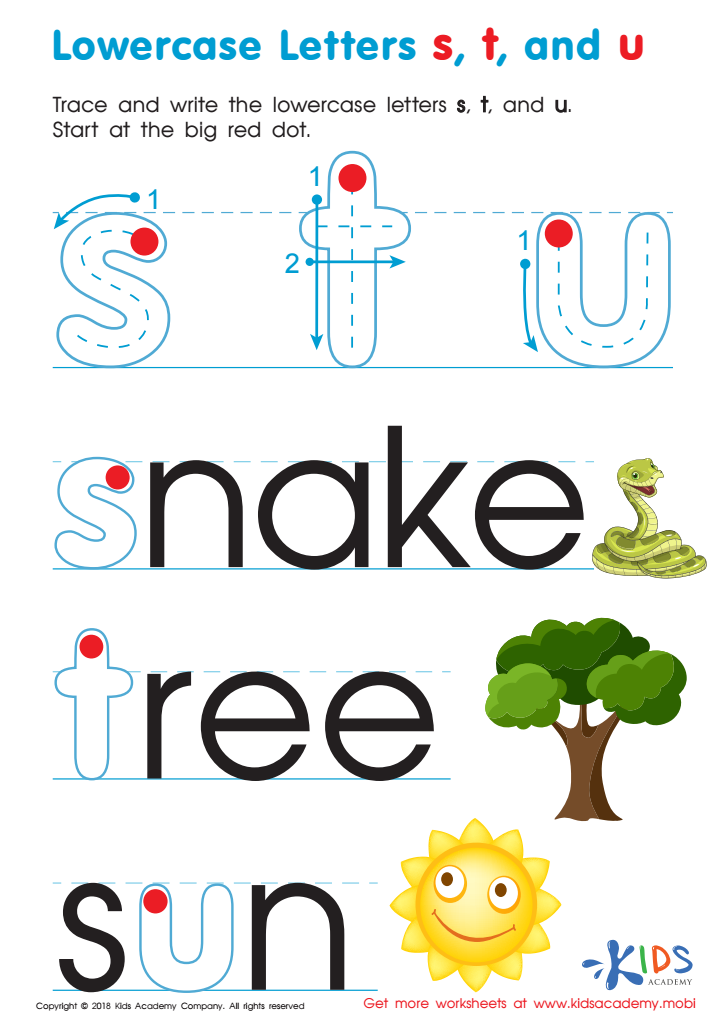
Lowercase Letters s t u Worksheet
 Assign to My Students
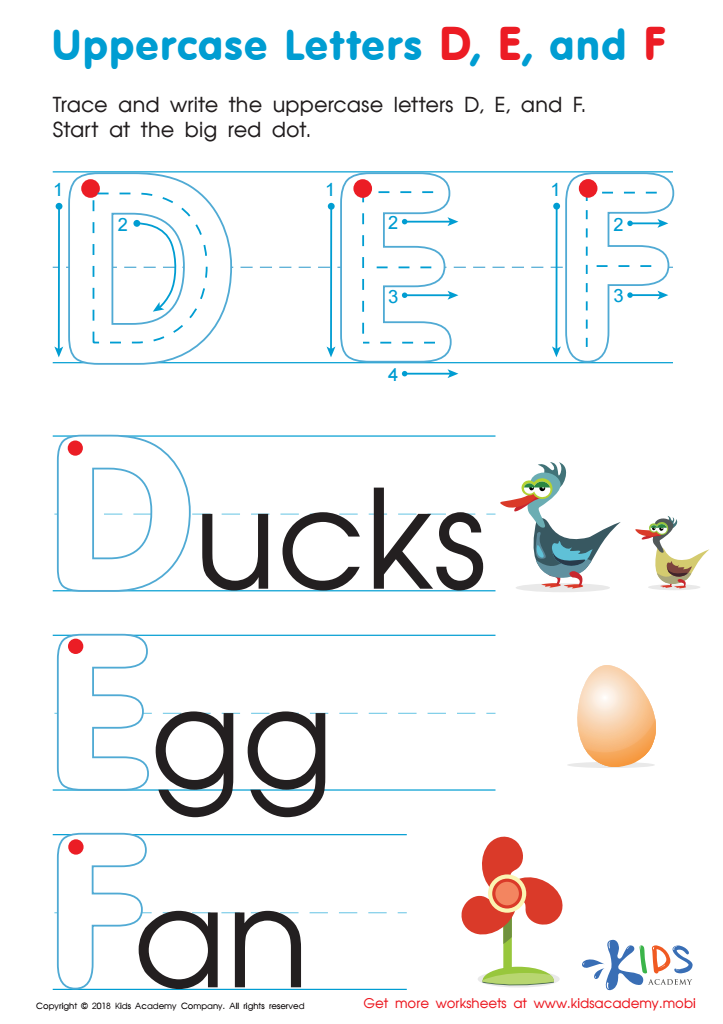
Uppercase Letters D, E, and F Worksheet
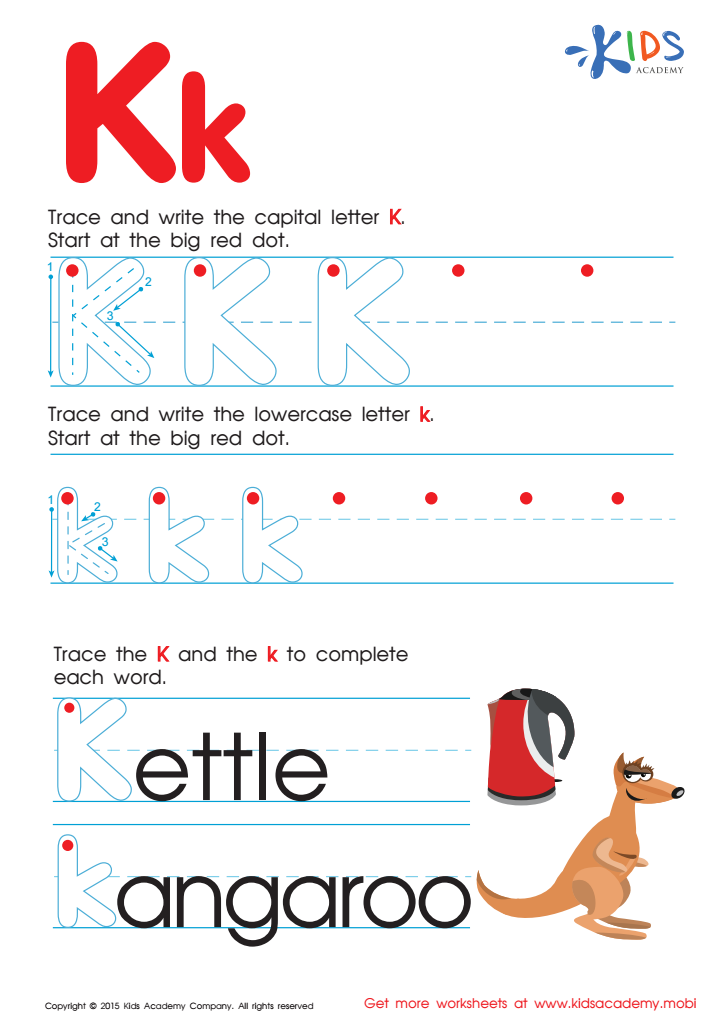
Letter K Tracing Page
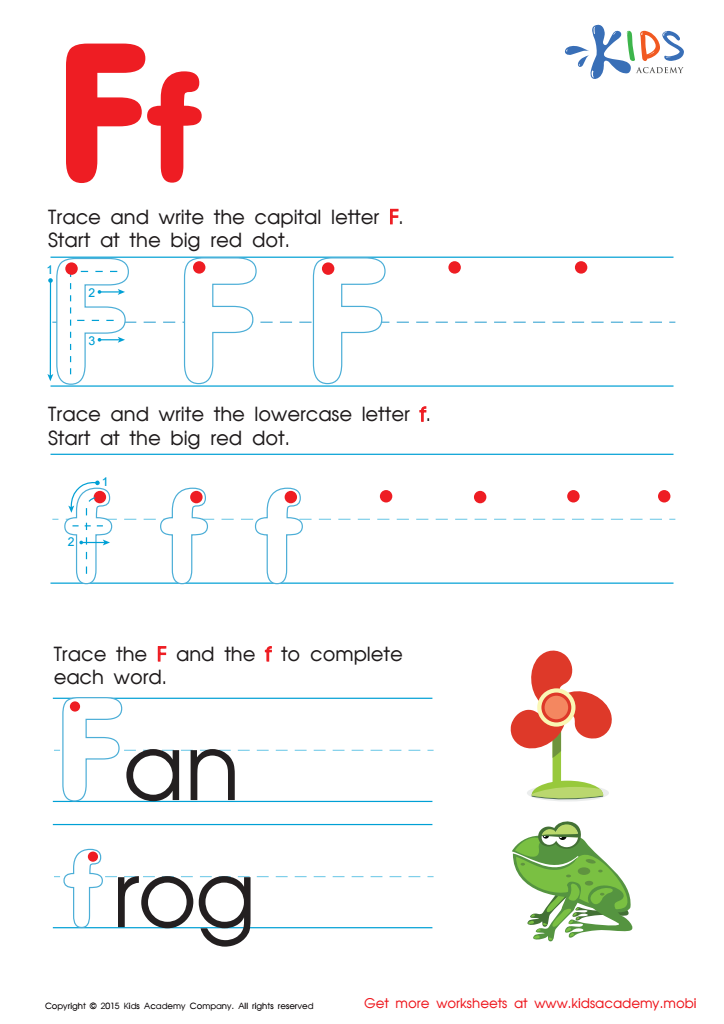
Letter F Tracing Page
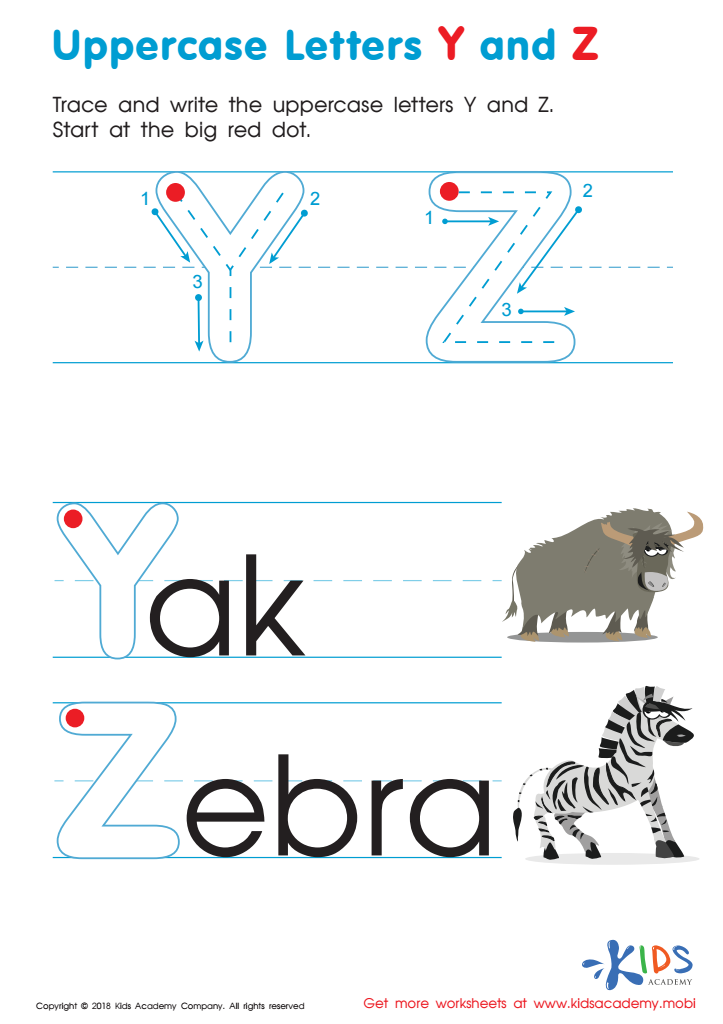
Uppercase Letters Y Z Worksheet
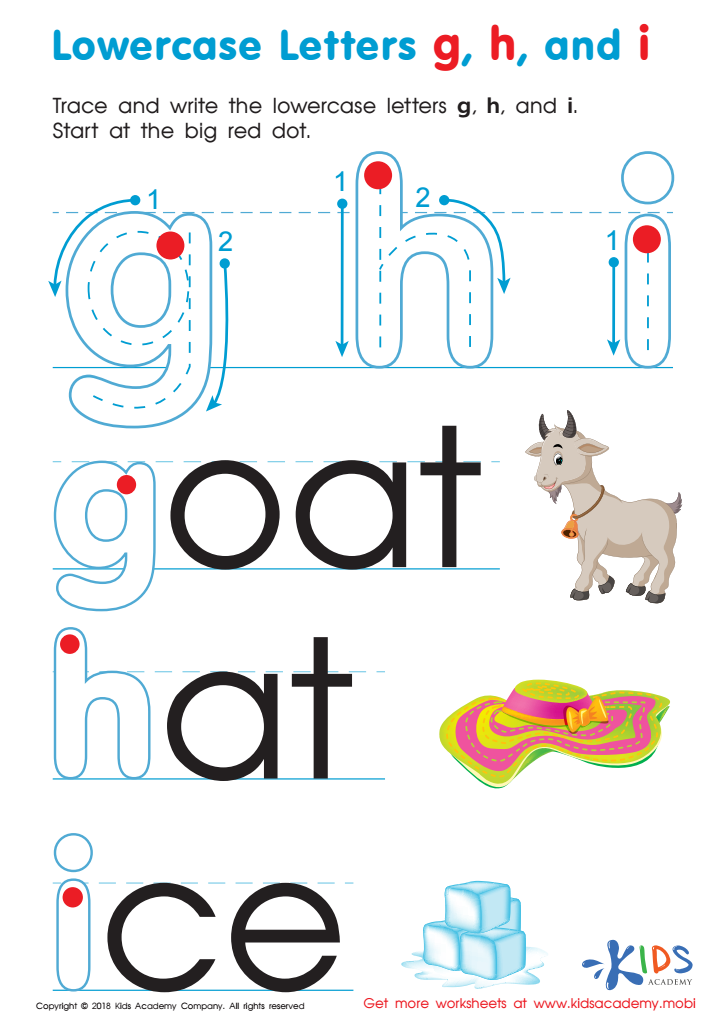
Lowercase Letters g h i Worksheet
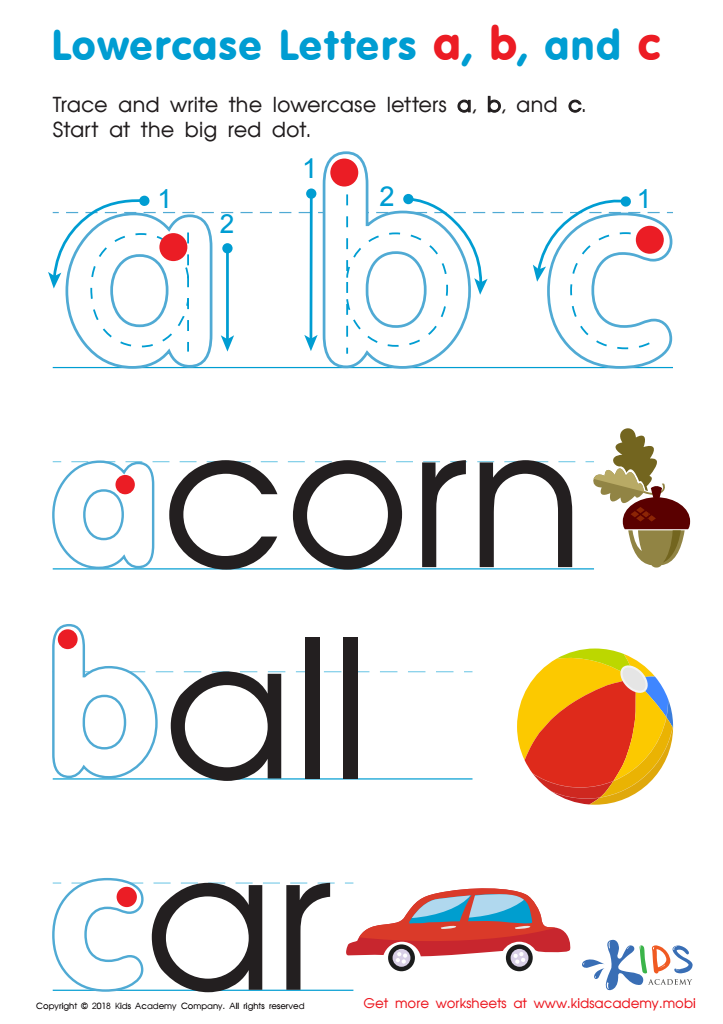
Lowercase Letters a b c Worksheet

Letter D Tracing Page








Normal tracing letters activities are essential tools for fostering early literacy skills among children aged 5-9. These activities not only enhance fine motor skills but also promote letter recognition and writing proficiency. As children trace letters, they develop muscle memory, making it easier for them to write independently.
Parents and teachers should prioritize these activities because early handwriting skills lay the foundation for future academic success. Strong penmanship contributes to effective communication, boosting a child's confidence when expressing thoughts and ideas. Moreover, engaging in letter tracing fosters focus and concentration, crucial skills for overall learning progress.
Additionally, structured tracing activities are adaptable, allowing for individualized learning experiences to cater to different skill levels. This adaptability ensures that children who may struggle get extra insight and practice, while those more advanced can be challenged further.
Furthermore, consistency in tracing activities reinforces literacy concepts such as phonics and spelling. By incorporating answers alongside these activities, children can independently check their work, promoting self-assessment and critical thinking.
In conclusion, normal tracing letters activities provide a multifaceted approach to developing essential literacy skills, and thus, are valuable resources for parents and teachers in nurturing early learners.








