Addition Facts Worksheets for Ages 3-5 - Page 2
26 filtered results
-
From - To
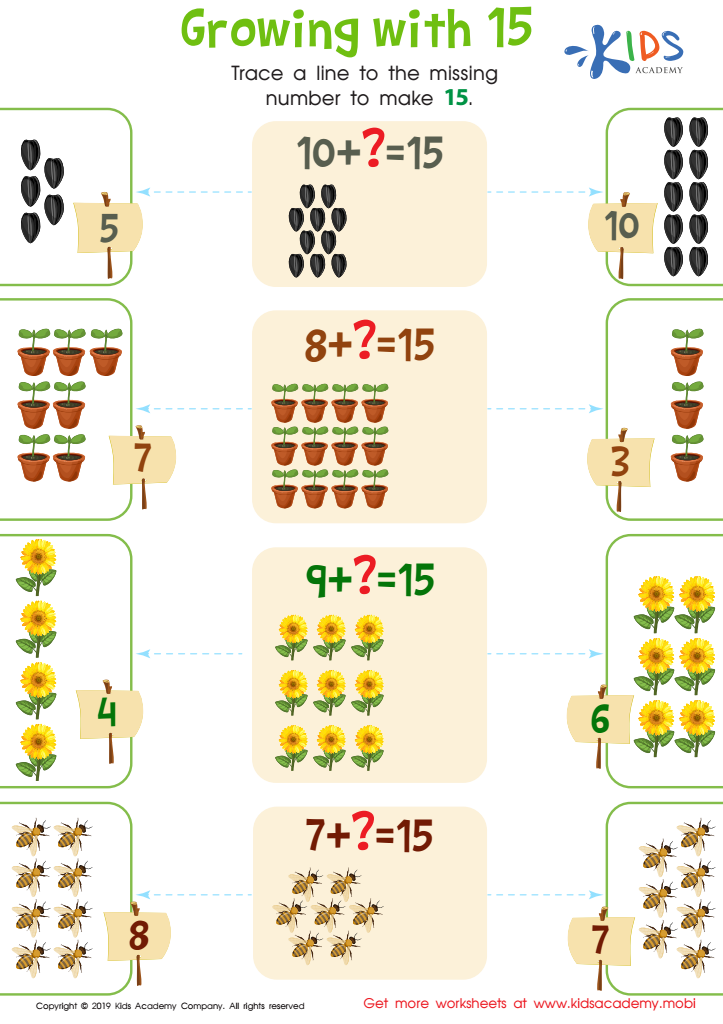
Growing with 15 Worksheet
 Assign to My Students
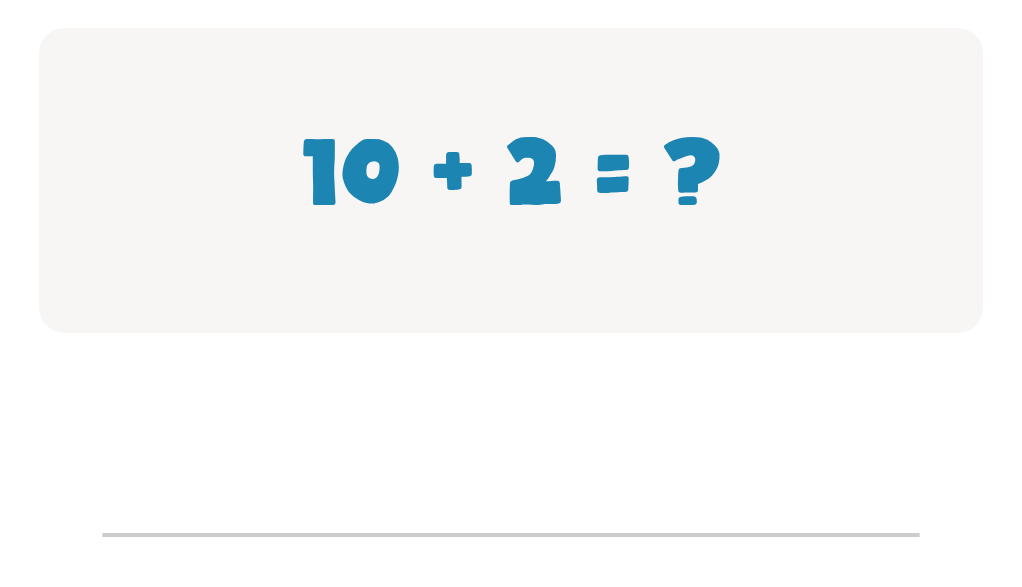

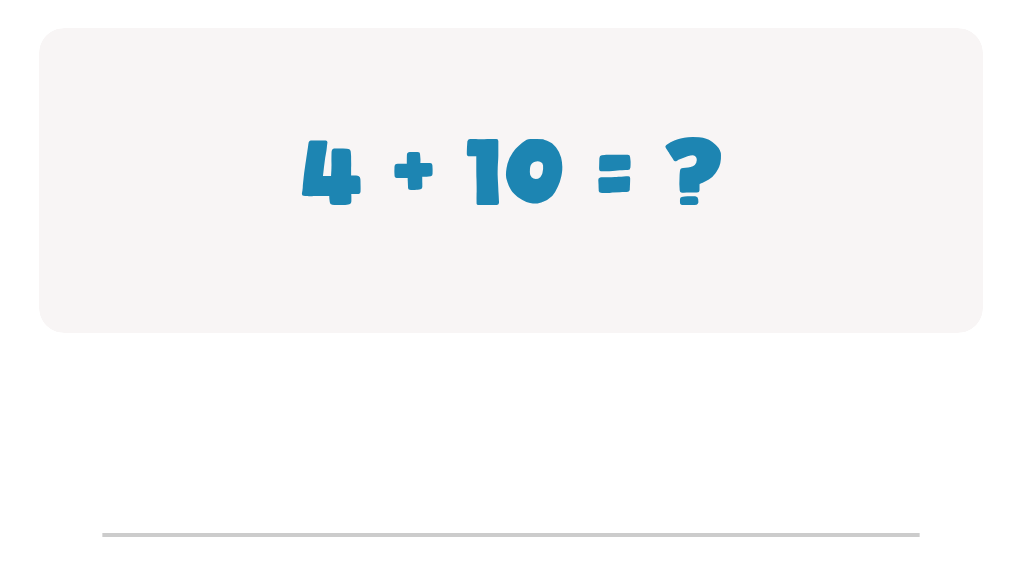
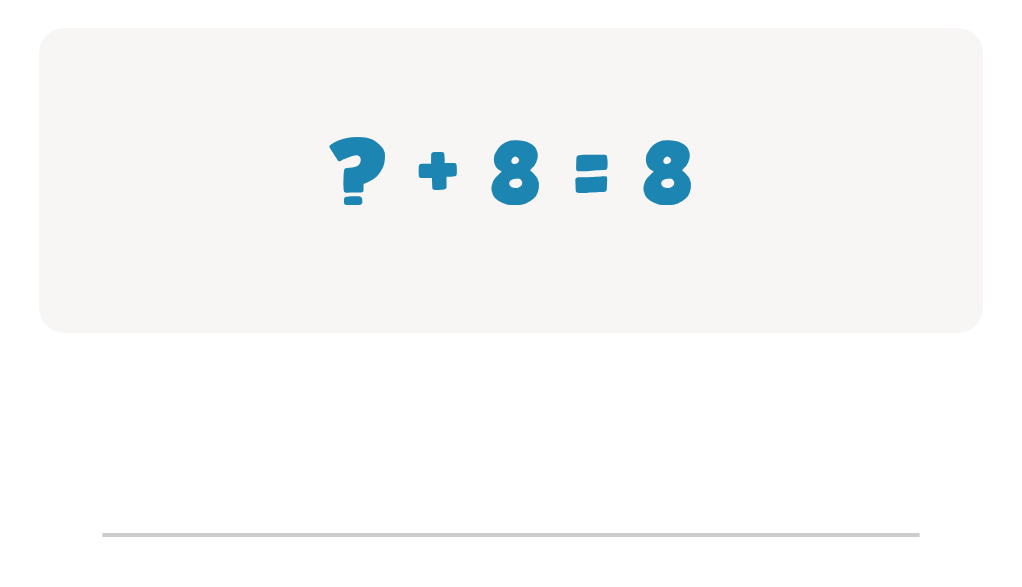

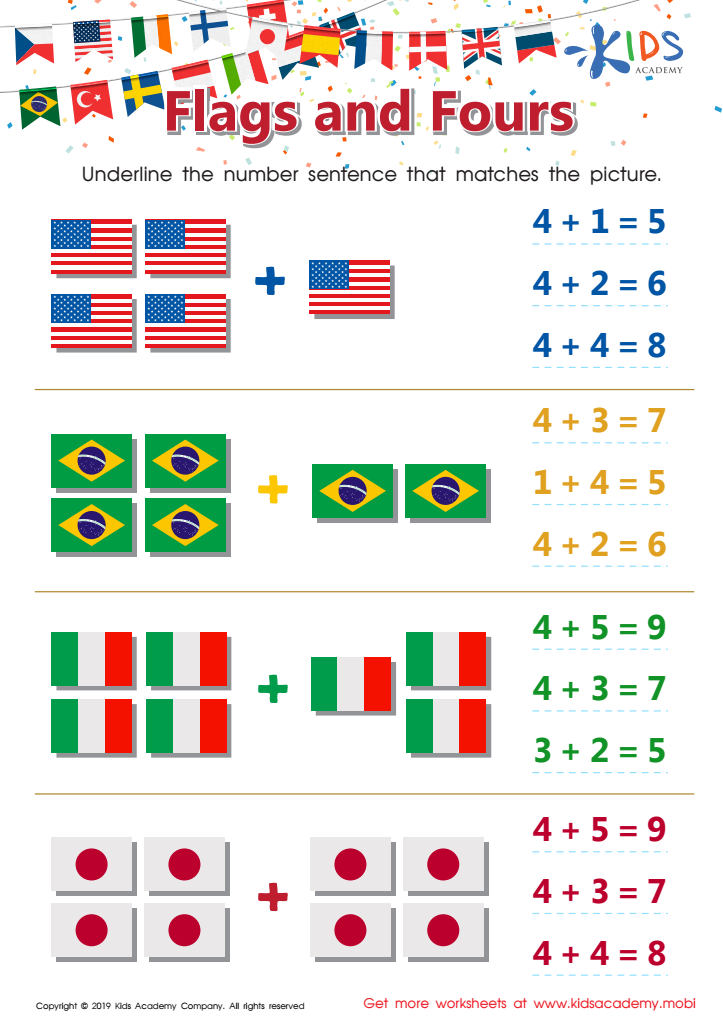
Flags and Fours Worksheet








Understanding addition facts is crucial for children aged 3-5 as it lays the foundation for their future mathematical development. At this age, children possess an innate curiosity about numbers and how they work. Introducing addition facts can harness this curiosity, fostering a positive attitude towards math from an early age.
Learning basic addition helps children develop critical cognitive skills such as problem-solving, logical thinking, and pattern recognition. When parents or teachers prioritize these concepts, they offer children the tools to understand the world around them. Addition facts also enhance their ability to engage in everyday activities, from counting snacks to sharing toys, thereby making math relevant and fun.
Moreover, mastering addition facts at an early age boosts children’s confidence as they experience success in solving problems. It empowers them to tackle more complex mathematical concepts as they grow, ultimately leading to better academic outcomes. Parents and teachers can support this learning through playful activities, songs, and games, making it an enjoyable experience. By fostering a solid foundation in addition, adults help build essential skills that children will carry with them throughout their educational journey and in daily life.








