Letter X Worksheets for Ages 3-6
5 filtered results
-
From - To
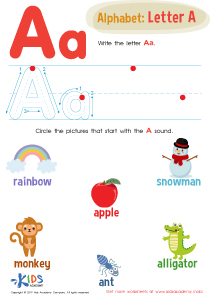
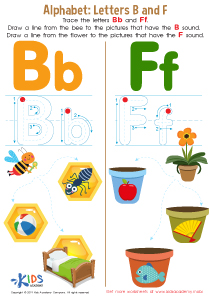
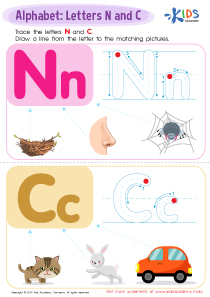
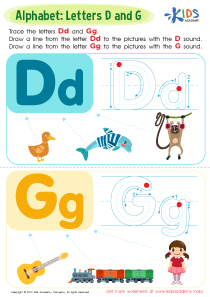
Explore our engaging Letter X Worksheets designed for young learners aged 3-6 to make letter recognition fun and effective! These age-appropriate activities help kids identify, trace, and write the letter X through creative exercises like coloring, matching, and simple word practice. Boost their confidence as they discover words starting with X and enhance their fine motor skills. Perfect for both classroom and home settings, our printable worksheets provide diverse and interactive learning opportunities to keep children entertained while reinforcing their early literacy skills. Join us to embark on an exciting alphabet adventure featuring the letter X!
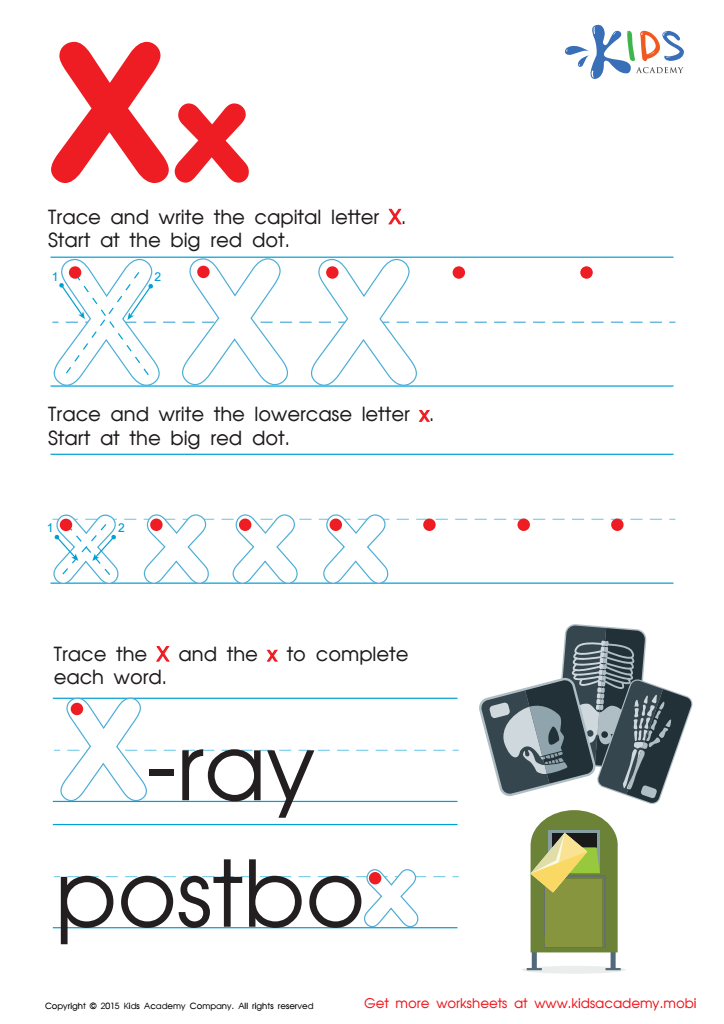
Letter X Tracing Page
 Assign to My Students
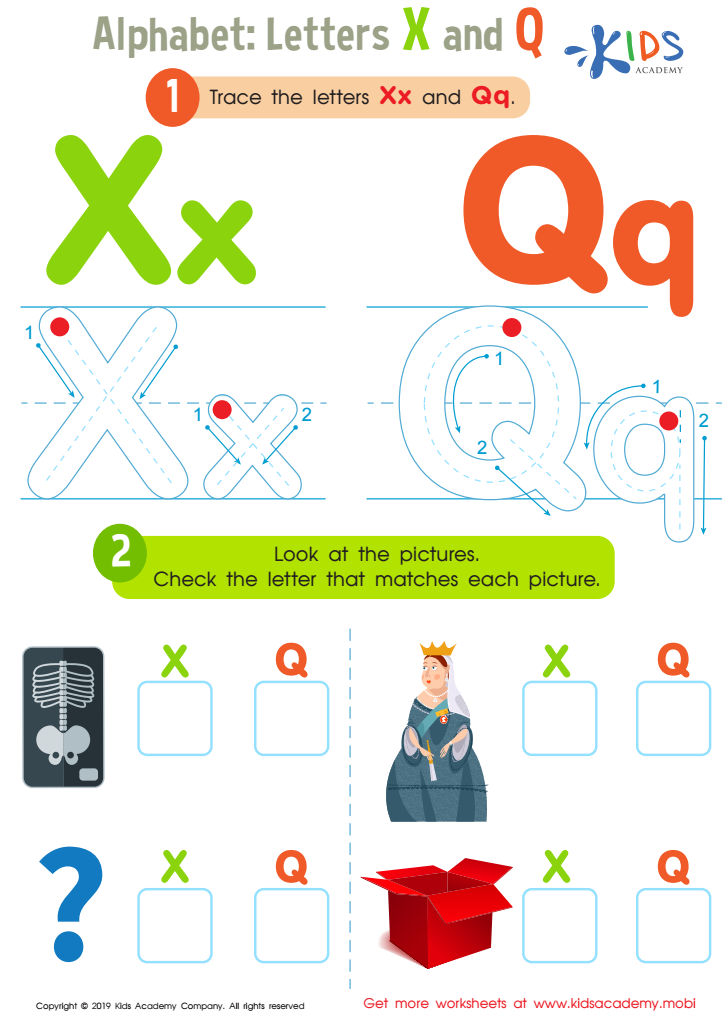
Letters X and Q Tracing Worksheet
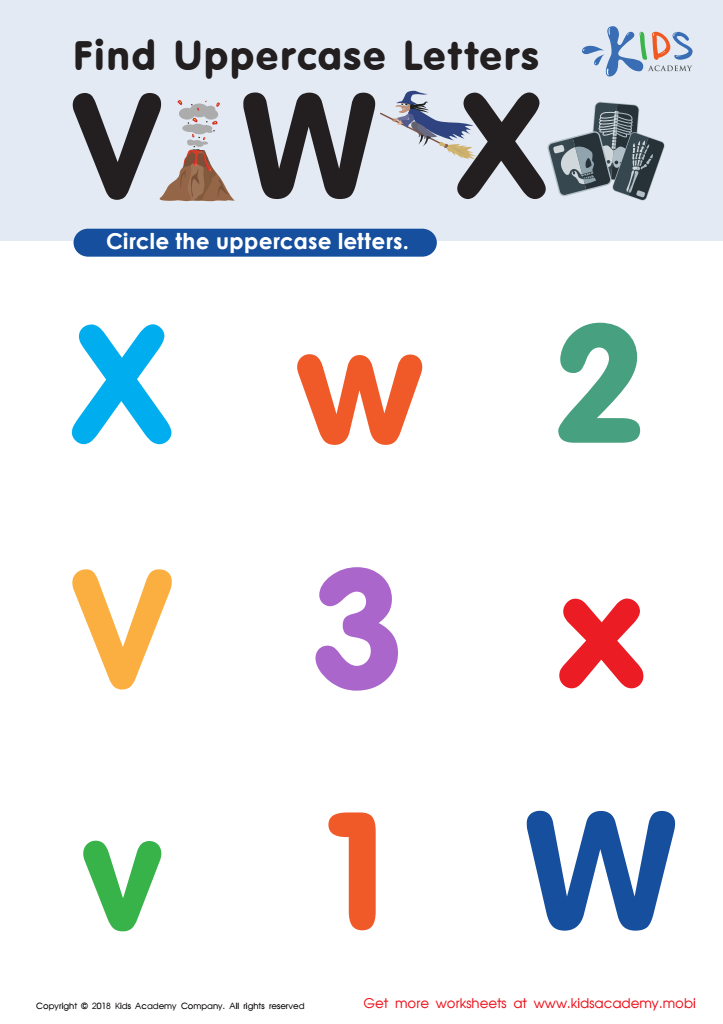
Find Uppercase Letters V, W, X Worksheet
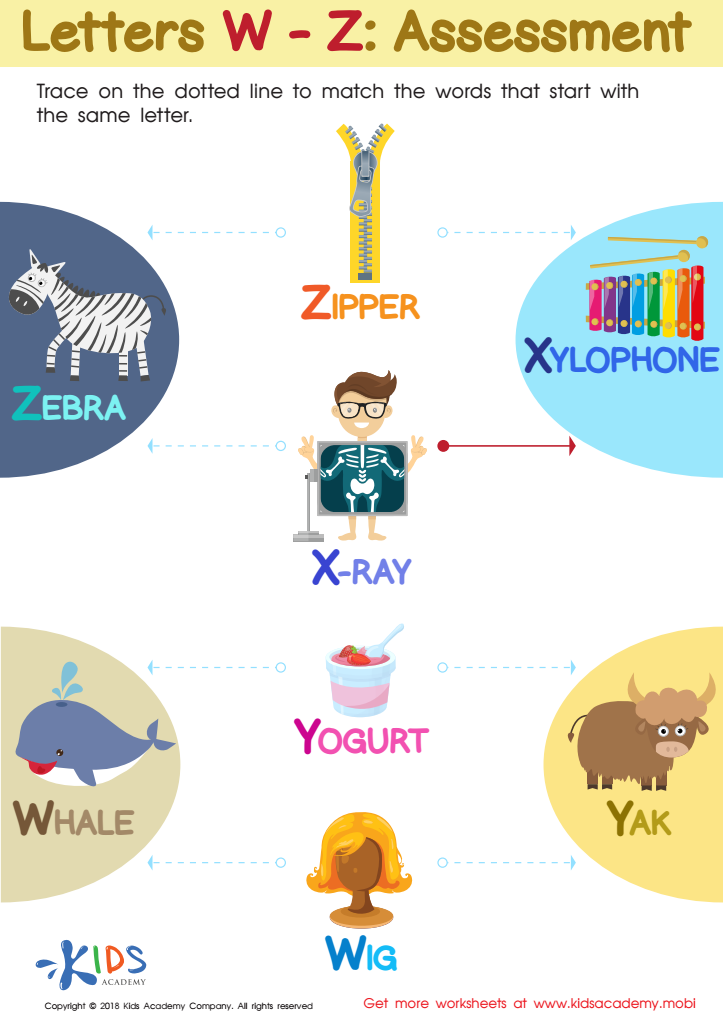
Letters W–Z Tracing Worksheet

Uppercase Letters V, W, and X Worksheet




The letter "X" plays a unique role in early literacy and development for children ages 3-6, and it should be a focal point for both parents and teachers. The distinct shape and sound of "X" contribute significantly to phonemic awareness, which is a foundational skill for reading. Although "X" isn't as common as some other letters, understanding it helps children decode and recognize words, boosting their confidence in reading and writing.
From a motor skills perspective, practicing the letter "X" can enhance fine motor control. The crossing lines require precision, which helps young children develop the hand-eye coordination necessary for writing. Moreover, the letter "X" appears in many engaging activities and games, which can make learning it particularly fun. For instance, creating an "X" with crossed twigs or making it with fingers fosters tactile learning.
Moreover, "X" introduces early learners to the concept that letters can have multiple sounds; it sounds like "ks" at the end of words (e.g., box) and "z" in words like “xylophone.” This variability promotes cognitive flexibility, which is key in language learning.
Lastly, teaching the letter "X" encourages curiosity. The rarity of "X" in the alphabet sparks interest, making learning an exciting adventure. Integrating "X" creatively into everyday learning can thus foster a lifelong love for exploration and literacy.