Letter Sounds Worksheets for Ages 3-8 - Page 2
33 filtered results
-
From - To
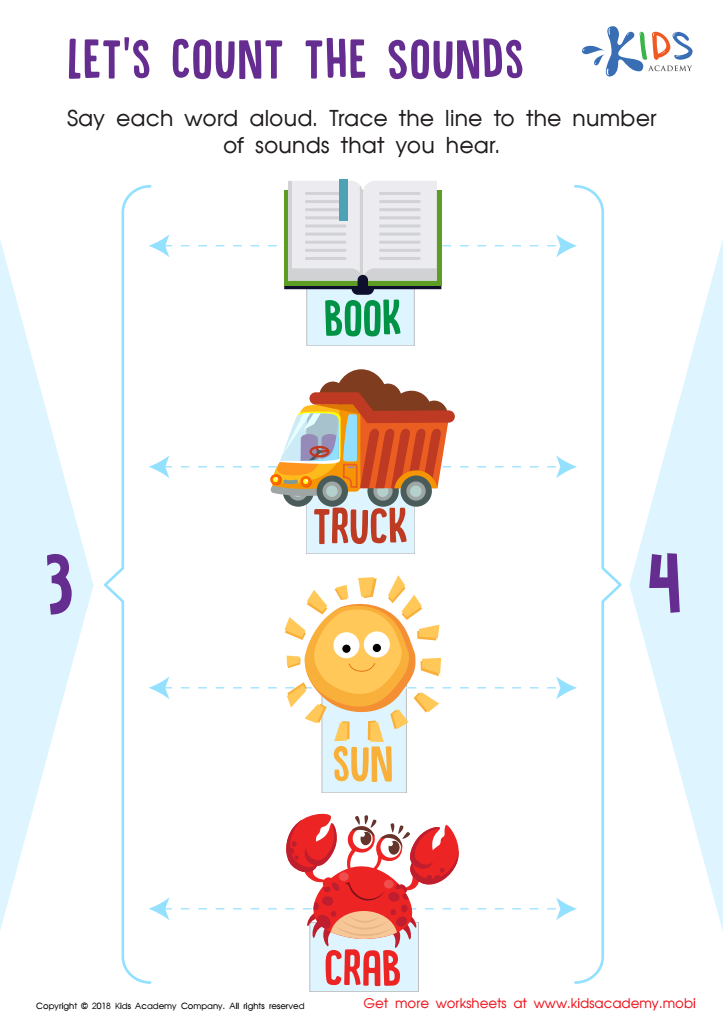
Let's Count the Sounds Worksheet
 Assign to My Students
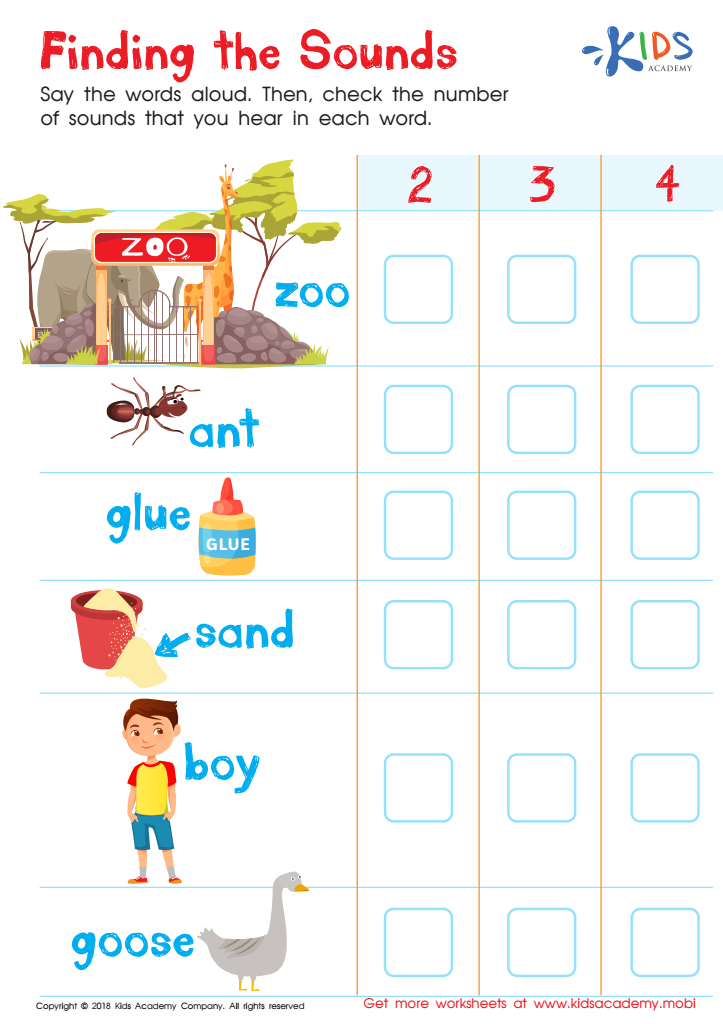
Finding the Sounds Worksheet
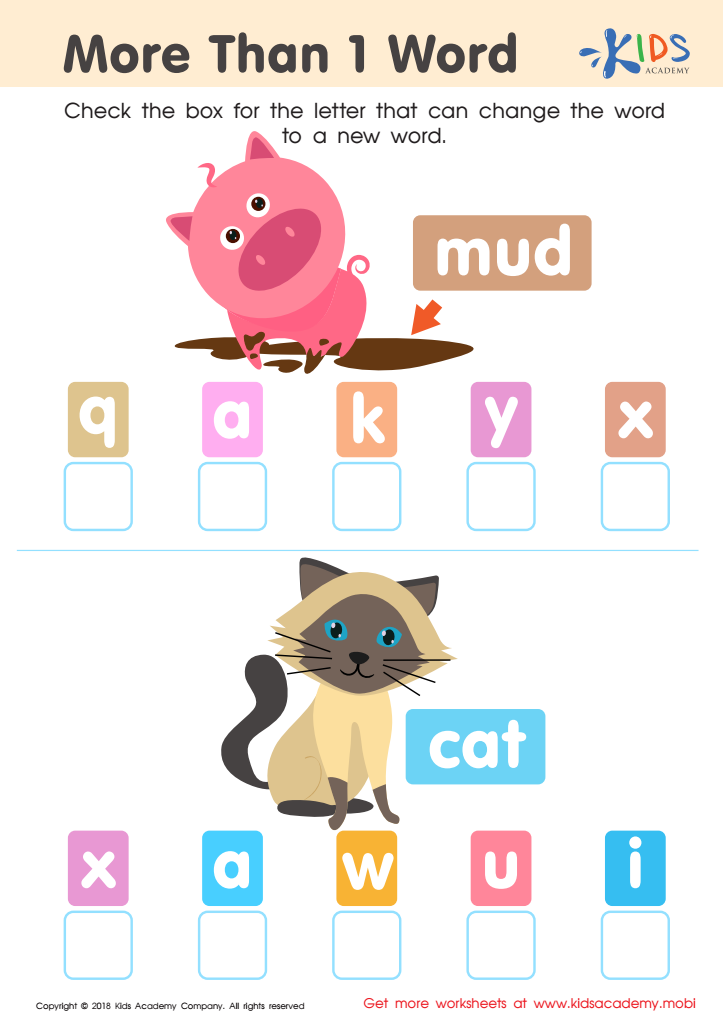
More than 1 word Worksheet
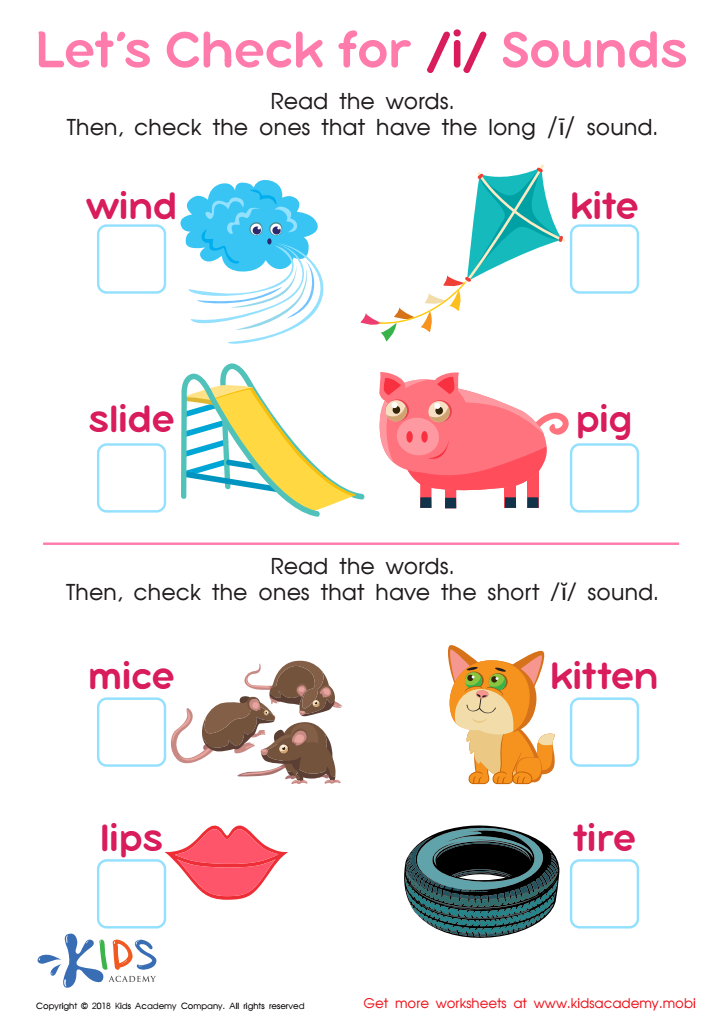
Let's Check for «i» Sounds Worksheet
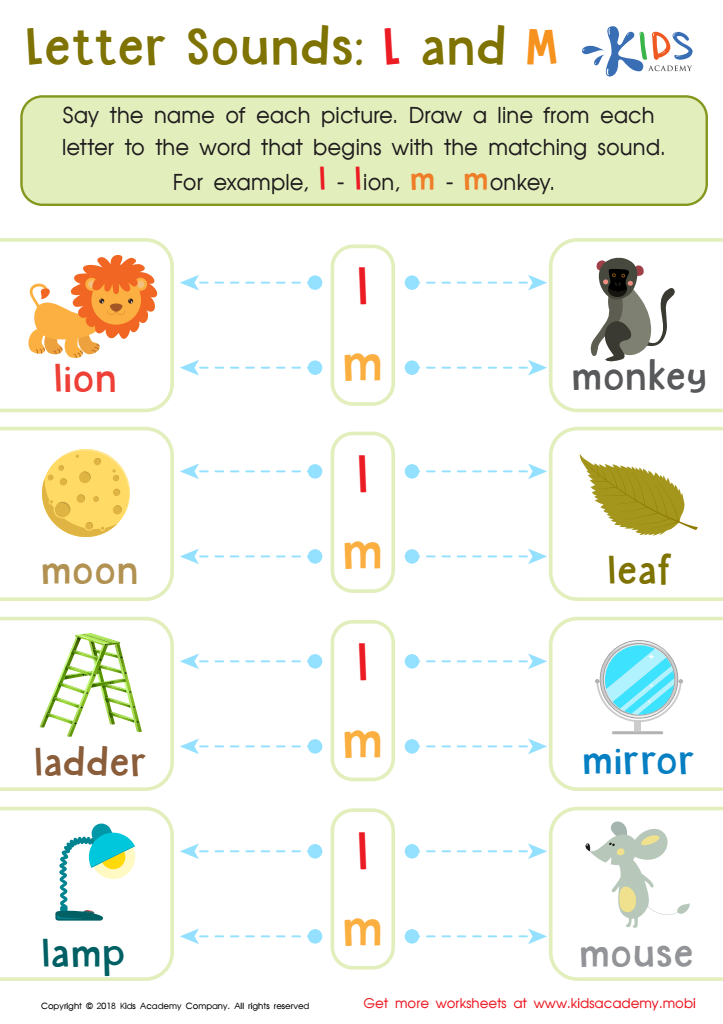
Letter l and M Sounds Worksheet
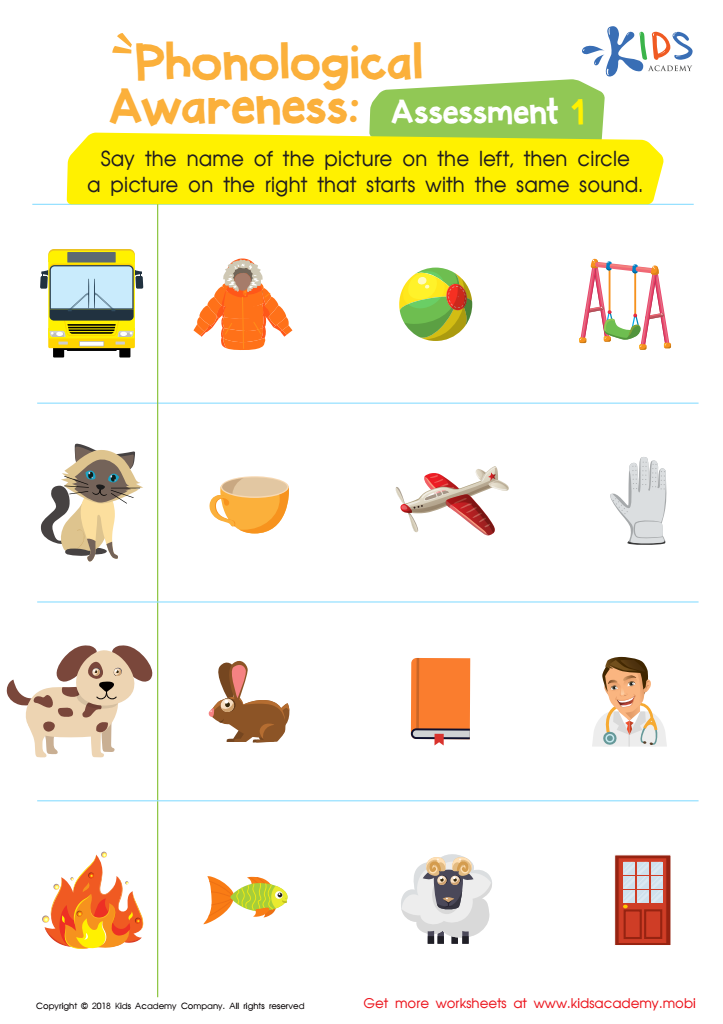
Phonological Awareness: Assessment 1 Worksheet
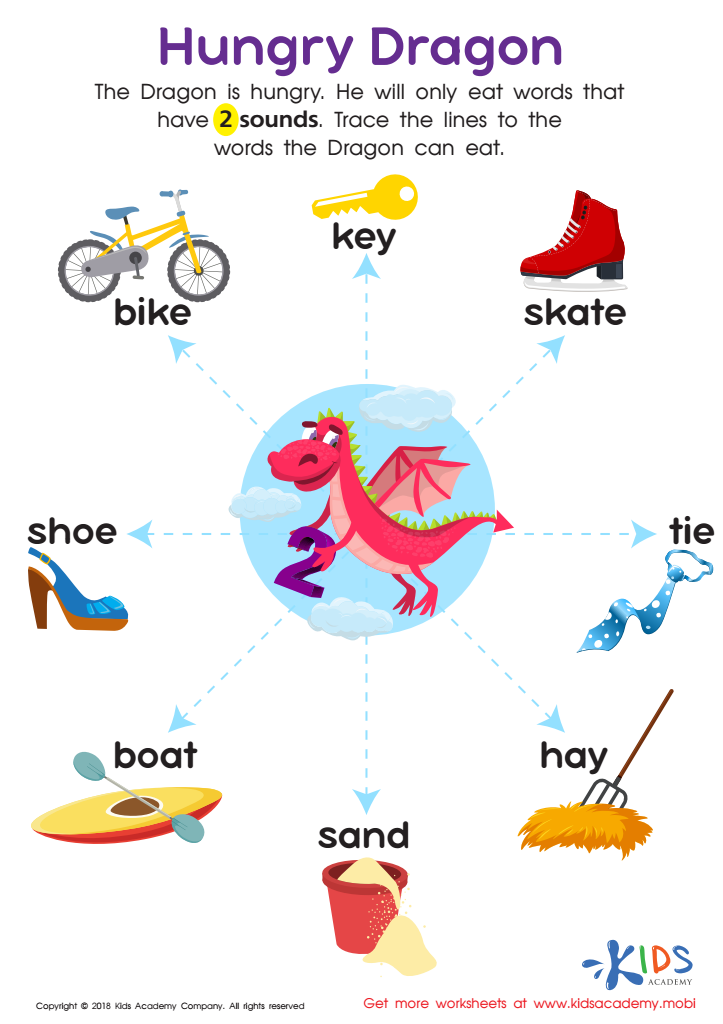
Hungry Dragon Worksheet
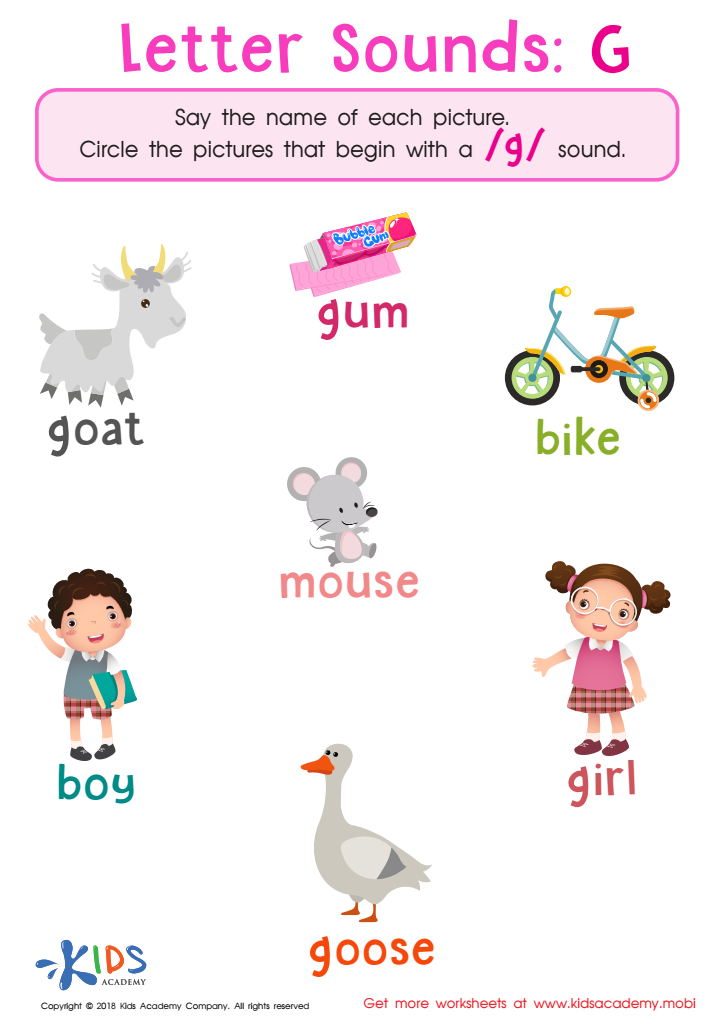
Letter G Sounds Worksheet
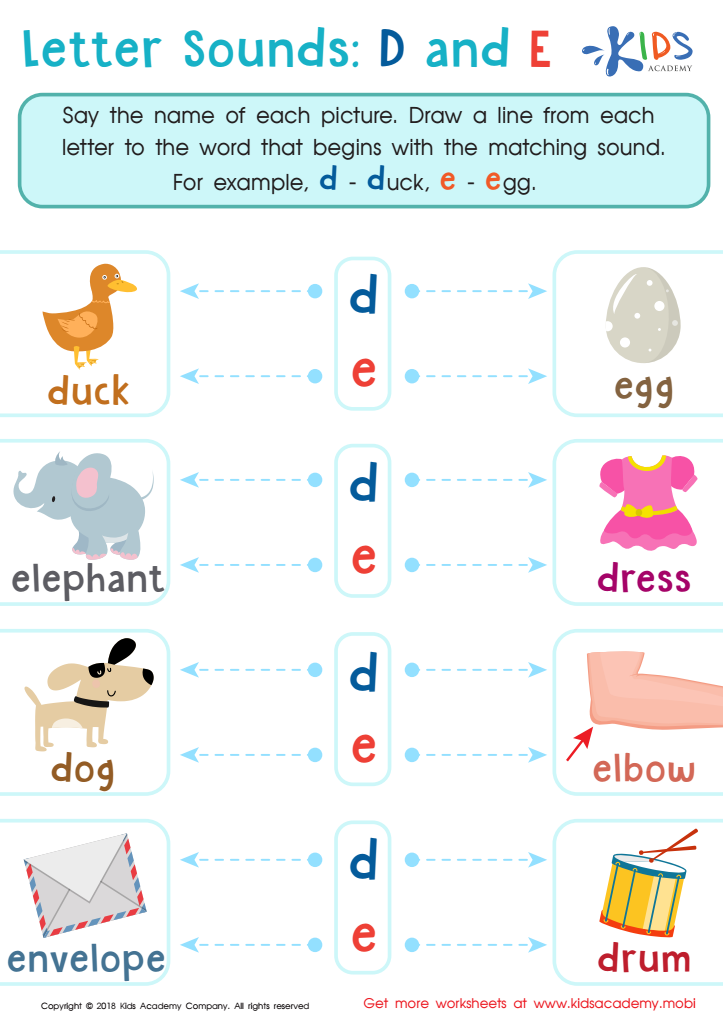
Letter D and E Sounds Worksheet








Understanding letter sounds is the bedrock of early literacy, making it crucial for parents and teachers to prioritize this skill for children aged 3-8. During these foundational years, recognizing the relationship between letters and their corresponding sounds equips children with essential tools for reading and writing. Mastery of letter sounds enables kids to decode words, improving their reading accuracy and fluency. As they encounter new words, this phonemic awareness allows them to break down words into manageable sounds, fostering independence in reading.
Moreover, early competence in letter sounds enhances spelling abilities, as children can apply their knowledge of sounds to form correct word structures. This practice reinforces memory and understanding of vocabulary, boosting overall language development. Children who develop strong letter sound knowledge tend to transition more smoothly to higher educational levels, as they carry forward a solid foundation in literacy skills.
Furthermore, early success in reading increases confidence and motivation, instilling a lifelong love for learning. Investing time in teaching letter sounds gives children an advantage, preventing future reading difficulties. Parents and teachers, therefore, play a critical role by integrating engaging and interactive phonics activities, ultimately setting the stage for academic success and effective communication skills.







