Fractions of Shapes Worksheets for Ages 3-8 - Page 2
38 filtered results
-
From - To
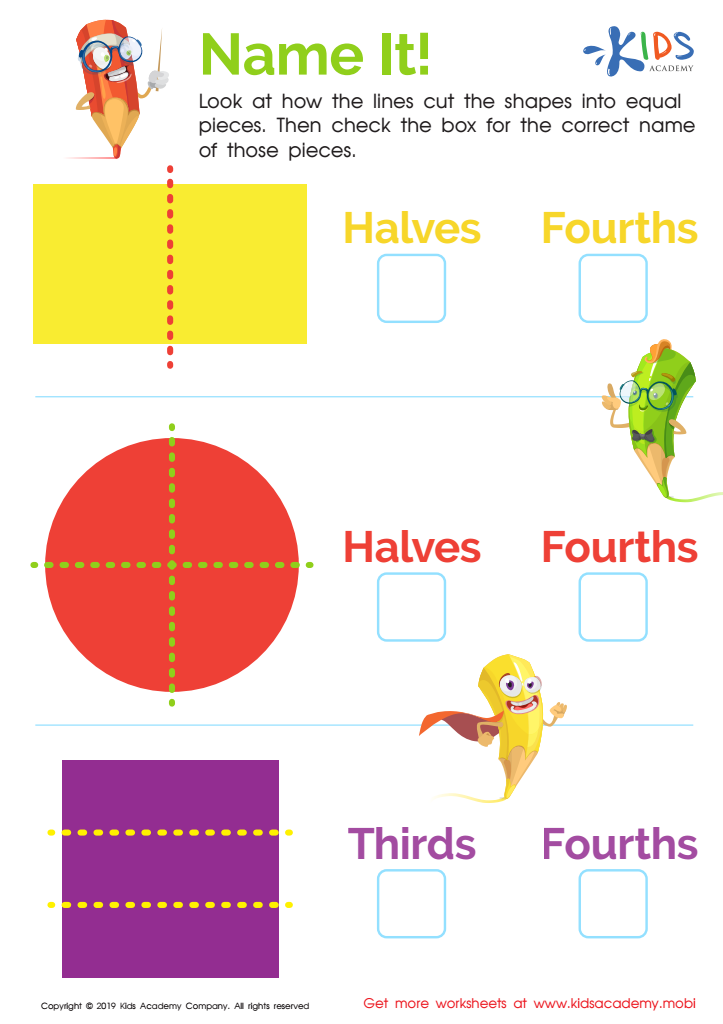
Name It! Worksheet
 Assign to My Students
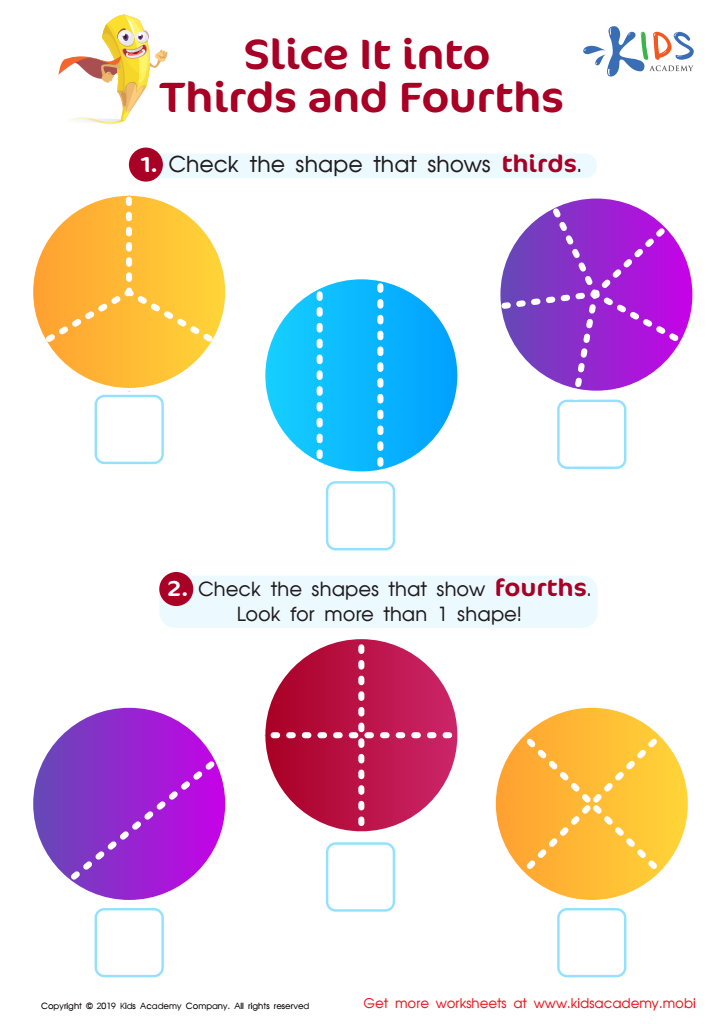
Slice in Thirds Fourths Worksheet
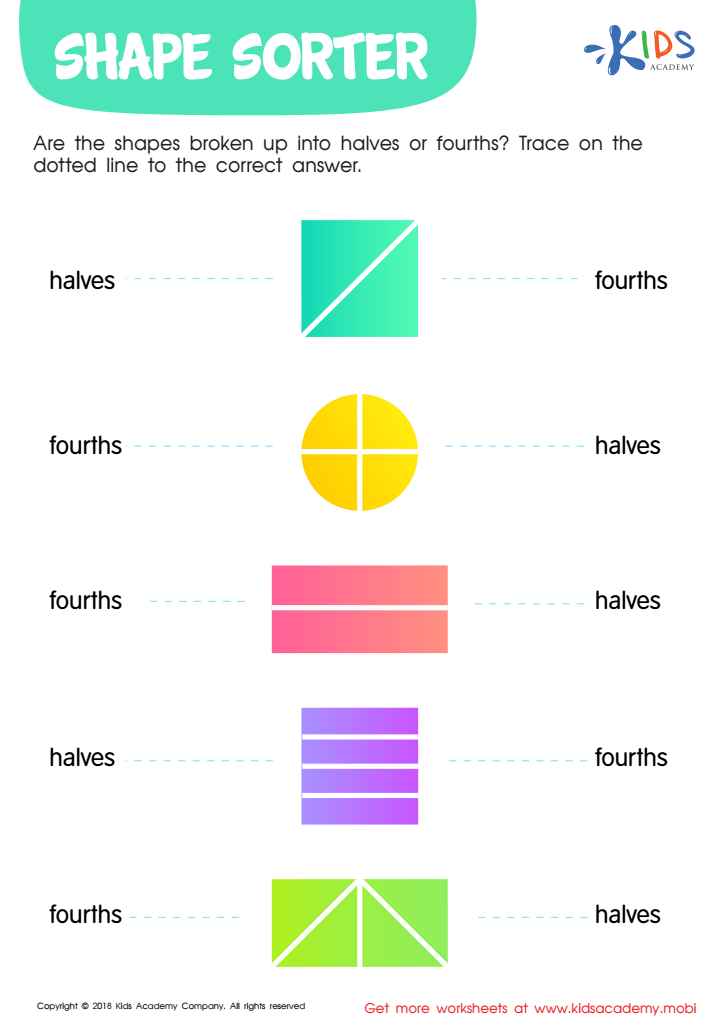
Shape Sorter Worksheet
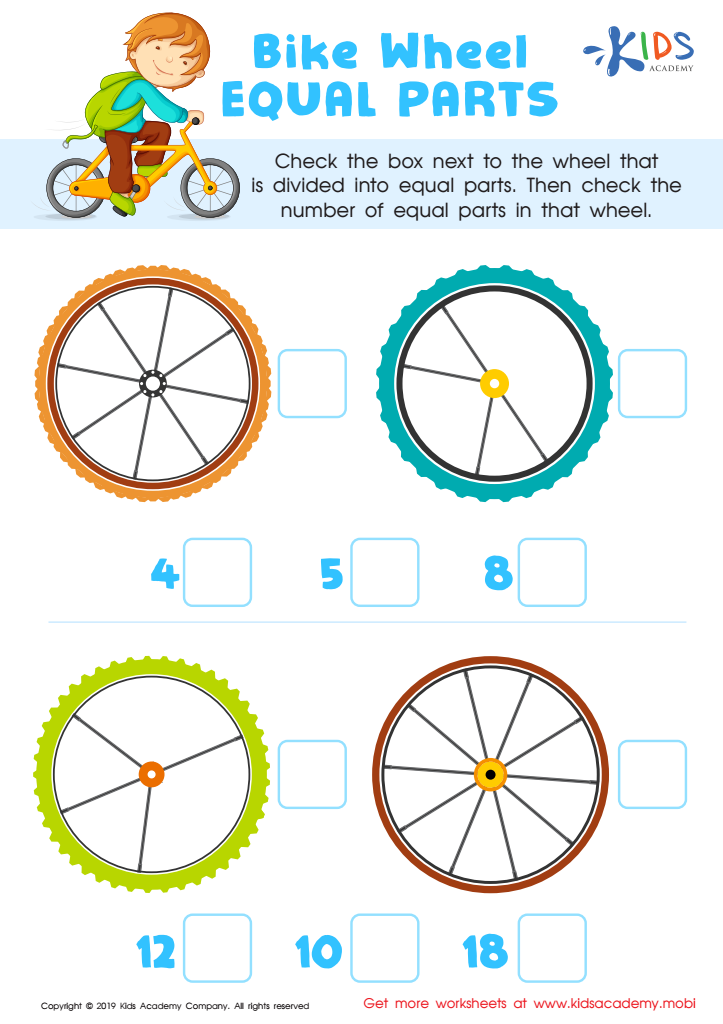
Bike Wheel Equal Parts Worksheet
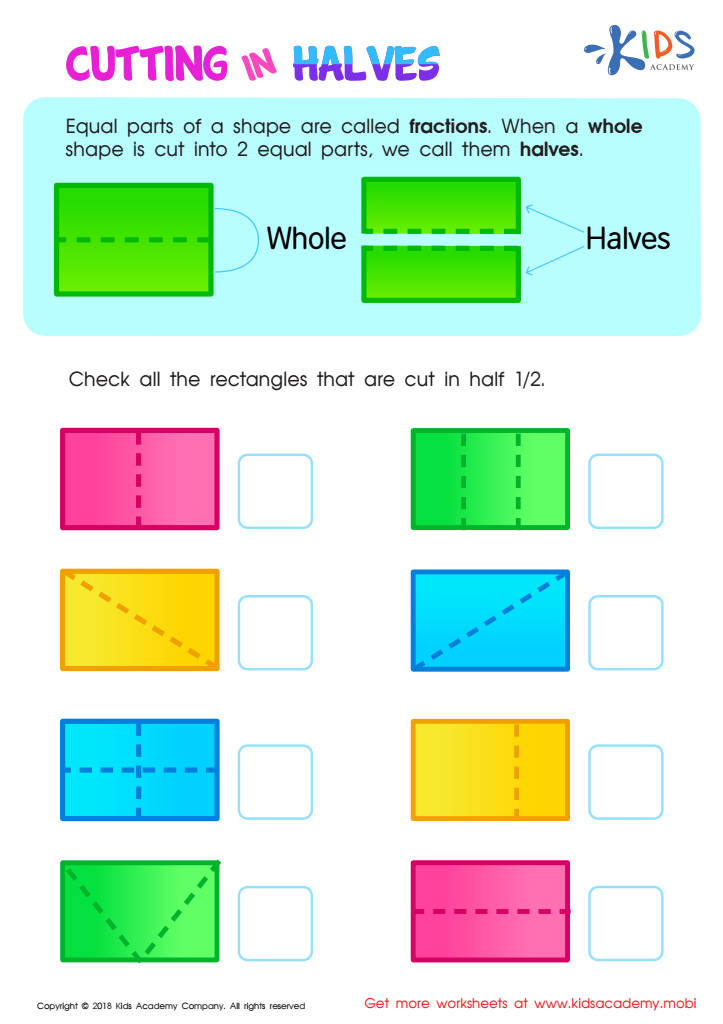
Cutting in Halves Worksheet
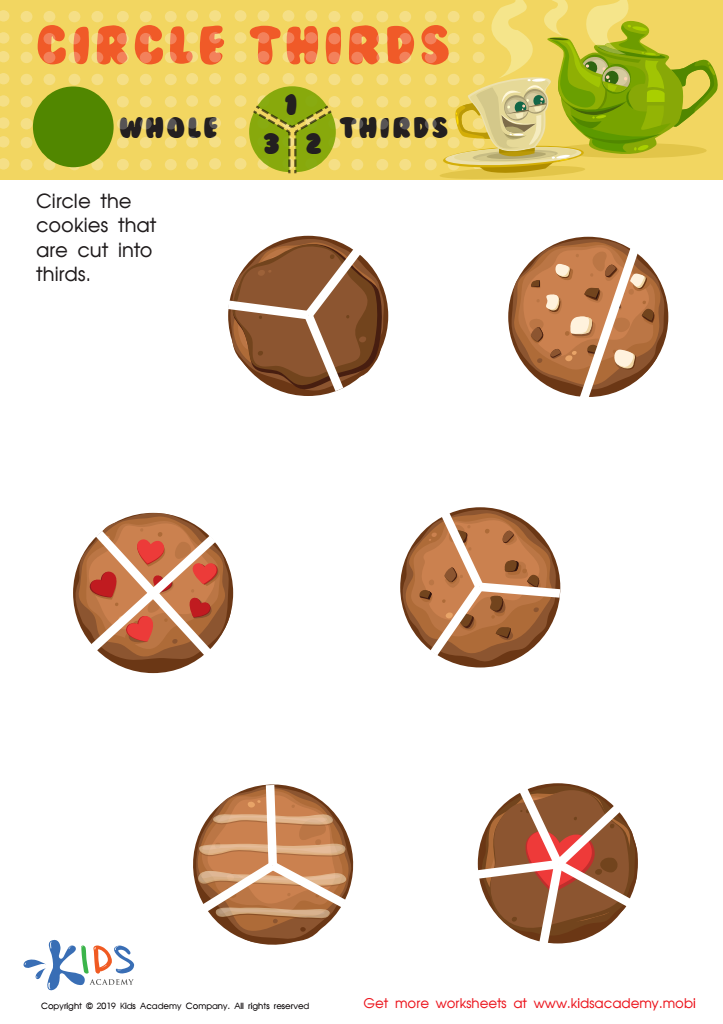
Circle Thirds Worksheet
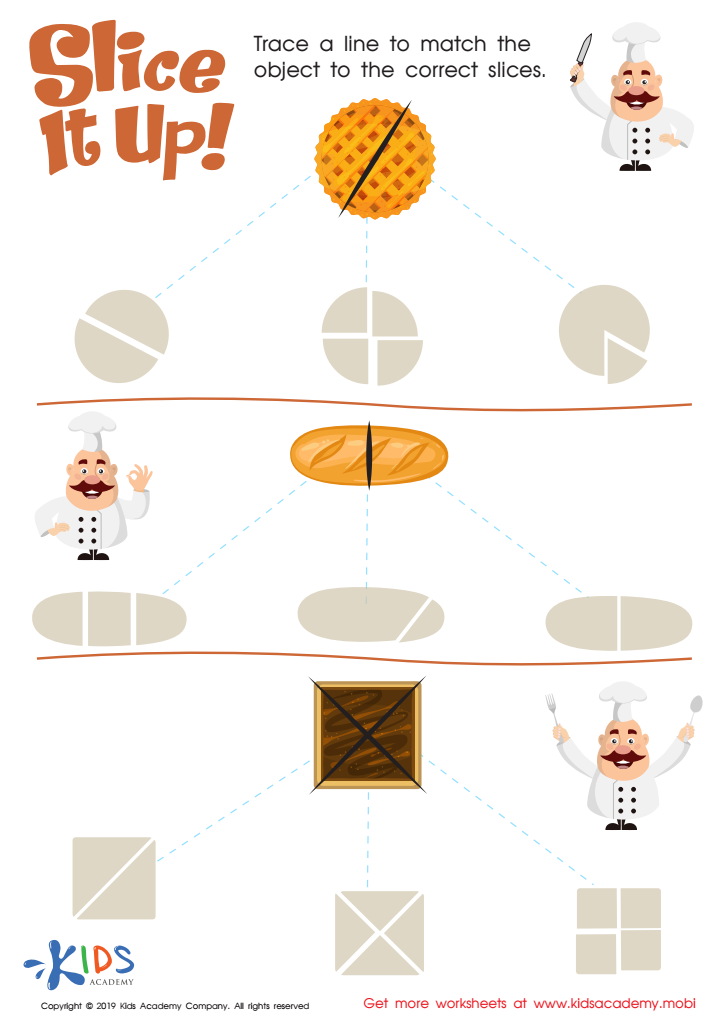
Slice It Up Worksheet
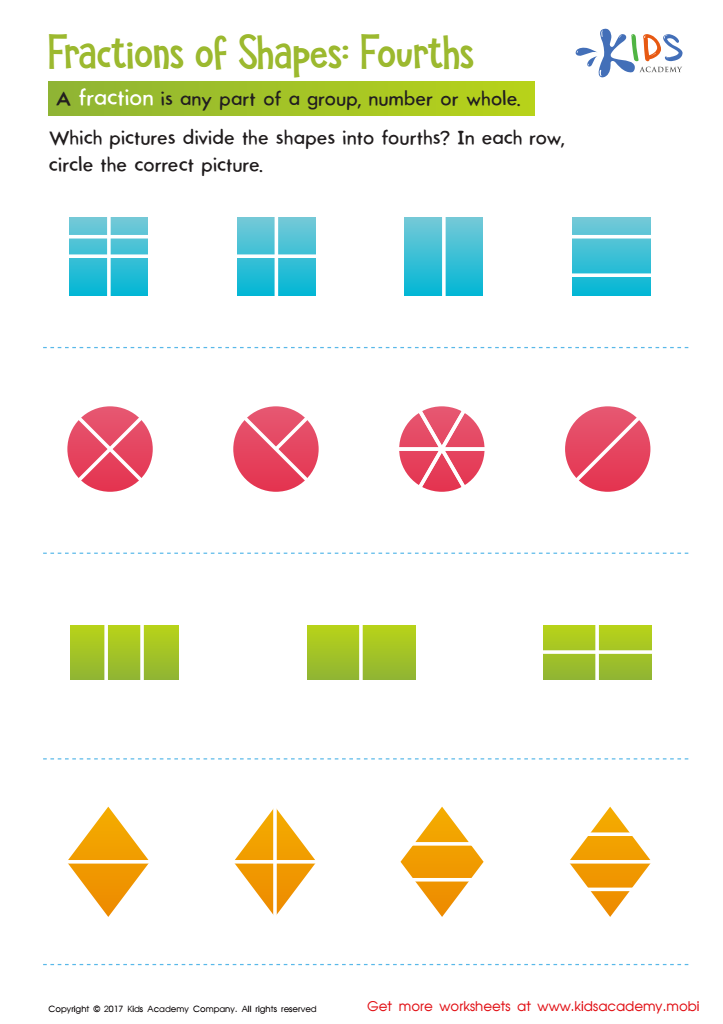
Fractions of Shapes Worksheet
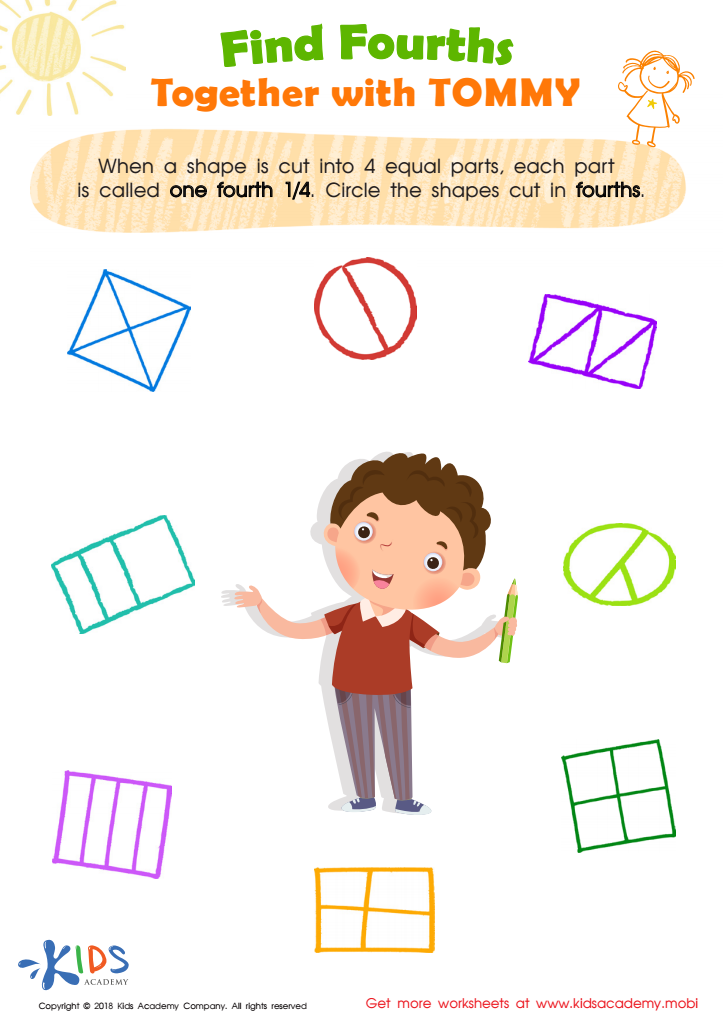
Find Fourths Together with Tommy Worksheet
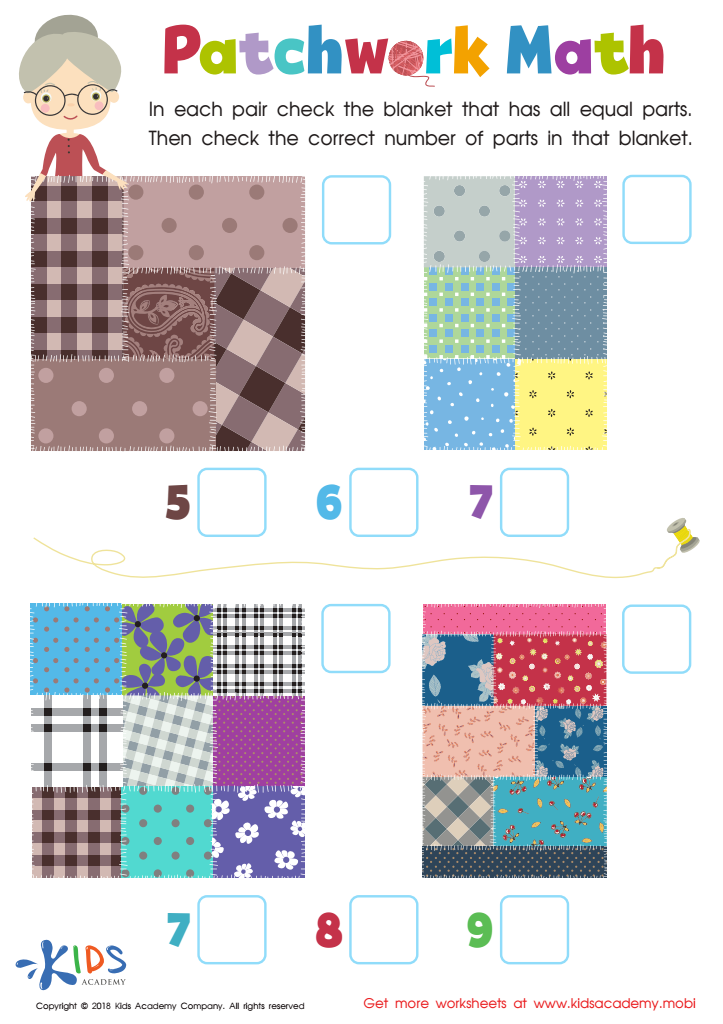
Patchwork Math Worksheet
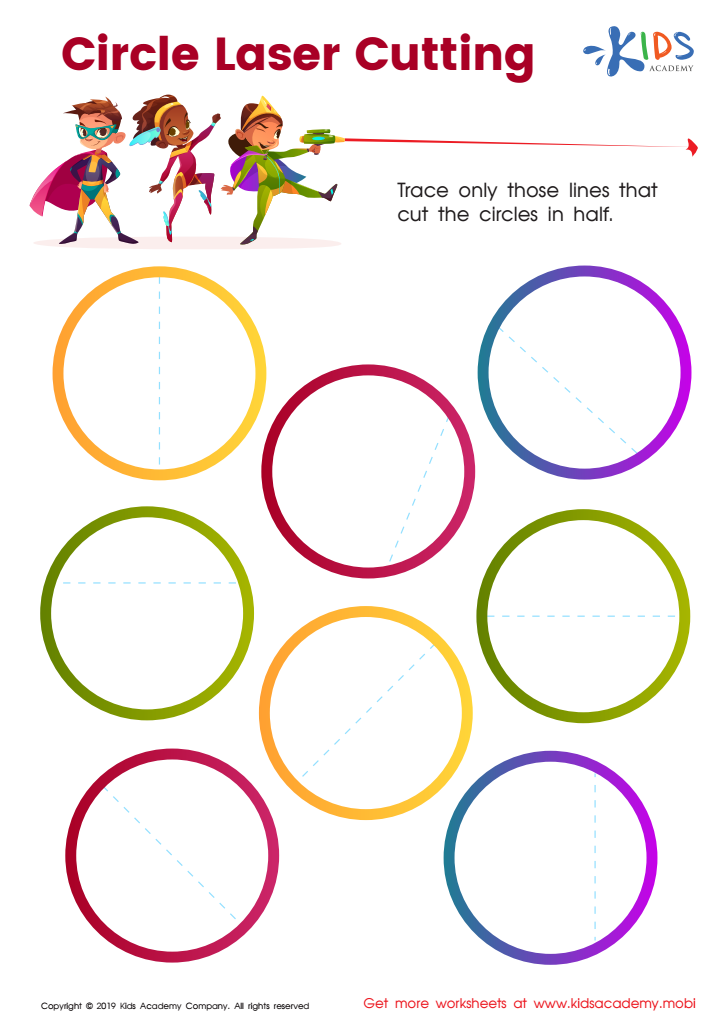
Circle Laser Cutting Worksheet
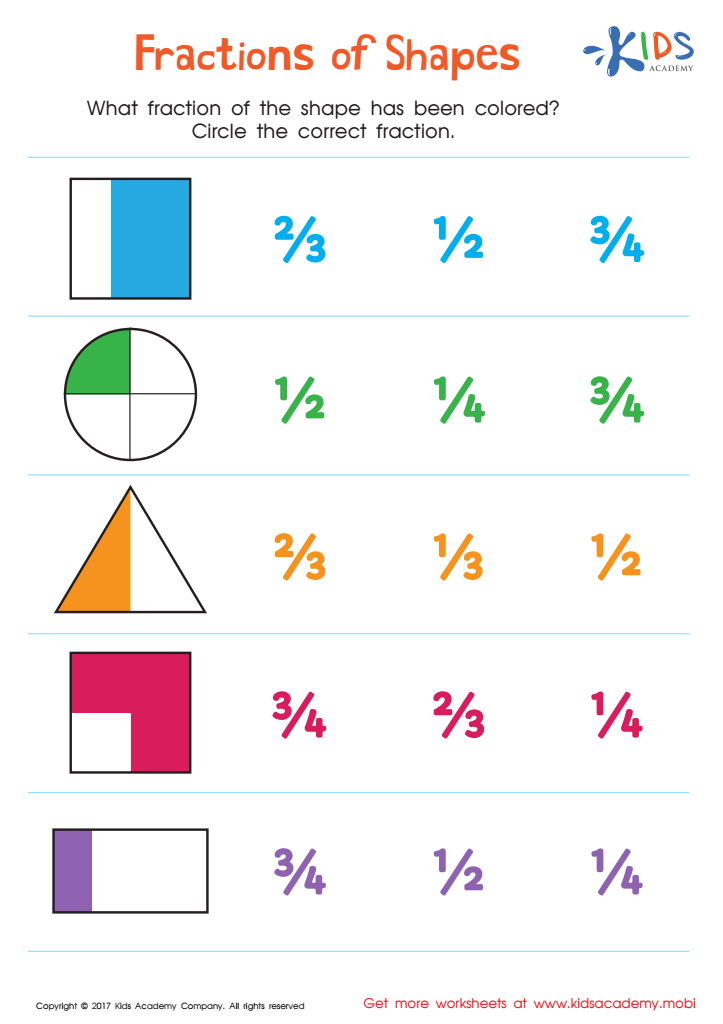
Fractions of Shapes: Math Concept Worksheet
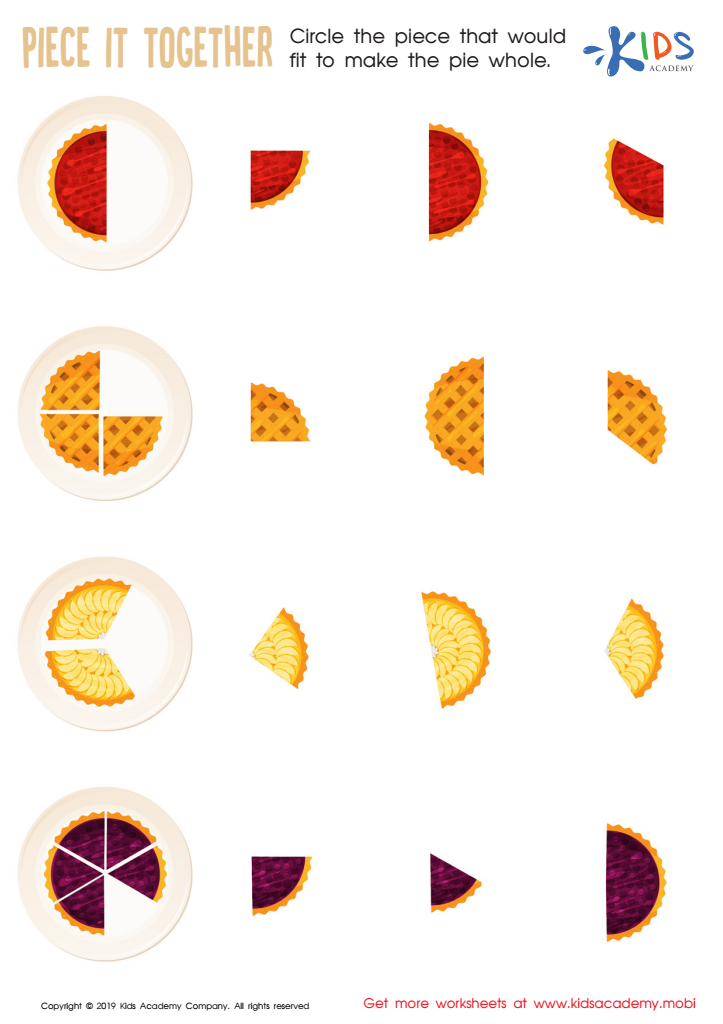
Piece it together Worksheet
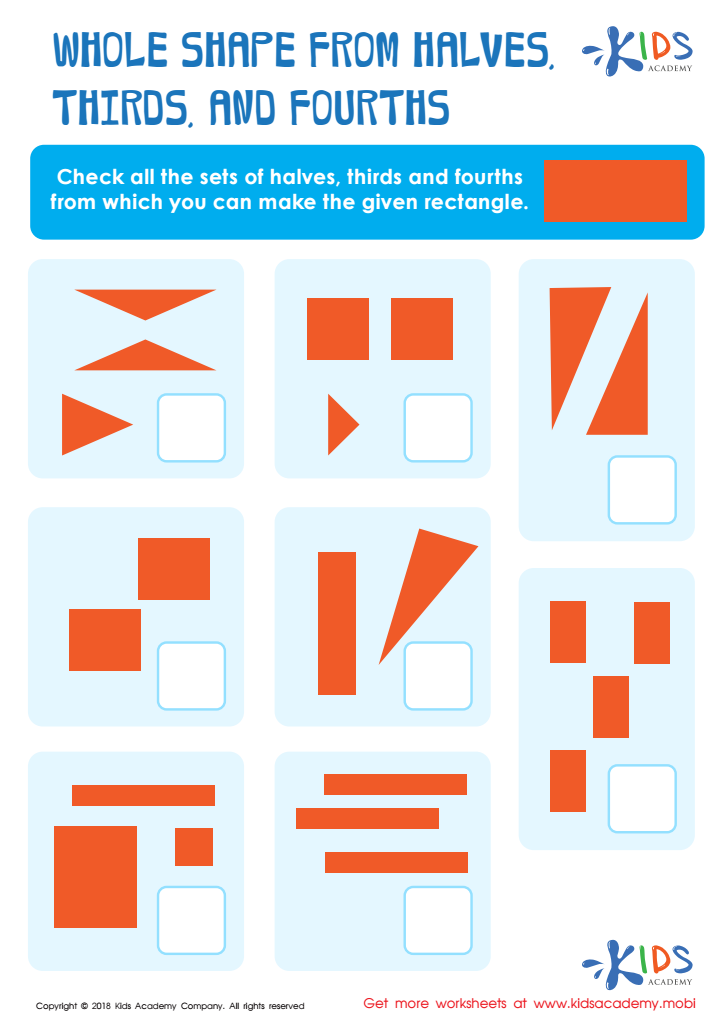
Whole Shape from Halves, Thirds and Fourths Worksheet








Parents and teachers should prioritize teaching fractions of shapes to children aged 3-8 because it builds foundational math skills essential for their cognitive development. Understanding fractions fosters critical thinking and problem-solving abilities, helping young learners grasp how different parts relate to a whole. Engaging with shapes and their fractions encourages hands-on learning and exploration, which is vital at this stage.
Incorporating fractions into discussions about shapes can enhance children's spatial awareness and improve their ability to visualize relationships between objects. For instance, using shapes like circles, squares, and triangles aids in helping children recognize and create equal parts, which introduces them to basic concepts of division and multiplication.
Moreover, learning fractions in early education sets the groundwork for more advanced math concepts in later years, ensuring a smoother transition as the curriculum becomes more challenging. It also allows children to see real-world applications of math, revealing why it’s relevant in everyday life.
By making learning about fractions enjoyable and interactive – through games, arts, and creative activities – educators and parents can help children develop a positive attitude toward math that will carry into their academic futures. Early engagement encourages a love for learning and confidence in their abilities.