Geography Worksheets for Ages 3-8 - Page 3
60 filtered results
-
From - To
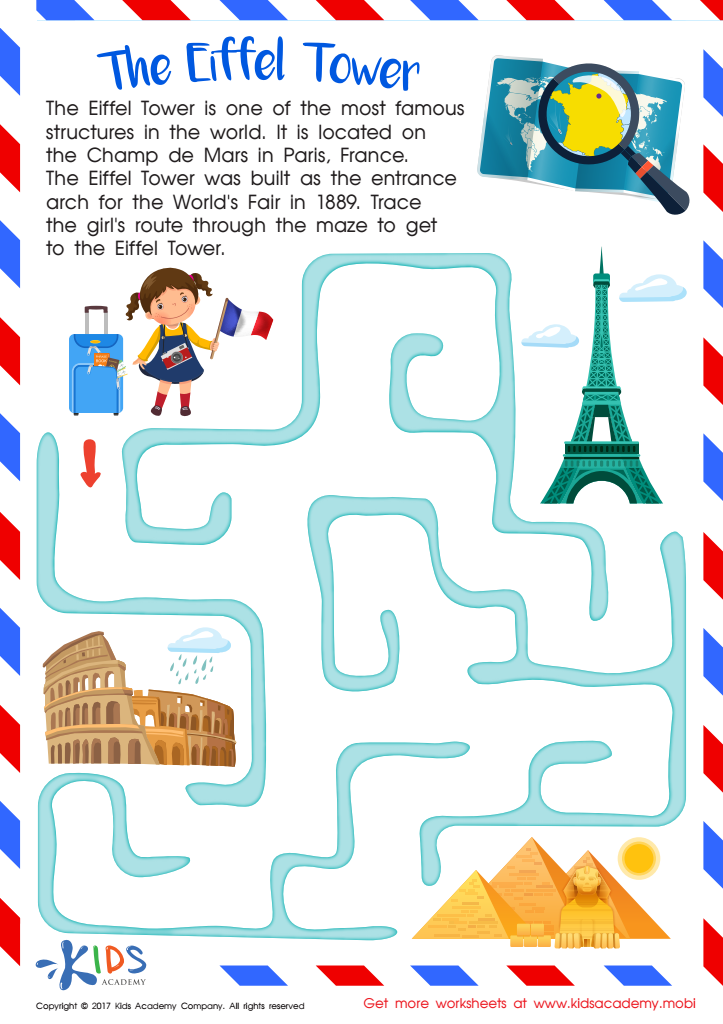
The Eiffel Tower Printable
 Assign to My Students
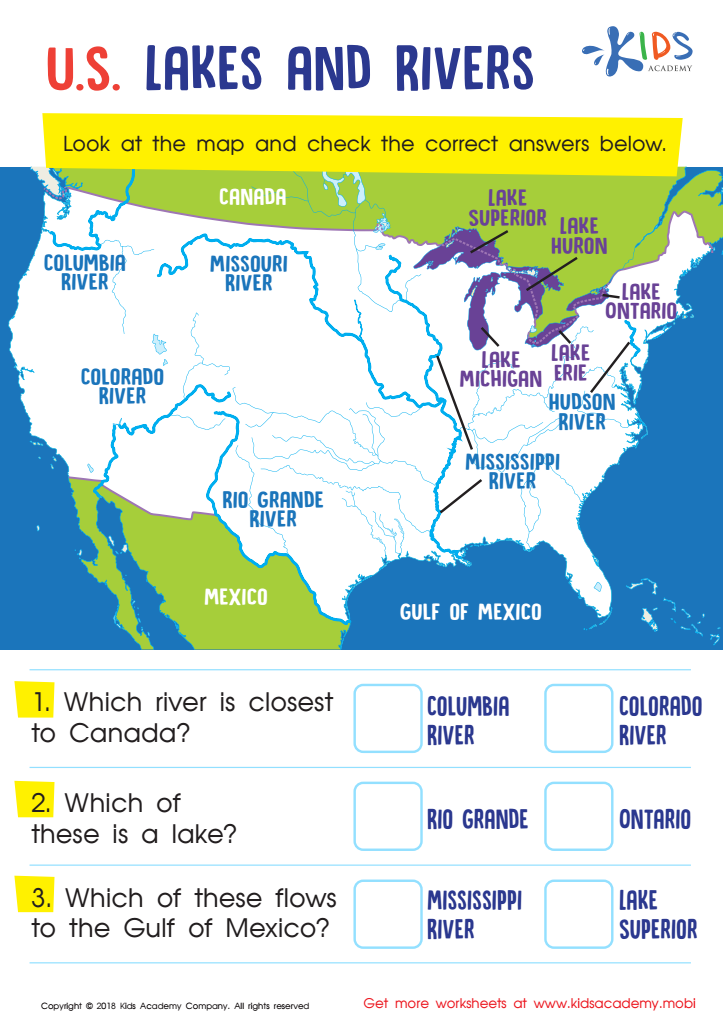
U.S. Lakes and Rivers Worksheet
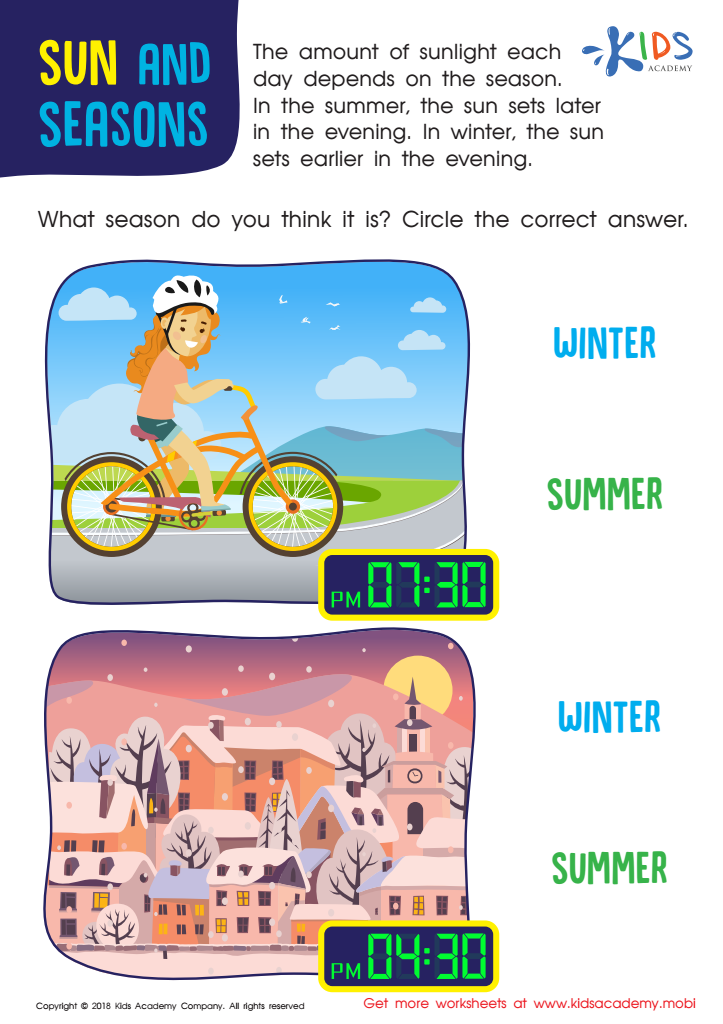
Sun and Seasons Worksheet
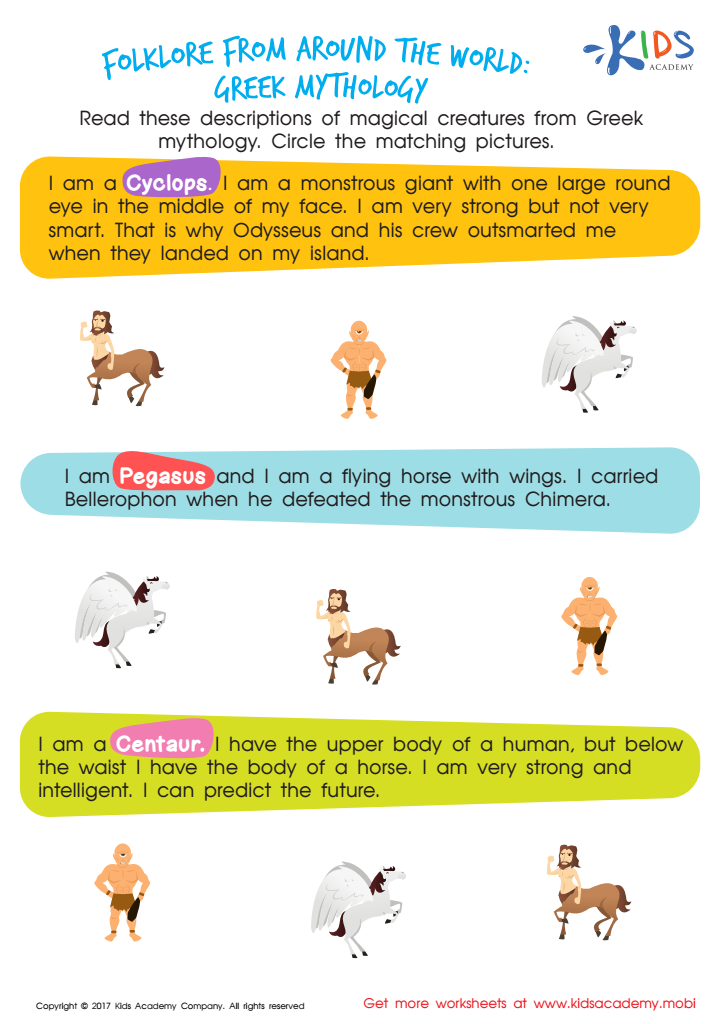
Greek Mythology Worksheet
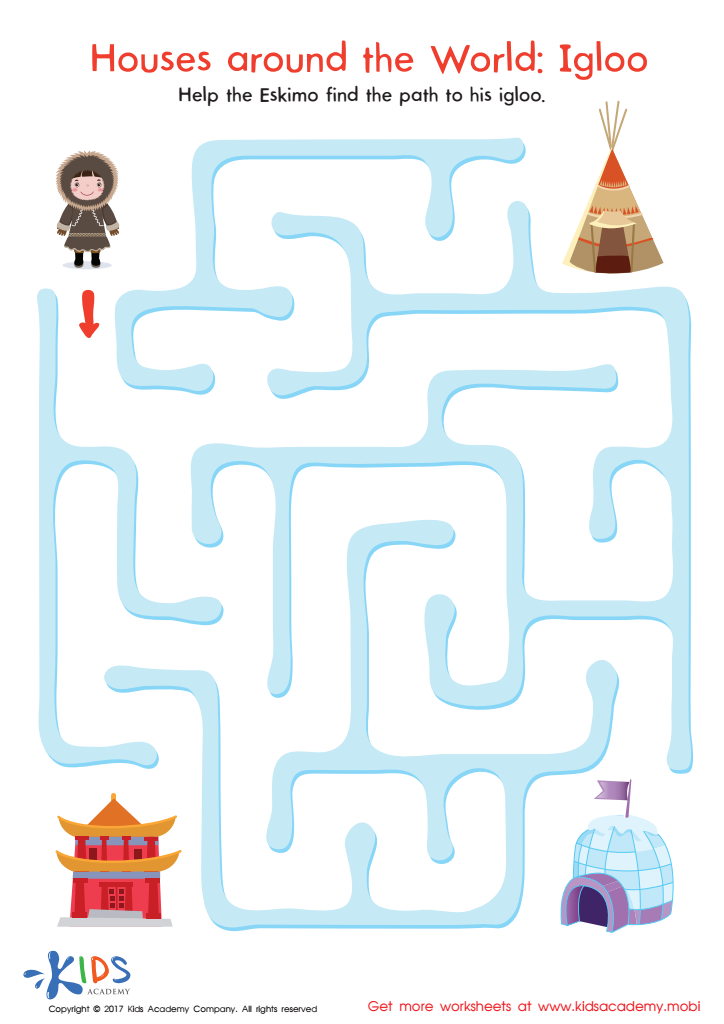
Houses Around the World: Igloo Printable
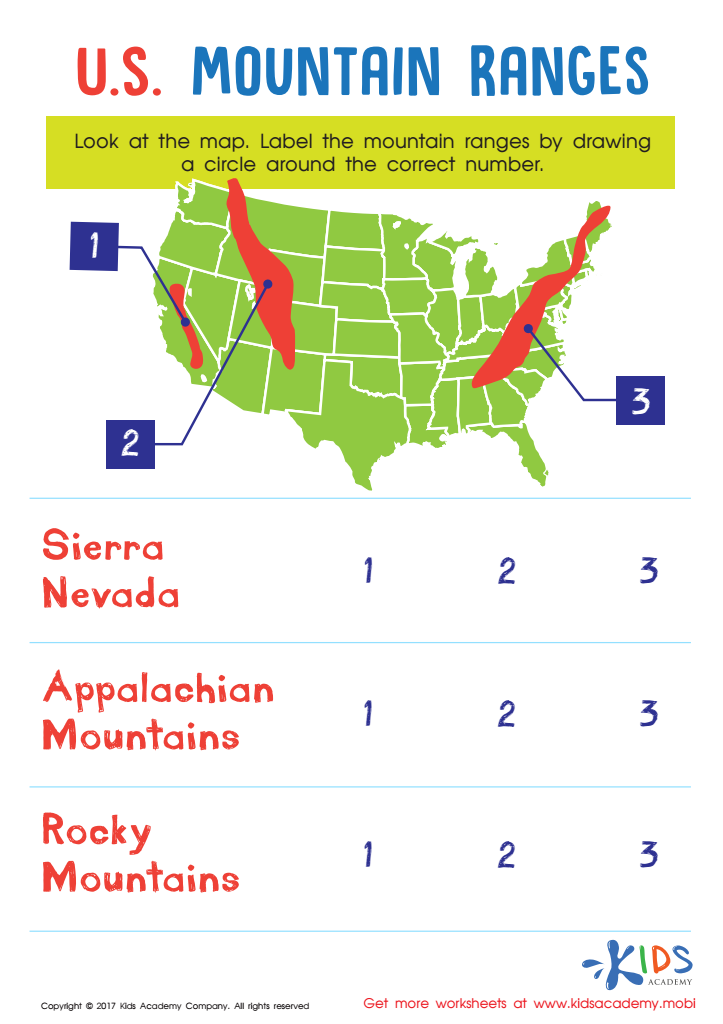
US Mountain Ranges Worksheet
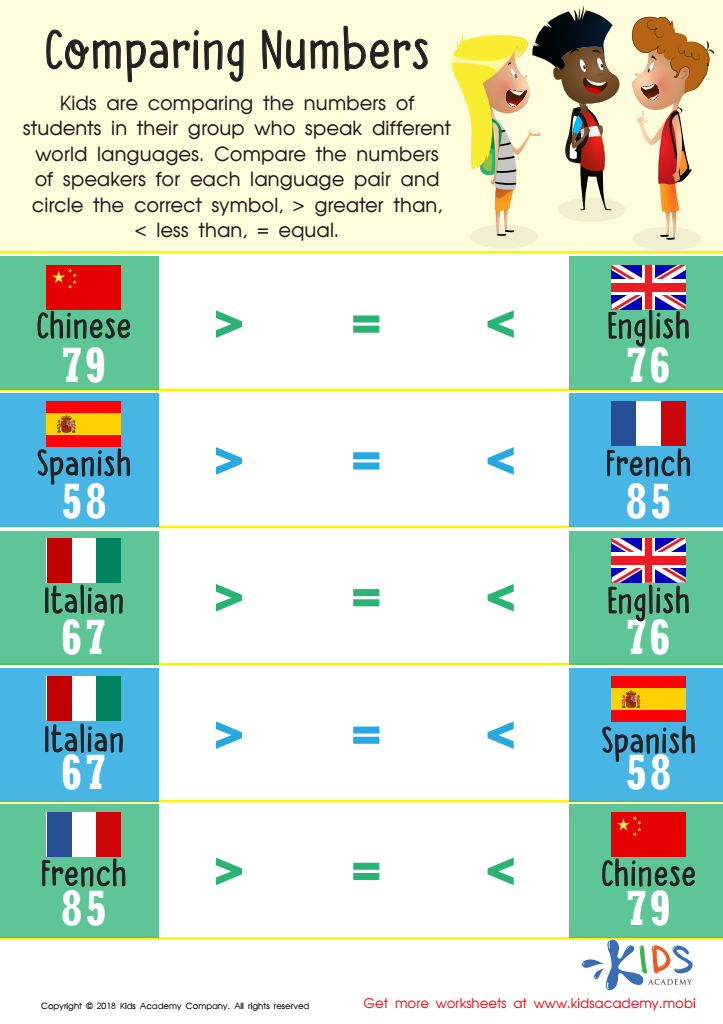
Comparing Numbers Worksheet for 1st Grade
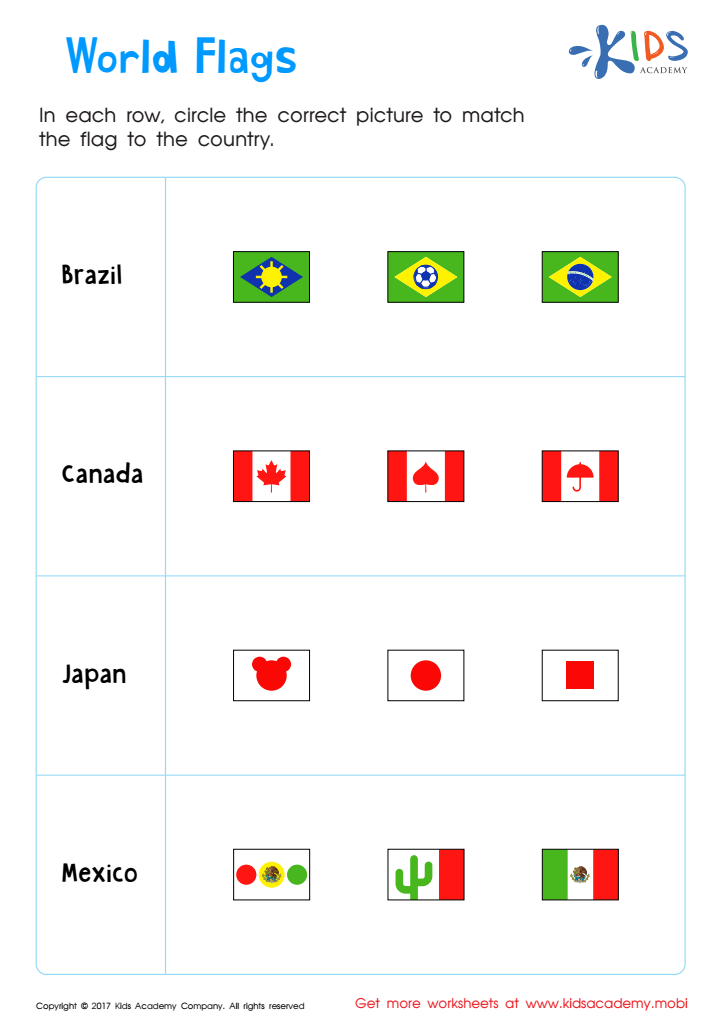
World Flags Printable
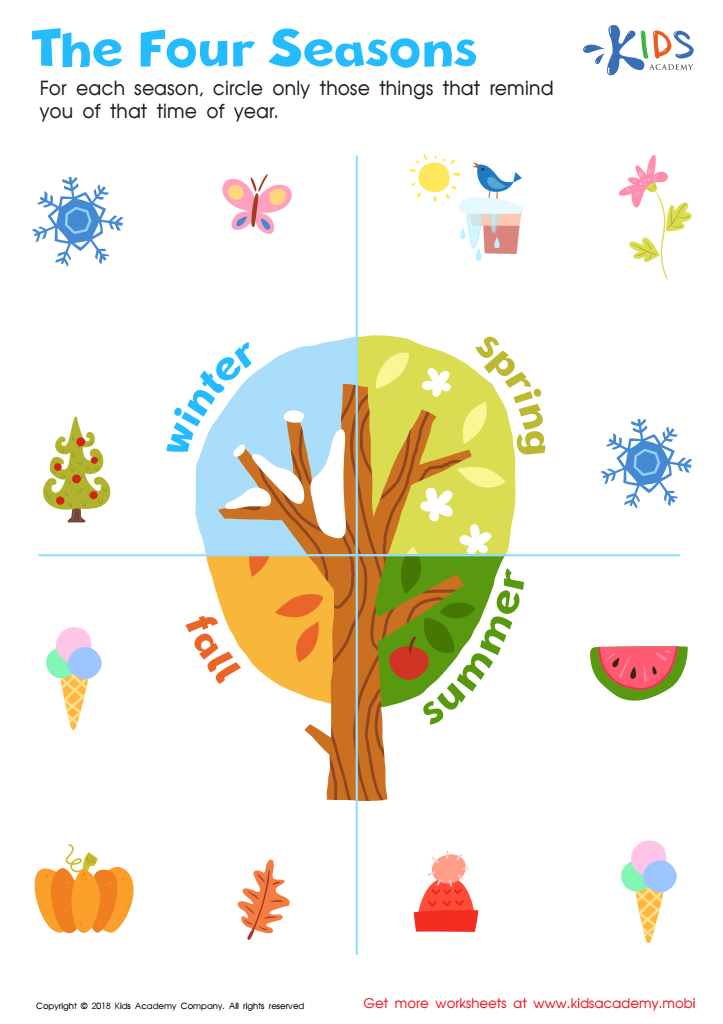
The Four Seasons Worksheet
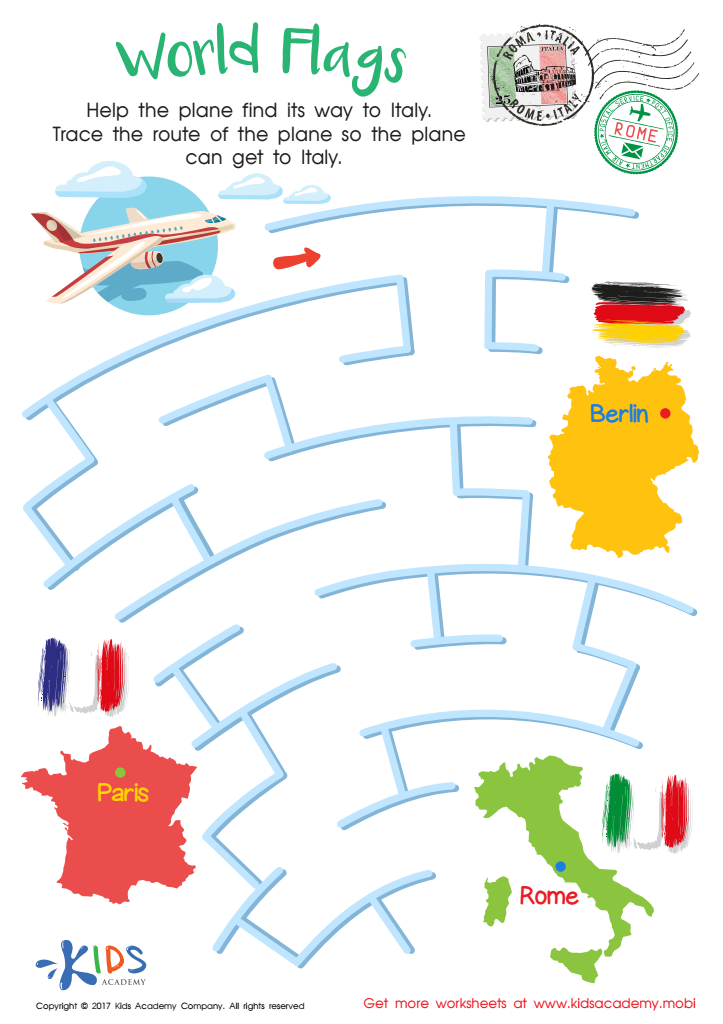
World Flags Maze Worksheet
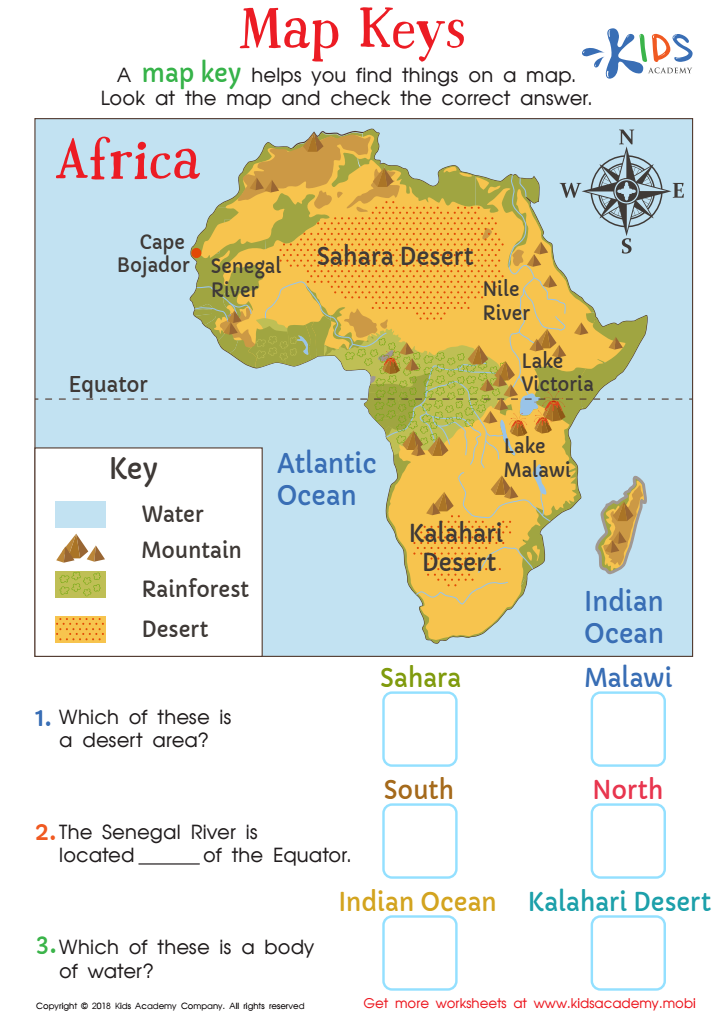
Map Keys Worksheet
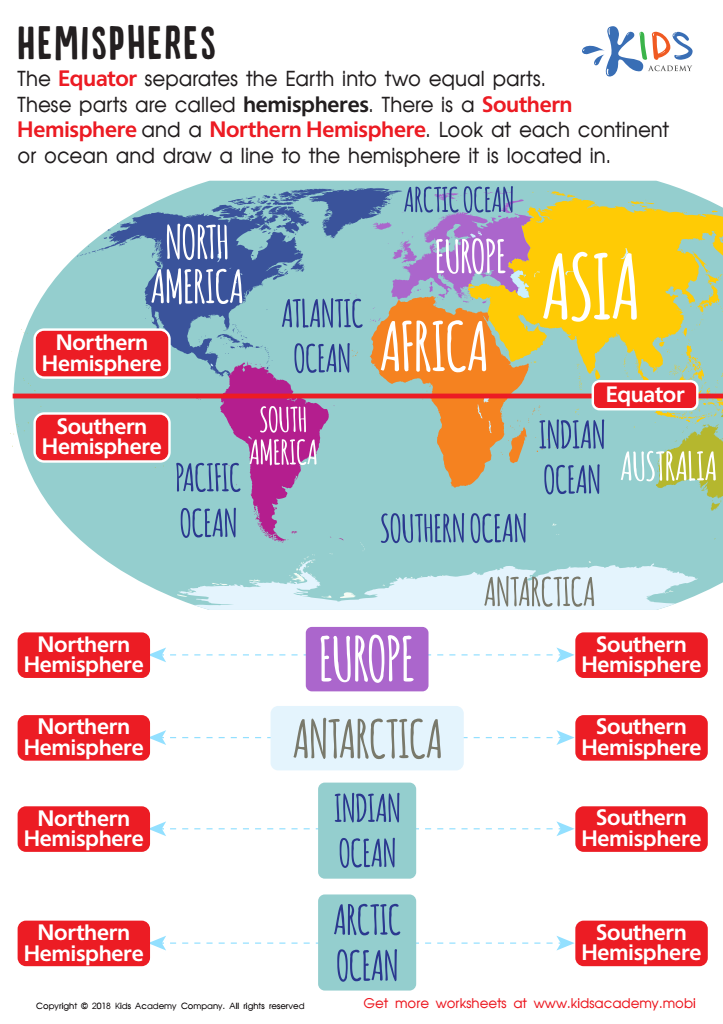
Hemispheres Worksheet




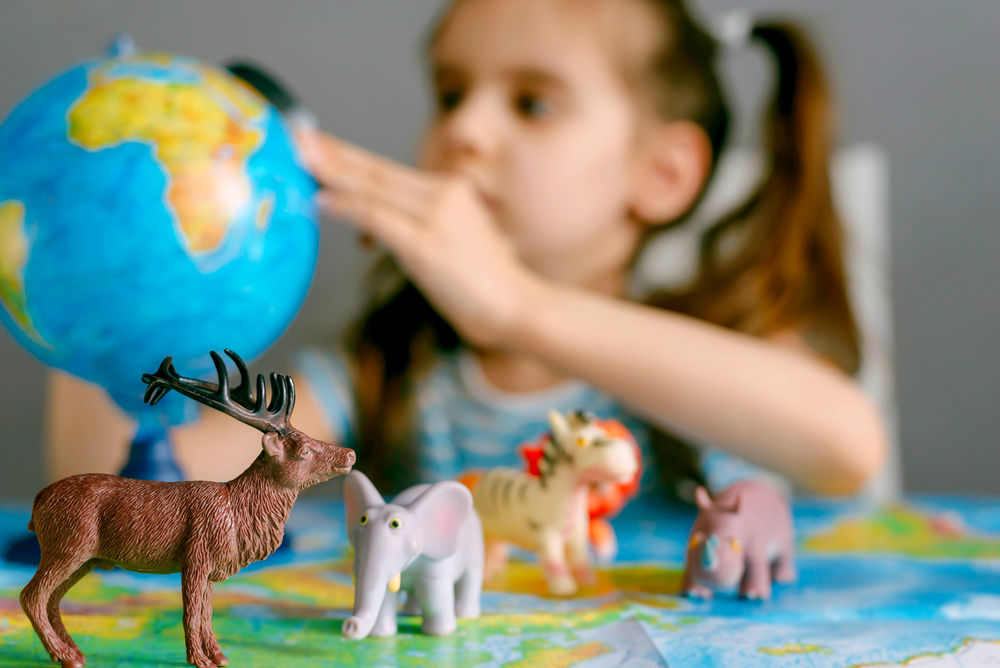


Understanding geography is crucial for children aged 3 to 8, and parents and teachers should deeply care about this subject for several reasons. Firstly, geography fosters children's curiosity about the world around them. At this age, children are naturally inquisitive, and learning about different places inspires them to explore diverse cultures, environments, and societies.
Secondly, geography helps build essential cognitive skills. It encourages critical thinking as children learn to map locations and understand spatial relationships. This foundational knowledge is important for later academic subjects such as science, social studies, and mathematics.
Moreover, geography nurtures social awareness and empathy. As young learners discover various regions, their inhabitants, and unique lifestyles, they develop a greater understanding of human diversity and interconnectedness. Such awareness is vital in fostering values like respect and tolerance.
Finally, in today's globalized world, early exposure to geography equips children with the perspective they will need as future citizens. The knowledge gained helps them appreciate global issues such as climate change, migration, and cultural exchange. By incorporating geography into early education, parents and teachers are laying the groundwork for well-rounded, informed individuals who can navigate and contribute to an increasingly complex world.








