Filters

30 filtered results

Clear all filters
Favorites
With answer key
Interactive

30 filtered results

Difficulty Level

Grade


Check out this FREE Trial Lesson on Community for age 3-8!

Doctors & Nurses

Favorites
With answer key
Interactive
  • 3-8
  • With answer key
  • Community
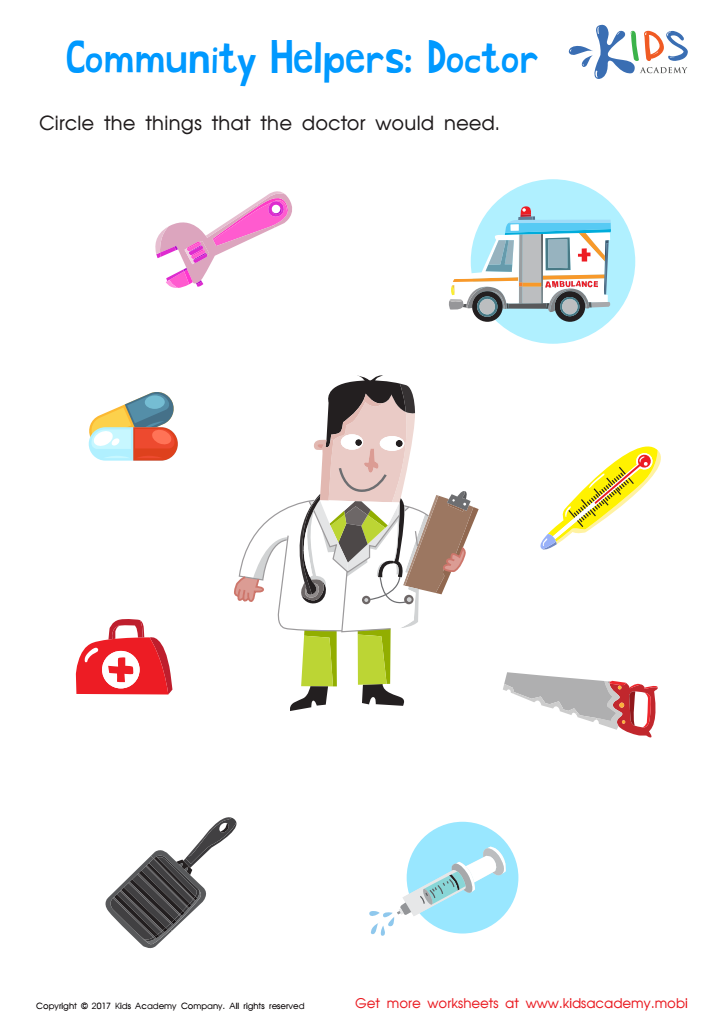
Community Helpers Doctor

Doctor Community Helpers Worksheet

Doctor Community Helpers Worksheet
Worksheet
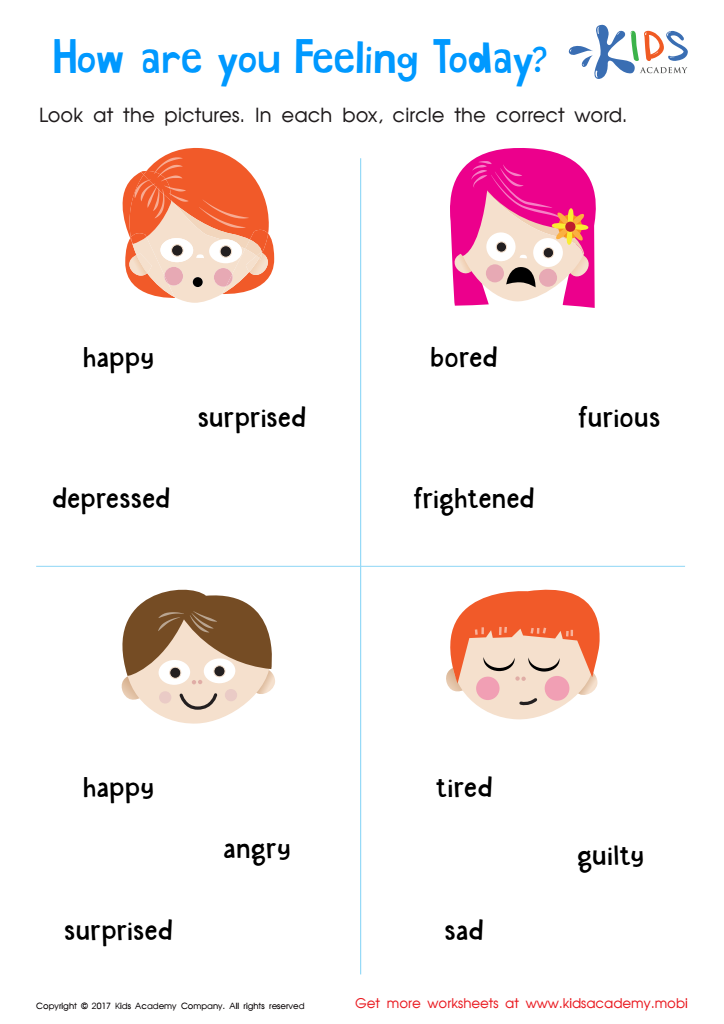
Understanding feelings worksheet

Understanding Feelings Worksheet

It helps them learn to empathize with others and regulate their own emotions. Try it today! Develop your child's understanding of empathy and emotional regulation with this worksheet! It is a great way to help them acquire important life skills beyond academic knowledge. Print it and start using it to take their social and emotional skills to the next level. Try it now!
Understanding Feelings Worksheet
Worksheet
See Your Doctor Worksheet

See Your Doctor (Part 2) Printable
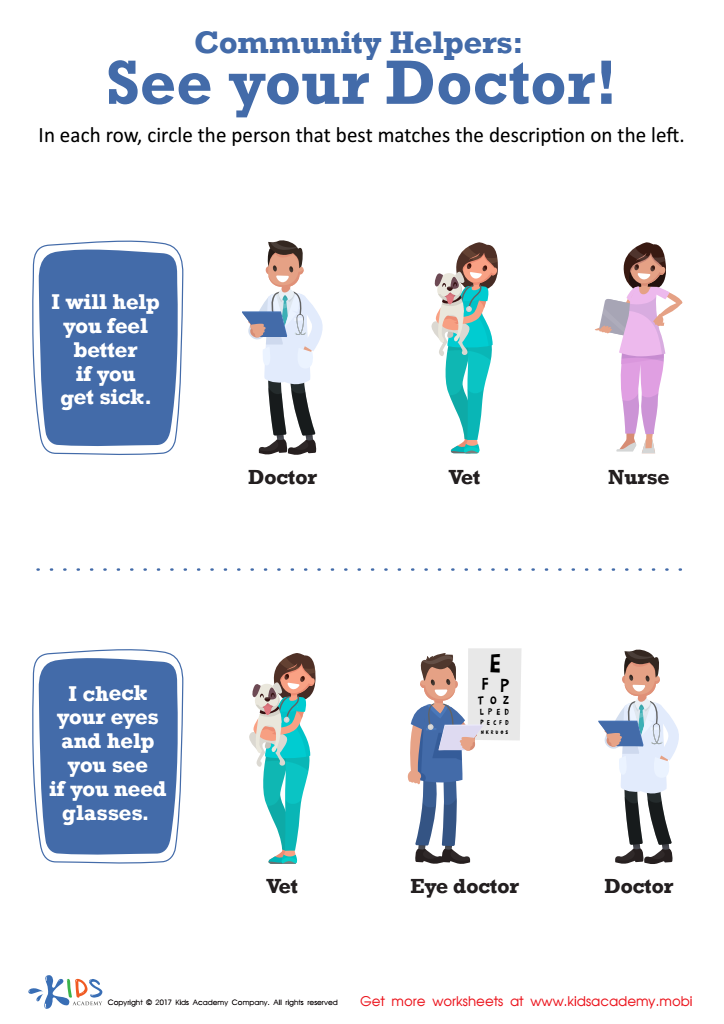
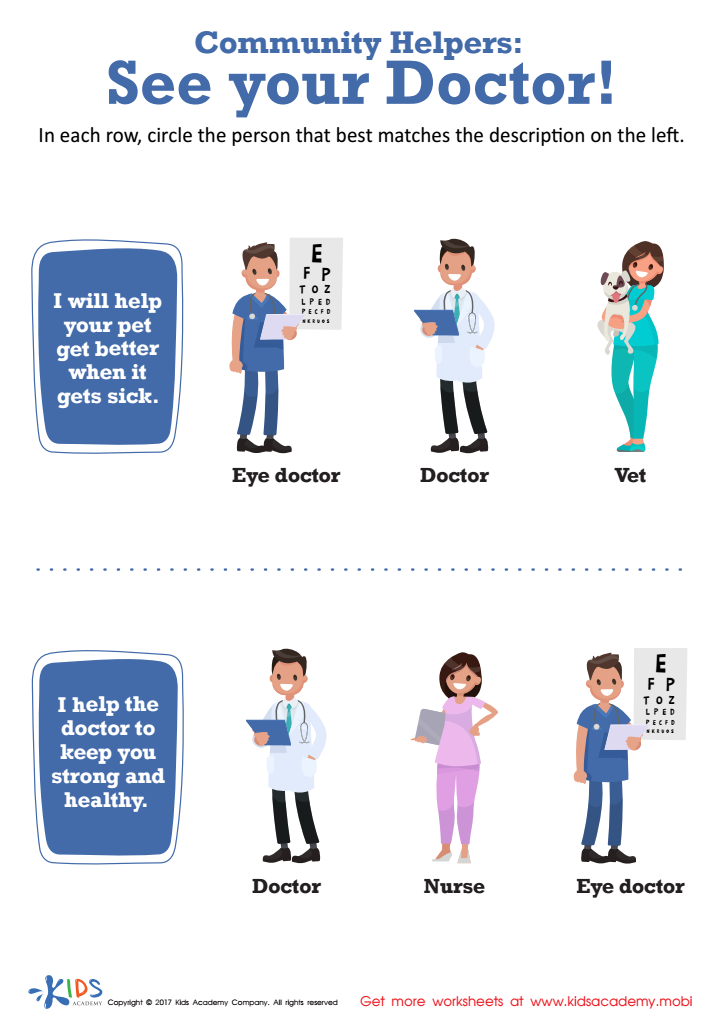
Nurses, vets and eye doctors fulfill important needs in our communities. With this worksheet, your child can recognize and classify different types of doctors and explore potential interests. Learn more about the people in our community, and start a conversation about potential interests. A great way to make your child think about different types of doctors!
See Your Doctor (Part 2) Printable
Worksheet
See Your Doctor Worksheet

See Your Doctor (Part 1) Printable

Your child may be scared of doctors, but this worksheet can help them appreciate them. It teaches about different types of doctors and helps them understand more about their community. Learning about different professions is a great way to discover potential interests, so let's get started with community helpers!
See Your Doctor (Part 1) Printable
Worksheet
Community Helpers Printable Worksheet

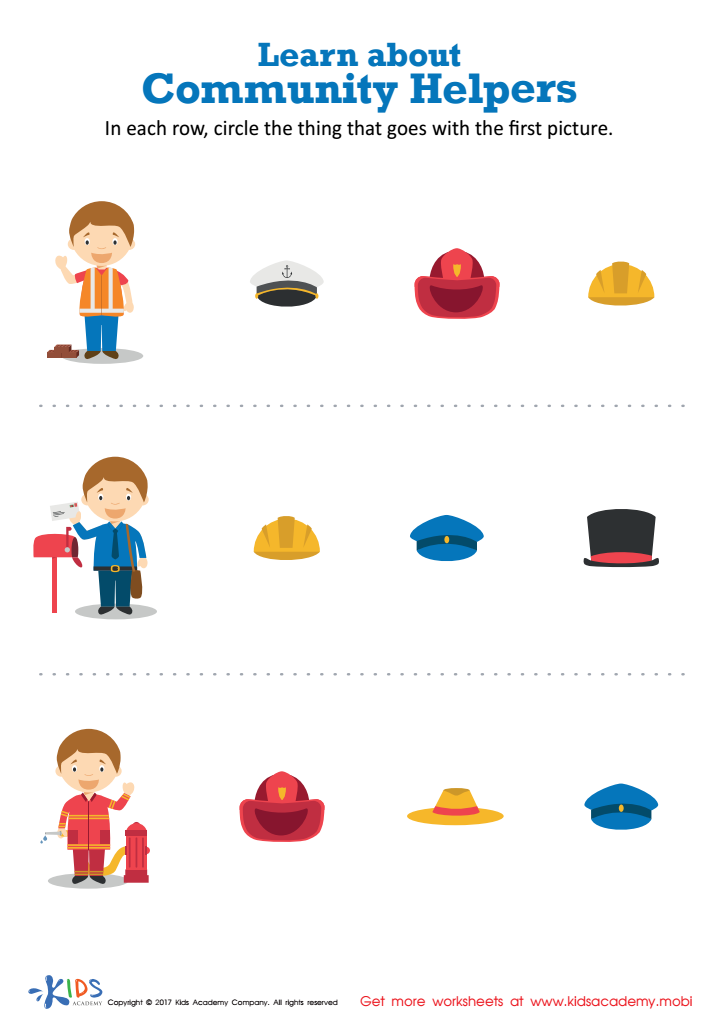
Learn about Community Helpers Printable
Introduce your little one to the amazing and hard-working people in the community with this free worksheet. It will help them use matching and observational skills to match the correct hat to its worker and recognize community helpers. Perfect for early learners, this worksheet uses familiar images to help them gain a deeper appreciation for their community helpers!
Learn about Community Helpers Printable
Worksheet
Road Signs for Kids Worksheets

Road Signs (Part 2) Printable

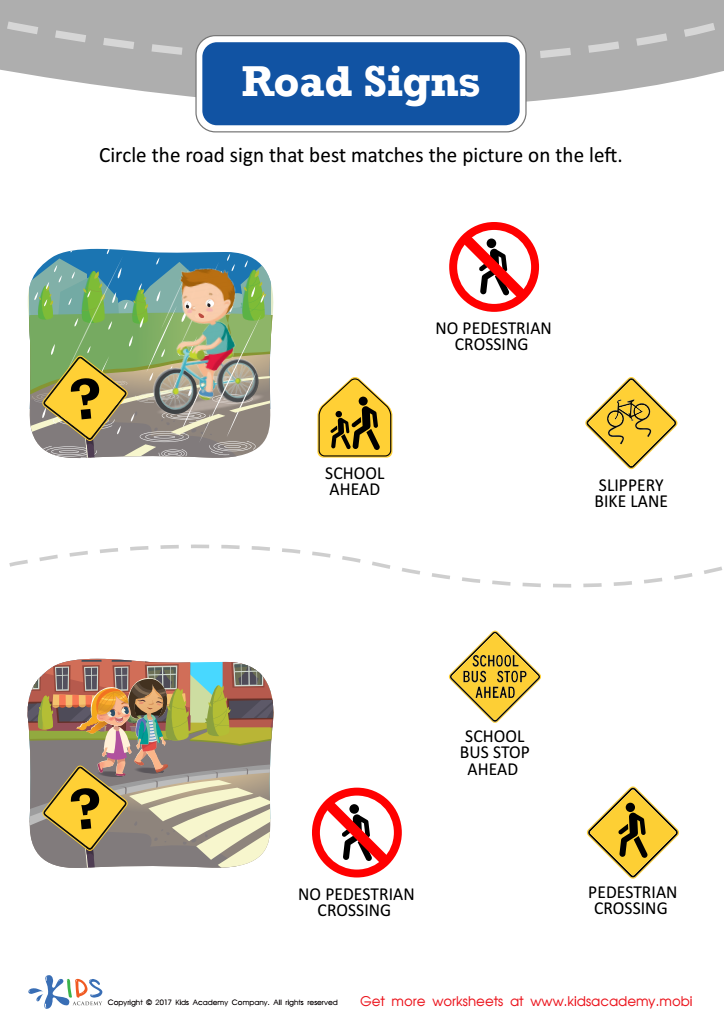
Help your child stay safe with road sign worksheets! These worksheets help kids recognize common traffic signs, boost comprehension and symbol recognition, and know when to stay safe near or on roads. Use the sheets to start a conversation, and take your child out to spot signs near home or school.
Road Signs (Part 2) Printable
Worksheet


Parents and teachers should prioritize fostering a sense of community for children ages 3-8 because it plays a crucial role in their emotional, social, and cognitive development. At this tender age, children are beginning to understand the world beyond their immediate family. A strong, nurturing community provides a safe and supportive environment where they can explore, learn, and grow.

First, a community offers social interaction, which is essential for developing interpersonal skills. Interaction with peers and adults helps young children learn to communicate, share, cooperate, and resolve conflicts. These social skills are foundational for forming healthy relationships throughout their lives.

Second, a community engenders a sense of belonging and security. Kids who feel part of a community are more likely to have high self-esteem and confidence. This sense of belonging encourages them to take part in activities and learning opportunities, furthering their cognitive and emotional development.

Moreover, a positive community can reinforce values such as kindness, empathy, and respect. When children see these behaviors modeled by adults and peers around them, they are more likely to adopt and practice them.

Finally, a community can act as a support network for parents and teachers, providing resources and shared experiences that benefit the child's development. Building and nurturing community connections ensure a holistic approach to raising well-rounded, confident, and capable children.