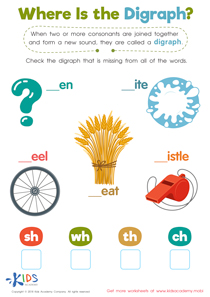
Beginning Consonants Worksheets for Ages 3-9
15 filtered results
-
From - To
Ignite early literacy skills with our engaging Beginning Consonants Worksheets, designed for children ages 3-9. Perfect for preschoolers to third graders, these printable worksheets feature a variety of fun and educational activities that help young learners identify, trace, and say beginning consonant sounds. With bright, friendly illustrations and a kid-approved mix of puzzles, matching games, and coloring tasks, our worksheets provide an enjoyable path for children to enhance their phonics and reading abilities. Boost your child’s confidence in recognizing consonants and laying the foundation for lifelong reading success with Kids Academy's expertly crafted resources.
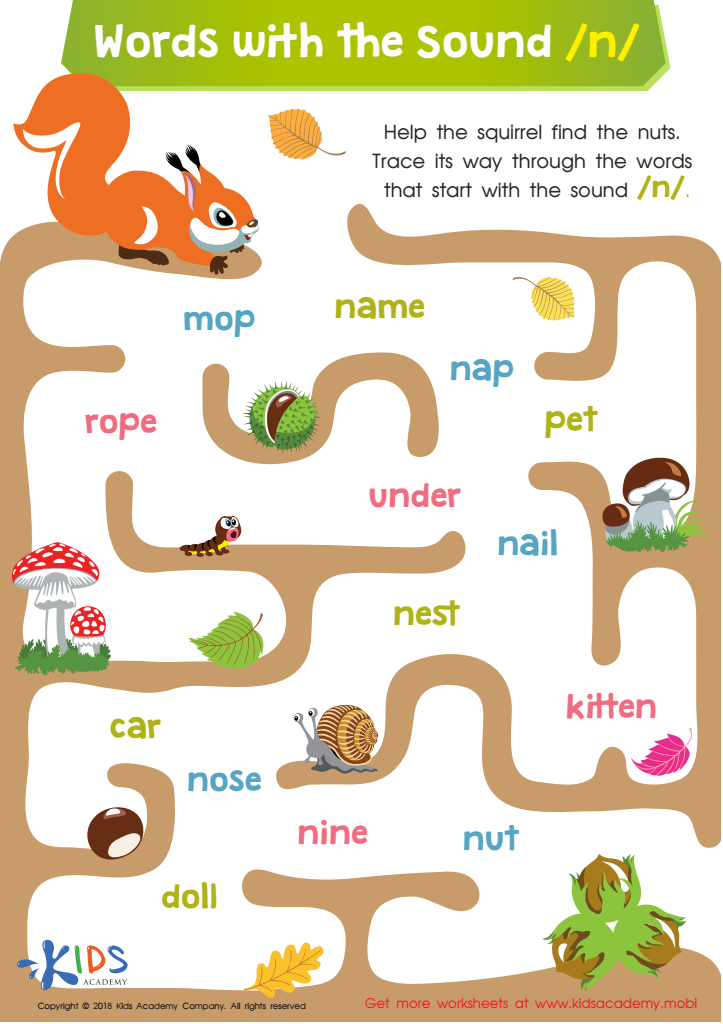
Words with Sound N Reading Worksheet
 Assign to My Students
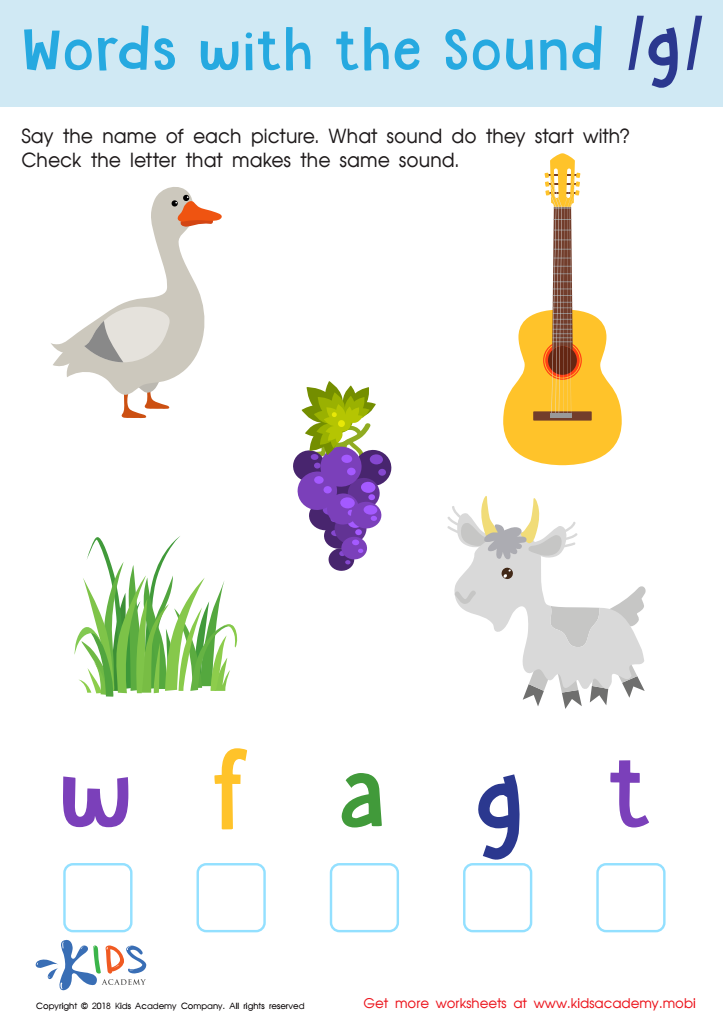
Words with sound g Reading Worksheet
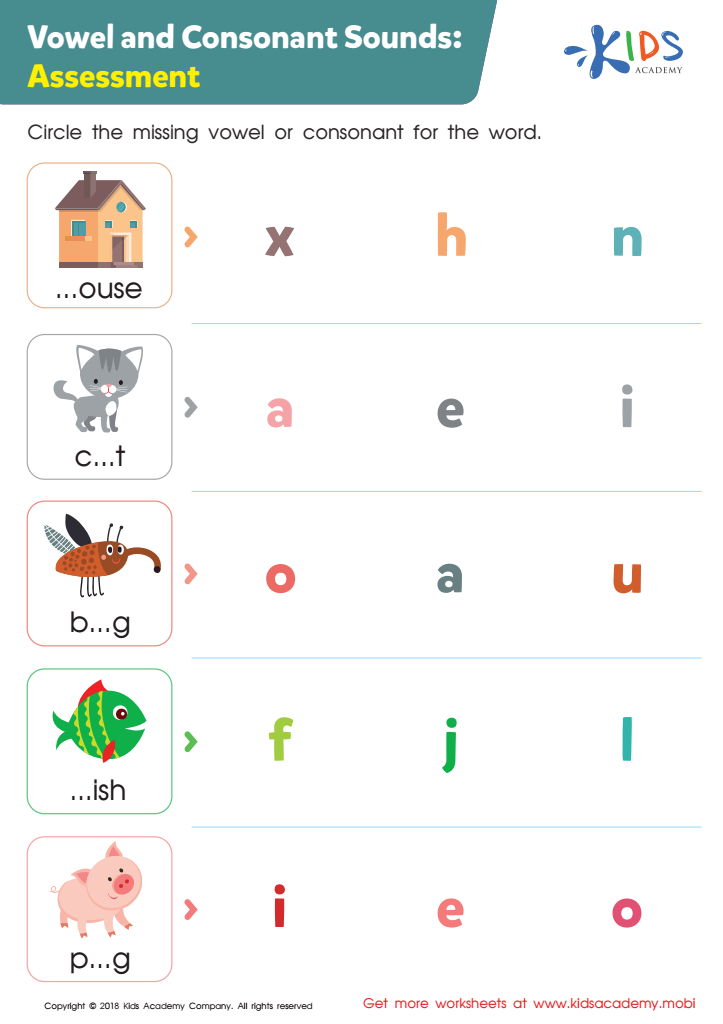
Vowel and Consonant Sounds: Assessment Worksheet
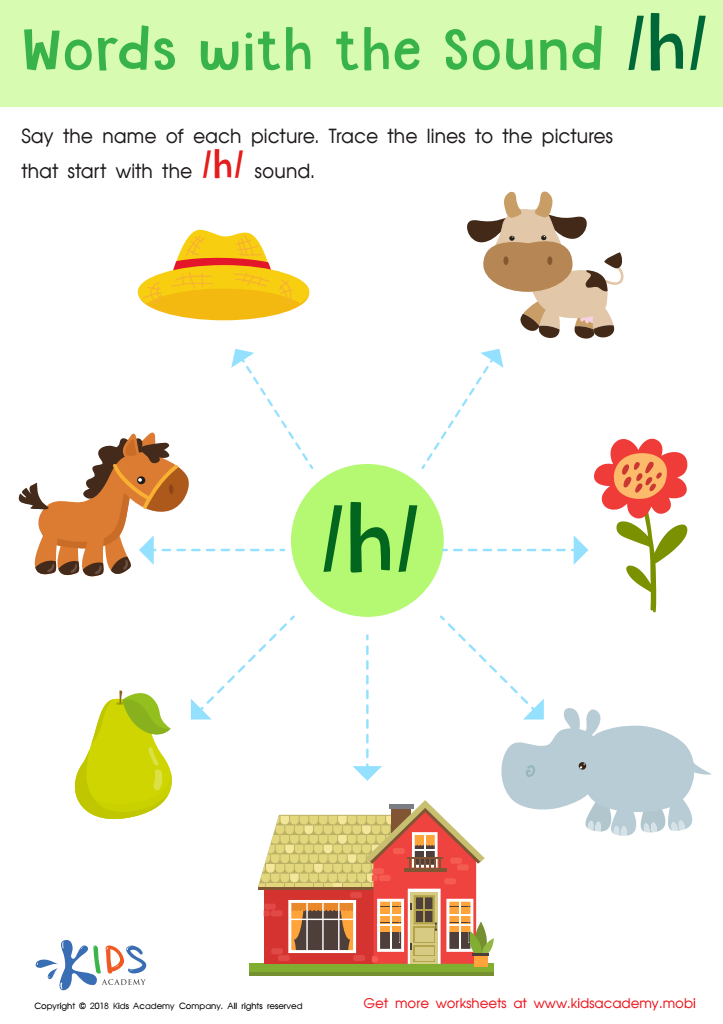
Words with sound h Reading Worksheet
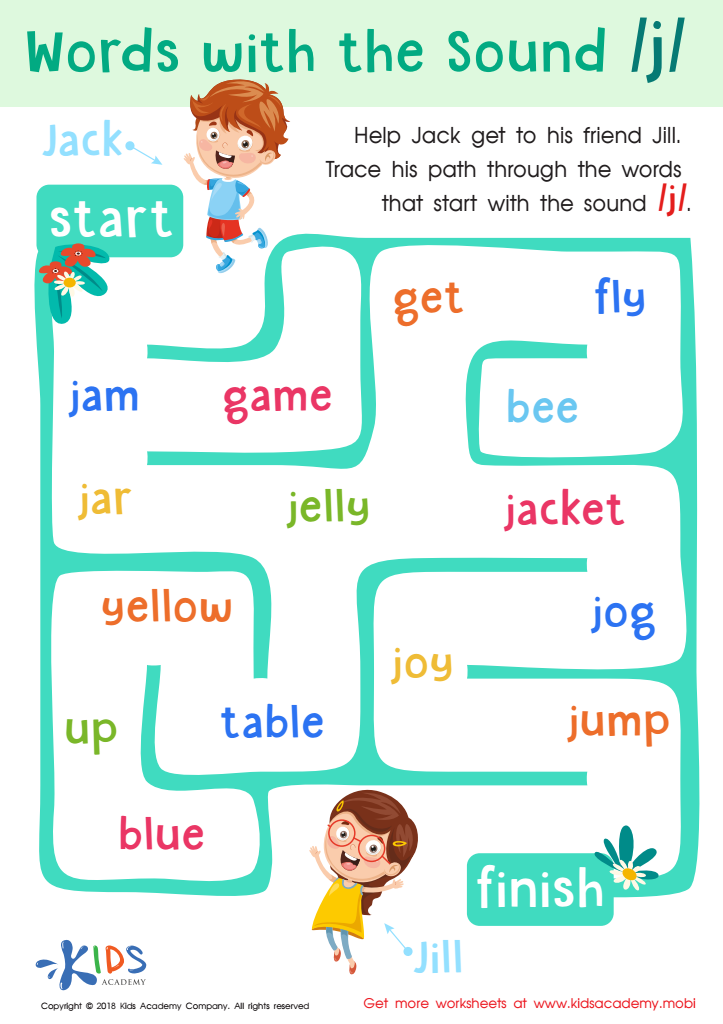
Words with sound j Reading Worksheet
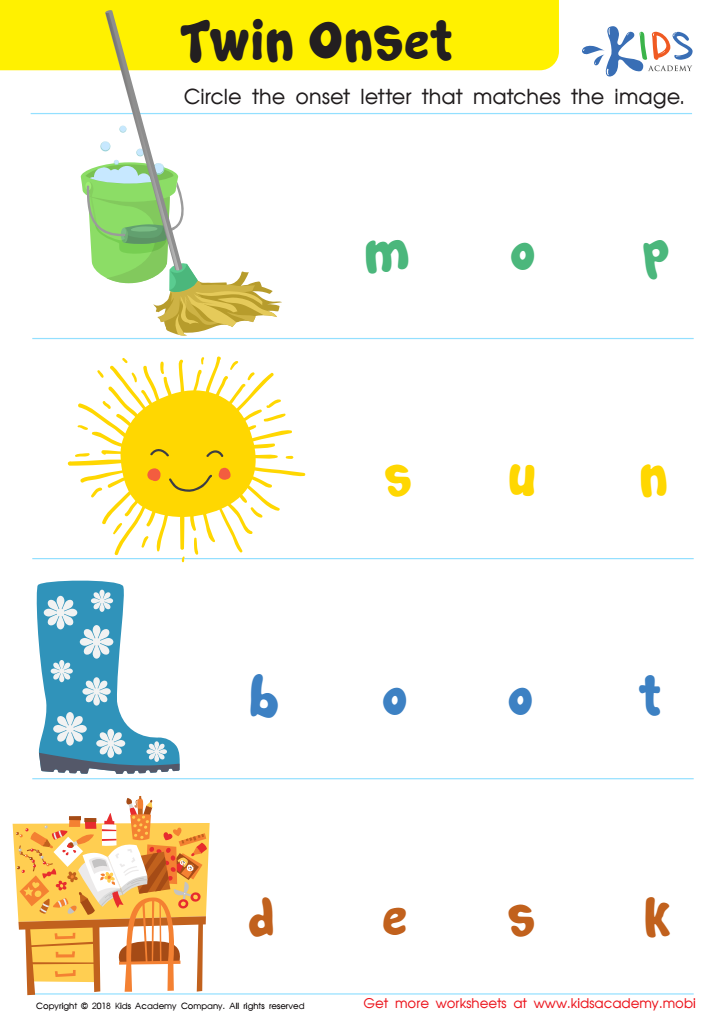
Twin Onset Worksheet
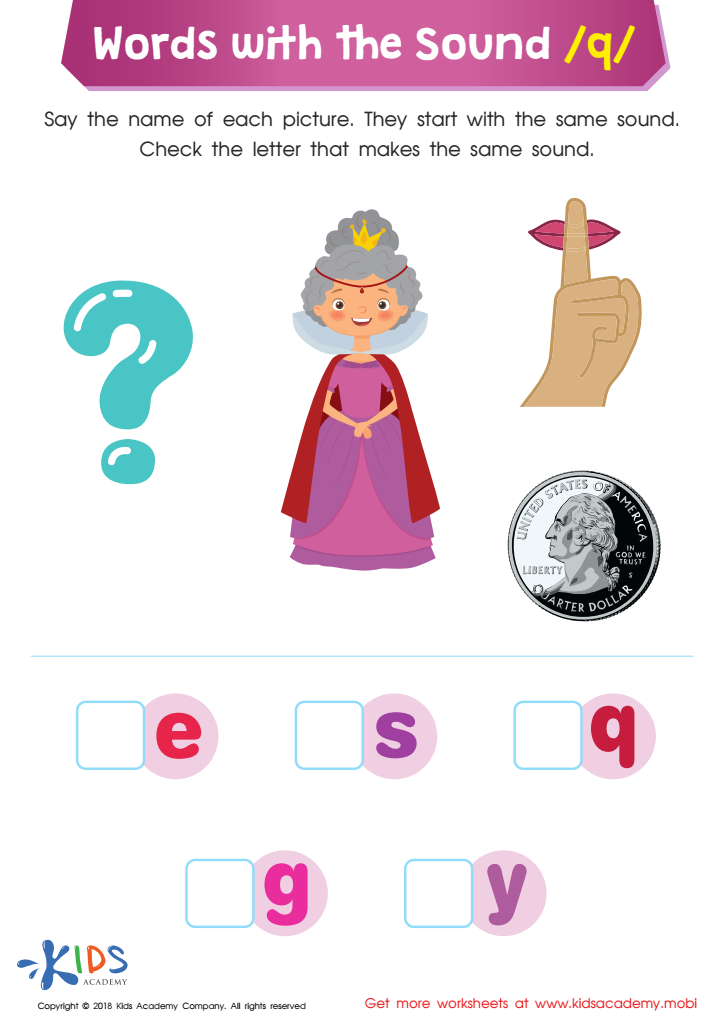
Words with Sound Q Reading Worksheet
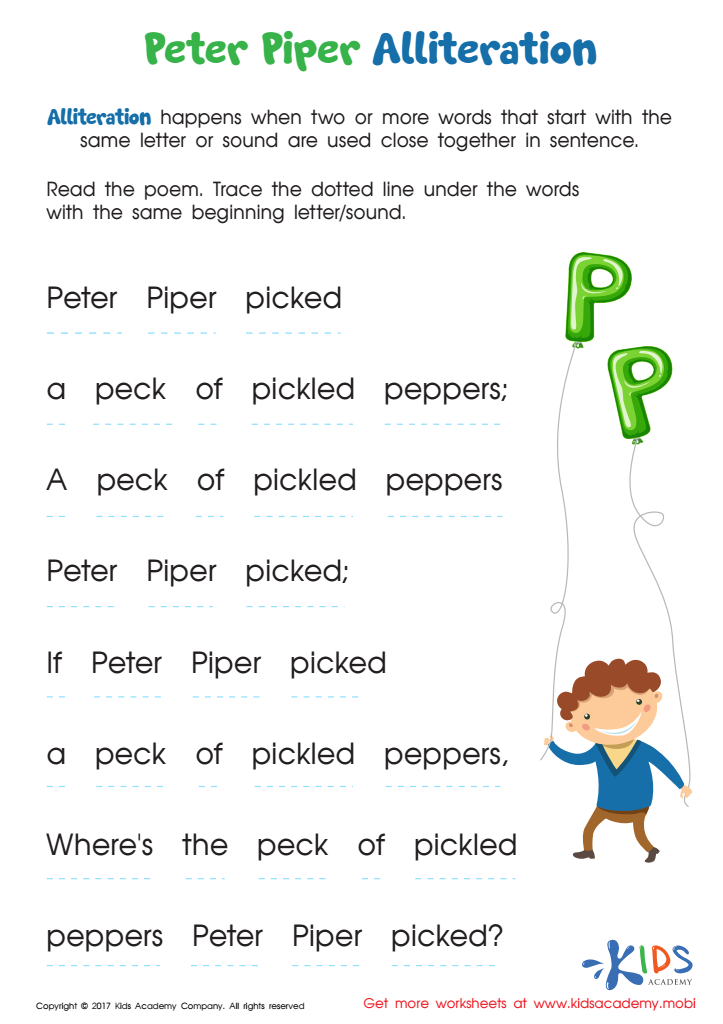
Peter Piper Alliteration Worksheet
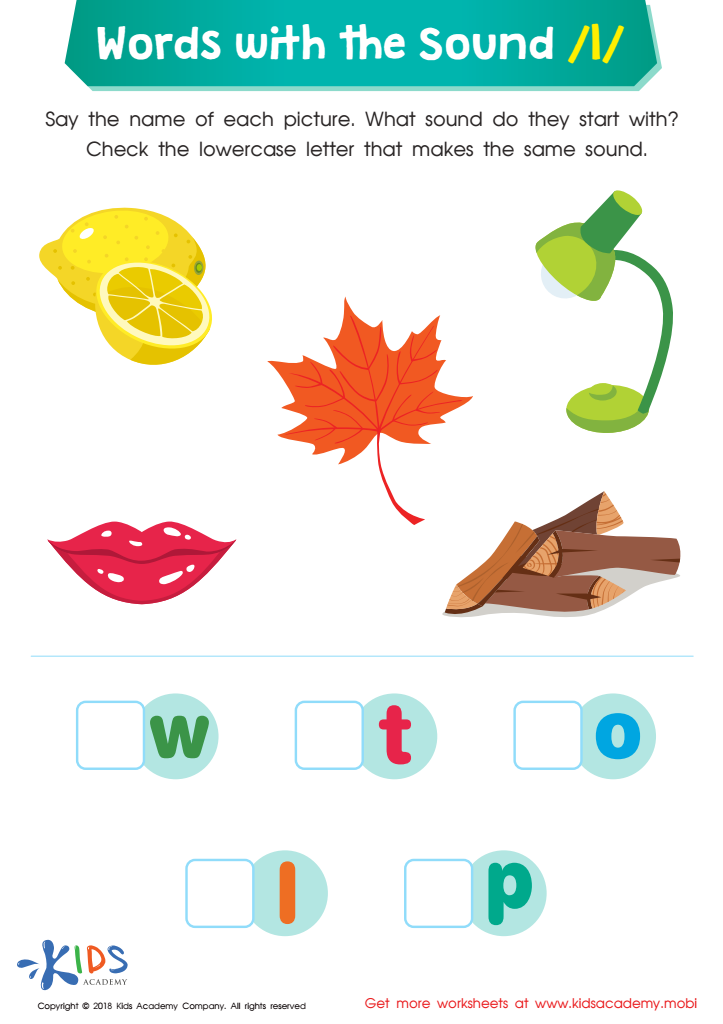
Words with Sound L Reading Worksheet
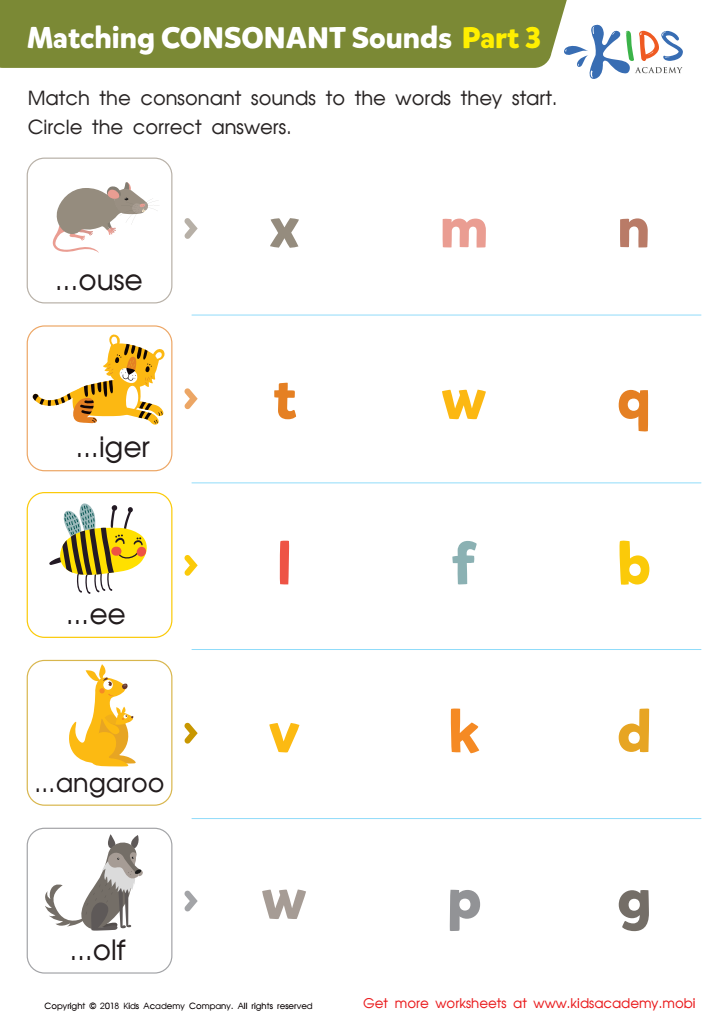
Matching Consonant Sounds: Part 3 Worksheet
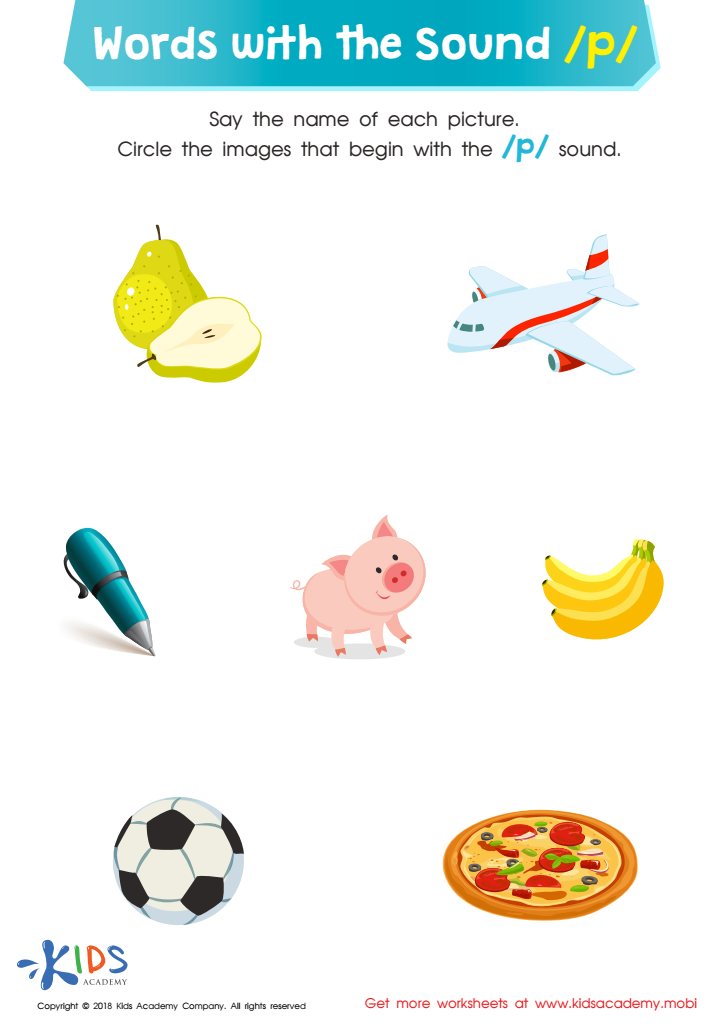
Words with sound p Reading Worksheet
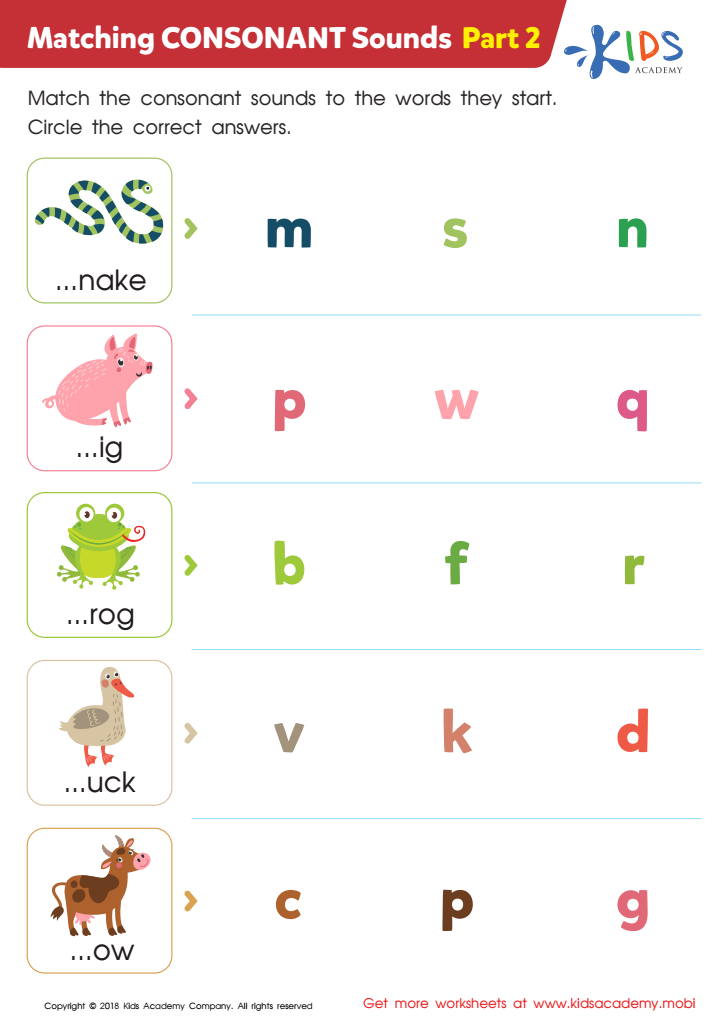
Matching Consonant Sounds: Part 2 Worksheet
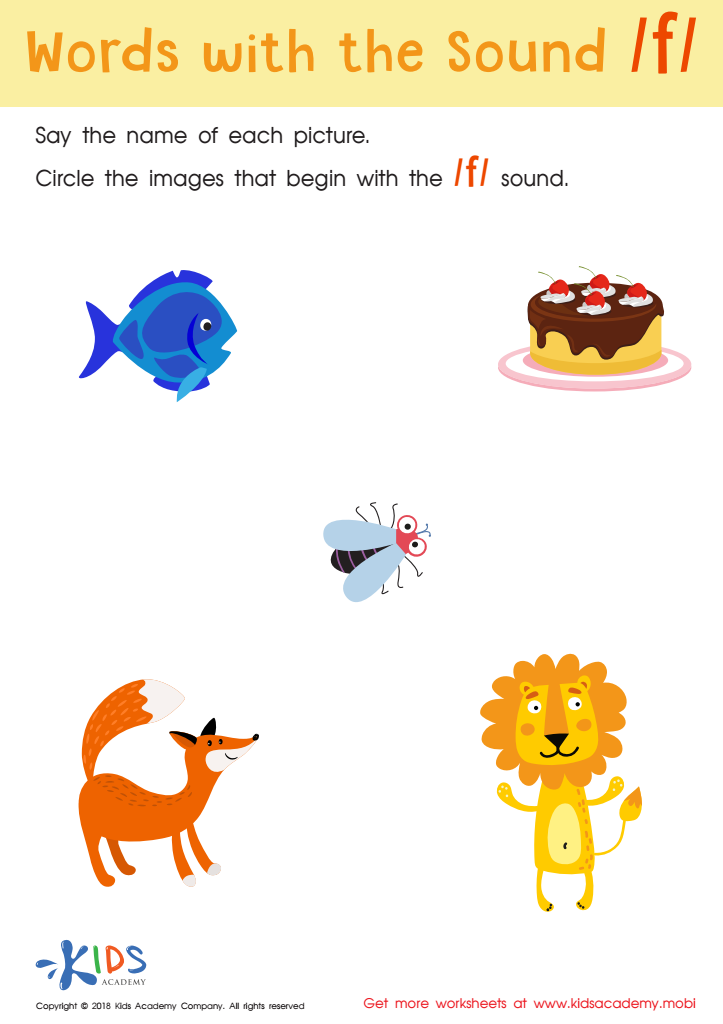
Words with sound f Reading Worksheet
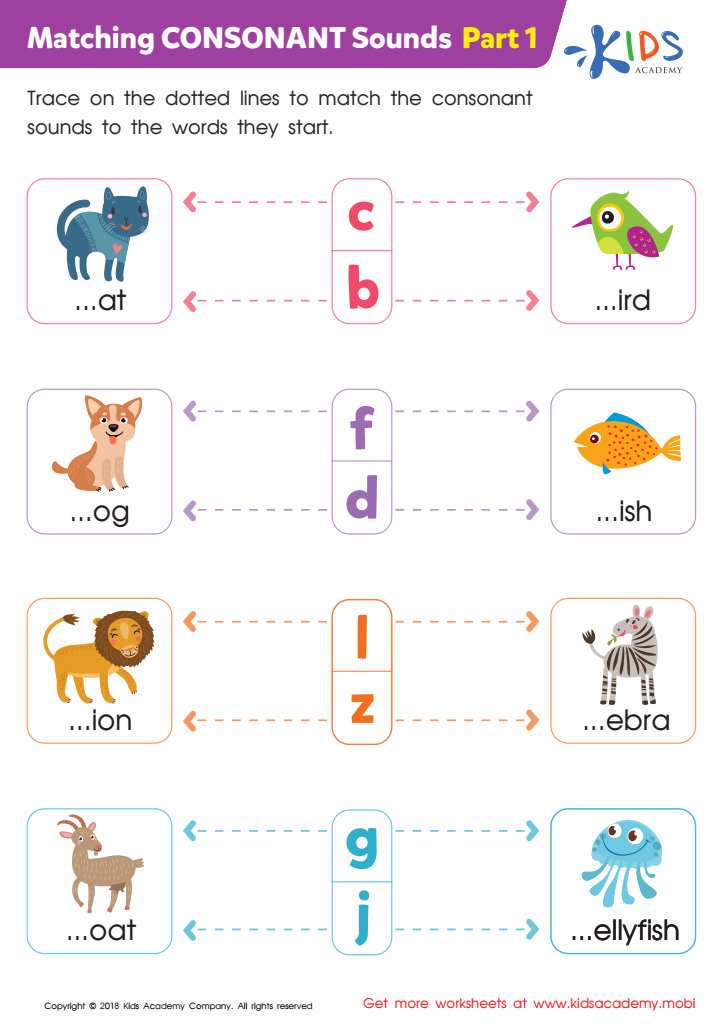
Matching Consonant Sounds: Part 1 Worksheet
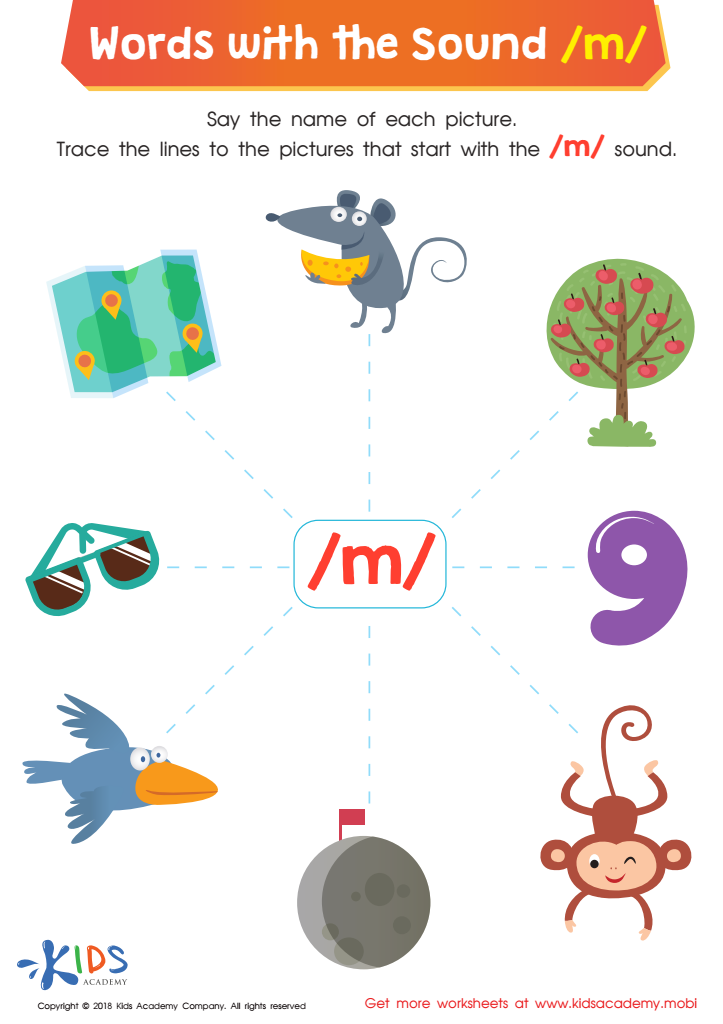
Words with Sound M Reading Worksheet


Beginning consonants are fundamental to early literacy development, making them crucial for children aged 3-9. This foundational knowledge greatly aids in their ability to decode and read new words. When children grasp beginning consonant sounds, they become better equipped to understand phonics – the relationship between sounds and letters. This significantly enhances their reading fluency and comprehension skills, setting a strong base for academic success.
Moreover, early mastery of beginning consonants boosts children’s phonemic awareness. This means they become adept at recognizing, isolating, and manipulating individual sounds in words, which is essential for spelling and writing. By frequently practicing beginning consonants, youngsters expand their vocabulary and improve their ability to express thoughts clearly and accurately.
Teachers and parents play a pivotal role in this learning process. Their consistent support reinforces these skills through engaging, developmentally-appropriate activities like games, songs, and interactive reading sessions. Addressing individual learning paces ensures that no child is left behind, fostering a positive and inclusive learning environment.
In summary, focusing on beginning consonants is not just about letter sounds; it’s about laying the groundwork for a future of lifelong learning and communication success. Early intervention and consistent practice make a meaningful difference, equipping children with the tools they need to thrive.