Letter Recognition Worksheets for Ages 4-7 - Page 2
99 filtered results
-
From - To
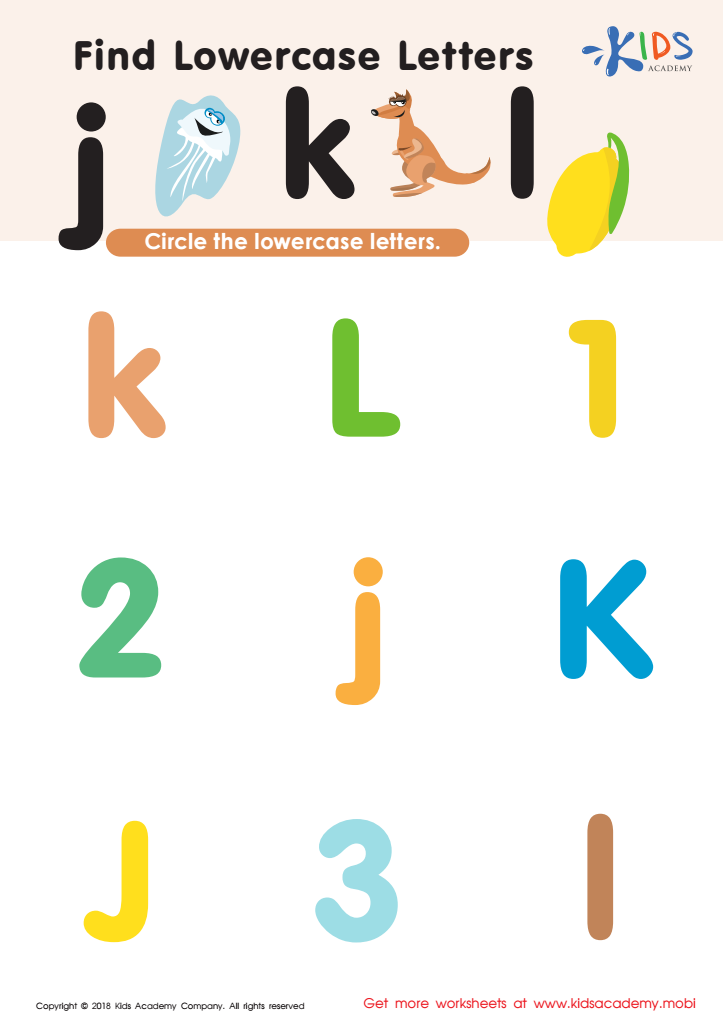
Find Lowercase Letters j k l Worksheet
 Assign to My Students
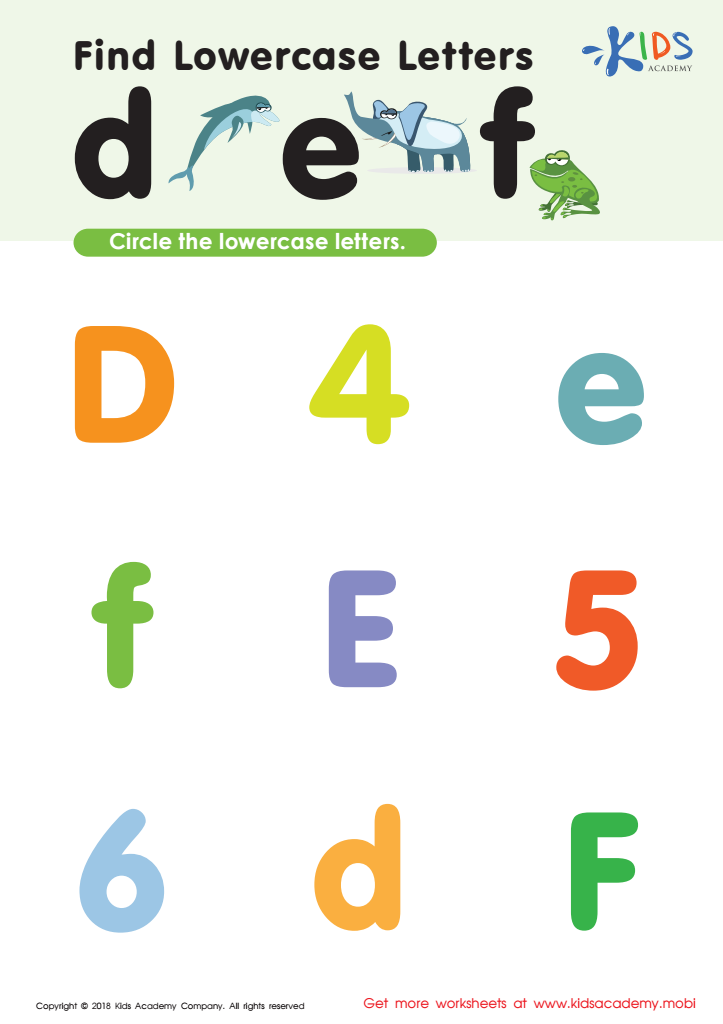
Find Lowercase Letters d e f Worksheet
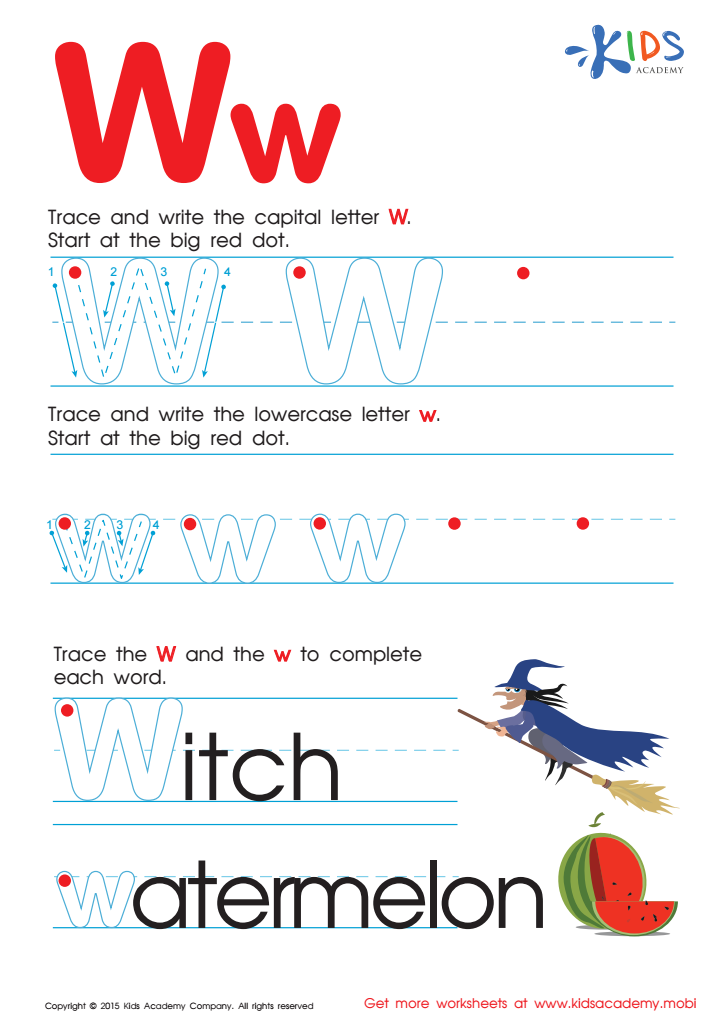
Letter W Tracing Page

Letter H Tracing Page
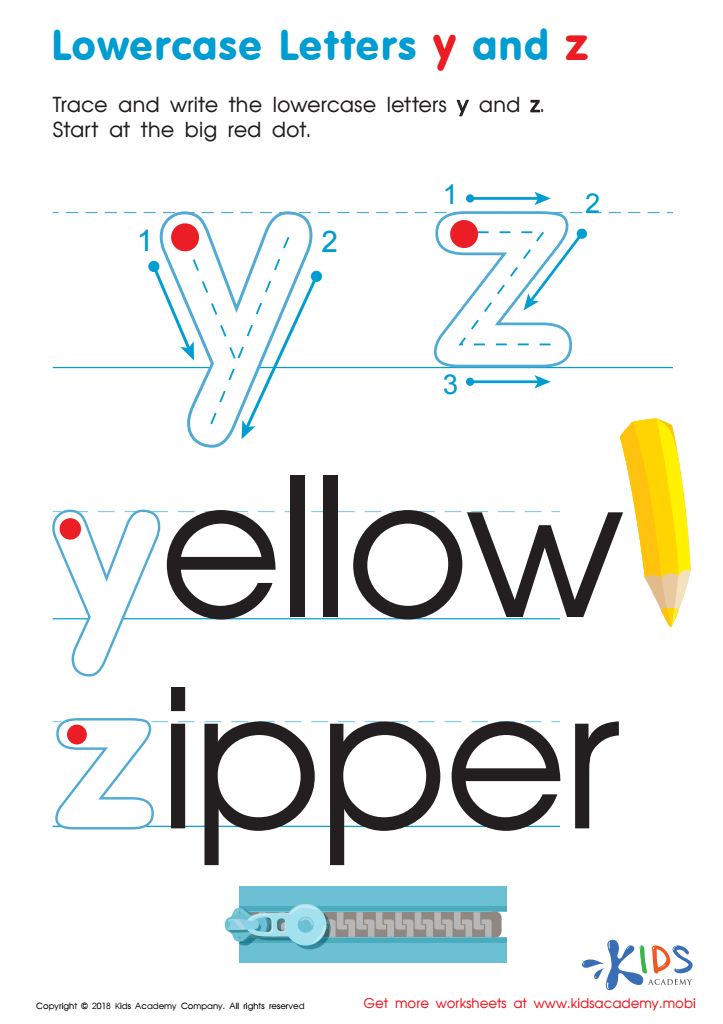
Lowercase Letters y z Worksheet
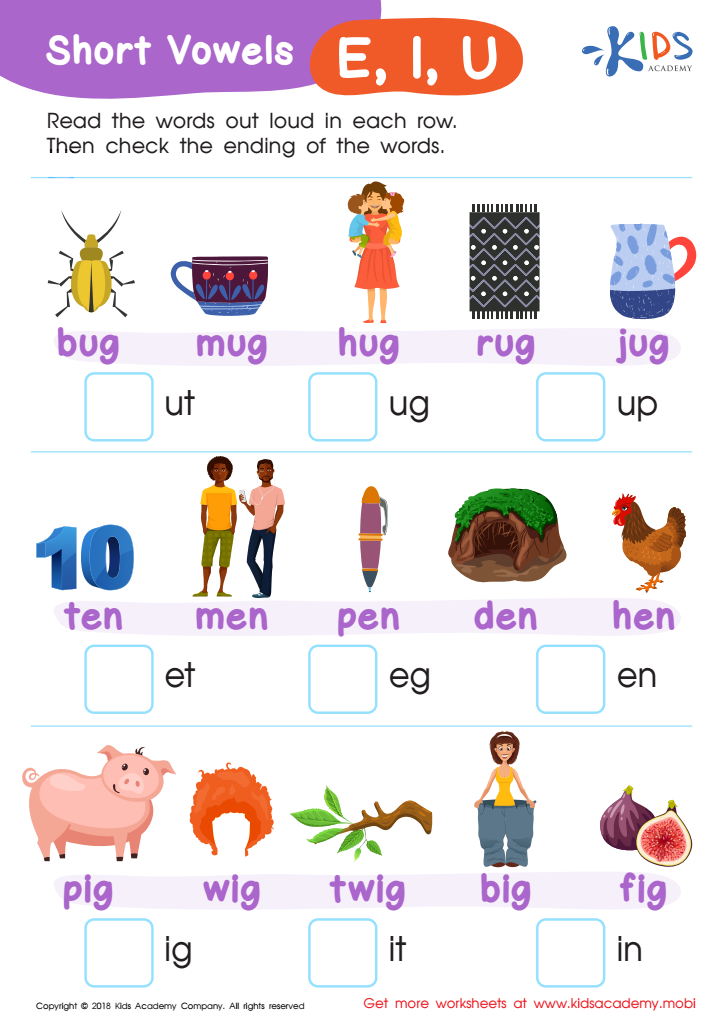
Short Vowels /e/, /i/, and /u/ Worksheet
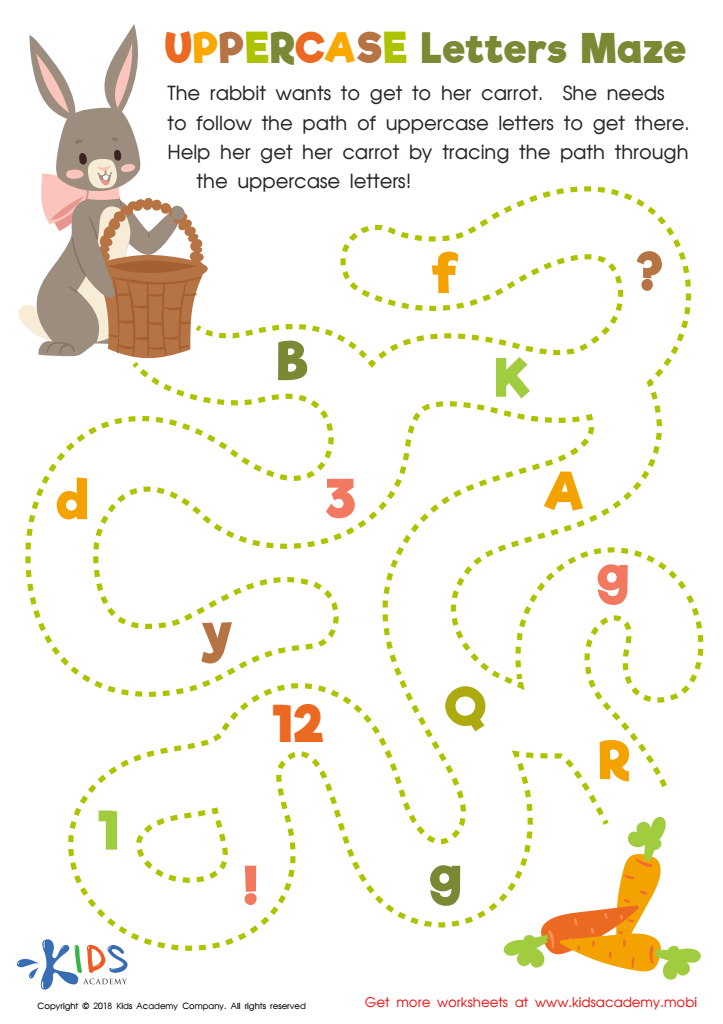
Uppercase Letters Maze Worksheet
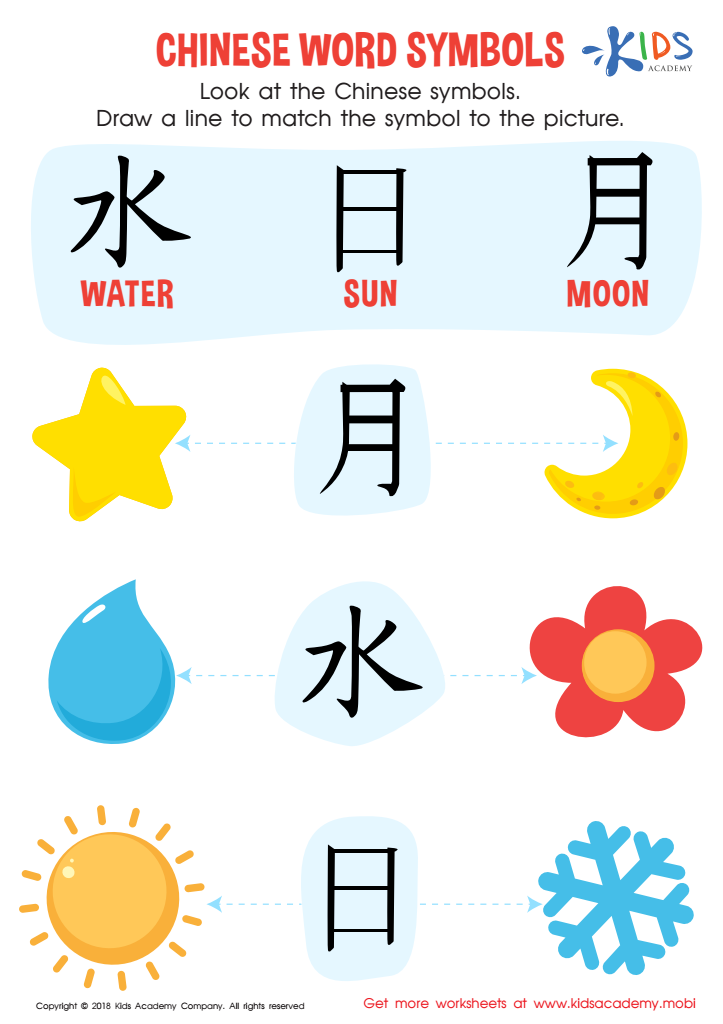
Chinese Word Symbols Worksheet
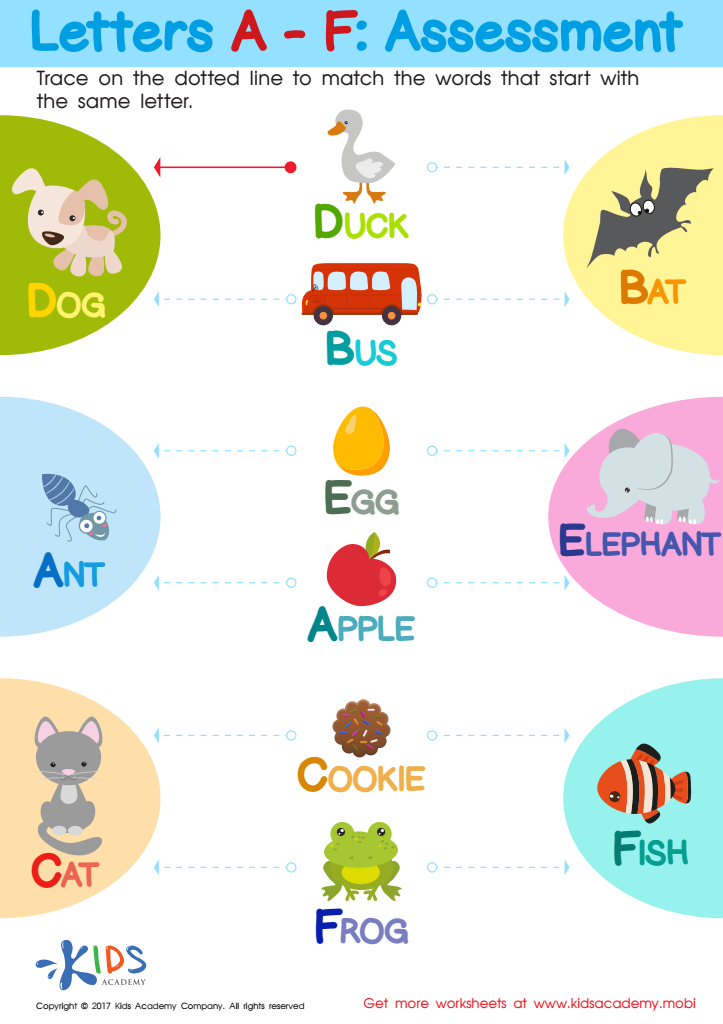
Letters A - F Worksheet
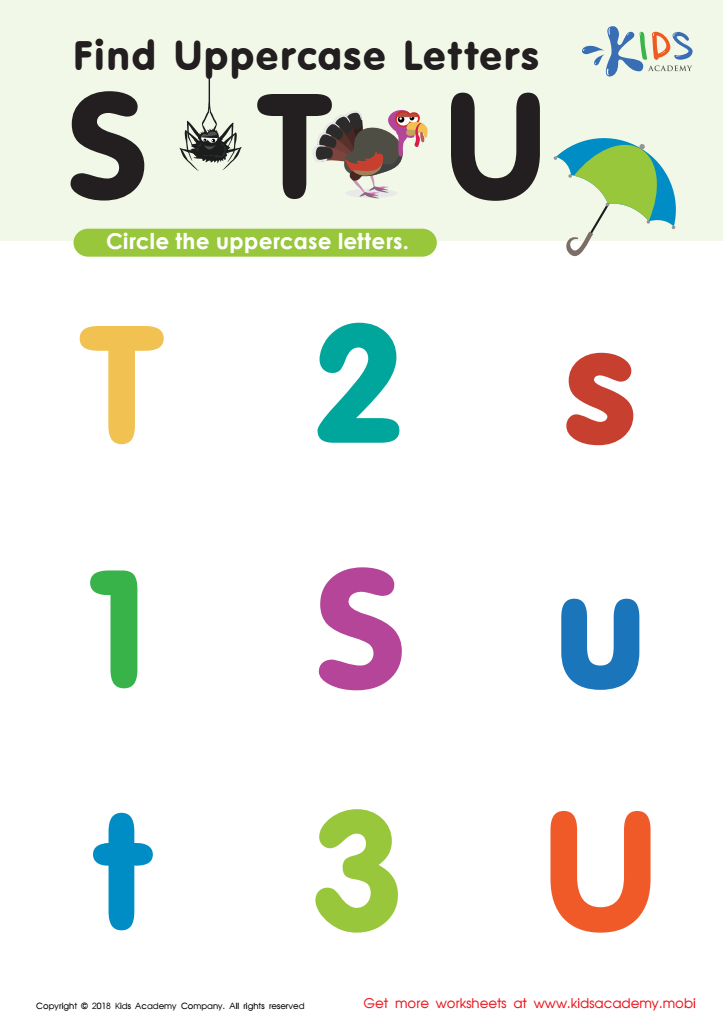
Find Uppercase Letters Worksheet

Letter C Tracing Page
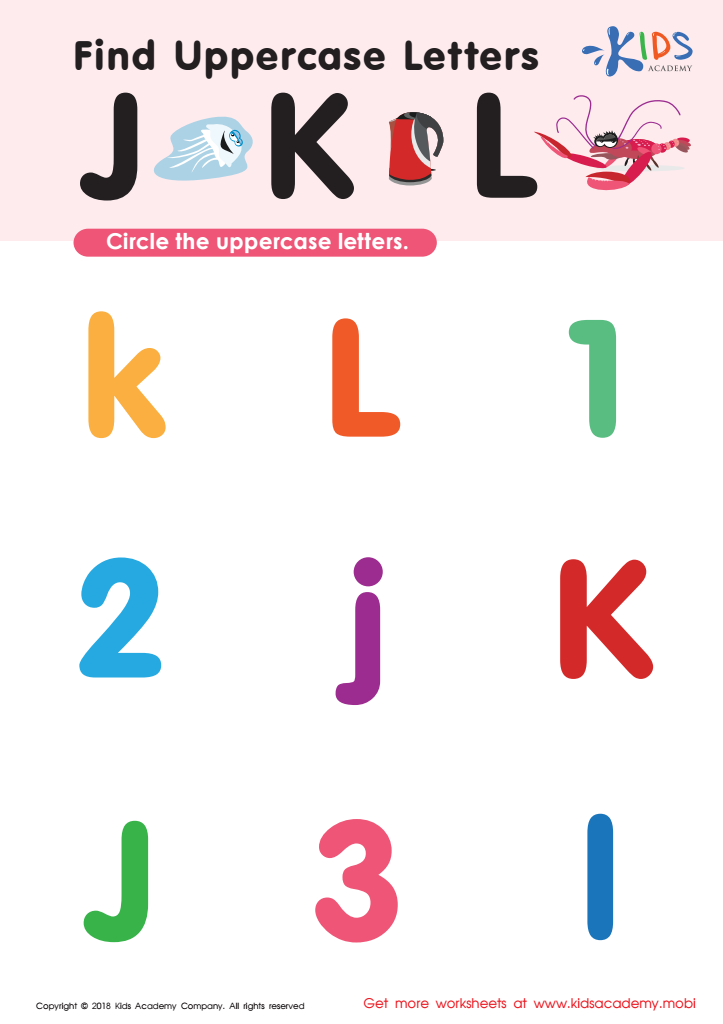
Find Uppercase Letters J, K, and L Worksheet
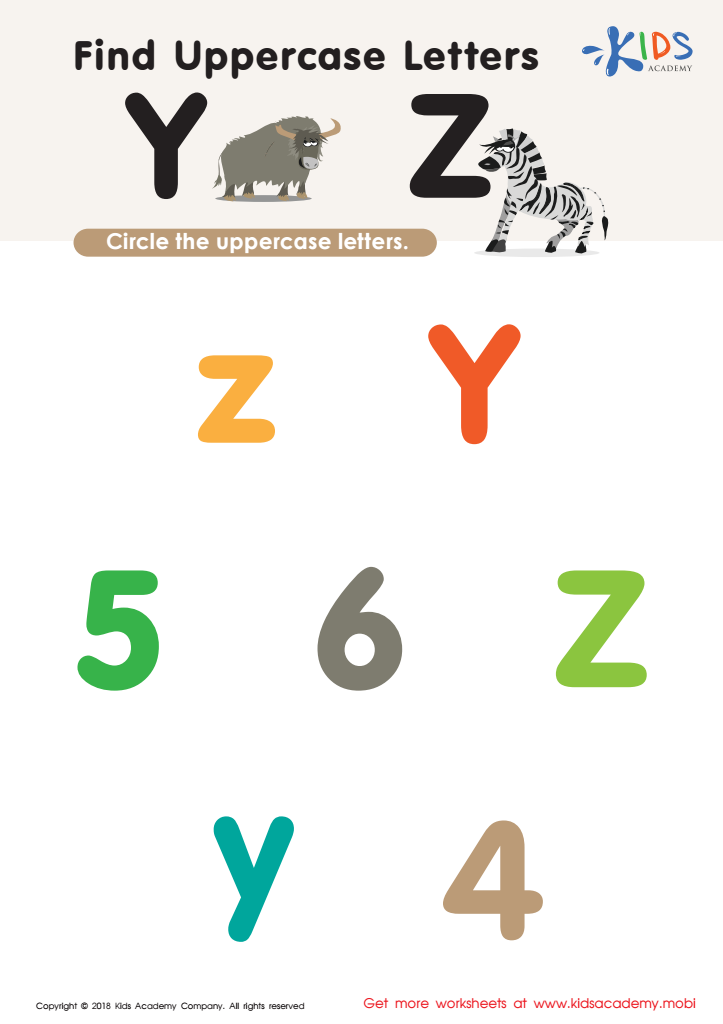
Find Uppercase Letters Y Z Worksheet
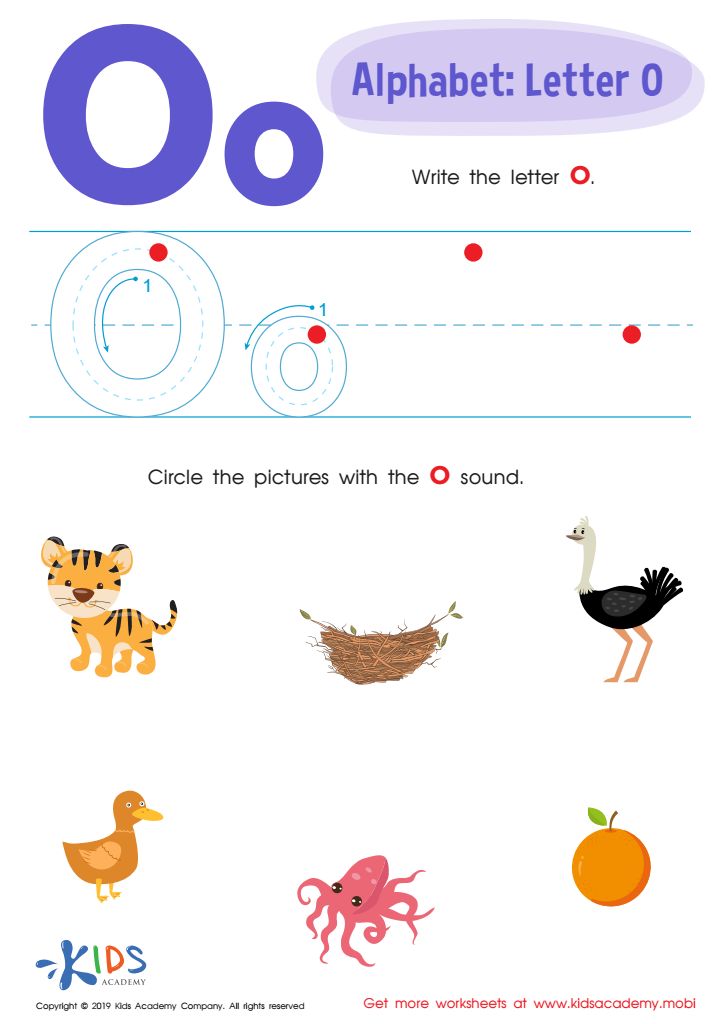
Letter O Tracing Worksheet
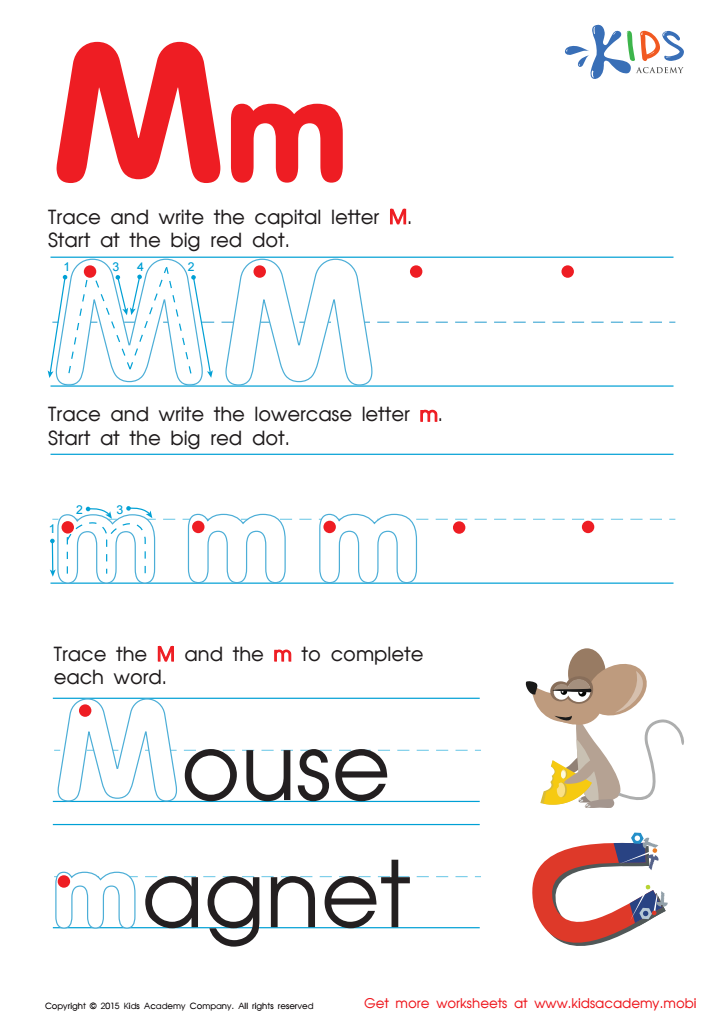
Letter M Tracing Page
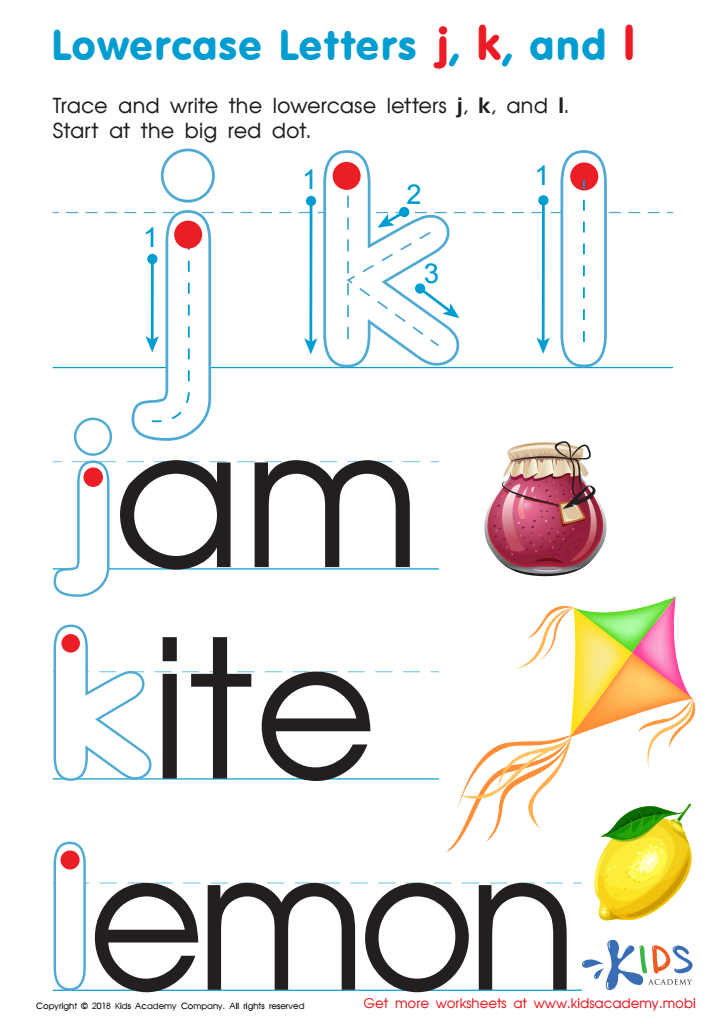
Lowercase Letters j k l Worksheet
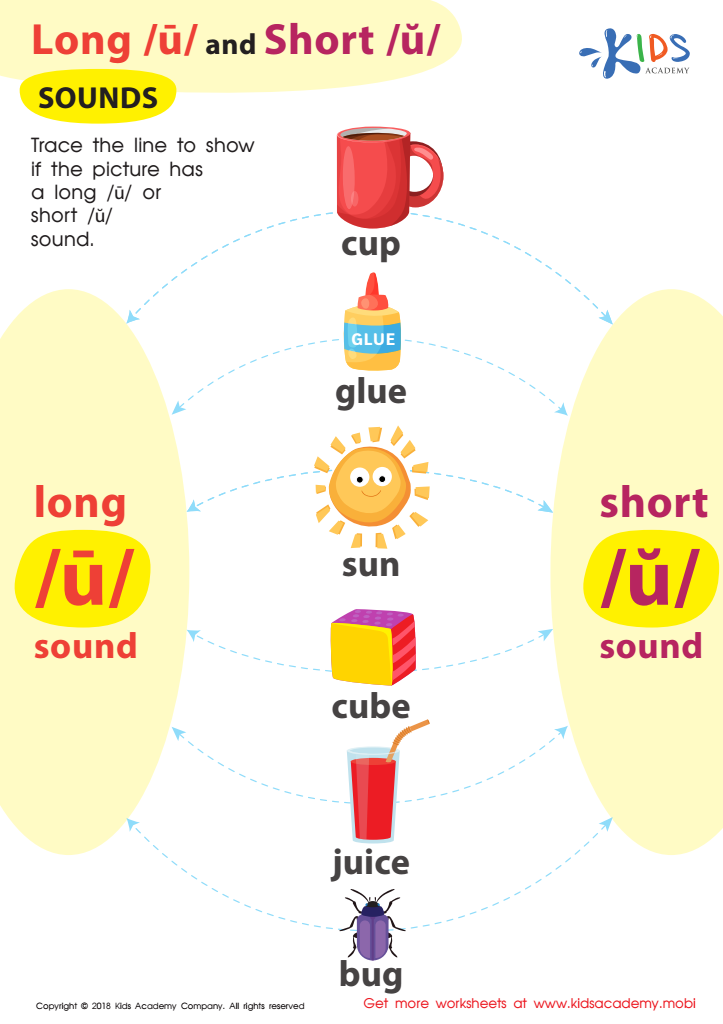
Reading: Long U and Short U Sounds Worksheet
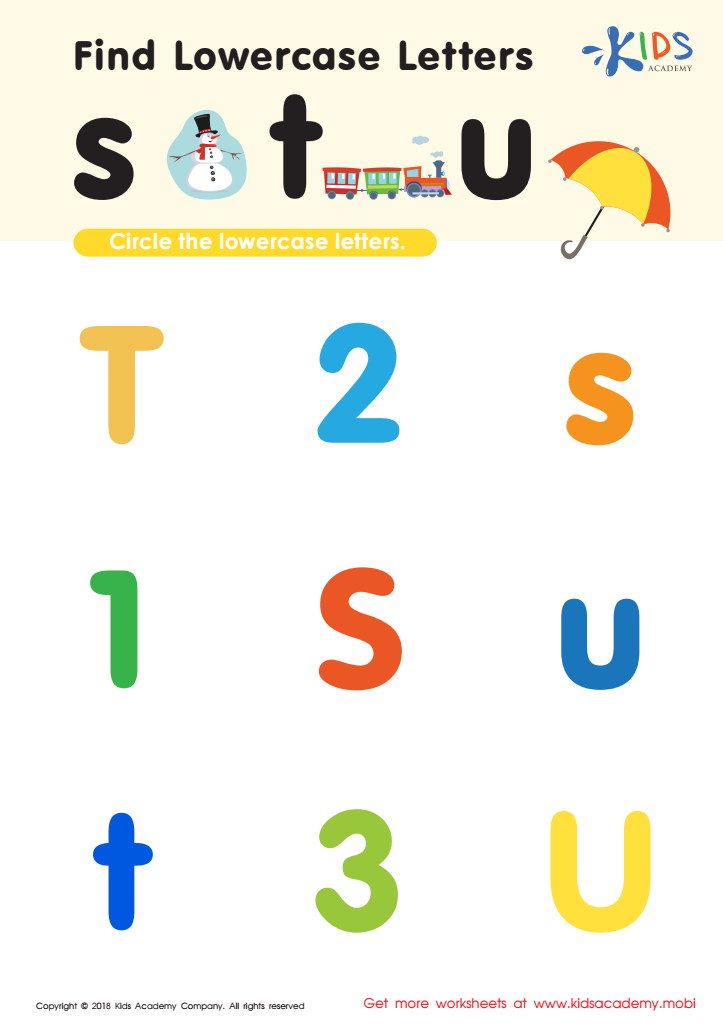
Find lowercase Letters s t u Worksheet
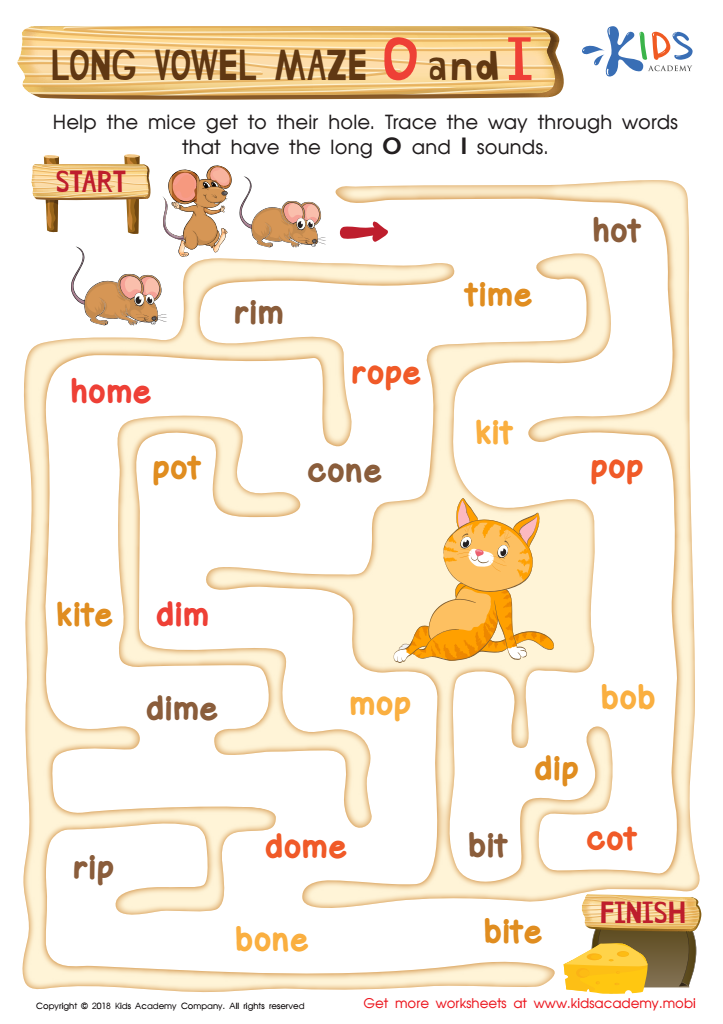
Long Vowel Maze /o/ and /i/ Worksheet
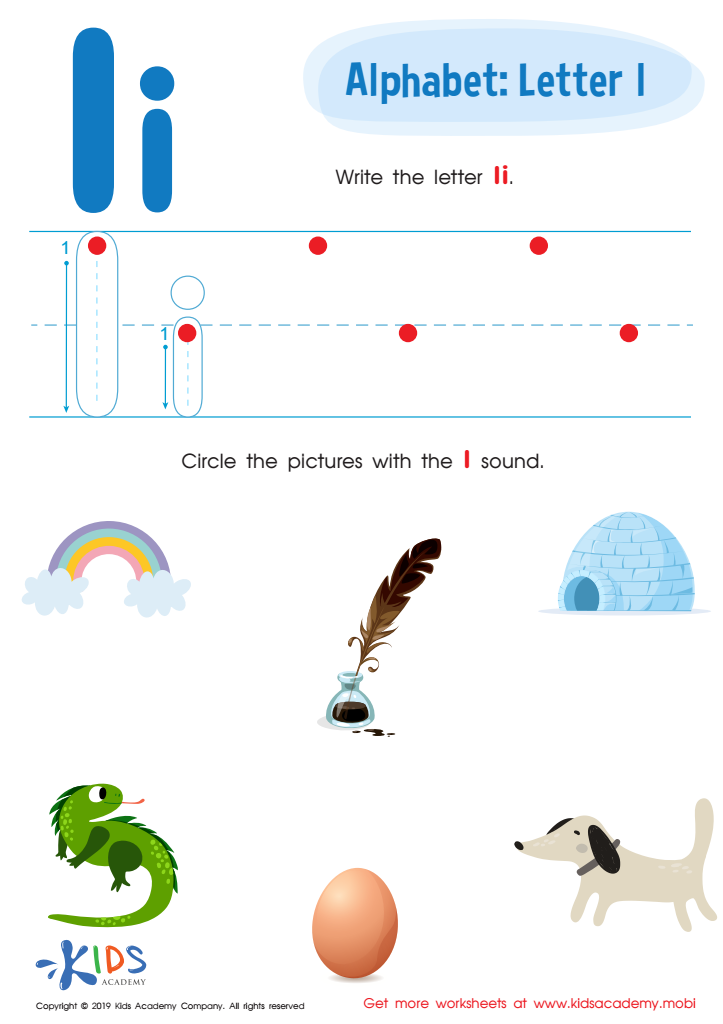
Letter I Tracing Worksheet
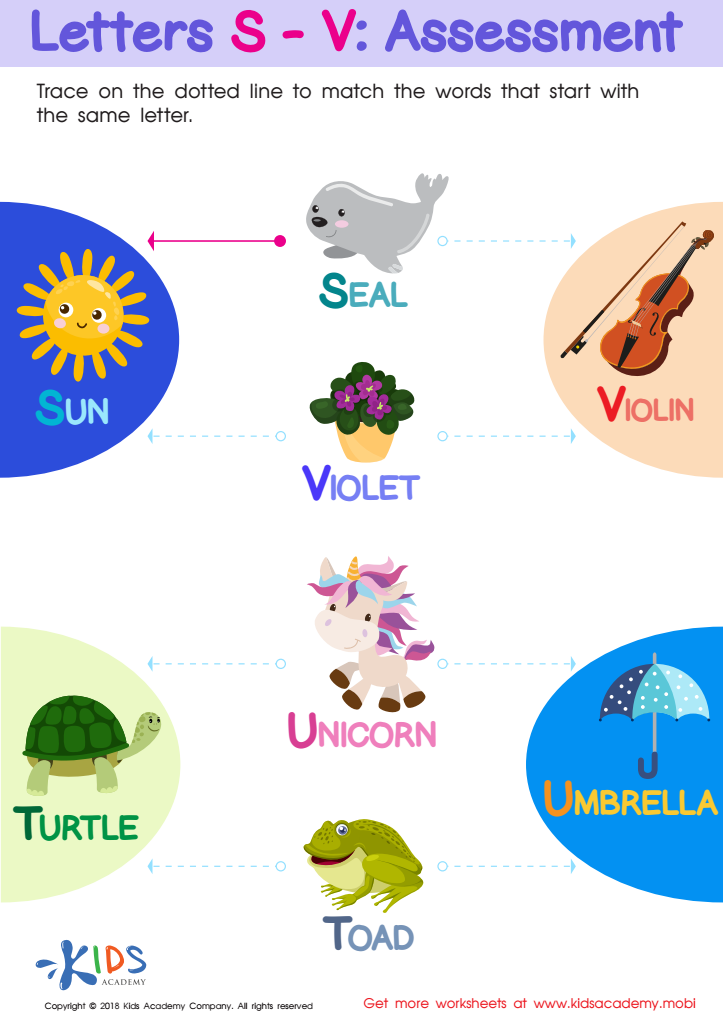
Letters S - V Tracing Worksheet
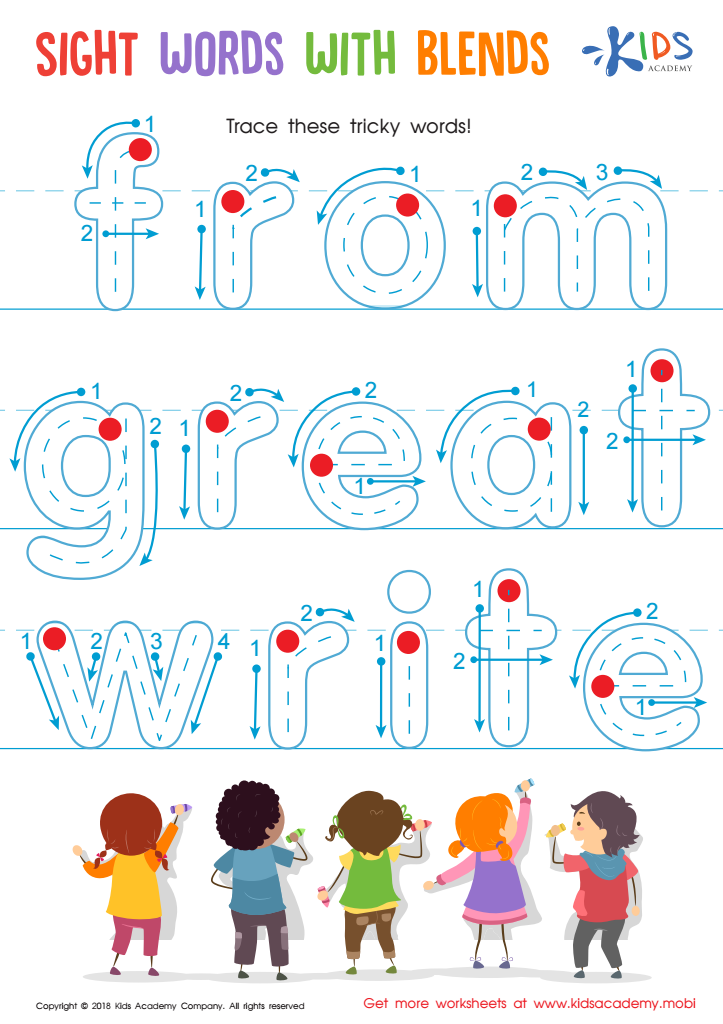
Sight Words with Blends Worksheet
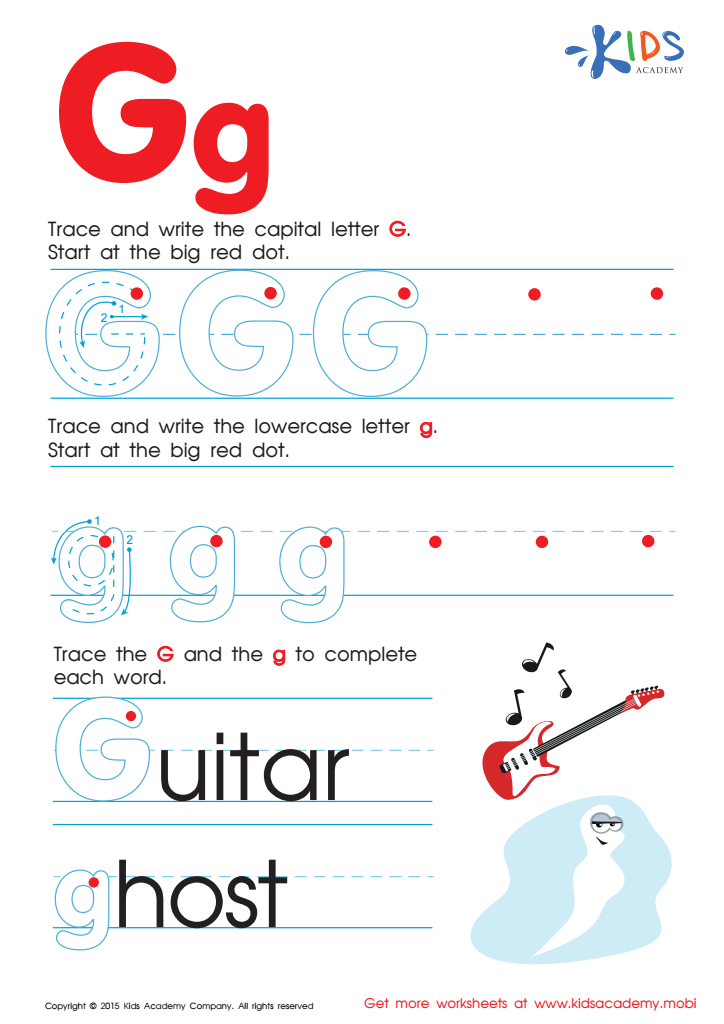
Letter G Tracing Page
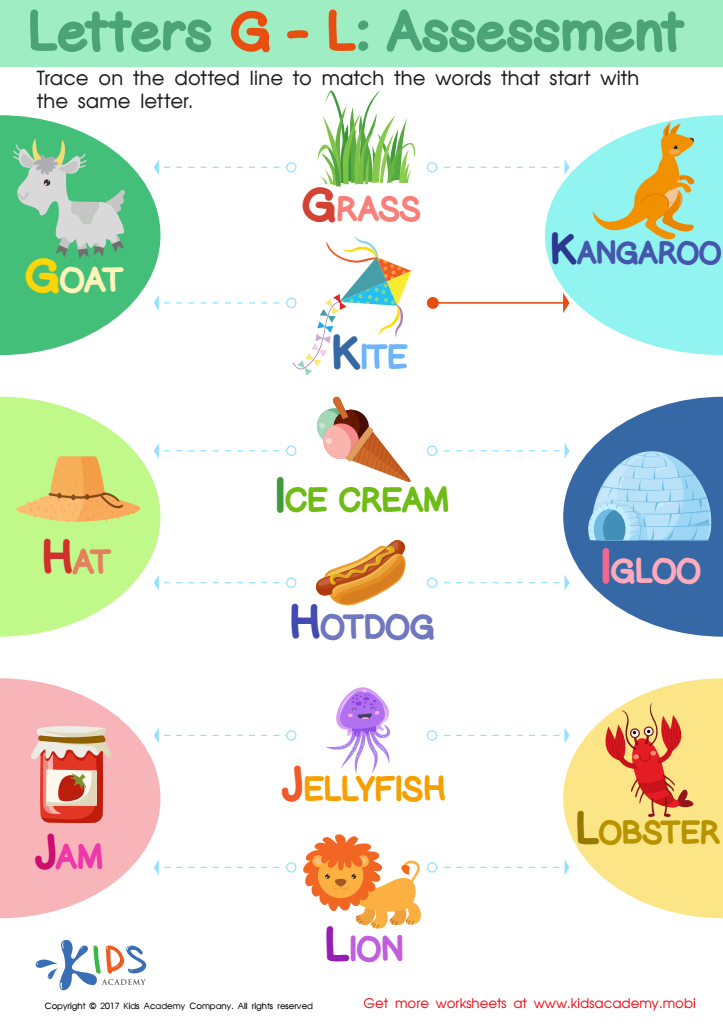
Letters G-L Worksheet








Letter recognition is a foundational skill for young children, typically acquired between the ages of 4 to 7, serving as the cornerstone of early literacy development. For both parents and teachers, fostering strong letter recognition is essential for several reasons:
-
Reading Readiness: Recognizing letters accurately and efficiently paves the way for fluent reading. Children who can identify letters effortlessly can better focus on decoding and comprehending words, sentences, and stories.
-
Phonemic Awareness: As children learn to recognize letters, they also begin to understand that these symbols represent sounds, an essential step towards phonemic awareness. This awareness allows children to start linking sounds to letters and, subsequently, to read and spell words.
-
Writing Skills: Letter recognition is also crucial for developing writing skills. Understanding and forming letters correctly enables children to write legibly, express their thoughts on paper, and engage in meaningful written communication.
-
Confidence and Motivation: Mastery of letter recognition can boost a child’s confidence, which fosters a positive attitude towards learning. Confident early readers are more likely to enjoy learning and continue seeking new reading and writing challenges.
-
Academic Success: Early literacy skills, including letter recognition, are strong predictors of later reading achievement and overall academic success.







