Filters

100 filtered results

Clear all filters
Favorites
With answer key
Interactive

100 filtered results

Difficulty Level

Grade


Subject

    Check out this FREE Trial Lesson on Letter Recognition for age 4-8!

    D

    Favorites
    With answer key
    Interactive
    • 4-8
    • With answer key
    • Letter Recognition
    Review the Blends Worksheet
    Review the Blends Worksheet

    Review the Blends Worksheet

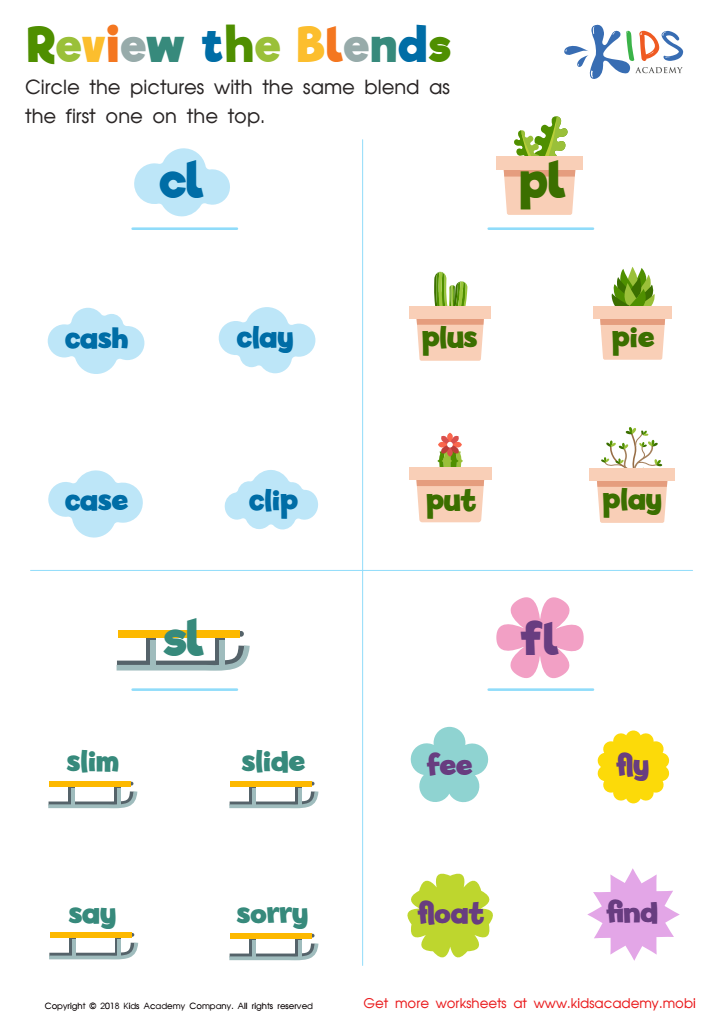
    Consonant blends are two or three consonants that make a sound when pronounced together. L-blends like cl, bl, sl, fl and 3-letter blends like str, slp are common. This phonics worksheet helps early readers identify words containing two letter L-blends. Students must circle the words then read them aloud.
    Review the Blends Worksheet
    Worksheet
    letter d worksheets
    letter d worksheets

    Letter D Tracing Page

    Trace and write capital and lowercase letter "D" with our free printable alphabet worksheet! Be careful not to mix up "b" and "d" - just look at the ducks and write their first letter. The dolphin wants to join the fun too - do you like dolphins? Get more fun worksheets and activities at Kids Academy!
    Letter D Tracing Page
    Worksheet
    Rearrange the Sounds Worksheet
    Rearrange the Sounds Worksheet

    Rearrange the Sounds Worksheet

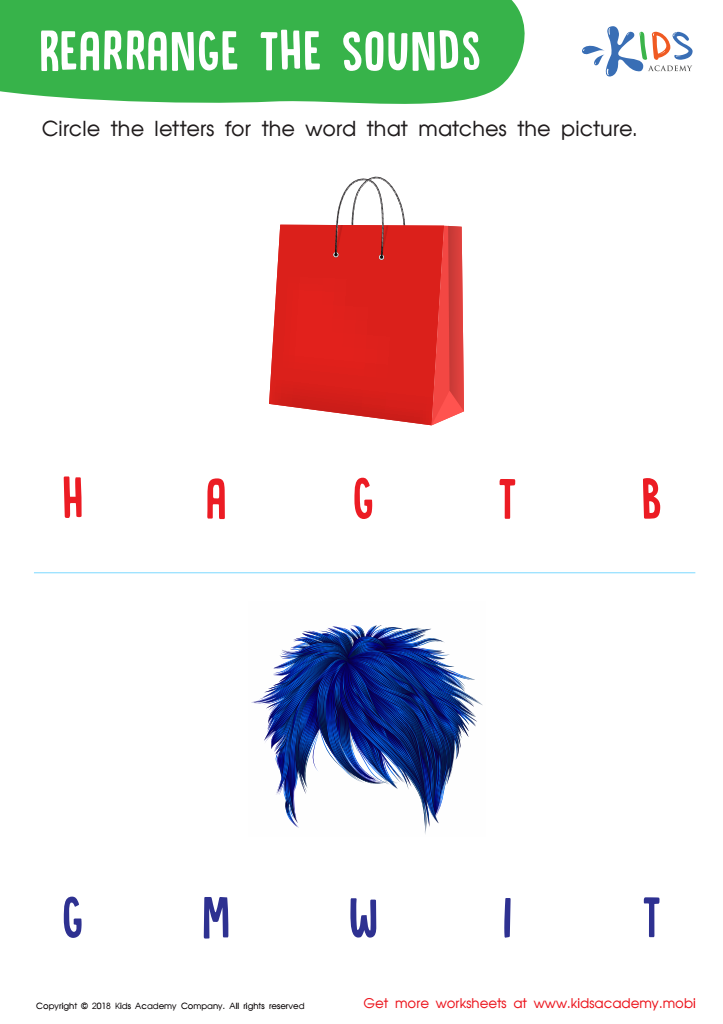
    Ask students if they can identify the objects in the worksheet and spell the words. Guide them to find and circle the letters that match the picture. This exercise should be easy-peasy for advanced spellers.
    Rearrange the Sounds Worksheet
    Worksheet
    Uppercase Letters V, W, and X Worksheet

    Uppercase Letters V, W, and X Worksheet

    Uppercase Letters V, W, and X Worksheet

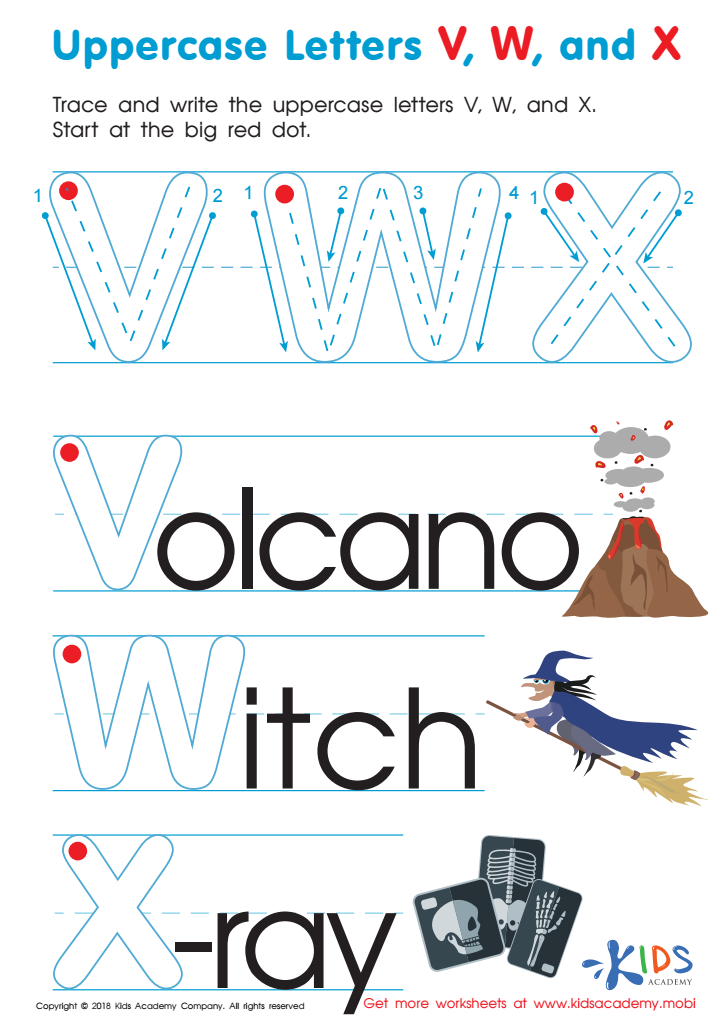
    This worksheet is perfect for kids struggling to write uppercase letters V, W, and X. Warm up their brains first by having them name words starting with these letters. Then, help them trace and write each letter from the big red dot. With your assistance, they will quickly sharpen their writing skills.
    Uppercase Letters V, W, and X Worksheet

    Worksheet


    ... 4 5

    Letter recognition is critical for children ages 4-8 as it forms the foundation of early literacy skills essential for future academic success. Recognizing letters is the first step in learning to read and write, enabling children to understand that letters are symbols representing sounds in spoken language. When children can identify letters and their corresponding sounds, they can begin to decode and comprehend words, fostering reading fluency and comprehension.

    For parents and teachers, promoting strong letter recognition skills can be pivotal in preventing future reading difficulties. Early intervention can address potential challenges before they escalate, ensuring children do not fall behind their peers. Additionally, activities that support letter recognition, such as alphabet games, flashcards, and engaging stories, can make learning enjoyable, boosting children's confidence and enthusiasm for reading.

    Furthermore, letter recognition lays the groundwork for phonemic awareness – understanding that words are made up of individual sounds – which is fundamental for spelling and writing. As children build their literacy skills, they develop cognitive abilities, such as memory and problem-solving, that are crucial across all areas of learning. In summary, prioritizing letter recognition sets a strong educational foundation, equipping children with key skills essential for lifelong learning and academic achievement.