Letter Recognition Worksheets for Ages 4-8 - Page 4
100 filtered results
-
From - To
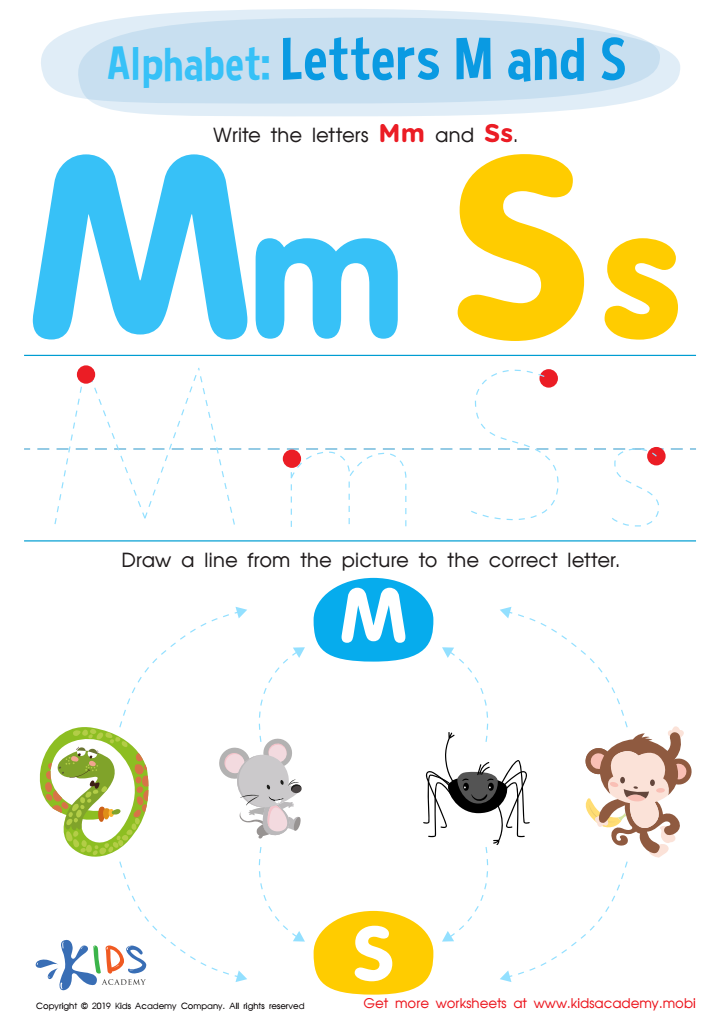
Letters M and S Tracing Worksheet
 Assign to My Students
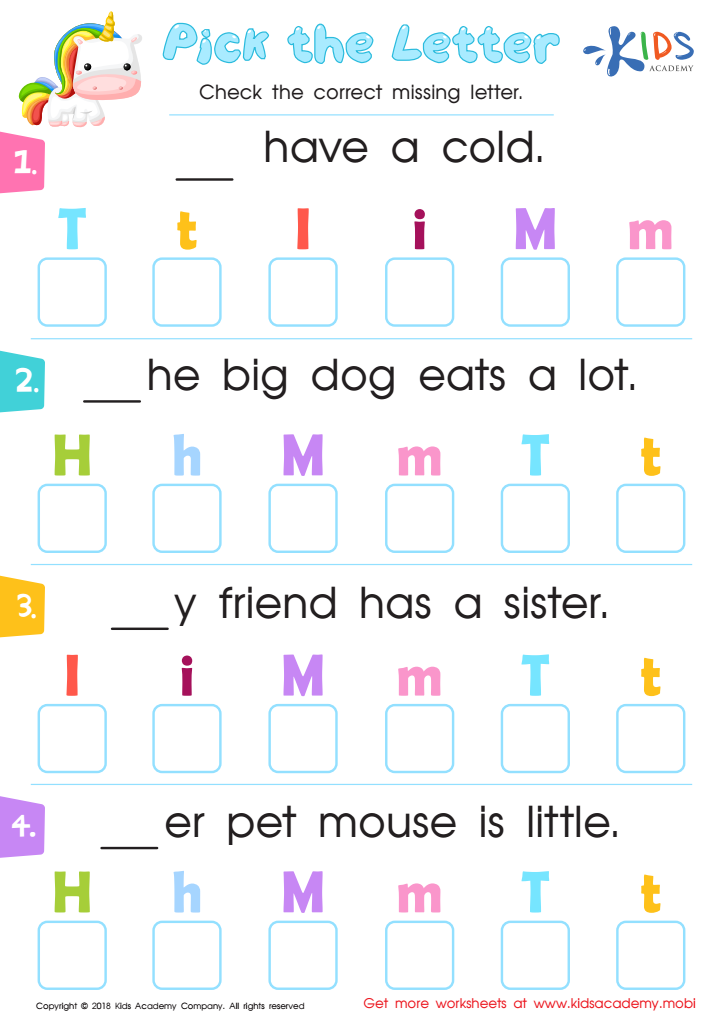
Pick the Letter Worksheet
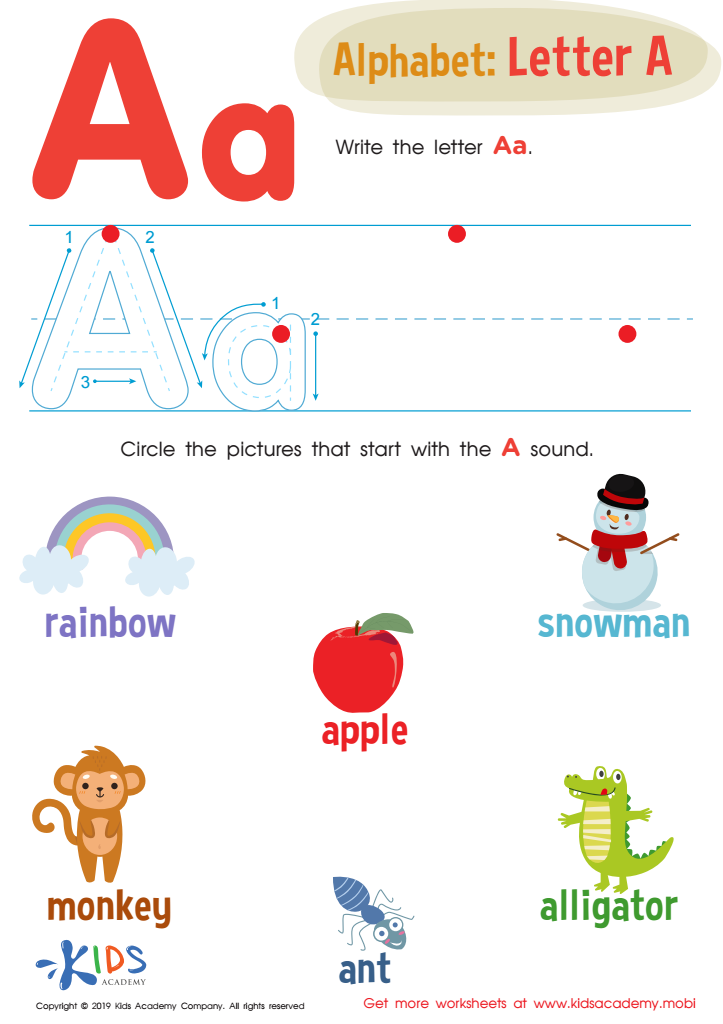
Letter A Tracing Worksheet
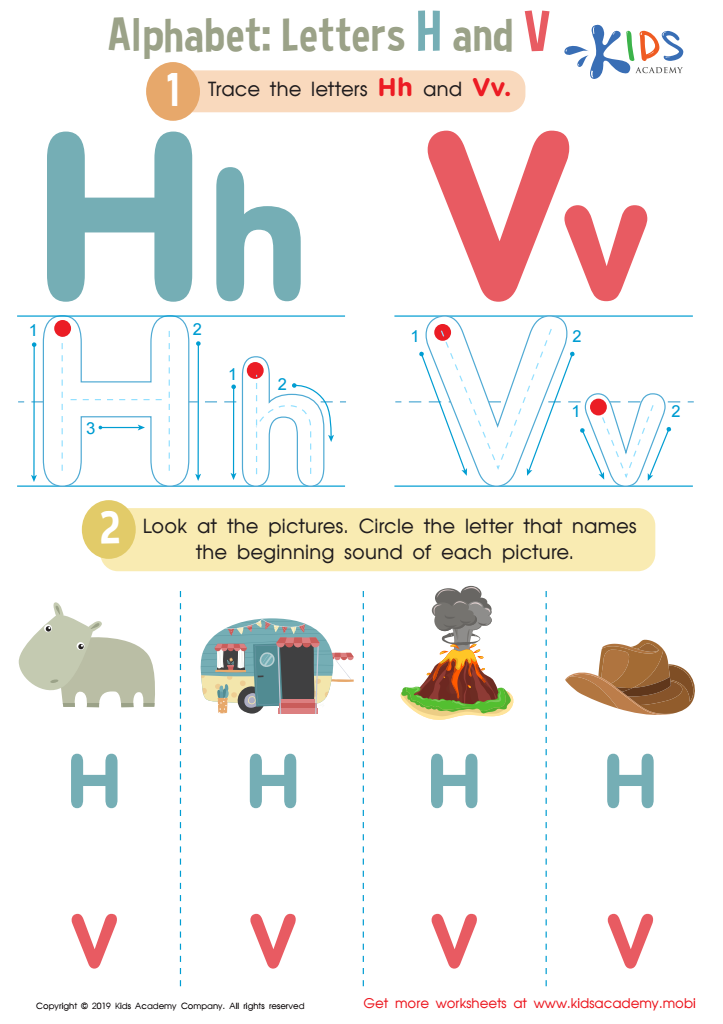
Letters H and V Tracing Worksheet
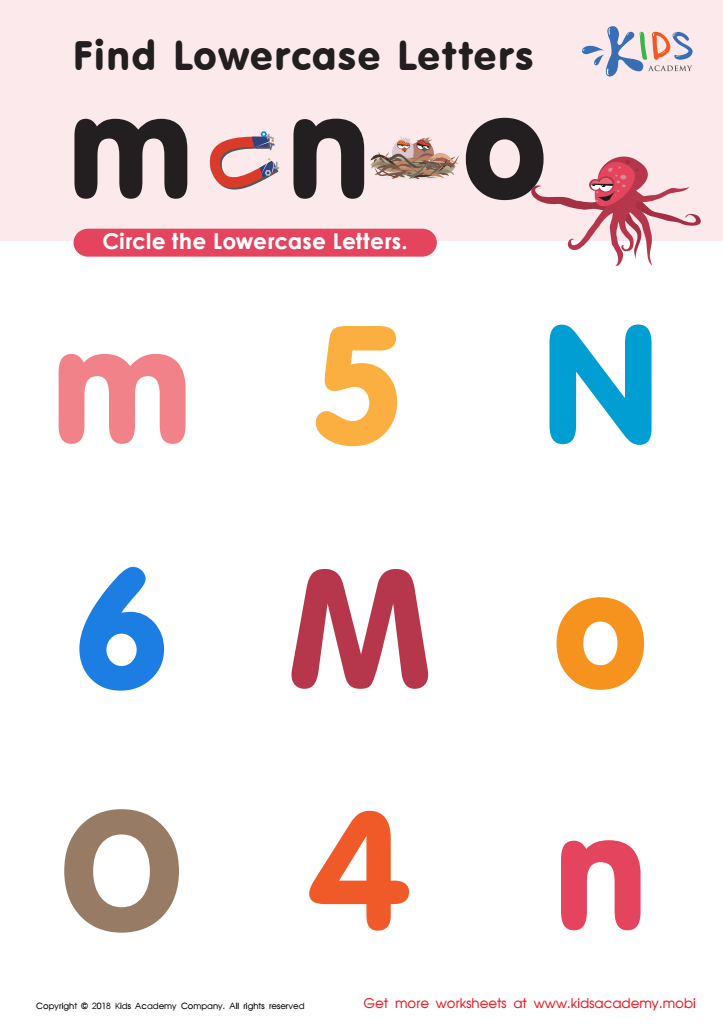
Find Lowercase Letters m n o Worksheet
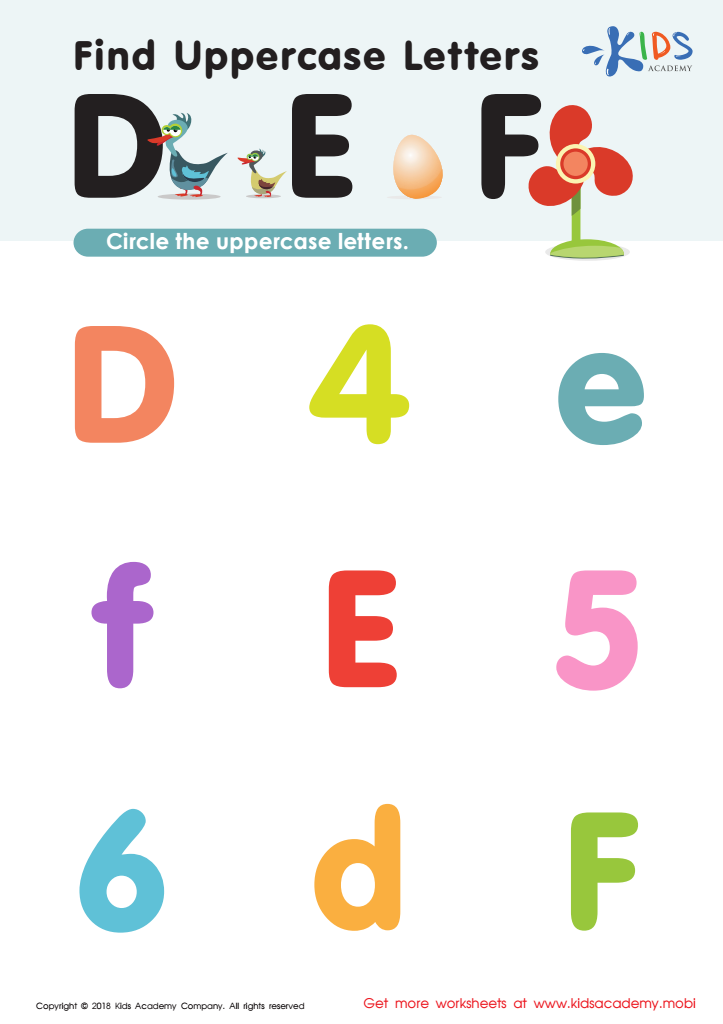
Find Uppercase Letters D, E, and F Worksheet
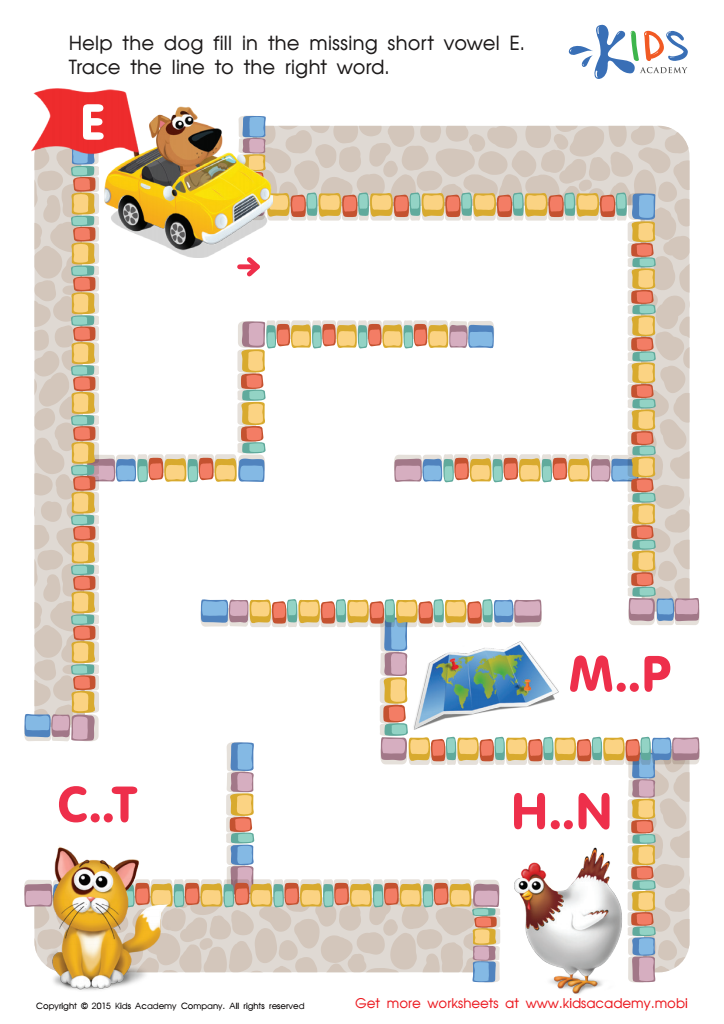
Short Vowel Sound E Worksheet
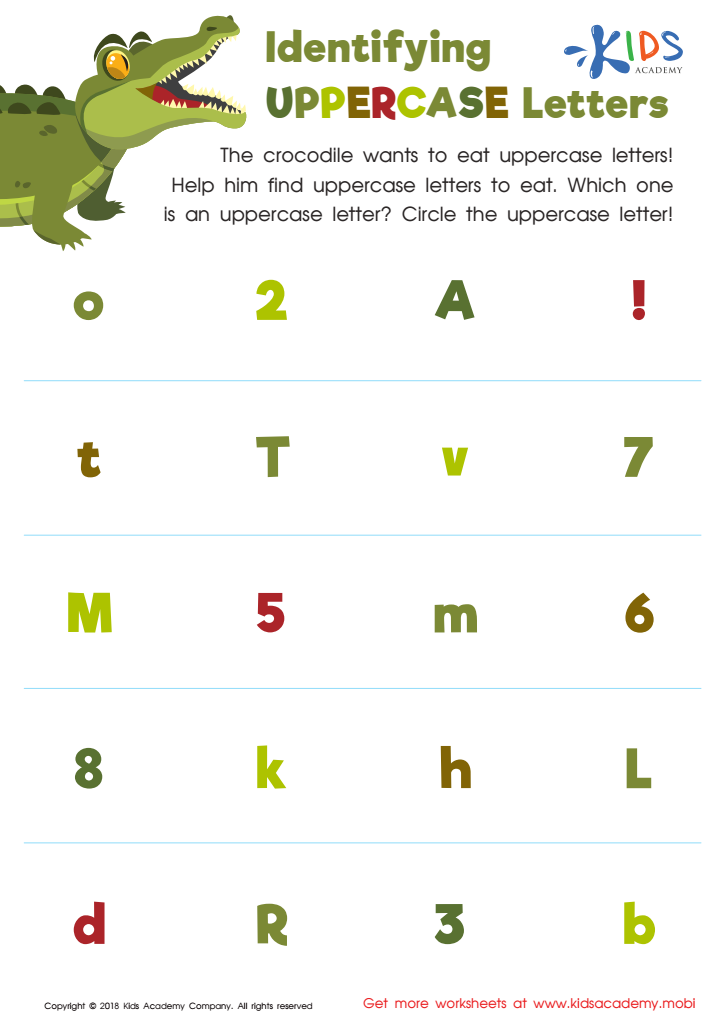
Identifying Uppercase Letters Worksheet
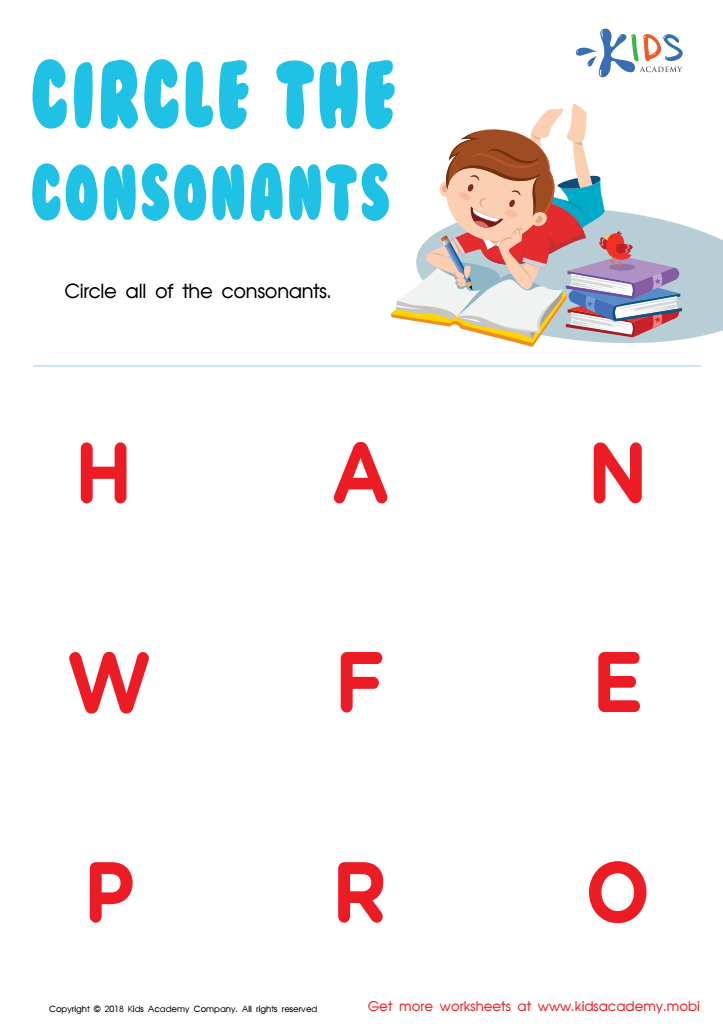
Circle the Consonants Worksheet
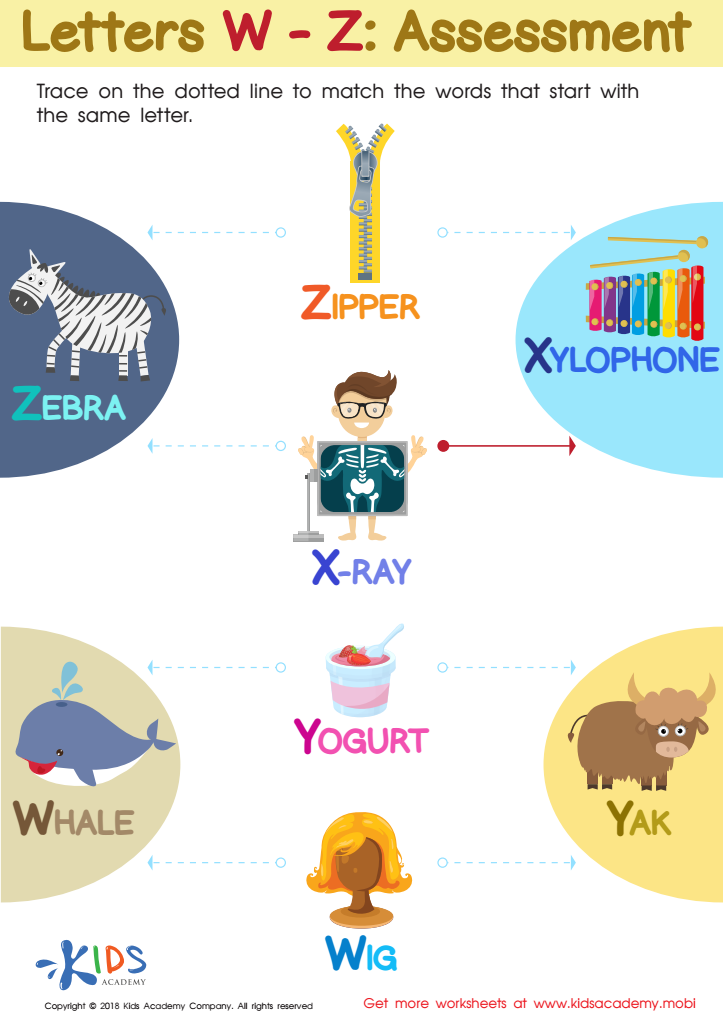
Letters W–Z Tracing Worksheet
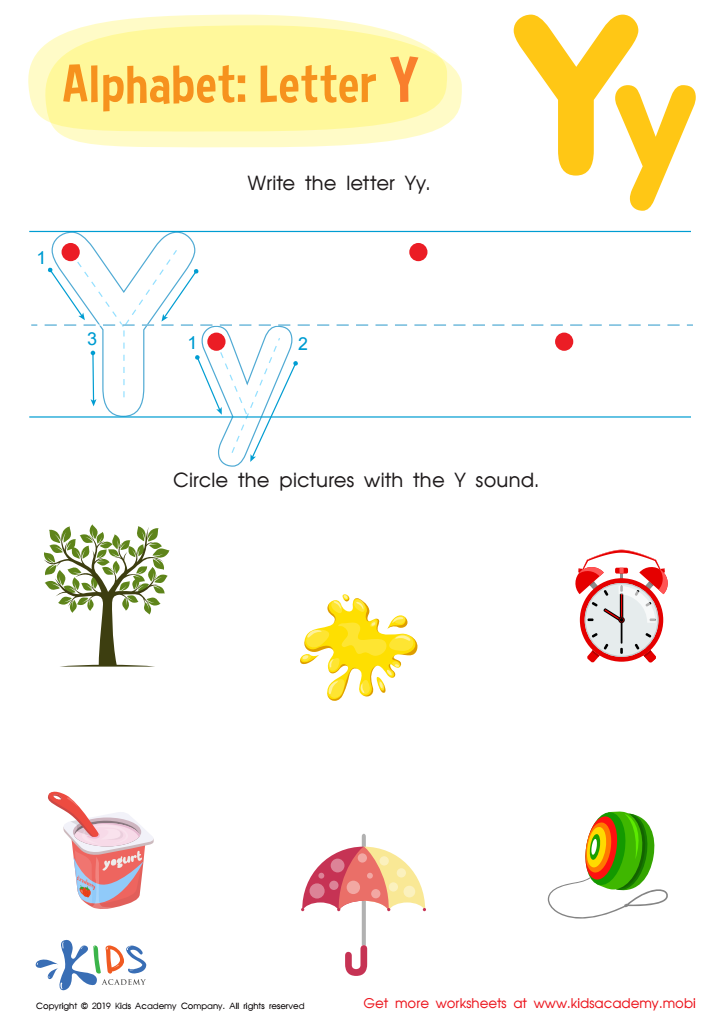
Letter Y Tracing Worksheet
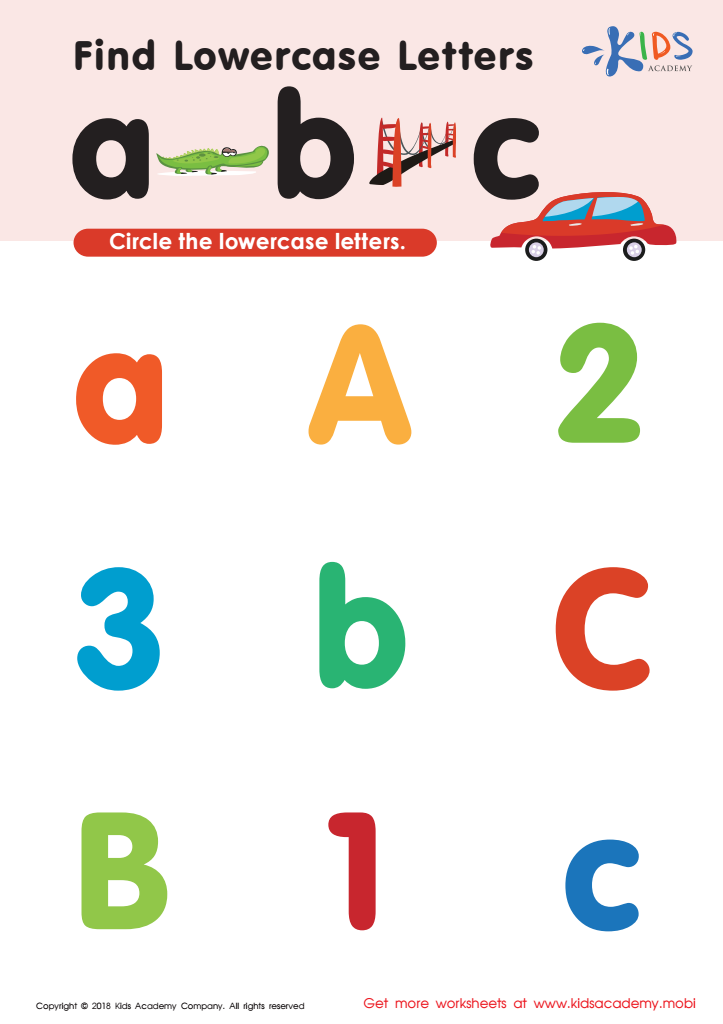
Find lowercase letters a b c Worksheet
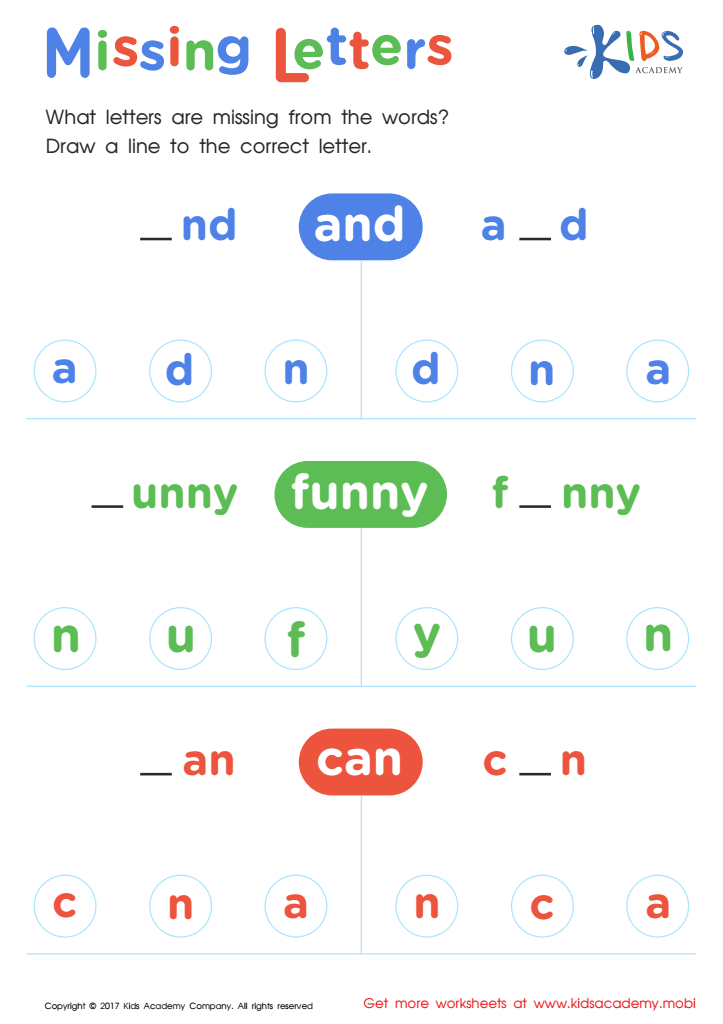
Missing Letters Worksheet
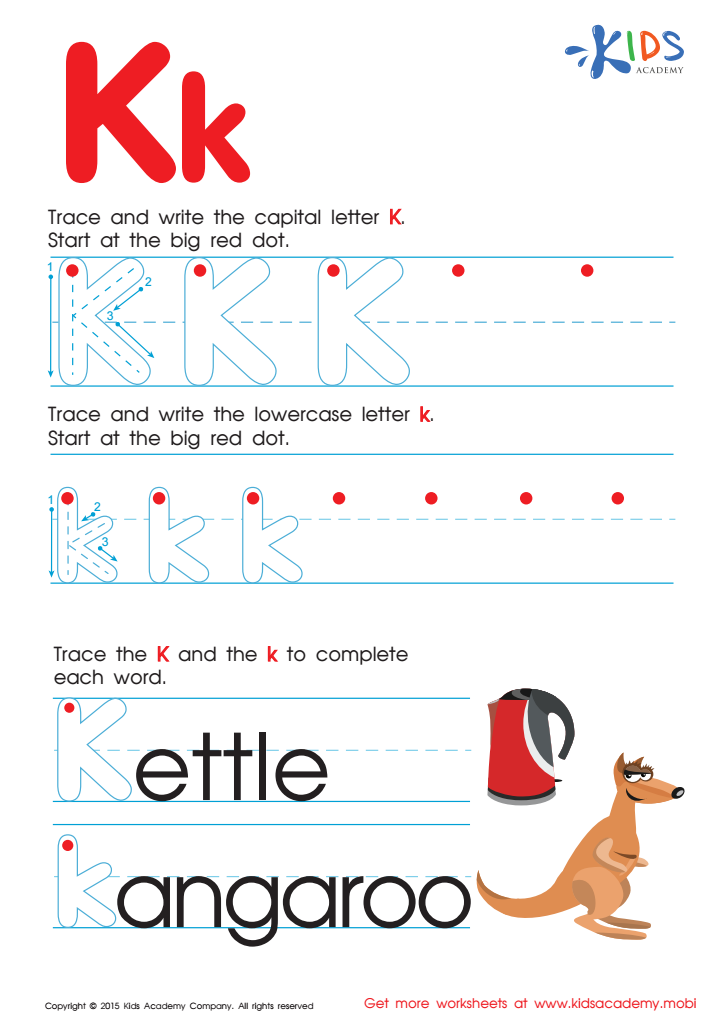
Letter K Tracing Page
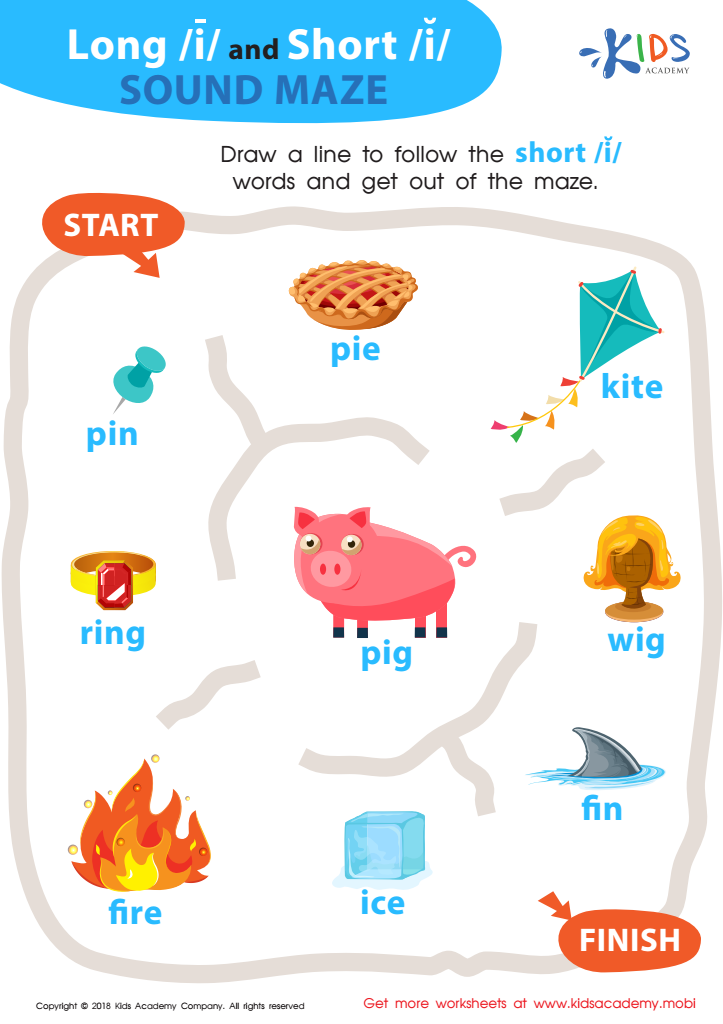
Reading: Long I and Short I Sound Maze Worksheet
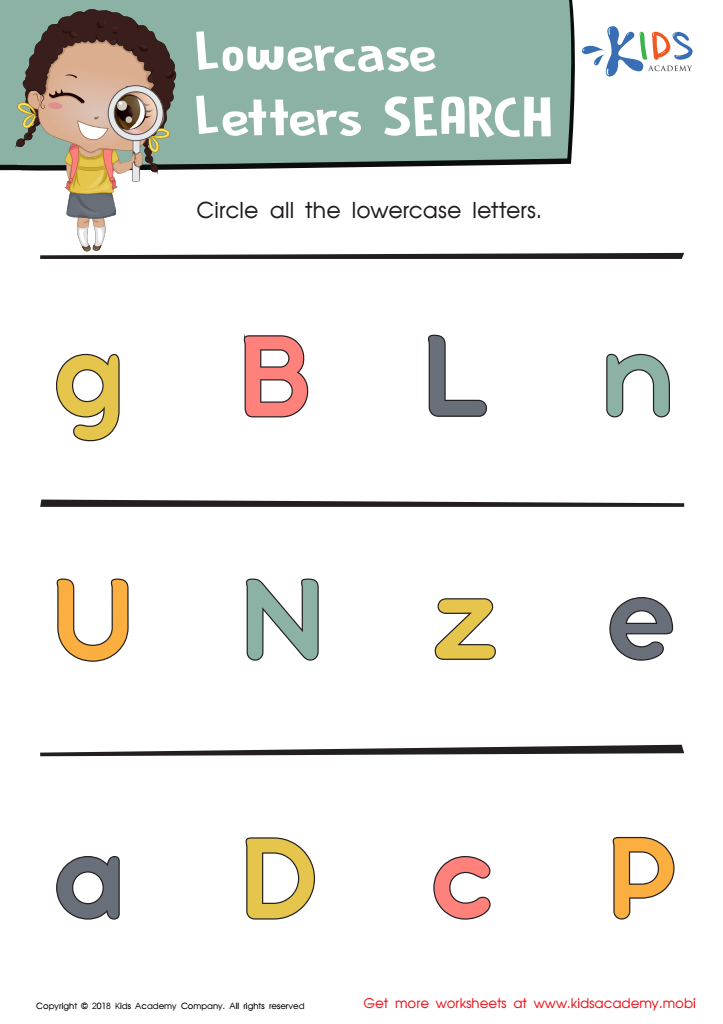
Lowercase Letters Search: Assessment Worksheet
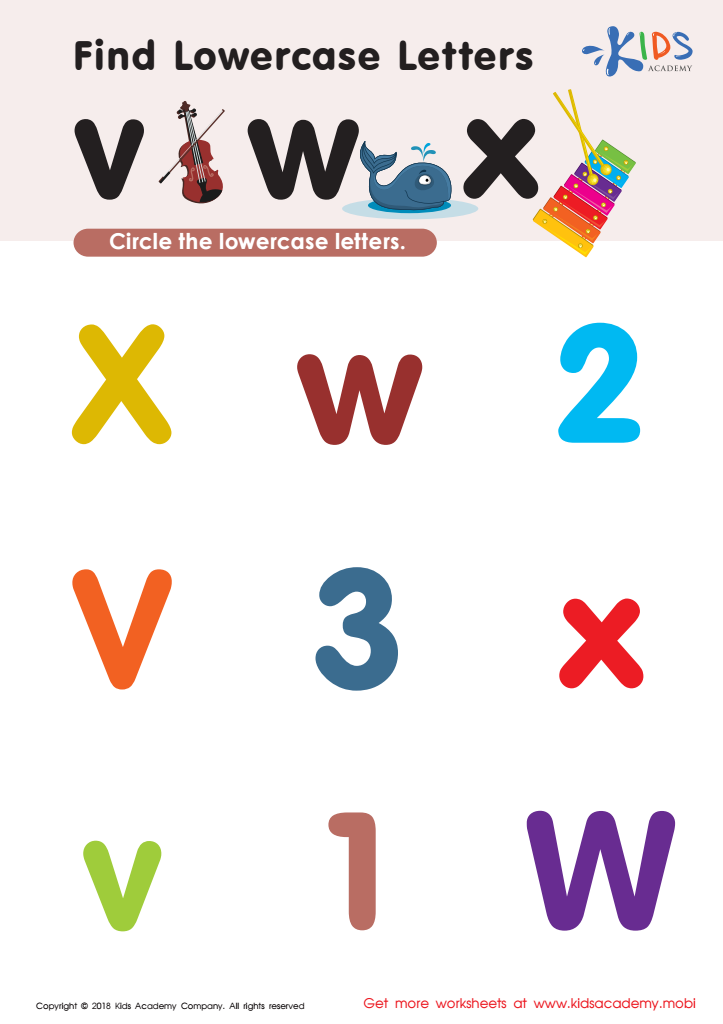
Find Lowercase Letters v w x Worksheet

Letter F Tracing Page
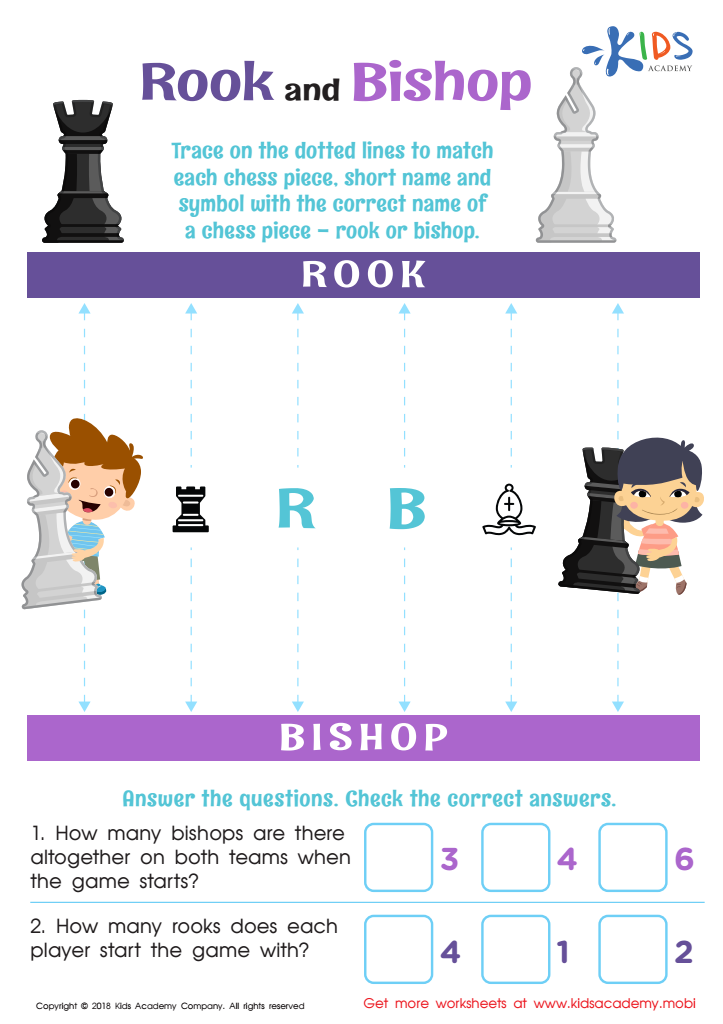
Rook and Bishop Worksheet
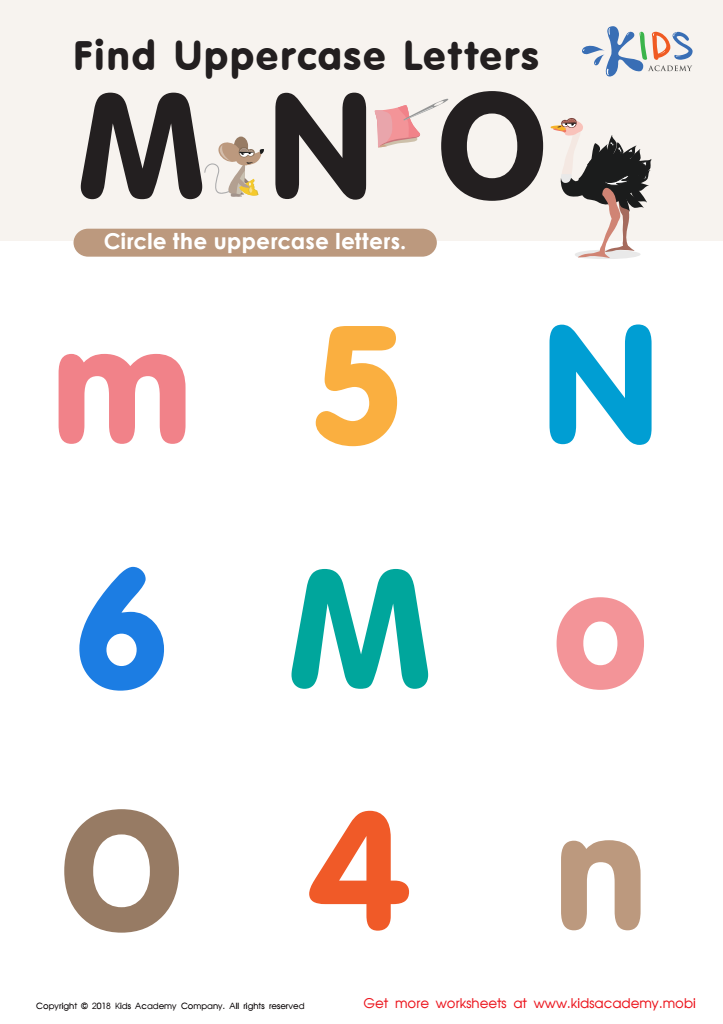
Find Uppercase Letters M, N, and O Worksheet
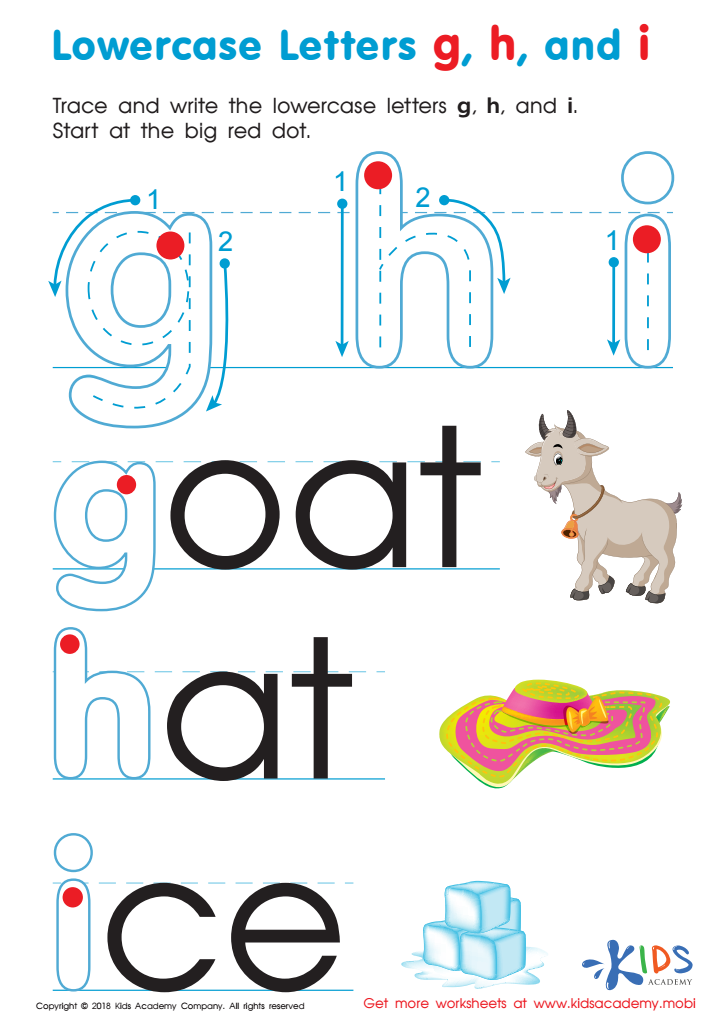
Lowercase Letters g h i Worksheet
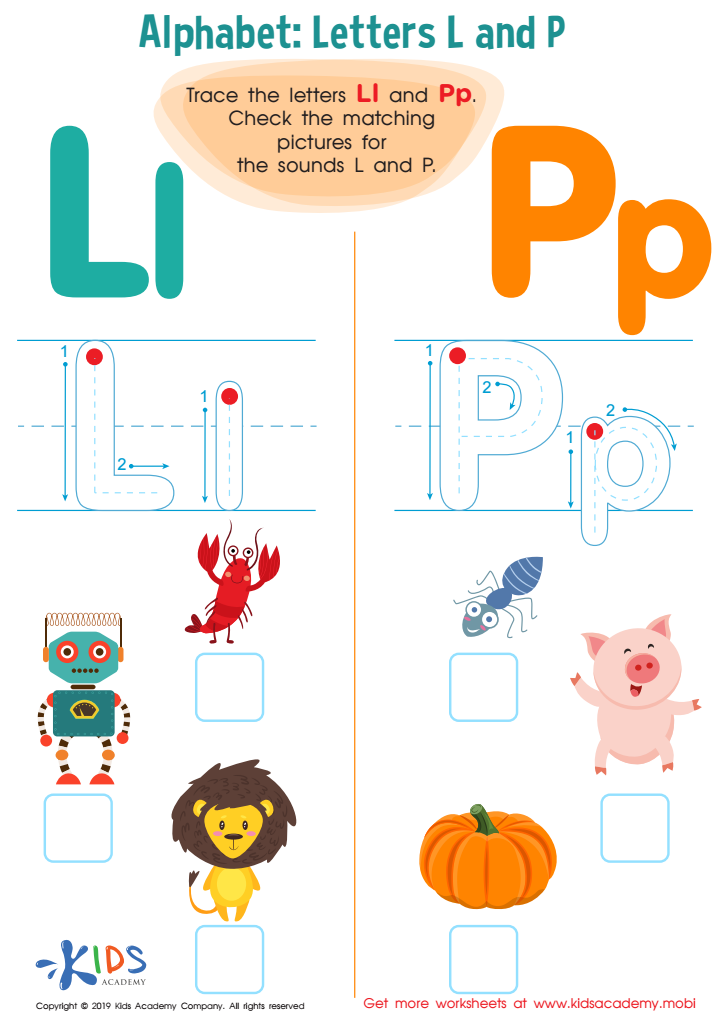
Letter L and P Tracing Worksheet
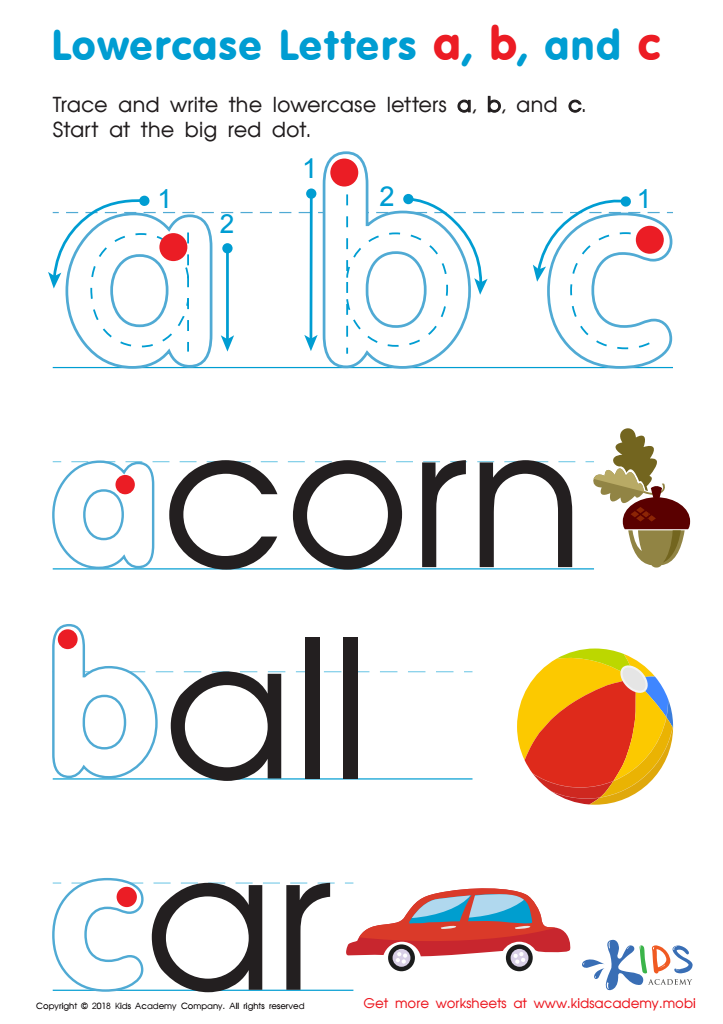
Lowercase Letters a b c Worksheet

Letter T Tracing Page








Letter recognition is critical for children ages 4-8 as it forms the foundation of early literacy skills essential for future academic success. Recognizing letters is the first step in learning to read and write, enabling children to understand that letters are symbols representing sounds in spoken language. When children can identify letters and their corresponding sounds, they can begin to decode and comprehend words, fostering reading fluency and comprehension.
For parents and teachers, promoting strong letter recognition skills can be pivotal in preventing future reading difficulties. Early intervention can address potential challenges before they escalate, ensuring children do not fall behind their peers. Additionally, activities that support letter recognition, such as alphabet games, flashcards, and engaging stories, can make learning enjoyable, boosting children's confidence and enthusiasm for reading.
Furthermore, letter recognition lays the groundwork for phonemic awareness – understanding that words are made up of individual sounds – which is fundamental for spelling and writing. As children build their literacy skills, they develop cognitive abilities, such as memory and problem-solving, that are crucial across all areas of learning. In summary, prioritizing letter recognition sets a strong educational foundation, equipping children with key skills essential for lifelong learning and academic achievement.







