Geography Worksheets for Ages 4-8 - Page 3
60 filtered results
-
From - To
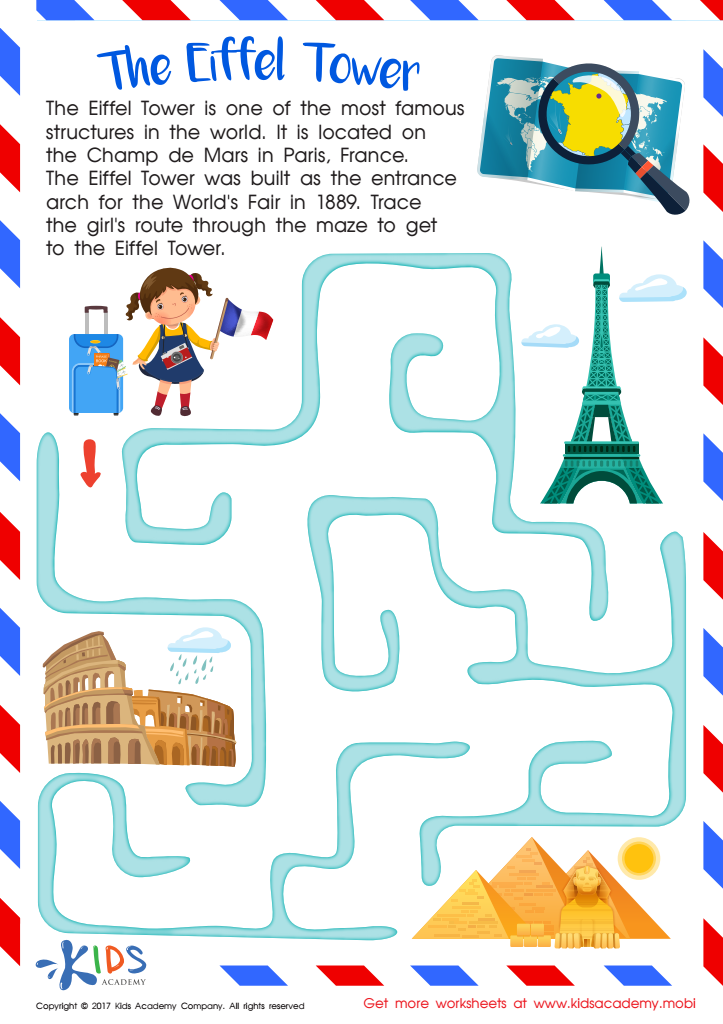
The Eiffel Tower Printable
 Assign to My Students
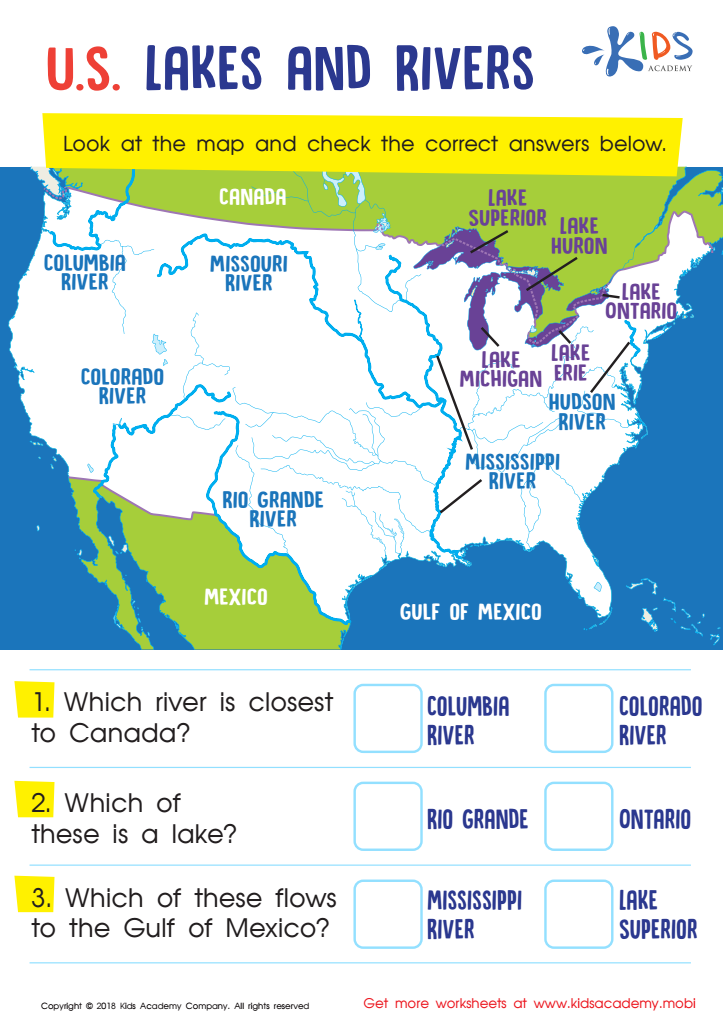
U.S. Lakes and Rivers Worksheet
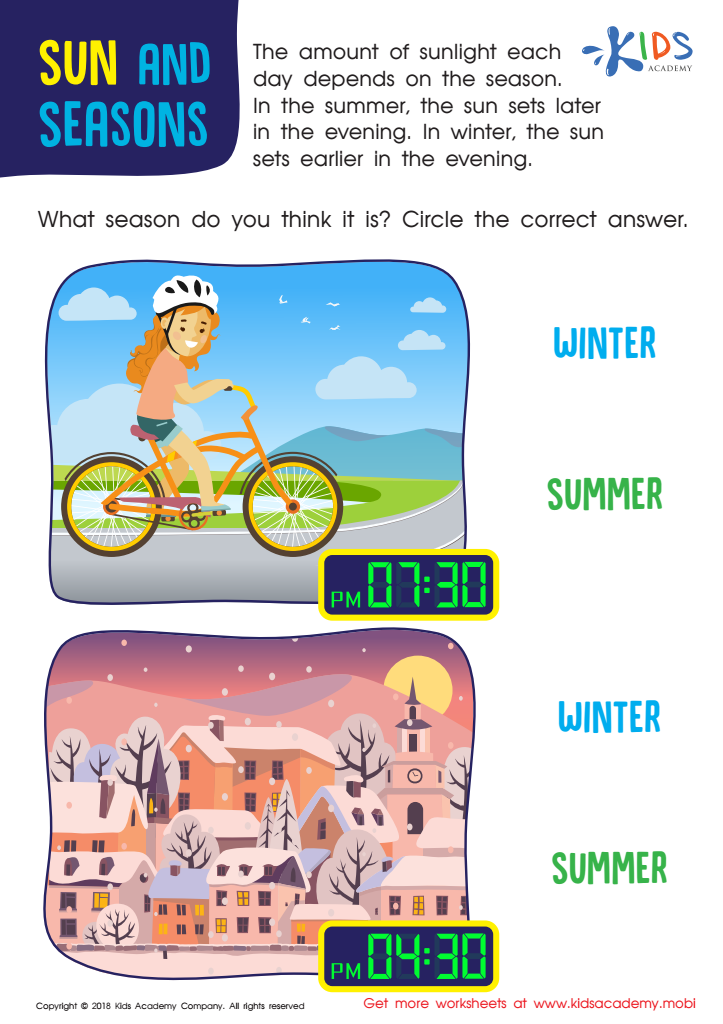
Sun and Seasons Worksheet
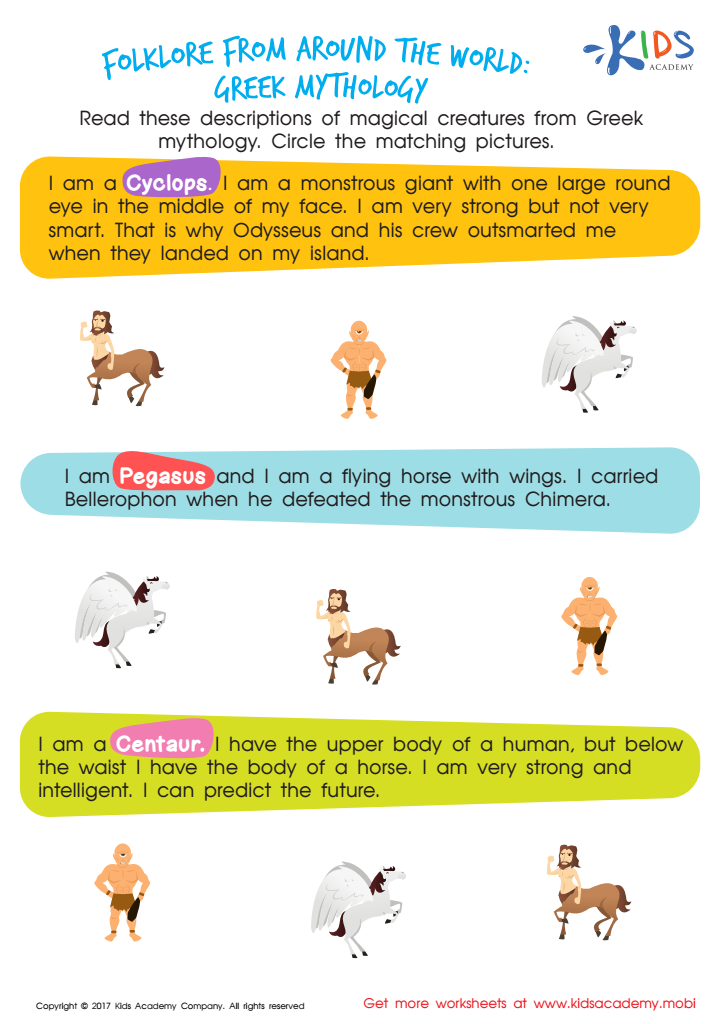
Greek Mythology Worksheet
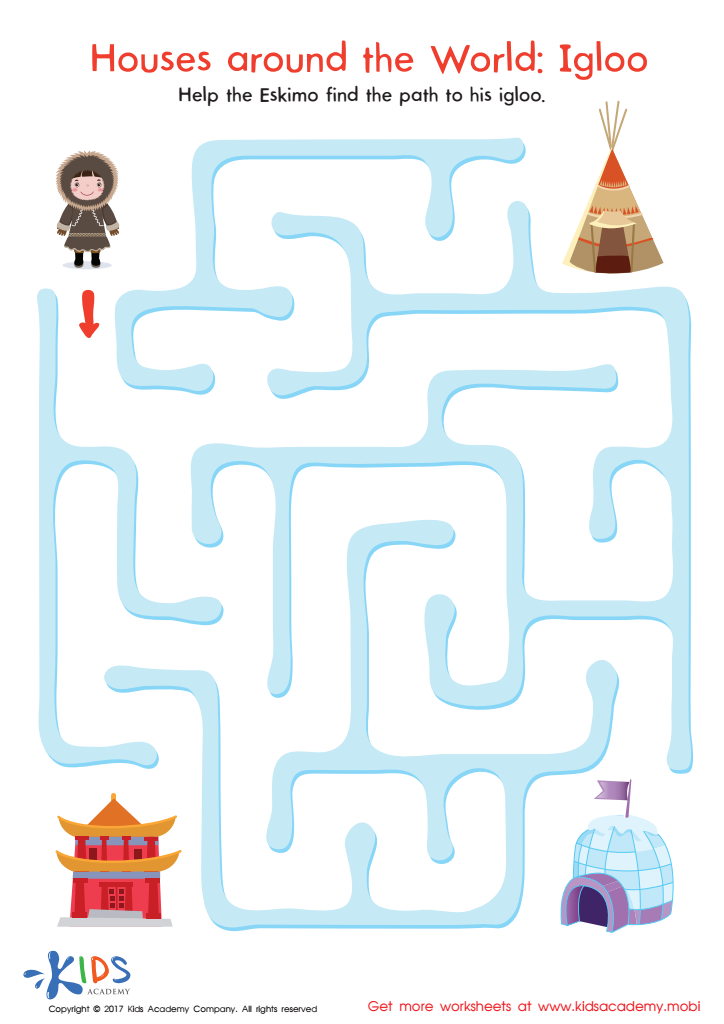
Houses Around the World: Igloo Printable
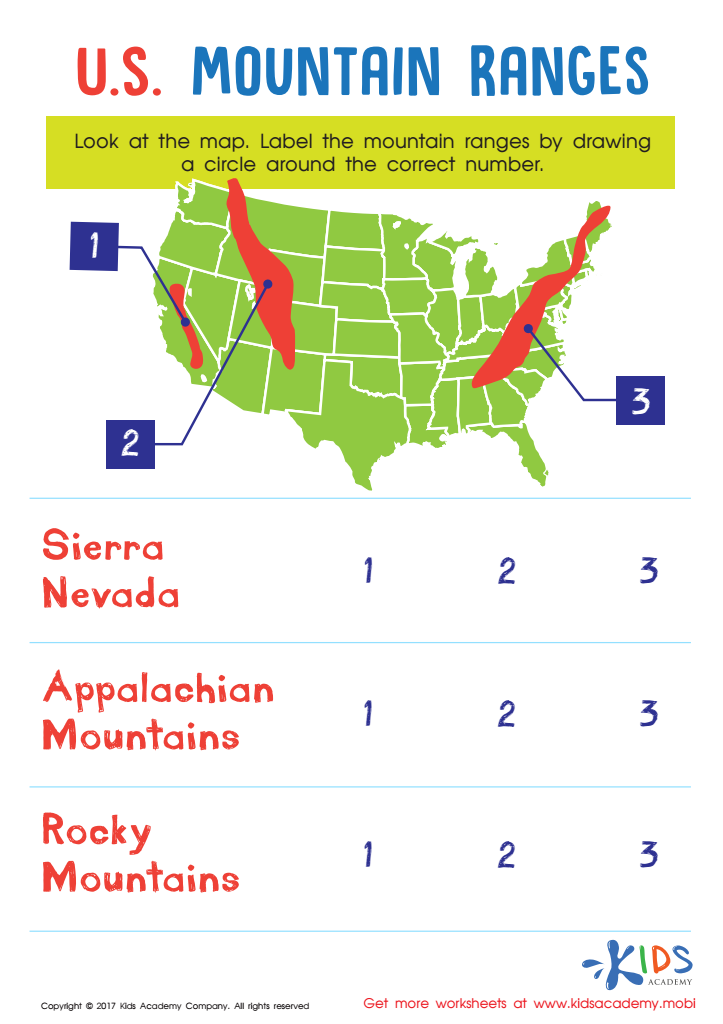
US Mountain Ranges Worksheet
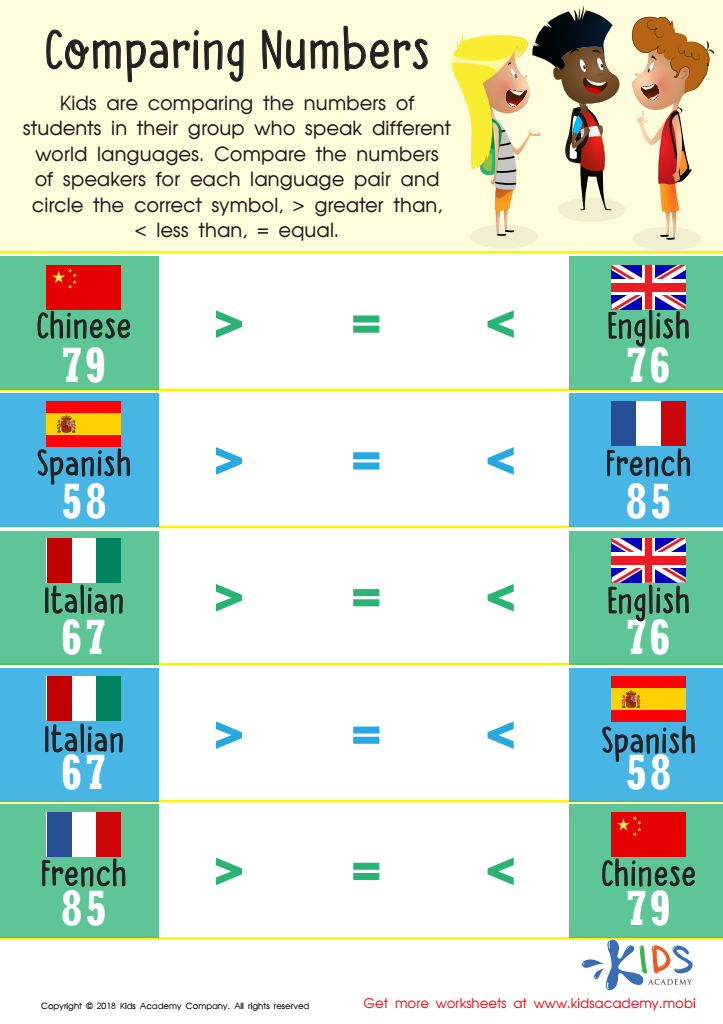
Comparing Numbers Worksheet for 1st Grade
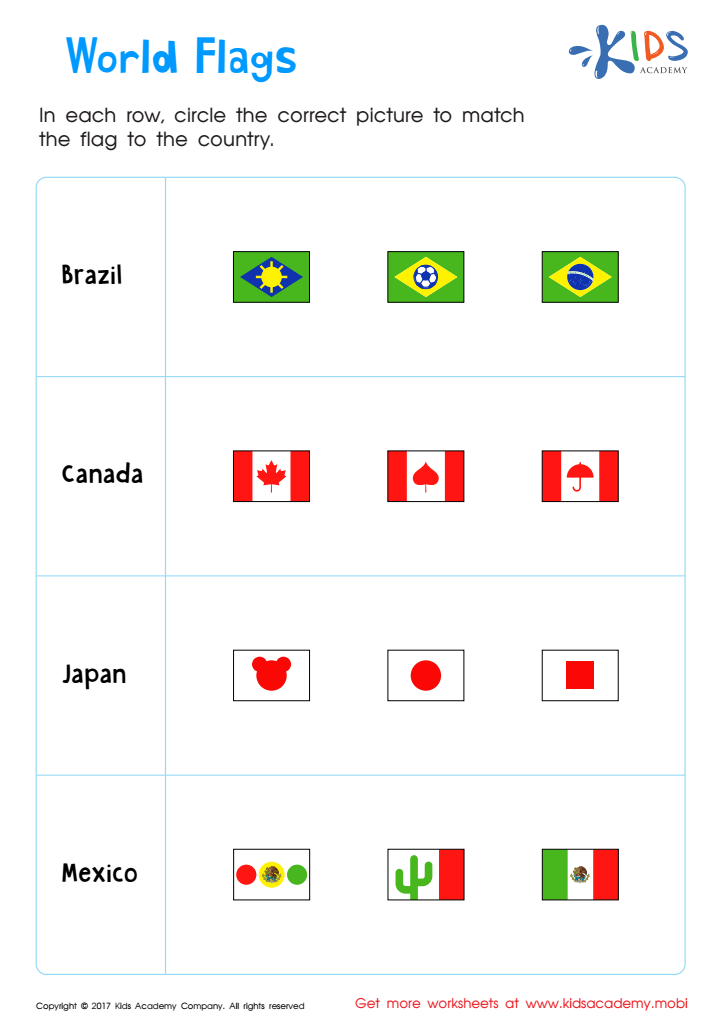
World Flags Printable
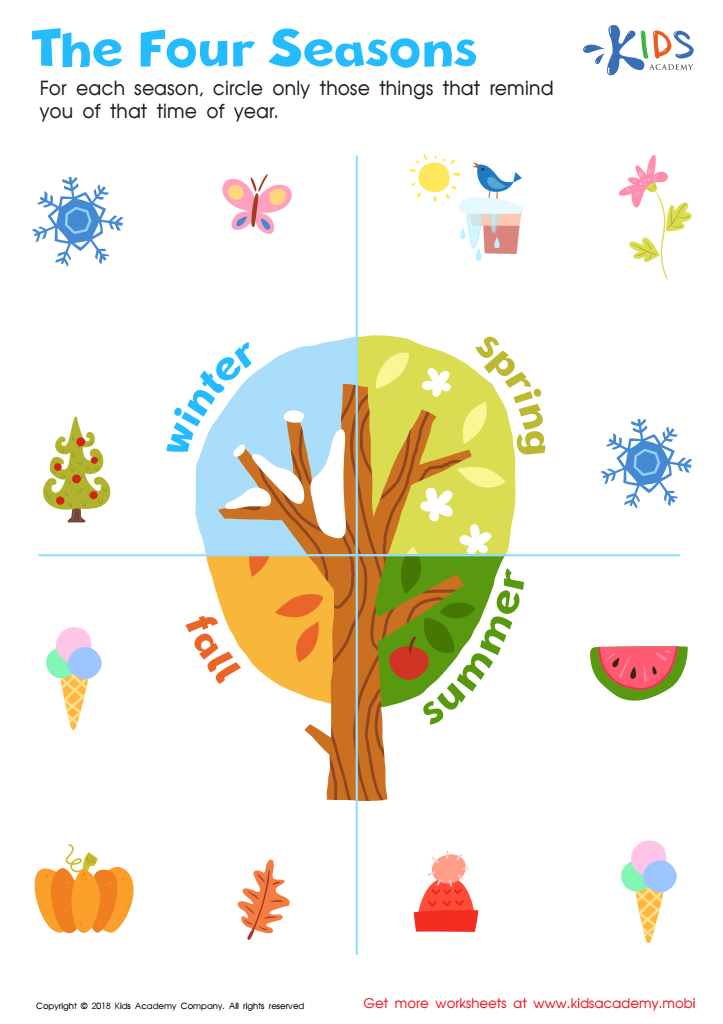
The Four Seasons Worksheet
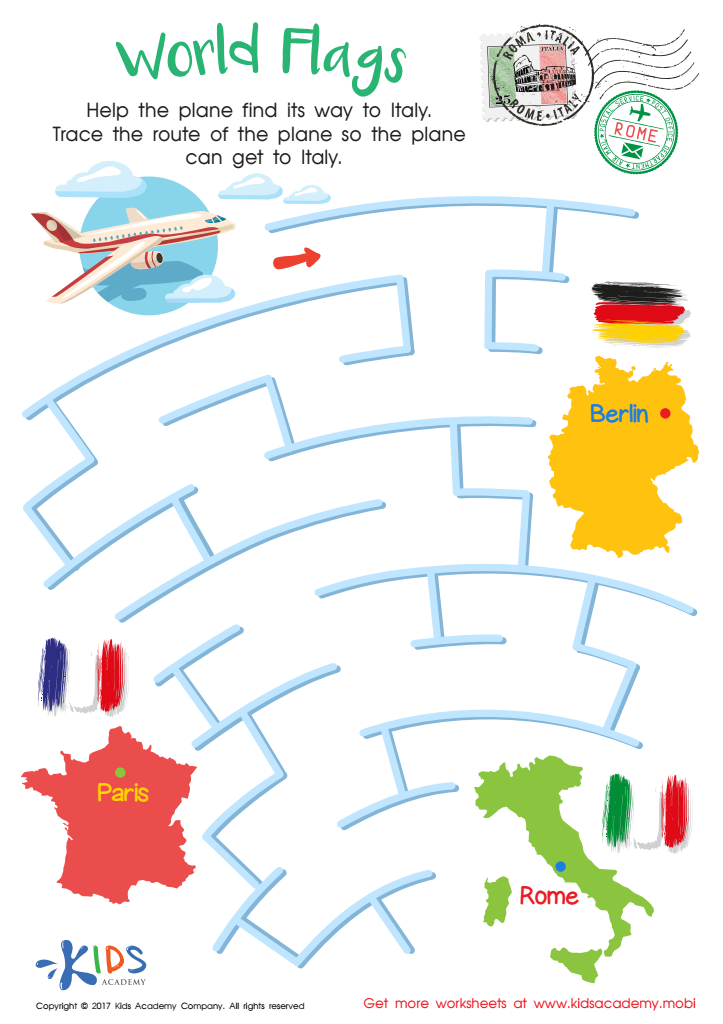
World Flags Maze Worksheet
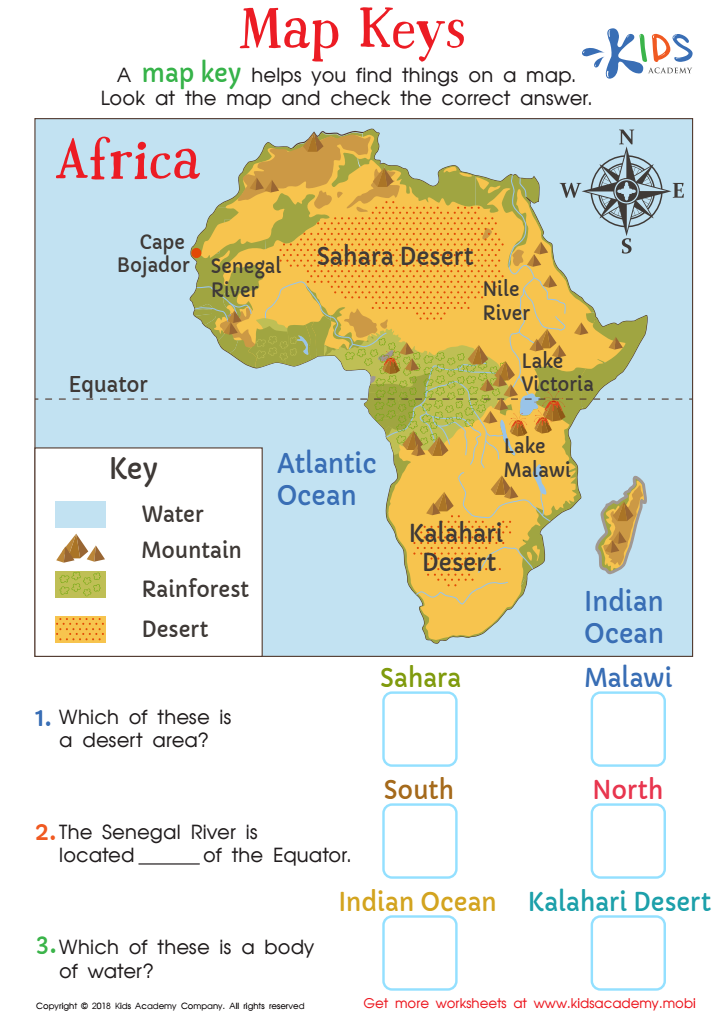
Map Keys Worksheet
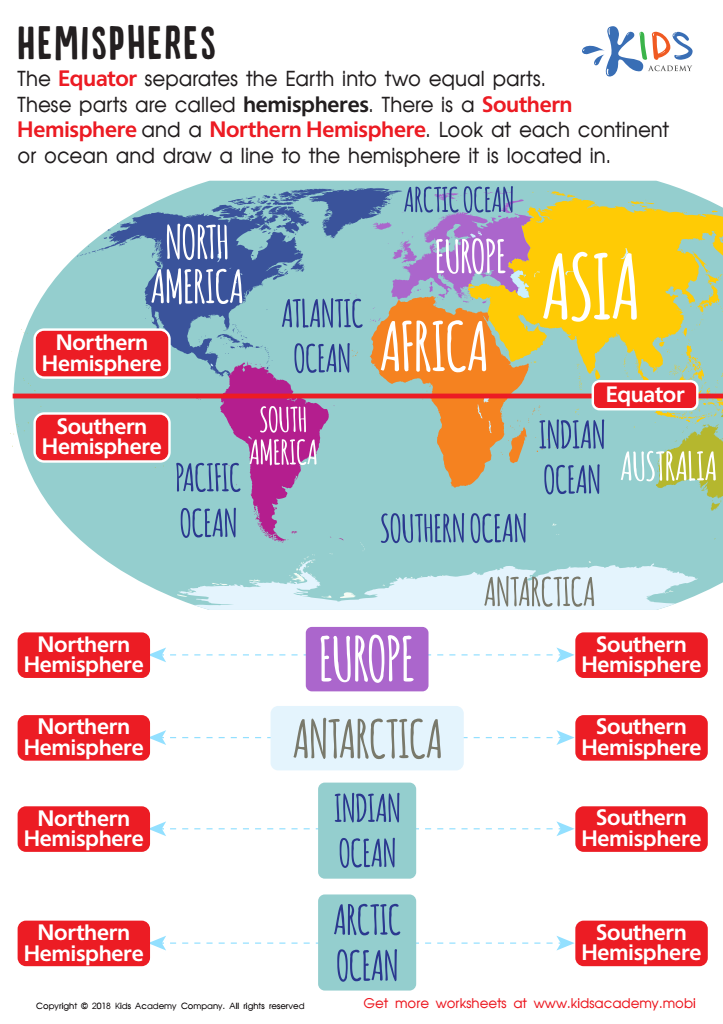
Hemispheres Worksheet


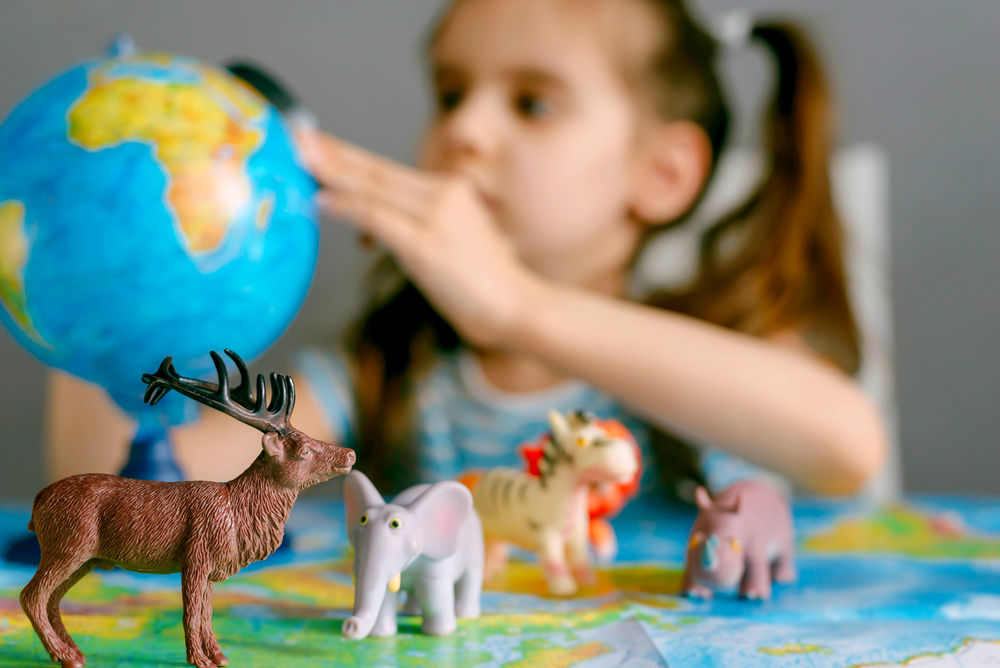




Geography is essential for children aged 4-8 as it lays the foundation for understanding the world around them. At this age, children are naturally curious, and geography helps satisfy that curiosity by exploring various cultures, places, and environments. Through geography, children learn about the world’s diversity, fostering respect and appreciation for different cultures and traditions.
Understanding geography aids in the development of critical thinking skills. When children learn about maps, continents, and natural features, they begin to grasp fundamental concepts such as location, distance, and direction. This enhances their spatial awareness and helps them understand how their actions can affect the environment—and the interconnectedness of all communities.
Additionally, geography encourages social studies and global awareness at a young age. Children become familiar with their own community and can connect with global issues like climate change, promoting a sense of civic responsibility. It also supports literacy development, as kids learn to read maps and signs, improving their navigation skills.
Incorporating geography into early education not only enriches a child’s knowledge but also empowers them to become informed and engaged global citizens. Thus, it’s vital for parents and teachers to prioritize geography in early education settings.








