Sorting Worksheets for Ages 4-9 - Page 2
27 filtered results
-
From - To
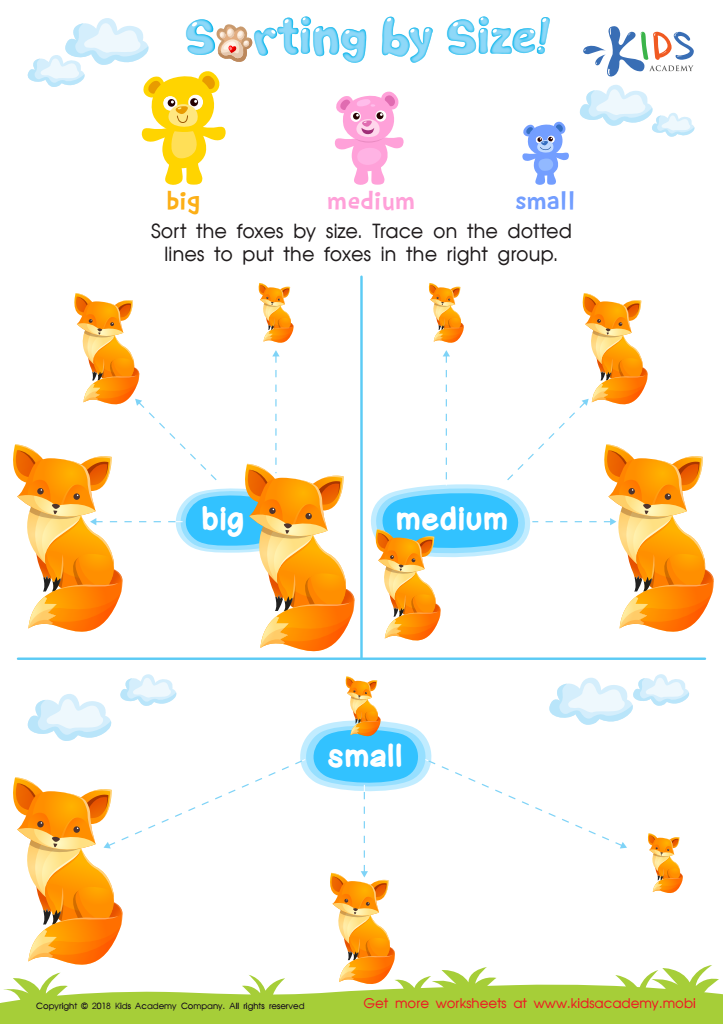
Sorting by Size Worksheet
 Assign to My Students
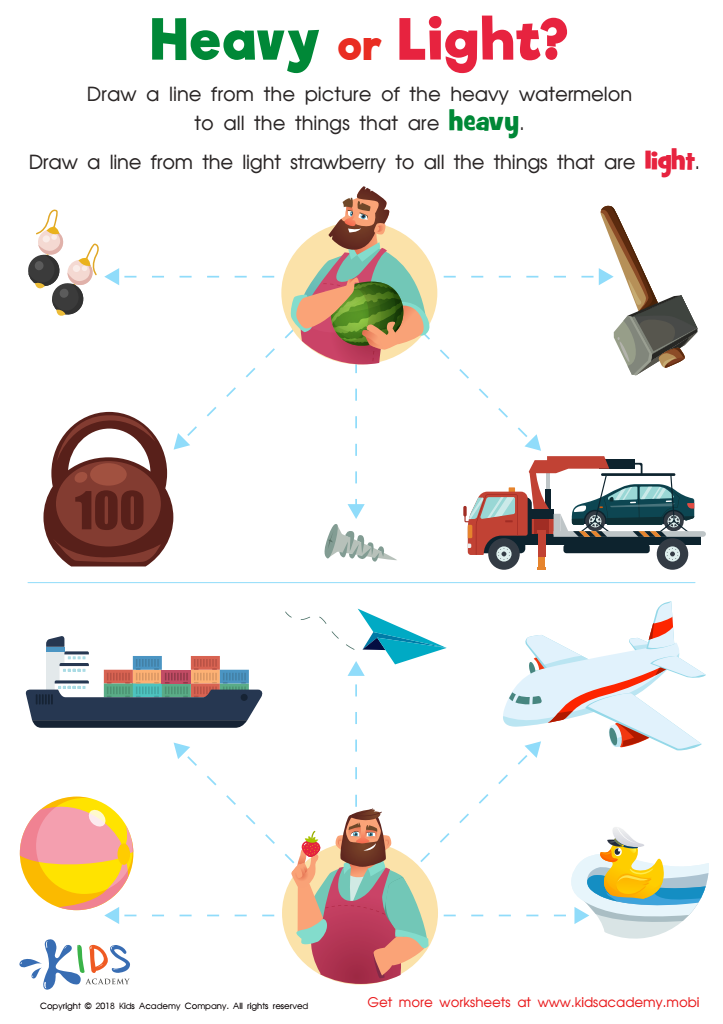
Heavy or Light? Worksheet
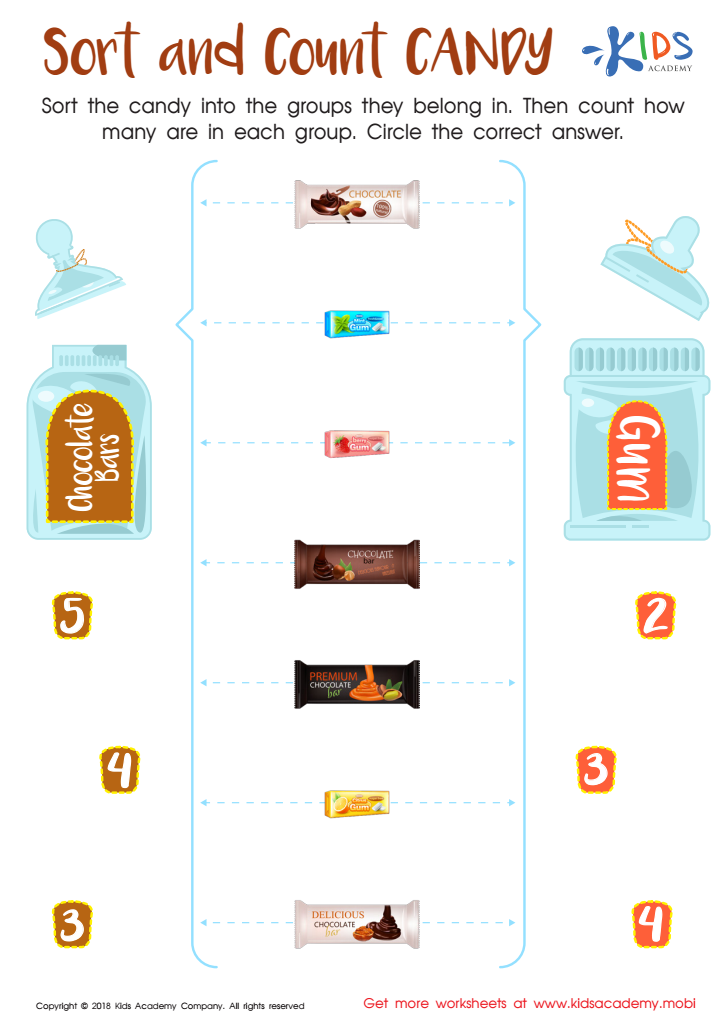
Sort and Count Candy Worksheet








Sorting is a foundational skill that holds immense value for young children aged 4-9, and it's crucial for both parents and teachers to encourage and support this activity. At its core, sorting involves organizing objects or information based on specific attributes such as size, color, shape, or type. This activity cultivates cognitive and perceptual skills that are essential for academic success and everyday problem-solving.
When children engage in sorting, they enhance their ability to observe details and notice differences and similarities among objects. This cognitive process sharpens their attention to detail and strengthens their analytical thinking. Sorting tasks also assist in developing their classification and categorization skills, which are fundamental to mathematics and science concepts they will encounter in school, such as recognizing patterns, understanding sequences, and learning about sets and subsets.
Additionally, sorting fosters decision-making and critical thinking, encouraging children to create and test rules and hypotheses. It can also support language development as children describe and discuss the attributes they use for sorting, thereby enriching their vocabulary and communication skills.
Furthermore, sorting nurtures organizational abilities and helps children learn to structure their environment and thoughts, contributing to higher-order skills like planning and prioritizing. Given its wide-ranging benefits, both parents and educators should prioritize incorporating sorting activities into children’s routines to support their overall development and academic readiness.








