Community Worksheets for Ages 4-9 - Page 6
125 filtered results
-
From - To
Migration Maze Worksheet
 Assign to My Students
Learn about Community Helpers Printable
Producers and Consumers: Sequencing Worksheet
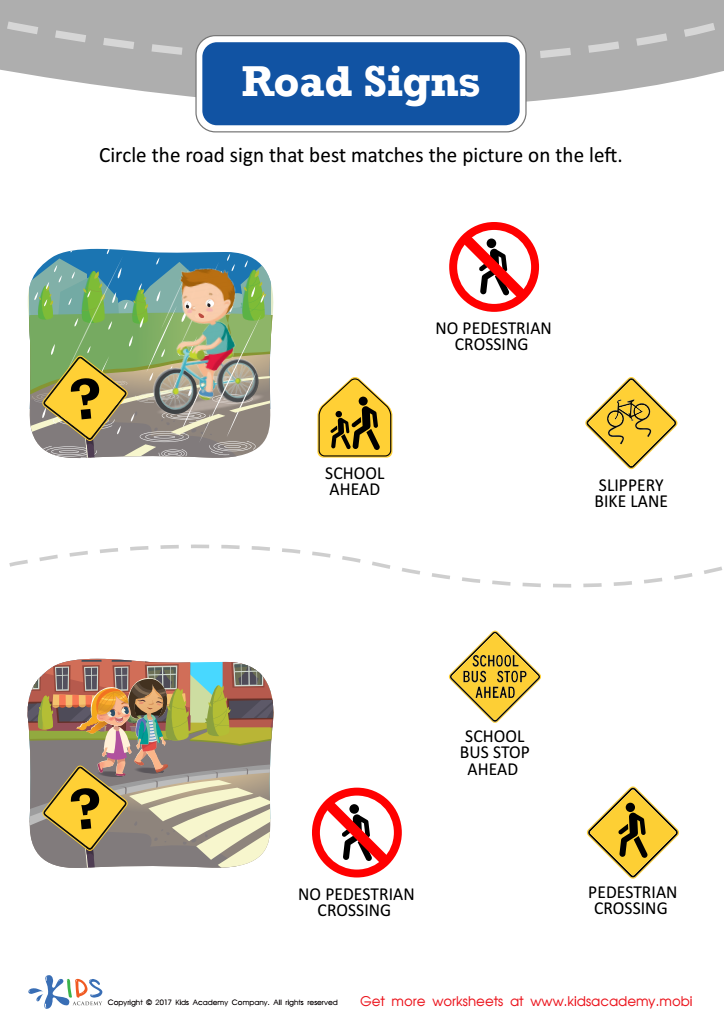
Road Signs (Part 2) Printable
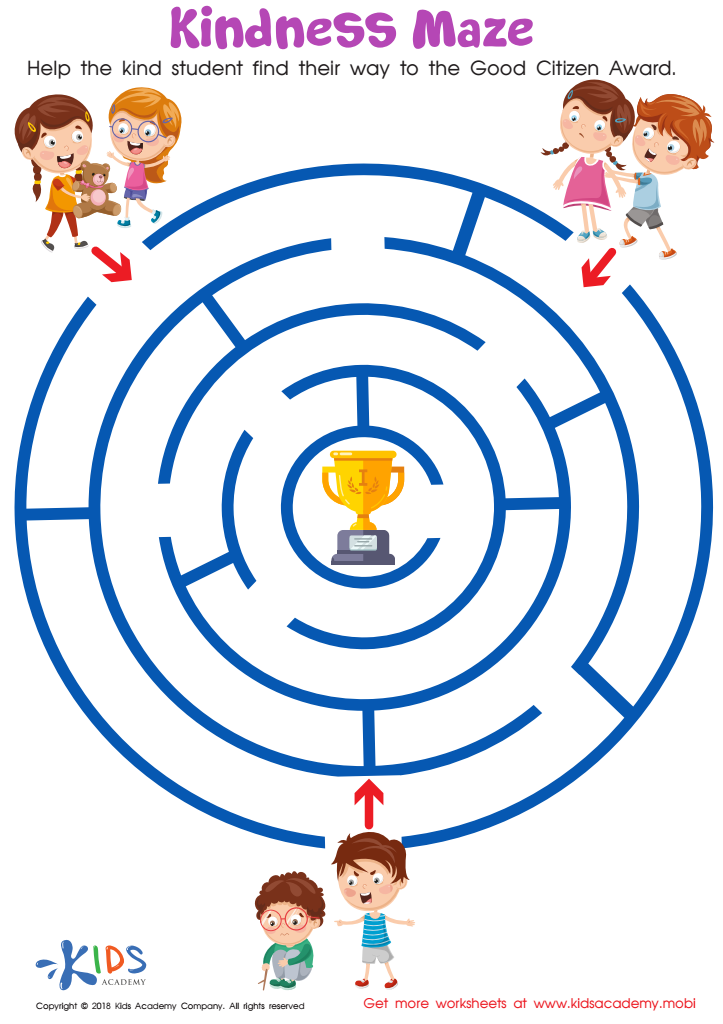
Kindness Maze Worksheet








Parents and teachers should care about community for children ages 4-9 because it plays a crucial role in their social and emotional development. At this young age, children are beginning to form their identities and understand their place in the world. Engaging with a community helps them develop vital social skills, such as sharing, empathizing, and cooperating with others.
Strong community ties can foster a sense of belonging and safety, which are essential for young learners. When children feel connected to those around them, they are more likely to express themselves, take risks, and develop confidence. Being part of a community also exposes children to diverse perspectives, fostering appreciation for differences and inclusion.
Furthermore, communities provide rich resources for learning experiences beyond the classroom. Through community-based activities like park programs, libraries, and local events, children can experience hands-on learning that enriches their education.
Ultimately, a supportive community cultivates healthy habits, encourages collaborative play, and reinforces positive values, guiding children towards resilience, respect, and responsibility as they grow. Parents and teachers play a key role in nurturing this sense of community, thus laying the foundation for future generations of socially aware and engaged citizens.