Community Worksheets for Ages 5-8 - Page 6
125 filtered results
-
From - To
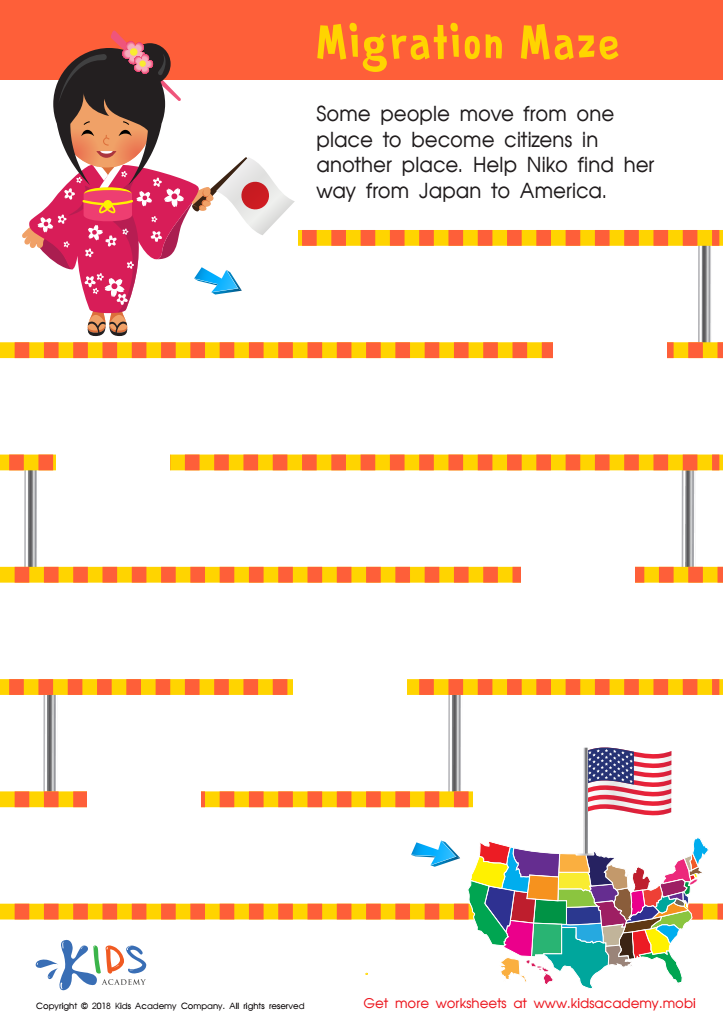
Migration Maze Worksheet
 Assign to My Students
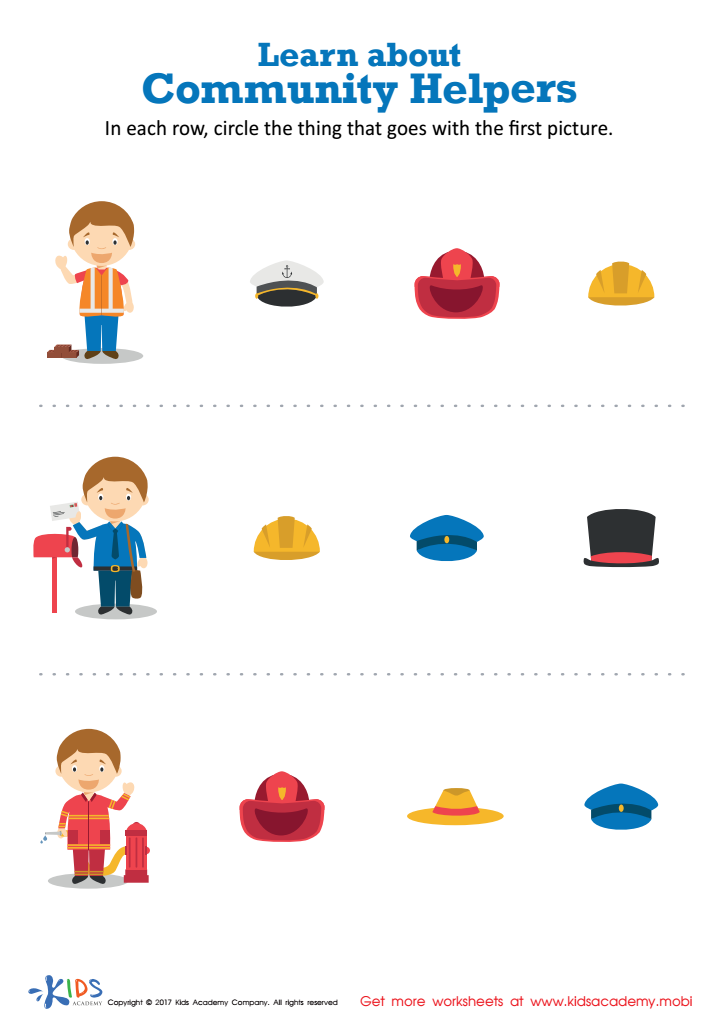
Learn about Community Helpers Printable
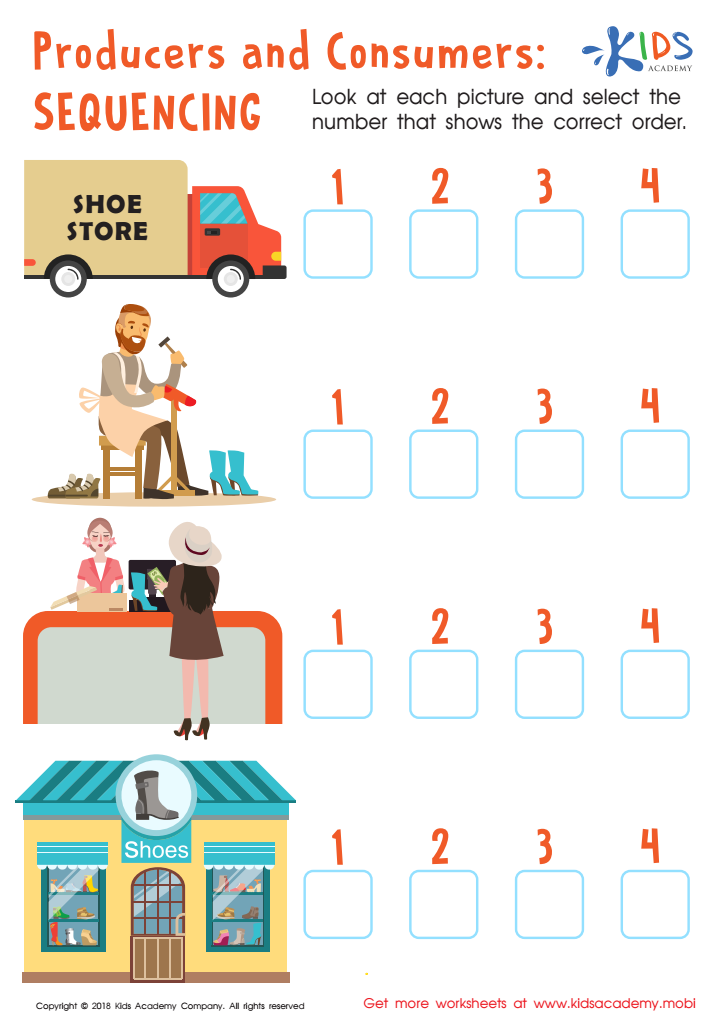
Producers and Consumers: Sequencing Worksheet
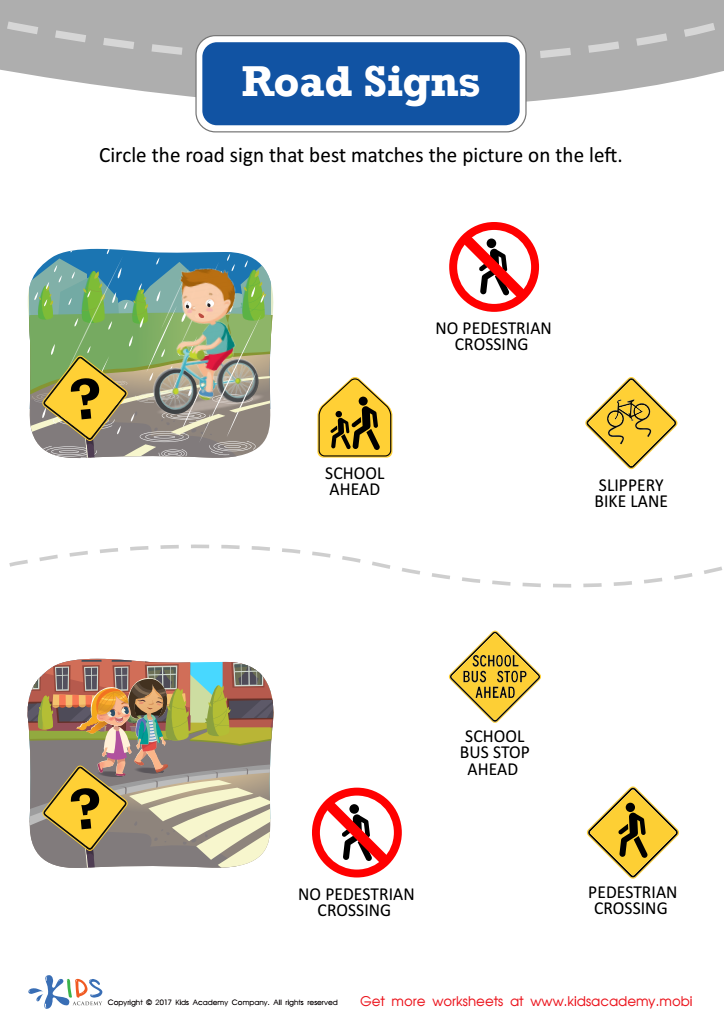
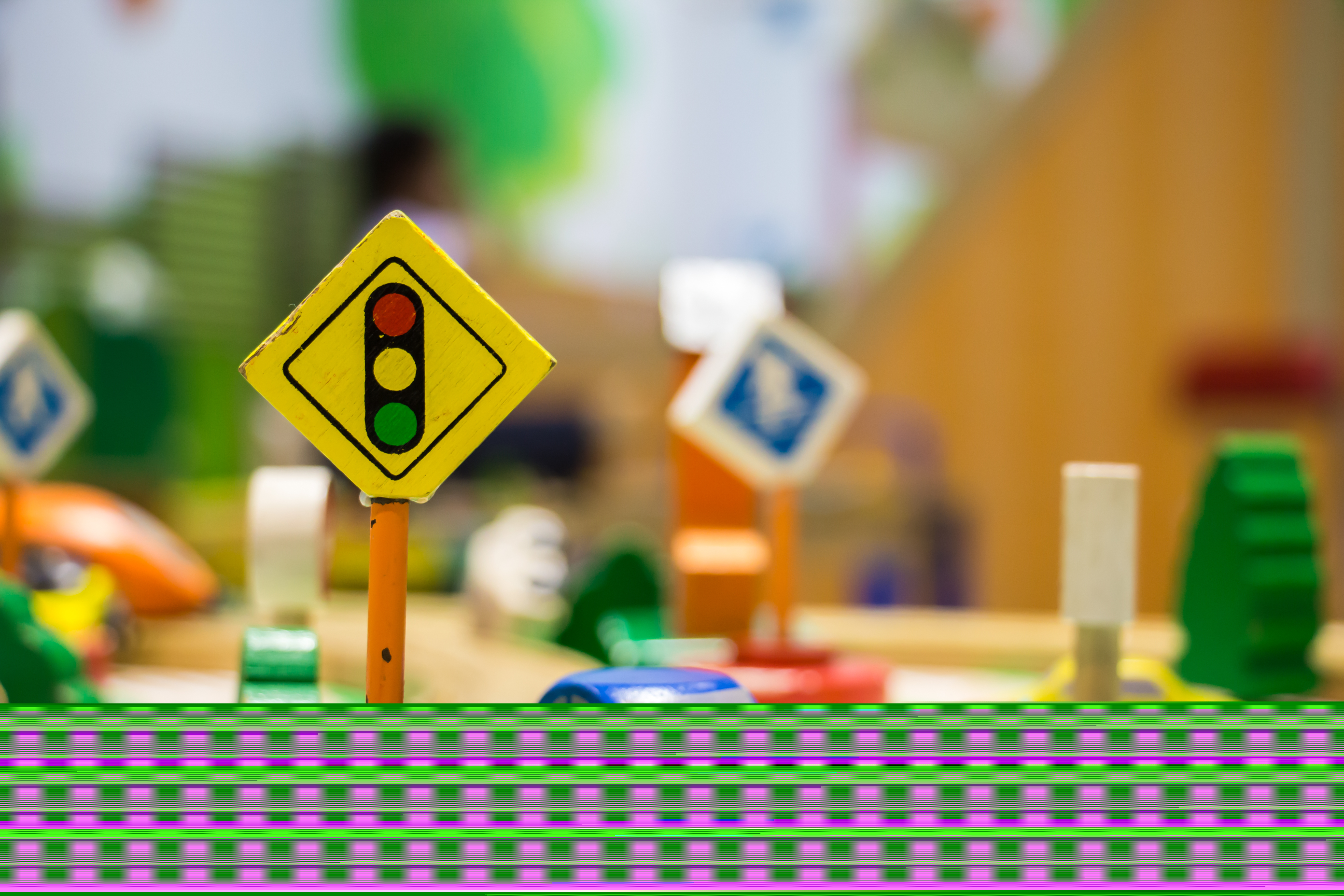
Road Signs (Part 2) Printable
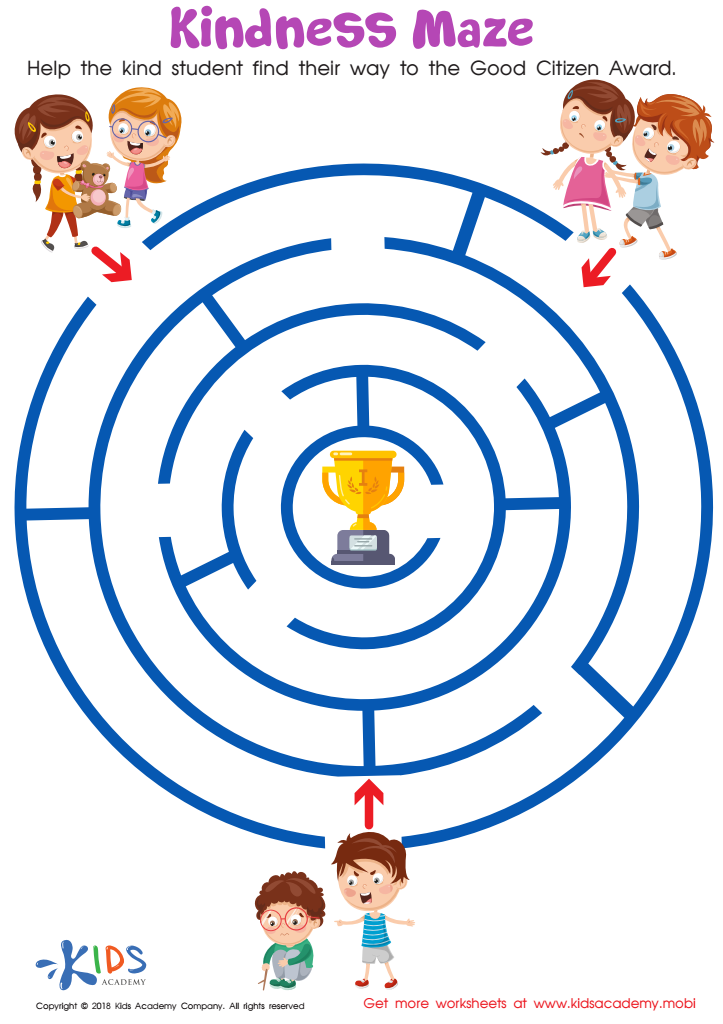
Kindness Maze Worksheet






Parents and teachers should care about community for children aged 5-8 because it plays a fundamental role in their social, emotional, and cognitive development. At this critical stage, children are learning to navigate relationships, understand social norms, and develop empathy. A supportive community can provide them with a safe and nurturing environment to cultivate these essential life skills.
When children feel integrated into a community, they experience a sense of belonging and security. This emotional stability allows them to focus better on learning and exploring the world around them. Moreover, a strong community can encourage positive behavior, as children are more likely to adopt socially acceptable actions when they feel accountable to a group.
In a community setting, children also gain exposure to diverse perspectives and backgrounds, which broadens their understanding and appreciation of different cultures and lifestyles. This exposure fosters open-mindedness and inclusivity, qualities that are increasingly important in our interconnected world.
Furthermore, robust community involvement can extend learning beyond the classroom. Activities organized by community groups can complement school education, providing practical, hands-on experiences that reinforce academic concepts.
Overall, investing in a community for young children ensures they develop holistically, becoming well-rounded individuals who are prepared to contribute positively to society.








