Community Worksheets for Ages 5-8 - Page 2
30 filtered results
-
From - To
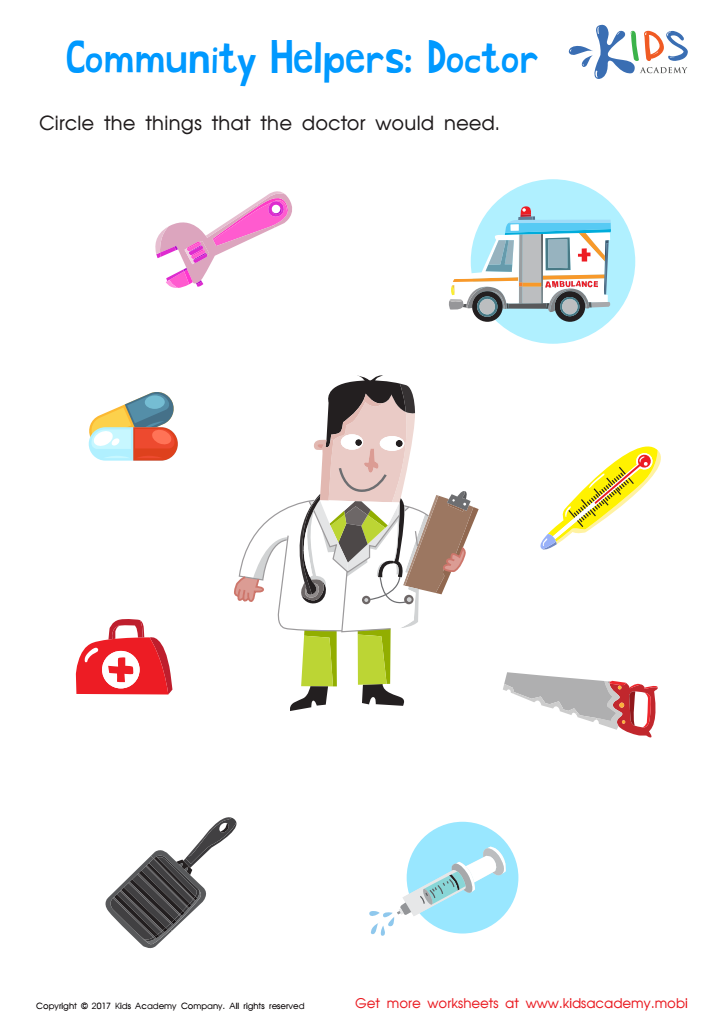
 Assign to My Students
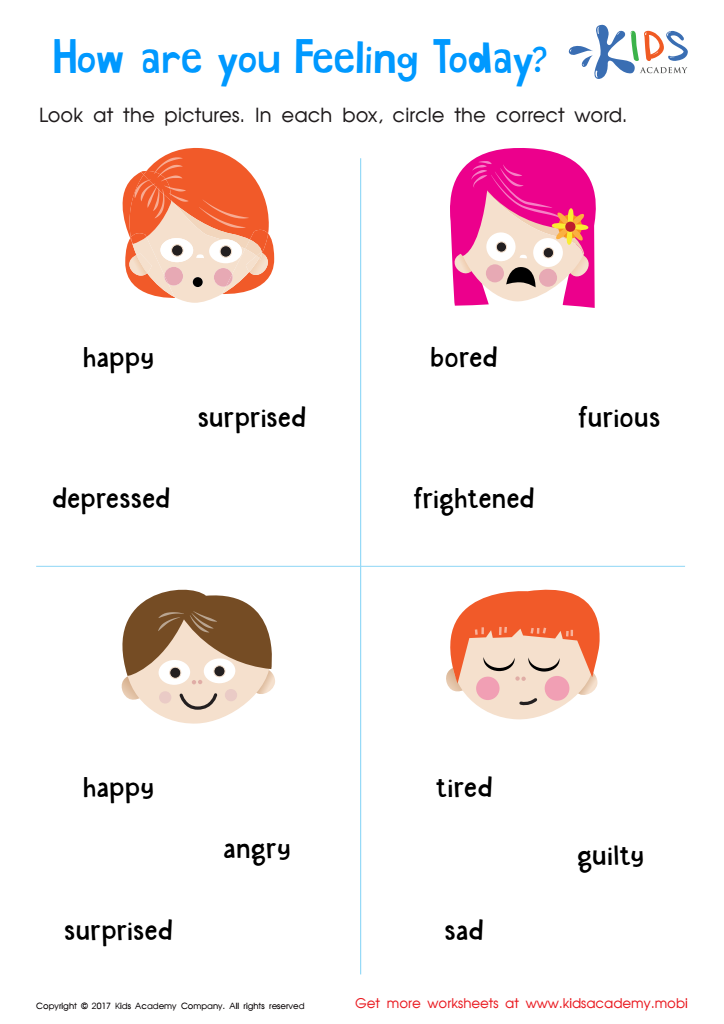
Understanding Feelings Worksheet
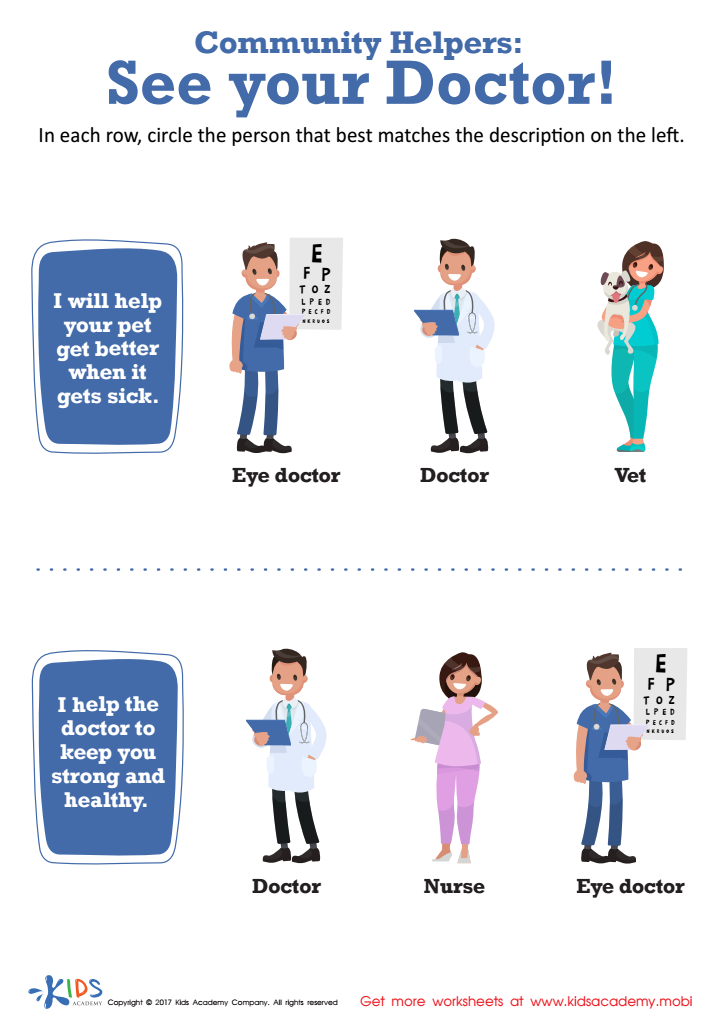
See Your Doctor (Part 2) Printable
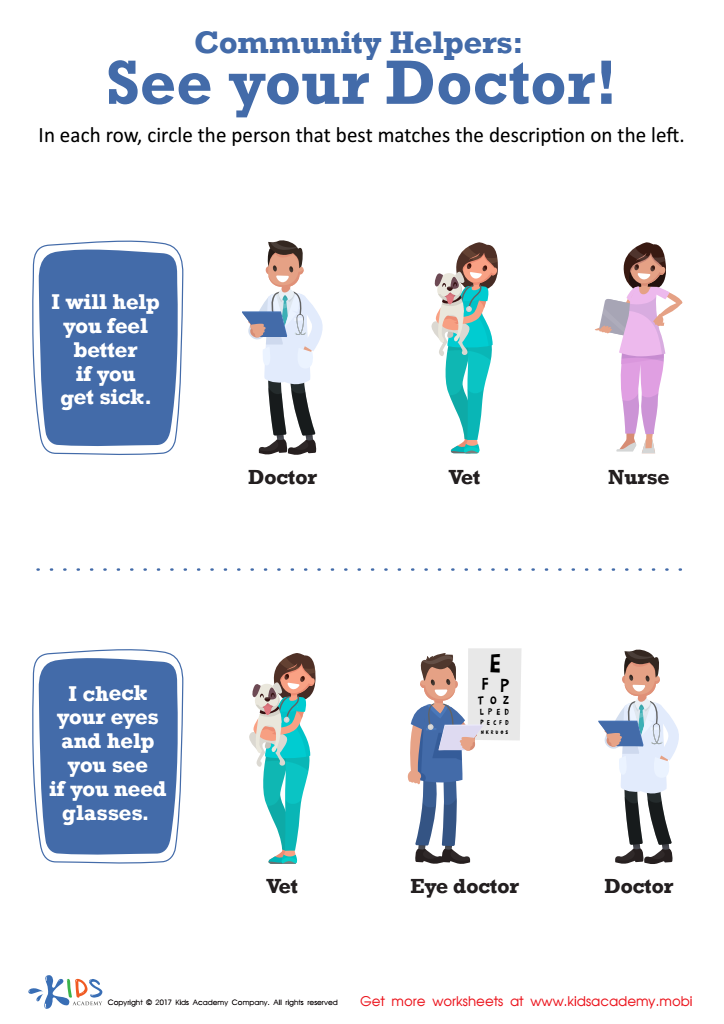
See Your Doctor (Part 1) Printable
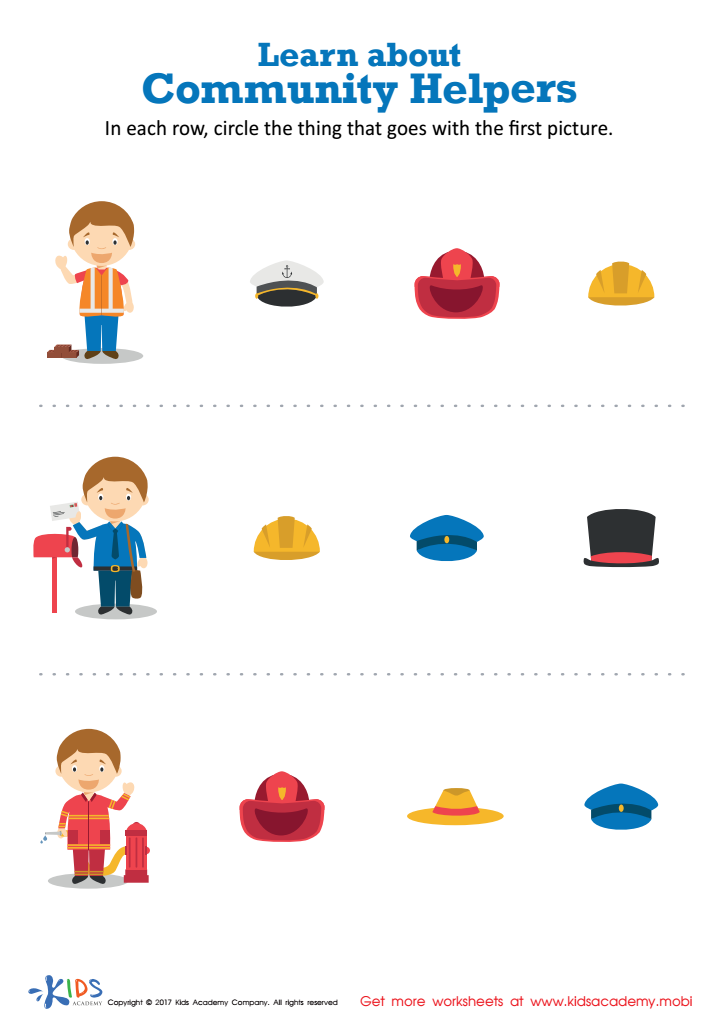
Learn about Community Helpers Printable
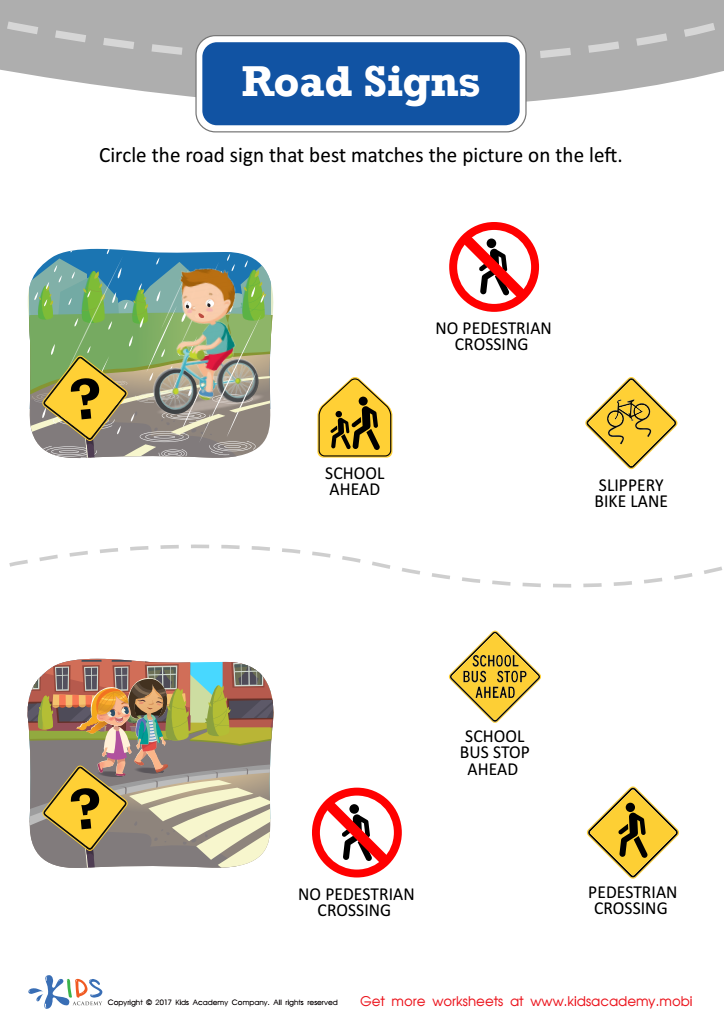
Road Signs (Part 2) Printable


.jpg)





Parents and teachers should care about community for children ages 5-8 because these foundational years are crucial for social and emotional development. A strong community fosters a sense of belonging, helping children feel secure and valued. When children see their families and schools actively engaging with the community, they learn the importance of connection and collaboration.
Communities provide a rich context for learning. Local museums, parks, and libraries offer hands-on experiences that can enhance classroom learning, making education more relevant and exciting. Moreover, when children are involved in community activities, such as volunteering or attending local events, they develop important life skills like empathy, teamwork, and communication.
A supportive community also allows for collaborative problem-solving and diversity exposure, enriching children's understanding of different perspectives and cultures. Collaborative efforts deepen bonds with peers, fostering friendships that support emotional growth.
Finally, engaged teachers and parents contribute to a positive feedback loop, reinforcing positive behaviors and values. In essence, caring about community helps nurture well-rounded individuals who appreciate their roles as active, responsible members of society—qualities that will benefit them throughout their lives. By value that community fosters, we create happier, healthier, and more engaged future citizens.