Filters

174 filtered results

Clear all filters
Favorites
With answer key
Interactive

174 filtered results

Difficulty Level

Grade


Check out this FREE Trial Lesson on Building Vocabulary for age 6-7!

Answer Questions About Key Details in a Story

Favorites
With answer key
Interactive
  • 6-7
  • With answer key
  • Building Vocabulary
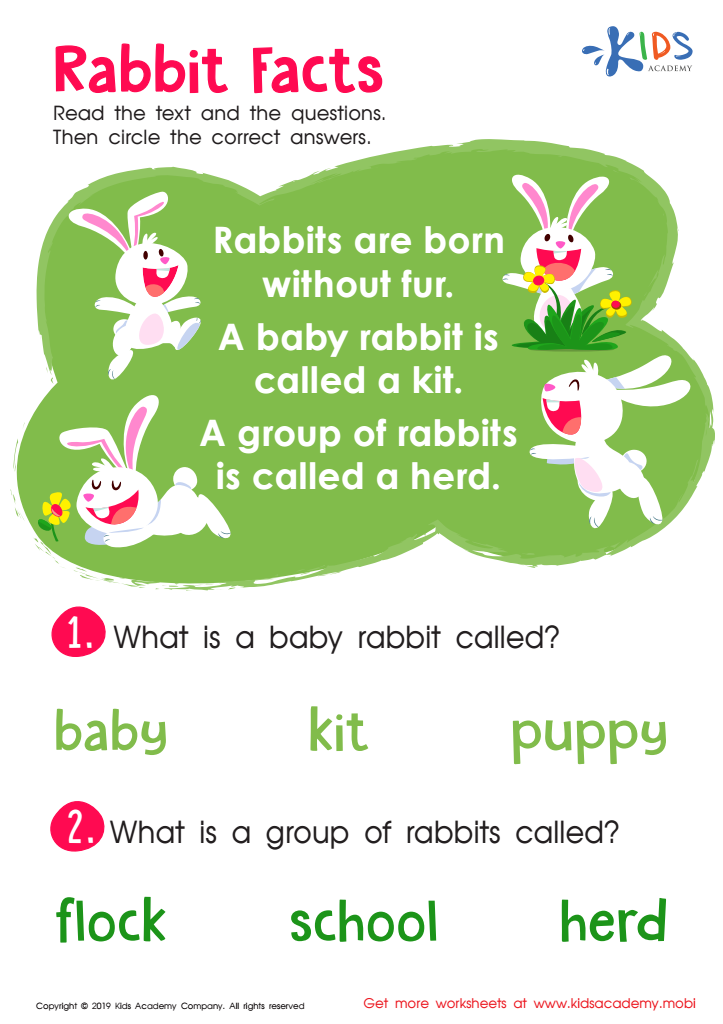
Rabbit Facts Worksheet

Rabbit Facts Worksheet

Reading comprehension skills can be strengthened with this fun PDF about fluffy rabbits. It helps kids recall and retell details from the text while engaging them in the topic. This encourages success in reading comprehension.
Rabbit Facts Worksheet
Worksheet
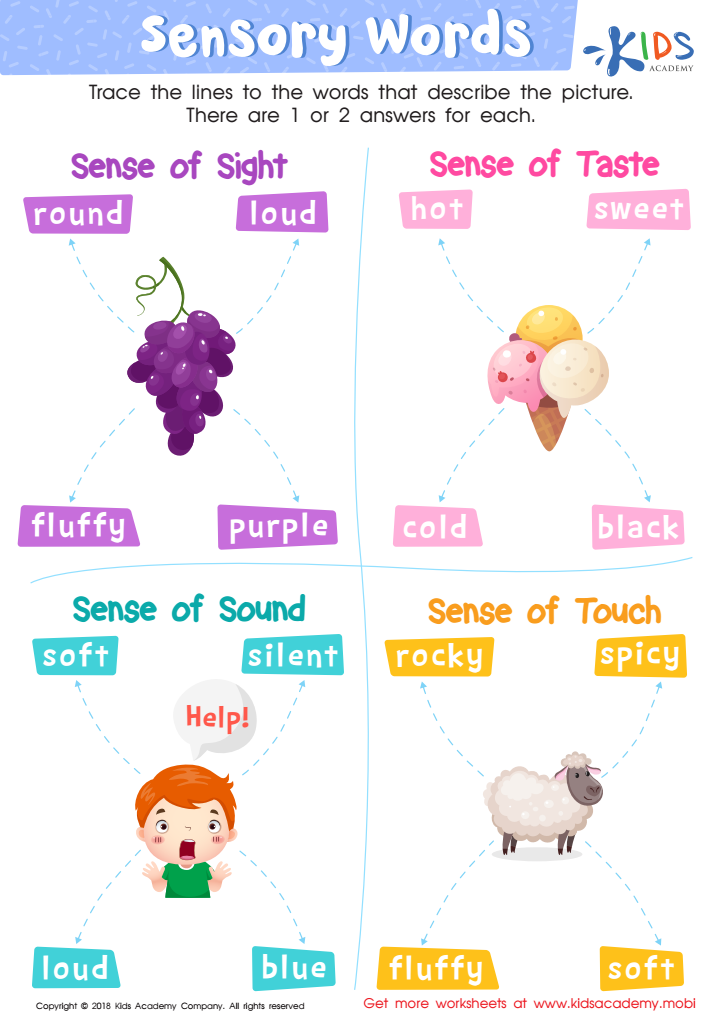
Sensory Words Worksheet

Sensory Words Worksheet

This worksheet helps students explore sensory words by looking at pictures and selecting one or two words to describe how it looks, feels, tastes, smells or sounds. Adding sensory words to texts makes them more interesting and helps students comprehend stories and articles better.
Sensory Words Worksheet
Worksheet
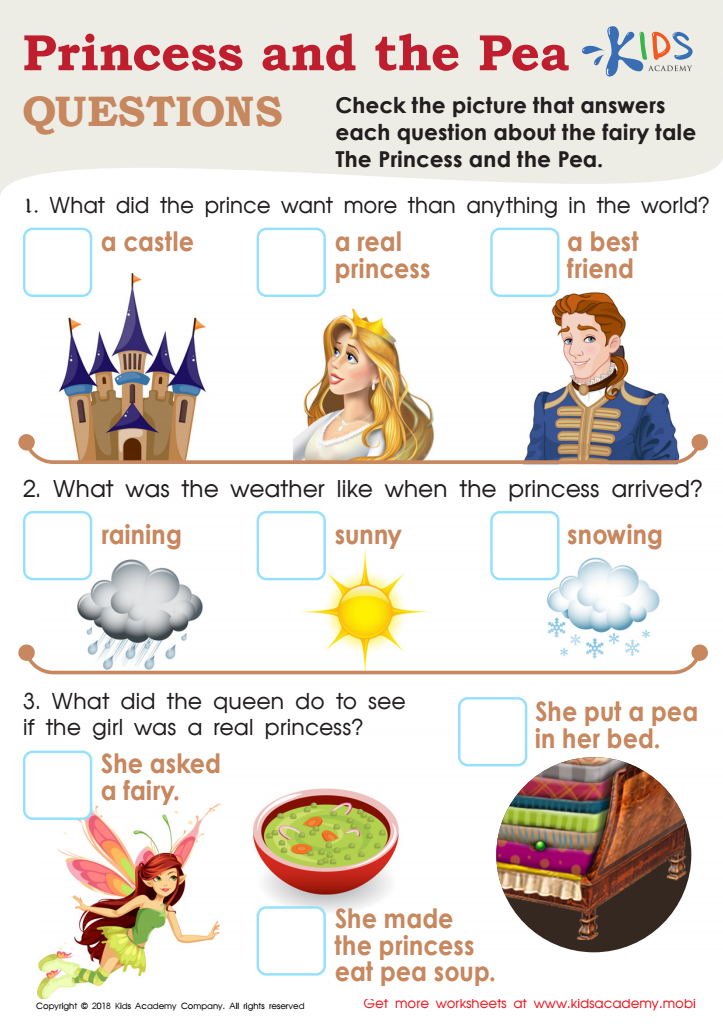
Princess and the Pea Questions Worksheet

Princess and the Pea Questions Worksheet

Your kid knows The Princess and the Pea inside-out? Test their knowledge with this worksheet. Ask your little one to read the questions and match each one to the picture. It's a fun way to see just how much attention they've paid to their bedtime story.
Princess and the Pea Questions Worksheet
Worksheet
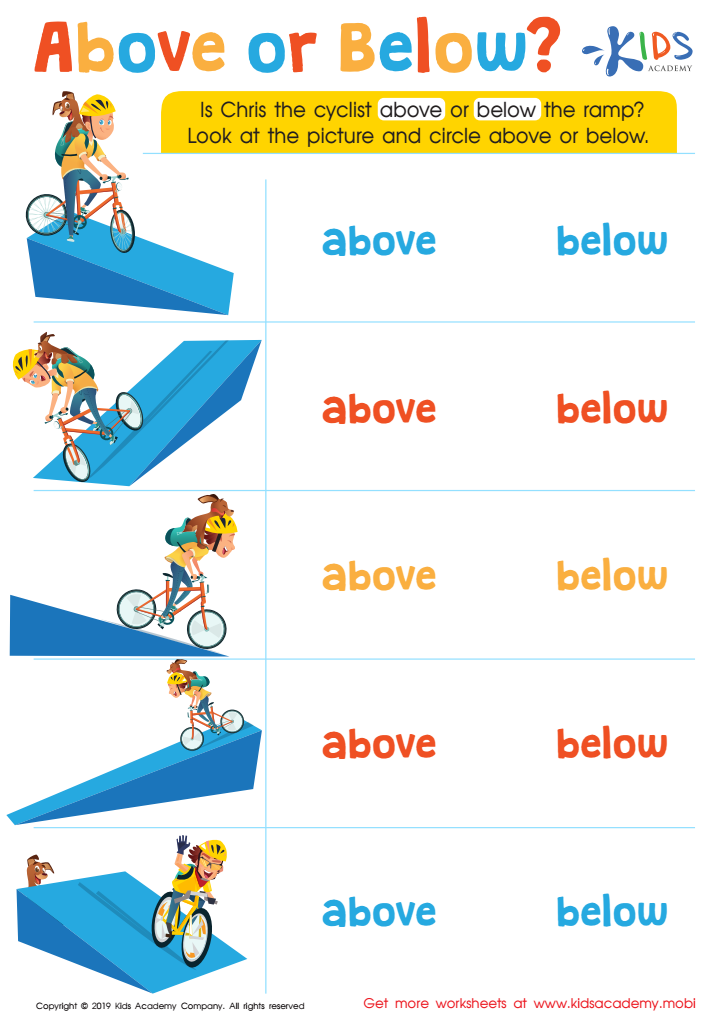
Above or Below? Worksheet

Above or Below? Worksheet

Do your kids cycle? Chris is a cyclist practicing on a ramp. Look at the pictures with them and decide if Chris is above or below the ramp. It's an important skill to help your kids become fluent speakers and writers - using the right words to describe something. Cycling is a fun sporting event.
Above or Below? Worksheet
Worksheet
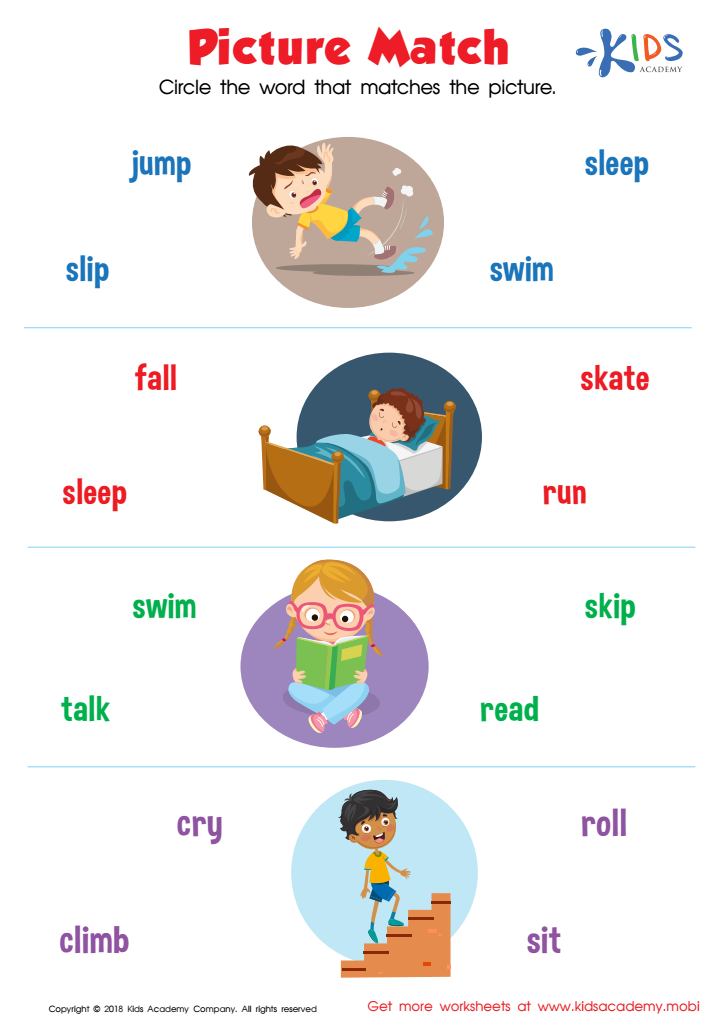
Picture Match Worksheet

Picture Match Worksheet

If your kids can read, this exercise will be a breeze. Show the pictures and ask them what's happening. Read the words and see if they can identify any of them and help them circle the word that matches the picture. Simple!
Picture Match Worksheet
Worksheet
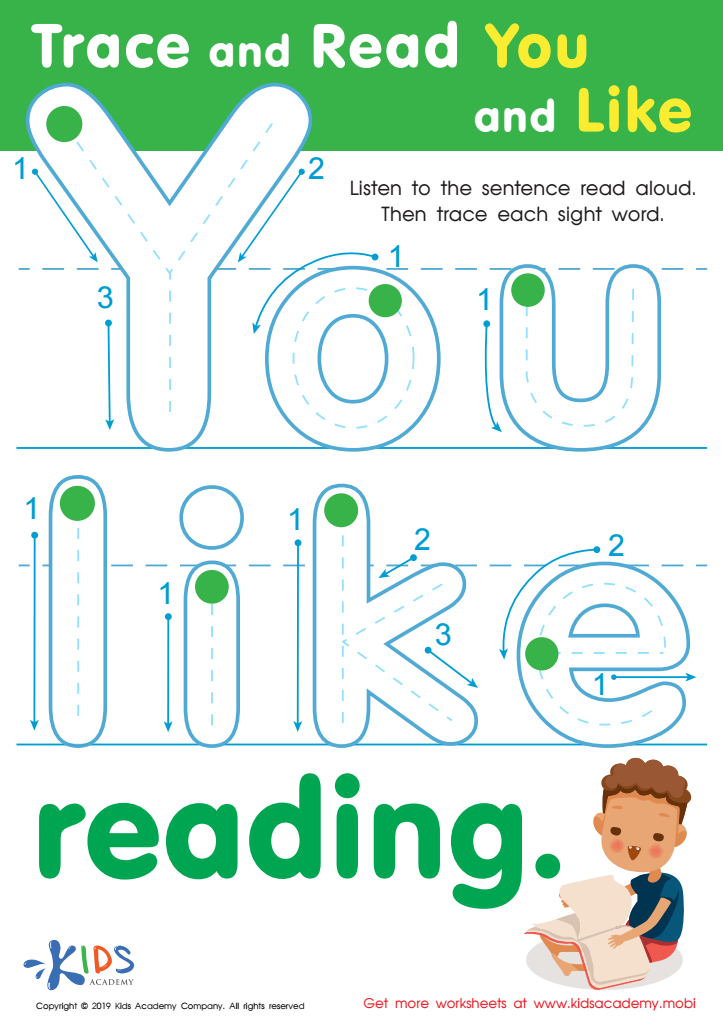
Trace Read You Like Worksheet


Trace Read You Like Worksheet

Sight words help children become confident and fluent readers. This free worksheet encourages success with basic 'you' and 'like' words. Writing them with traceable lines and green dots shows motion and builds sight word vocabulary. Help your child master the basics and boost their reading progress!
Trace Read You Like Worksheet
Worksheet


... 7 8

Building Vocabulary for Ages 6-7 through worksheets is an incredibly effective methodology for enhancing a child's linguistic abilities. At this pivotal age, children are not only expanding their speaking skills but are also starting to read and write more complexly. Vocabulary worksheets specifically designed for 6-7-year-olds cater to their developmental needs, making learning both engaging and age-appropriate.

The significance of Building Vocabulary for Ages 6-7 cannot be overstated. A rich vocabulary lays the foundation for successful reading comprehension and effective communication. It boosts children's confidence in expressing themselves and helps them understand the world around them more vividly. Moreover, a strong vocabulary at an early age sets the stage for academic success across all subjects, as understanding subject-specific terminology becomes easier.

Worksheets dedicated to building vocabulary introduce new words in fun and interactive ways, such as through matching games, fill-in-the-blanks, and picture association. This variety ensures that learning caters to different learning styles, whether a child learns best visually, auditory, or kinesthetically. It also reinforces the words learned in a repetitive yet engaging manner, ensuring better retention.

In conclusion, Building Vocabulary worksheets for Ages 6-7 are a crucial tool in a child's educational journey. They offer a structured yet flexible approach to vocabulary expansion, ensuring that children not only learn new words but also enjoy the process of learning.