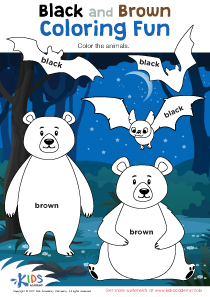
English for Beginners Worksheets for Ages 6-8 - Page 4
101 filtered results
-
From - To
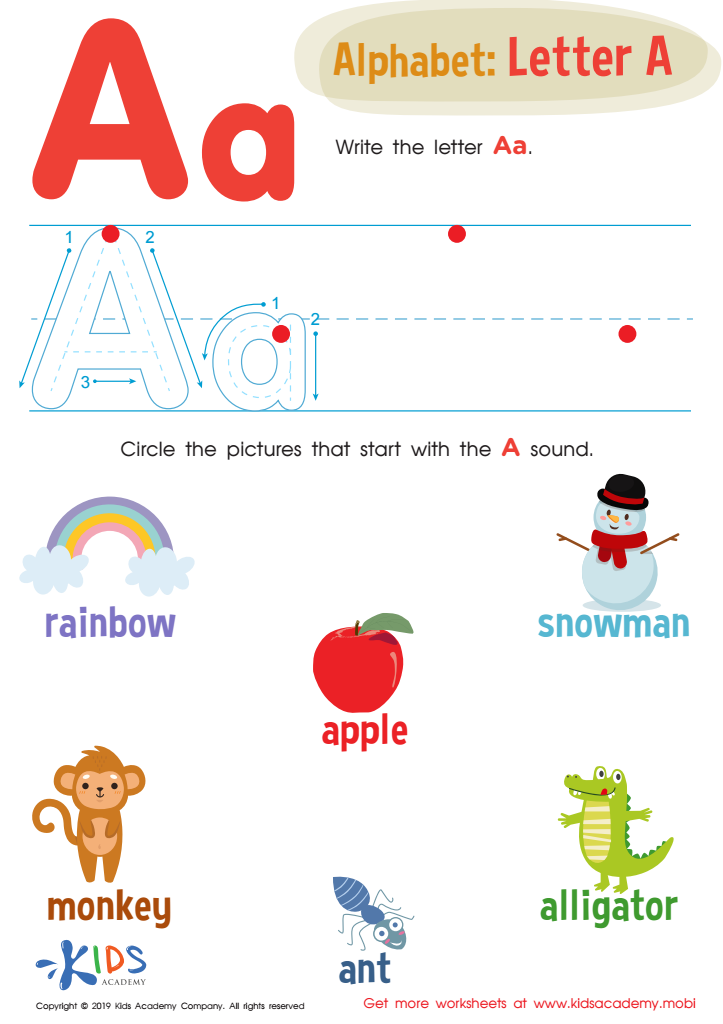
Letter A Tracing Worksheet
 Assign to My Students
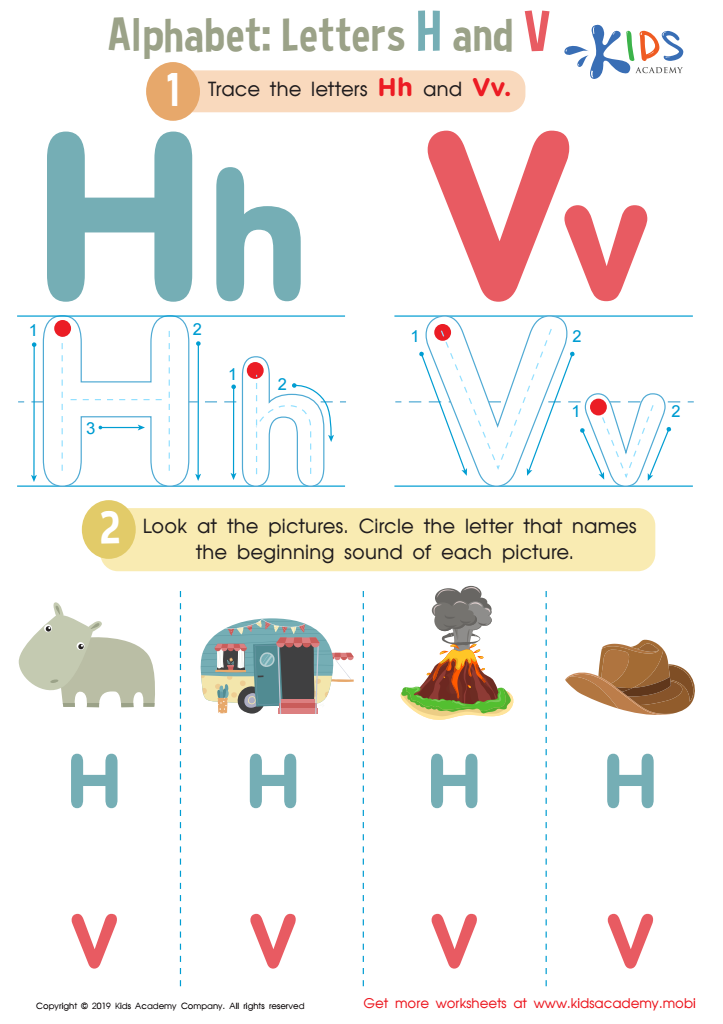
Letters H and V Tracing Worksheet
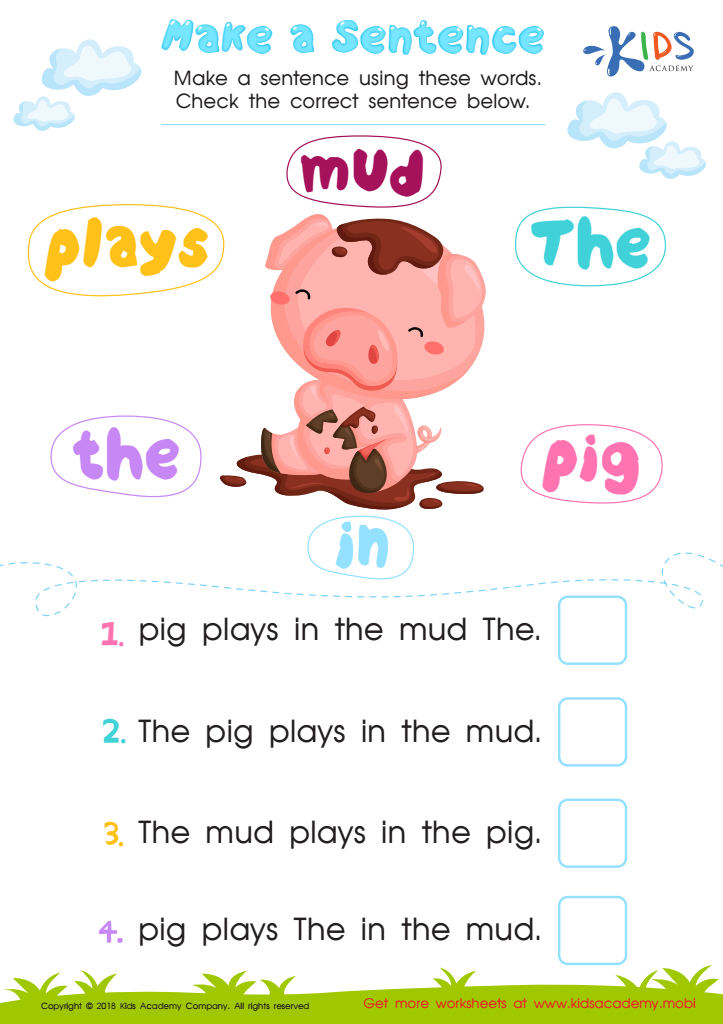
Assessment: Make a Sentence Worksheet
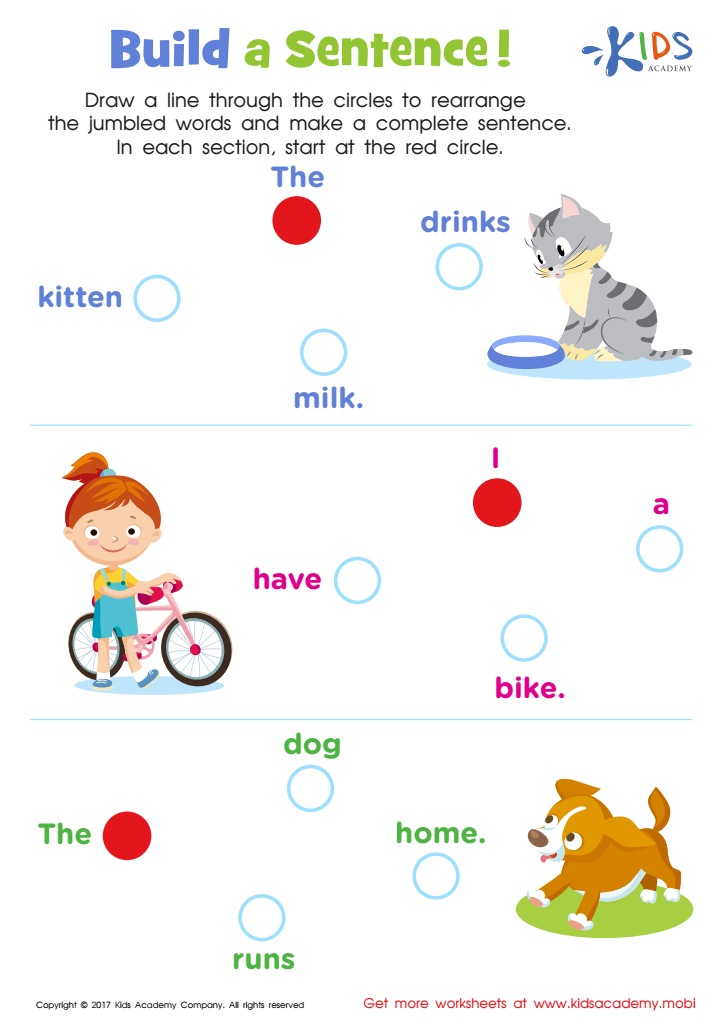
Sentence Structure Printable
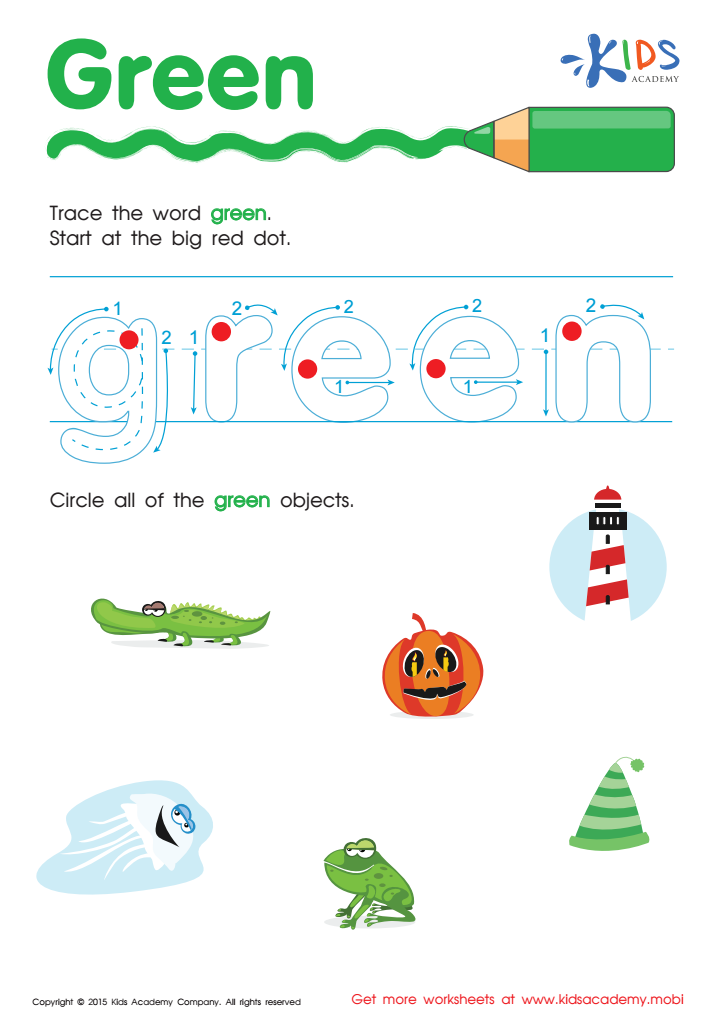
Green Tracing Color Words Worksheet
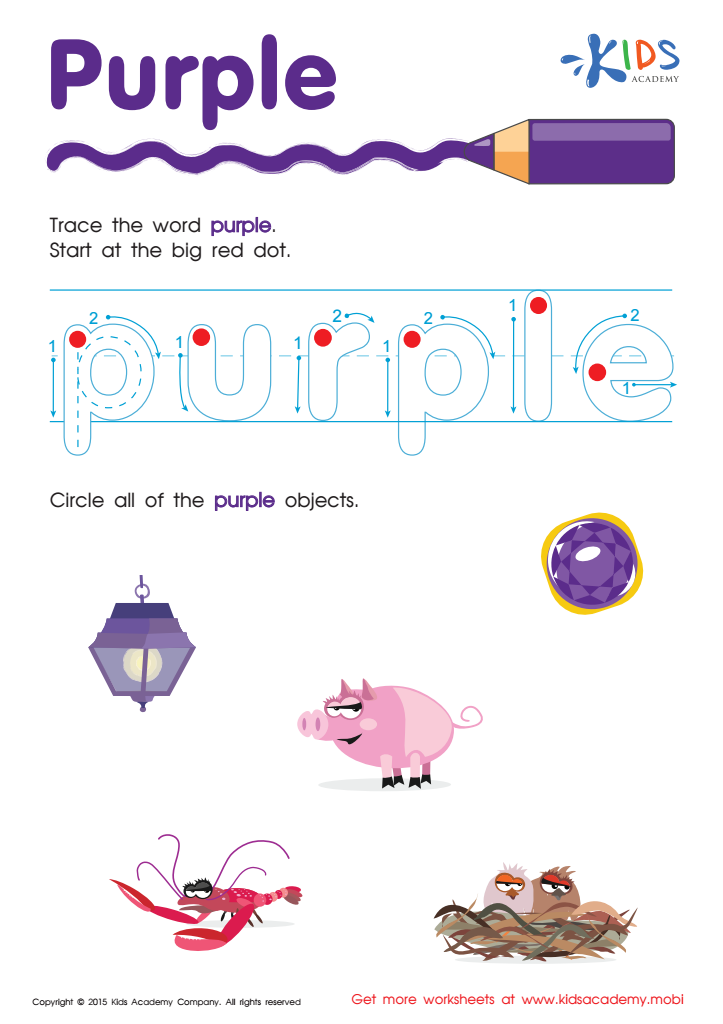
Purple Tracing Color Words Worksheet
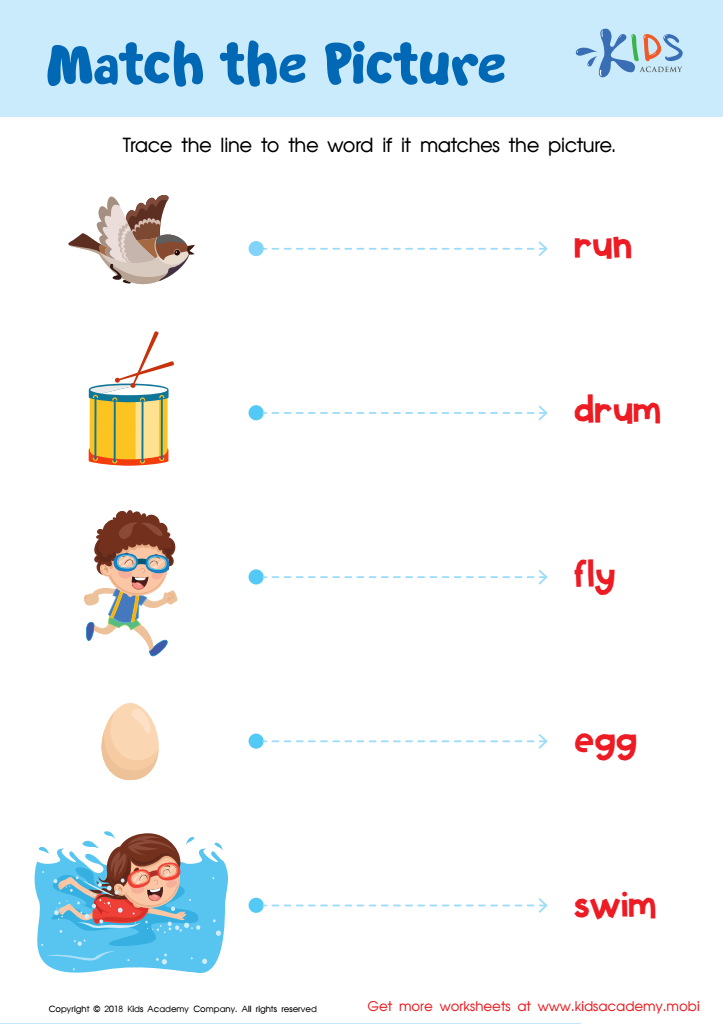
Match the Picture Worksheet
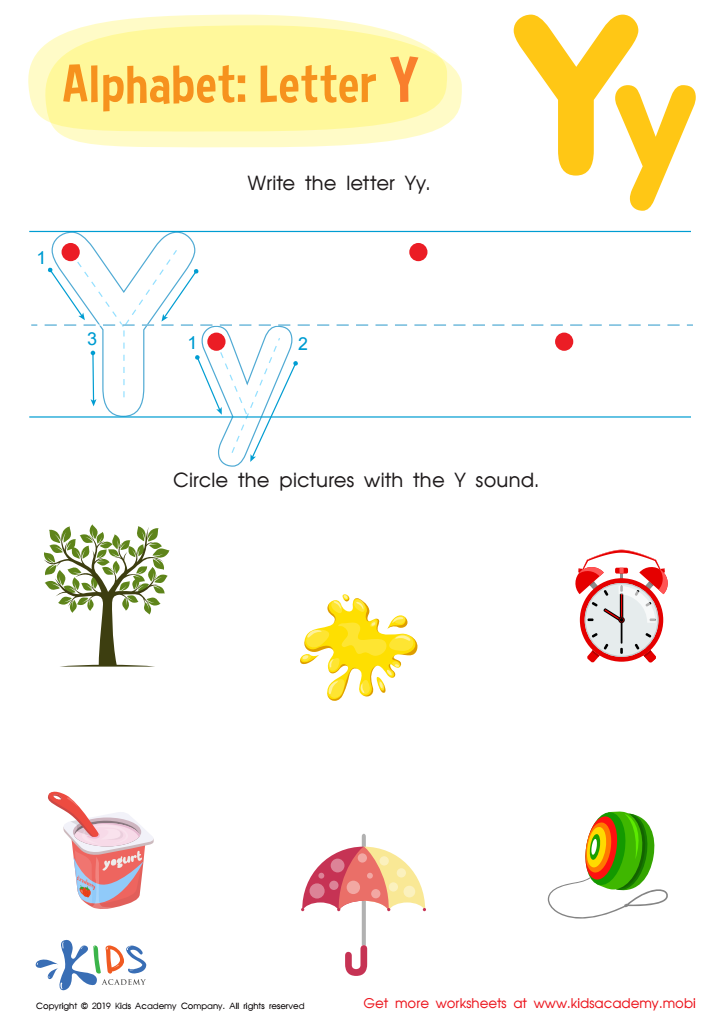
Letter Y Tracing Worksheet
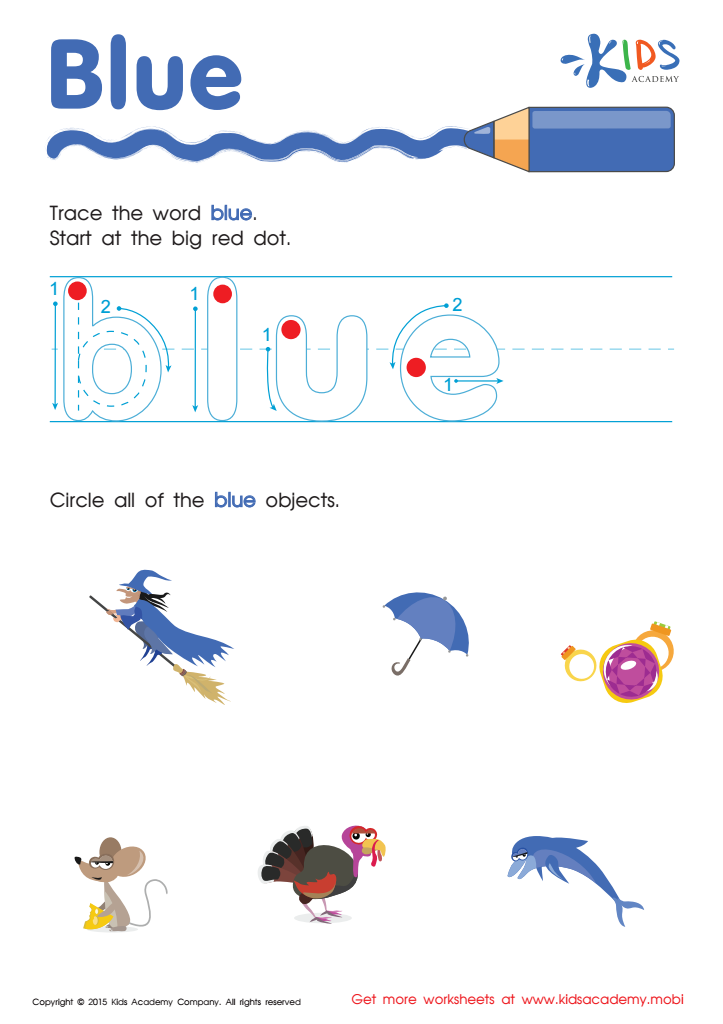
Blue Tracing Color Words Printable
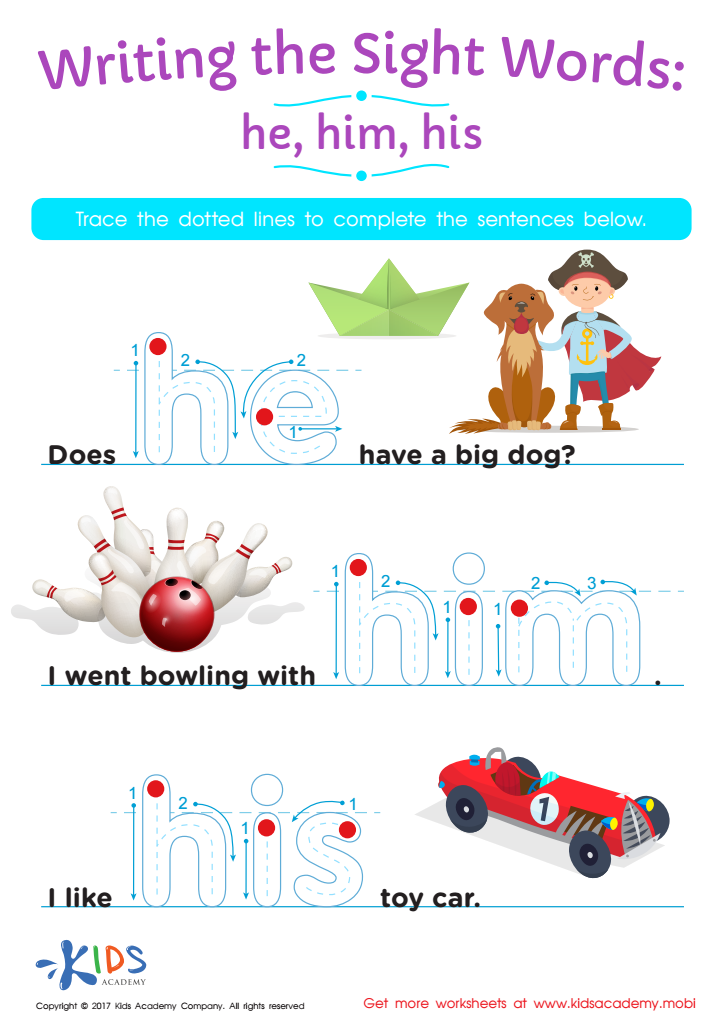
He, Him, His Printable Sight Words Worksheet
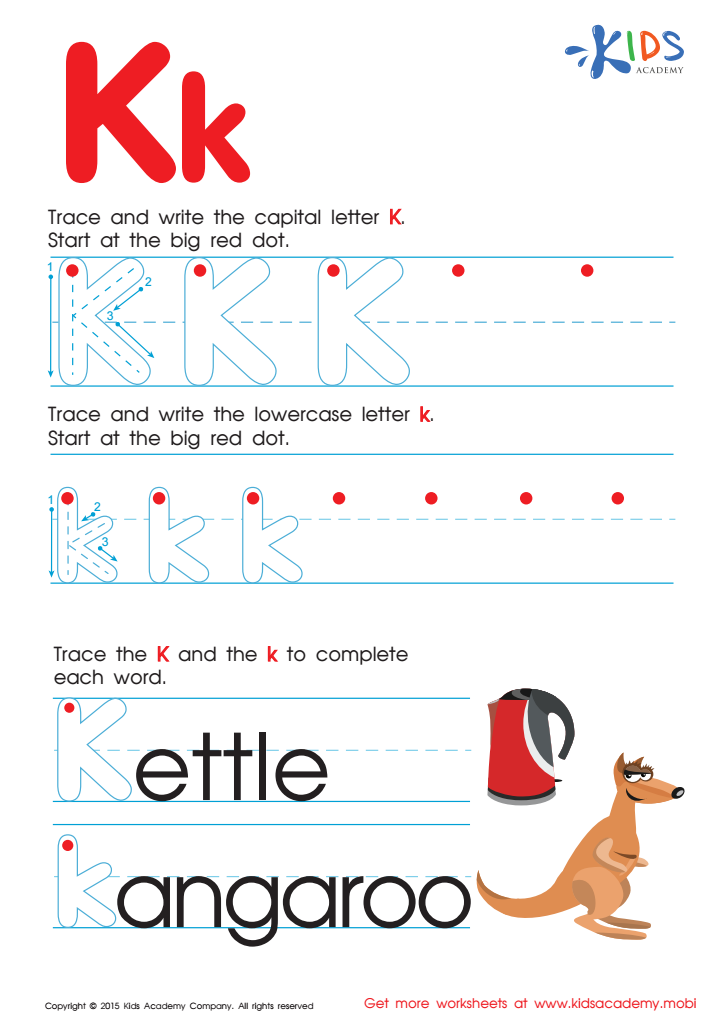
Letter K Tracing Page
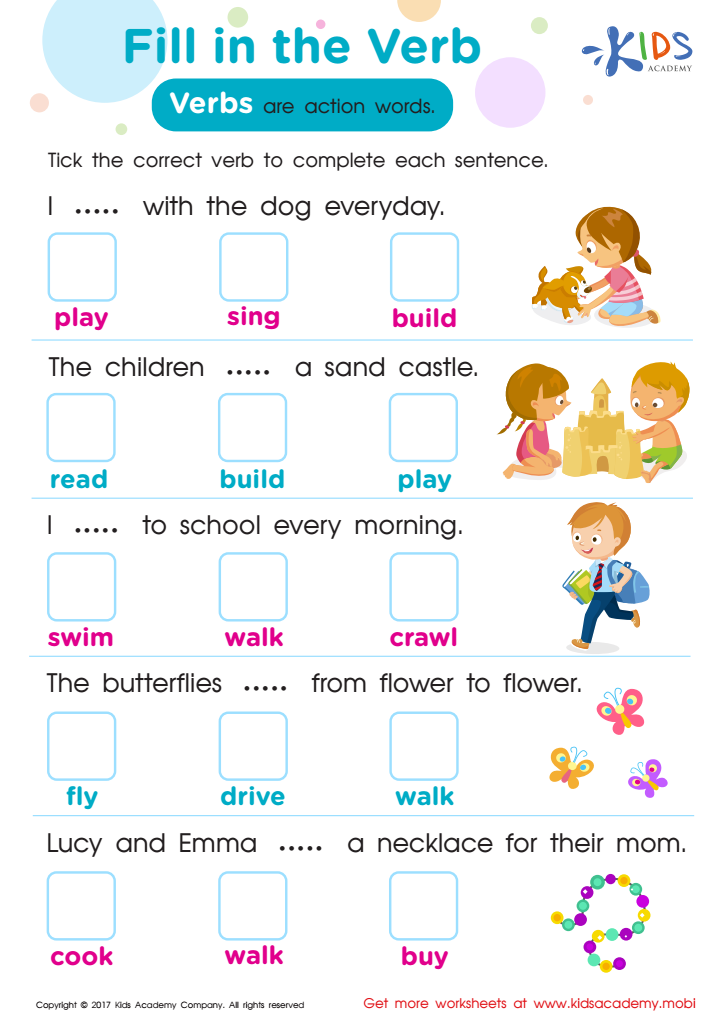
Fill in the Verb Printable
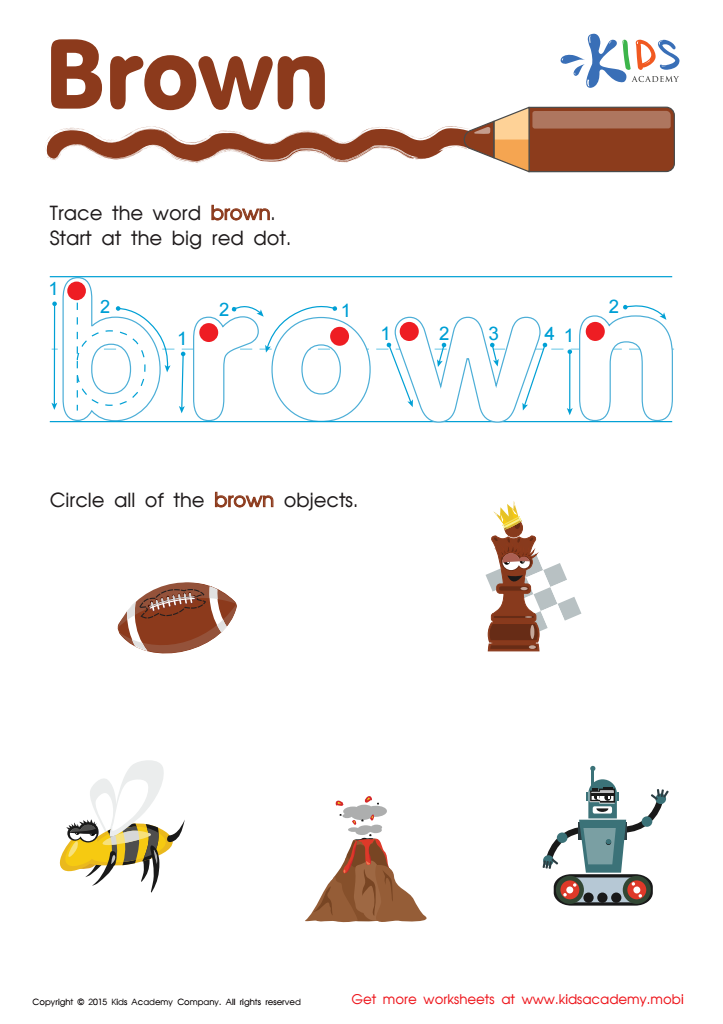
Brown Tracing Color Words Worksheet
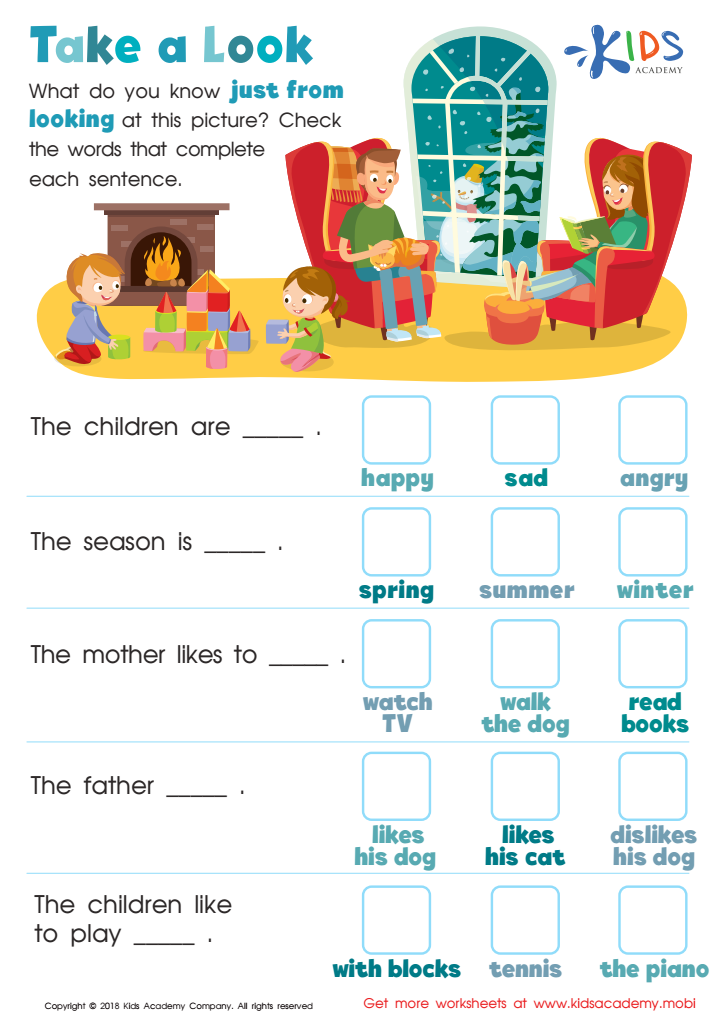
Take a Look - Part 1 Worksheet
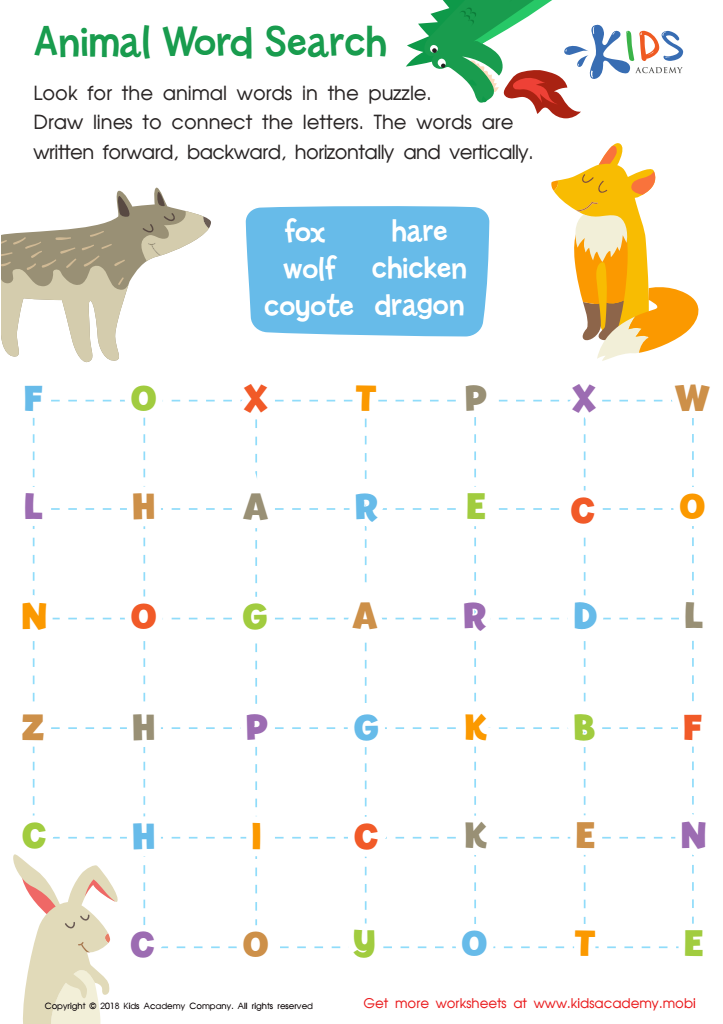
Animal Word Search Worksheet
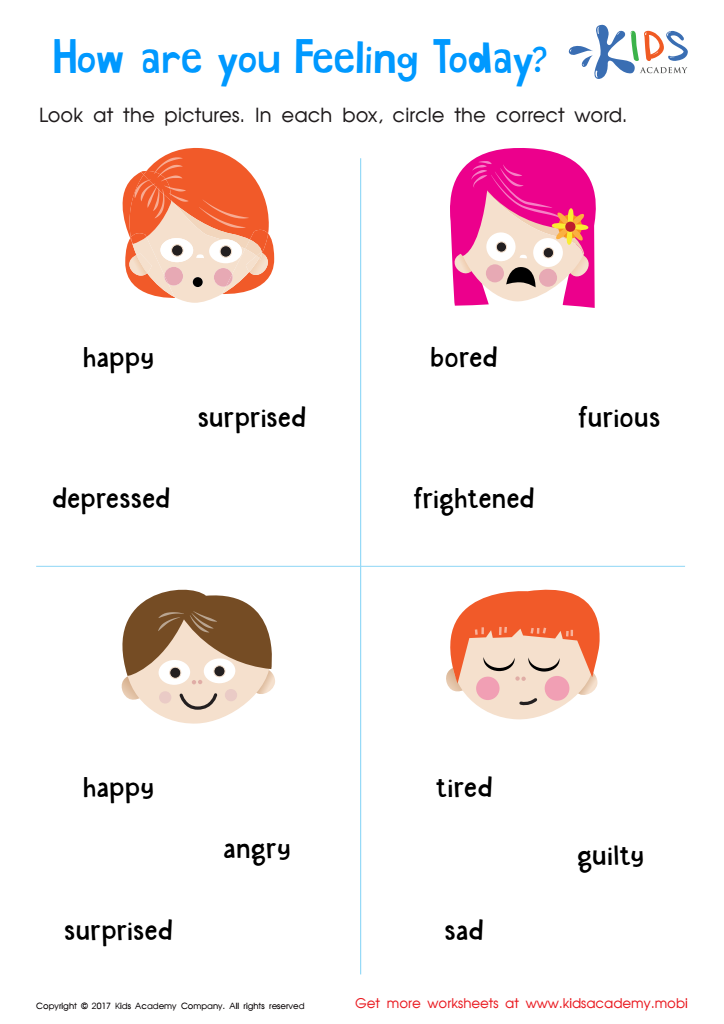
Understanding Feelings Worksheet
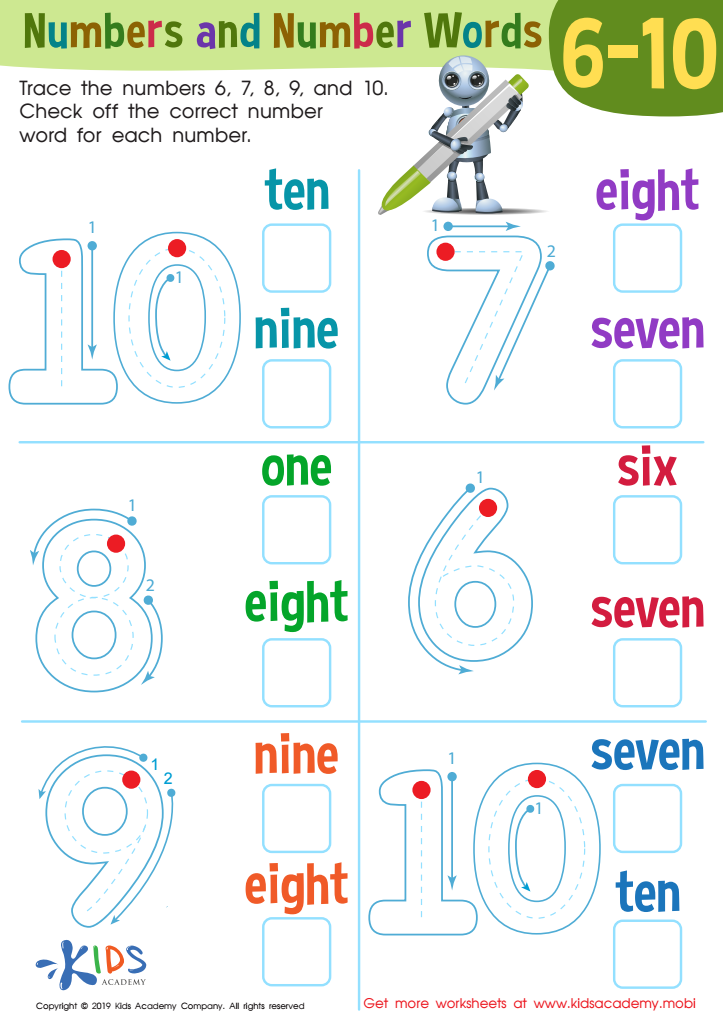
Numbers and Number Words 6–1 Worksheet
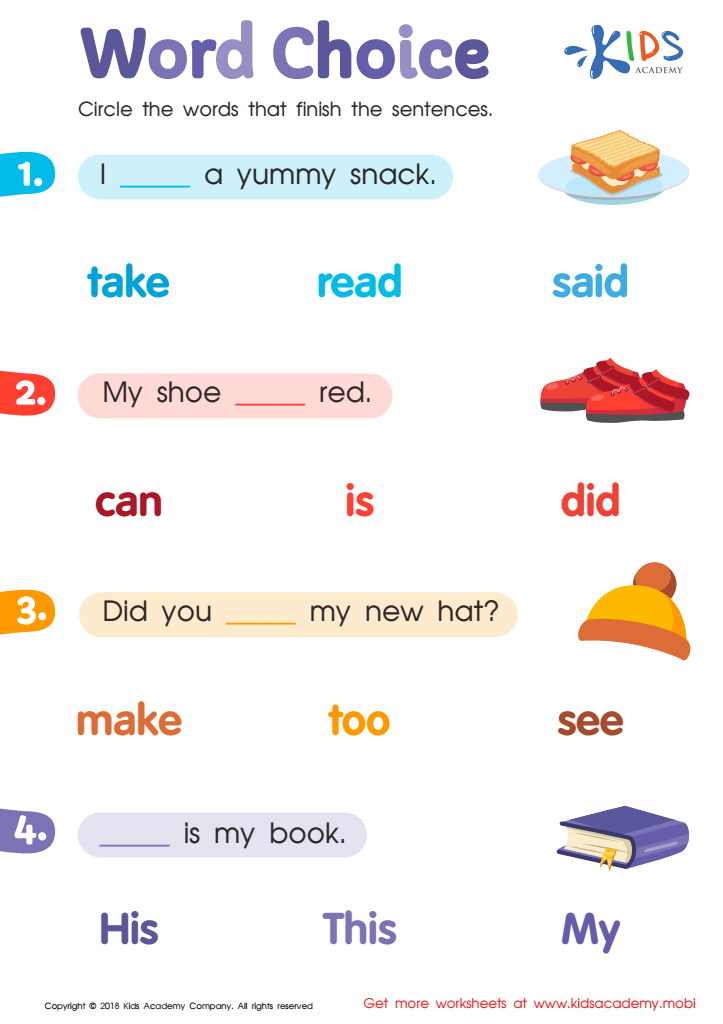
Word Choice Worksheet
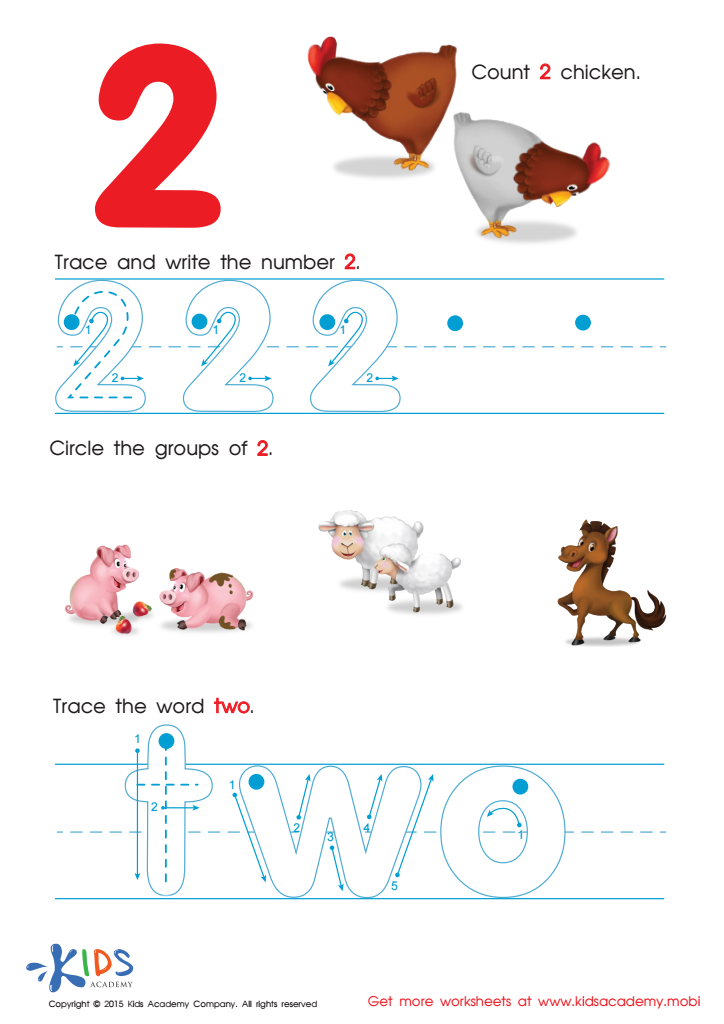
Learn to Write the Number 2 Worksheet
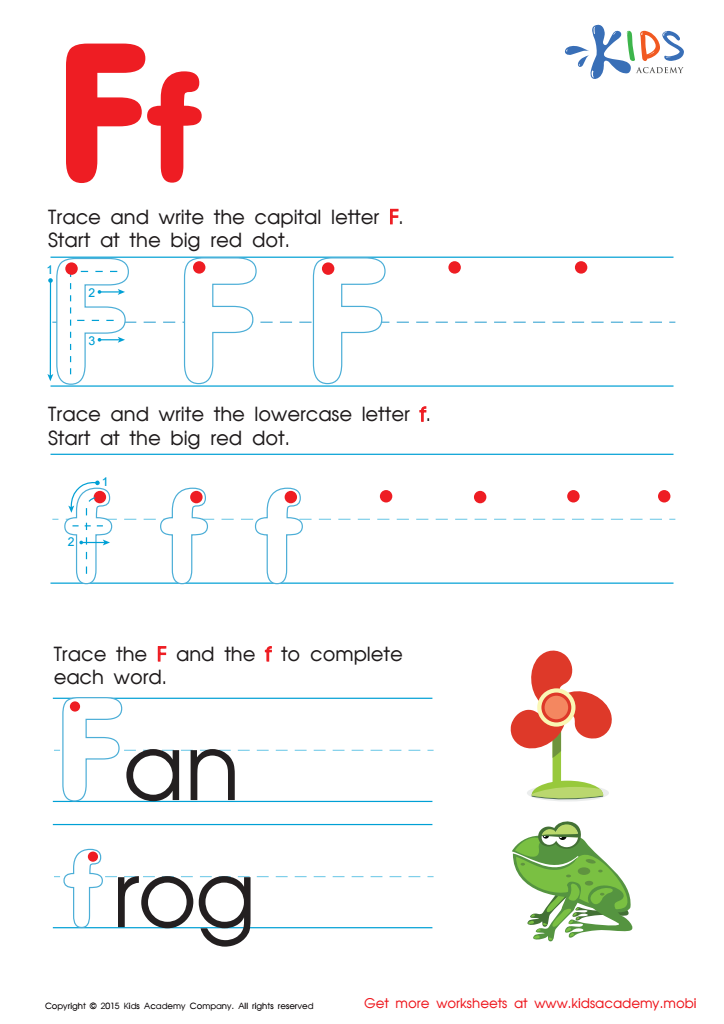
Letter F Tracing Page
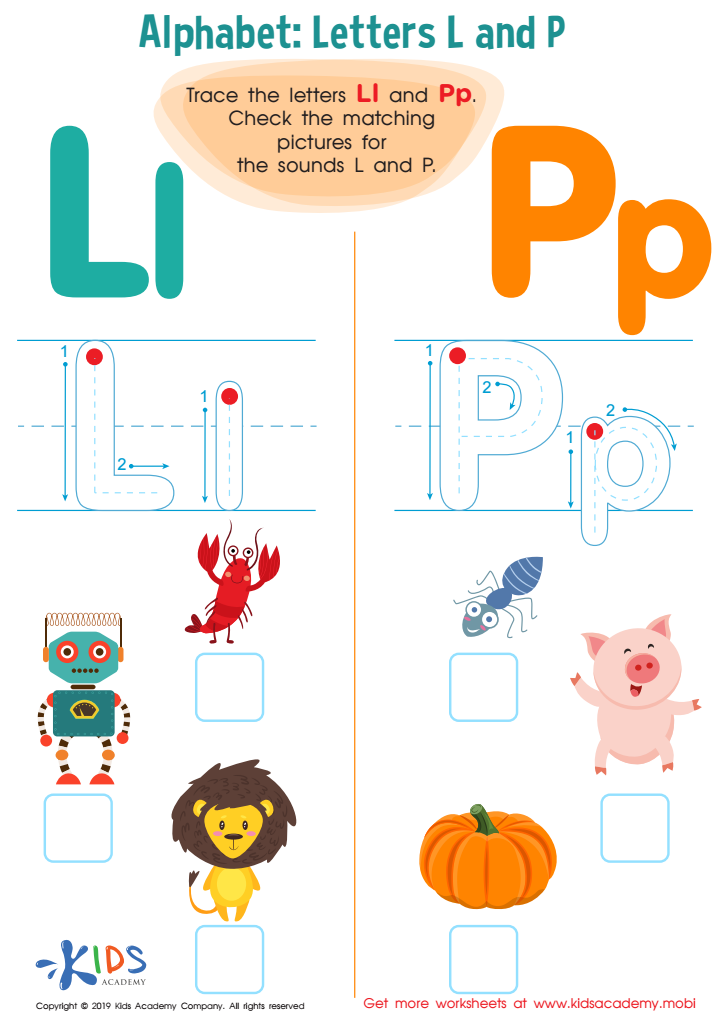
Letter L and P Tracing Worksheet
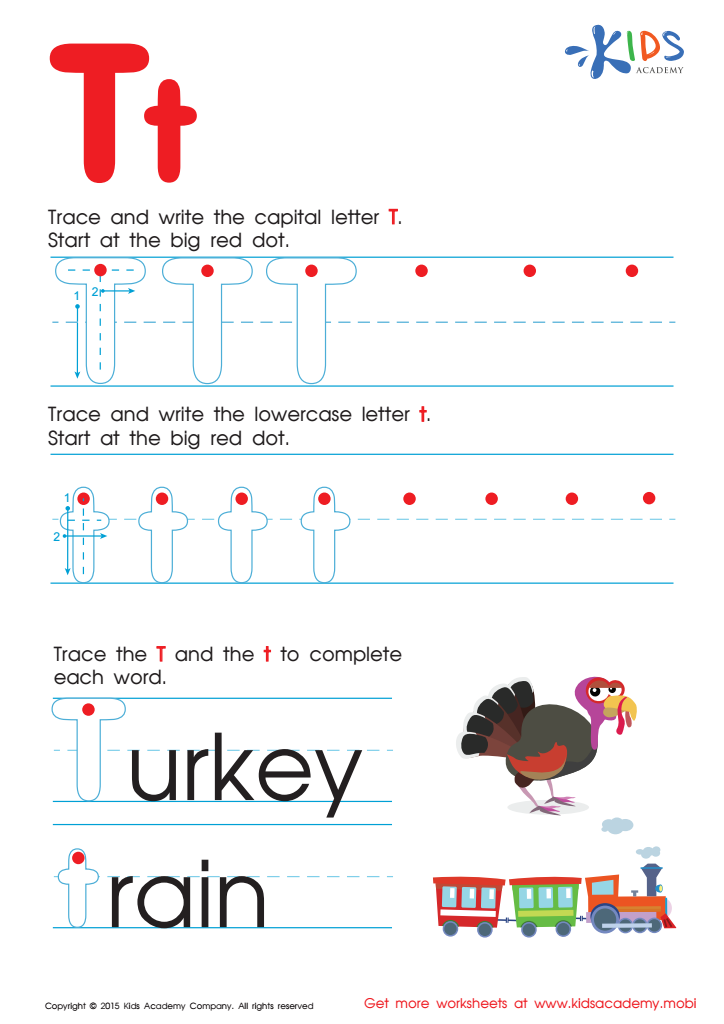
Letter T Tracing Page
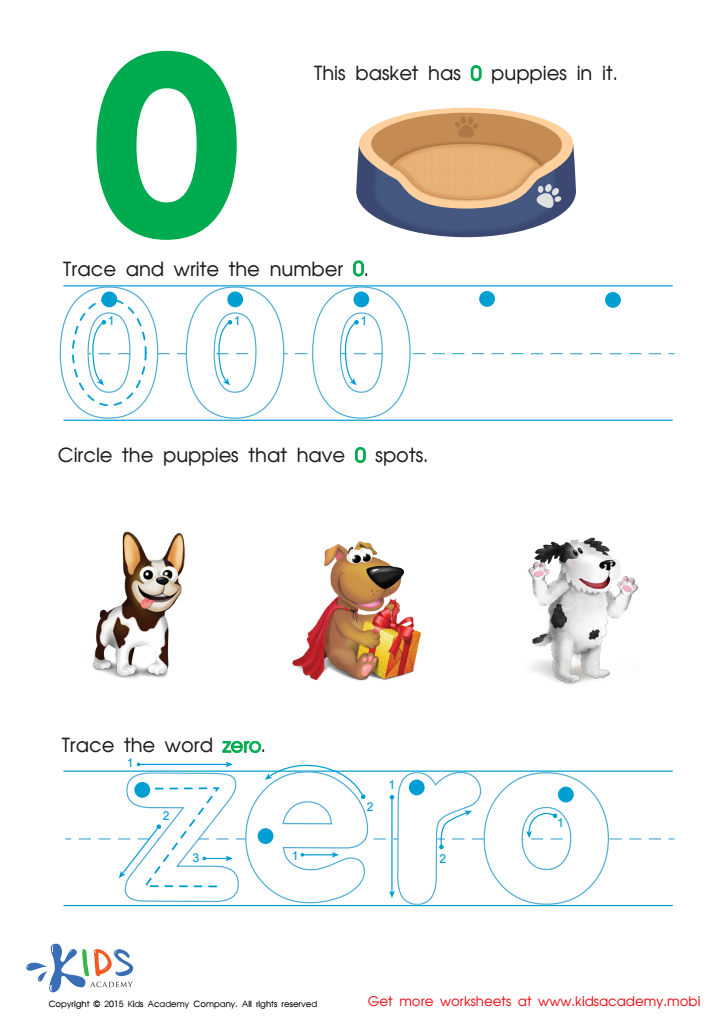
Trace And Write Number 0 Worksheet

Letter D Tracing Page





Parents and teachers play a vital role in shaping a child's future, and one of the fundamental skills that greatly impacts a child’s development is their proficiency in the English language. For children aged 6-8, mastering English for beginners is crucial for multiple reasons.
Firstly, language skills are foundational to all forms of communication. Strong abilities in English enable children to express their thoughts, feelings, and ideas clearly and confidently, which is essential for their social development. Communicating effectively with peers and adults fosters a sense of belonging and boosts self-esteem.
Secondly, academic success is closely tied to English proficiency. Many subjects, from science to social studies, require strong reading and comprehension skills. Introducing children to reading, writing, and vocabulary at an early stage sets the groundwork for future learning and helps prevent struggling in later grades.
Moreover, early exposure to English builds cognitive skills such as critical thinking, problem-solving, and creativity. Learning a language stimulates brain development and enhances memory and attention spans.
Finally, proficiency in English is not only academically important but also a key life skill in a globalized world. It opens doors to more resources, opportunities, and cross-cultural connections later in life.
Thus, prioritizing English education for beginners from ages 6-8 sets the stage for holistic development, making it critical for both parents and teachers to be invested in this aspect of early childhood education.