Multiplication Worksheets for Ages 6-8 - Page 2
70 filtered results
-
From - To
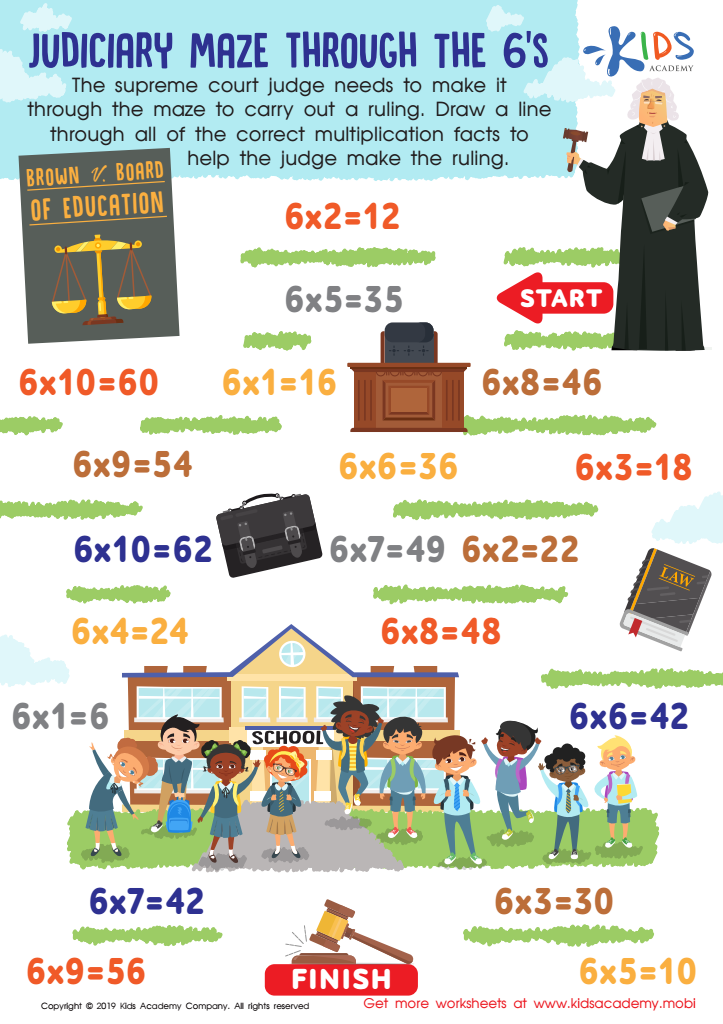
Judiciary Maze Through The 6’s Worksheet
 Assign to My Students
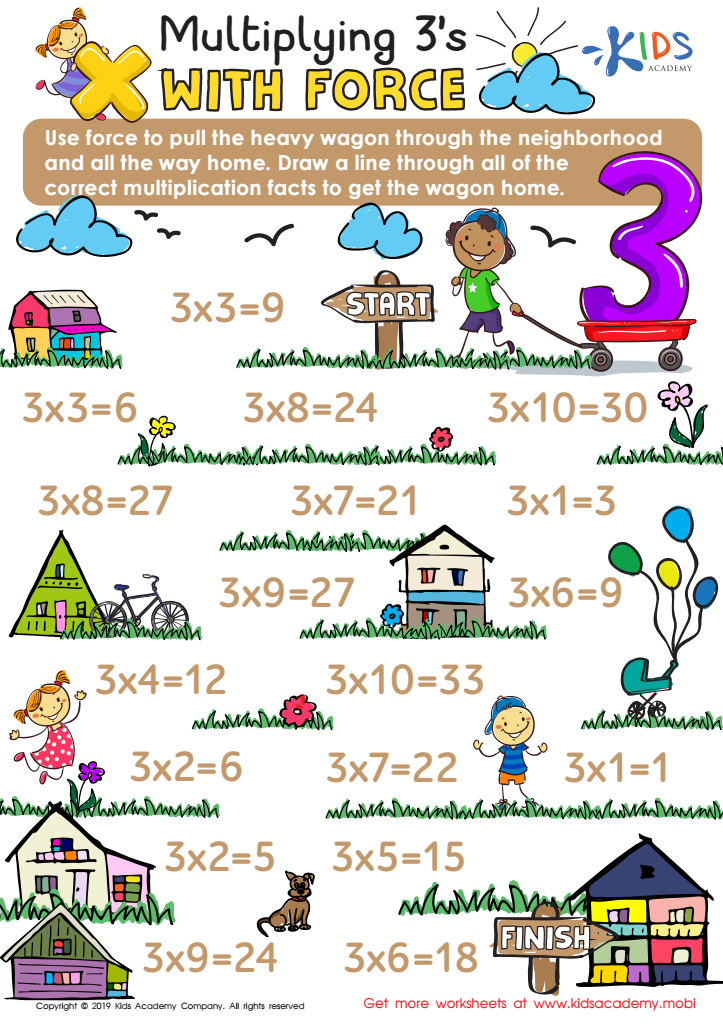
Multiplying 3s with Force Worksheet
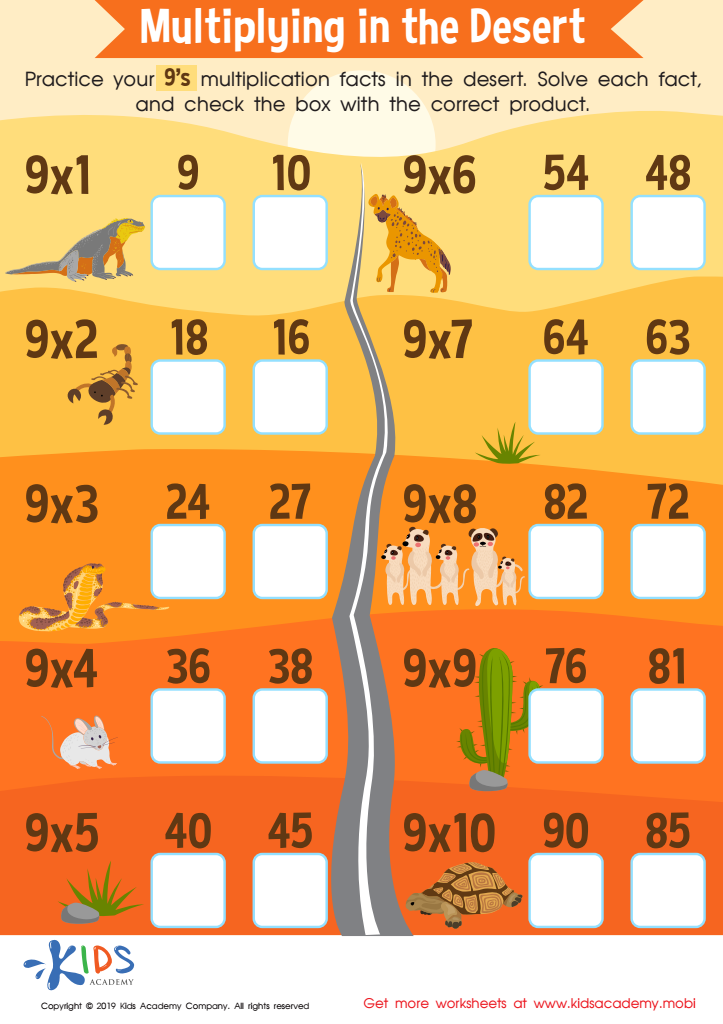
Multiplying in the Desert Worksheet
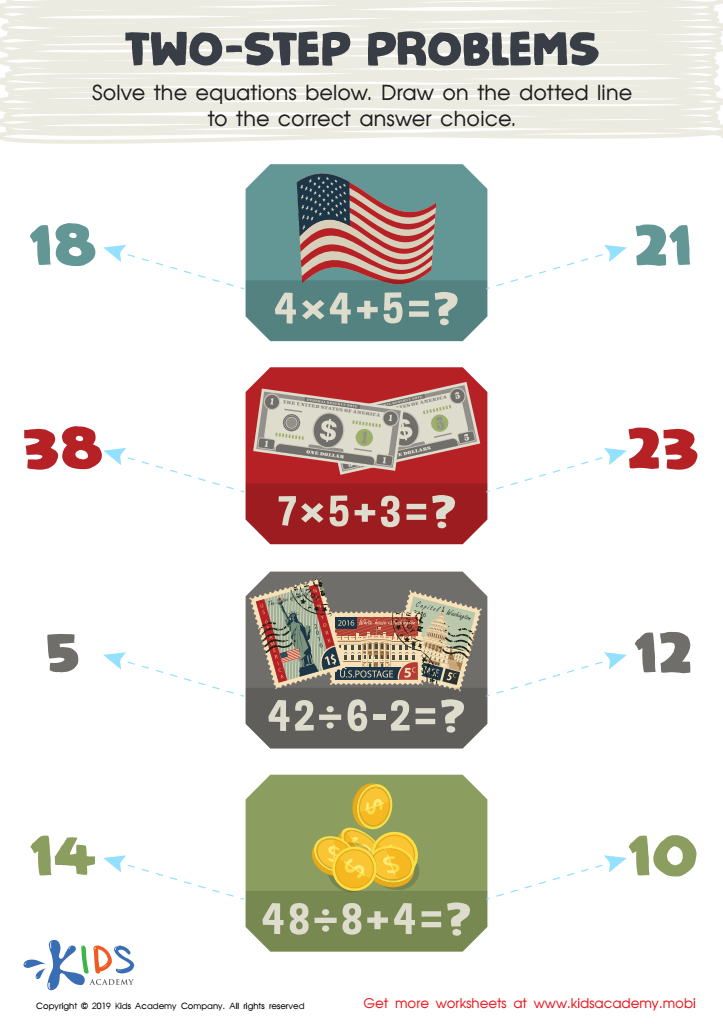
Two-Step Problems Worksheet
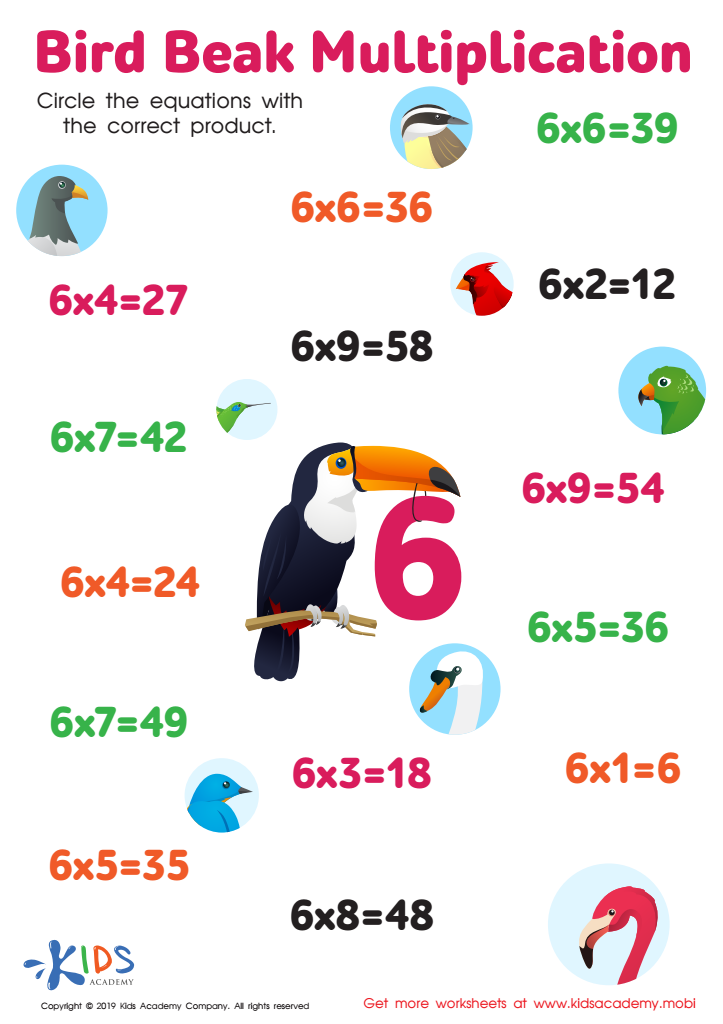
Bird Beak Multiplication Worksheet
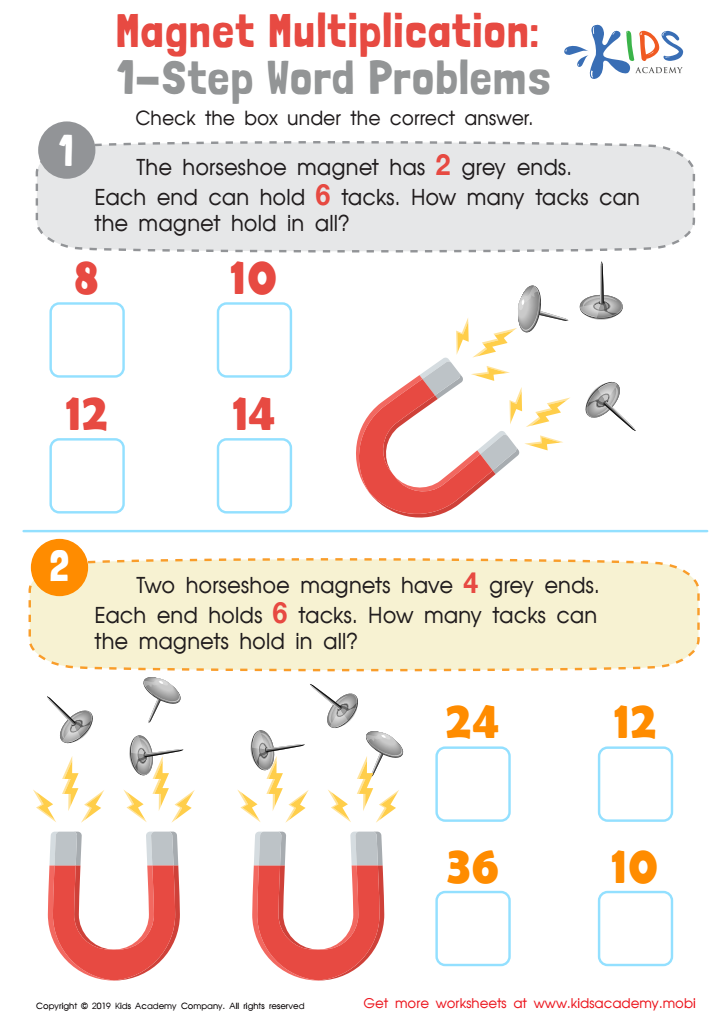
Magnet Multiplication: 1-Step Word Problems Worksheet
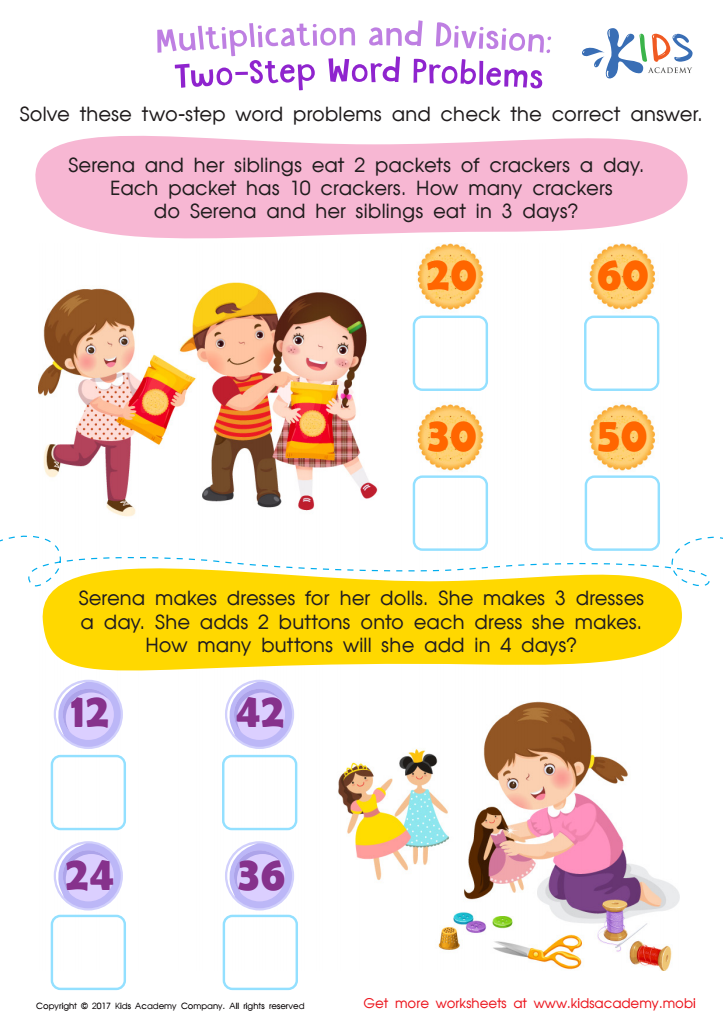
Two Step Word Problems Worksheet
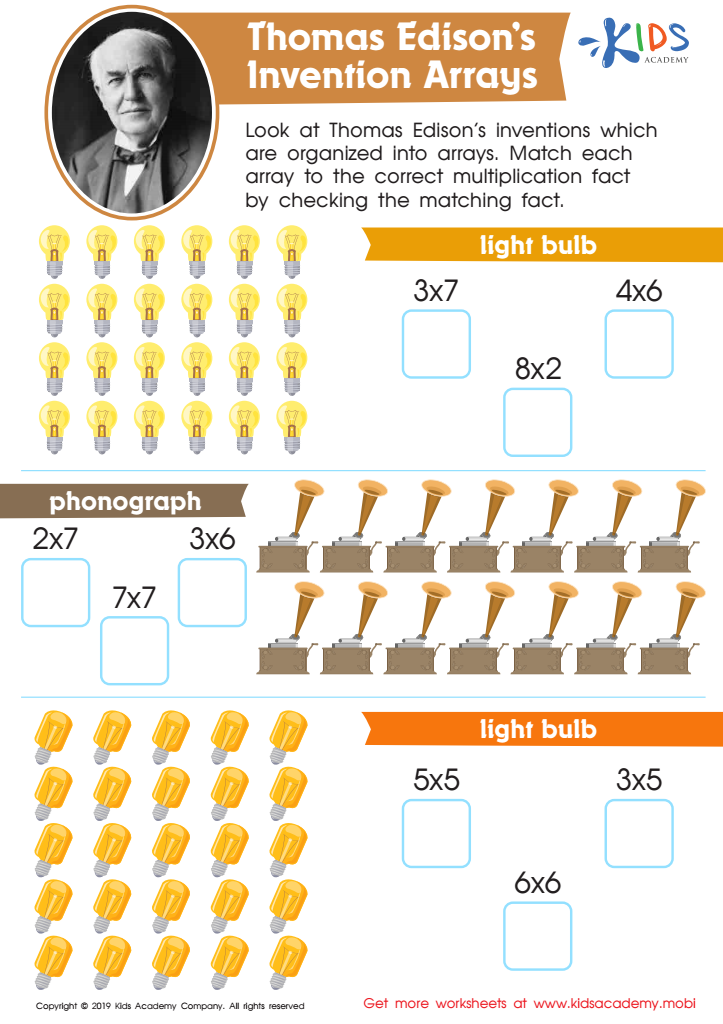
Thomas Edison’s Invention Arrays Worksheet
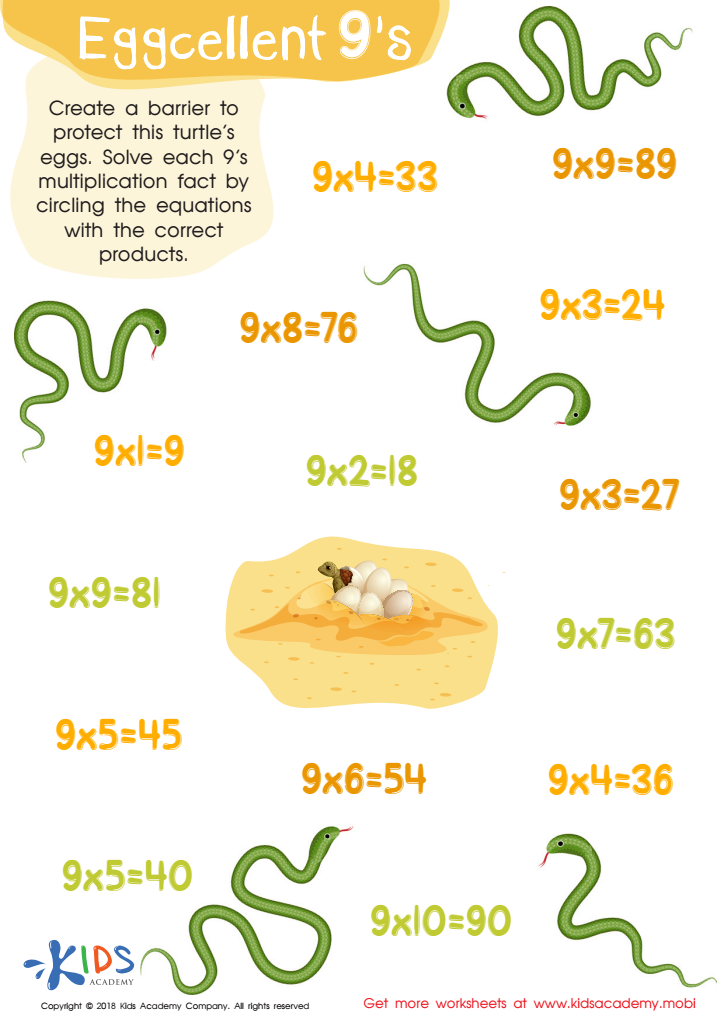
Eggcellent 9’s Worksheet
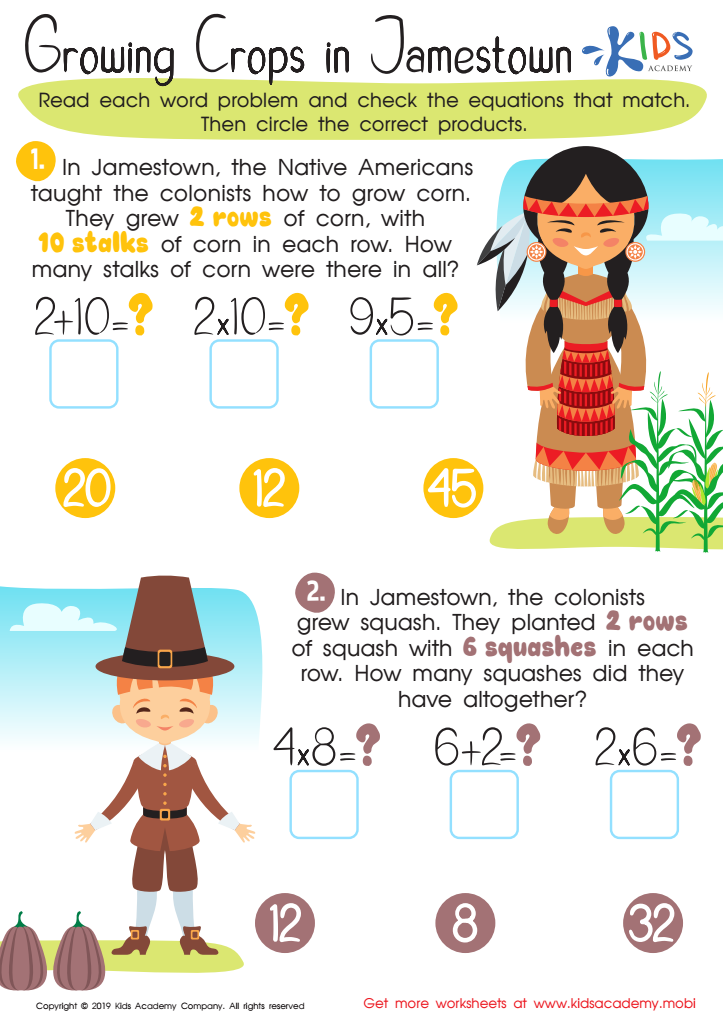
Growing Jamestown Worksheet
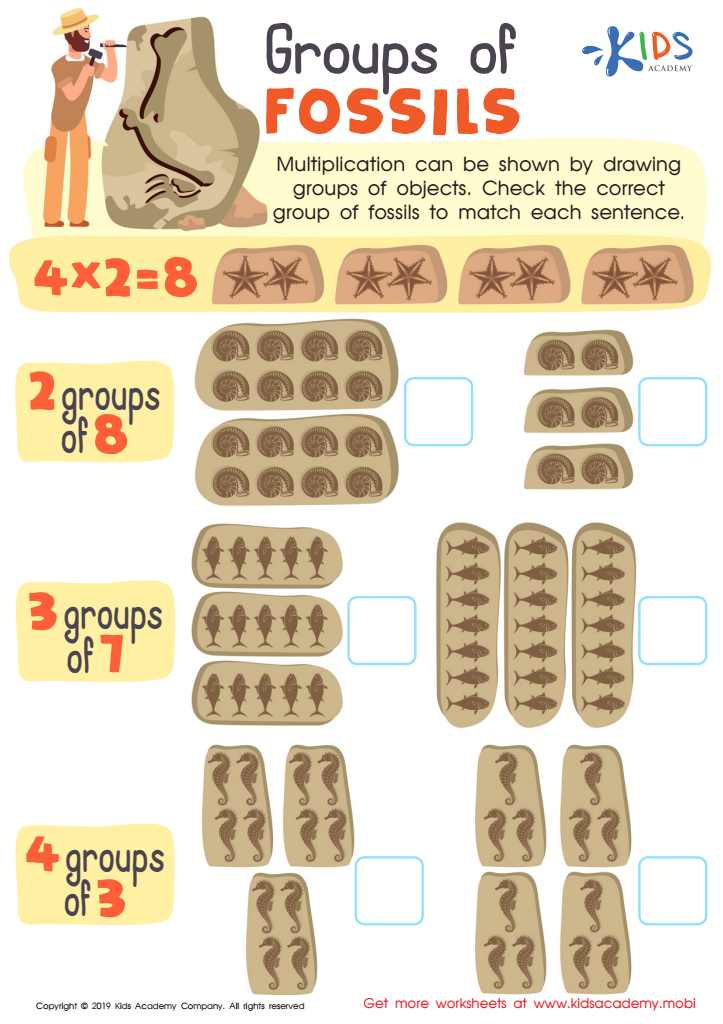
Groups of Fossils Worksheet
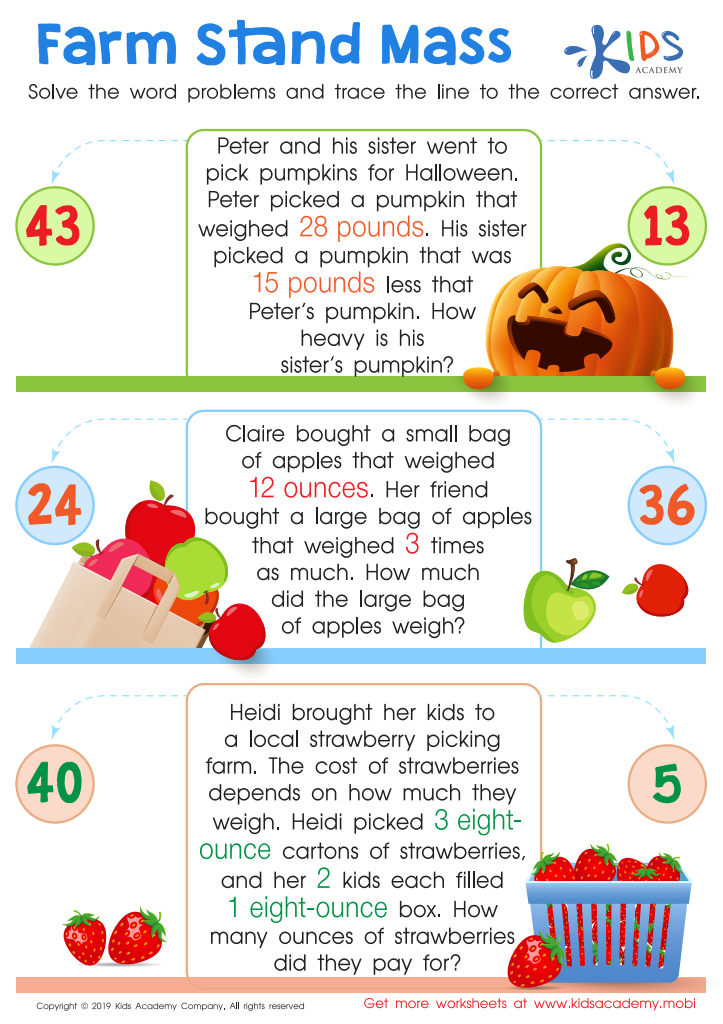
Farm Stand Mass Worksheet
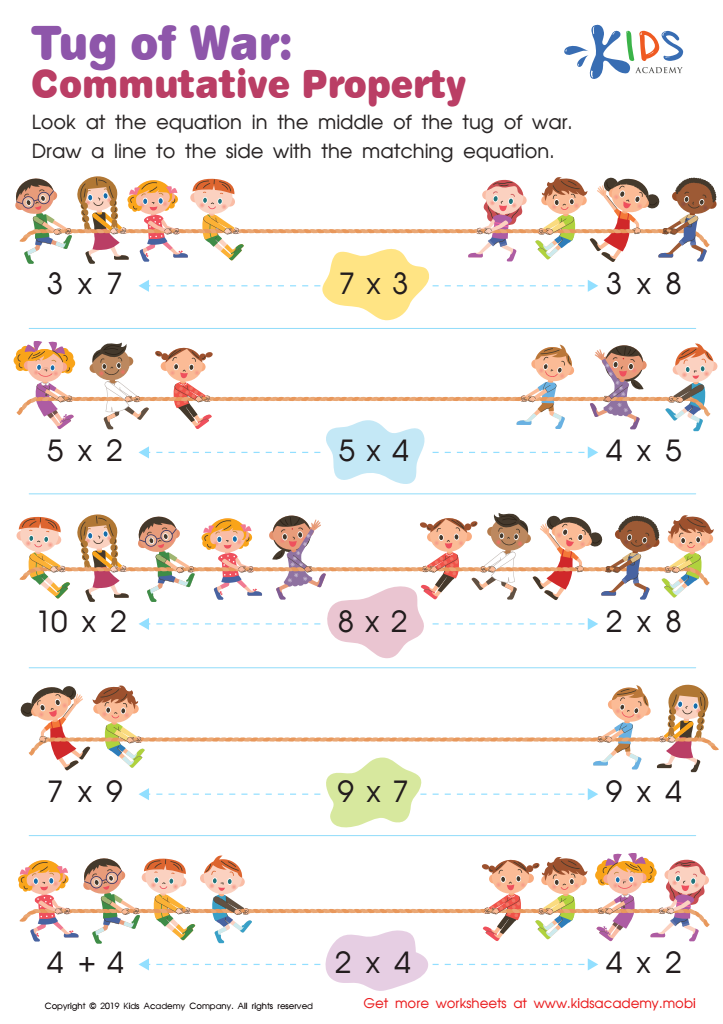
Tug of War: Commutative Property Worksheet
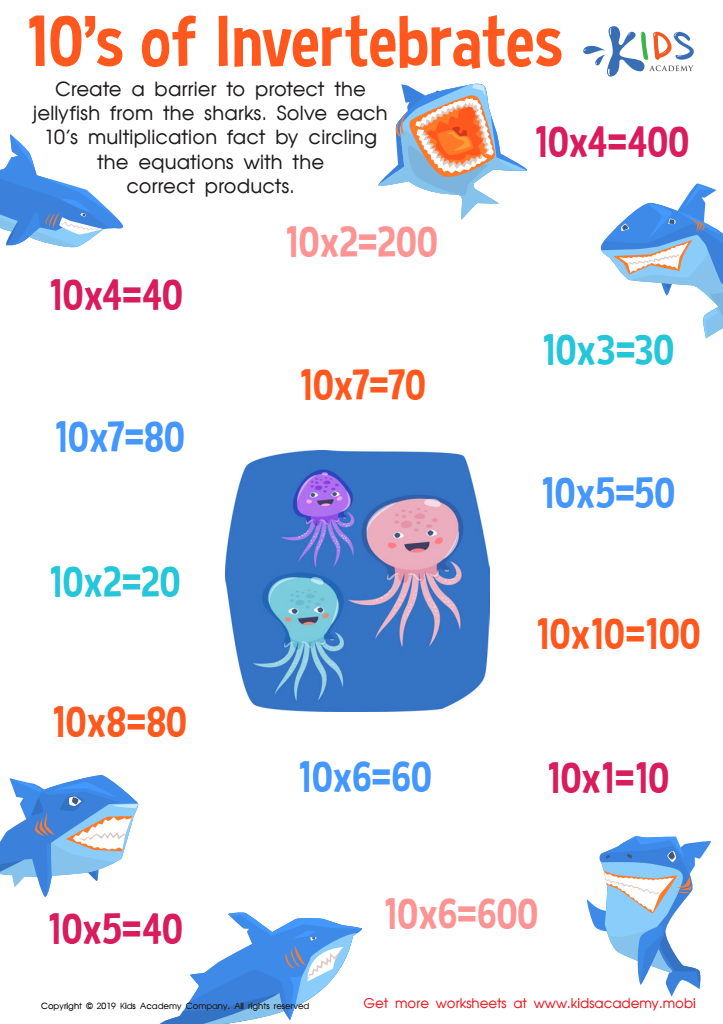
1s Invertebrates Worksheet
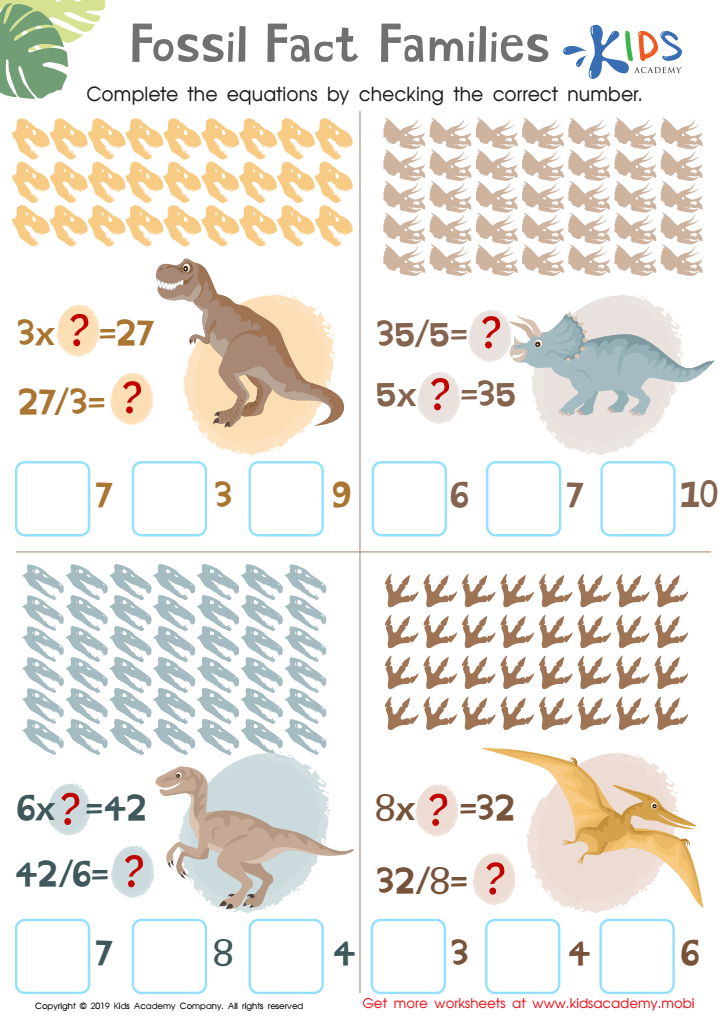
Fossil Fact Families Worksheet
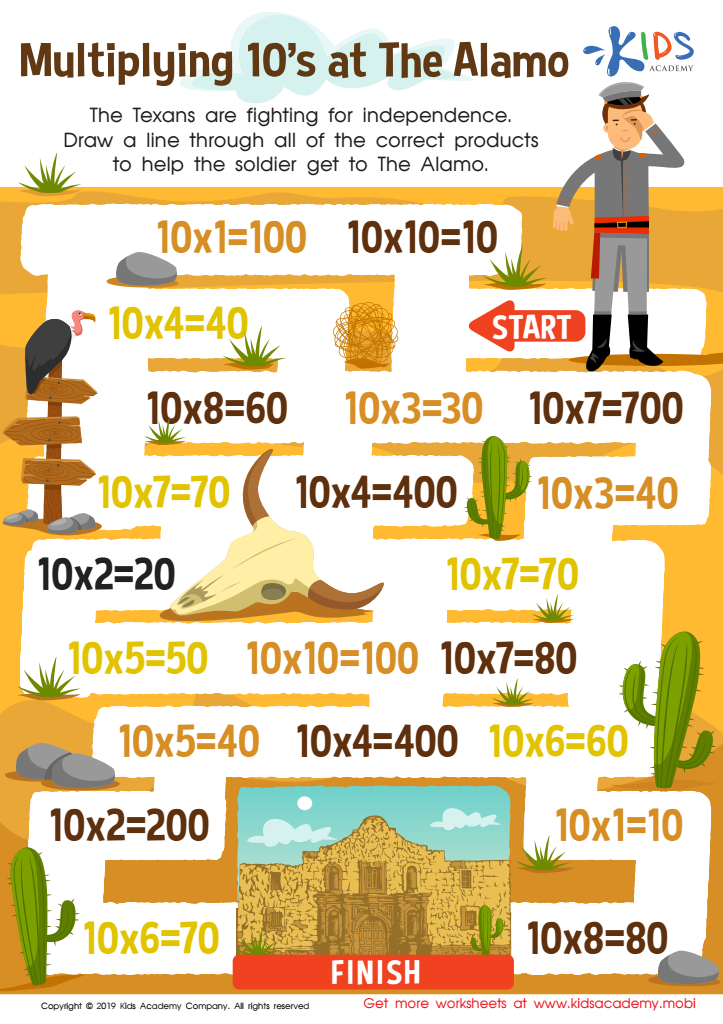
Multiplying 10’s at The Alamo Worksheet
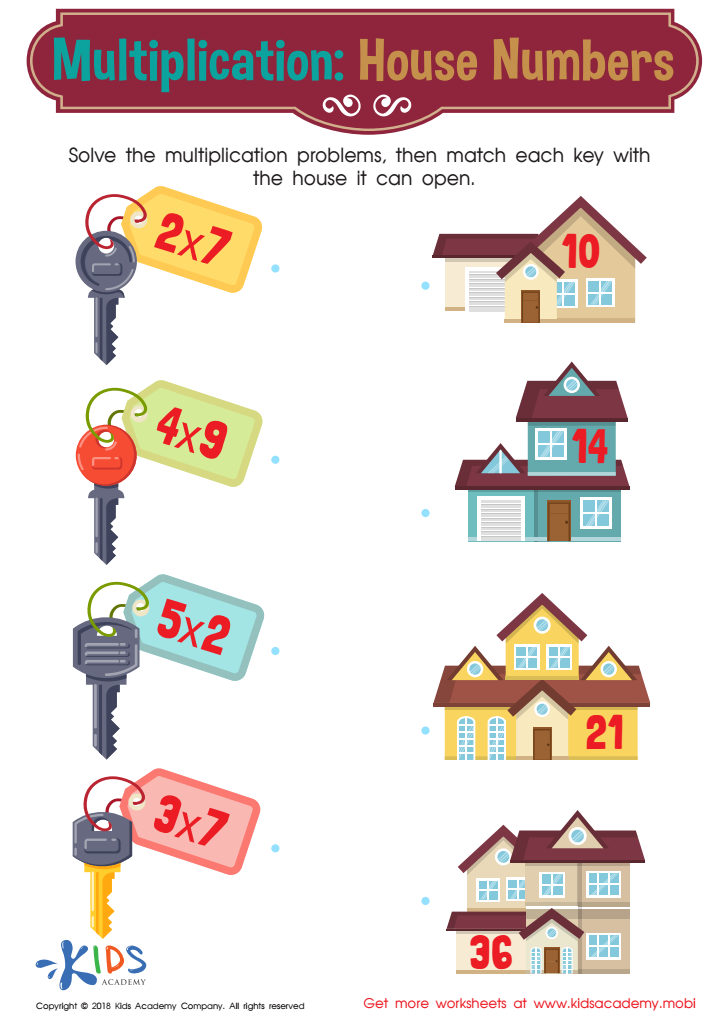
House Numbers Worksheet
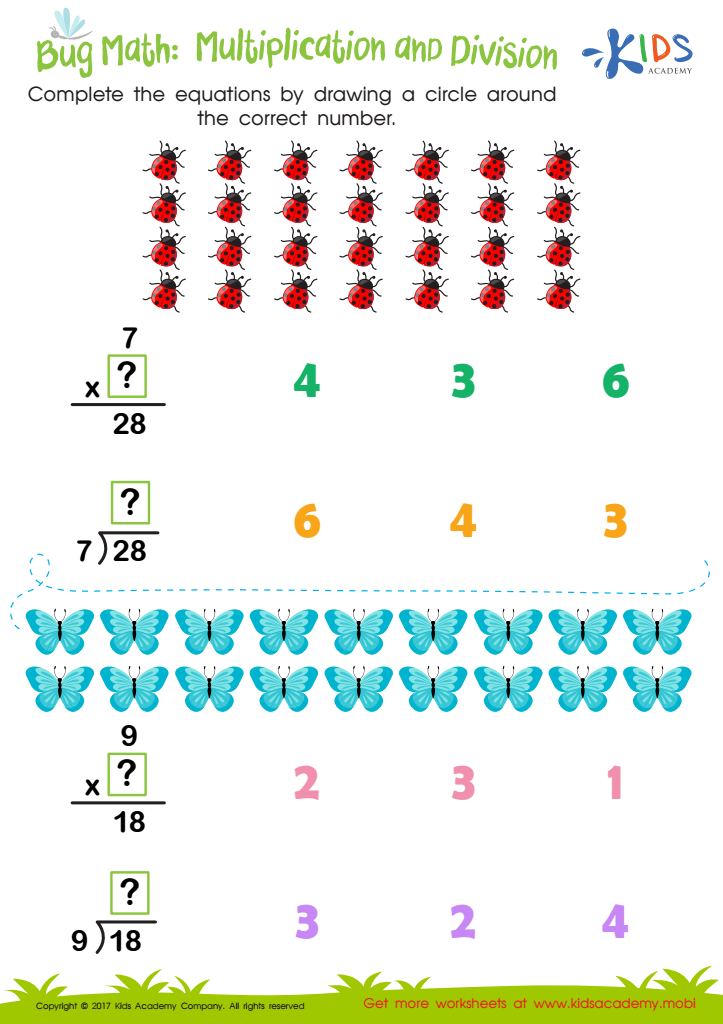
Multiplication and Division Worksheet
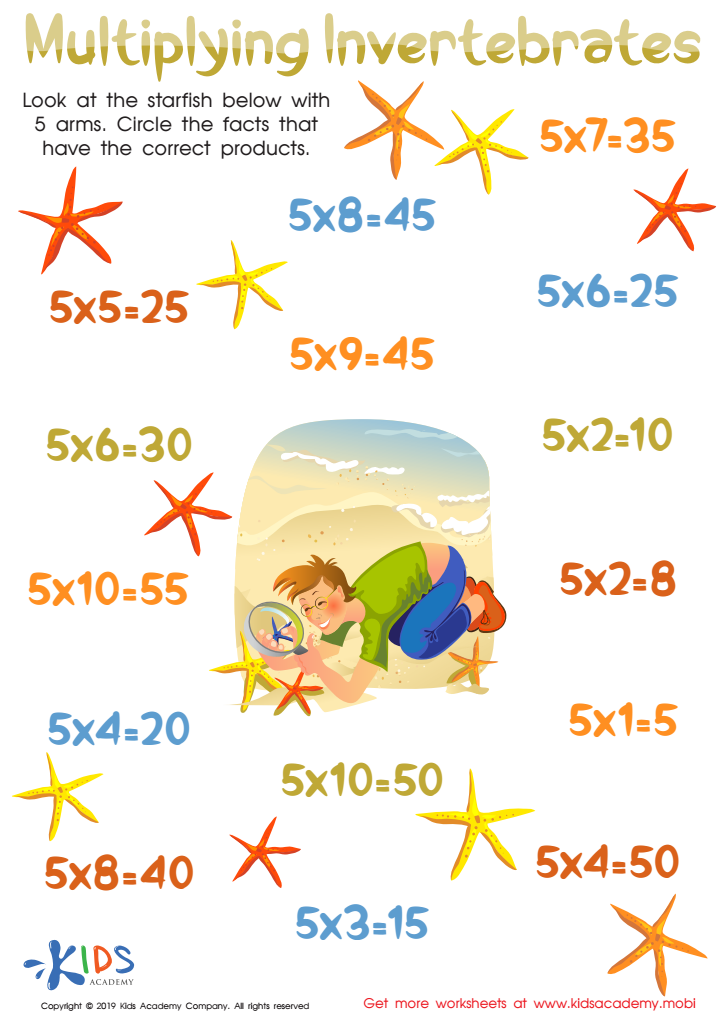
Multiplying Invertebrates Worksheet
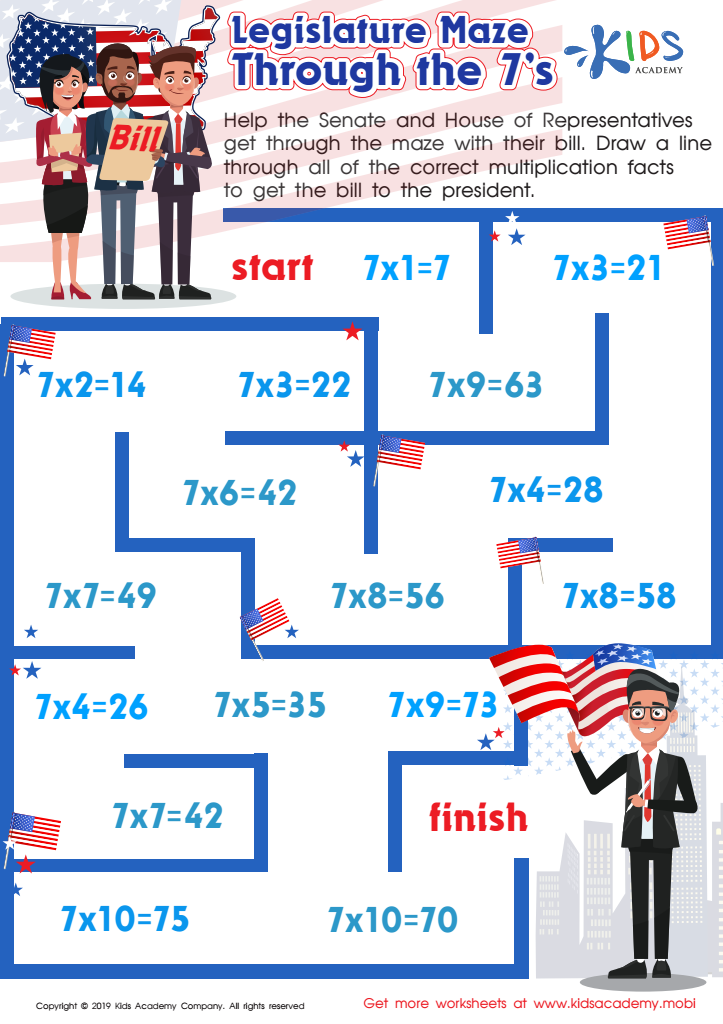
Legislature Maze Through the 7’s Worksheet
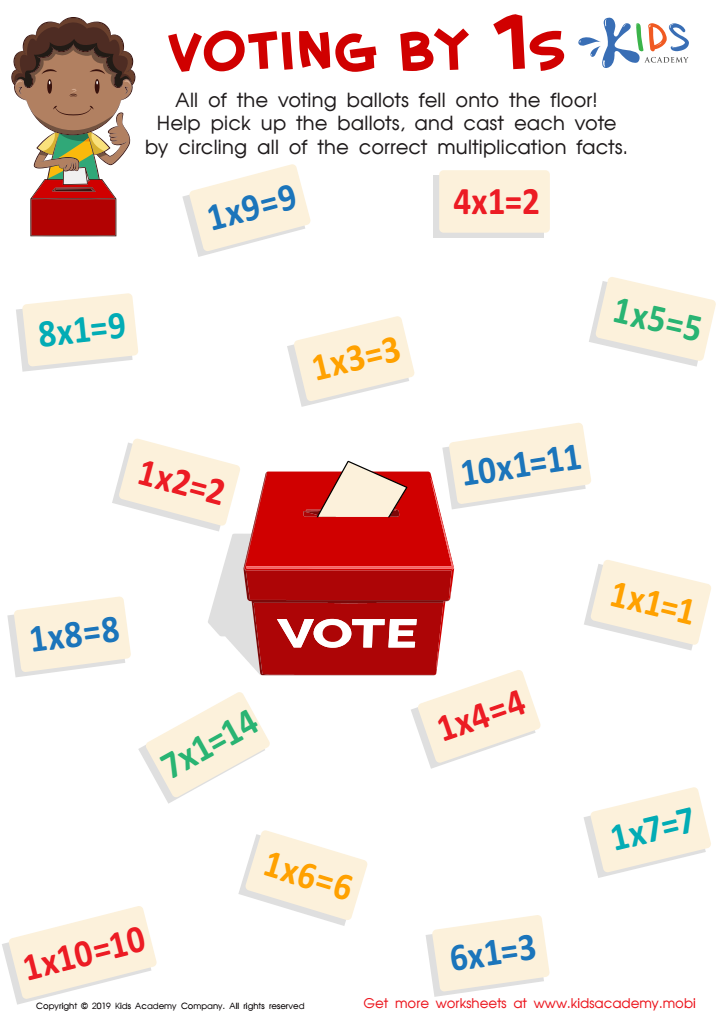
Voting by 1s Worksheet
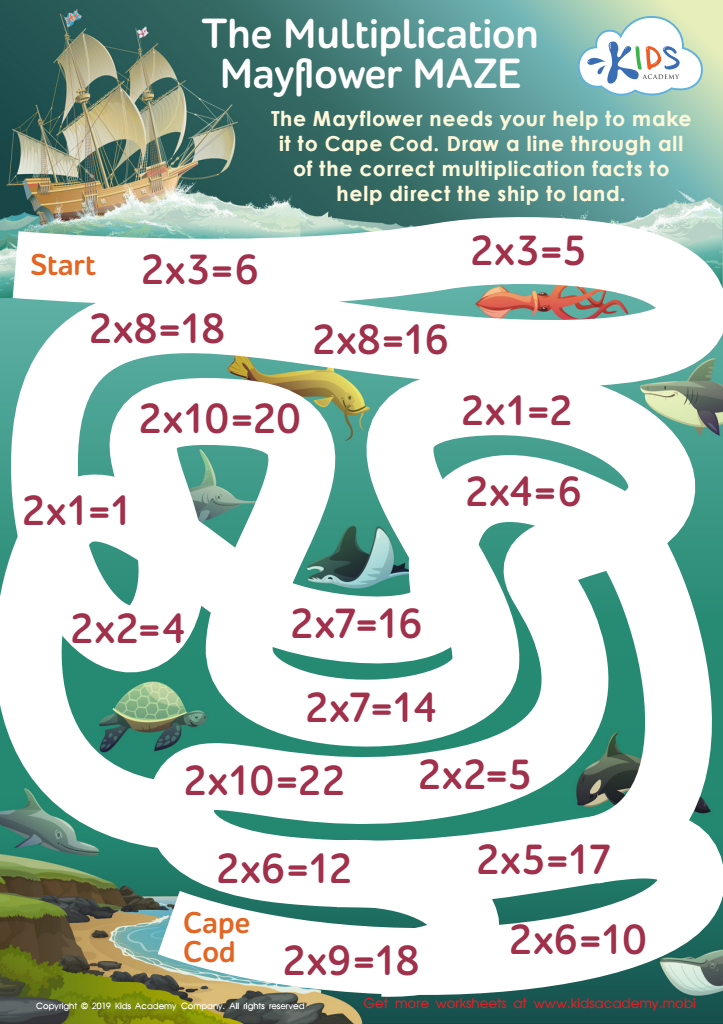
The Multiplication Mayflower Maze Worksheet
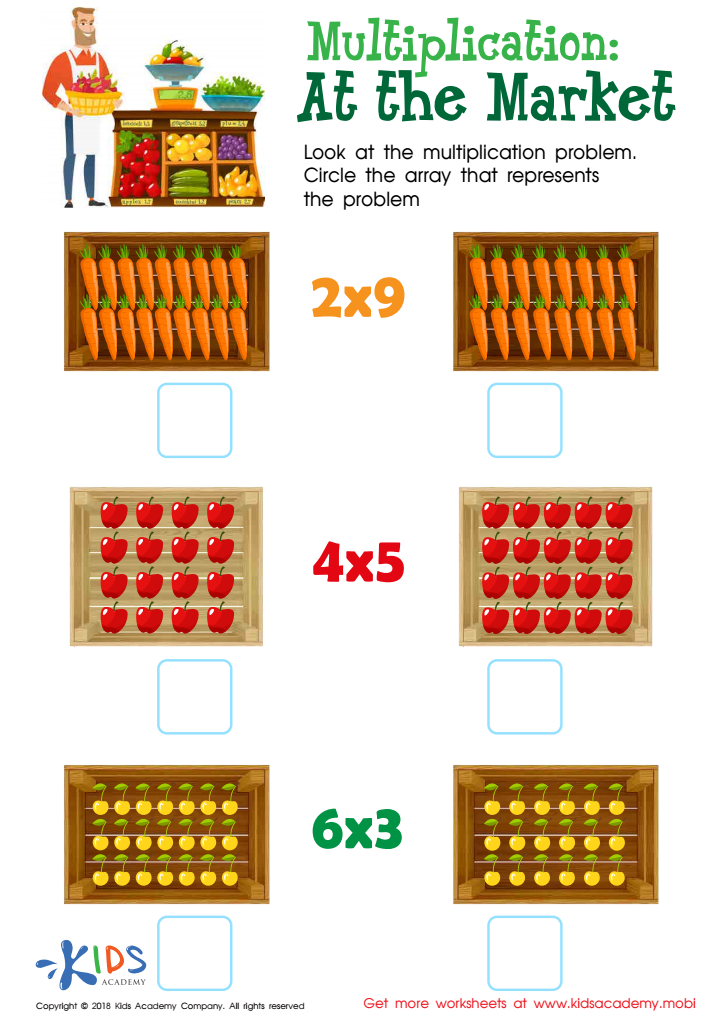
At the Market Worksheet
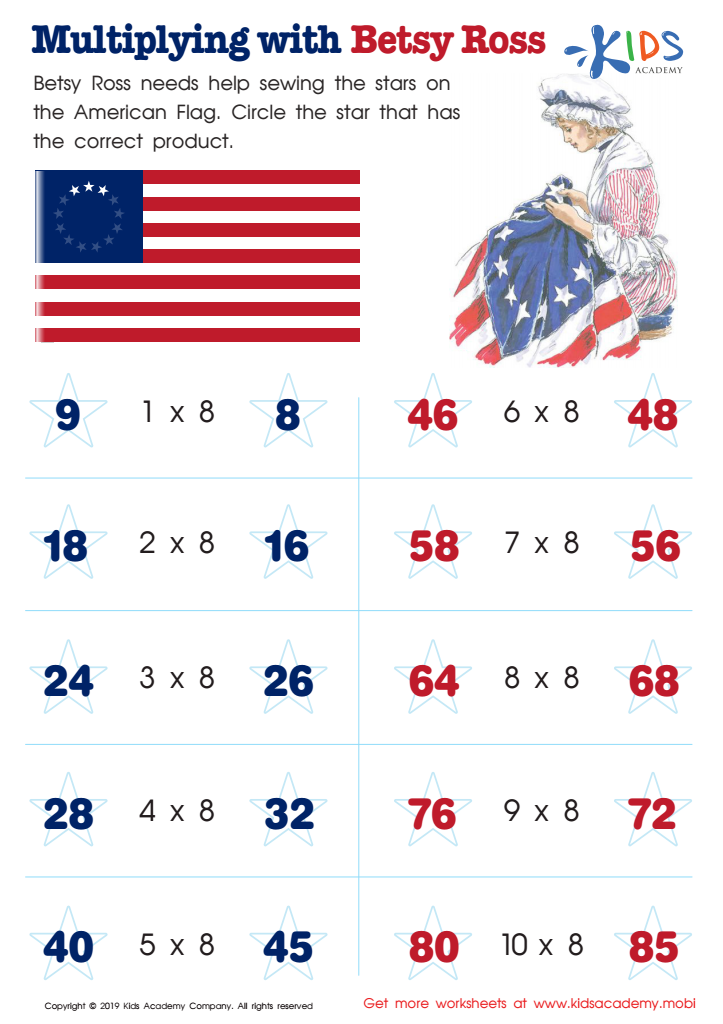
Multiplying with Betsy Ross Worksheet








Multiplication is a foundational math skill that plays a crucial role in a child's cognitive development, particularly for ages 6-8. During these formative years, children are building essential mathematical concepts that will support their future learning. Understanding multiplication helps them make sense of stronger math concepts, paving the way for division, fractions, and even algebra.
Parents and teachers should care about multiplication because it fosters critical thinking and problem-solving abilities. As children learn to multiply, they're not just memorizing facts; they're developing a deeper understanding of patterns and relationships in numbers. This skill translates to improved confidence in their math abilities, reducing math anxiety and encouraging a positive attitude toward learning.
Moreover, multiplication is commonly applied in everyday life, from calculating costs while shopping to understanding time and measuring items in cooking. By cultivating an early interest and proficiency in multiplication, parents and teachers can empower students with practical skills they will use throughout their lives.
To better aid comprehension, combining multiplication with engaging activities—such as games and real-life problem-solving—makes learning enjoyable. Ultimately, a solid grasp of multiplication lays the groundwork for future academic success and curiosity in mathematics.








