Community Worksheets for Ages 6-8 - Page 3
112 filtered results
-
From - To
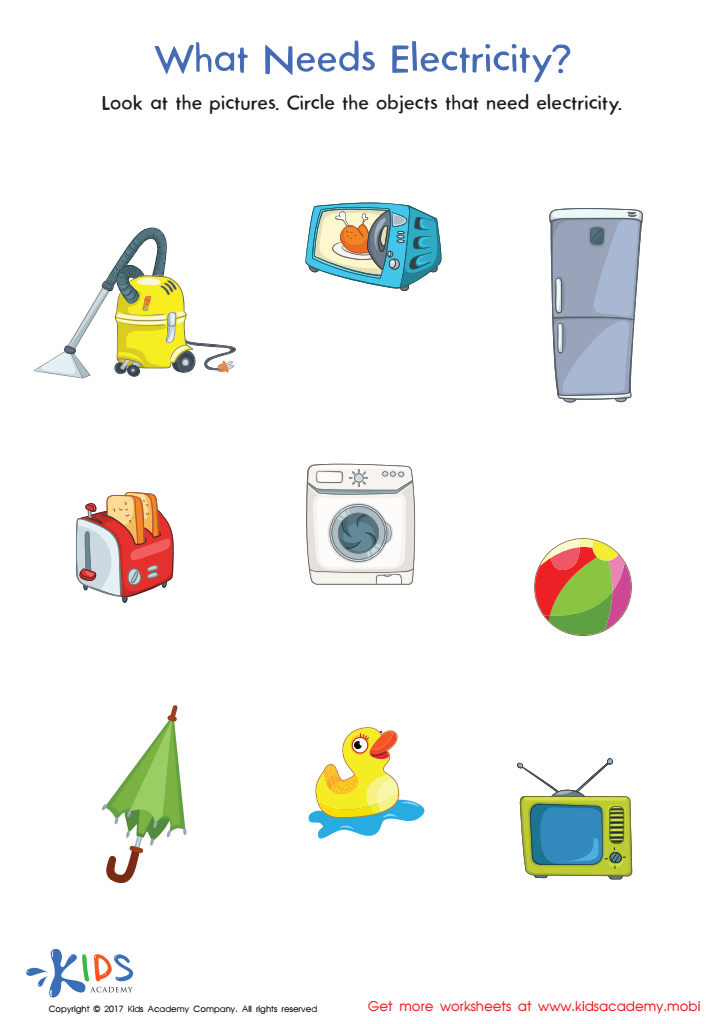
What Needs Electricity Printable
 Assign to My Students

What Do you See at the Library? Worksheet
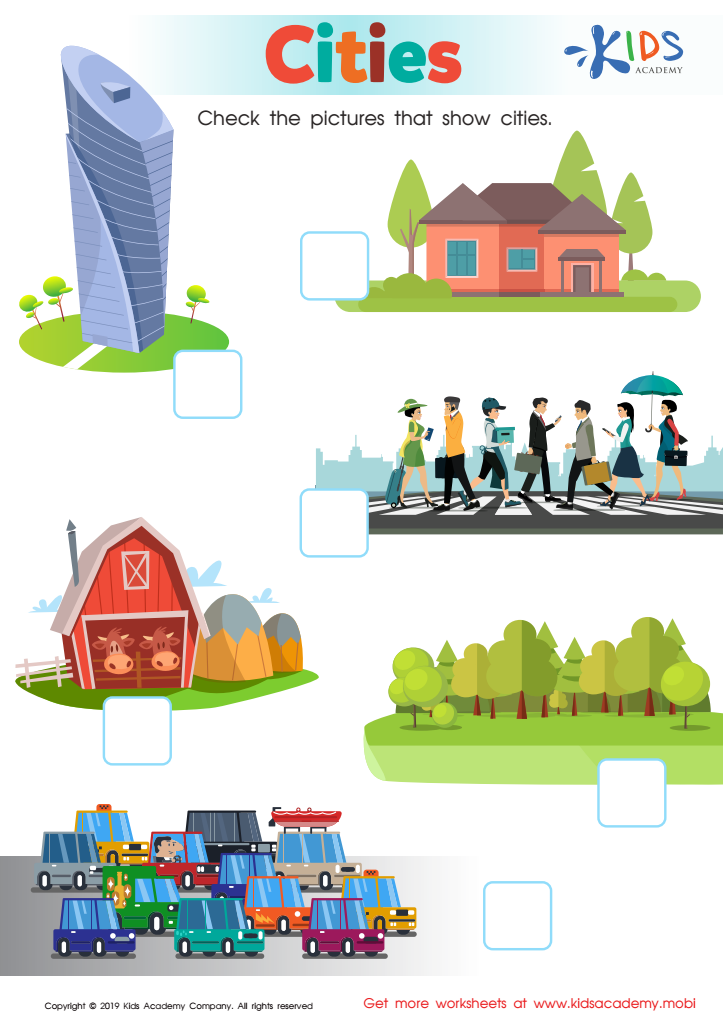
Cities Worksheet

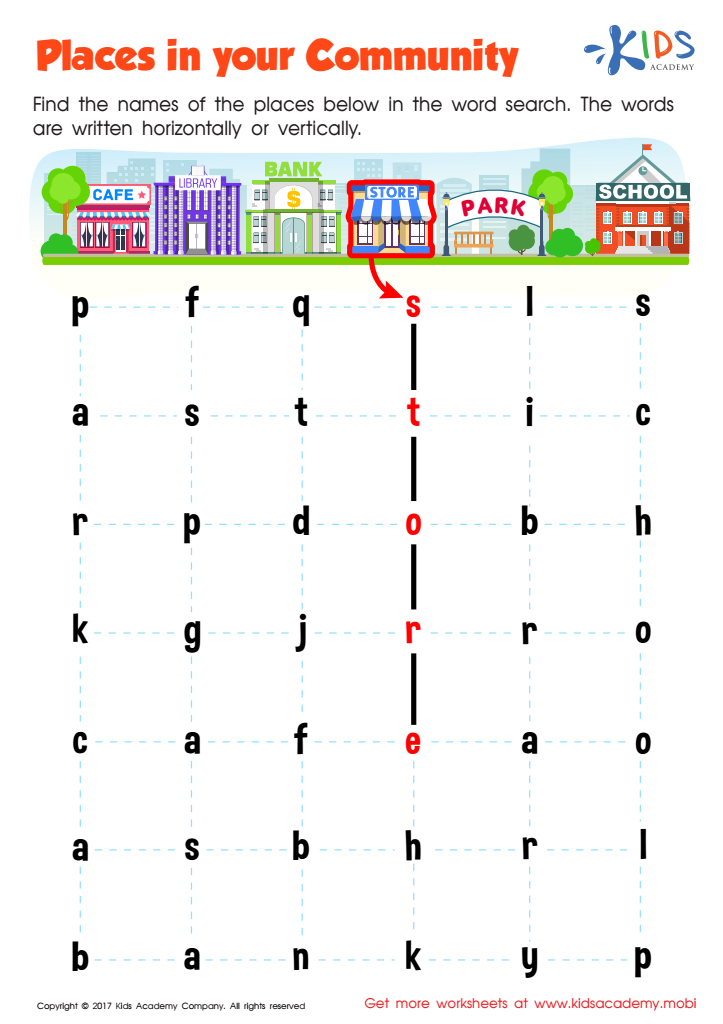
Places in Your Community Worksheet
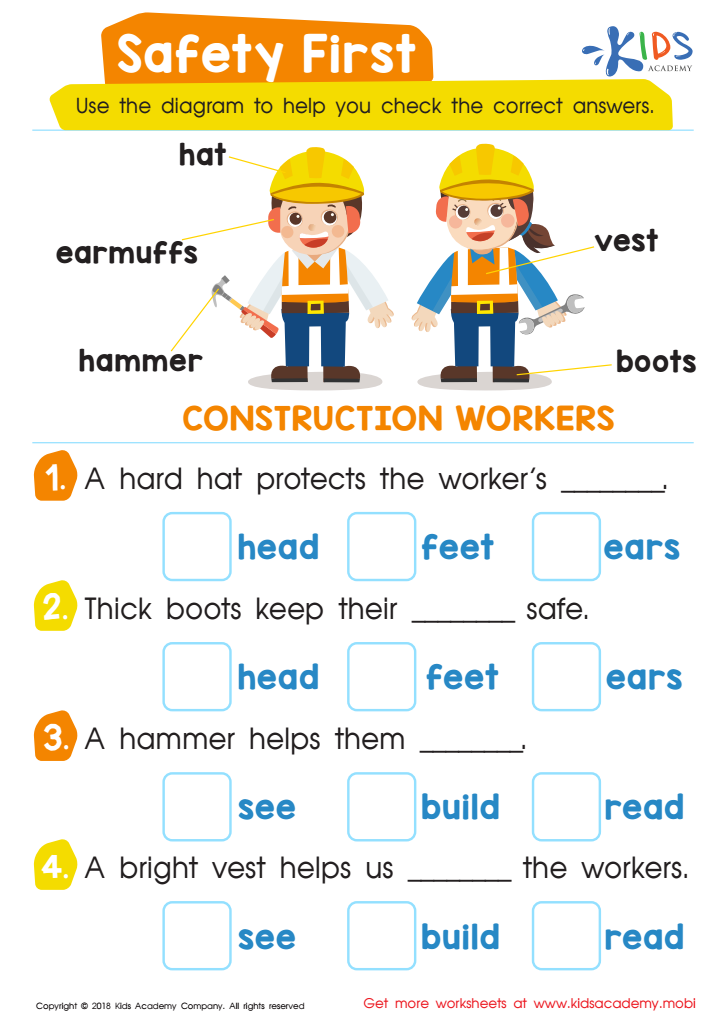
Safety First Worksheet
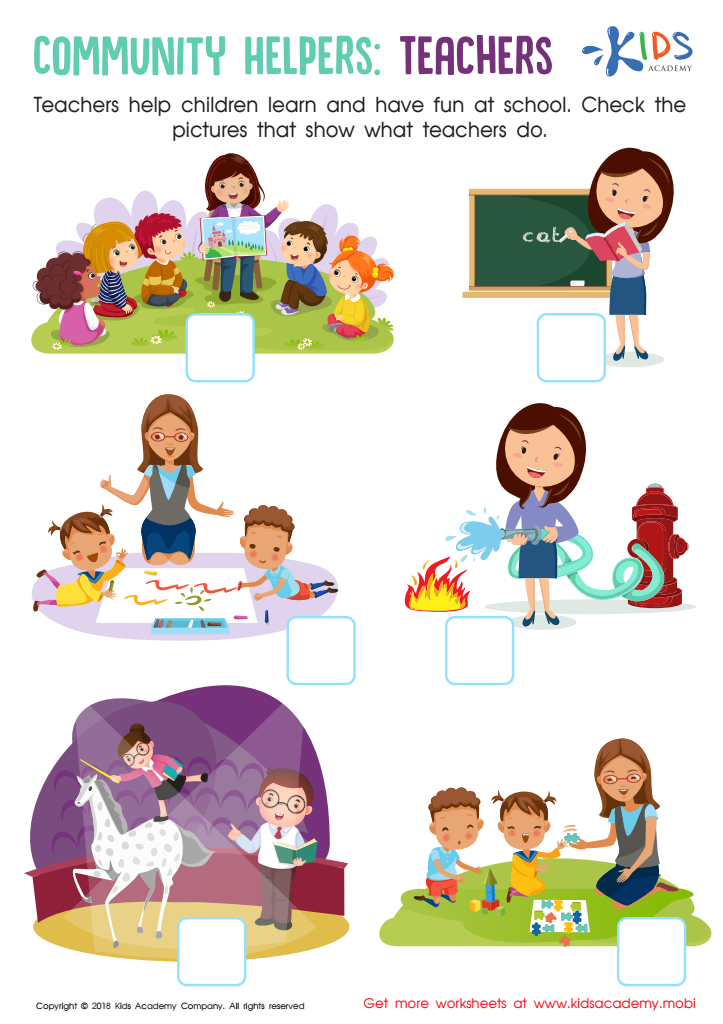
Teachers Community Helpers Worksheet
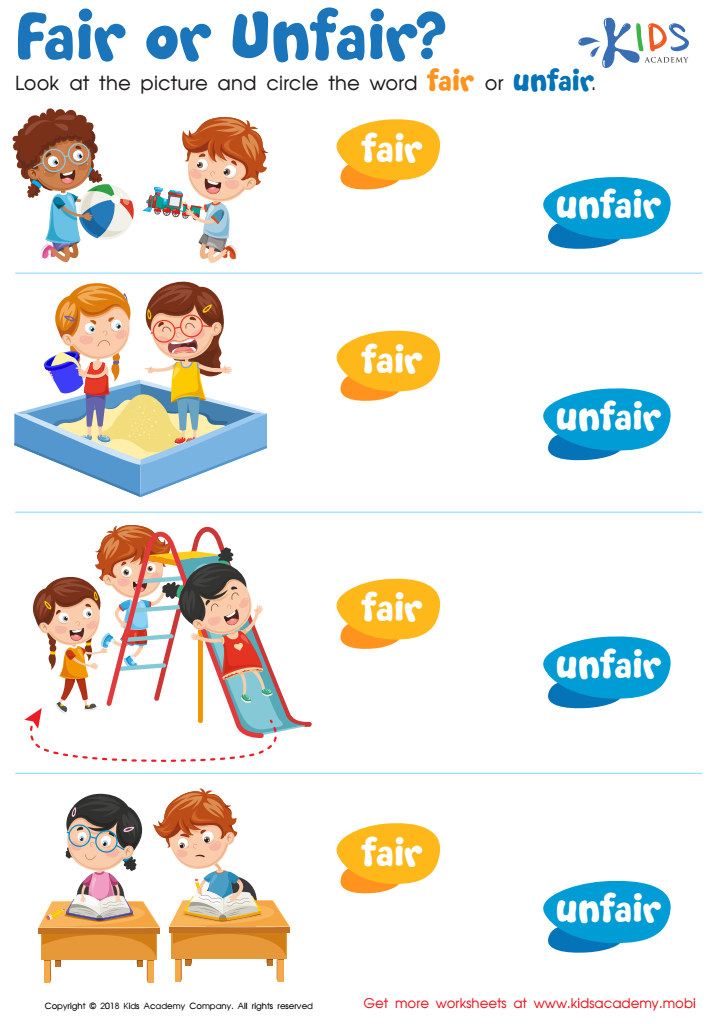
Fair or Unfair Worksheet
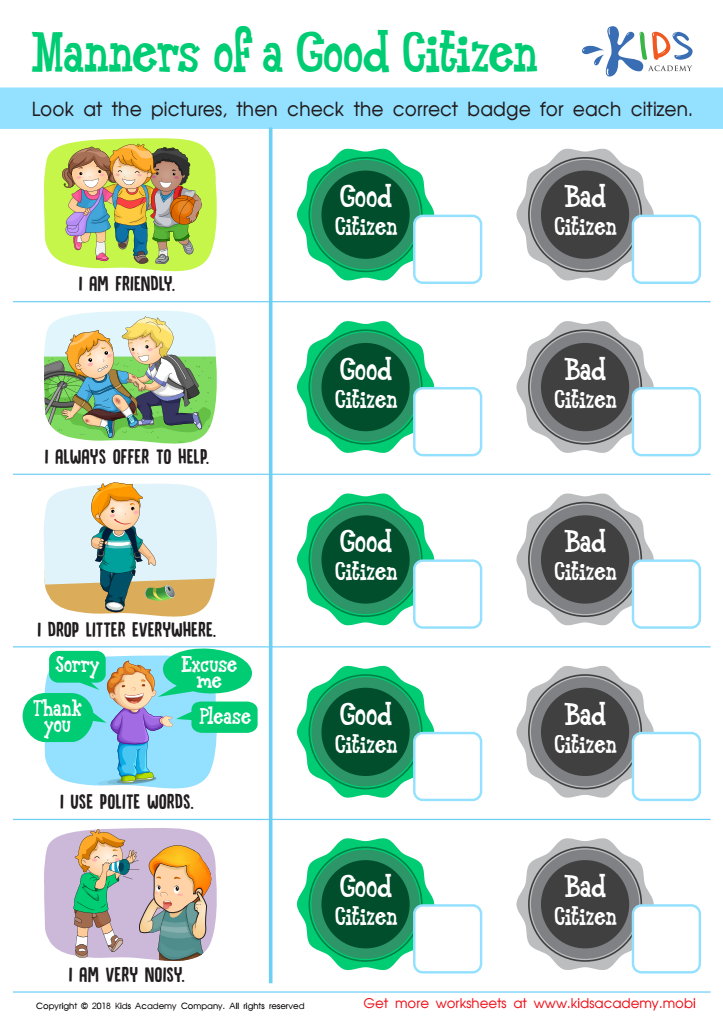
Manners of a Good Citizen Worksheet
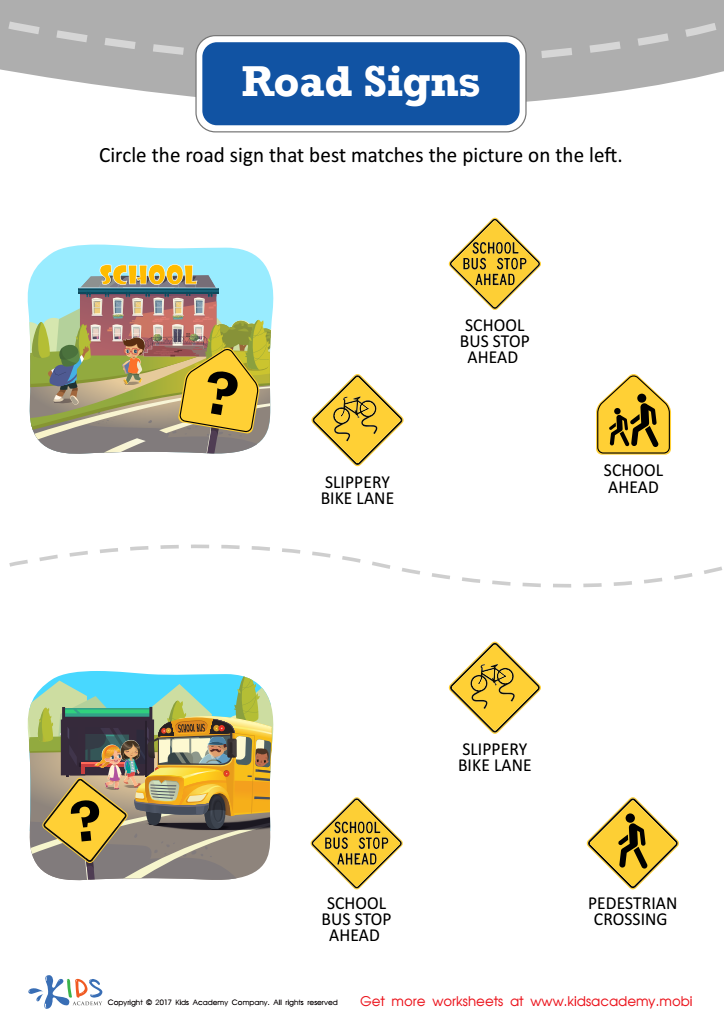
Road Signs (Part 1) Worksheet
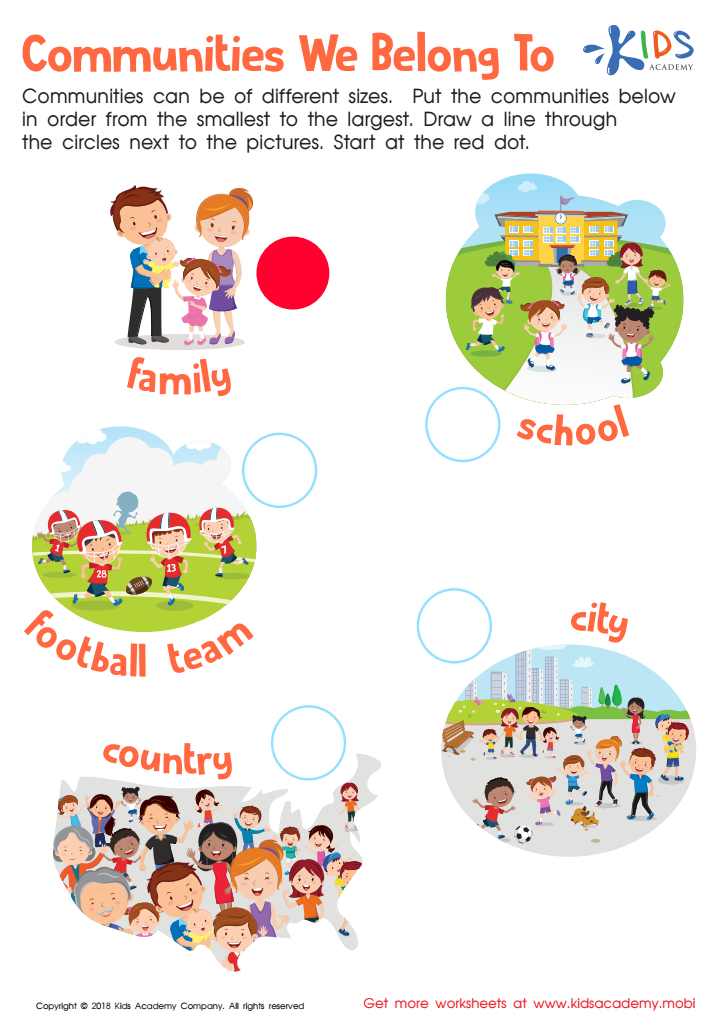
Communities We Belong to Worksheet
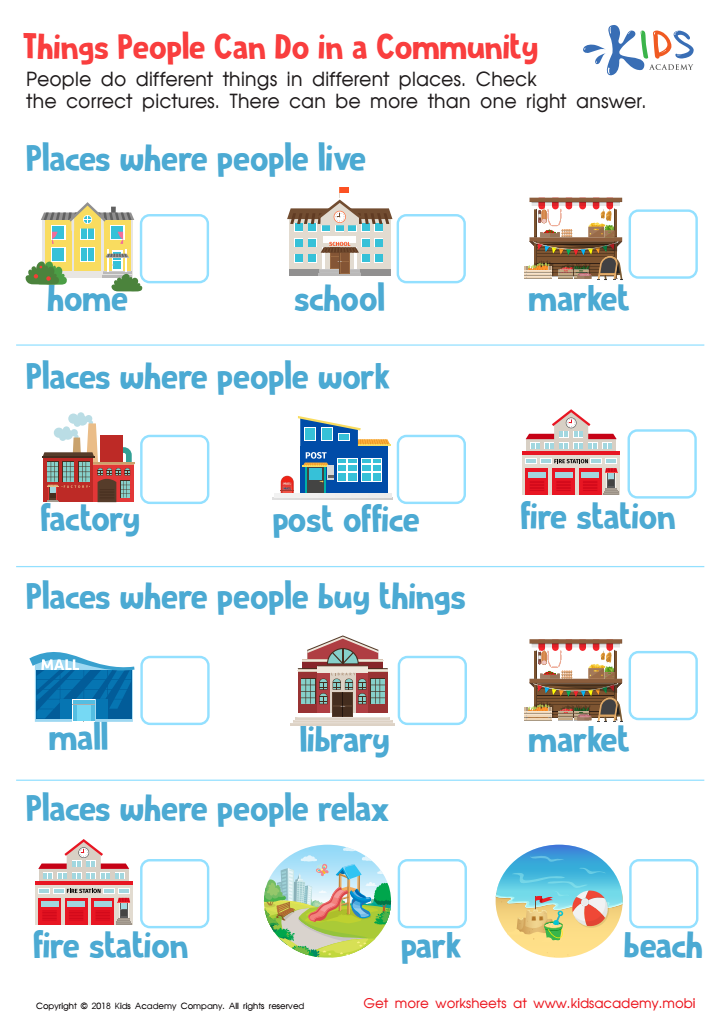
Things People Can Do in a Community Worksheet
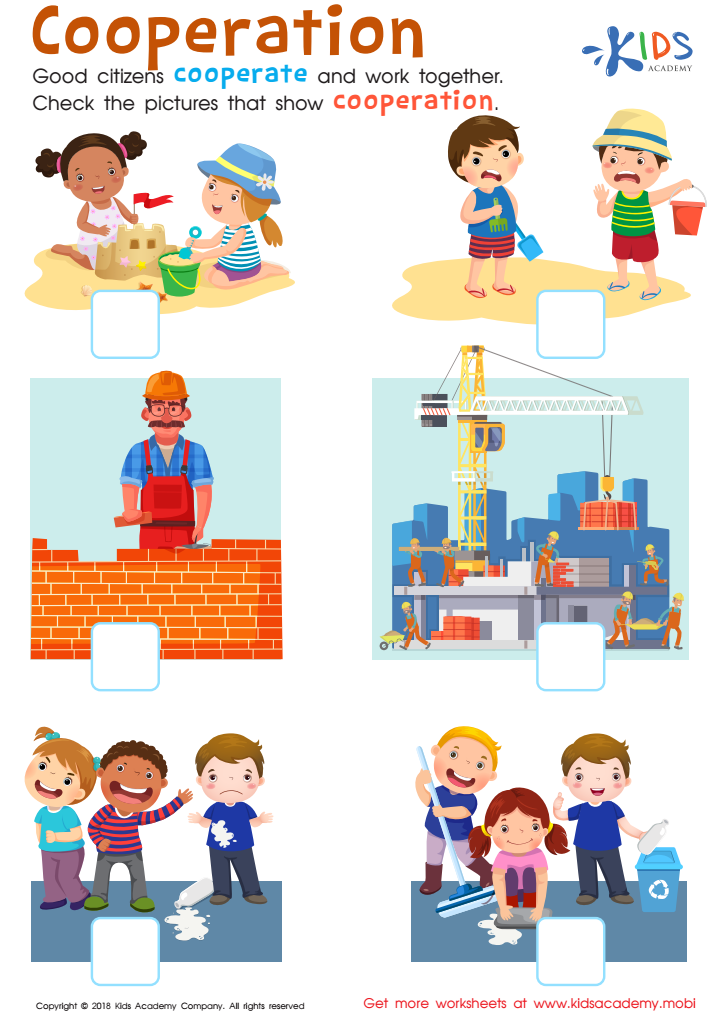
Cooperation Worksheet
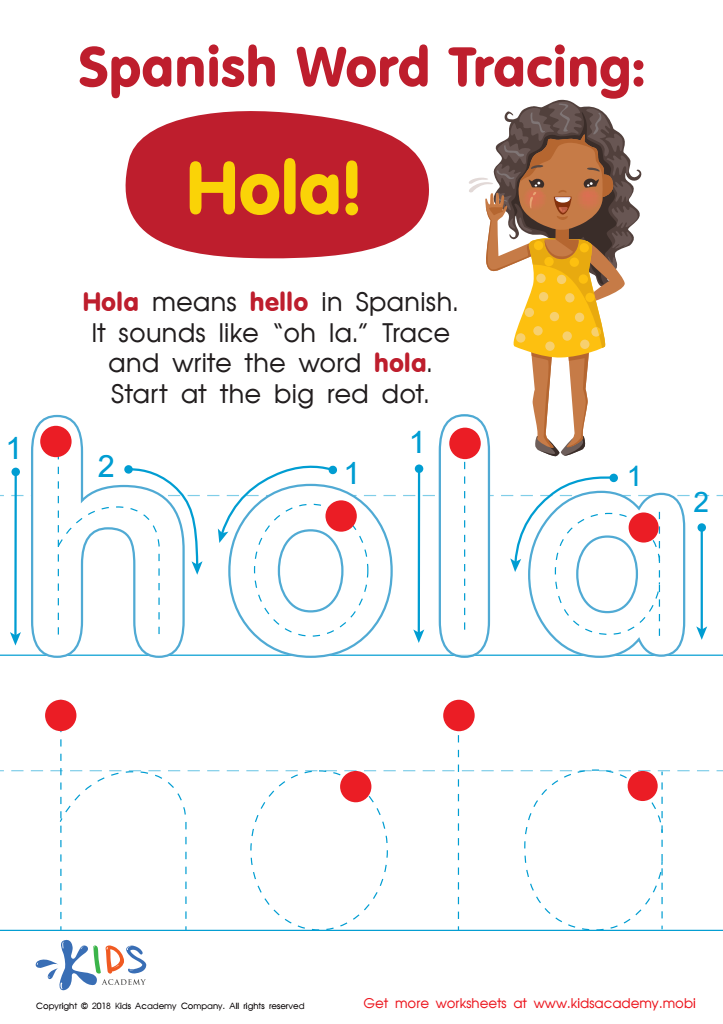
Spanish Word Tracing: Hola Worksheet
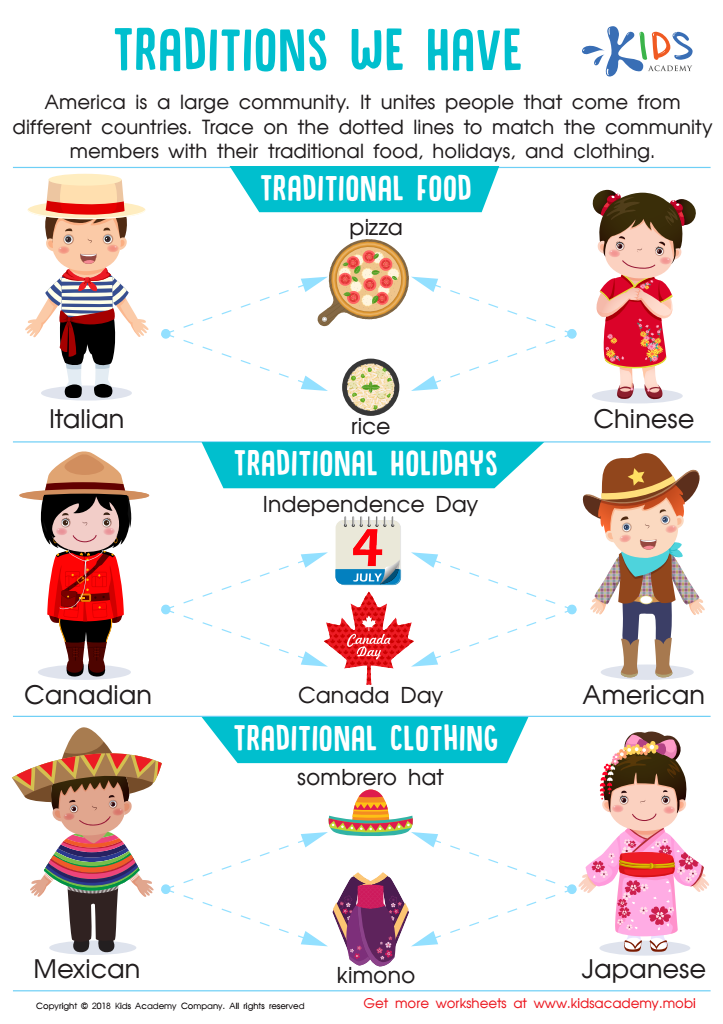
Traditions We Have Worksheet
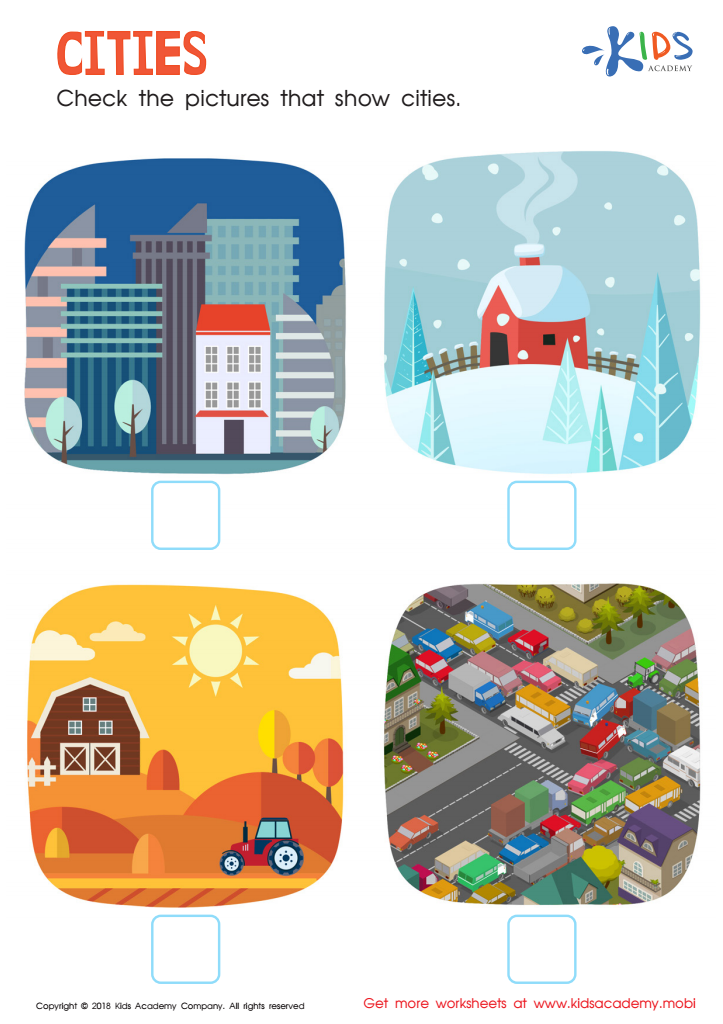
Cities Worksheet
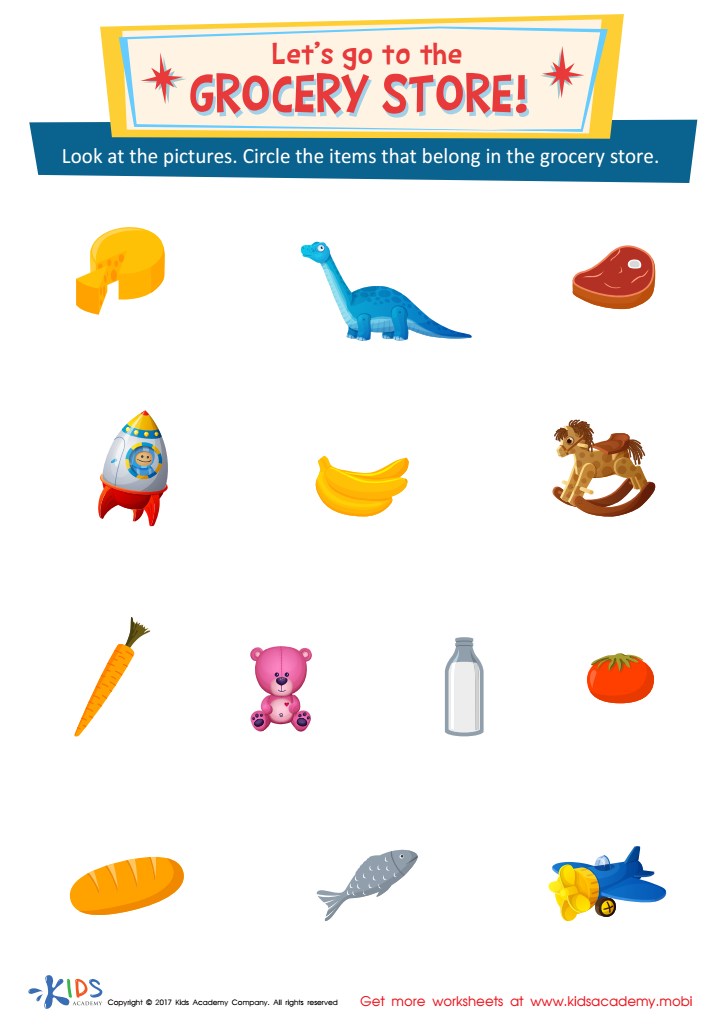
Grocery Store Worksheet
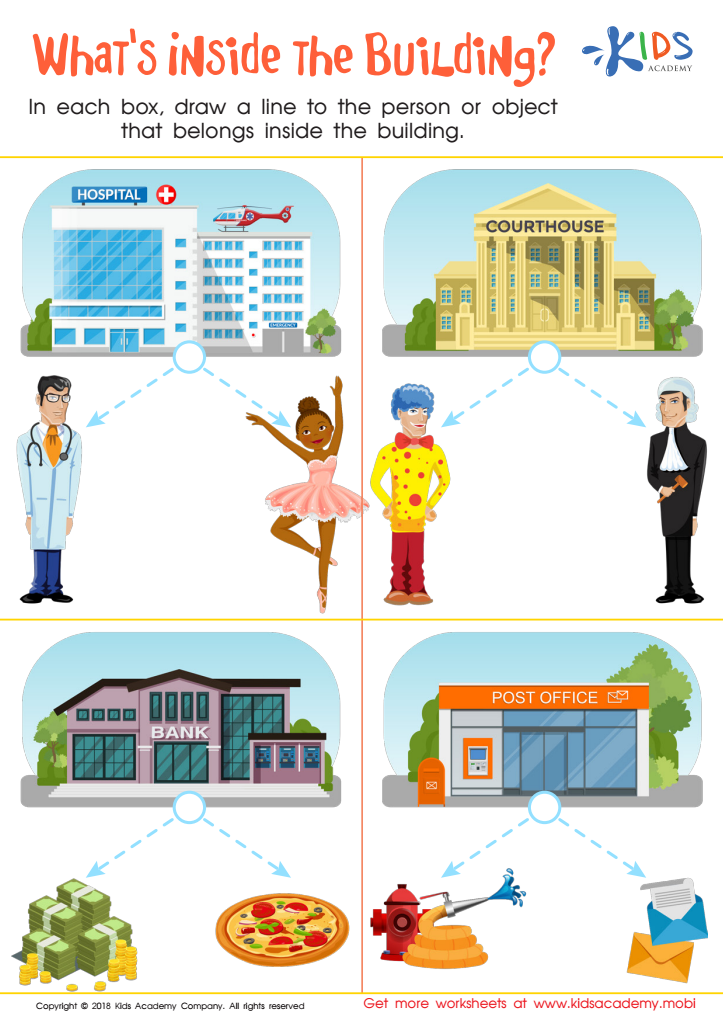
What's Inside the Building? Worksheet
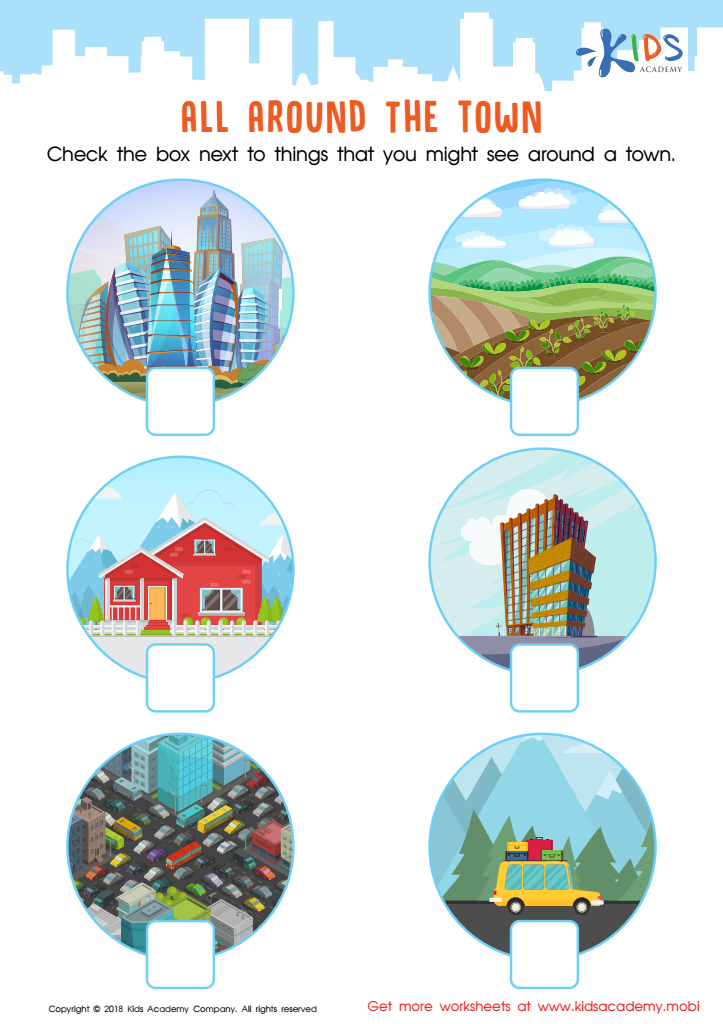
All Around the Town Worksheet
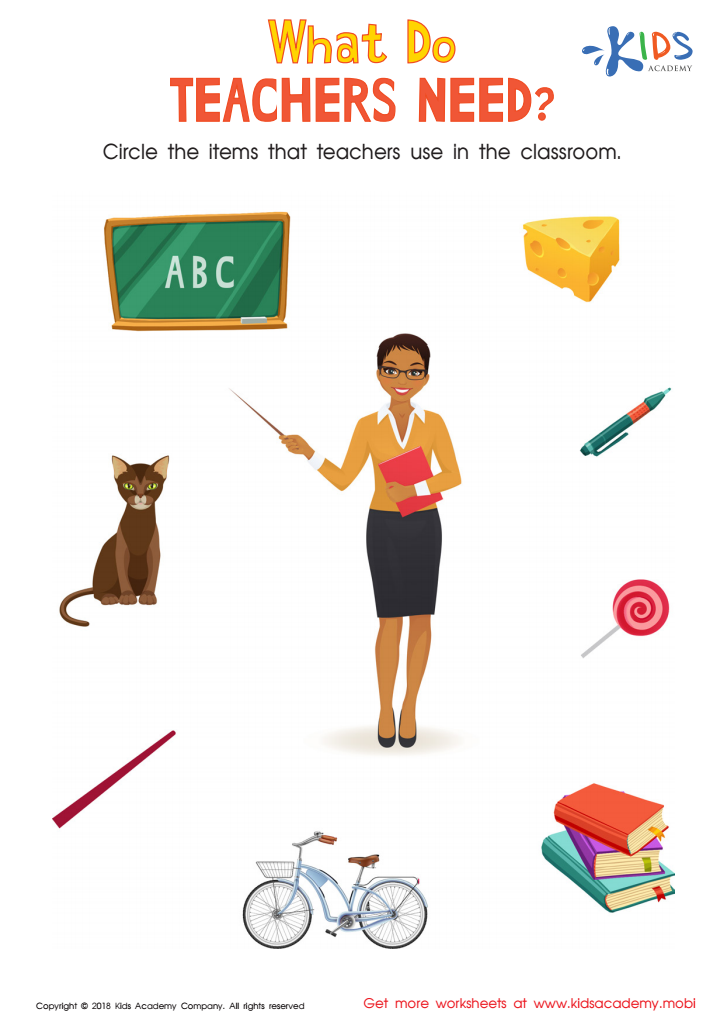
What Do Teachers Need Worksheet
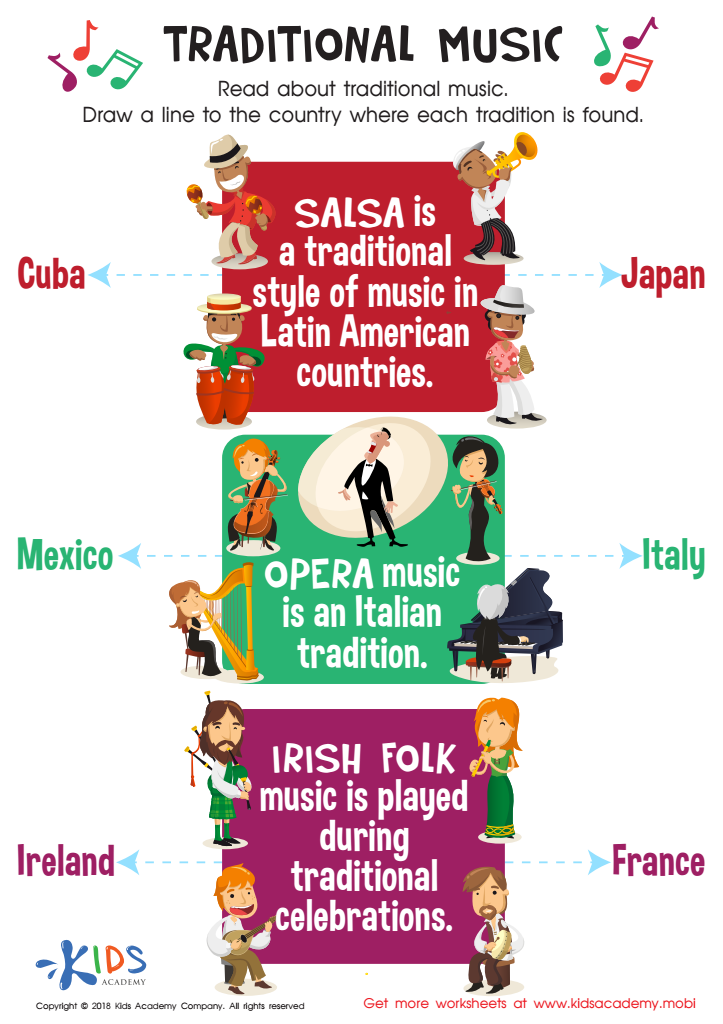
Traditional Music Worksheet
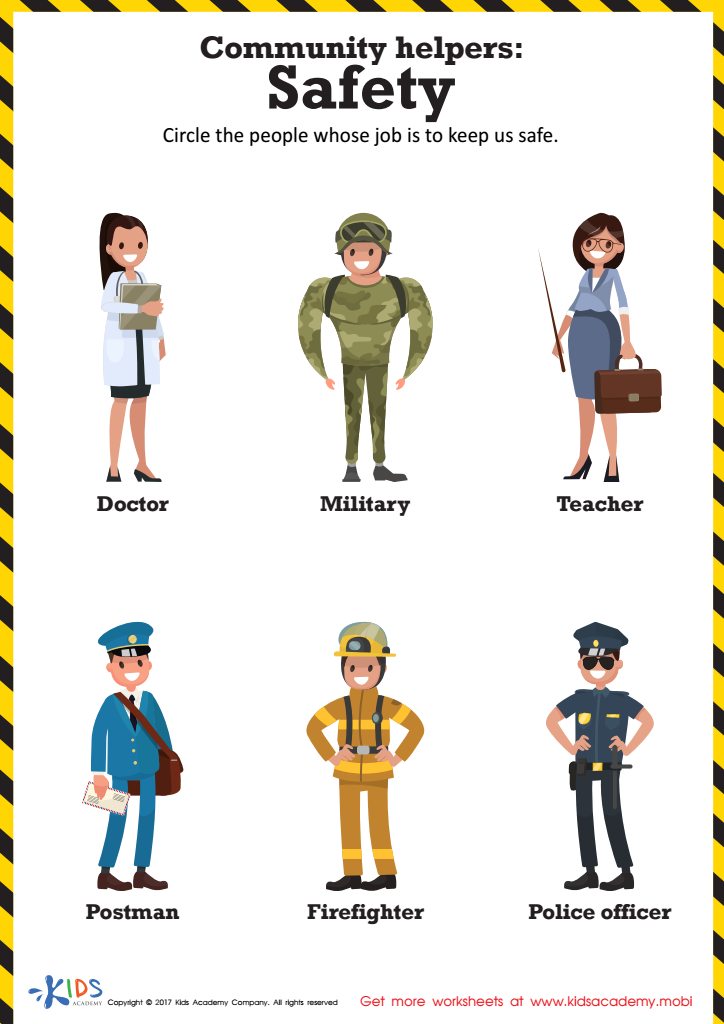
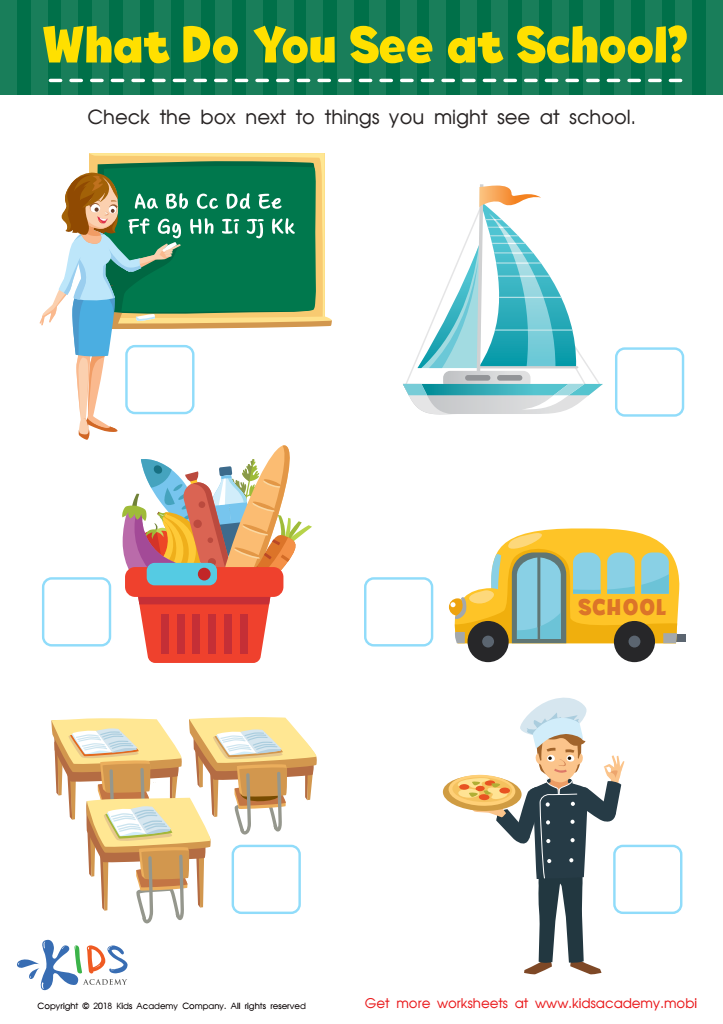
What Do you See at School? Worksheet
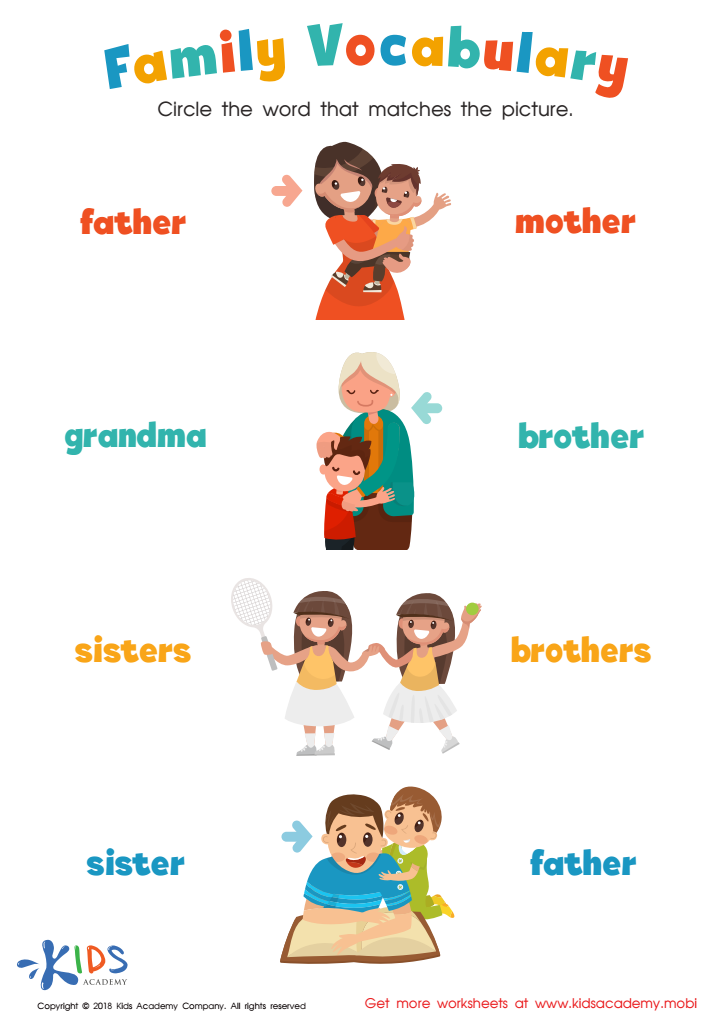
Family Vocabulary Worksheet






Parents and teachers should place a high value on fostering a sense of community among children aged 6-8 for several compelling reasons. At this stage, children are not only expanding their foundational academic skills but also developing crucial social and emotional competencies. A strong community environment provides them with a safe and supportive space to practice communication, teamwork, and empathy.
For parents, being involved in a community means bridging the gap between home and school life, creating consistency and security for their children. This partnership can promote better academic performance and psychological well-being, as children feel validated and understood by the primary adults in their lives. Participating in community activities also allows parents to set positive examples and reinforce the values of cooperation and respect.
Teachers, on the other hand, benefit by creating a classroom atmosphere where students feel comfortable taking risks and expressing themselves. When students collaborate regularly, they build trusting relationships with their peers, which enhances learning engagement and reduces behavioral issues. An inclusive community helps to address the different needs of students more effectively, promoting academic and social growth.
Therefore, emphasizing community for children aged 6-8 teaches essential life skills, supports emotional health, and encourages collaborative learning, making it a priority for both parents and teachers.








