2D Shapes Worksheets for Ages 6-9 - Page 3
68 filtered results
-
From - To
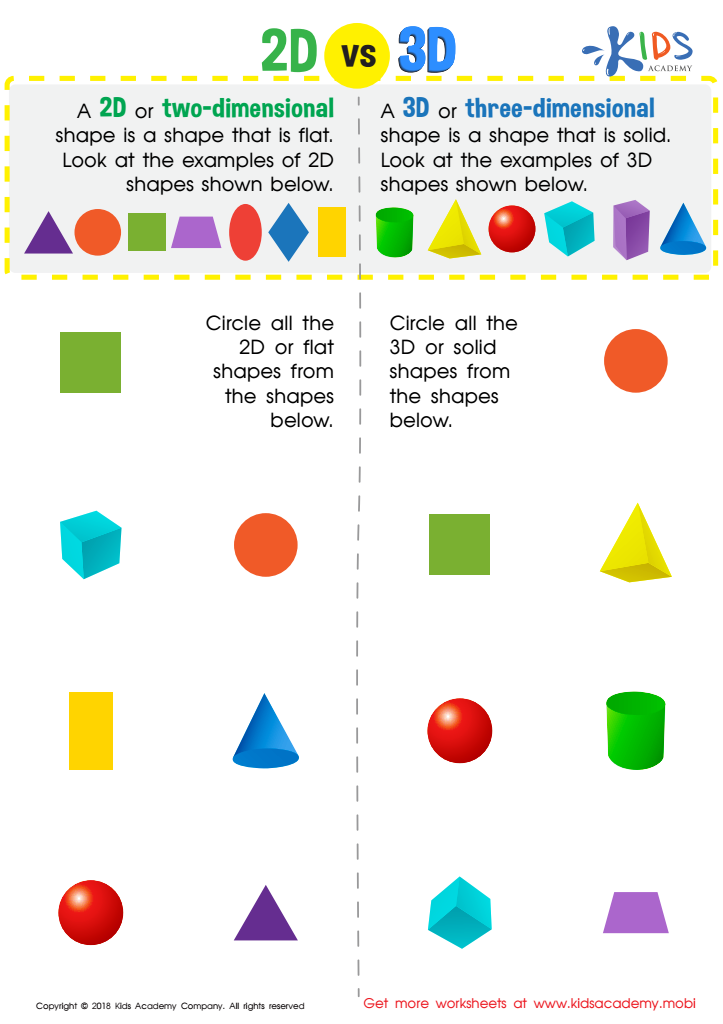
2D vs 3D Shapes Worksheet
 Assign to My Students











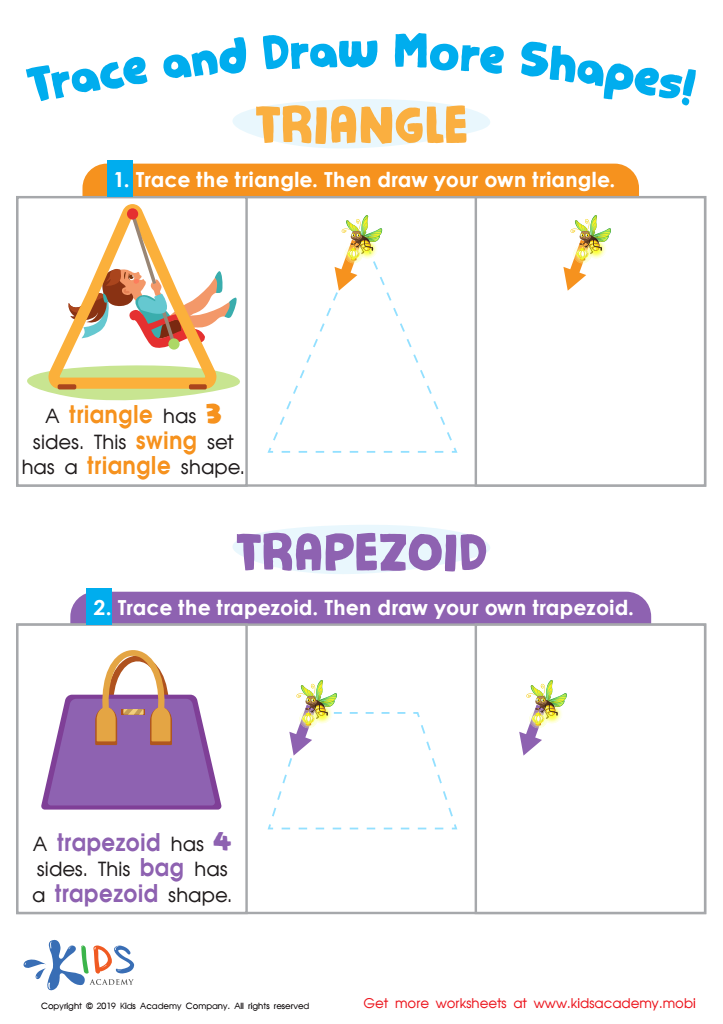
Trace and Draw More Shapes Worksheet
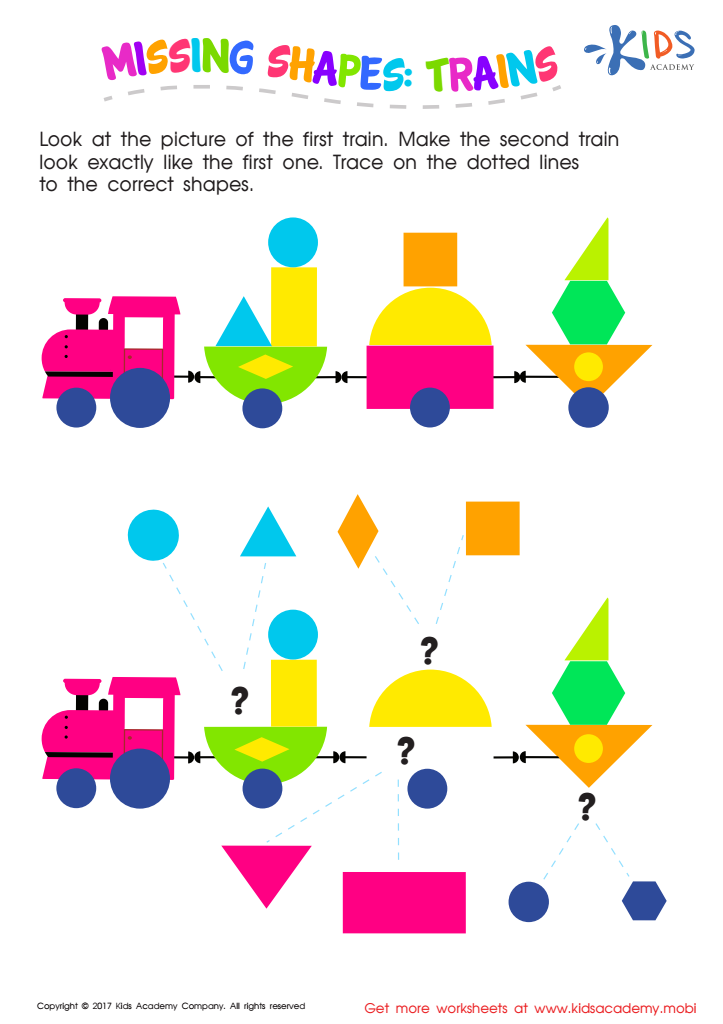
Missing Shapes: Trains Worksheet
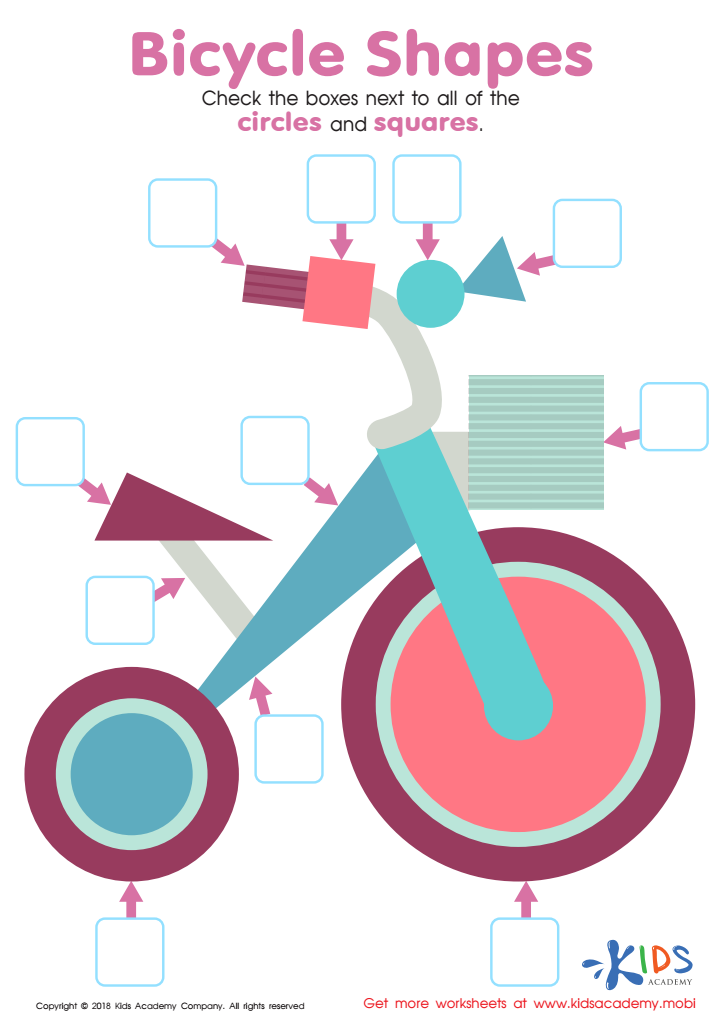
Bicycle Shapes Worksheet
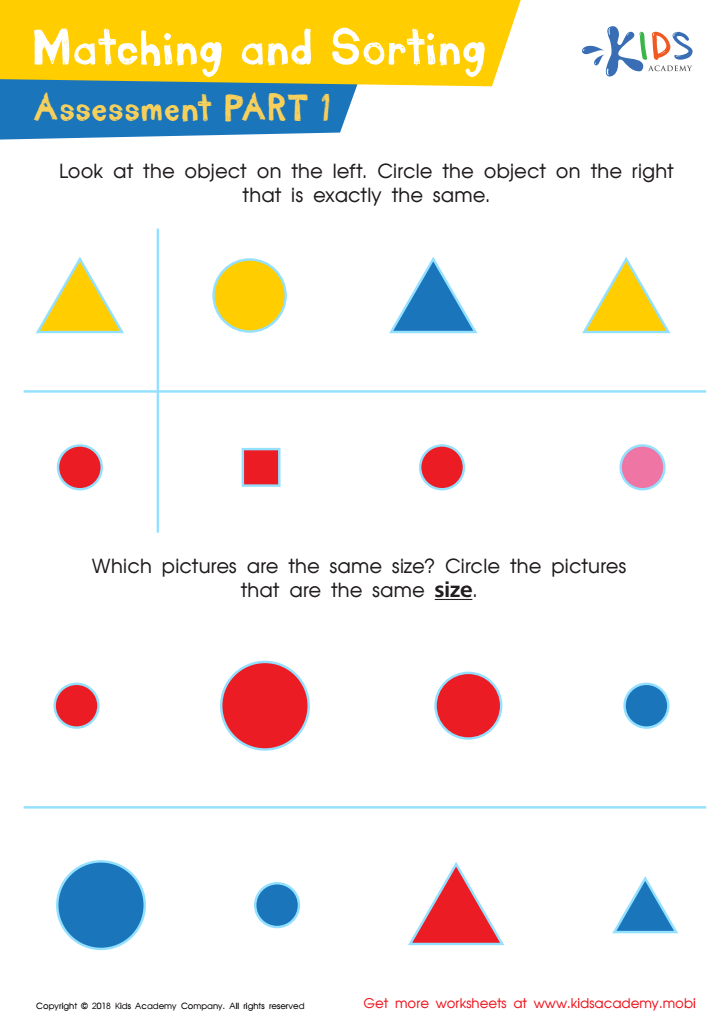
Matching and Sorting for Kindergarten: Assessment 1 Worksheet
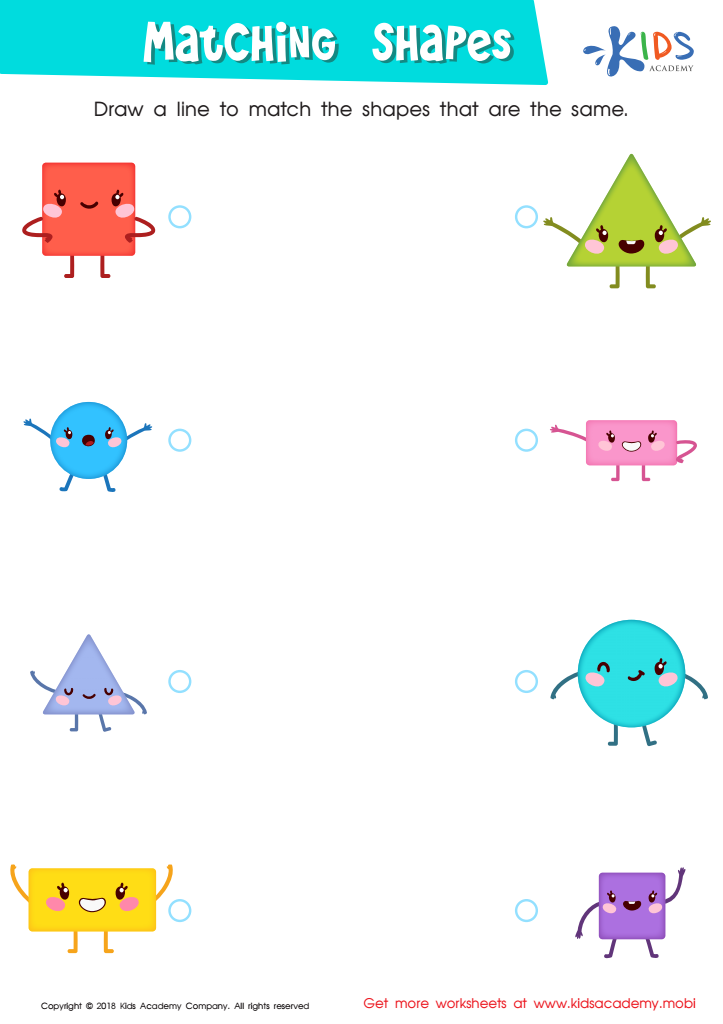
Matching Shapes Worksheet
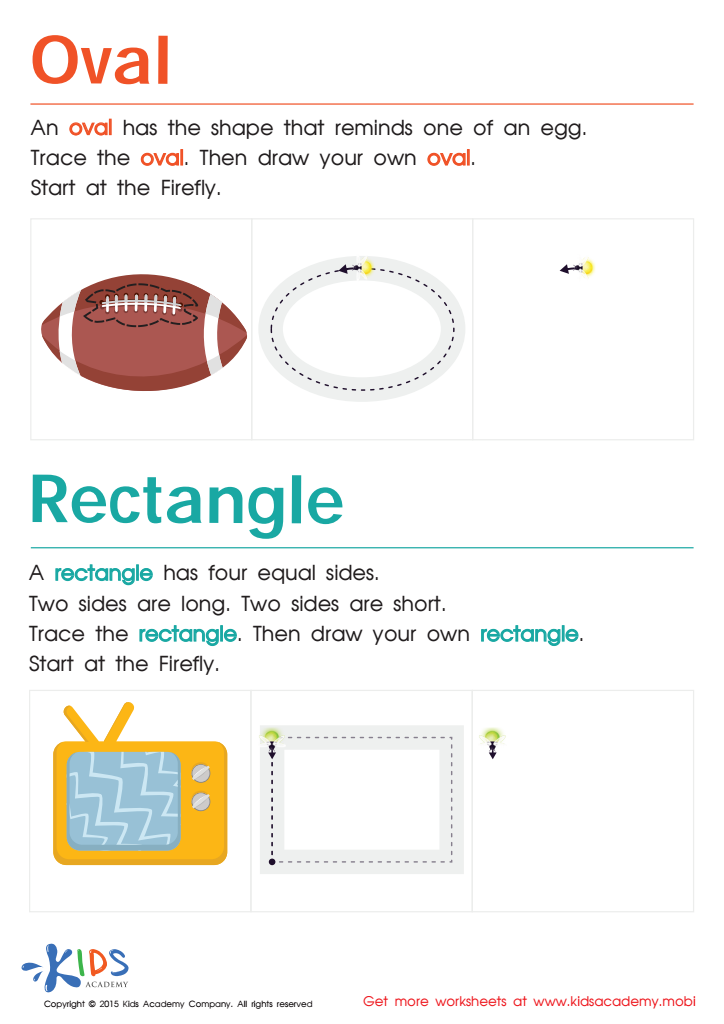
Easy Drawing of Ovals And Rectangles Worksheet
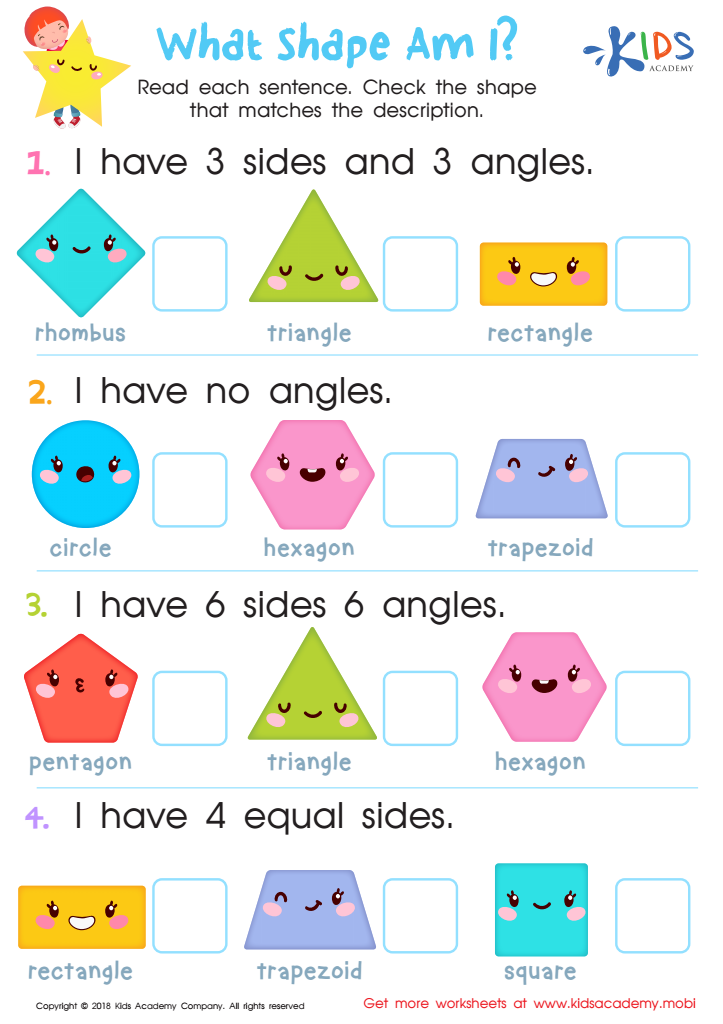
What Shape Am I? Worksheet
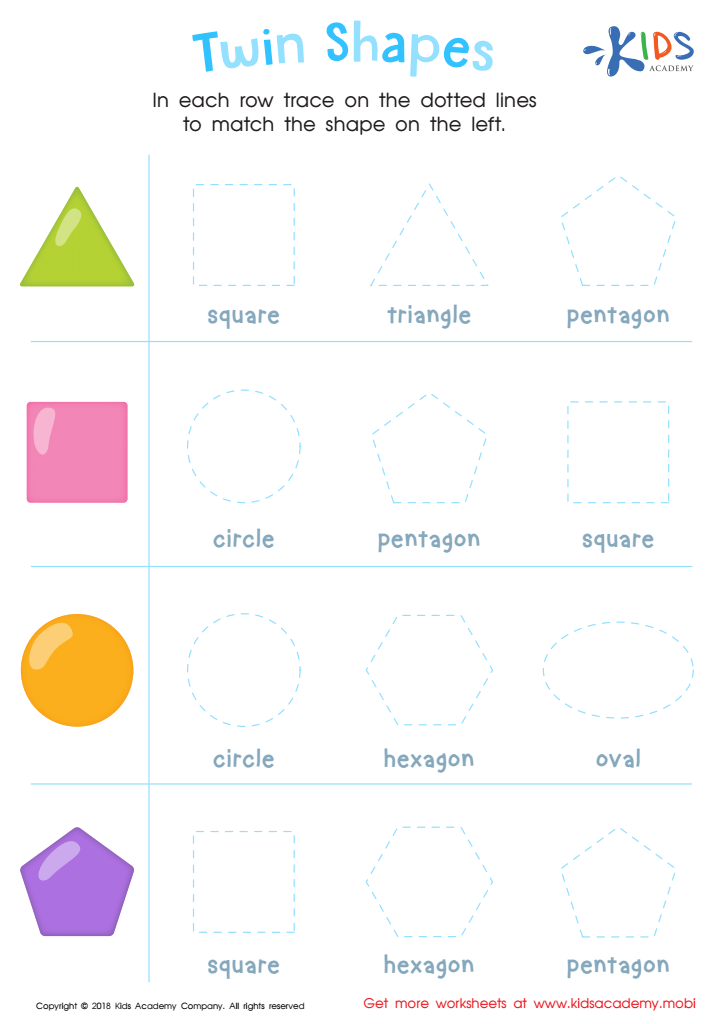
Twin Shapes Dot-to-Dot Worksheet
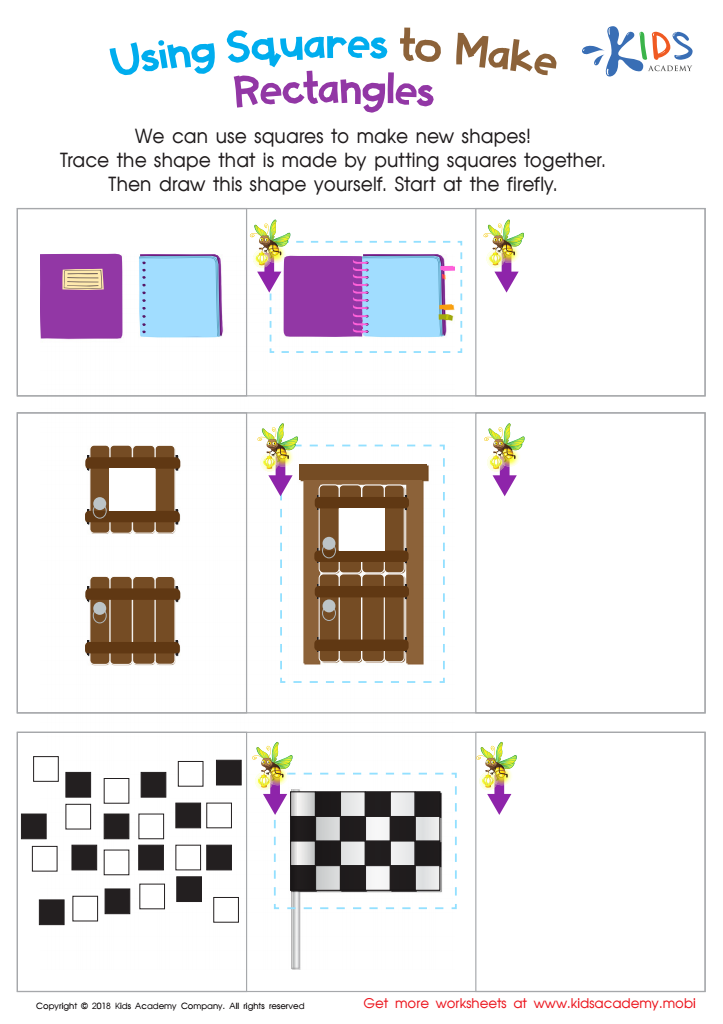
Using Squares to Make Rectangles Worksheet
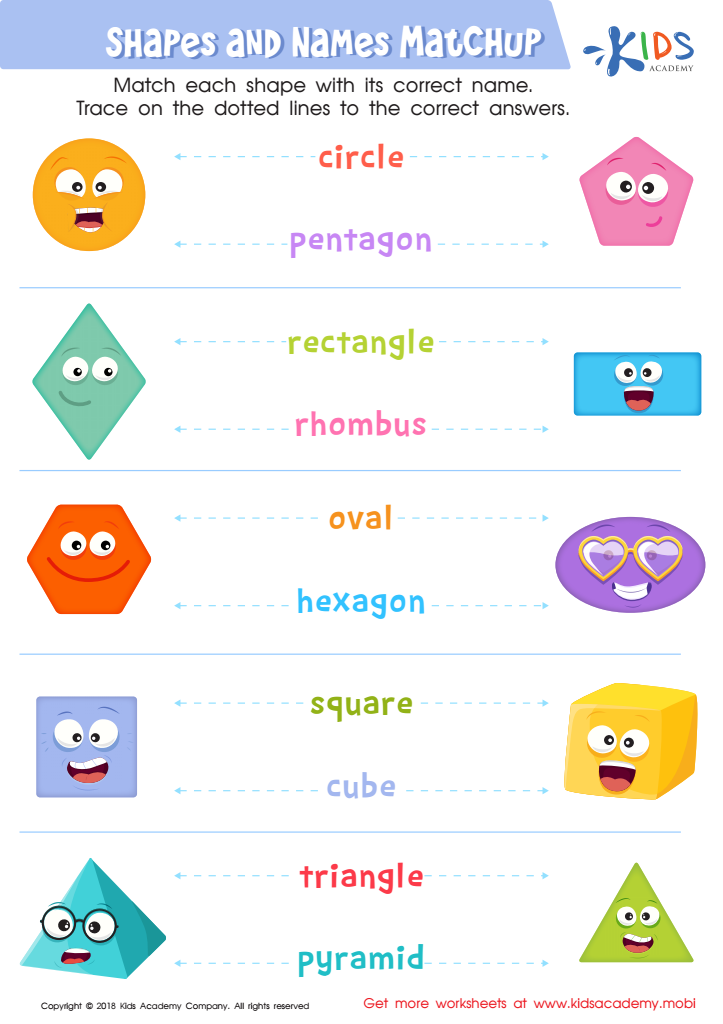
Shapes and Names Matchup Worksheet
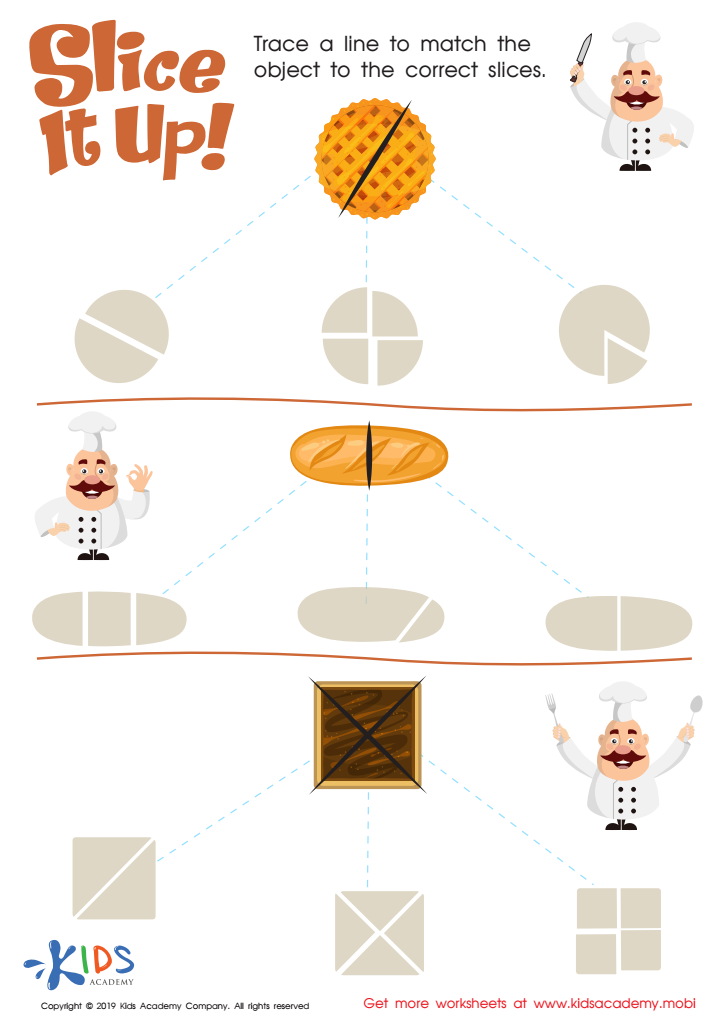
Slice It Up Worksheet
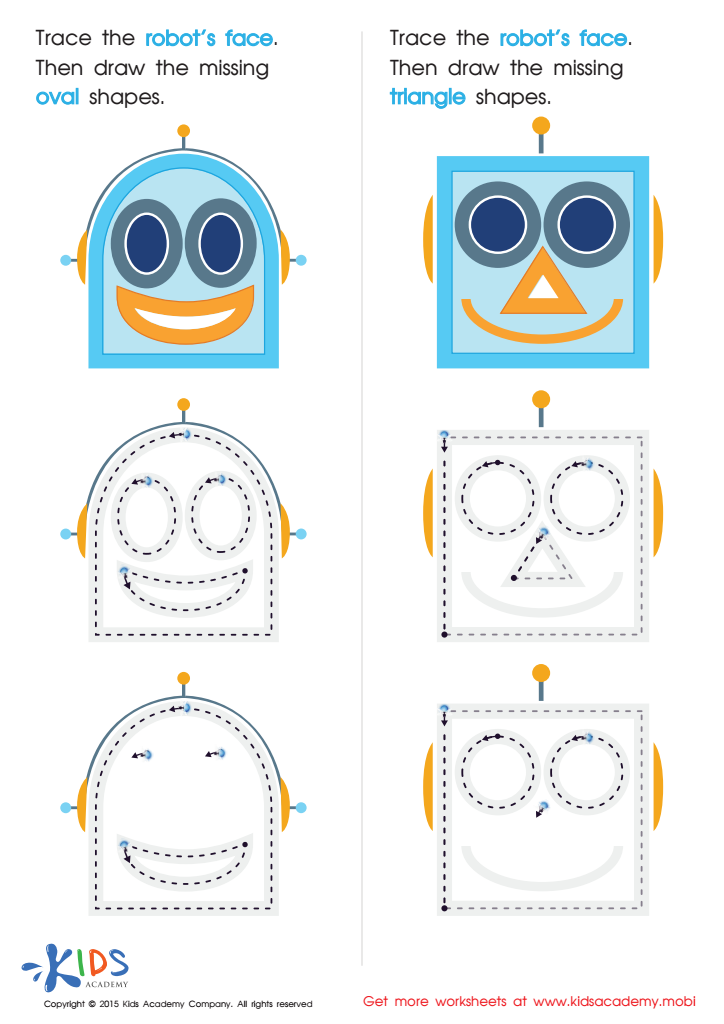
Drawing Ovals And Triangles with Fun Printable
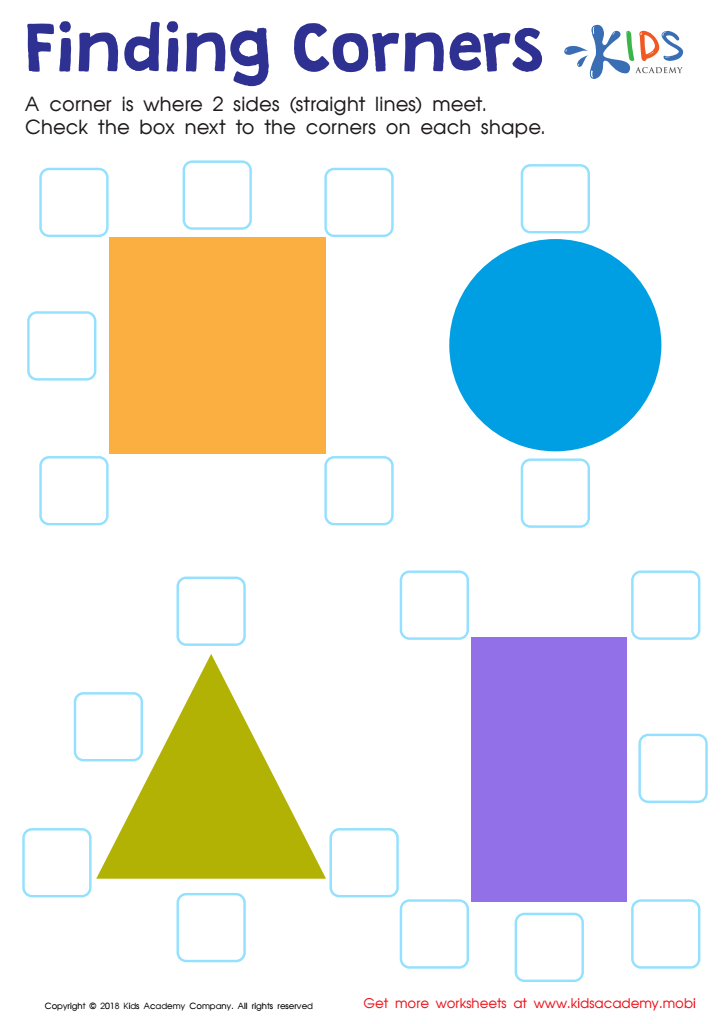
Finding Corners Worksheet
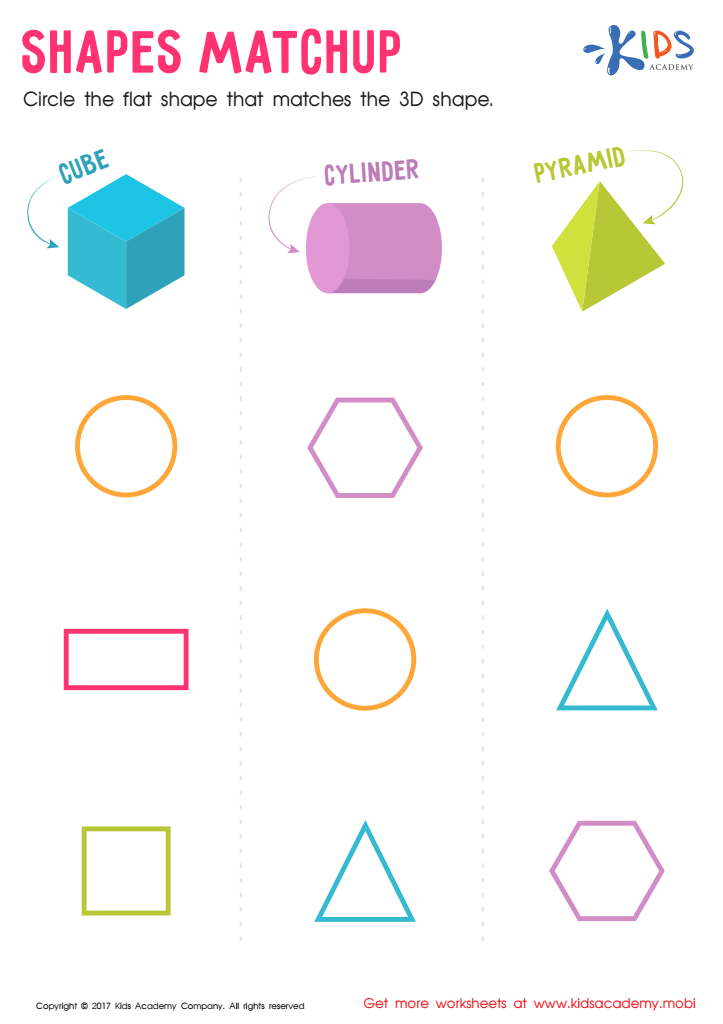
Shapes Matchup Worksheet
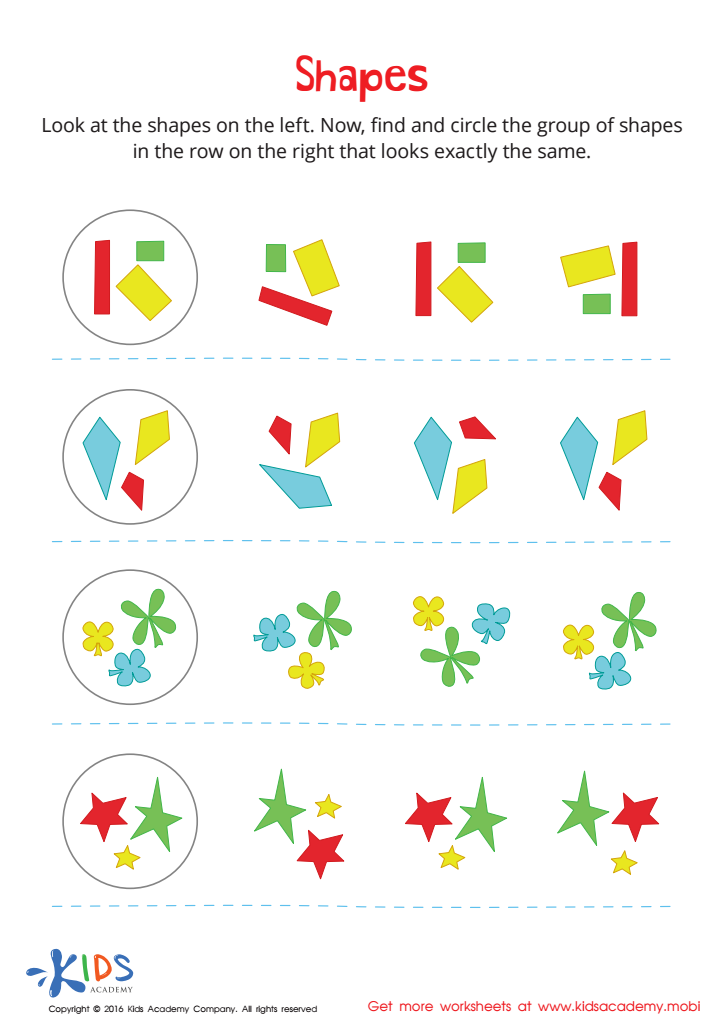
Shapes Worksheet
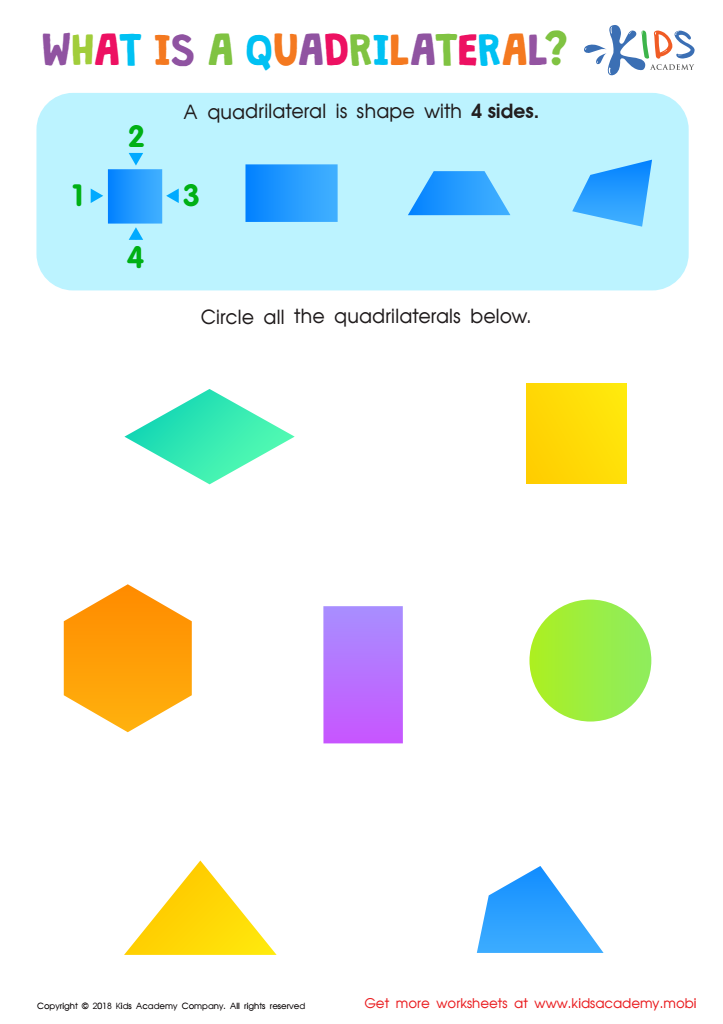
What Is a Quadrilateral? Worksheet
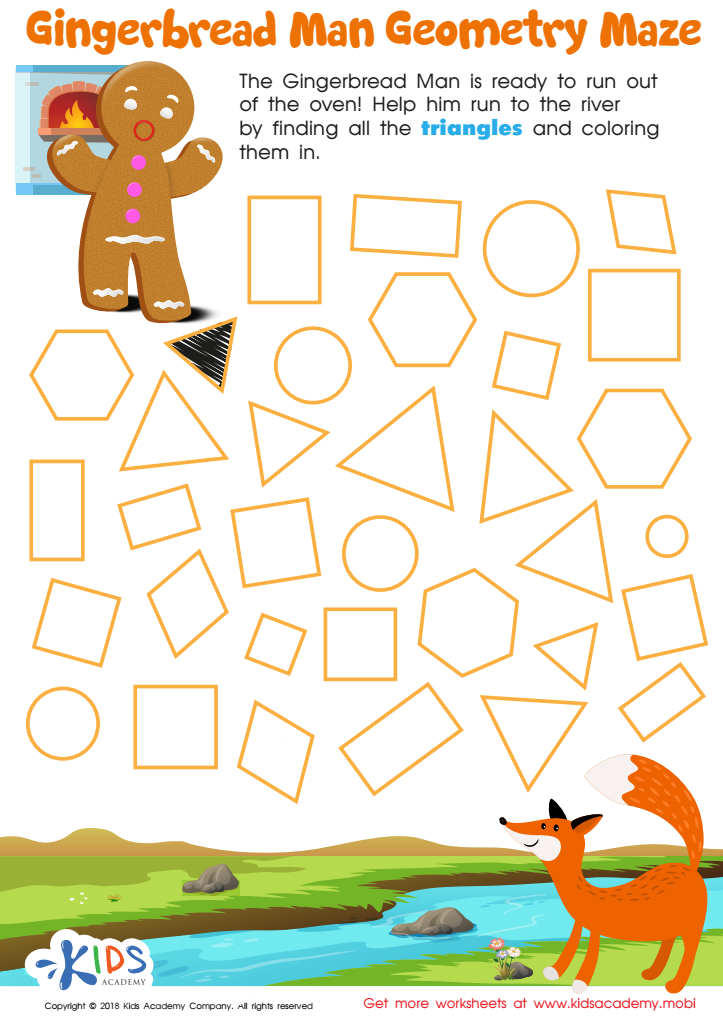
Gingerbread Man Geometry Maze Worksheet
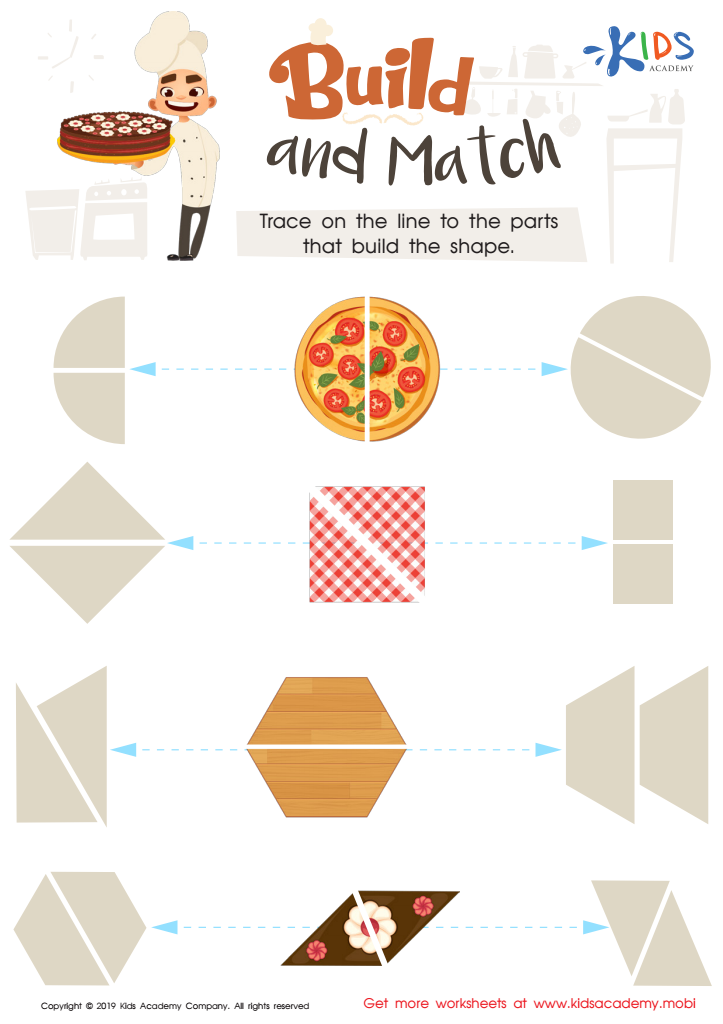
Build and Match Worksheet
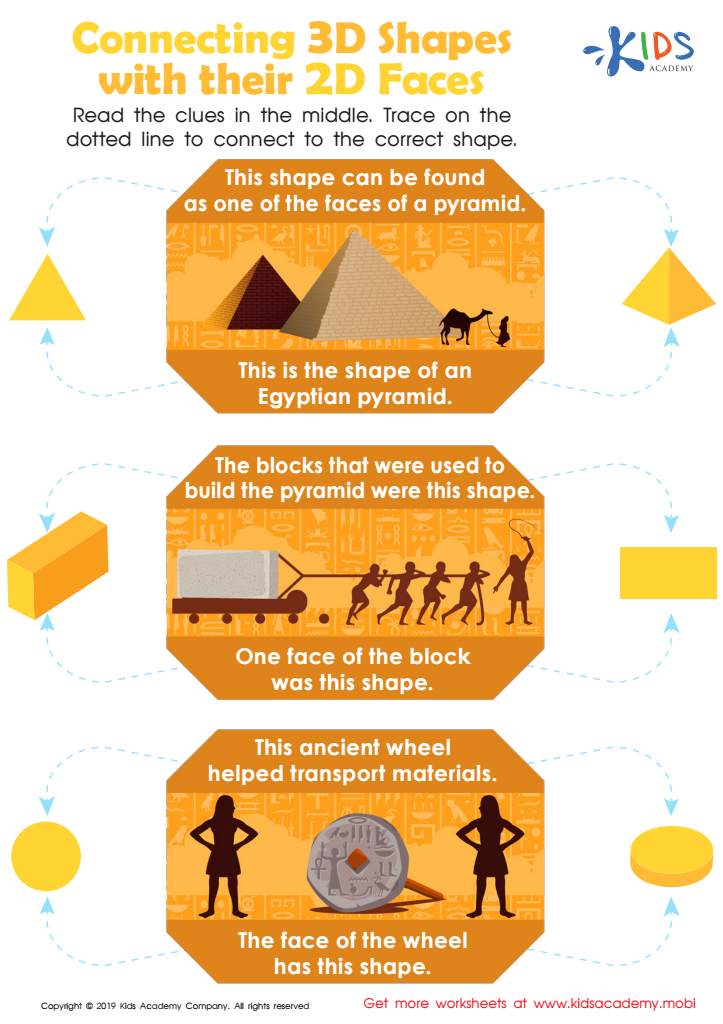
Connecting 3D Shapes with Their 2d Faces Worksheet








Understanding 2D shapes is crucial for children aged 6-9, as it lays the foundation for several essential skills in their development. At this age, children are honing their cognitive abilities, and shape recognition enhances spatial awareness, a skill necessary for mathematics and everyday problem-solving.
Learning about 2D shapes helps stimulate critical thinking, as kids categorize shapes by properties like sides and angles. This early exposure to geometry promotes logical reasoning, encouraging students to analyze and compare objects in their environment. Additionally, recognizing and drawing shapes supports fine motor skills, which are important for writing, art, and other functions.
From a practical perspective, shapes are everywhere in our lives—from road signs to architecture. Recognizing these shapes helps children navigate their surroundings safely and effectively. Engaging with shapes also fosters creativity; many art projects require understanding shapes for design and composition. Parents and teachers can incorporate fun activities, like shape scavenger hunts or building projects, making learning interactive and engaging.
By caring about 2D shapes, adults can nurture a child's mathematical confidence and curiosity, fueling a love for learning that can have long-lasting benefits in academia and beyond.