Chess Worksheets for Ages 7-9 - Page 4
86 filtered results
-
From - To
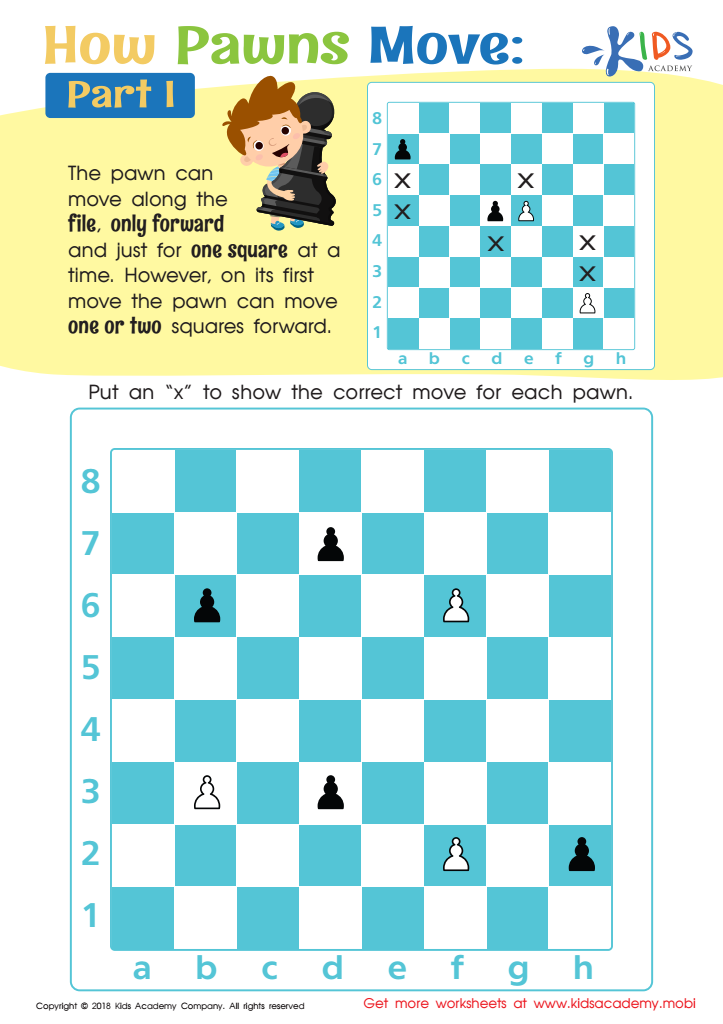
How Pawns Move: Part I Worksheet
 Assign to My Students
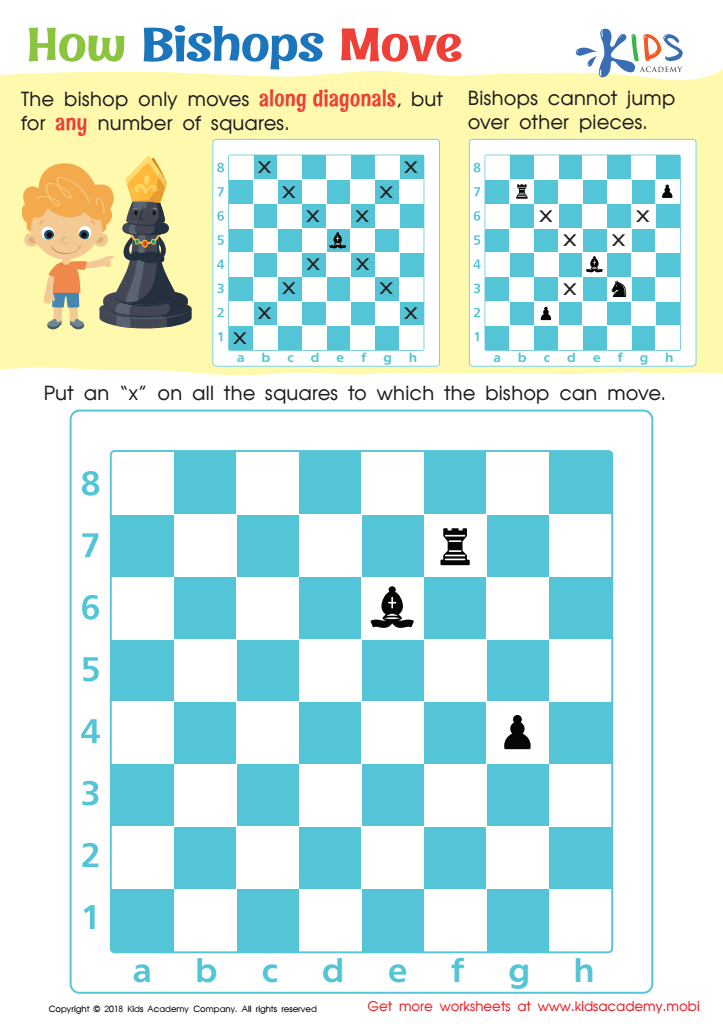
How Bishops Move Worksheet
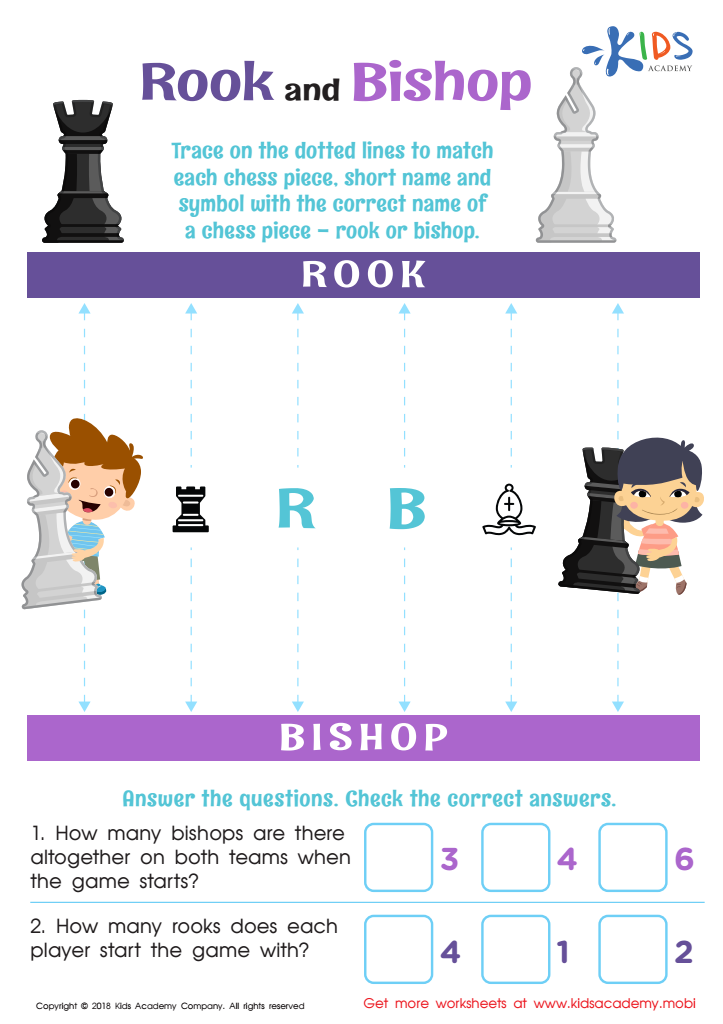
Rook and Bishop Worksheet
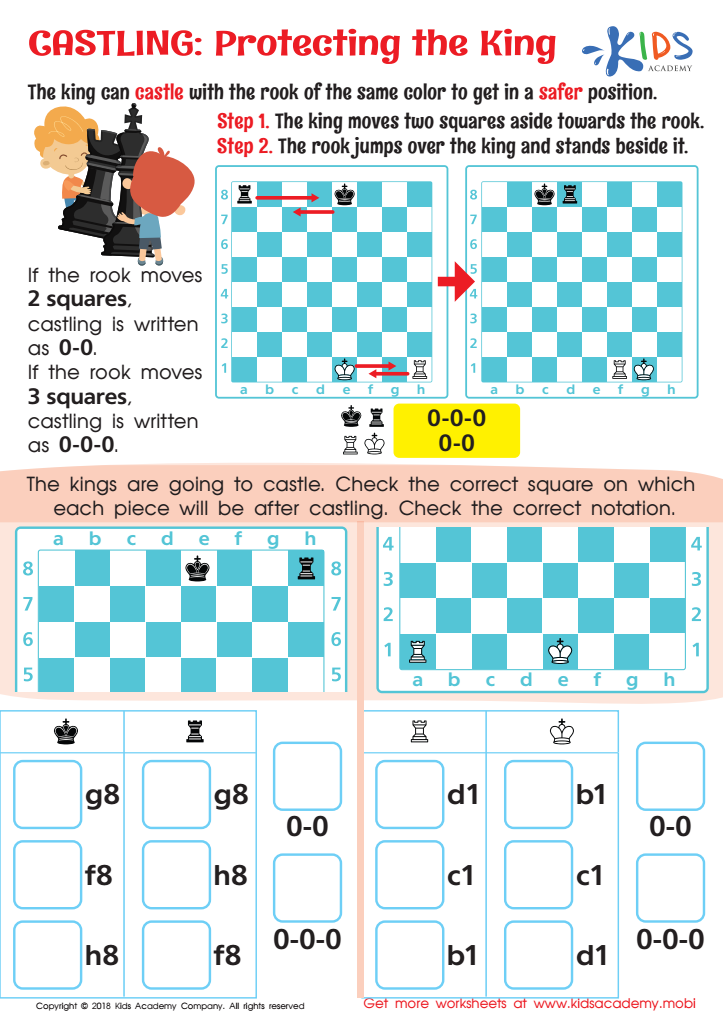
Castling: Protecting the King Worksheet
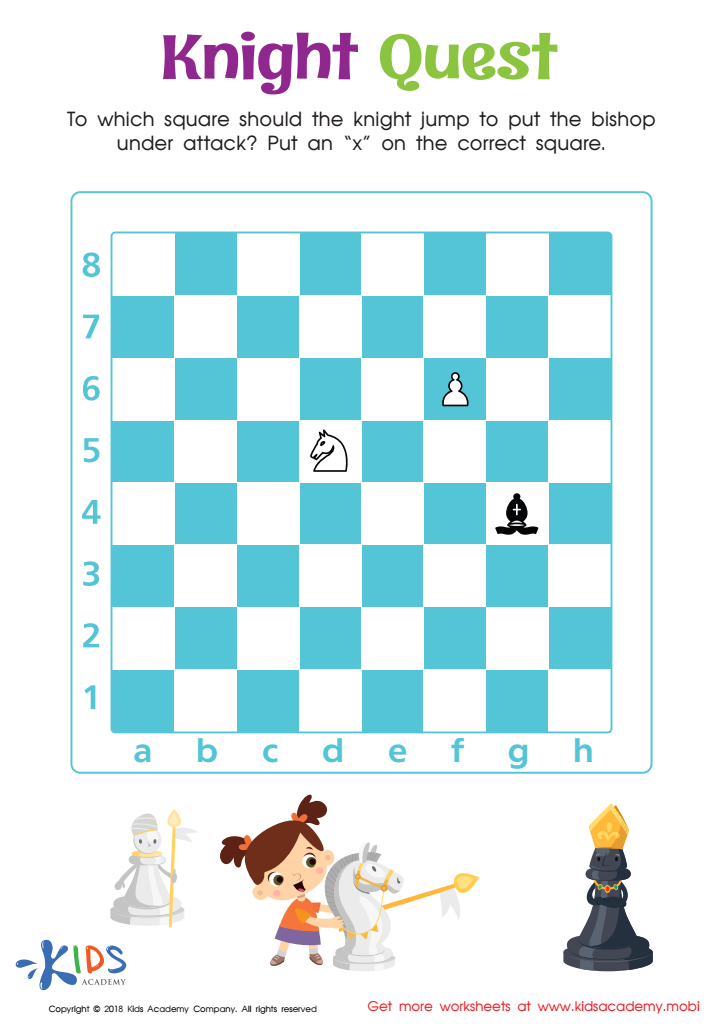
Knight Quest Worksheet
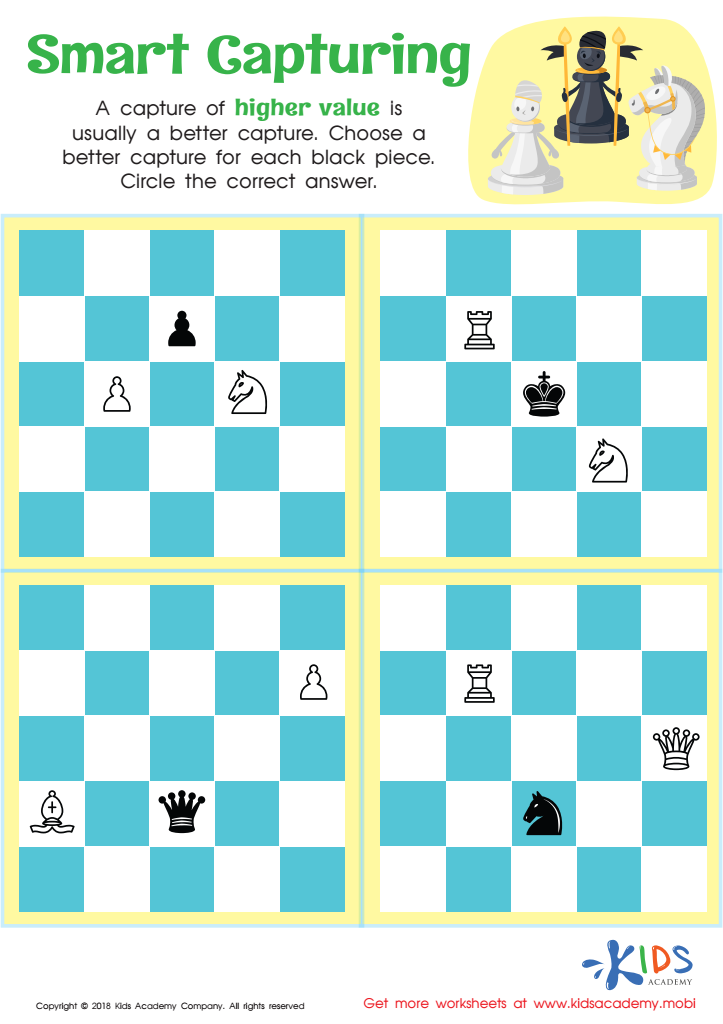
Smart Capturing Worksheet
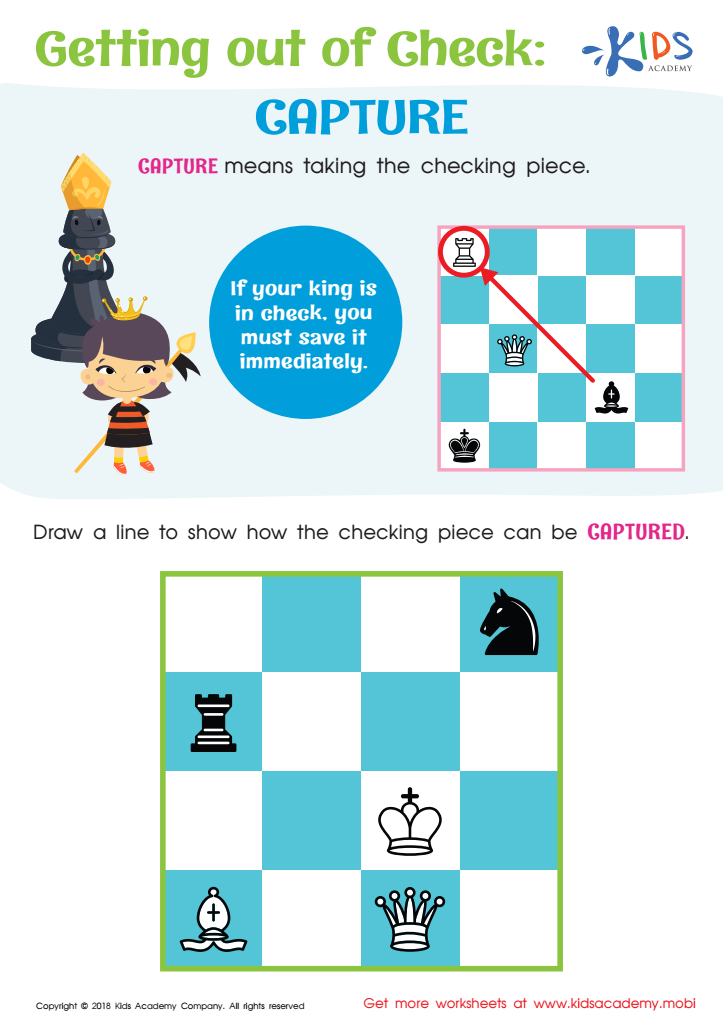
Getting out of Check: Capture
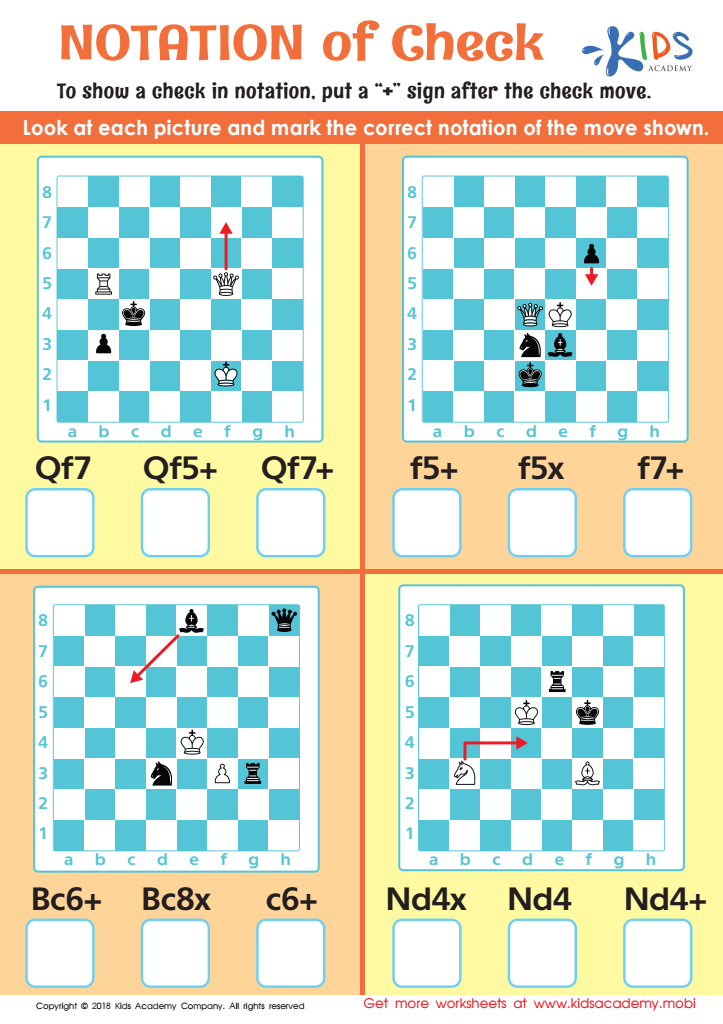
Notation of Check Worksheet
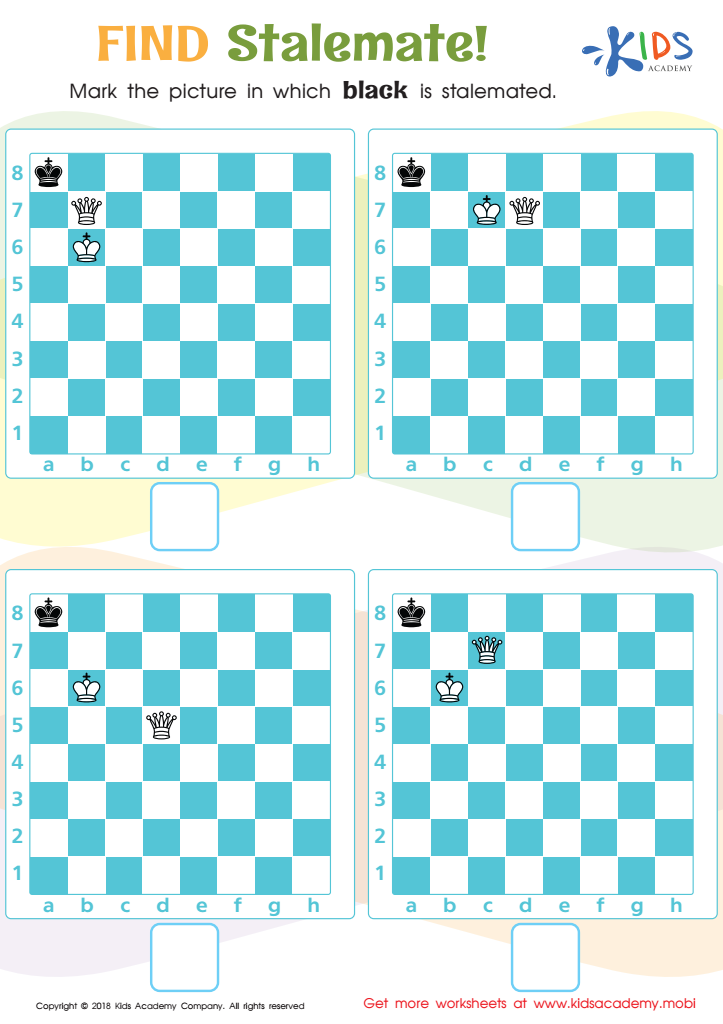
Find Stalemate! Worksheet
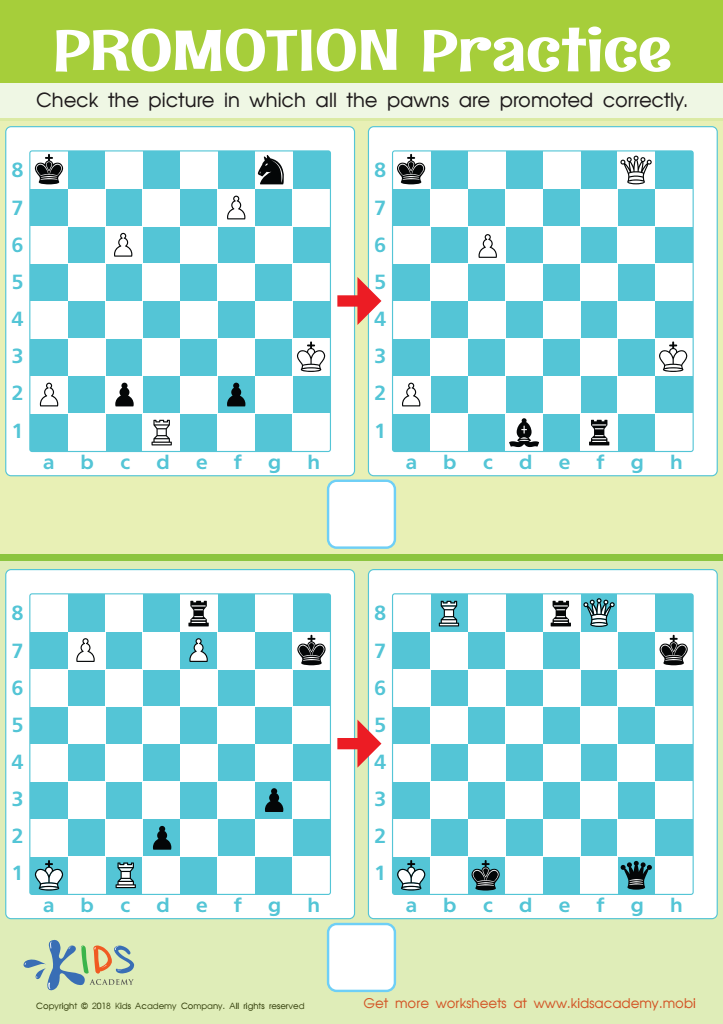
Promotion Practice Worksheet
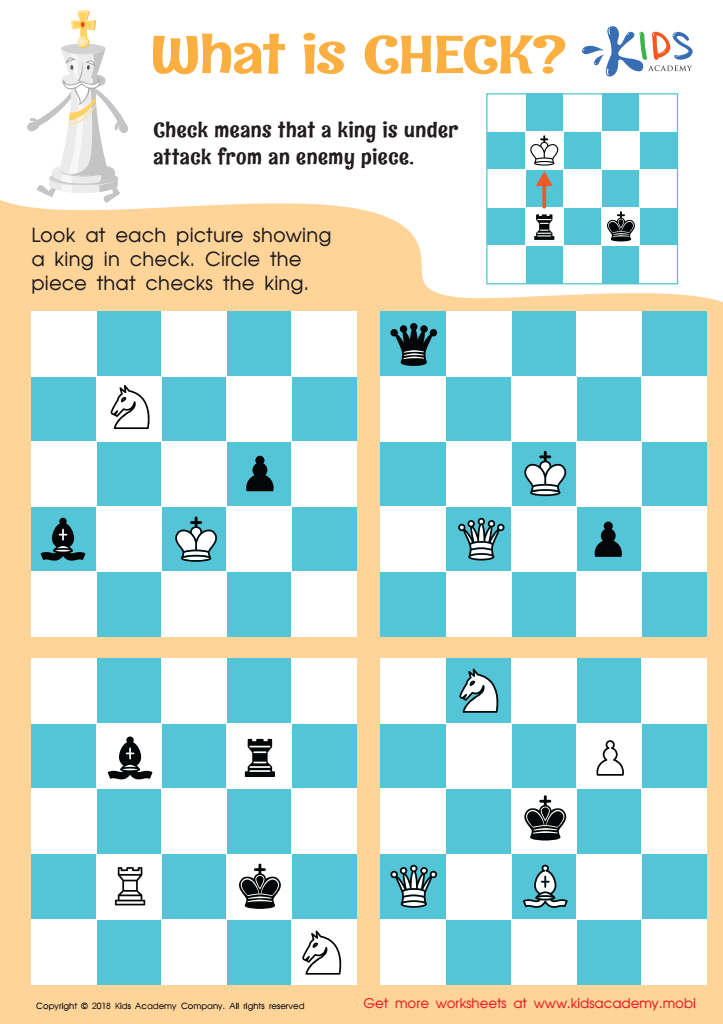
What is Check? Worksheet
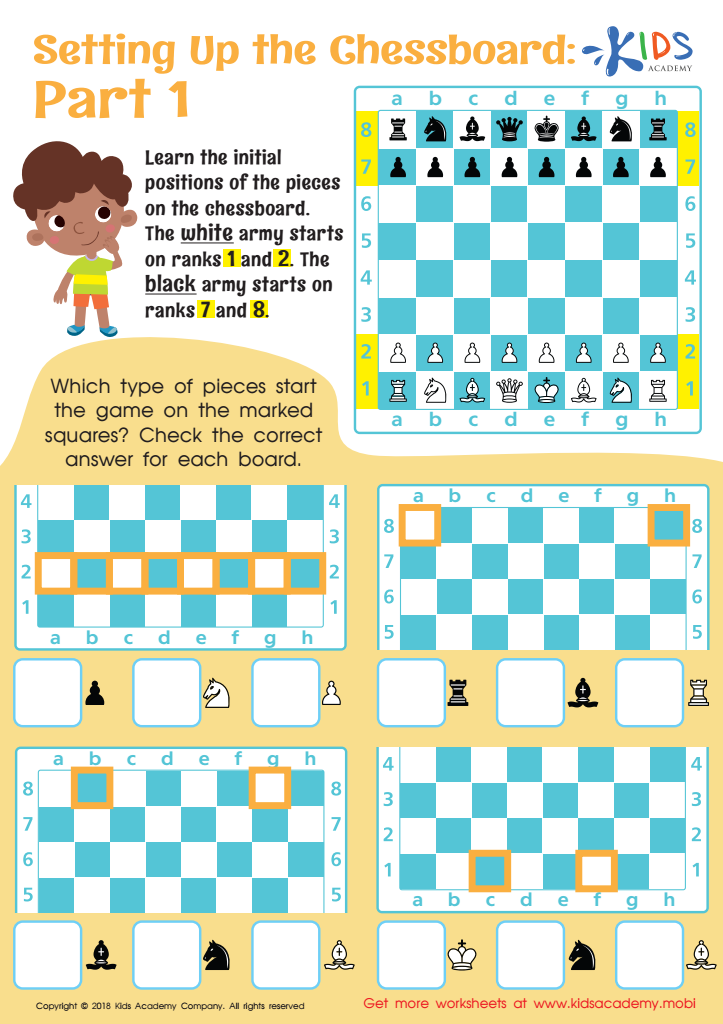
Setting up the Chessboard: Part 1 Worksheet
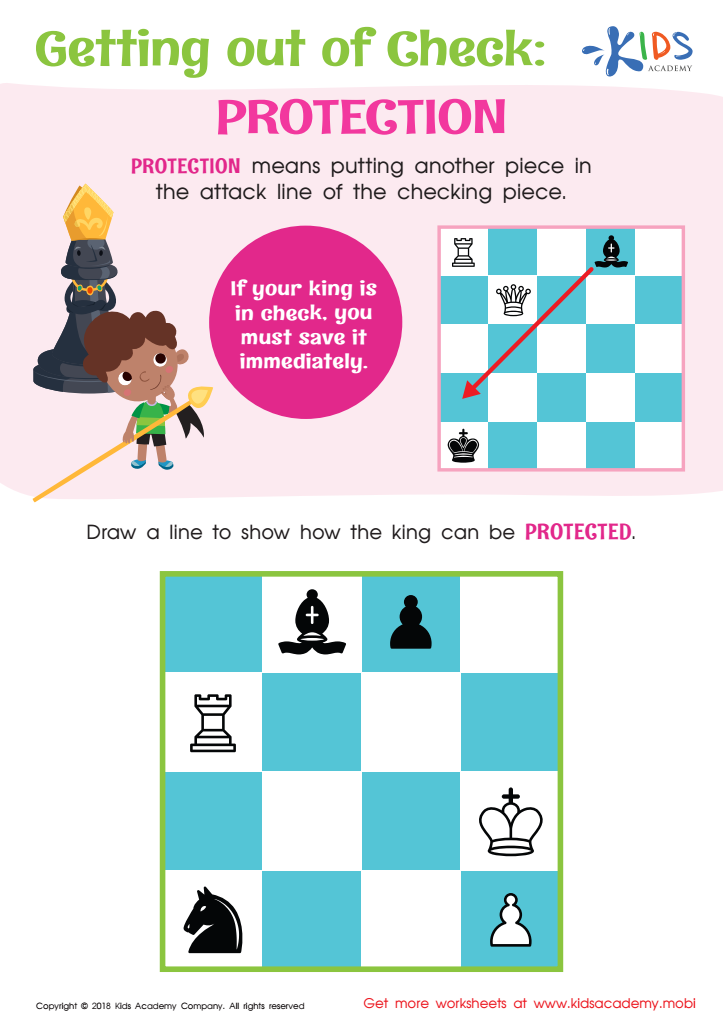
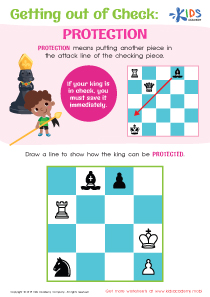
Getting out of Check: Protection
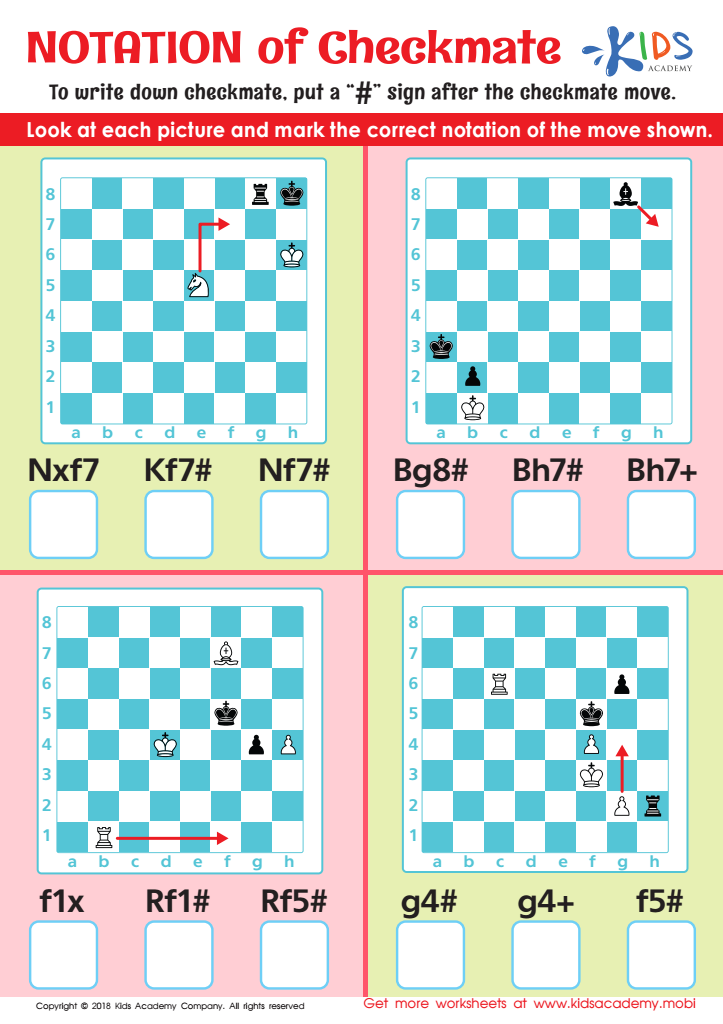
Notation of Checkmate Worksheet



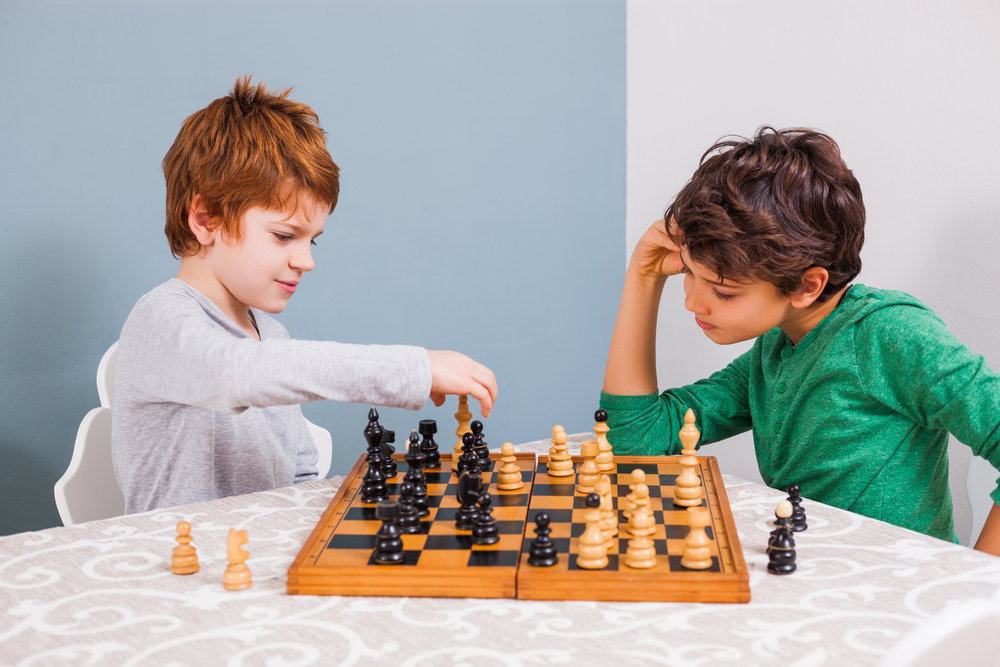



Chess is an invaluable educational tool for children aged 7-9, offering numerous cognitive, social, and emotional benefits. Engaging in chess helps enhance critical thinking and problem-solving skills, as players must evaluate multiple moves and consider consequences. This fosters strategic planning and the ability to anticipate an opponent's actions, skills that are transferable to academic situations.
Moreover, chess promotes patience and perseverance. Children learn to take their time to analyze positions and formulate strategies, which can translate to improved focus and concentration in the classroom. This level of engagement also encourages a growth mindset, where failures on the chessboard serve as learning experiences, teaching resilience.
Additionally, chess is an excellent way for children to develop social skills. Whether playing competitively or casually, kids learn sportsmanship, teamwork, and respect for others—values that are essential for collaboration and community-building.
For parents and teachers alike, fostering an interest in chess is an investment in children’s cognitive development and socio-emotional growth. By encouraging participation in chess, adults can help children build a solid foundation for future learning and personal growth, creating a fun and intellectually stimulating environment where they can thrive.