Geography Worksheets for Ages 7-9 - Page 3
52 filtered results
-
From - To
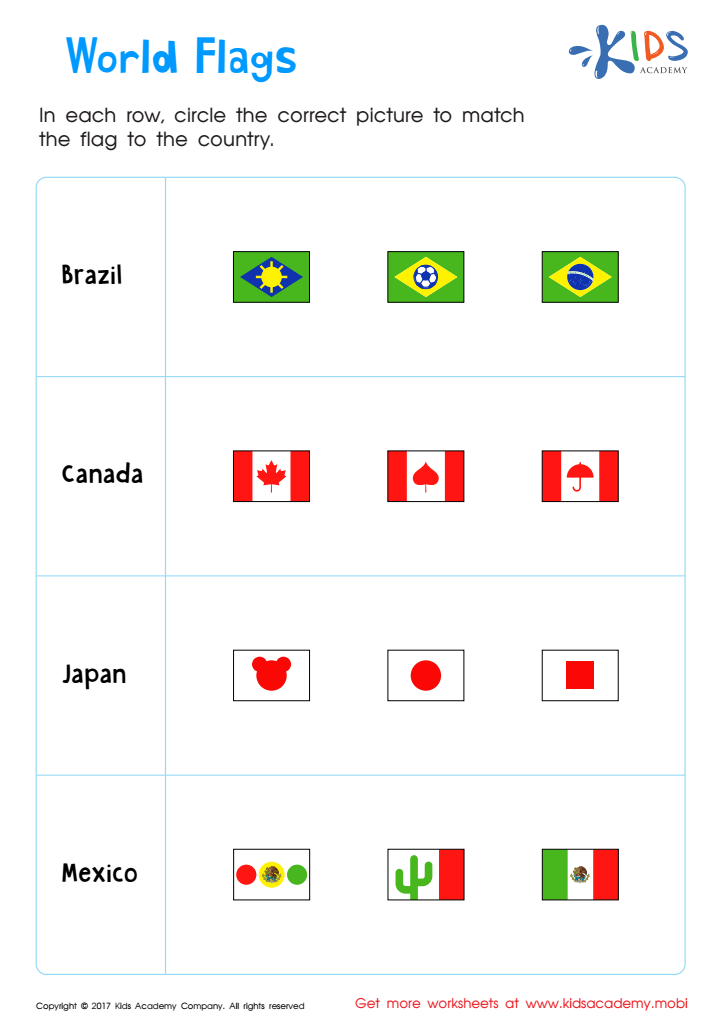
World Flags Printable
 Assign to My Students
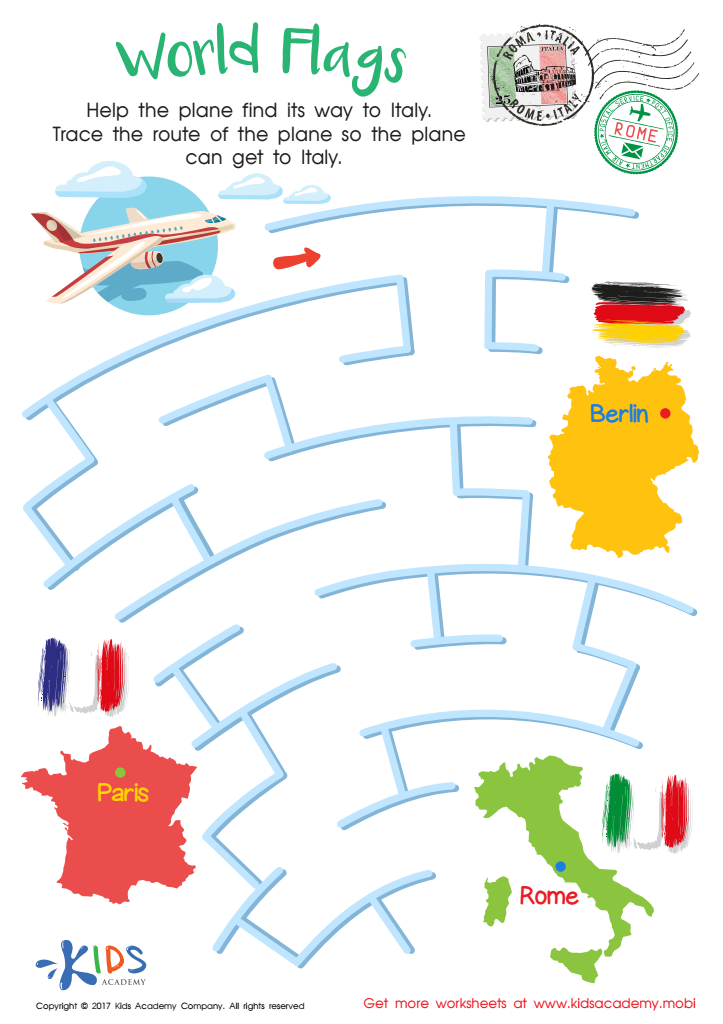
World Flags Maze Worksheet
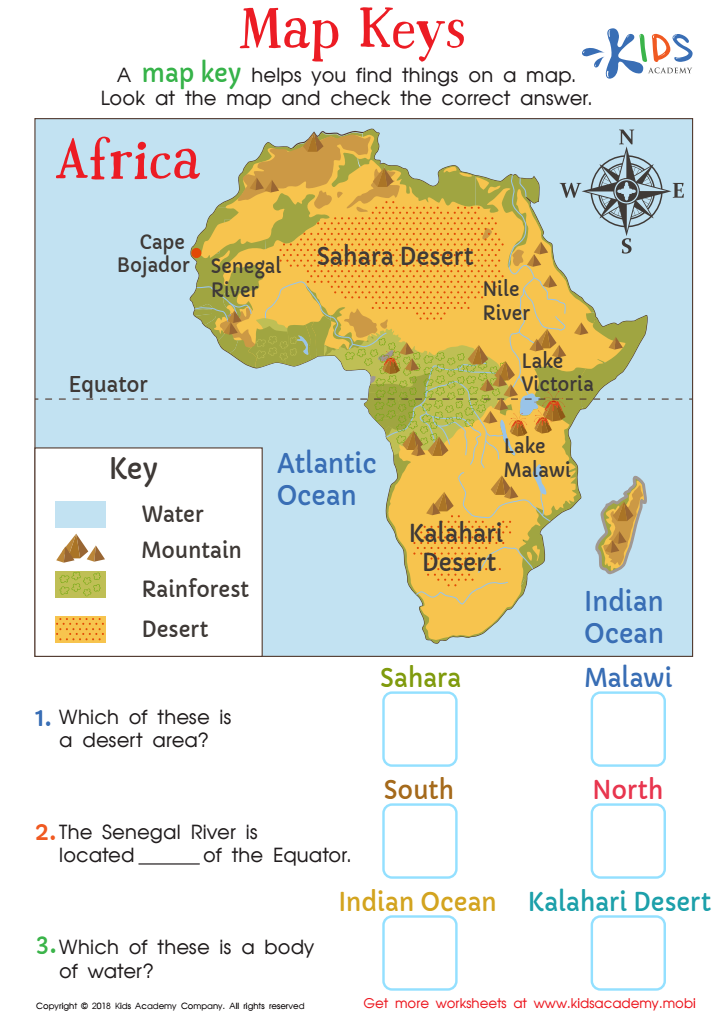
Map Keys Worksheet
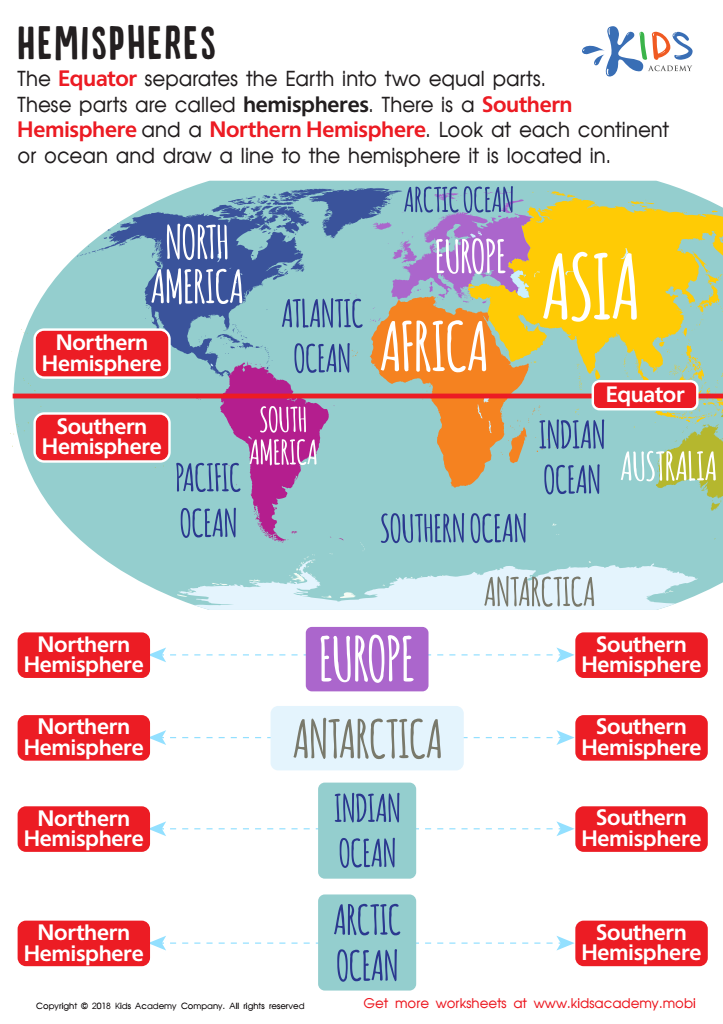
Hemispheres Worksheet






Introducing geography to children ages 7-9 is vital because it serves as a cornerstone for their understanding of the world. At this impressionable stage, children are naturally curious about their surroundings and eager to learn. Geography helps satisfy this curiosity by teaching them about different countries, cultures, landscapes, and climates.
Knowledge of geography broadens children's horizons beyond their immediate environment. It fosters empathy and respect for diverse ways of life and encourages appreciation for their own heritage and environment. This is crucial in our interconnected world, where understanding global cultures can promote tolerance and cooperation.
Furthermore, geography integrates various educational skills. Learning about maps enhances spatial thinking and problem-solving abilities. Discussing physical features like mountains or rivers introduces basic geology and environmental science concepts. Following current events and understanding their locations sharpens analytical skills and connects classroom learning to real-world applications.
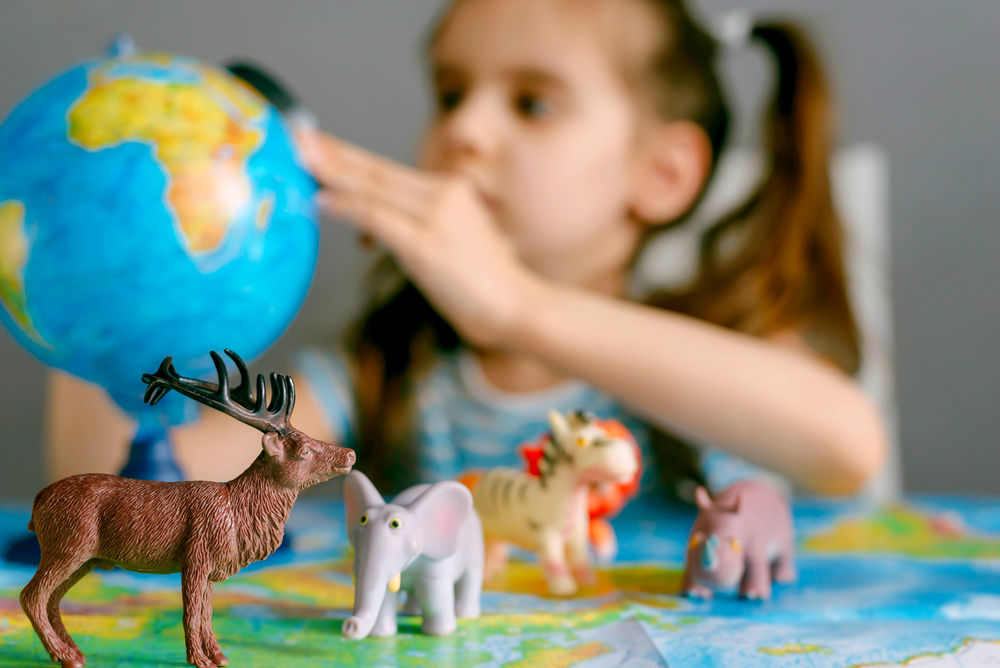
Teachers can incorporate fun, interactive activities such as map-making, globe exploration, and cultural storytelling to make geography an engaging subject. Parents, too, can play a role by discussing travel experiences, watching documentaries together, or even organizing mini-projects on different countries.
In sum, studying geography lays a comprehensive foundation that enriches children's cognitive development, cultural awareness, and social understanding, making it an essential component of early education.