Reading comprehension Reading Worksheets for Ages 8-9 - Page 2
109 filtered results
Difficulty Level
Grade
Age
-
From - To
Subject
Activity
Standards
Favorites
With answer key
Interactive
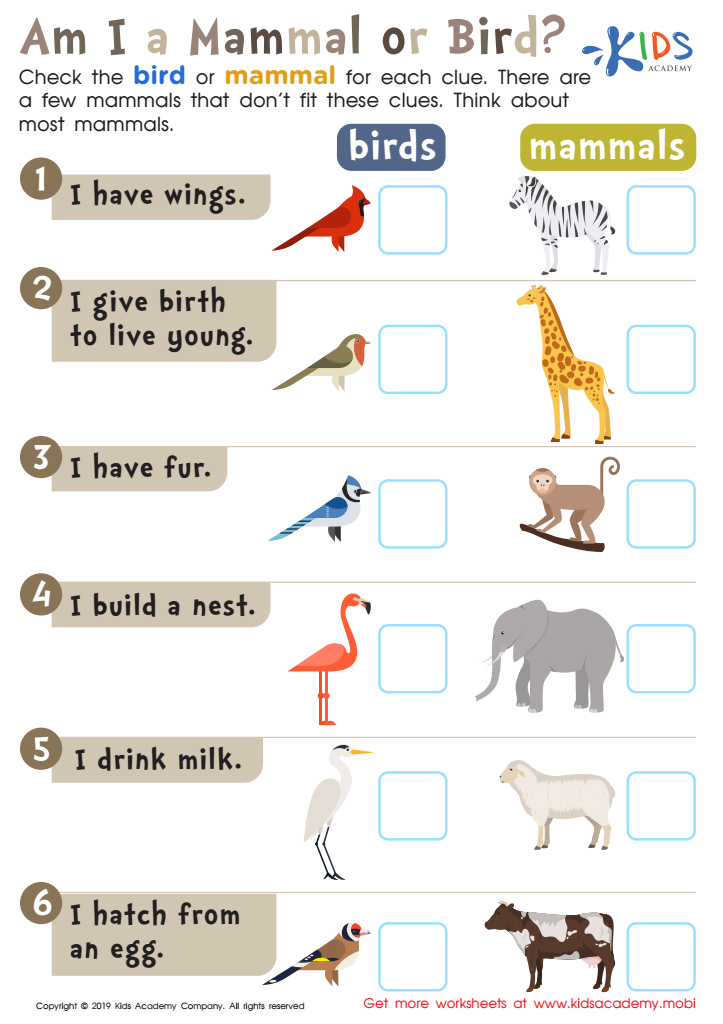
Am I a Mammal or Bird? Worksheet
We categorize animals into groups such as mammals, birds, reptiles, etc. This worksheet helps kids understand the difference between birds and mammals. Read through the clues and think about each one. Then decide if it describes a bird or mammal, check the box and complete!
 Assign to My Students
Am I a Mammal or Bird? Worksheet
Worksheet
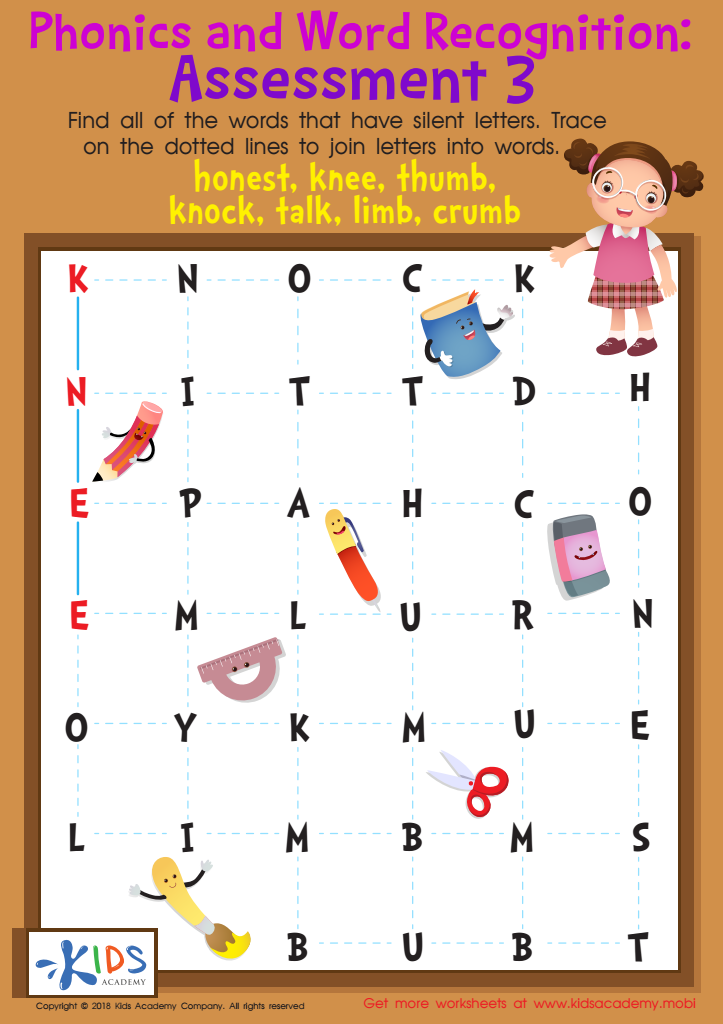
Phonics and Word Recognition: Assessment 3 Worksheet
Silent letters can be tricky for kids learning to read and write. Show them how they work with words like 'knee' and 'dumb'. Then, challenge them to come up with their own. Give them a worksheet with silent letters and trace the lines to join the letters into words.
Phonics and Word Recognition: Assessment 3 Worksheet
Worksheet
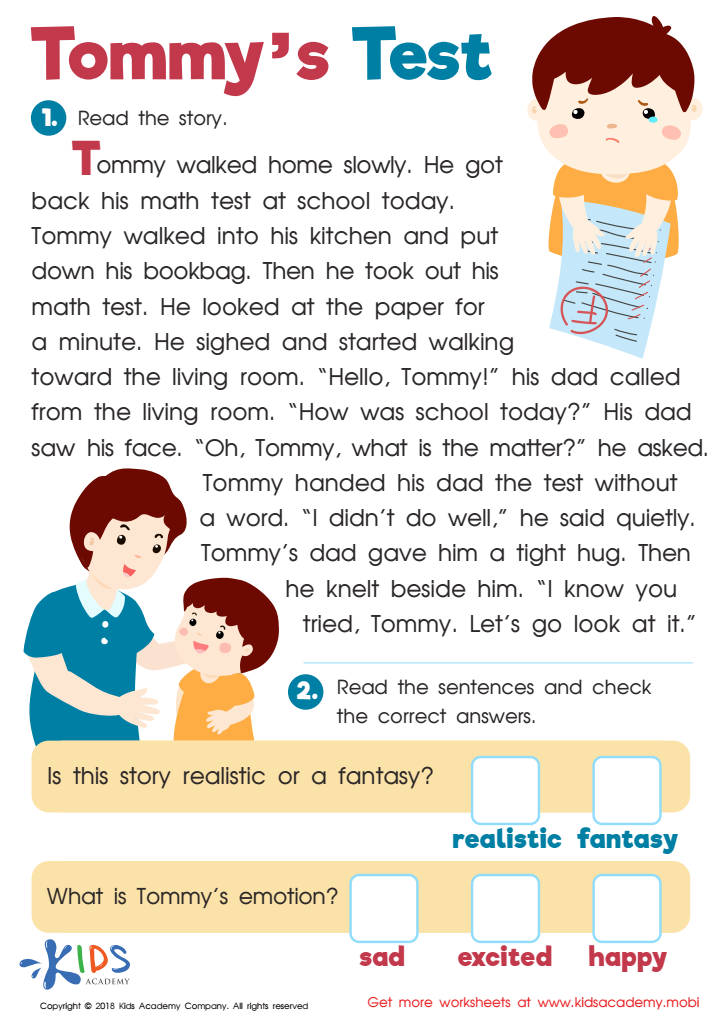
Tommys Test Worksheet
Reading short stories to your students builds a bond, teaches new words and lessons. Read the story aloud and then have them listen for details. Ask them the questions at the bottom and help them check the answers.
Tommys Test Worksheet
Worksheet
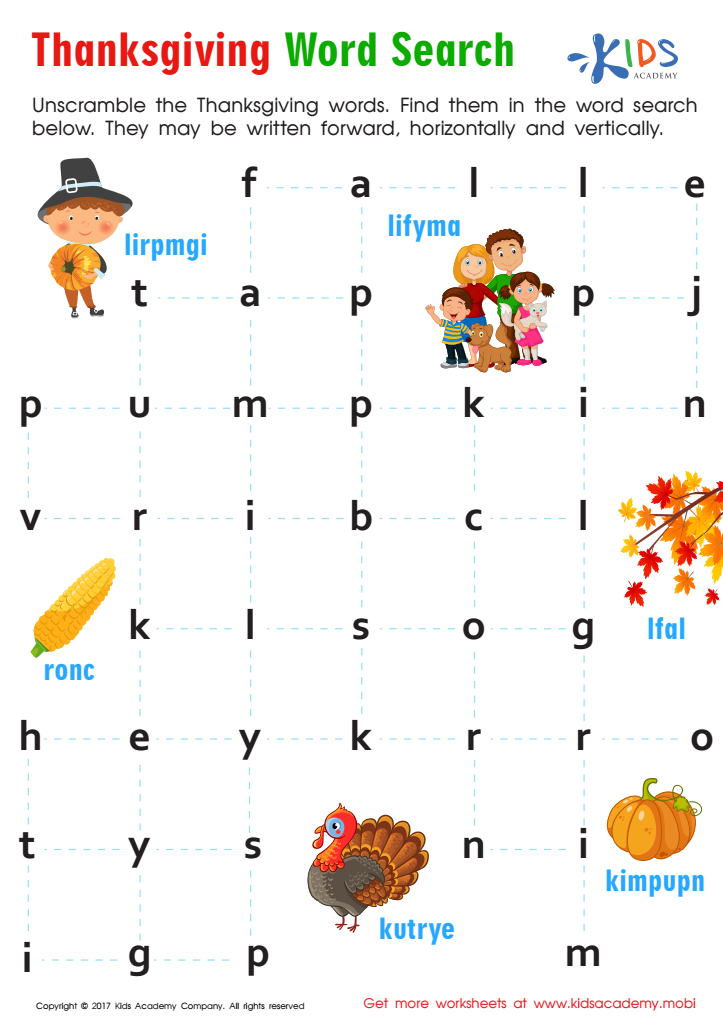
Thanksgiving Word Search Sight Words Worksheet
Unscramble letters to find Thanksgiving-themed sight words with this free worksheet! It's an exciting way to boost your child's reading skills. Download the PDF and enjoy!
Thanksgiving Word Search Sight Words Worksheet
Worksheet
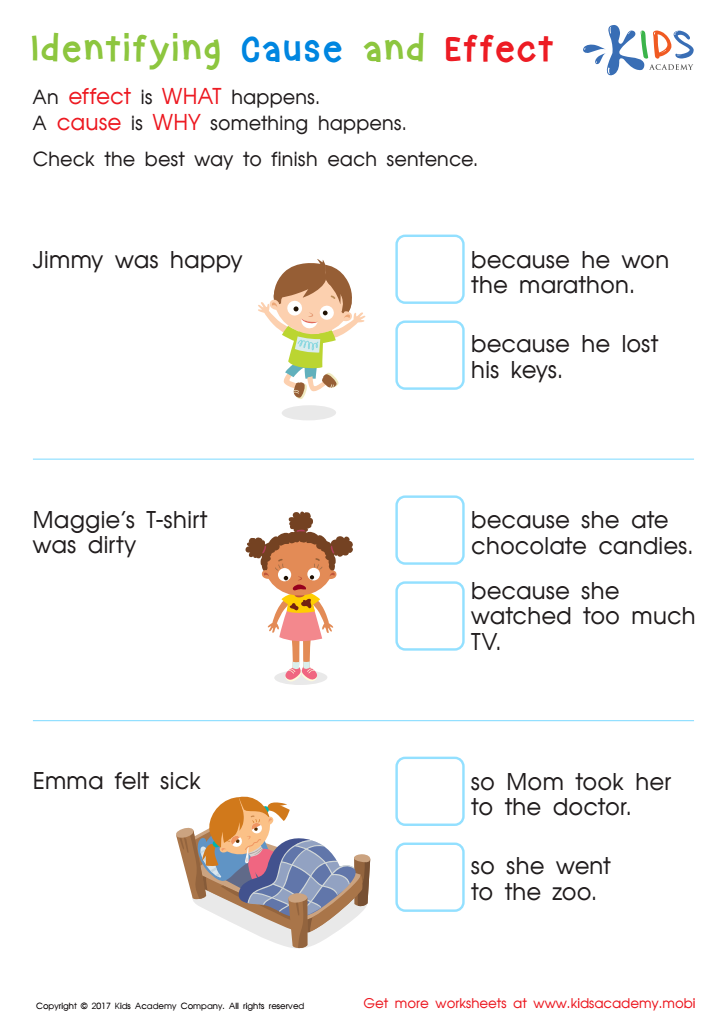
Indentifying Cause and Effect Worksheet
2nd grade cause & effect worksheets give your child practice making connections between events and their results. Fun activities help develop reading and critical thinking skills.
Indentifying Cause and Effect Worksheet
Worksheet
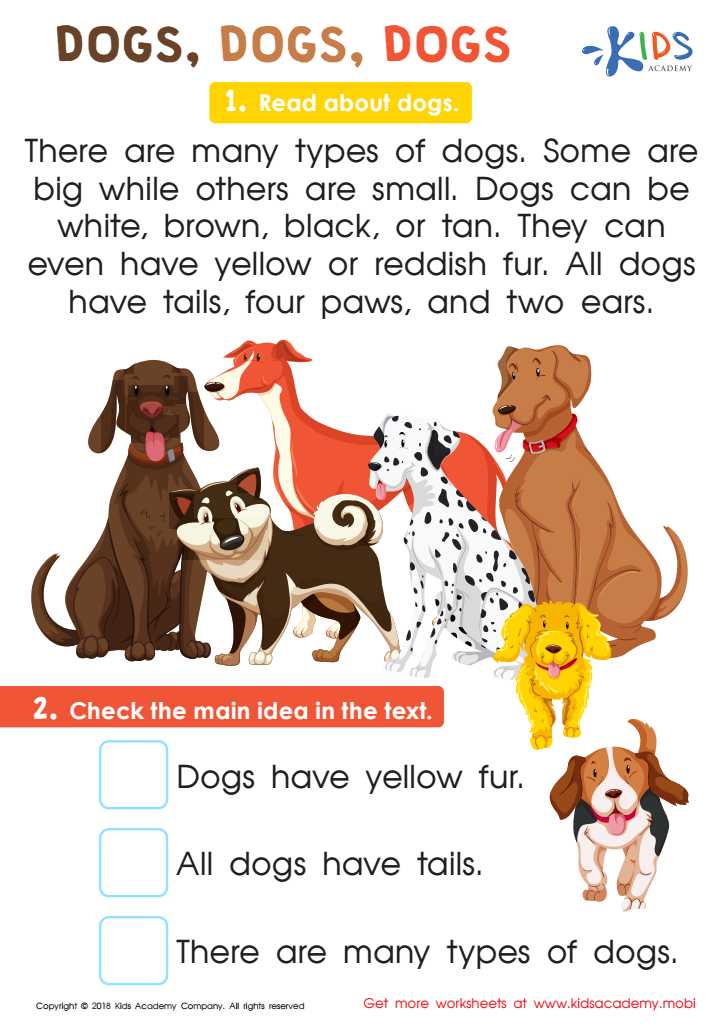
Dogs, Dogs Worksheet
Help your child understand main ideas with this fun doggy worksheet from Kids Academy! Have them read the passage and then discuss the main idea. After that, have them read the answer choices and pick the right one. This will help your kiddo hone their critical reading comprehension skills!
Dogs, Dogs Worksheet
Worksheet
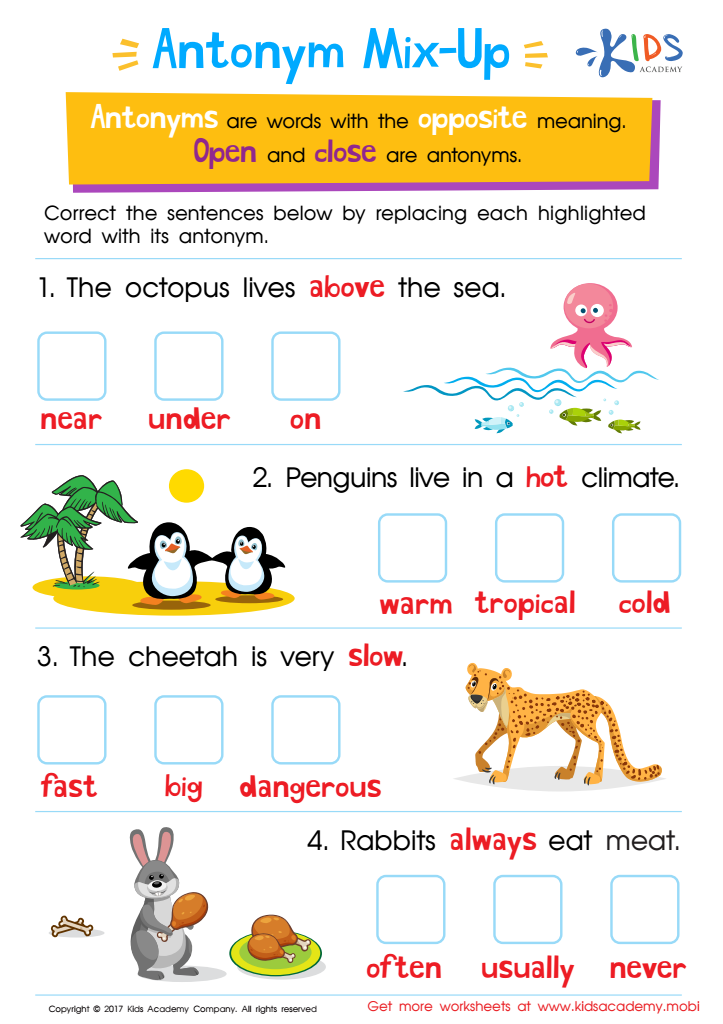
Vocabulary Antonyms Worksheet
Learning antonyms can be enjoyable and effortless! They are words that express the contrary of their meanings. This worksheet offers your kid a new word for words with contradictory interpretations, with vibrant pictures and fun phrases for an enjoyable learning experience.
Vocabulary Antonyms Worksheet
Worksheet
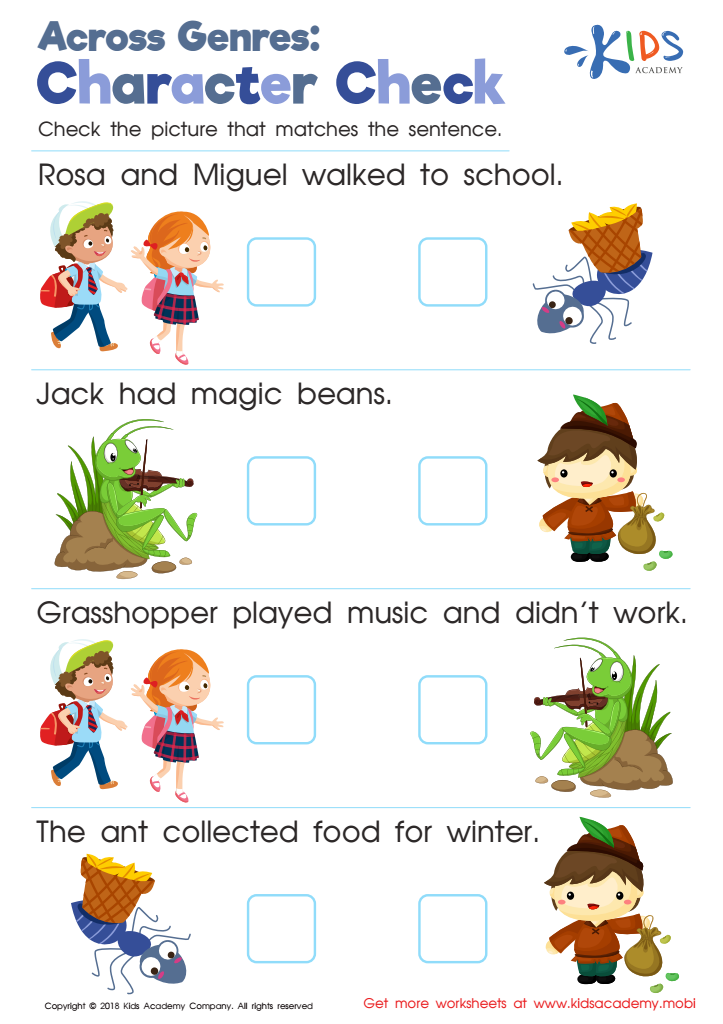
Across Genres: Character Check Worksheet
Read the sentences to your kids, then have them match the pictures to them. Ask them to look at the pictures and help them check which one goes with the sentence. The aim is to see how well they can do this exercise. (80 words)
Across Genres: Character Check Worksheet
Worksheet
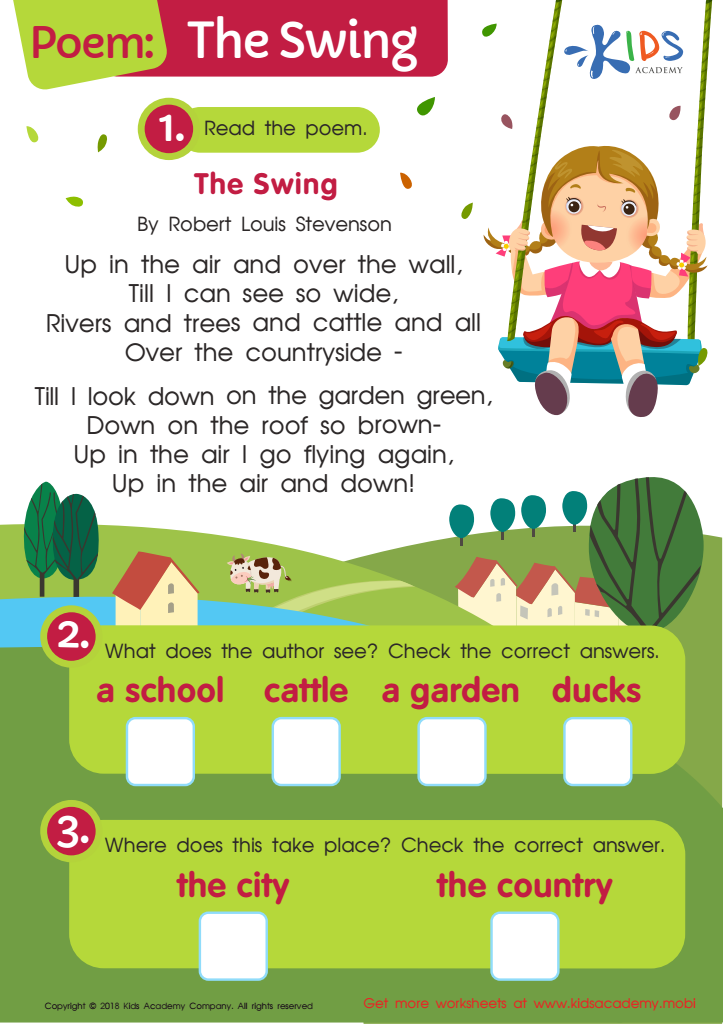
Poem: The Swing Worksheet
Encourage your child's love of writing by displaying their poems on the fridge or walls. This worksheet focuses on a swing, something your child enjoys, and contains questions to help your child think more deeply about the poem. Read it together, then answer the questions and watch as your child's creativity and writing skills blossom!
Poem: The Swing Worksheet
Worksheet
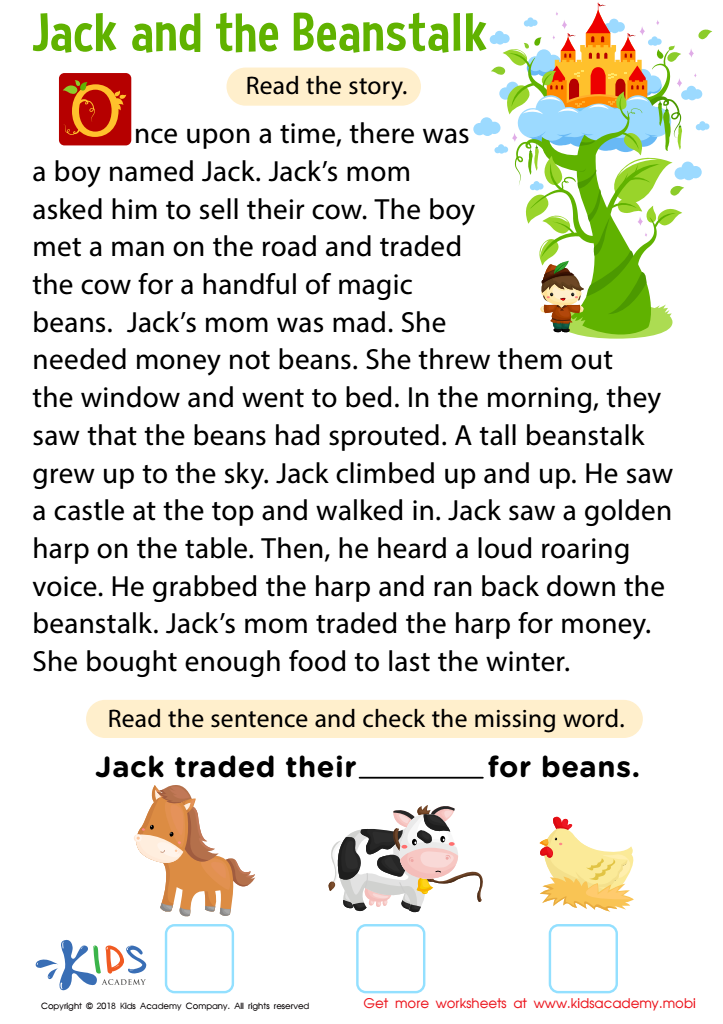
Jack and Beanstalk Worksheet
Story time can be a fun and educational experience for your kids. Read them the classic Jack and the Beanstalk - and even read it twice to help them pay attention. Afterwards, help them fill in the blank on the worksheet to expand their vocabulary and learn more from the story.
Jack and Beanstalk Worksheet
Worksheet
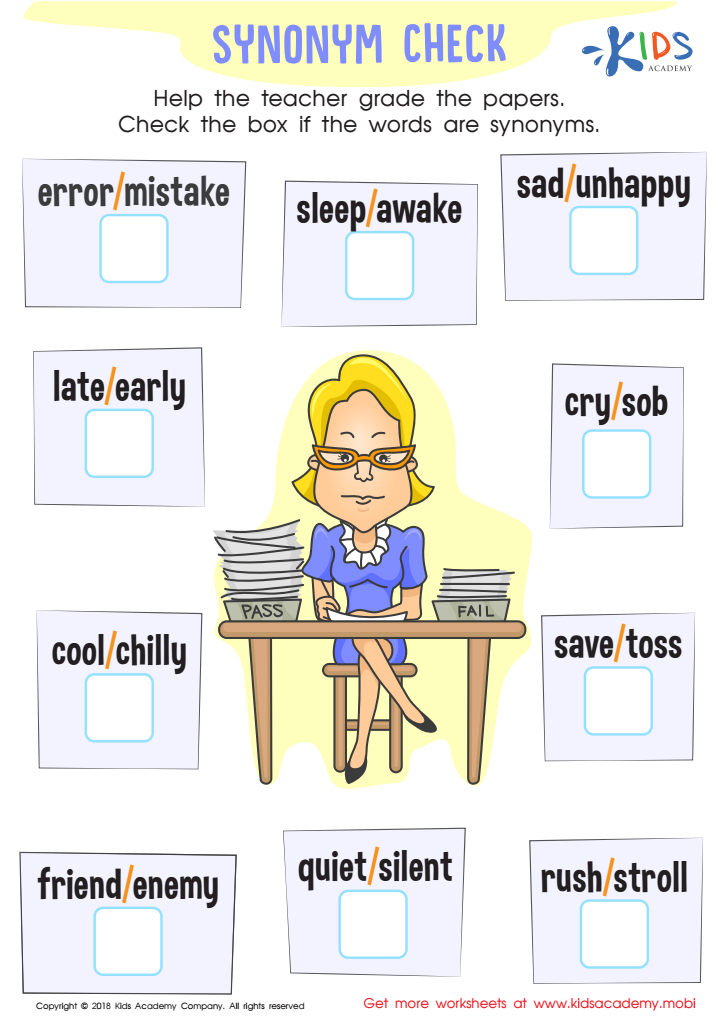
Synonym Check Worksheet
Ask your kids what a synonym is, and listen to their definitions. If needed, explain it's a word that has a similar meaning to another. Give examples, then ask them to do the same. For this worksheet, get them to help grade the papers. Have them check the boxes if the words are synonyms.
Synonym Check Worksheet
Worksheet
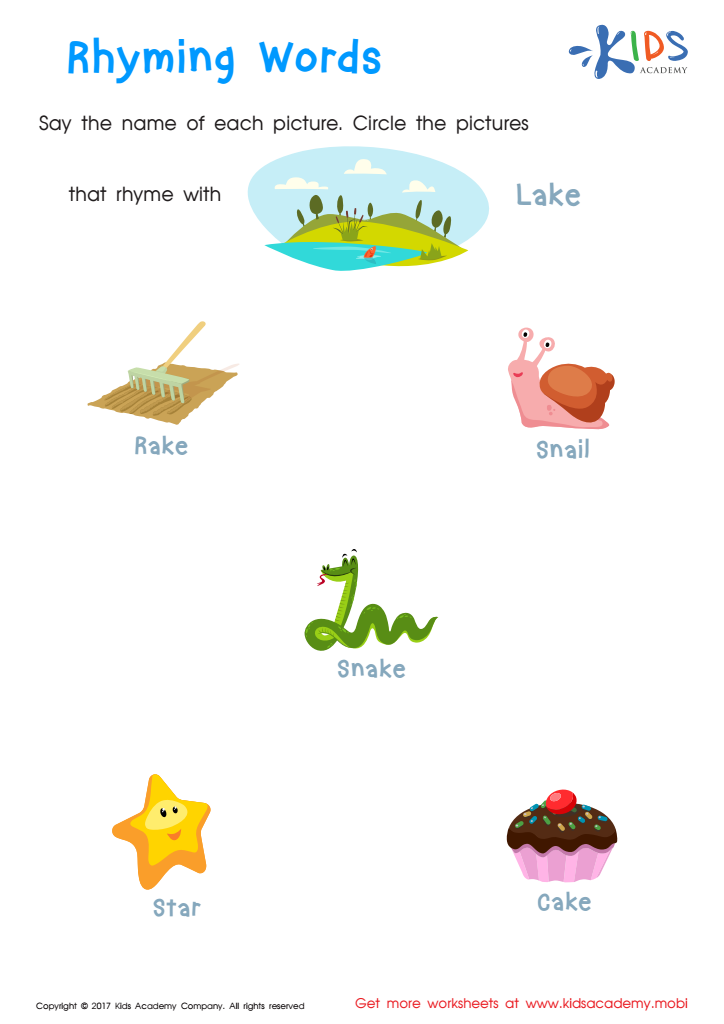
Rhyming Words Rhyming Worksheet
This worksheet is great for honing pre-reading skills. It helps kids make connections between pictures and written words, use problem-solving, and recognize sounds and words that rhyme. Have fun exploring rhyming words with your child, and they'll be rhyming in no time!
Rhyming Words Rhyming Worksheet
Worksheet
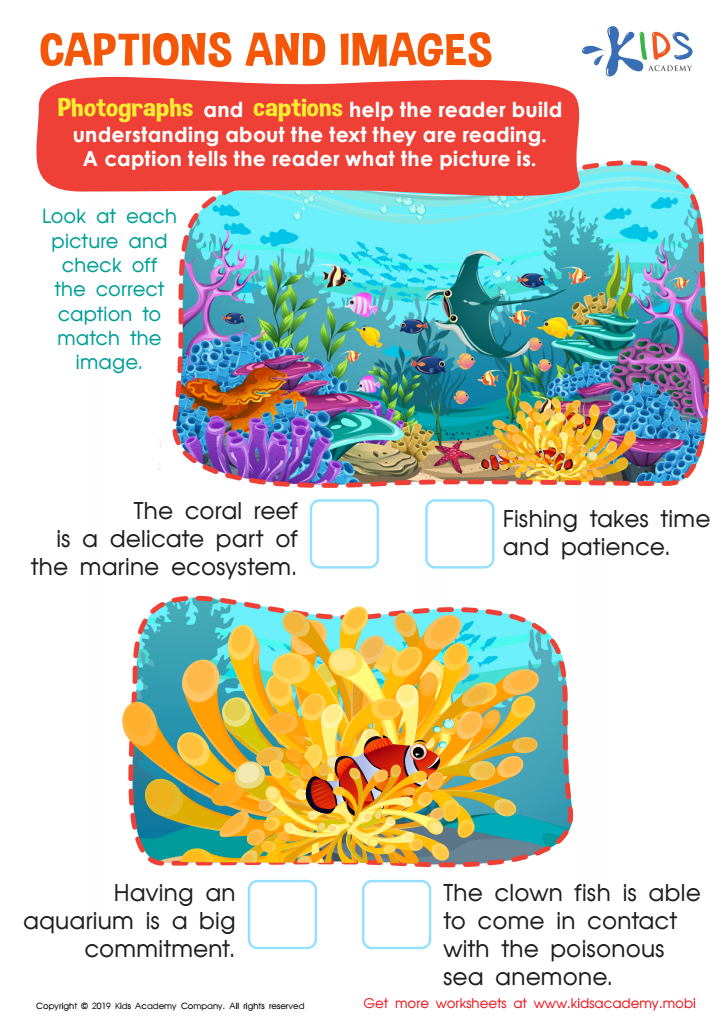
Captions and Images Worksheet
Pictures and captions can aid understanding. That's why many children's books have them. Have your kids look at the pictures in the worksheet, then help them match the right caption to each image. This will help them understand the story.
Captions and Images Worksheet
Worksheet
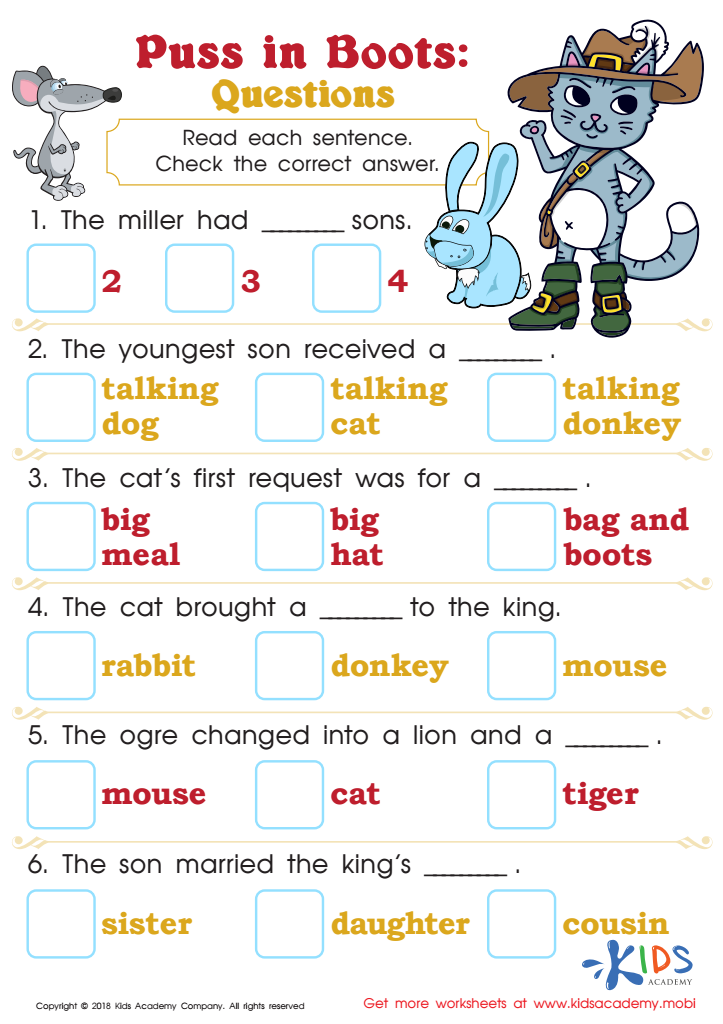
Puss in Boots: Questions Worksheet
This worksheet contains questions to be checked with boxes for the correct answers. It also has pictures of animals; ask kids to identify them, noting the objects with them. Read the questions and have kids provide the answers. Help them check the boxes for the right answer.
Puss in Boots: Questions Worksheet
Worksheet
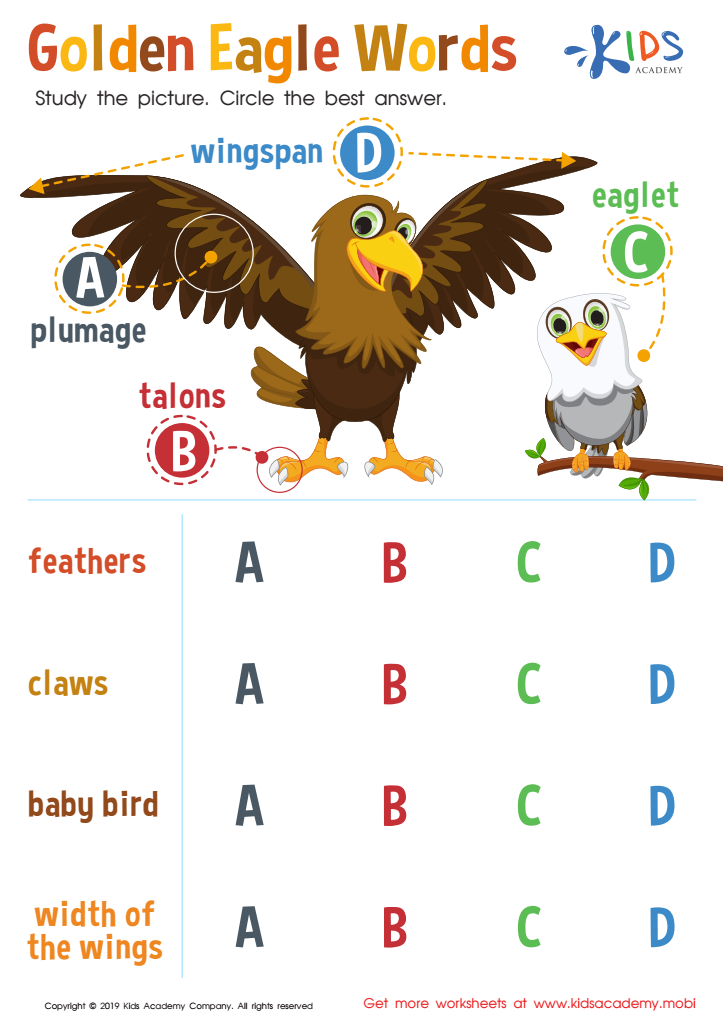
Golden Eagle Words Worksheet
Learning about animals is fun and this worksheet makes it more exciting! An adorable image of a golden eagle's wings is at the top, followed by new vocabulary words. Help your child match them by circling the correct answer. It's a great way to learn about the regal bird and its baby!
Golden Eagle Words Worksheet
Worksheet
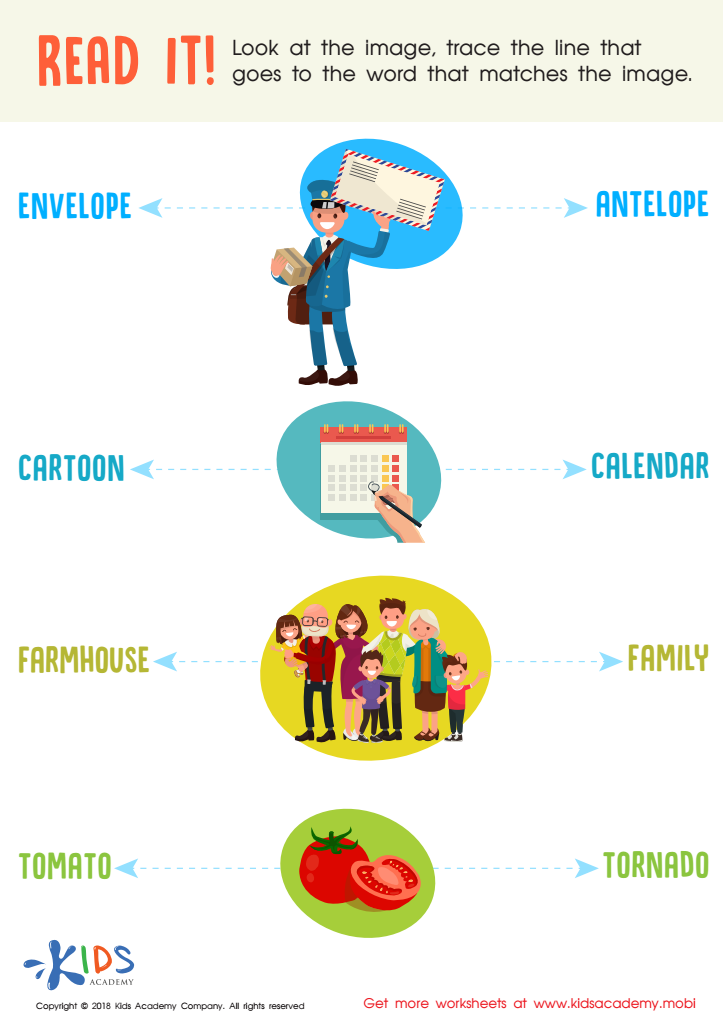
Read It! Worksheet
Point to each image on this worksheet, asking your child what it is. Read the 2 options then help your child trace the line to the correct word. It'll keep them engaged and provide visual stimulation.
Read It! Worksheet
Worksheet
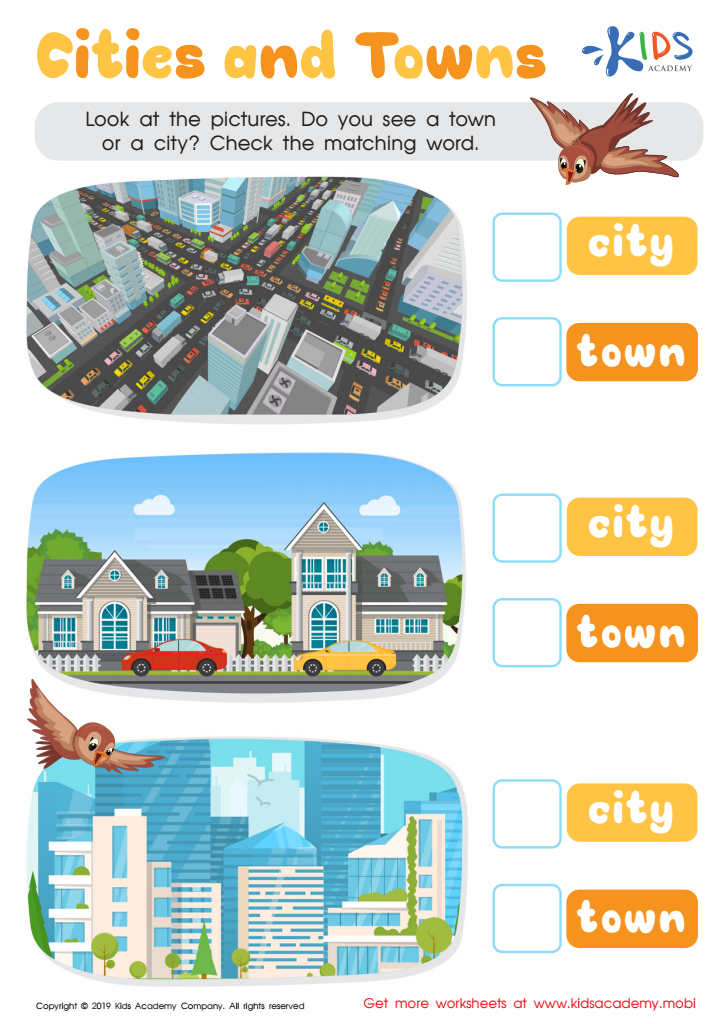
Cities and Towns Worksheet
Cities are buzzy and busy while towns tend to be peaceful. Ask your child if they can tell which one is which from a picture. This could be a great way to test their understanding of the differences between towns and cities. There are many businesses in cities, tall buildings and lots to do. Meanwhile towns are usually quieter.
Cities and Towns Worksheet
Worksheet
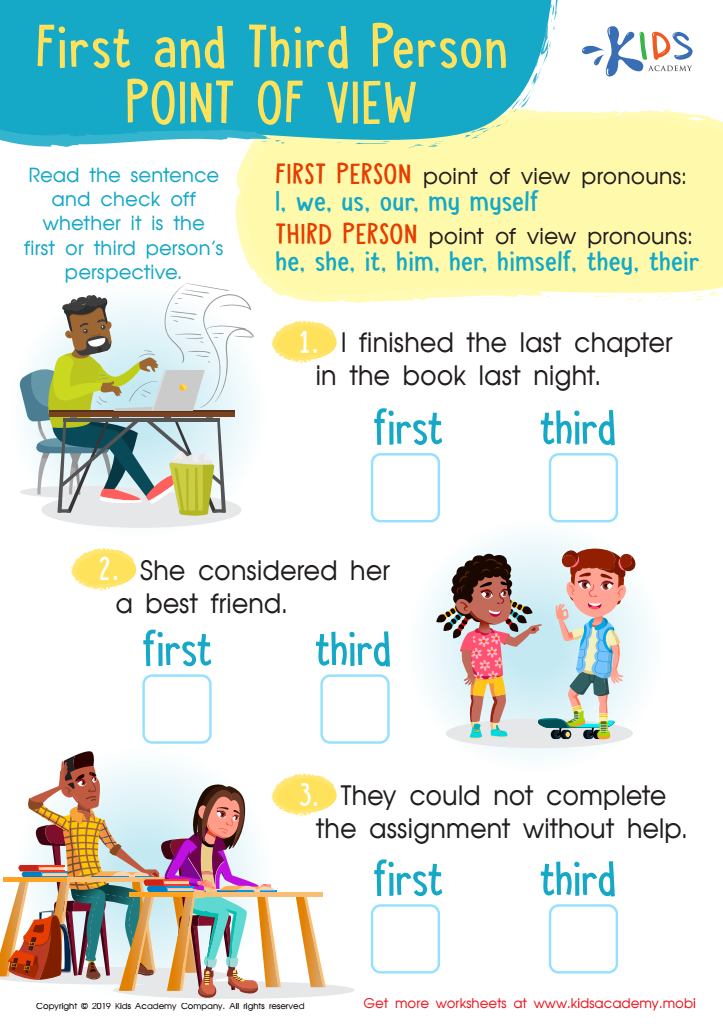
First and Third Person Point of View Worksheet
Remind kids what a point of view is in a story. First person is from the character's perspective; third person is from the narrator's. Ask students to check if sentences in the exercise are in first or third person point of view.
First and Third Person Point of View Worksheet
Worksheet
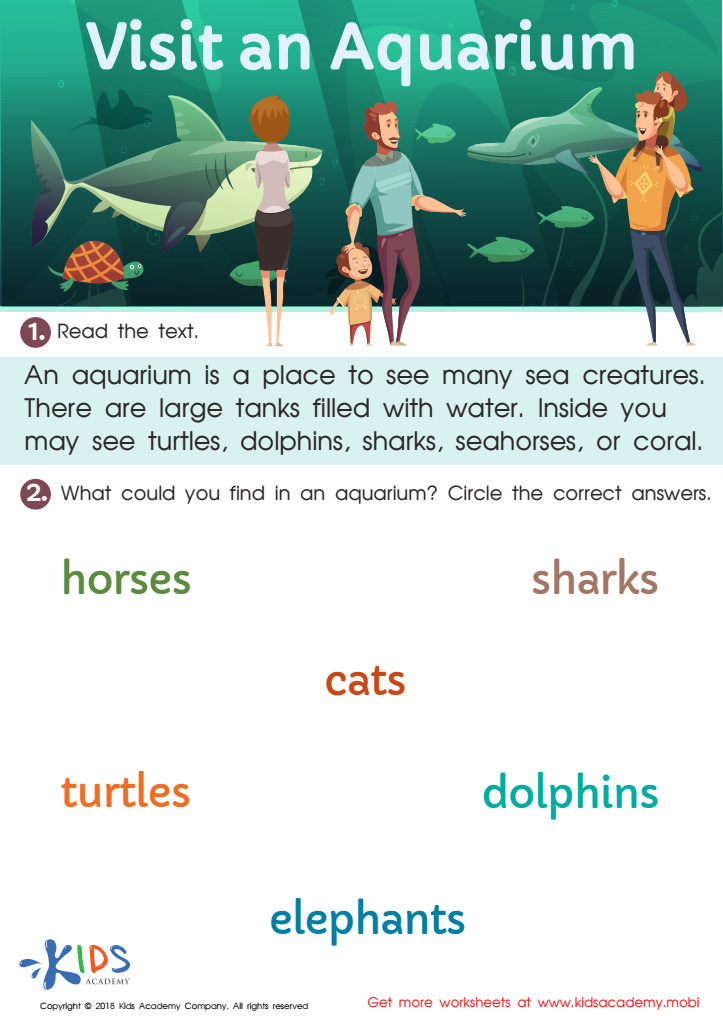
Visit an Aquarium Worksheet
Have your kids ever been to an aquarium? It's a great place to see a variety of sea creatures, like turtles, dolphins, sharks and fish. If they're fascinated by sea life, this worksheet is perfect! Help them circle the aquarium animals among the words in the picture.
Visit an Aquarium Worksheet
Worksheet
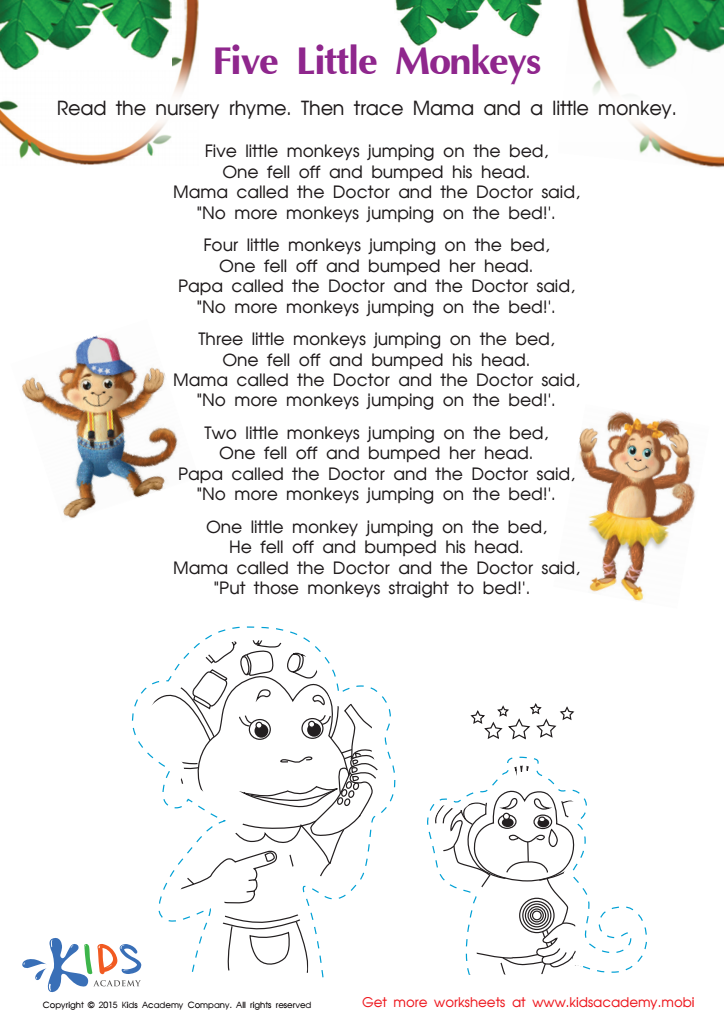
The Five Little Monkeys Nursery Rhyme Worksheet
Sing the beloved nursery rhyme "Five Little Monkeys" with your child, and add a finger play for extra fun! After a few times, encourage them to join in and fill the songs with laughter. Also, have fun coloring the worksheet featuring the monkeys and their Mama.
The Five Little Monkeys Nursery Rhyme Worksheet
Worksheet
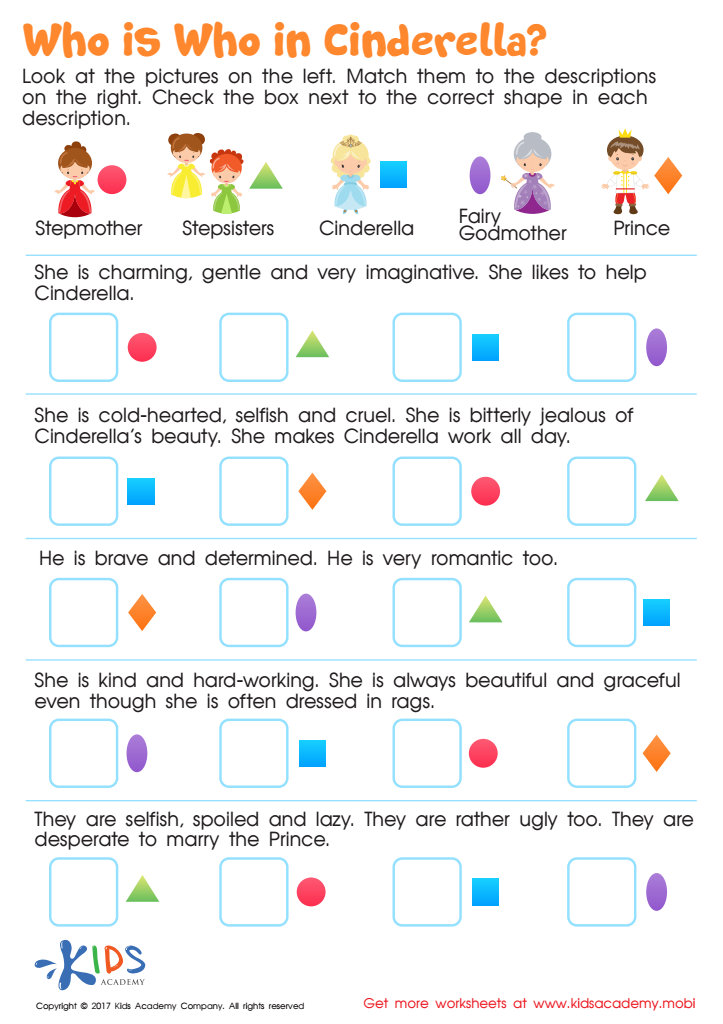
Cinderella Comprehension Worksheet
Help your child hone reading comprehension and analysis skills with this fun Cinderella worksheet! They'll practice identifying character traits and building a deeper understanding of the story.
Cinderella Comprehension Worksheet
Worksheet
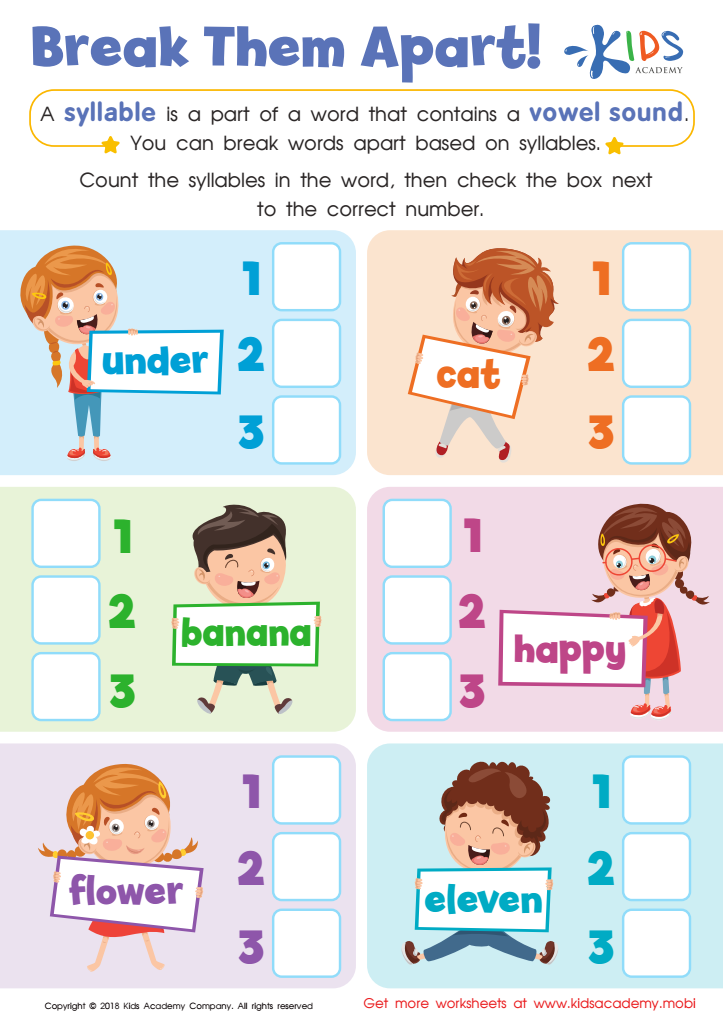
Reading: Break Them Apart Worksheet
See if students understand syllables with this fun worksheet. It teaches them that a syllable is a word part with a vowel sound. Kids read each word and choose how many parts it has. Doing this often helps them decode new words and gain confidence.
Reading: Break Them Apart Worksheet
Worksheet
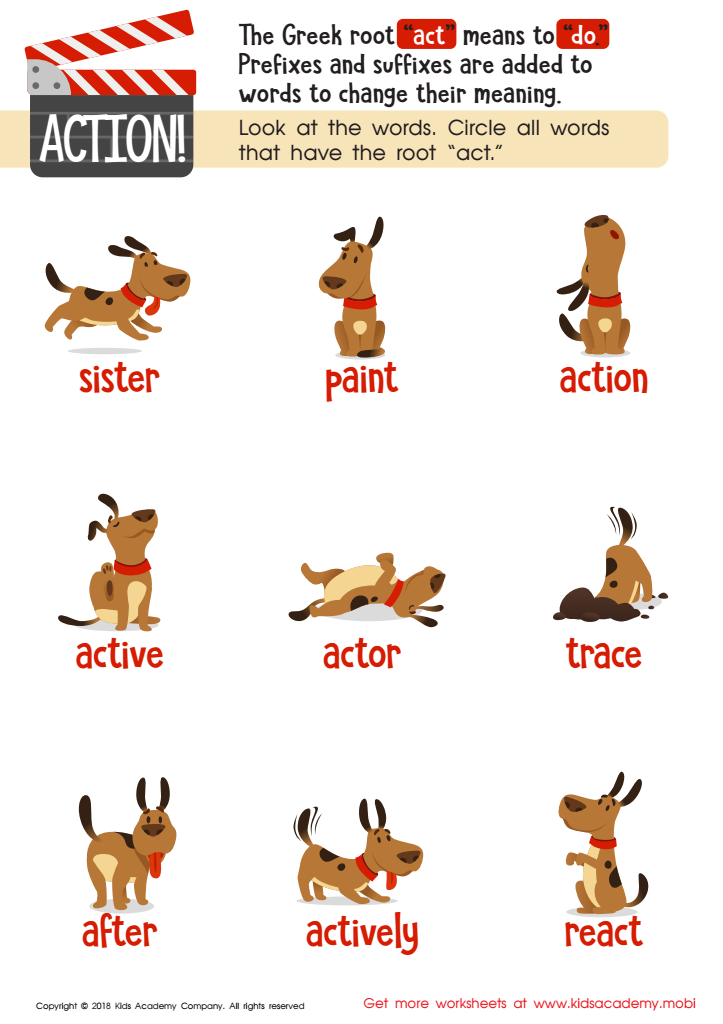
Action! Worksheet
Most English words are borrowed, and prefixes and suffixes are added to change the meaning. A popular prefix is 'act', from the Greek root meaning 'to do'. With your kids, look at the words in this worksheet and circle those with the root 'act'.
Action! Worksheet
Worksheet
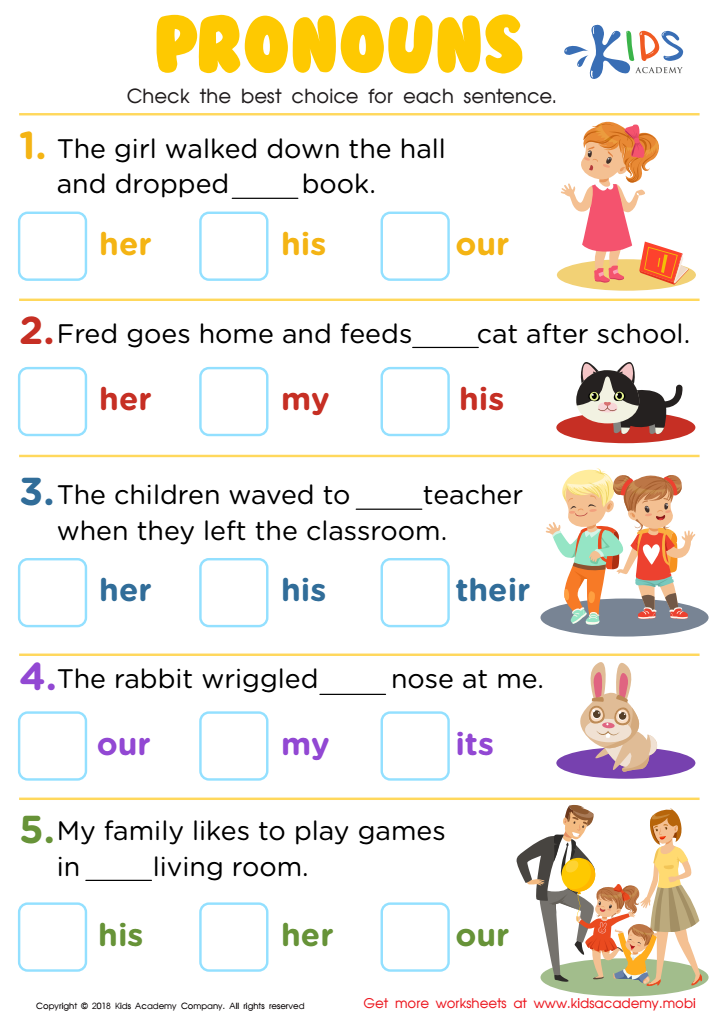
Pronouns Worksheet
Help your child explore pronouns with this worksheet: start by asking them which pronouns they know. Then, read the sentences and their options aloud together, and ask your child to choose the best pronoun for each sentence. This worksheet should be easy for them if they can already read short sentences.
Pronouns Worksheet
Worksheet
Join Kids Academy for Free
Who is primarily going to use this learning content?