Reading: Literature worksheets With Answers for Kindergarten - Page 2
35 filtered results
-
From - To
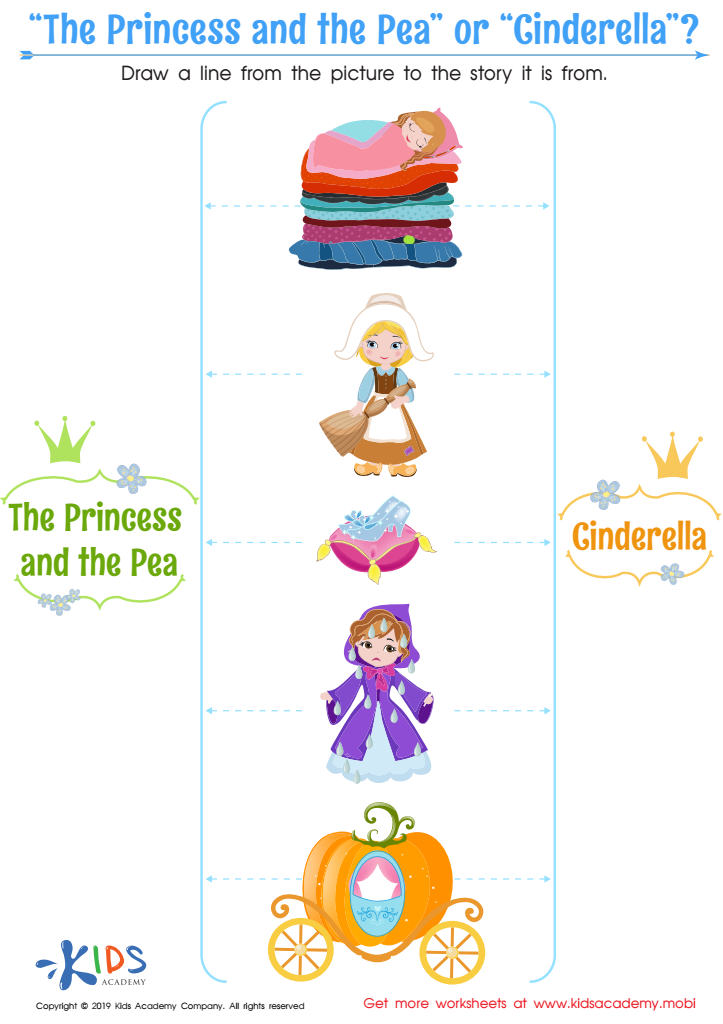
“The Princess and the Pea” or “Cinderella” Worksheet
 Assign to My Students
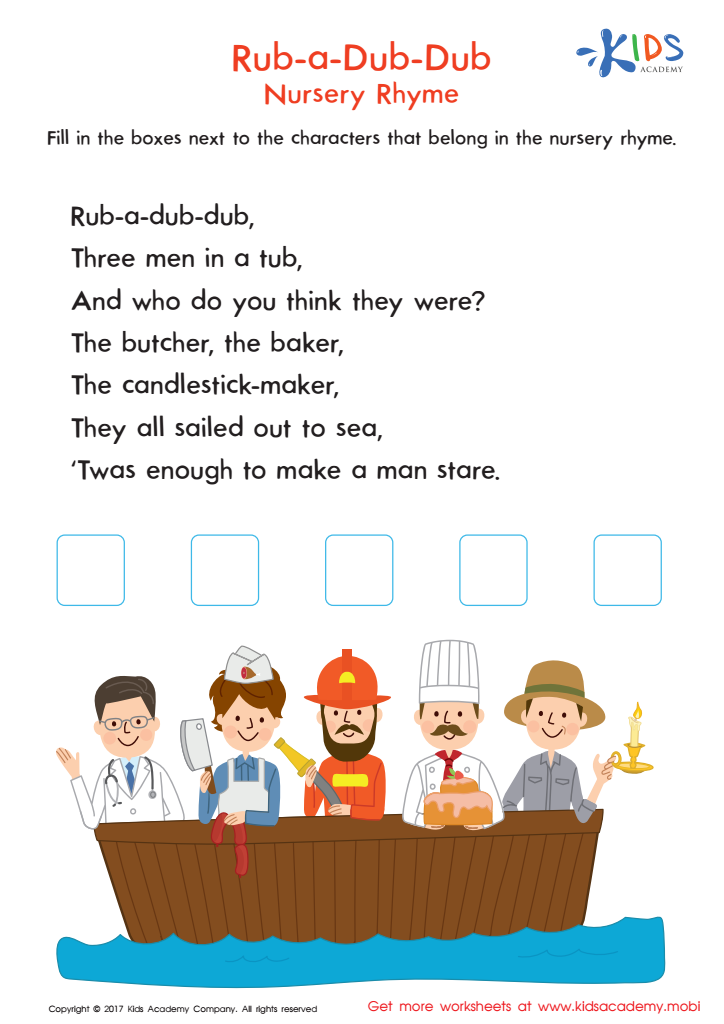
Rub a Dub Dub Printable
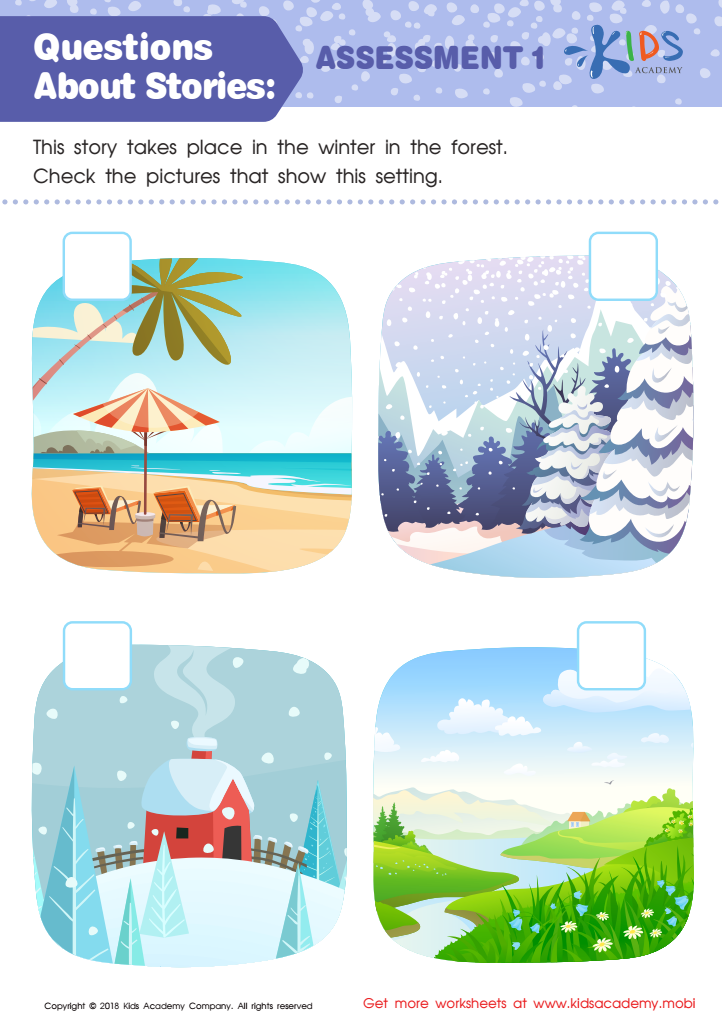
Questions About Stories: Assessment 1 Worksheet
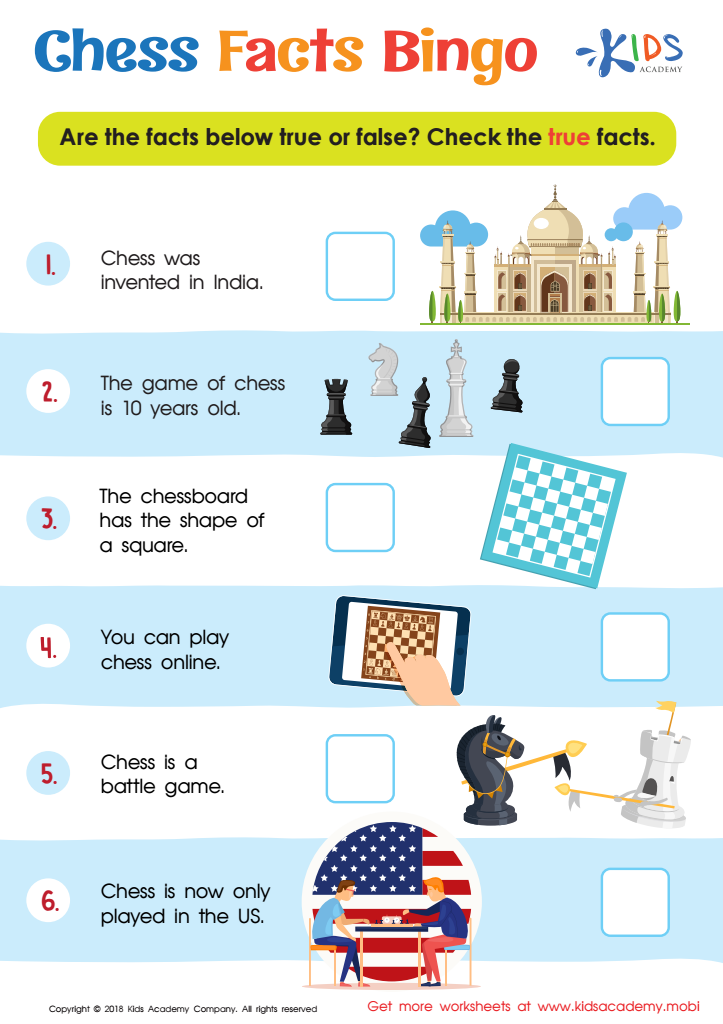
Chess Facts Bingo Worksheet
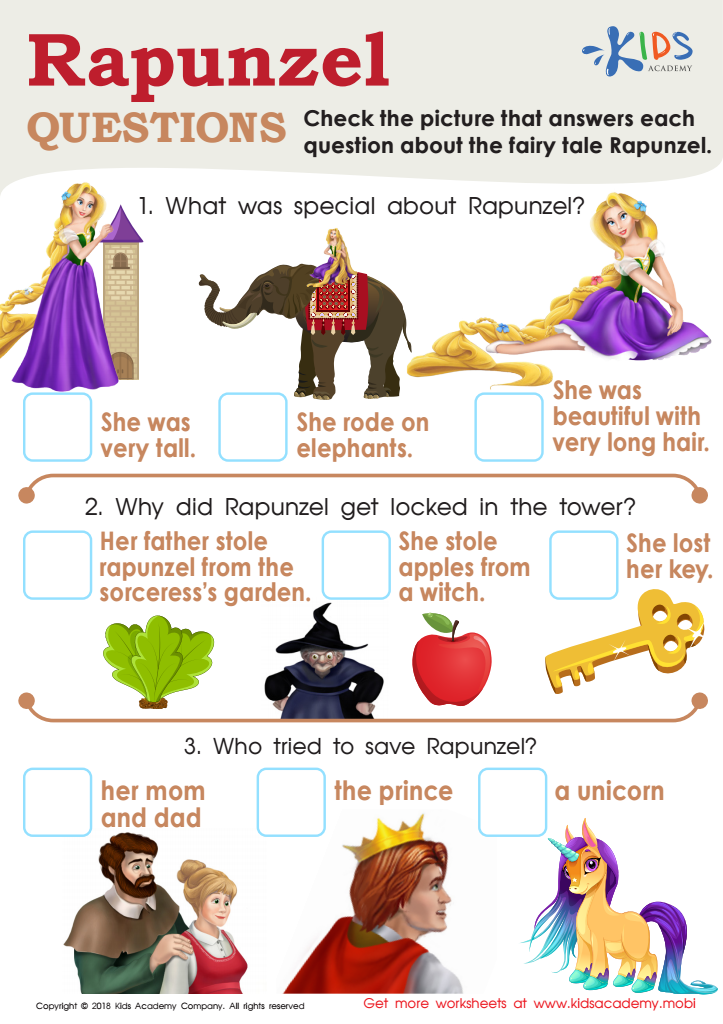
Rapunzel Questions Worksheet
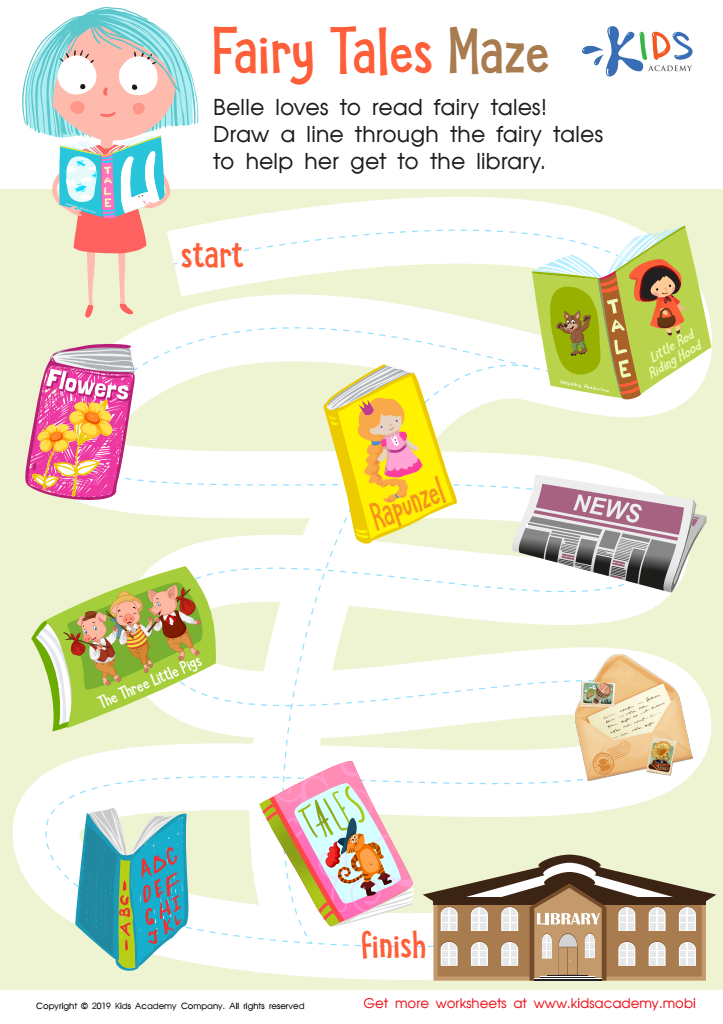
Fairy Tales Maze Worksheet
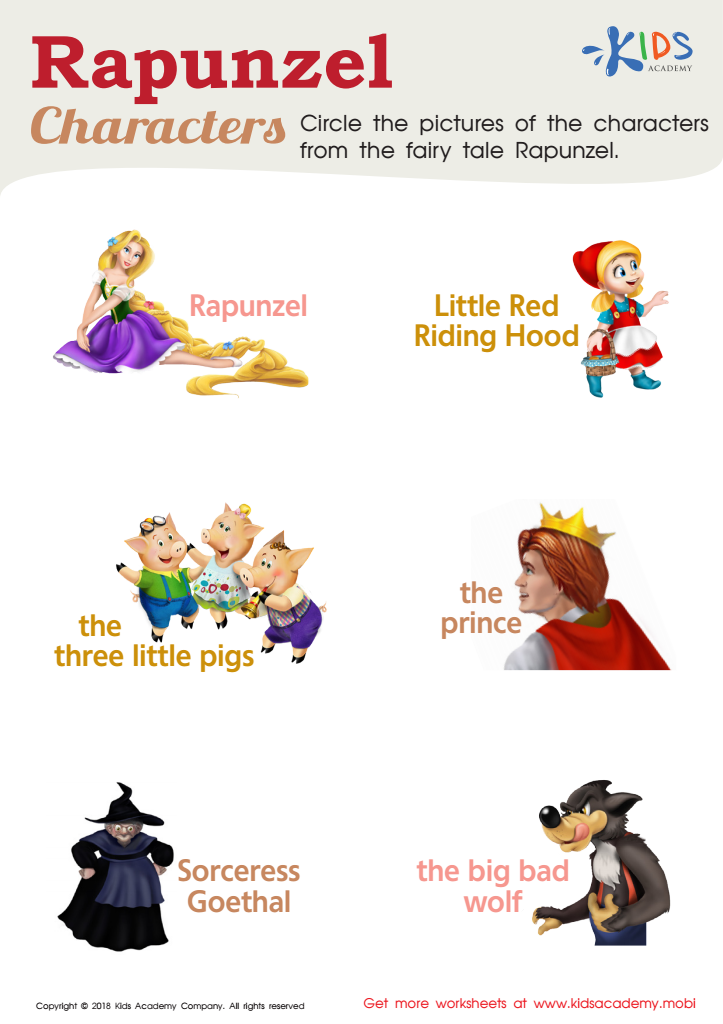
Rapunzel Characters Worksheet
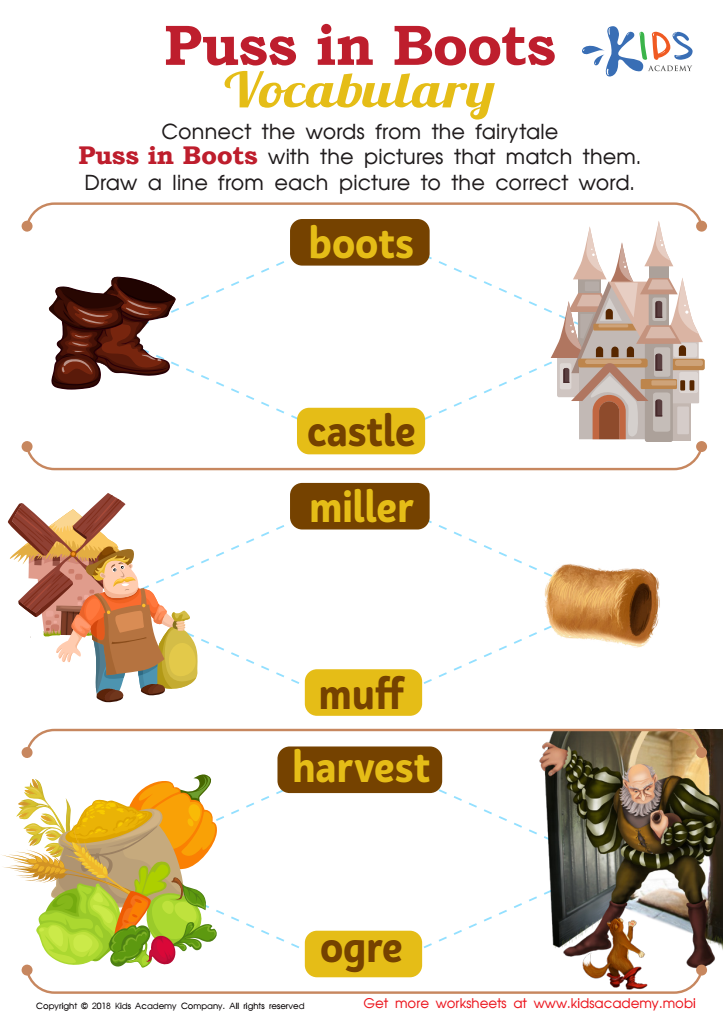
Puss in Boots Vocabulary Worksheet
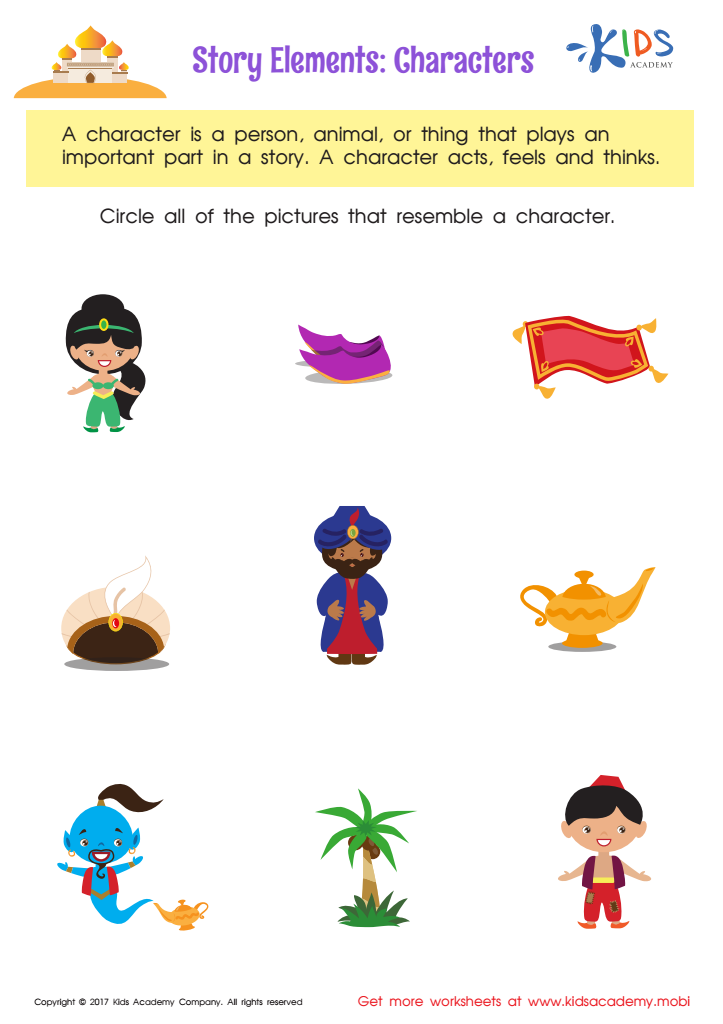
Story Elements Printable
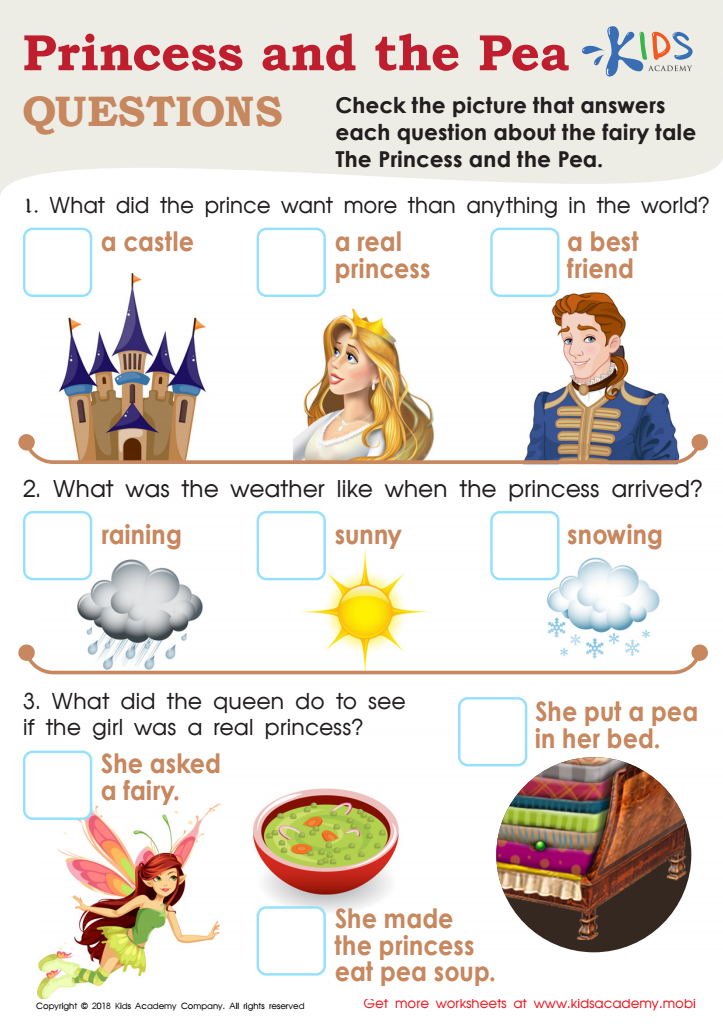
Princess and the Pea Questions Worksheet
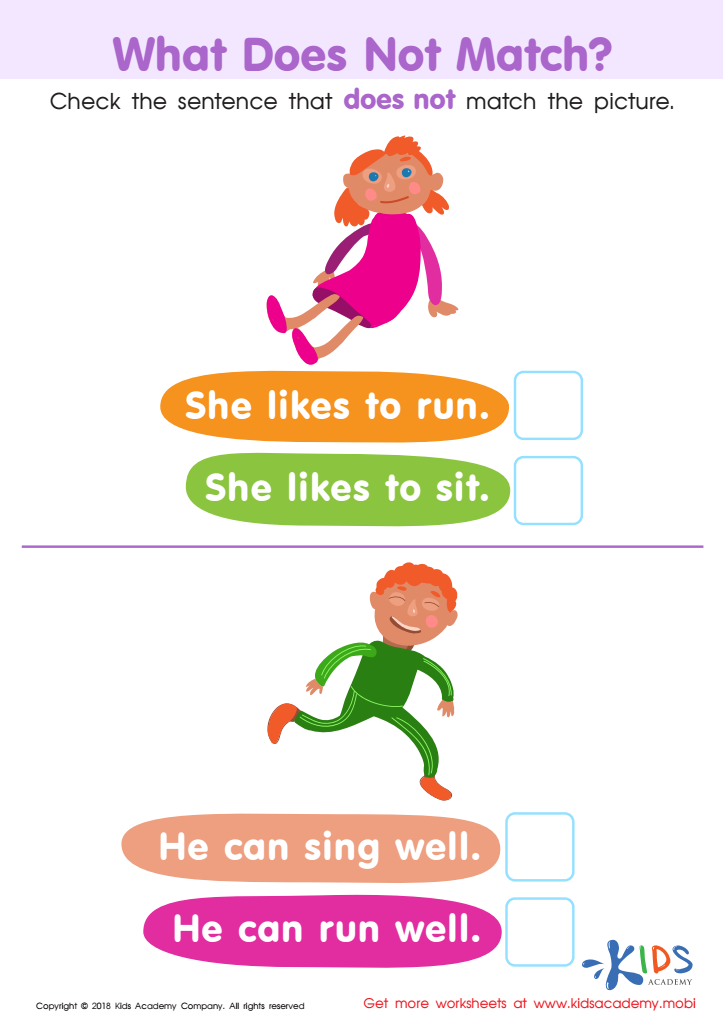
What Does Not Match? Worksheet







Parents and teachers should prioritize reading literature with kindergarteners because it plays a critical role in child development. Engaging with stories enhances language skills, introduces new vocabulary, and fosters comprehension—all vital for literacy. When children hear stories, they learn to recognize sounds and develop phonemic awareness, essential building blocks for reading.
Additionally, literature enriches children's imaginations and creativity. Through diverse characters and plots, children explore different cultures and experiences, promoting empathy and understanding. This exposure helps shape their worldviews and encourages emotional intelligence, as they learn to relate to others’ feelings and situations.
Reading together also strengthens the bond between parents or teachers and children, providing a platform for discussion and interaction. It encourages a love for reading, instilling lifelong habits of inquiry, exploration, and learning. Furthermore, literature often includes moral lessons, guiding children in understanding right from wrong.
In sum, investing time in reading picture books and stories is imperative for cognitive, emotional, and social growth in young children. It lays a strong foundation for literacy, while creating memorable moments that encourage curiosity and foster a passion for knowledge. As role models in this journey, educators and parents play a crucial role in shaping future readers and thinkers.








