Easy 2D Shapes Worksheets for Ages 3-8
18 filtered results
-
From - To
Discover the perfect educational resource with our "Easy 2D Shapes Worksheets for Ages 3-8"! These engaging and colorful worksheets are specifically designed to help young learners understand basic 2D shapes through fun and interactive activities. Ideal for preschoolers and early grade school students, each worksheet offers activities such as shape recognition, tracing, matching, and simple puzzles to support early math skills. Our approach makes learning enjoyable and effective. Perfect for parents and teachers looking for creative ways to enhance their lessons, our worksheets simplify the path to early geometric success for children. Download now from Kids Academy!
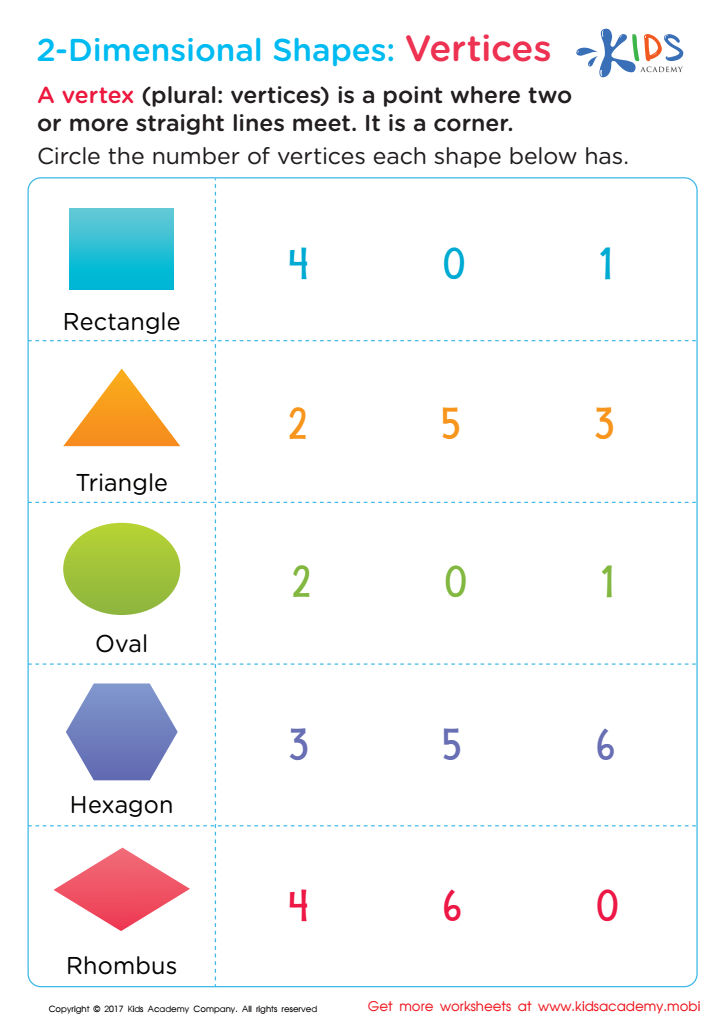
Two–Dimensional Shapes: Vertices Printable
 Assign to My Students


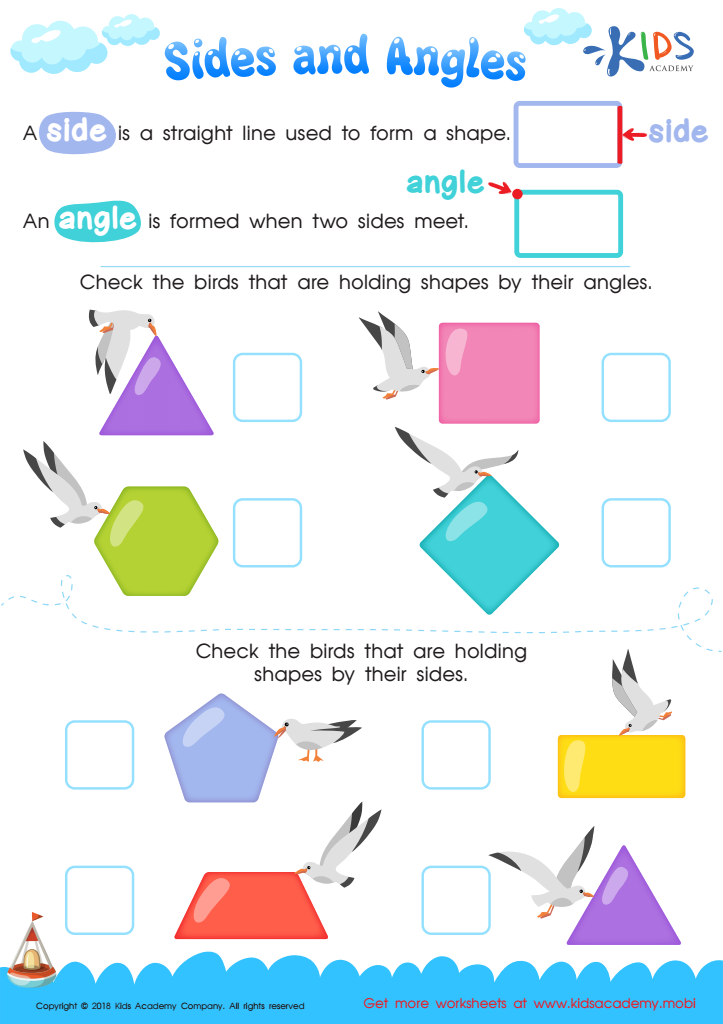
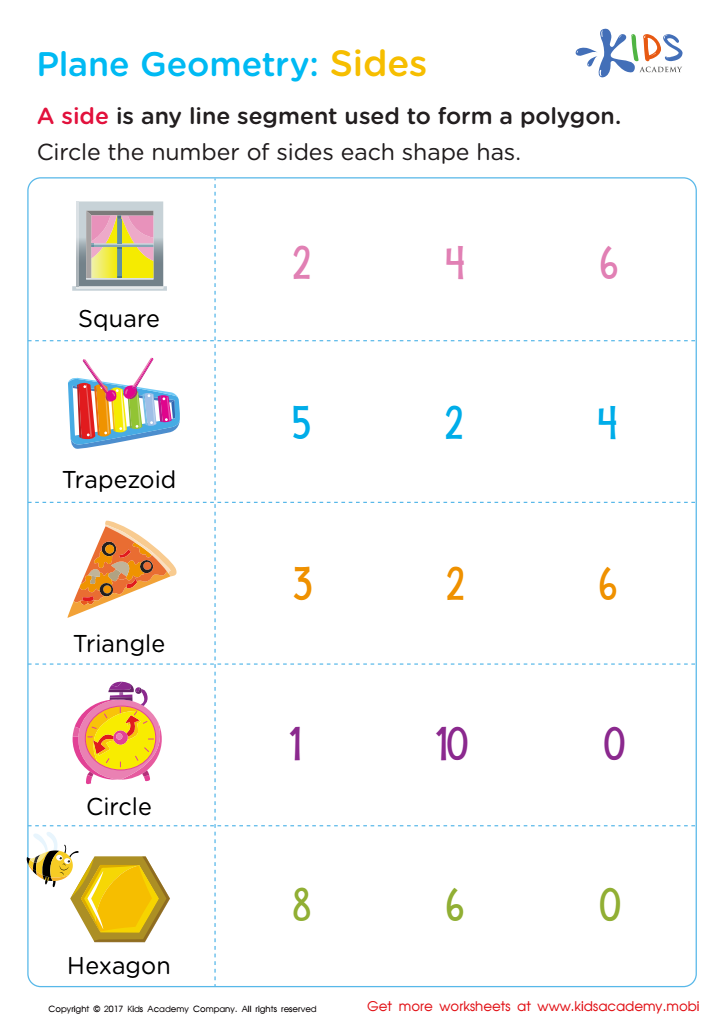
Sides and Angles Worksheet
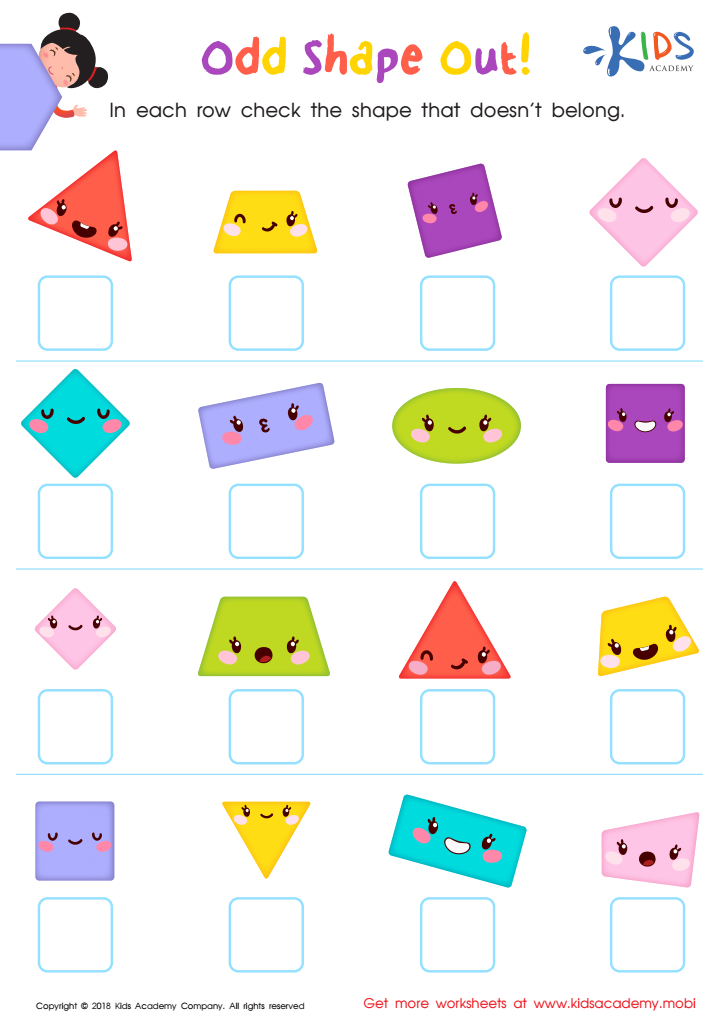
Odd Shape Out Worksheet for Grade 3
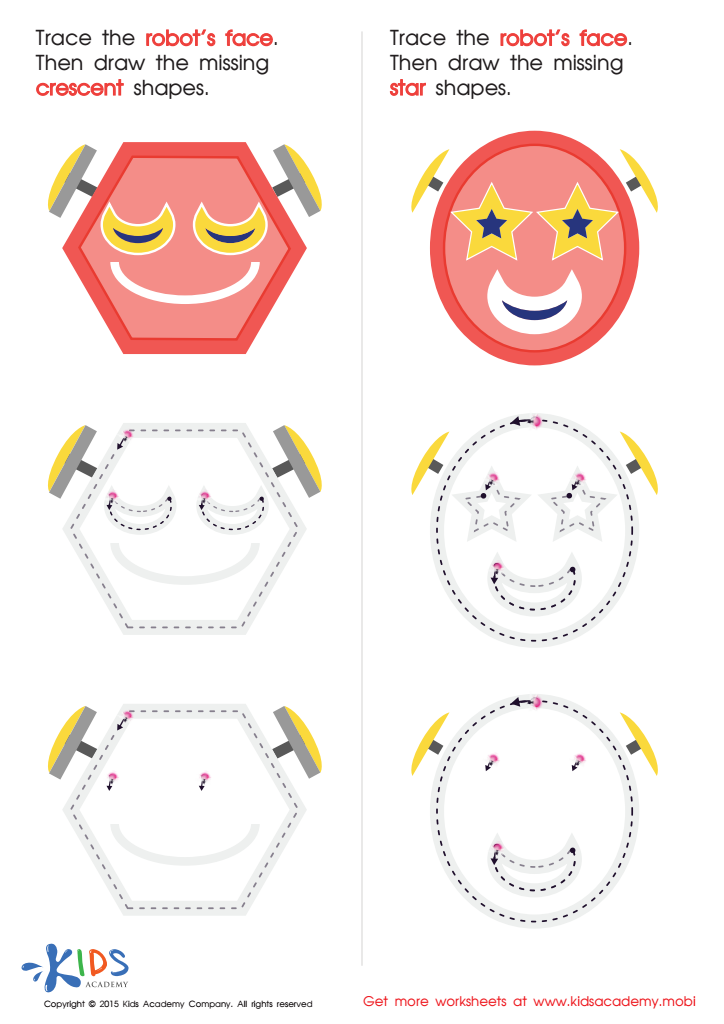
Composing a Robot's Face of Crescents And Stars Worksheet
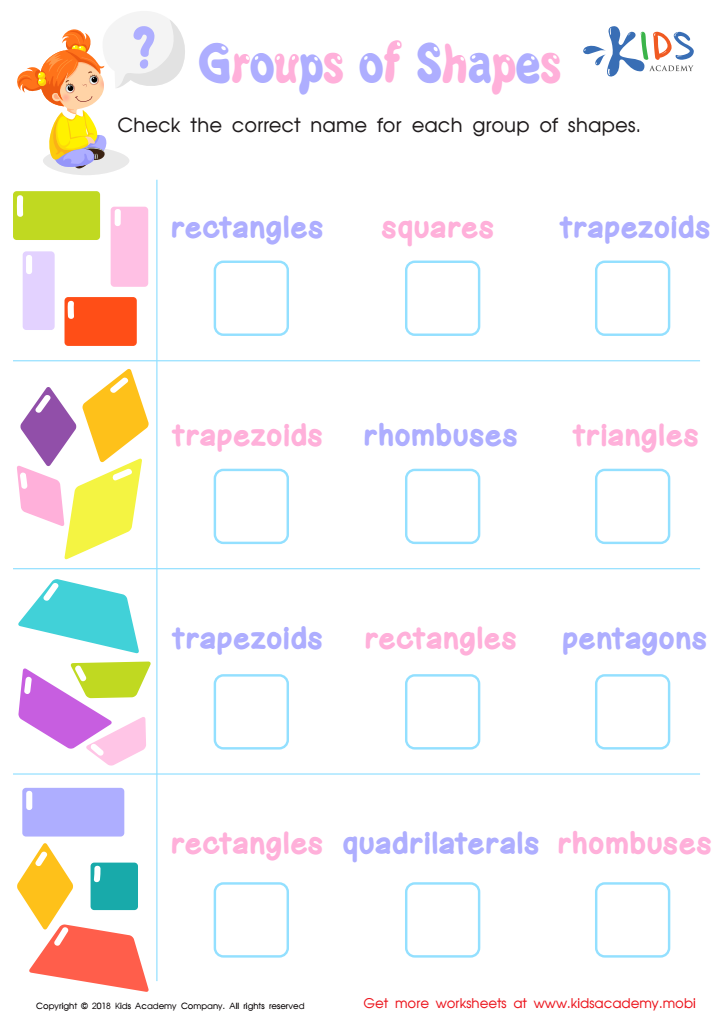
Groups of Shapes Worksheet
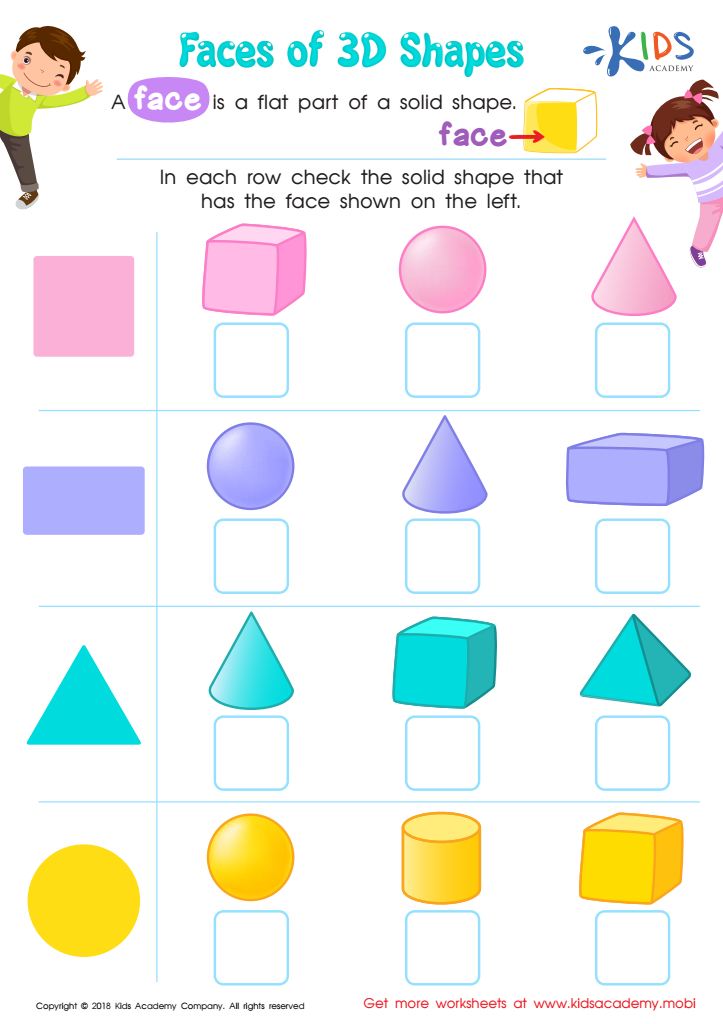
Faces of 3D Shapes Worksheet
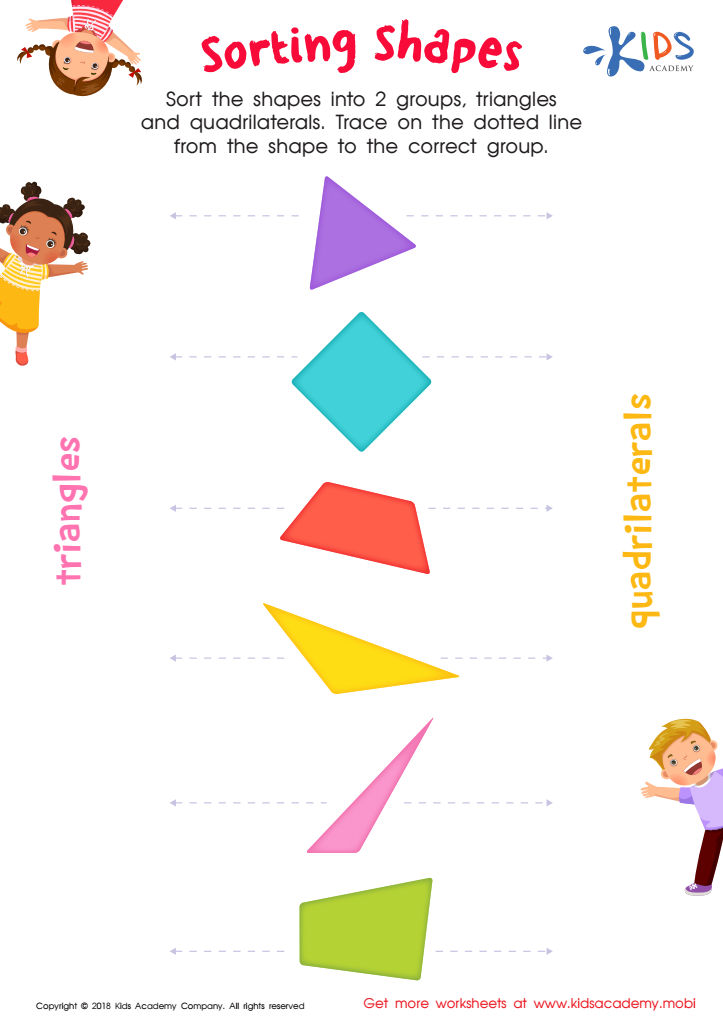
Sorting Shapes Worksheet
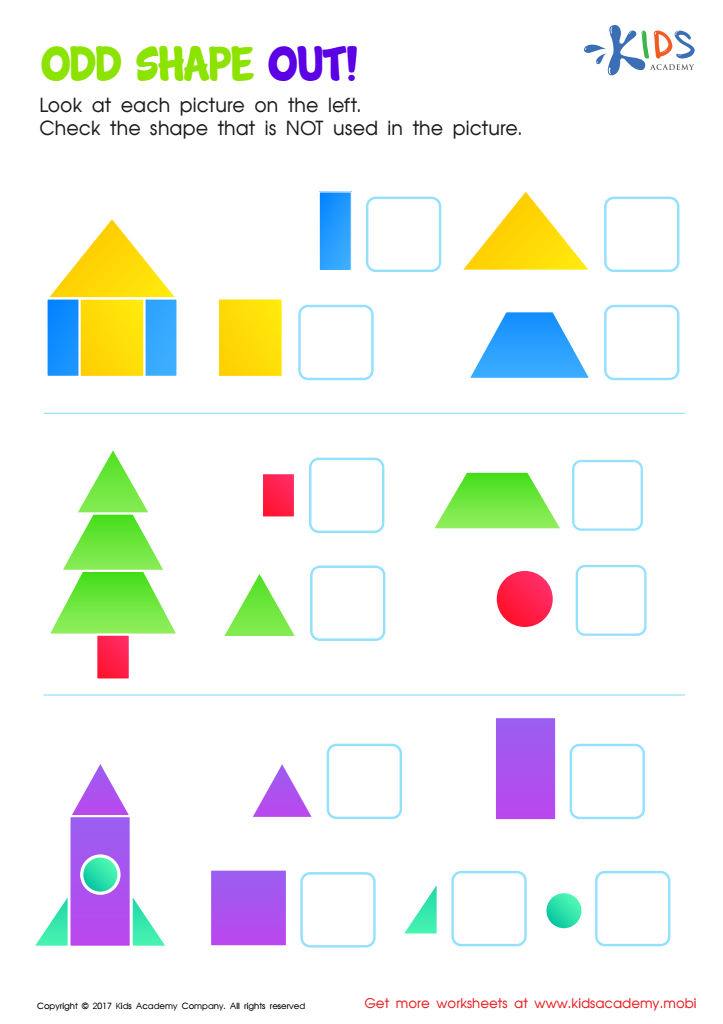
Odd Shape Out Worksheet for Grade 1
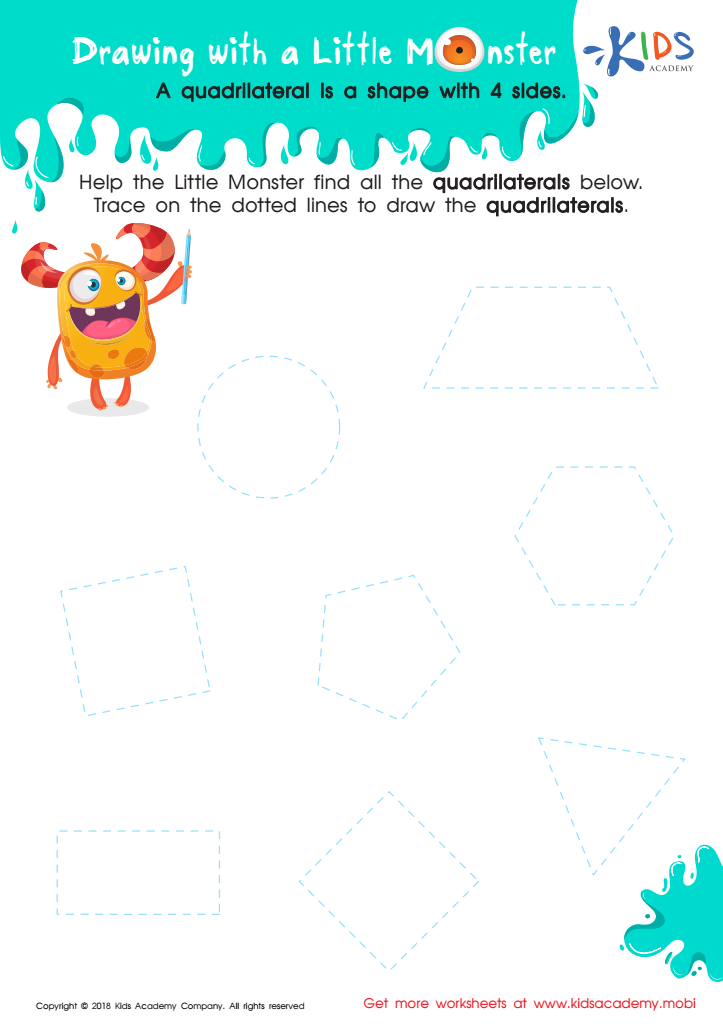
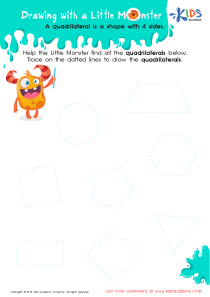
Drawing with a Little Monster Worksheet
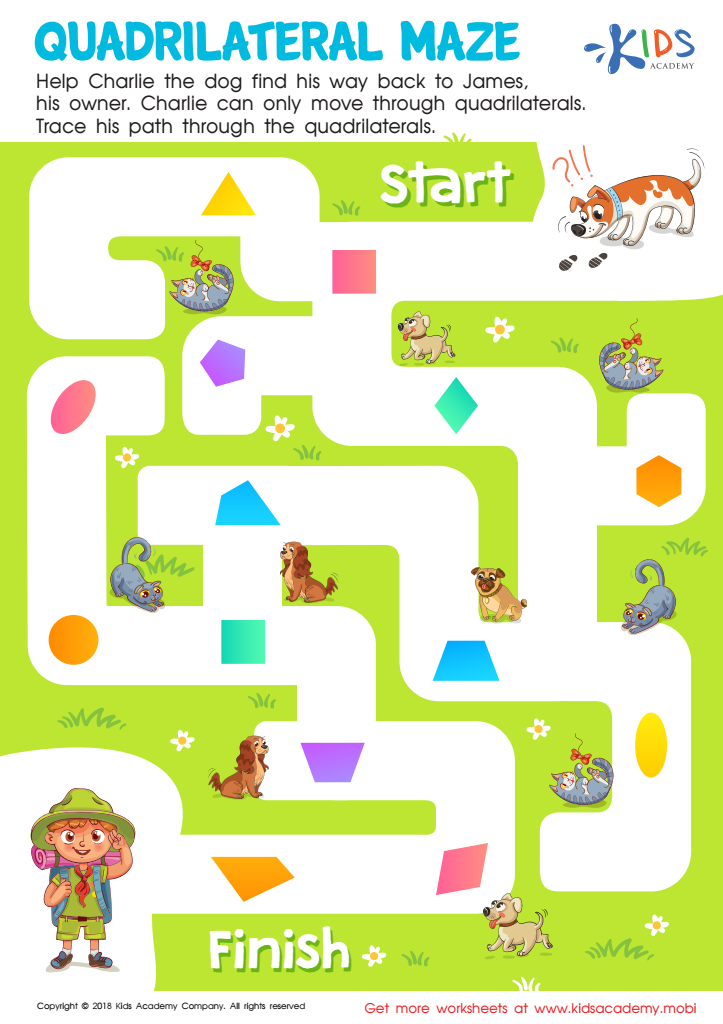
Quadrilateral Maze Worksheet
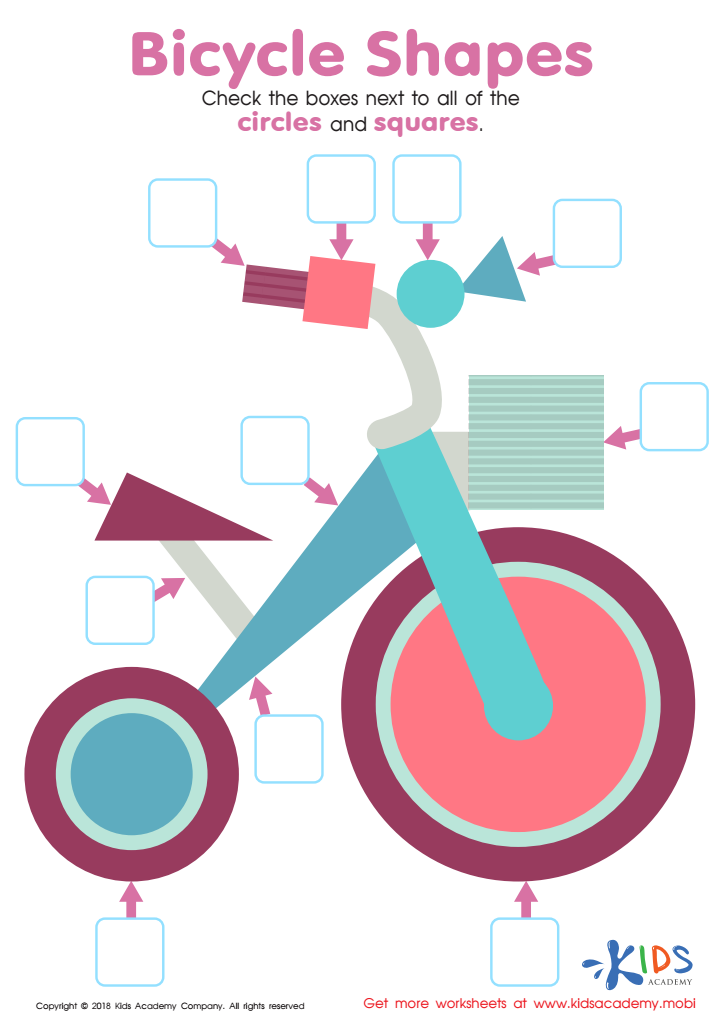
Bicycle Shapes Worksheet
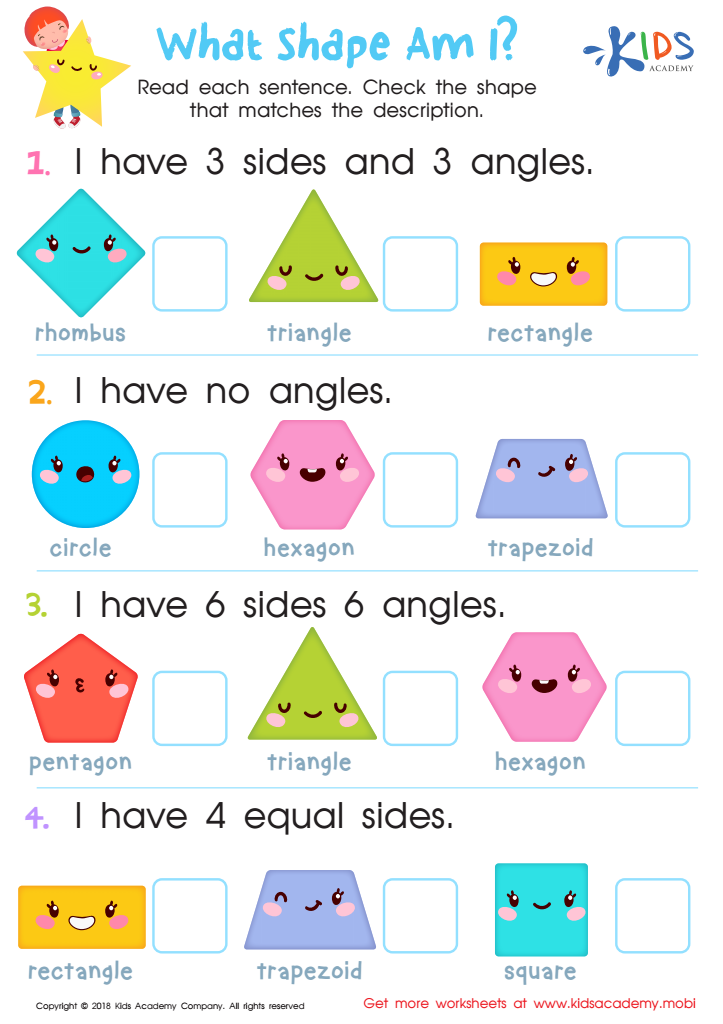
What Shape Am I? Worksheet
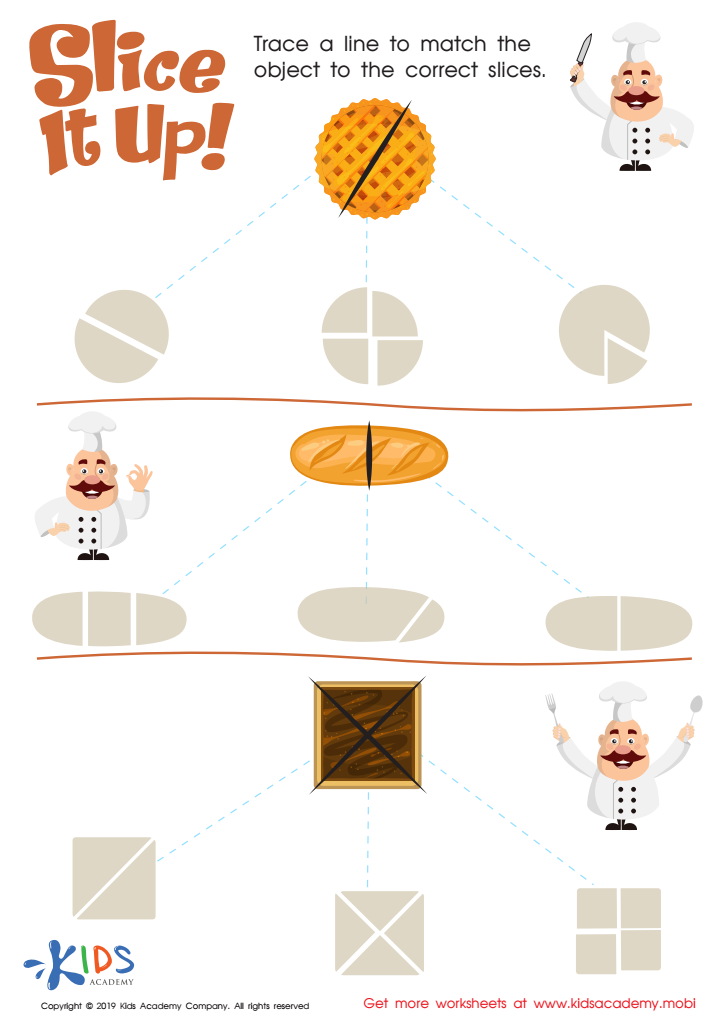
Slice It Up Worksheet
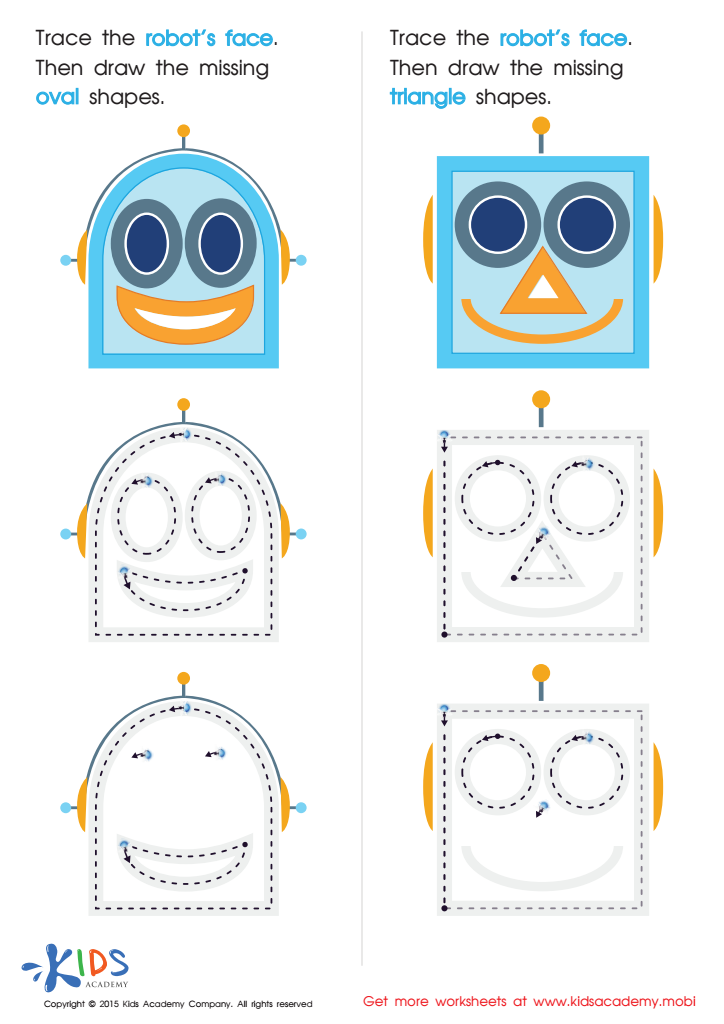
Drawing Ovals And Triangles with Fun Printable
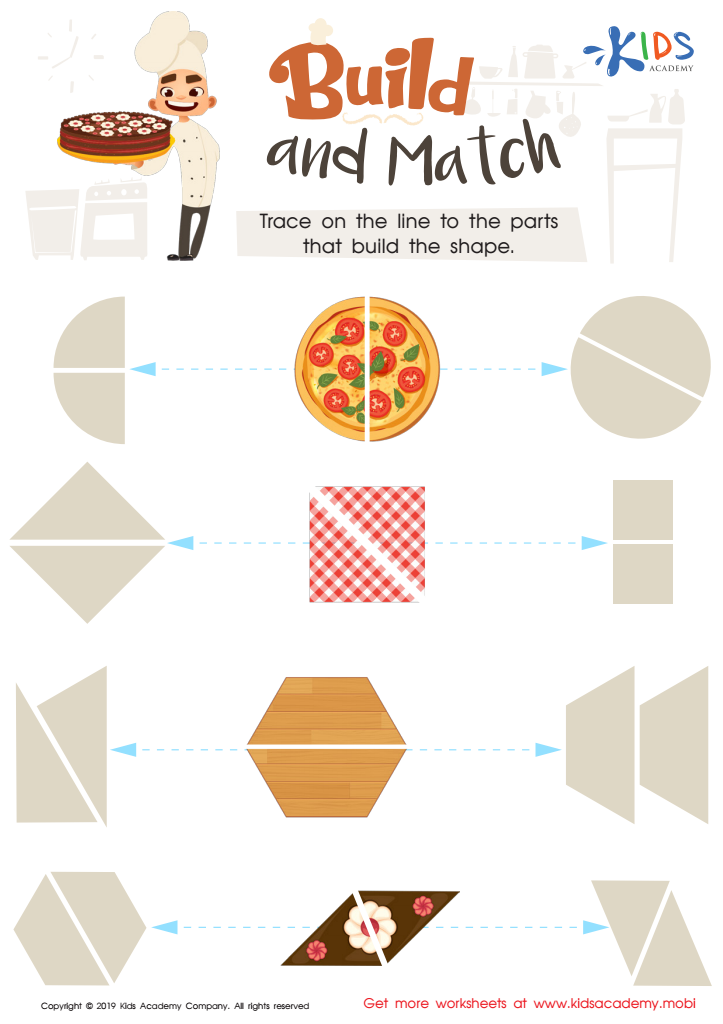
Build and Match Worksheet
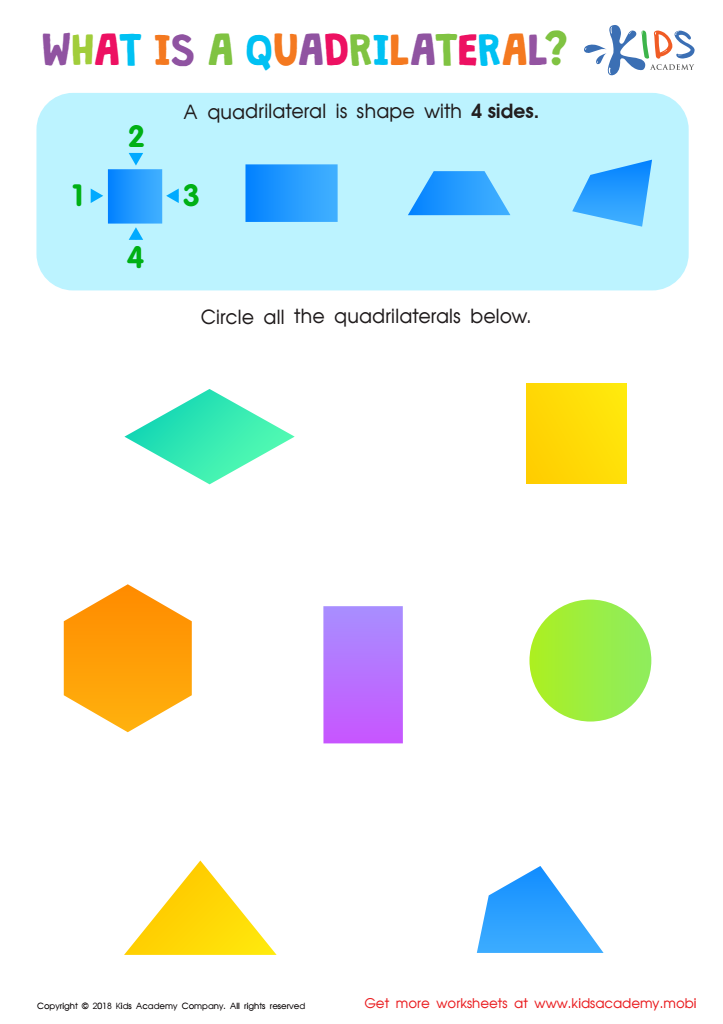
What Is a Quadrilateral? Worksheet
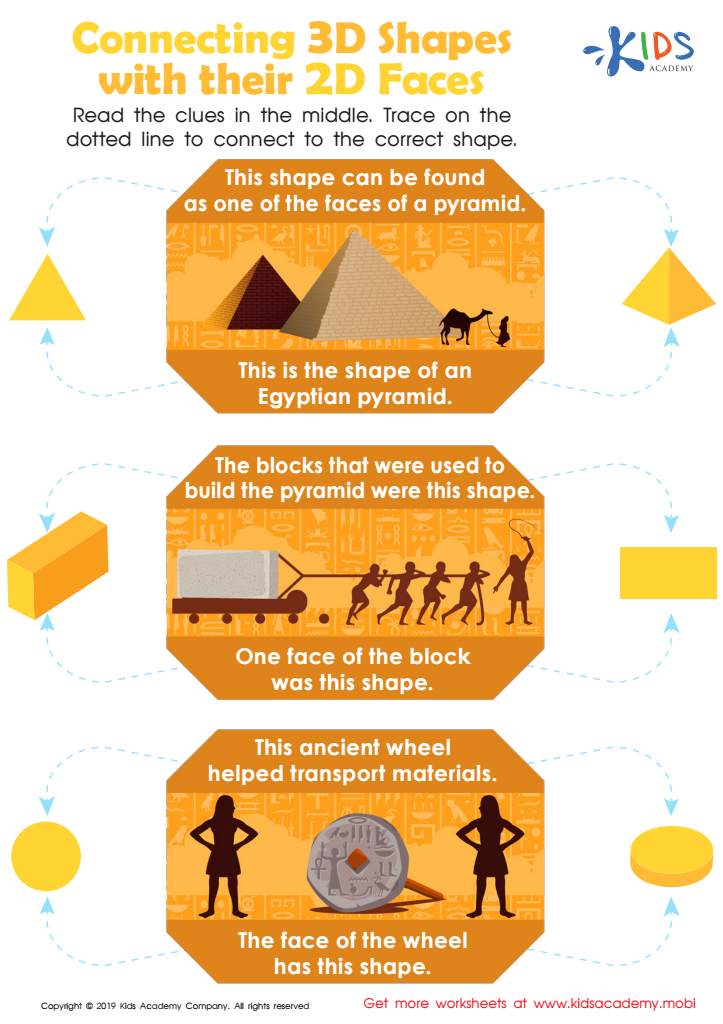
Connecting 3D Shapes with Their 2d Faces Worksheet








Understanding basic 2D shapes is an essential foundational skill for young children aged 3-8. Parents and teachers should prioritize teaching these shapes as they play a crucial role in early cognitive development. First and foremost, recognizing and naming shapes like circles, squares, triangles, and rectangles helps children in developing early math skills. These shape-related abilities are stepping stones to more complex concepts such as geometry and spatial reasoning.
Moreover, grasping 2D shapes improves visual perception and fine motor skills. Engaging in activities like drawing, coloring, and constructing shapes aids hand-eye coordination and strengthens the ability to identify differences and similarities. Beyond academics, shape recognition has practical applications. It helps children understand and interpret the world around them; for example, recognizing the shape of a road sign or a puzzle piece.
Additionally, the development of language skills is enhanced as children learn new vocabulary related to shapes. Teachers and parents can introduce terms such as sides, corners, and symmetry, enriching a child’s descriptive language and communication abilities.
Lastly, learning about shapes can be great fun! Utilizing colorful, hands-on activities can make education an enjoyable process, fostering a love for learning that extends to various subjects. In turn, this encourages continuous educational growth and curiosity.