Easy Counting Worksheets for Ages 3-8
13 filtered results
-
From - To
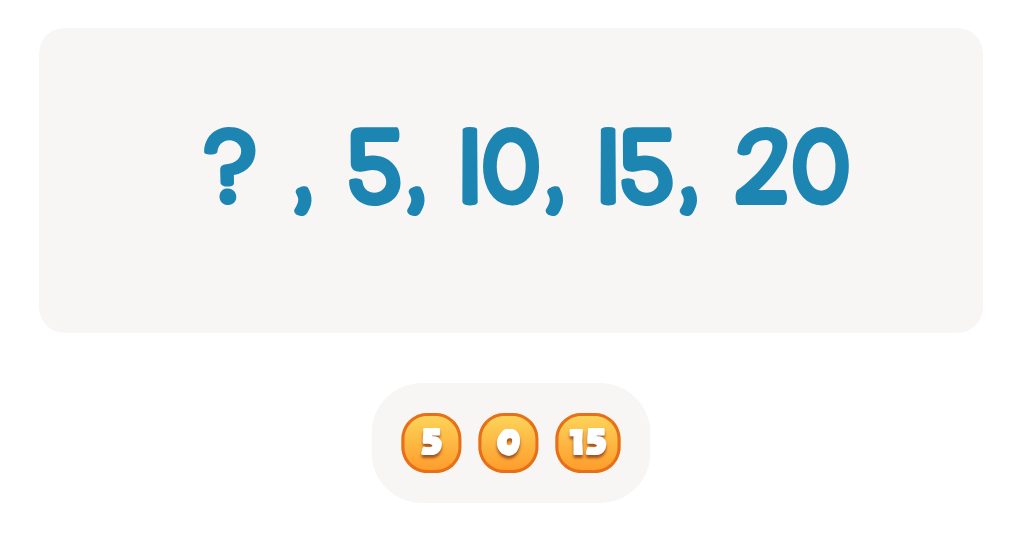
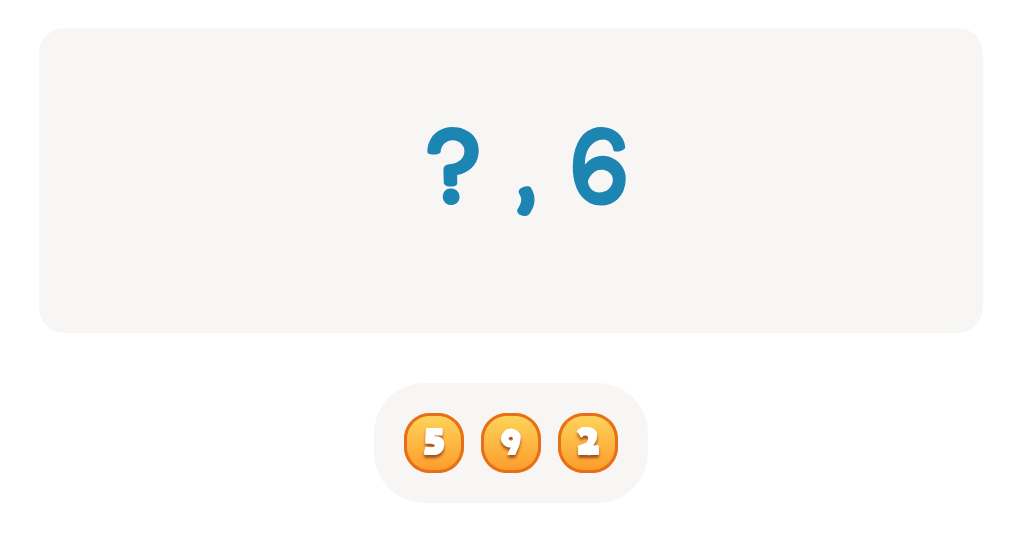
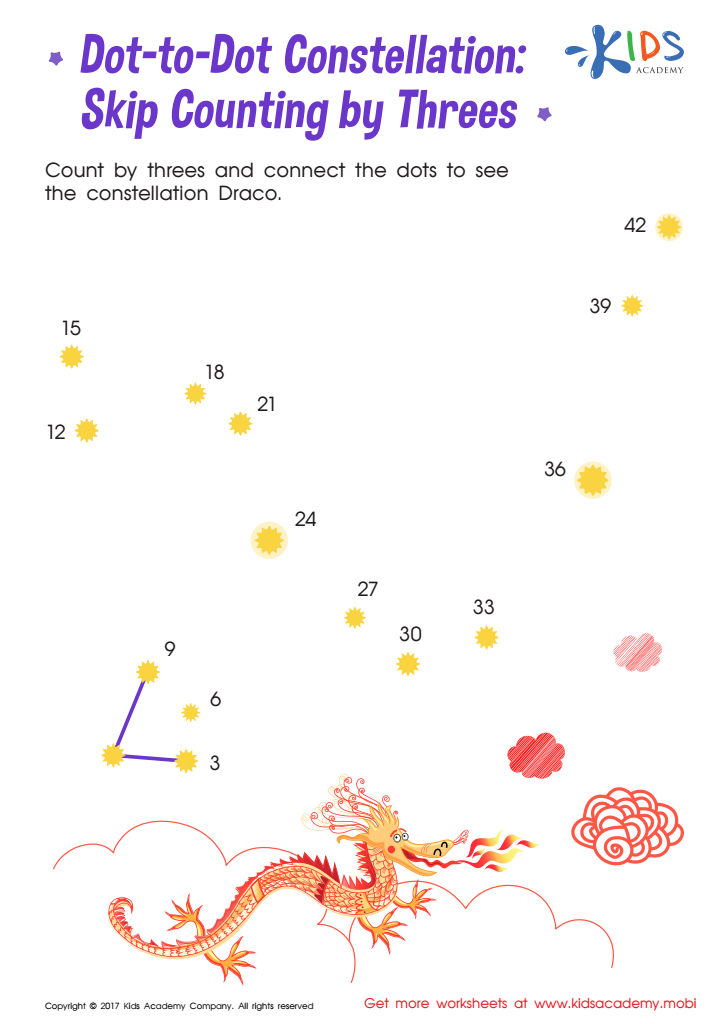
Welcome to our "Easy Counting Worksheets for Ages 3-8" page! Designed specifically for young learners, these engaging worksheets help children develop essential counting skills through interactive activities. Each worksheet is tailored to foster a love for numbers, featuring fun themes and eye-catching illustrations that capture their attention. Exploring counting objects, recognizing numbers, and practicing simple math becomes an enjoyable experience. Perfect for parents and educators alike, these printable resources cater to various learning styles and can easily be incorporated into classroom settings or home learning. Start nurturing your child's mathematical foundation today with our easy-to-use counting worksheets!
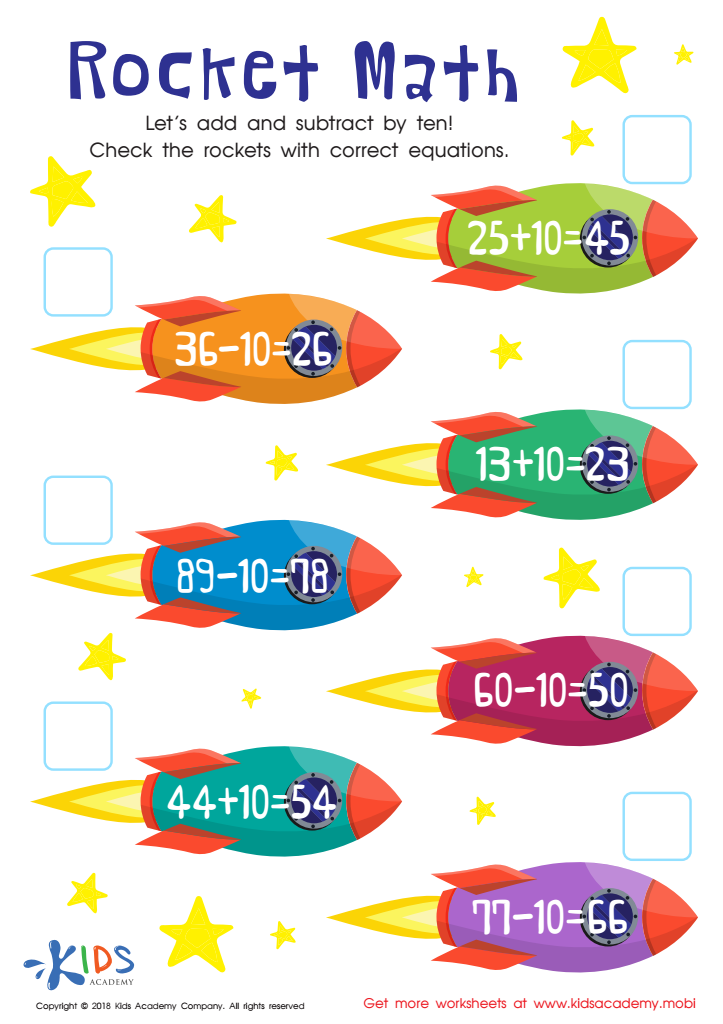
Rocket Math Worksheet
 Assign to My Students


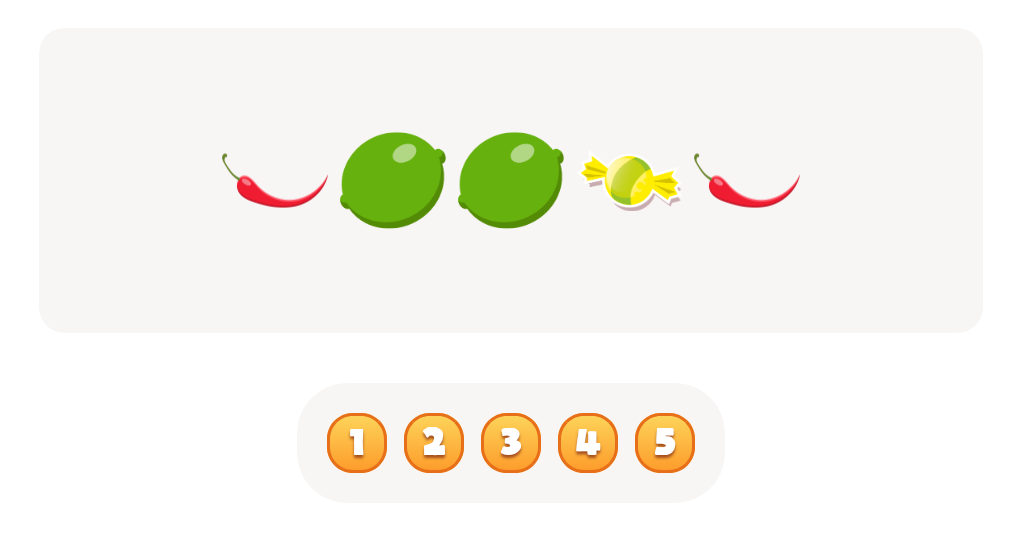
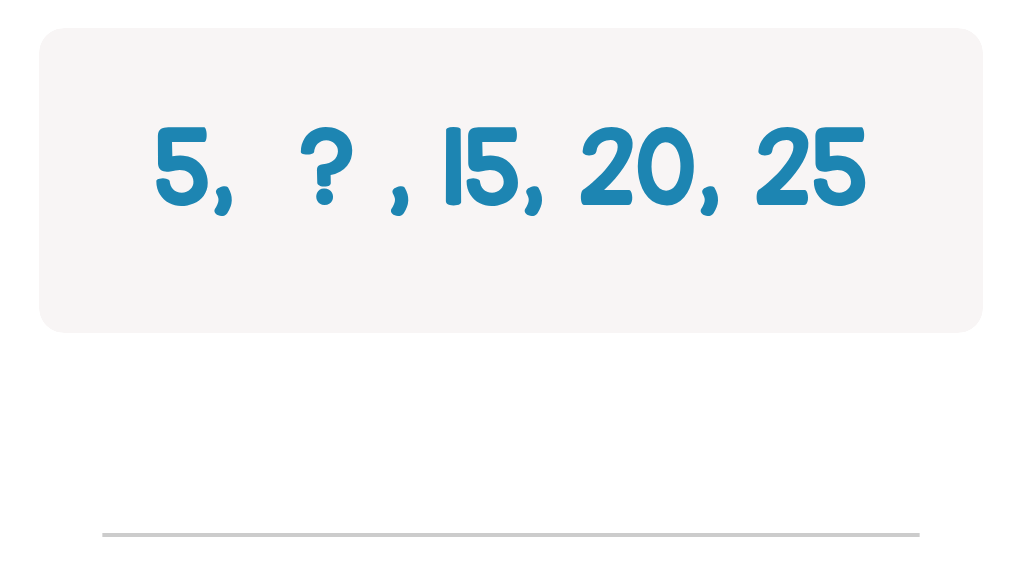
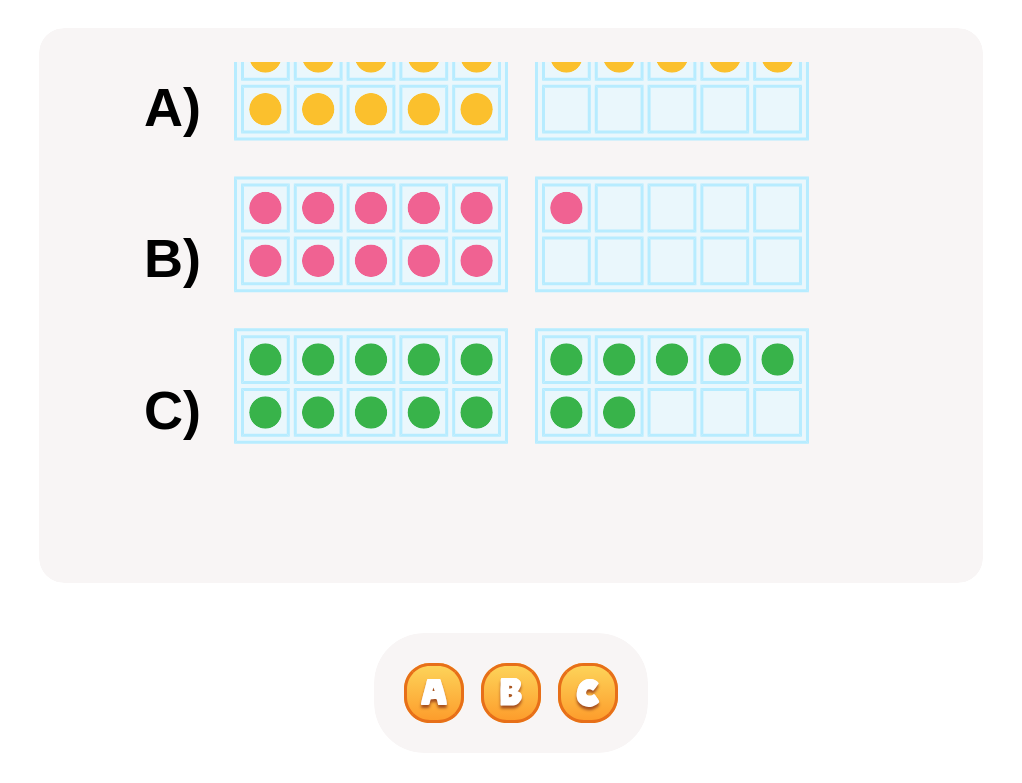
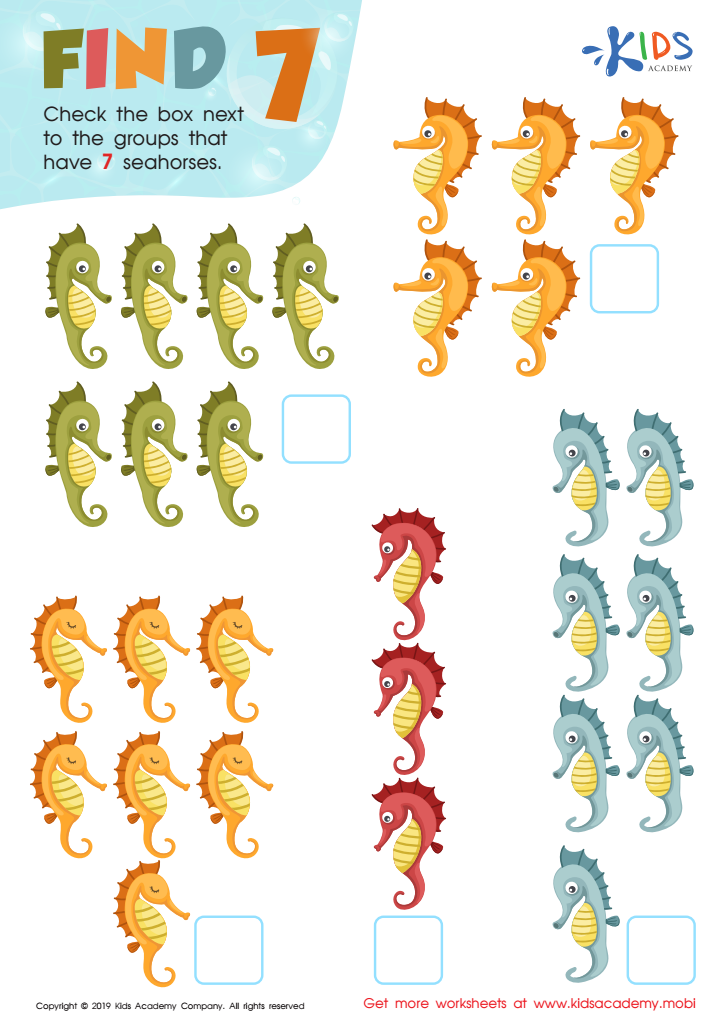
Find 7 Worksheet
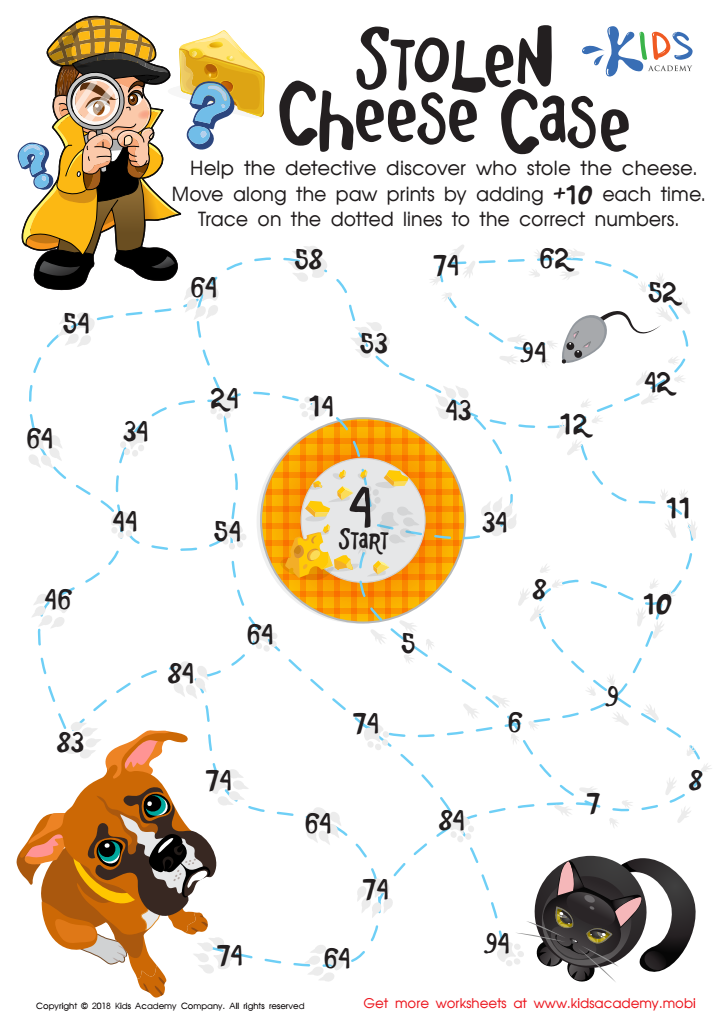
Stolen Cheese Case Maze Worksheet
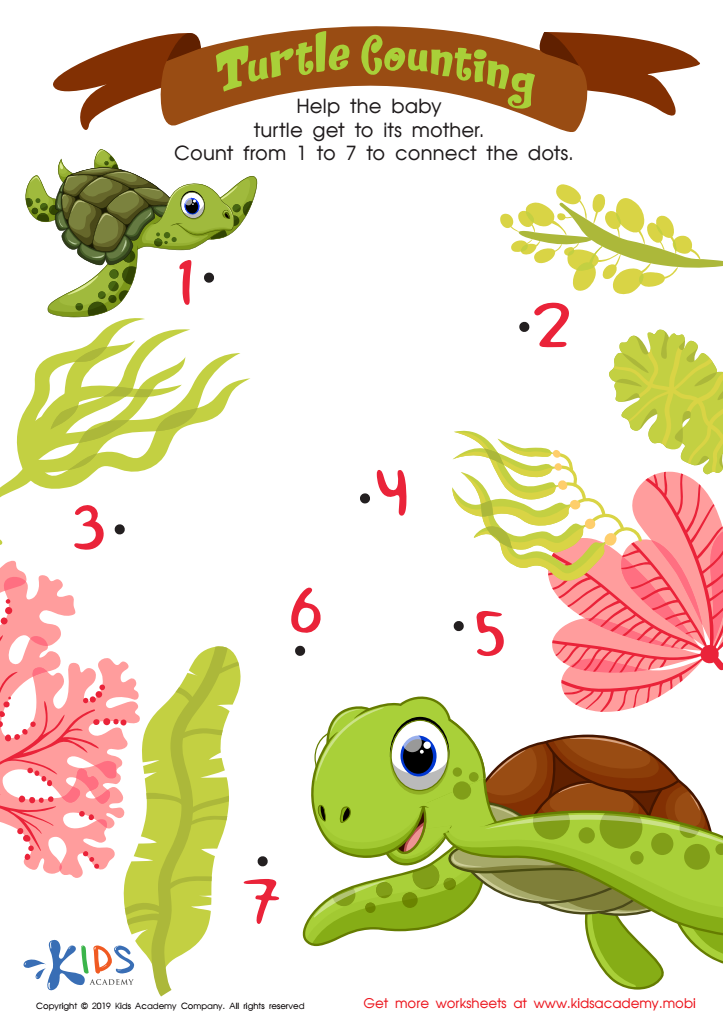
Turtle Counting Worksheet
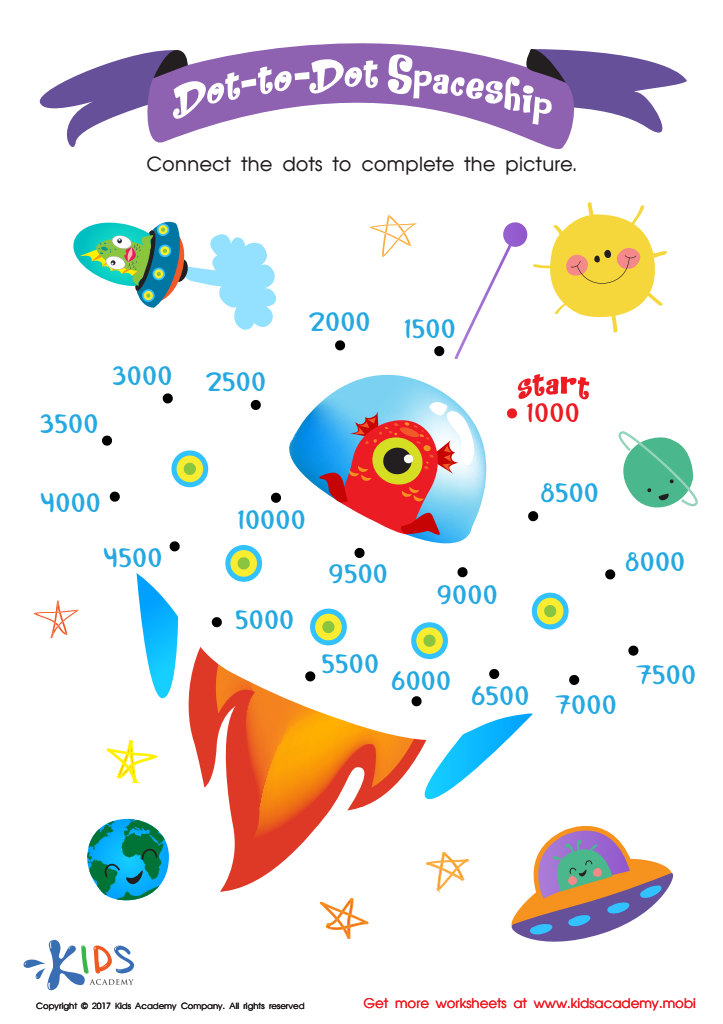
Dot to Dot Worksheet for 3rd Grade
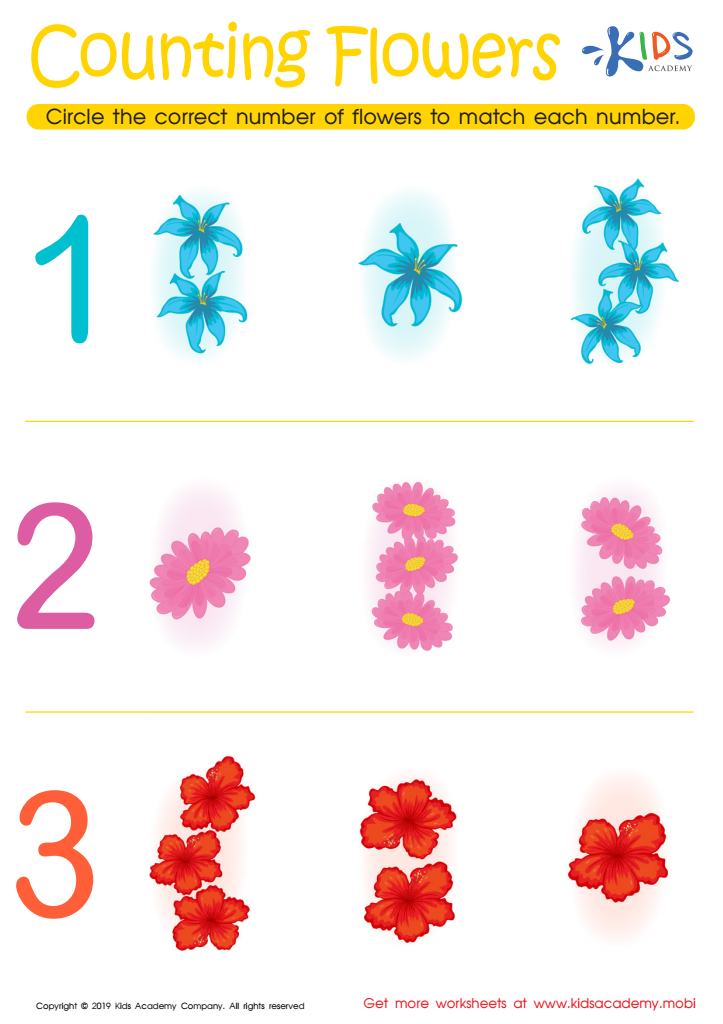
Counting Flowers Worksheet
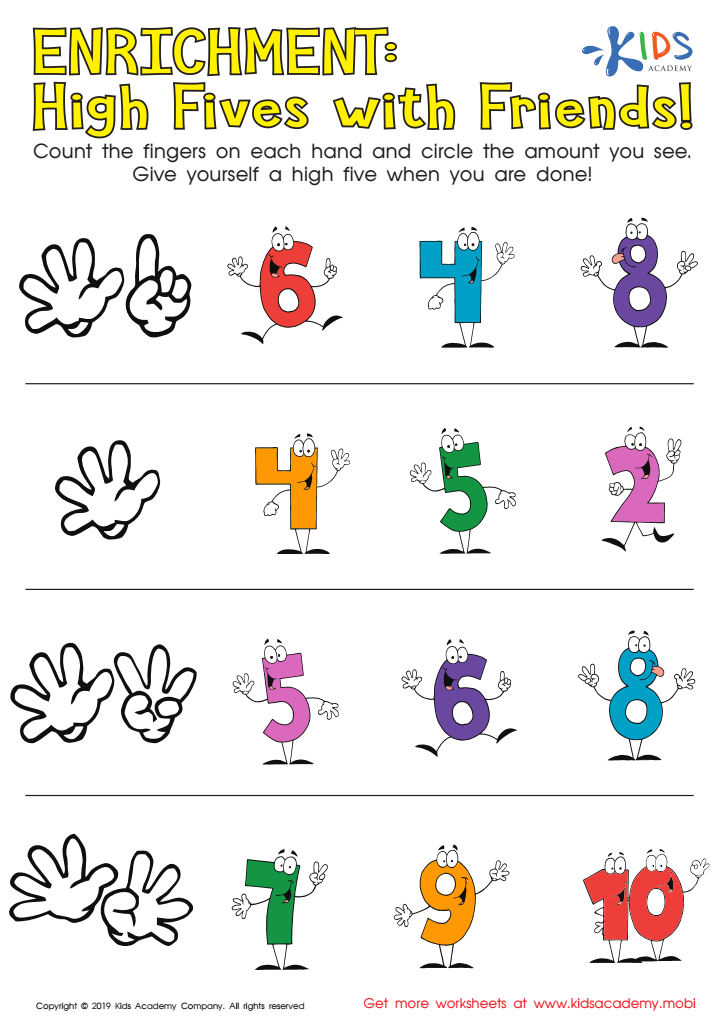
Enrichment: High Fives with Friends! Worksheet
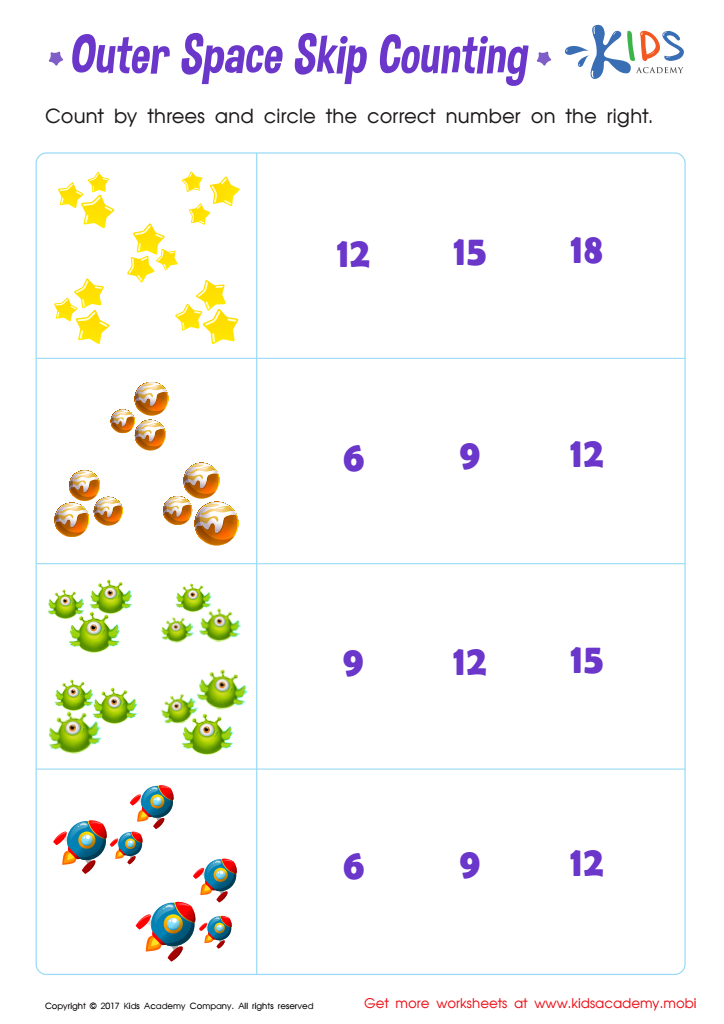
Skip Counting by 3s: Outer Space Skip Counting Printable
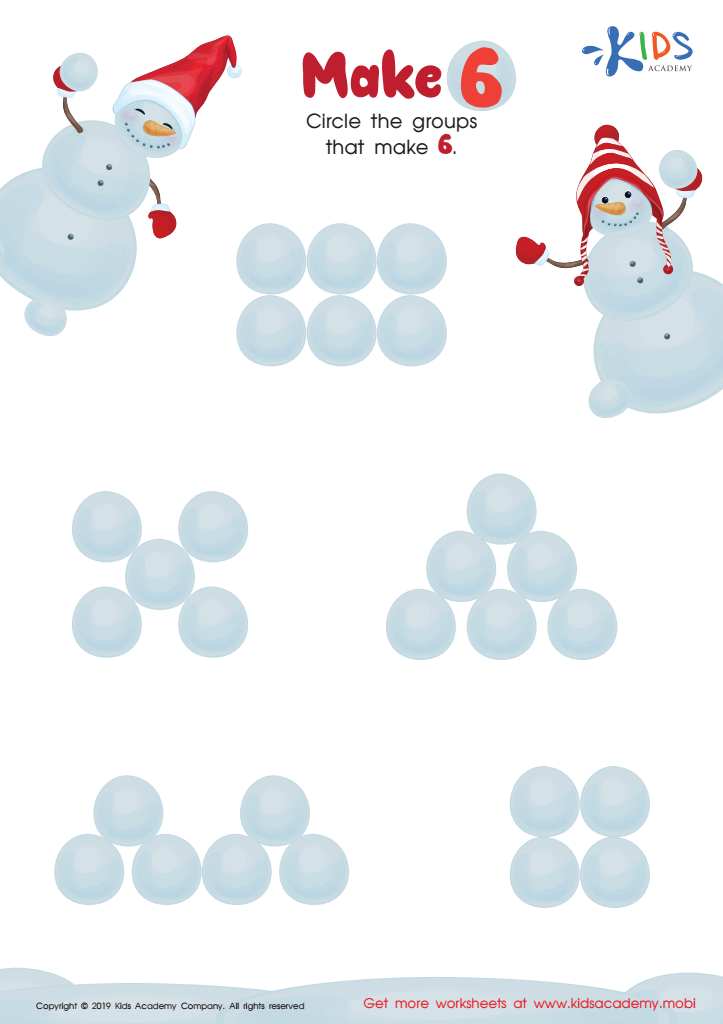
Make 6 Worksheet
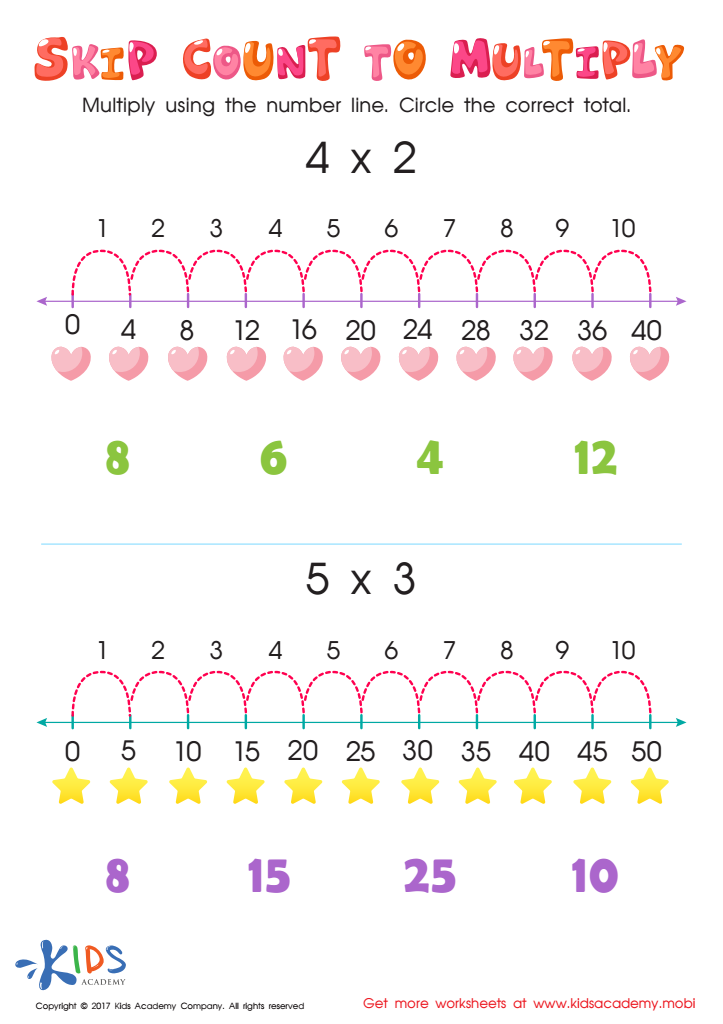
Skip Count Multiplication Worksheet
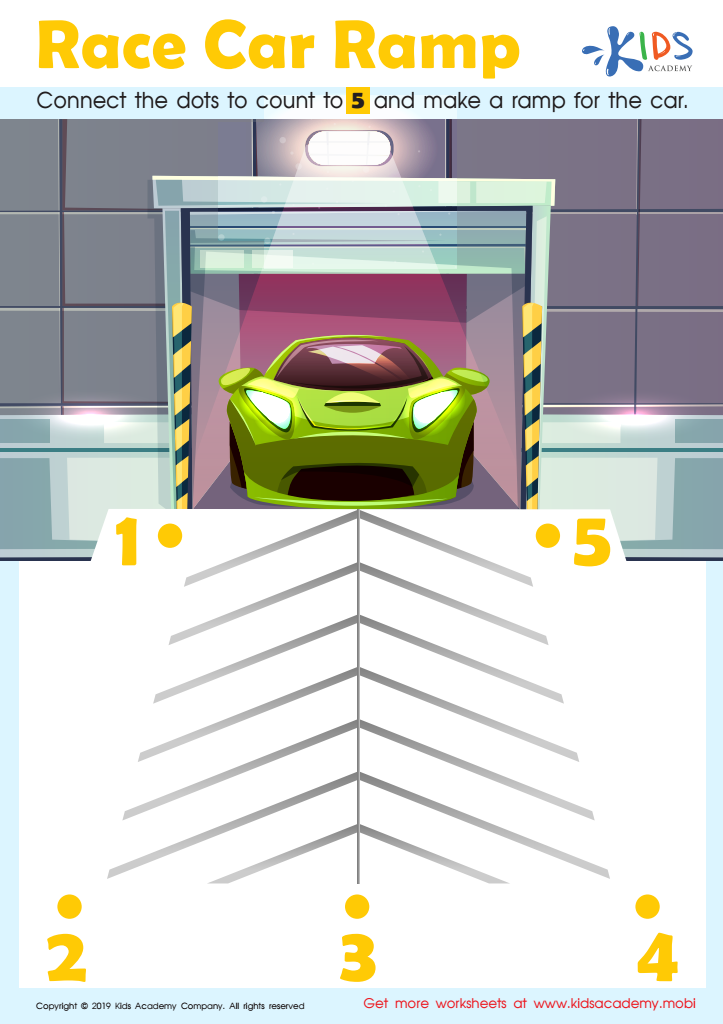
Race Car Ramp Worksheet
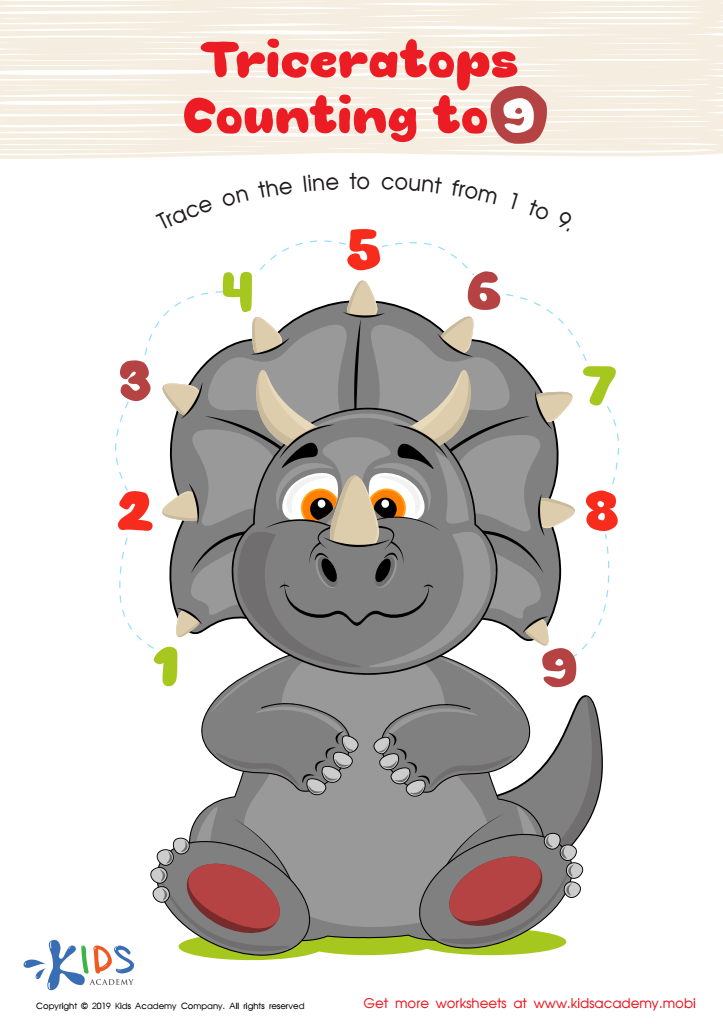
Triceratops Counting to 9 Worksheet








Easy Counting for Ages 3-8 is a crucial resource that fosters early mathematical skills in young learners. Understanding numbers and counting lays the foundation for future mathematical concepts, enabling children to develop problem-solving skills and logical thinking. Engaging with counting activities in a fun, interactive way can ignite a child’s interest in math, making it enjoyable rather than daunting.
Parents and teachers should care about this developmental phase as it directly impacts a child's academic trajectory. During these formative years, brain development is at a peak, and introducing concepts such as counting enhances cognitive skills, memory, and overall intellectual growth. Finding activities that reinforce counting enables children to grasp important numerical relationships essential for advanced math concepts later on.
Moreover, early math skills are tightly linked to later success in school and life. By incorporating Easy Counting techniques, adults can create a strong learning environment that emphasizes active participation. Utilizing everyday situations to practice counting fosters a deeper understanding and retention of mathematical concepts. Ultimately, cultivating these skills can lead to greater academic confidence in children, equipping them for future challenges and reducing math-related anxiety as they progress through their education.








